2027 Career Paths for MSW Graduates in Homeless Services

Co-Founder and Chief Data Scientist
An MSW can lead to meaningful work in homeless services, but the path is not always obvious. Graduates may qualify for direct service, clinical, policy, housing, outreach, and program leadership roles, yet each path has different licensure expectations, emotional demands, salary ceilings, and advancement options.
This guide is for prospective MSW students, current students choosing field placements, and graduates who want to work with people experiencing homelessness. It explains the main career options, education and licensing requirements, program formats, tuition considerations, salary outlook, and practical ways to choose a program that supports homeless services training.
Key Things You Should Know
- MSW graduates in homeless services increasingly engage in integrated care models, combining mental health and housing support; 2025 data shows a 12% rise in such interdisciplinary roles.
- The demand for clinical social workers with trauma-informed care expertise has grown by 15% due to rising homelessness rates, emphasizing specialized intervention skills.
- Opportunities in policy advocacy and program development are expanding, with 2024 reports indicating 20% of MSW professionals influencing federal and state homeless assistance programs.
What career paths are available for MSW graduates specializing in homeless services?
MSW graduates who focus on homeless services can work across nonprofits, local government, healthcare systems, shelters, supportive housing programs, schools, courts, and advocacy organizations. The best role depends on whether you want to provide direct client support, deliver clinical care, manage programs, shape policy, or coordinate housing resources.
Common roles for MSW graduates in homeless services
- Case manager or housing navigator: Coordinates housing applications, benefits, healthcare referrals, employment support, documentation, transportation, and crisis planning. This is one of the most common entry points into the field.
- Street outreach social worker: Builds trust with unsheltered individuals, conducts needs assessments, responds to emergencies, connects clients to shelter or housing resources, and works closely with crisis teams.
- Clinical social worker: Provides counseling, assessment, treatment planning, and behavioral health support for clients with trauma, serious mental illness, substance use disorders, or co-occurring needs. These roles often require clinical licensure.
- Shelter or transitional housing program coordinator: Oversees service delivery, staff schedules, resident support processes, intake systems, safety protocols, and partner relationships.
- Permanent supportive housing specialist: Helps clients remain housed by combining tenancy support, behavioral health referrals, benefits navigation, and landlord engagement.
- Youth and family services social worker: Supports homeless minors, parenting youth, survivors of family violence, or families facing eviction and housing instability.
- Employment specialist: Helps clients prepare for work, connect with employers, address documentation barriers, and maintain employment as part of long-term housing stability.
- Policy analyst or advocate: Works on homelessness prevention, affordable housing policy, funding proposals, tenant protections, and systems-level reform.
- Program director or nonprofit administrator: Manages grants, compliance, staff supervision, outcomes reporting, partnerships, and strategic planning.
How to choose a path
Direct service roles are a strong fit if you want frequent client contact and fast-paced problem-solving. Clinical roles are better for graduates who want to provide therapy or behavioral health treatment and are prepared to complete supervised hours for licensure. Policy and administration roles suit professionals who want to influence funding, program design, and systems change rather than manage a daily caseload.
Compensation varies by setting and role. Salary data show that 79% of homeless services workers earn under $75,000 annually, with 55% below $50,000. This makes it important to weigh mission, debt, location, benefits, and advancement potential before choosing a job. Government and healthcare employers may offer more structured salary ladders, while smaller nonprofits may provide broader responsibilities earlier in a career.
MSW students who want stronger career options should prioritize field placements in shelters, housing authorities, street outreach teams, behavioral health programs, hospitals, legal aid partnerships, or policy organizations. Training in trauma-informed care, harm reduction, motivational interviewing, grant writing, and housing law can also improve readiness for leadership roles.
Graduates interested in advanced leadership, teaching, or high-level practice development can explore fully funded DSW programs after gaining professional experience. Homeless services work can be deeply rewarding, but it also requires resilience, cultural humility, boundary-setting, and a realistic understanding of local housing systems.
What are the educational requirements to become an MSW with homeless services specialization?
The core requirement is a Master of Social Work from a program accredited by the Council on Social Work Education (CSWE). CSWE accreditation matters because it is commonly required for social work licensure and is widely expected by employers in clinical, government, nonprofit, and healthcare settings.
Applicants usually need a bachelor's degree from an accredited institution. Students with a Bachelor of Social Work may qualify for advanced standing options, while applicants from psychology, sociology, public health, criminal justice, education, or other backgrounds typically enter a standard MSW track. Some programs accept students from varied academic backgrounds if they can show strong preparation for graduate study and social service work.
Typical academic preparation
- Foundation MSW coursework: Human behavior, social welfare policy, research methods, ethics, diversity and oppression, practice with individuals and families, and community practice.
- Homeless services-related coursework: Housing instability, trauma-informed care, crisis intervention, case management, substance use, behavioral health, public benefits, advocacy, and program evaluation.
- Field education: Supervised placements in shelters, outreach teams, permanent supportive housing programs, hospitals, community mental health agencies, housing nonprofits, or public agencies.
- Licensure preparation: Coursework and field hours that align with state rules for LMSW, LSW, LCSW, or equivalent credentials.
Students should not assume that every MSW program has a formal “homeless services” concentration. Many prepare students for this work through related concentrations such as clinical social work, community practice, macro practice, social policy, mental health, or integrated health. The key is to evaluate whether the program offers relevant electives, faculty expertise, and field placements with agencies serving people experiencing homelessness.
Licensing requirements vary by state. Counseling and psychotherapy roles commonly require a clinical license after graduation, supervised practice hours, and a state-approved exam. Nonclinical roles in case management, policy, outreach, or administration may not require the same clinical credential, but licensure can still improve credibility and advancement options.
Employment demand for social workers is expected to grow 6% from 2023-2033, faster than average, with about 28,900 annual openings driven by needs in housing and behavioral health, according to the Bureau of Labor Statistics, 2024. Students who combine MSW training with field experience in housing, behavioral health, and crisis response are better positioned for this demand.
Students who need flexibility can compare online MSW programs, but should verify CSWE accreditation, field placement support, and state licensure alignment before enrolling.
How long does an MSW program take, and what are typical tuition costs?
Most MSW programs take about two years of full-time study. Part-time formats commonly extend the timeline to three or four years, which can be useful for students who are working, caregiving, or completing field hours around other responsibilities. Accelerated options may take roughly one year for eligible students with a relevant bachelor's degree or significant field experience.
Students considering a shorter route can review online accelerated MSW programs, but should confirm that speed does not come at the expense of field quality, licensure preparation, or schedule manageability.
Program length by format
- Traditional full-time MSW: About two years.
- Part-time MSW: Often three or four years.
- Accelerated or advanced standing option: Roughly one year for eligible students.
- Online or hybrid MSW: Timeline varies by course load and field placement schedule.
Typical tuition ranges
Tuition varies significantly by institution type, residency status, and delivery format. Public universities often charge in-state tuition from $12,000 to $25,000 annually, while out-of-state students might pay between $20,000 and $40,000. Private schools often charge $30,000 to $50,000 per year. Students should also budget for fees, books, transportation to field placements, background checks, technology, and possible lost work hours during internships.
Financial aid can reduce the net cost. Common options include federal loans, scholarships, graduate assistantships, employer tuition assistance, stipends tied to public service programs, and agency-sponsored training funds. Because homeless services salaries can be modest, students should compare total debt against likely earnings, not just the reputation of the school.
For students focused on homeless services, cost should be evaluated alongside field placement access. A lower-cost program with strong shelter, housing authority, healthcare, or outreach partnerships may be more valuable than a more expensive program with limited practice opportunities in homelessness-related settings.
Research shows 27% of homeless services staff work in permanent housing programs and 24% in temporary housing, with MSW professionals often leading case management and coordination. That makes field-based preparation especially important: graduates need classroom knowledge, but they also need supervised practice navigating housing systems, benefits, crisis response, and interagency coordination.
The outlook for MSW professionals in homeless services is favorable because housing instability often intersects with mental health, substance use, medical needs, domestic violence, poverty, aging, disability, and child welfare involvement. Employers need professionals who can coordinate services, provide clinical support, manage programs, and advocate across fragmented systems.
The Bureau of Labor Statistics projects a 13% growth rate for social workers overall, which supports continued opportunities in homeless services. Demand is especially relevant for MSW graduates who can work in behavioral health, healthcare, supportive housing, crisis response, and programs serving veterans, families, youth, and people with complex needs.
Salary factors to consider
Salary potential depends on role, employer type, location, licensure, experience, and supervisory responsibility. According to the ASWB Social Work Workforce Study Report 2, 2025, licensed clinical social workers (LCSWs) earn a median annual salary of $77,250, while general MSW graduates without clinical licenses earn about $66,950. This gap is one reason many MSW graduates pursue clinical licensure, even if they begin in case management or community-based roles.
- Entry-level and direct service roles: Case management, outreach, and shelter-based roles may be closer to the $66,950 level, depending on employer and region.
- Clinical roles: LCSW-level roles may pay more because they can involve diagnosis, treatment planning, therapy, supervision, and clinical documentation.
- Government and healthcare positions: These may offer more stable benefits, formal pay scales, and clearer advancement routes.
- Program leadership: Clinical supervisors, program managers, and directors may reach or exceed the median LCSW level, particularly in larger agencies.
Additional training in trauma-informed care, addiction counseling, harm reduction, crisis intervention, motivational interviewing, and housing-first practice can strengthen a candidate’s qualifications. Experience with specific populations, such as veterans, transition-age youth, families, survivors of violence, or people with co-occurring disorders, can also improve competitiveness for specialized roles.
Students weighing the financial and professional return of graduate education can review is a masters in social work worth it for broader context on the value of Social Work degrees. For homeless services specifically, the strongest return usually comes from combining MSW training with licensure planning, relevant field placements, and a clear target role.
MSW professionals in homeless services should first verify that their degree is from a CSWE-accredited program. Accreditation is the foundation for most state licensure pathways and is often required by employers, especially for clinical and government roles.
Licensing requirements differ by state, so students should check the rules where they plan to practice before choosing field placements or post-graduate supervision. Titles also vary. Common credentials include Licensed Social Worker (LSW), Licensed Master Social Worker (LMSW), Licensed Graduate Social Worker, Licensed Independent Social Worker, and Licensed Clinical Social Worker (LCSW) or state equivalents.
Typical clinical licensure requirements
- Completion of a Master of Social Work (MSW) from a CSWE-accredited program
- 2,000 to 3,000 supervised clinical hours over two to three years
- Passing a state-approved clinical exam
- Ongoing continuing education for license renewal
An LCSW or equivalent credential is especially important for roles involving therapy, diagnosis, clinical assessment, treatment planning, and supervision. It may also be required for certain behavioral health, hospital, Medicaid-billable, or integrated care positions.
Not every homeless services role requires clinical licensure. Program administration, policy advocacy, housing navigation, outreach, grant management, and community organizing may be available to MSW graduates with nonclinical credentials. However, licensure can still improve mobility, salary potential, and eligibility for leadership roles.
Research shows that 52% of nonlicensed master's-level social workers in homeless services plan to pursue licensure, reflecting the practical value of credentials in the field. Students should ask programs how they support licensure preparation, including exam readiness, supervision planning, and field placements that count toward state requirements.
A common mistake is waiting until after graduation to understand licensure rules. Instead, prospective students should review state board requirements early, confirm whether online coursework is accepted, and ask whether their field placement can support future clinical hours if they intend to pursue clinical practice.
Homeless services-focused MSW training usually combines clinical practice, housing policy, community systems, and field education. Some schools offer a formal specialization; others prepare students through electives, field placements, certificates, or concentrations in clinical social work, macro practice, community practice, policy, or integrated health.
Relevant coursework
- Trauma-informed practice: Prepares students to work with clients affected by chronic stress, violence, loss, exploitation, and institutional harm.
- Housing policy and advocacy: Covers homelessness prevention, affordable housing systems, tenant protections, public benefits, and service coordination.
- Substance use and co-occurring disorders: Builds understanding of addiction, mental health, harm reduction, and integrated treatment approaches.
- Case management and care coordination: Develops skills in assessment, documentation, service planning, referral management, and interagency collaboration.
- Crisis intervention: Prepares students for safety planning, de-escalation, mandated reporting, suicide risk response, and emergency resource connection.
- Program evaluation and grant writing: Supports leadership roles that require outcomes tracking, compliance, funding proposals, and service improvement.
- Ethics and social justice: Addresses confidentiality, consent, client autonomy, discrimination, resource scarcity, and professional boundaries.
Common specialization paths
- Clinical social work: Best for students who want to provide therapy or behavioral health services to people experiencing homelessness.
- Community organizing and policy practice: Best for students interested in homelessness prevention, affordable housing, systems reform, and advocacy.
- Macro practice or administration: Best for students aiming for nonprofit leadership, program management, grant oversight, or government housing roles.
- Integrated health or behavioral health: Best for students who want to work in hospitals, community clinics, mobile health teams, or substance use treatment programs.
Field education is the part of the MSW that most directly shapes readiness for homeless services work. Strong placements may involve shelters, transitional housing, permanent supportive housing, street outreach, behavioral health clinics, hospitals, domestic violence agencies, legal service partnerships, or public housing agencies. Students should ask how placements are selected, supervised, evaluated, and matched to career goals.
Career data reveals that 63% of bachelor's-level social workers in nonlicensed roles seek promotions or new opportunities, compared to 47% of master's-level social workers. This underscores strong career mobility and leadership pathways for MSW graduates with a focus on homeless services (Social Work Workforce Study Series Report 3, 2025).
Online and campus-based MSW programs can both prepare students for homeless services careers if they are CSWE-accredited, provide strong field education, and align with state licensure requirements. The better choice depends on schedule, location, learning style, field placement support, and access to agencies serving people experiencing homelessness.
Online MSW programs
Online MSW programs are often a good fit for working adults, rural students, caregivers, and students who cannot relocate. Coursework may be asynchronous, live online, or a mix of both. Many programs allow students to complete field placements in their local communities, which can be an advantage if the student wants to build a professional network where they already live.
The main risk is field placement support. Some online programs have strong placement teams, while others expect students to identify agencies themselves. Prospective students should ask whether the program has existing relationships with shelters, housing nonprofits, public agencies, or behavioral health providers in their region.
Campus-based MSW programs
Campus-based programs may offer more direct access to faculty, peer networks, local agencies, research centers, and community partnerships. Students who learn best through in-person discussion, role-play, and mentoring may prefer this format. Campus programs located near major service networks can also provide easier access to field placements in shelters, outreach teams, hospitals, courts, and public housing systems.
Key comparison points
- Accreditation: Both formats should be CSWE-accredited.
- Licensure alignment: Students should confirm that coursework and field hours meet the rules in the state where they plan to practice.
- Field placement quality: Homeless services training depends heavily on supervised experience, not just online or classroom content.
- Networking: Campus programs may offer stronger local networking, while online programs may help students build connections in their own communities.
- Flexibility: Online programs usually offer more scheduling flexibility, but field placements still require in-person hours.
- Cost: Tuition, fees, travel, housing, and lost work time should all be compared.
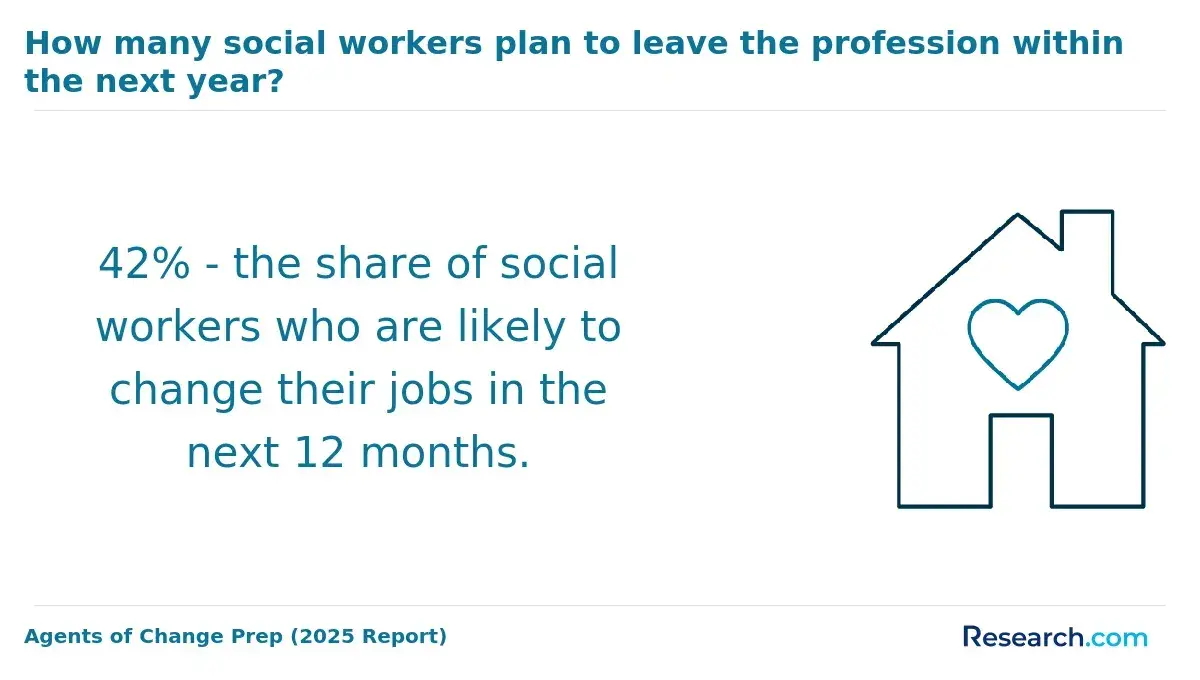
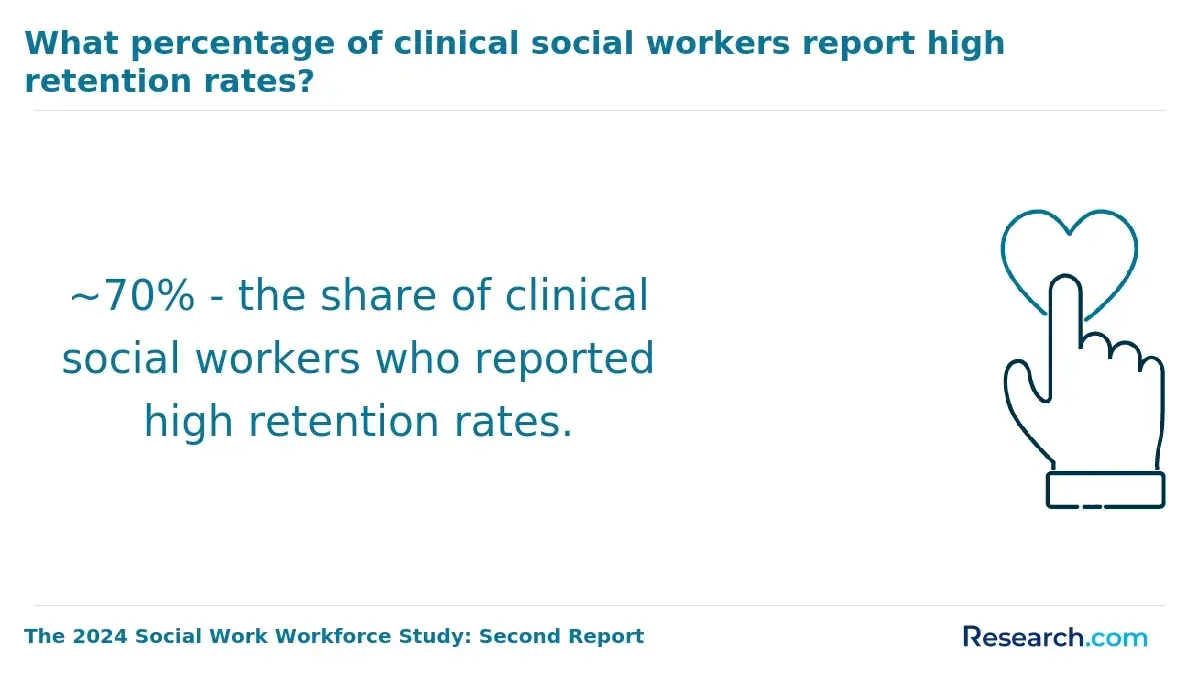
Retention rates among master's-level nonlicensed social workers are strong, with just 4.18% planning to leave the profession despite burnout risks in homeless services (Social Work Workforce Study Series Report 3, 2025). This reinforces the value of choosing a program that prepares students for the realities of the work, including caseload pressure, trauma exposure, ethical complexity, and interagency collaboration.
MSW admission requirements vary by school, but most programs look for academic readiness, commitment to social work values, relevant experience, and the interpersonal maturity needed for field education. A bachelor's degree from an accredited institution is typically required, and many programs expect a minimum GPA of around 3.0. Some schools consider applicants below that threshold if the rest of the application is strong.
Common application materials
- Official transcripts: Used to verify degree completion, GPA, and prerequisite coursework.
- Personal statement: Explains career goals, commitment to social work, relevant experience, and fit with the program.
- Resume or CV: Highlights employment, internships, volunteer work, advocacy, research, or human services experience.
- Letters of recommendation: Often from professors, supervisors, or professionals who can speak to readiness for graduate social work.
- GRE scores: Some schools require them, but many waive them based on prior academic or professional qualifications.
- Interview: Some programs use interviews to assess motivation, communication skills, ethical judgment, and readiness for direct practice.
Prerequisites may include coursework in psychology, sociology, statistics, human services, or related fields. When prerequisites are missing, some schools allow conditional admission or bridge coursework. Applicants with a BSW may be eligible for advanced standing, while those from other majors typically complete the full MSW curriculum.
Applicants interested in homeless services should use the application to show more than general compassion. Strong applications connect lived, volunteer, academic, or professional experience to specific goals such as housing advocacy, street outreach, clinical care, family homelessness prevention, behavioral health, or public policy. Experience with marginalized communities, crisis work, trauma-informed services, community organizing, or benefits navigation can strengthen the file.
International applicants must typically provide proof of English proficiency through tests such as TOEFL or IELTS. Specialized tracks or dual degrees may have additional requirements, including clinical experience, prerequisite coursework, or separate applications.
According to the CSWE Survey of 2017 Social Work Graduates, updated workforce data 2024, 92.0% of new MSWs engage in direct or clinical services. That makes admissions preparation important: programs are not only evaluating academic ability, but also readiness to serve individuals, families, and communities facing complex challenges such as homelessness.
Prospective students should start with one nonnegotiable requirement: the MSW program should be accredited by the Council on Social Work Education (CSWE). Without CSWE accreditation, graduates may face barriers to licensure, employment, and clinical advancement.
What to compare before enrolling
- Accreditation and licensure fit: Confirm CSWE accreditation and ask whether the curriculum meets licensing requirements in the state where you plan to work.
- Field placement support: Look for partnerships with shelters, outreach teams, housing authorities, supportive housing providers, hospitals, behavioral health agencies, and policy organizations.
- Faculty expertise: Review whether faculty teach, research, or practice in homelessness, housing policy, behavioral health, poverty, trauma, community practice, or social justice.
- Program format: Decide whether online, hybrid, part-time, full-time, or campus-based study fits your schedule and learning style.
- Licensure exam outcomes: Compare licensure exam pass rates when available.
- Graduation and retention data: These can indicate whether students are supported through the program.
- Cost and aid: Review tuition, fees, scholarships, assistantships, employer reimbursement, and realistic borrowing needs.
- Career services: Ask how the school helps students move from field placements into employment.
- Local agency access: Students interested in homeless services benefit from programs near strong service networks or programs that can secure quality placements locally.
Flexibility matters. About 30% of licensed social workers earned their MSW through online or hybrid models (ASWB Social Work Workforce Study Report 2, 2025). These formats can be effective for working professionals, but students should verify that remote coursework is paired with rigorous, supervised in-person field training.
Prospective students should also compare the hidden costs of each program. A program with lower tuition but weak field placement support may require more time and effort to secure experience. A higher-cost program may be worth considering if it offers strong agency partnerships, scholarships, licensure support, and a clear path into homeless services employment.
Before committing, ask direct questions: Where have homeless services-focused students completed placements? Who supervises them? How are placements evaluated? What happens if a placement falls through? How does the program support students exposed to secondary trauma or burnout? The answers reveal how well the program understands the realities of this field.
What professional certifications and continuing education advance MSW careers in homeless services?
Professional certifications and continuing education can help MSW graduates move into clinical, supervisory, healthcare, outreach, policy, and program leadership roles. The most important credential for clinical advancement is often the Licensed Clinical Social Worker (LCSW) or the equivalent credential in the state of practice. It may allow social workers to provide clinical treatment, supervise other practitioners, and qualify for roles that involve mental health billing or advanced behavioral health services.
Useful credentials and training areas
- LCSW or state clinical license: Valuable for therapy, assessment, diagnosis, treatment planning, supervision, and behavioral health roles.
- Trauma-Informed Care certification: Strengthens practice with clients affected by violence, chronic stress, displacement, and systems trauma.
- Certified Case Manager (CCM): Supports roles involving care coordination, service planning, interdisciplinary teamwork, and complex client needs.
- Certified Homelessness Professional (CHP): Emphasizes housing advocacy and specialized knowledge of homelessness-related service systems.
- Substance abuse counseling training: Useful for work with co-occurring substance use and mental health needs.
- Motivational interviewing: Helps practitioners support client-led change without coercive or judgmental approaches.
- Harm reduction training: Builds practical skills for meeting clients where they are while reducing health and safety risks.
- Housing first training: Supports evidence-informed approaches that prioritize stable housing as a foundation for other services.
- Ethics and confidentiality continuing education: Important for compliance, client rights, documentation, and interagency collaboration.
The Social Work Workforce Study Series Report 3 (2025) highlights that master's-level social workers without licensure still often deliver medical and advocacy services in homeless settings, showing why advanced continuing education matters even for nonclinical professionals.
Many MSW professionals must complete mandatory continuing education for license renewal. Requirements vary by state and may include ethics, cultural competence, mandated reporting, supervision, telehealth, or clinical practice topics. Professionals should track renewal deadlines carefully and choose training that supports their actual job responsibilities.
The main benefits of certifications and continuing education include greater eligibility for clinical and supervisory positions, stronger interdisciplinary collaboration, improved advocacy for clients with complex needs, increased professional credibility, and better earning potential. The best choice depends on the intended role: clinical workers should prioritize licensure and behavioral health training, outreach workers may benefit from crisis and harm reduction education, and administrators may gain more from grant writing, program evaluation, supervision, and housing policy training.
Other Things You Should Know About Social Work
Effective communication, empathy, and cultural competence are crucial skills for social workers in homeless services. They must also demonstrate strong problem-solving abilities and resilience to handle the complex challenges faced by this population. Organizational skills help in managing case loads and coordinating with various community resources.
Social workers must adhere to ethical principles such as confidentiality, dignity, and respect for client autonomy. They navigate challenges like resource limitations while advocating for clients' rights and equitable access to services. Ethical practice also involves managing boundaries and avoiding conflicts of interest in complex service environments.
Most supervisory roles require the LCSW credential, which usually needs an MSW from a CSWE-accredited program, 3,000 or more post-master’s supervised clinical hours, and a clinical license exam such as the ASWB Clinical. State boards set the exact rules, so supervisors must verify local licensure requirements.
- Types of Social Work https://www.socialworkers.org/News/Facts/Types-of-Social-Work
- Social Work Careers https://socialworklicensemap.com/social-work-careers/
- Top 15 Highest‑Paying Pharmacy Jobs in the UK 2025 (Including Salaries) https://apexlearning.org.uk/highest-paying-social-work-jobs-uk-2026/
- Types of Social Workers: Exploring the Many Fields in Which They Serve https://www.umassglobal.edu/blog-news/types-of-social-workers
- MSW Specializations: Clinical, Macro, Advanced Generalist Programs https://www.masterofsocialwork.com/resources/msw-specializations
- Accepted to Multiple MSW Programs? Here’s How to Choose the Right One https://www.mswhelper.com/blog/how-to-decide-on-an-msw-program
- Social Work Certificate Benefits for Your Career https://socialworkexams.com/the-ultimate-guide-to-social-work-certificate-programs/
- Types of Social Work Jobs: 4 Career Paths https://onlinedegrees.keuka.edu/blog/types-of-social-work-jobs
- Exploring Non-Traditional Social Work Careers https://agentsofchangeprep.com/blog/exploring-non-traditional-social-work-careers/
- California Master of Social Work Degree Specializations https://www.californiasocialworkedu.org/california-master-of-social-work-degree-specializations/