2027 Policy and Advocacy Careers for Online MSW Graduates

Co-Founder and Chief Data Scientist
Choosing an online MSW for policy and advocacy is a different decision from choosing one for clinical practice. You are preparing for work that changes systems: legislation, public programs, agency rules, funding priorities, and community protections. That path can be especially confusing for professionals whose bachelor’s degree is not in social work, because the questions are practical: Do you need a CSWE-accredited program? Will you need a license if you do not plan to provide therapy? Which concentrations actually lead to policy jobs? How much time and tuition should you expect?
This guide explains how online MSW graduates can move into policy and advocacy roles, what employers and licensing boards typically look for, how programs build policy skills, and how to compare cost, timeline, salary, specialization, credentials, and job-market demand. It is written for career changers, current social service professionals, and prospective MSW students who want to influence social policy rather than focus only on direct practice.
Key Things You Should Know
- Online MSW graduates specializing in policy and advocacy are projected to see a 12% employment growth through 2030, driven by increasing demand for social justice and systemic reform experts.
- Approximately 65% of policy-focused MSW graduates report working in government or nonprofit sectors, indicating strong institutional reliance on advanced social work expertise in shaping public policy.
- Graduates with policy and advocacy training can expect median salaries ranging from $60,000 to $75,000 annually, reflecting growing recognition of their critical role in community and legislative advocacy efforts.
What career paths are available for online MSW graduates in policy and advocacy?
Online MSW graduates who focus on policy and advocacy can work in roles that influence laws, agency programs, funding decisions, and public services. These positions are usually considered macro social work because the goal is to improve systems rather than provide only one-on-one services.
Common career paths include policy analyst, advocacy coordinator, legislative liaison, community outreach manager, lobbyist for social causes, program director, research associate, and nonprofit policy manager. The right role depends on whether you prefer research, public communication, organizing, government relations, or program leadership.
| Career path | Primary work | Best fit for graduates who enjoy |
| Policy analyst | Reviews laws, regulations, programs, and data to recommend policy changes. | Research, writing, evaluation, and evidence-based recommendations. |
| Advocacy coordinator | Organizes campaigns, builds coalitions, and mobilizes communities around social issues. | Public engagement, organizing, messaging, and stakeholder work. |
| Legislative liaison | Connects agencies, nonprofits, or advocacy groups with lawmakers and public officials. | Government processes, relationship-building, and policy communication. |
| Community outreach manager | Ensures affected communities are represented in programs, hearings, and advocacy efforts. | Community engagement, equity work, and partnership development. |
| Program director | Leads initiatives addressing issues such as homelessness, mental health, child welfare, or substance abuse. | Leadership, grant writing, budgeting, supervision, and outcomes assessment. |
| Research or evaluation specialist | Studies social problems and program results to support reform proposals. | Data analysis, reports, surveys, interviews, and applied research. |
Policy advocacy roles for online MSW graduates are projected to grow 7% from 2023 to 2033, with 67,300 annual openings tied to demand in health care, child welfare, and behavioral health sectors. Candidates can strengthen their prospects by building skills in legislative processes, data analysis, policy writing, coalition-building, and community organizing.
Field experience matters. A practicum, internship, volunteer role, or part-time position with a policy council, advocacy organization, legislative office, public agency, or nonprofit can help translate coursework into job-ready experience. Graduates who later want doctoral-level preparation in social work leadership and policy can compare affordable online DSW programs.
What are the accreditation and licensing requirements for MSW graduates entering policy roles?
The most important accreditation factor is whether the MSW program is accredited by the Council on Social Work Education (CSWE). For online MSW policy careers, CSWE accreditation is often the baseline requirement for licensure eligibility, field education recognition, and employer confidence. A non-CSWE-accredited degree can limit options, especially if a graduate later wants a licensed role, supervisory position, or job that intersects with client services.
Licensing rules are state-specific. Many MSW graduates pursue the Licensed Master Social Worker (LMSW) credential, which typically requires an accredited MSW and a passing score on a state-recognized Association of Social Work Boards (ASWB) exam. However, not every policy or advocacy job requires a license. Some government, nonprofit, research, and community advocacy positions are nonclinical and may not involve direct counseling or psychotherapy.
| Requirement | Why it matters for policy careers | What applicants should verify |
| CSWE accreditation | Protects licensure eligibility and signals that the program meets social work education standards. | Confirm the online MSW is CSWE-accredited before enrolling. |
| State licensure | May be required for roles connected to client services, supervision, or protected social work titles. | Check the social work board in the state where you plan to work. |
| ASWB exam | Often part of the LMSW process. | Review the required exam level and state application steps. |
| Nonclinical policy roles | Some positions may not require licensure if they exclude counseling or clinical practice. | Read job postings carefully and confirm title restrictions in your state. |
Licensure can still be valuable even when it is not mandatory. It may improve credibility, broaden job options, and support advancement into leadership or supervisory roles. The safest approach is to choose a CSWE-accredited MSW, then check licensing rules in the state where you intend to practice or work in policy.
Additional credentials, including Certified Social Work in Policy Practice (CSWPP), may strengthen a policy-focused resume, but they do not replace state licensure when licensure is required. Practical experience remains essential, especially through field placements in legislative offices, advocacy groups, public agencies, or policy-focused nonprofits.
Demand for MSW policy roles is rising, with expected job growth of 13% by 2032 as advocacy needs increase. Prospective students comparing tuition should review masters in social work online cost before committing to a program.
How do online MSW programs prepare students specifically for policy and advocacy work?
Online MSW programs prepare students for policy and advocacy by combining social work theory, policy analysis, research methods, field education, and applied advocacy practice. A strong policy-focused MSW should teach students how to identify structural problems, evaluate policy options, communicate evidence, and advocate ethically for affected communities.
Typical coursework may include social welfare policy, policy analysis, program evaluation, human rights and social justice, ethics in advocacy, research methods, leadership, grant writing, and community organizing. These courses are most useful when they require practical outputs such as policy briefs, testimony drafts, stakeholder maps, campaign plans, or program evaluation reports.
Field education is often the bridge between an online program and a policy career. Students may complete practicum placements with government agencies, nonprofits, advocacy organizations, community coalitions, or research centers. These placements can expose students to legislative tracking, coalition meetings, public comments, needs assessments, budget advocacy, and program implementation.
| Skill area | How online MSW programs build it | Why it matters in policy work |
| Policy analysis | Courses, case studies, and policy briefs. | Helps graduates evaluate laws, rules, and programs before recommending change. |
| Research and data use | Research methods, program evaluation, and evidence-based practice assignments. | Supports credible proposals, reports, testimony, and funding requests. |
| Advocacy communication | Simulations, presentations, campaign planning, and written testimony. | Helps graduates communicate clearly with policymakers, funders, communities, and agencies. |
| Community organizing | Group projects, field placements, and coalition-building activities. | Ensures policy recommendations reflect community needs and lived experience. |
| Leadership and funding | Grant writing, management, and program planning coursework. | Prepares graduates to lead initiatives and sustain advocacy programs. |
Students seeking an MSW with a policy focus should look for faculty experience in social justice, public policy, community practice, nonprofit leadership, or policy reform. They should also ask how the program supports field placements near the student’s location, especially if the student is enrolled online and cannot relocate.
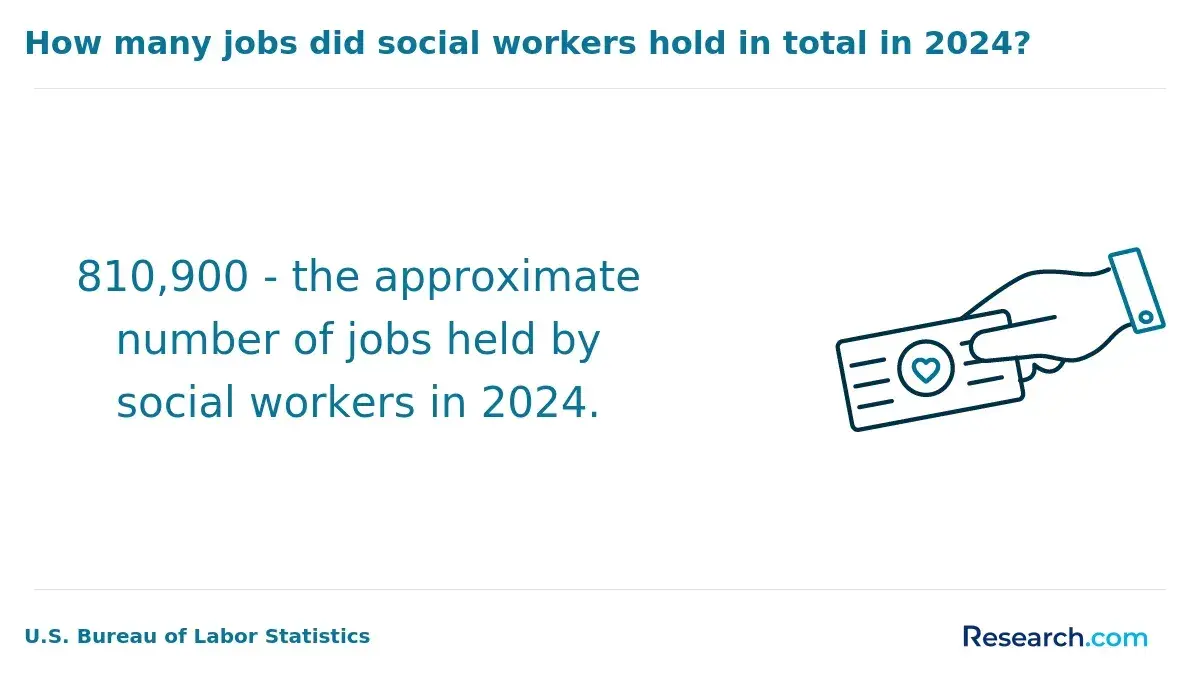
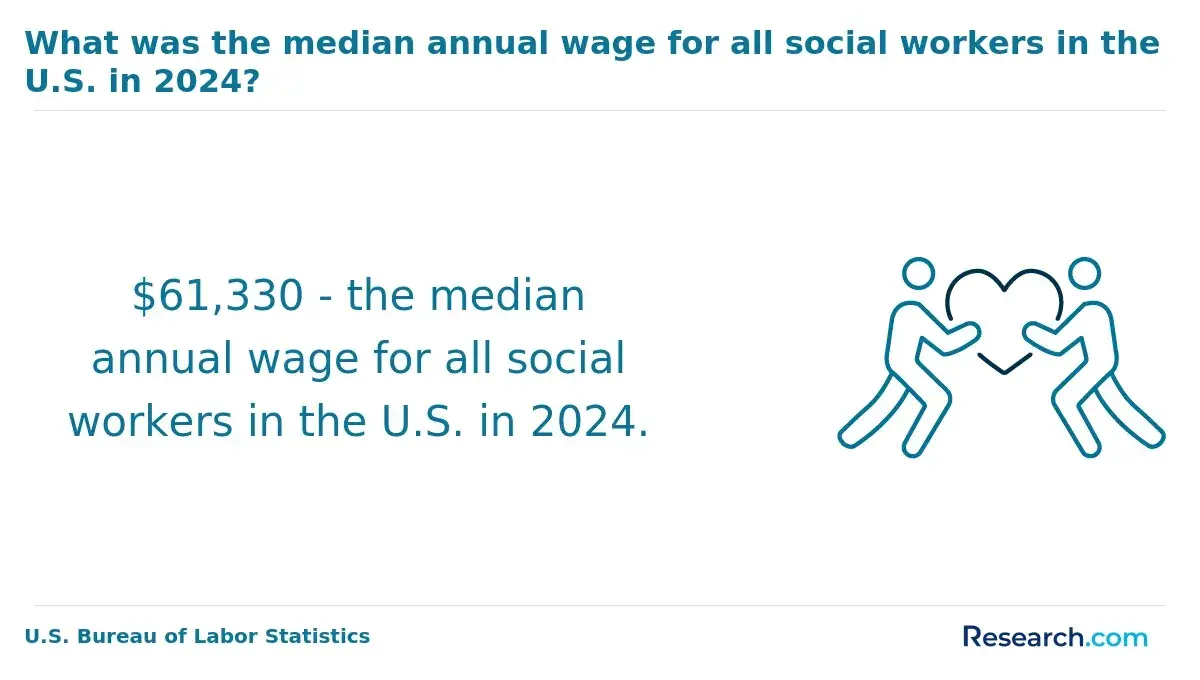
Graduates commonly pursue roles as policy analysts, lobbyists, community advocates, program managers, and legislative liaisons. Policy social workers with an MSW earn a median salary of $82,360 annually, according to the Bureau of Labor Statistics. Prospective students comparing flexible formats can review masters degree in social work online programs.
The job outlook for MSW graduates in policy and advocacy is positive, but opportunities vary by location, employer type, specialization, and prior experience. Lightcast Job Market Analytics reported 15,200 job postings in this sector, a 22% increase from the previous year. That growth reflects demand for professionals who understand both social service systems and policy design.
Policy and advocacy roles are found in government agencies, nonprofit organizations, research institutes, foundations, advocacy coalitions, and health or human services systems. Common job titles include policy analyst, advocacy coordinator, legislative liaison, program developer, government affairs associate, community engagement manager, and policy research specialist.
Demand is especially tied to issues such as healthcare reform, child welfare, homelessness prevention, disability services, aging services, behavioral health, public benefits, and mental health policy. Employers often look for candidates who can read regulations, interpret data, write clearly, coordinate stakeholders, and understand how policy choices affect vulnerable populations.
Location can shape the number and type of openings. Urban policy hubs such as Washington D.C., New York, and Chicago offer high concentrations of government, nonprofit, and advocacy roles. Federal agencies such as the Department of Health and Human Services and the Social Security Administration also recruit MSW graduates for work connected to program improvement and systemic change.
Students should not rely on the MSW alone to secure a policy job. The strongest candidates usually combine the degree with field placements, policy writing samples, data analysis skills, coalition experience, and a clear issue focus. Experience with public benefits, housing, behavioral health, child welfare, or healthcare systems can make a resume more competitive.
MSW graduate employment prospects in policy advocacy remain strong as social issues stay central to public and governmental agendas. Readers weighing the value of the degree can also review is a degree in social work worth it.
MSW graduates in policy and advocacy can generally expect salaries to vary by role, employer, location, and experience. Entry-level roles commonly fall between $55,000 and $75,000 annually. Mid-level positions such as policy analyst or advocacy coordinator often range from $70,000 to $90,000. Senior positions, including policy director or government affairs manager, may reach $90,000 to $120,000 or more.
| Career stage | Common roles | Typical salary range |
| Entry level | Policy associate, advocacy assistant, research associate, community outreach specialist. | $55,000 to $75,000 annually. |
| Mid level | Policy analyst, advocacy coordinator, program manager, legislative liaison. | $70,000 to $90,000 annually. |
| Senior level | Policy director, senior policy advisor, government affairs manager, advocacy director. | $90,000 to $120,000 or more. |
Several factors influence where a graduate falls within these ranges:
- Employer type: Nonprofits may offer lower starting salaries than government agencies, foundations, or private policy firms, though they may provide strong mission alignment and leadership opportunities.
- Region: Metropolitan areas such as Washington, D.C., New York, and California often offer higher pay, partly because of higher living costs and greater demand for policy professionals.
- Specialization: Experience in healthcare policy, behavioral health, housing, child welfare, data analysis, legislative strategy, or coalition-building can improve earning potential.
- Experience: Field placements, prior social services work, campaign experience, grant writing, and program evaluation can help graduates compete for stronger roles sooner.
The MSW can also support faster advancement. According to the Council on Social Work Education 2024 Career Outcomes Survey, MSW graduates get promoted 40% faster than those with a BSW, with 68% reaching senior roles within five years. That progression is most likely when graduates pair the degree with measurable policy or program achievements.
For example, an MSW-trained advocacy manager working on healthcare reform might start around $72,000 and later move into a senior policy advisor role with compensation above $100,000. Salary outcomes are not guaranteed, but policy-focused graduates who build strong writing, research, legislative, and leadership skills are better positioned for higher-paying roles.
Several online MSW programs offer policy, advocacy, community organizing, or macro practice options for students who want to work beyond direct clinical services. These concentrations are designed to build skills in legislative advocacy, policy analysis, community engagement, program development, and systems reform.
The University of Southern California offers a Policy and Community Organizing concentration that emphasizes legislative change and social justice advocacy. Simmons University provides a policy practice specialization for students preparing for government and nonprofit roles focused on systemic reform. The University of Denver offers a policy and advocacy track that covers legislative processes, policy analysis, and community engagement.
| Program | Policy-related option | Useful for students interested in |
| University of Southern California | Policy and Community Organizing concentration. | Legislative change, social justice advocacy, organizing, and community-level reform. |
| Simmons University | Policy practice specialization. | Government, nonprofit advocacy, and systemic reform roles. |
| University of Denver | Policy and advocacy track. | Legislative processes, policy analysis, and community engagement. |
When comparing online MSW programs, do not rely only on the concentration title. Review the actual courses, field placement options, faculty background, and student support services. A strong policy track should include applied policy writing, research or evaluation training, advocacy strategy, and opportunities to work with government agencies, nonprofits, or community organizations.
Remote social work roles in policy expanded by 35% between 2023 and 2025, according to the FlexJobs Social Work Report, 2025. This makes online programs more attractive for students who want access to federal advocacy, state policy, or national nonprofit roles without relocating. However, students should confirm whether field placements can be completed locally or remotely and whether the program has relationships with policy-focused organizations.
The best choice is the program that matches your intended policy area, whether that is healthcare, child welfare, housing, disability rights, behavioral health, environmental justice, public benefits, or community development. Accreditation, field placement quality, faculty expertise, and total cost should carry as much weight as the specialization name.
Accredited online MSW programs usually require a bachelor’s degree from a regionally accredited institution. Applicants with a Bachelor of Social Work may qualify for advanced standing, while applicants from other academic backgrounds typically enter a traditional MSW track that includes foundation coursework.
Most programs ask for official transcripts and a minimum cumulative GPA, commonly 3.0 or higher. Some schools consider applicants with GPAs as low as 2.7, often with conditions such as additional review, probationary admission, or stronger supporting materials. Applicants without a BSW may need prerequisite coursework or a foundational bridge curriculum, depending on the program.
Typical application materials include two or three letters of recommendation, a personal statement, a resume, and sometimes writing samples or responses to prompts about social justice, ethics, or professional goals. Letters are strongest when they come from professors, supervisors, field coordinators, or community leaders who can speak to the applicant’s readiness for graduate-level social work.
| Requirement | What schools usually want to see | How policy-focused applicants can strengthen it |
| Bachelor’s degree | Degree from a regionally accredited institution. | Explain how your prior field connects to social policy or advocacy. |
| GPA | Often 3.0 or higher; some programs consider 2.7 with conditions. | Use the statement to address academic growth if your GPA is below the preferred range. |
| Experience | Professional, volunteer, or community service experience; requirements vary. | Highlight work with nonprofits, public agencies, campaigns, research, or social services. |
| Recommendations | Two or three letters from academic or professional references. | Choose recommenders who can describe writing, ethics, leadership, and service commitment. |
| Personal statement | Clear motivation for social work and readiness for graduate study. | Identify the policy issues you want to address and why an MSW is the right path. |
| GRE | Less frequently required, but still required by some competitive programs. | Verify each program’s testing policy before applying. |
International applicants may need TOEFL or IELTS scores and credential evaluations for prior degrees. Because deadlines, prerequisite rules, and field placement requirements differ by school, applicants should review each program’s admission page carefully before submitting materials.
Although 45% of recent MSW cohorts come from diverse backgrounds, only 24% of policy director roles in social service agencies are held by MSW graduates from underrepresented groups, highlighting equity challenges and the value of programs committed to diversity and inclusion (NASW Center for Diversity, 2025).
An online MSW degree generally takes 2 to 3 years to complete. Full-time students often finish in about 24 months, while part-time students, including many working professionals, may take up to 36 months or longer. Hybrid formats with some synchronous sessions usually follow similar timelines.
Students with a bachelor’s degree in Social Work may be eligible for advanced standing, which can reduce time and cost. Students without a BSW usually complete the full foundation and advanced curriculum. Accelerated tracks can be appealing, but they require careful planning because field education hours, work schedules, and family responsibilities can make a compressed timeline difficult.
Costs vary widely. Public universities typically charge between $15,000 and $30,000 for the full degree, while private institutions can exceed $40,000. Additional expenses may include textbooks, technology fees, background checks, field placement requirements, travel for campus visits, and lost work hours during practicum placements.
| Factor | Typical range or consideration | Decision tip |
| Time to completion | 2 to 3 years for most online MSW students. | Choose full-time only if you can manage coursework and field placement demands. |
| Full-time timeline | About 24 months. | Best for students who can reduce work hours or have flexible employment. |
| Part-time timeline | Up to 36 months or longer. | Often better for working professionals who need a manageable pace. |
| Public university cost | $15,000 to $30,000 for the entire degree. | Compare in-state, out-of-state, and online tuition policies. |
| Private institution cost | Can exceed $40,000. | Review scholarships, field support, outcomes, and employer connections before paying more. |
Financial aid, scholarships, assistantships, public service programs, and employer tuition reimbursement can reduce out-of-pocket costs. Students planning policy careers should also ask whether unpaid or low-paid field placements are required, since practicum scheduling can affect total affordability.
Return on investment should be considered alongside mission fit. Research from the Georgetown University Center on Education and the Workforce indicates that online MSW graduates pursuing policy careers recoup their tuition within about 2.1 years. Over a lifetime, these graduates earn approximately $1.2 million more than those without a degree.
Before enrolling, compare accreditation, total program cost, field placement support, policy specialization options, faculty expertise, and graduation timeline. The lowest tuition is not always the best value if the program lacks policy placements or career support, but a higher-cost program should offer clear advantages.
Certifications can strengthen an MSW policy advocate’s resume when they match the person’s target role. They are most useful when they demonstrate practical expertise in policy analysis, case systems, grant writing, environmental justice, leadership, or legal advocacy. They should be viewed as supplements to an accredited MSW and, when required, state licensure.
The Certified Social Work Case Manager (C-SWCM) credential may benefit professionals working where policy implementation intersects with complex client systems. The Certified Advanced Social Work Case Manager (C-ASWCM) can provide advanced recognition for social workers who manage high-level case systems and policy-connected service coordination.
Policy Advocacy Certificate programs offered through accredited universities and continuing education providers can help graduates sharpen skills in legislative processes, community organizing, campaign strategy, and advocacy communication. Grant writing certification is also valuable for nonprofit and government roles because many advocacy initiatives depend on sustainable funding.
| Credential or training area | Best suited for | Career value |
| Certified Social Work Case Manager (C-SWCM) | Policy advocates working with service systems and complex client needs. | Shows competence in coordinated support and system navigation. |
| Certified Advanced Social Work Case Manager (C-ASWCM) | Experienced social workers in advanced case management or policy implementation roles. | Signals higher-level practice knowledge in complex service environments. |
| Policy Advocacy Certificate | Graduates pursuing legislative, community organizing, or systems reform work. | Builds focused advocacy and policy process skills. |
| Environmental Social Work Certification | Advocates working in environmental equity and climate justice policy. | Can support entry into an emerging specialization. |
| Grant writing certification | Nonprofit, government, and community advocacy professionals. | Improves ability to secure funding for programs and campaigns. |
| Data analysis or policy research training | Policy analysts, researchers, and program evaluators. | Supports evidence-based recommendations and stronger reports. |
Climate justice policy roles are projected to grow 28% due to increased federal funding for environmental equity programs, making credentials such as Environmental Social Work Certification potentially useful for graduates entering that area. Legal knowledge, rights-based advocacy training, and continuing education in administrative law can also help social workers involved in systemic reform.
Licensure requirements vary by state and become especially important when advocacy work overlaps with clinical services, supervision, direct client intervention, or protected social work titles. Before investing in any credential, graduates should review job postings in their target field and identify which credentials employers actually request.
How do online MSW graduates transition from education to entry-level policy positions?
Online MSW graduates can transition into entry-level policy positions by turning coursework, field education, and prior experience into a clear policy-focused portfolio. Employers need evidence that a candidate can research issues, write persuasively, understand affected communities, and work within legislative or organizational systems.
The strongest first step is choosing a practicum or internship in a policy-relevant setting. Good options include government agencies, legislative offices, nonprofit advocacy organizations, public policy institutes, community coalitions, foundations, political organizations, and program evaluation teams. These placements can provide experience with policy briefs, public comments, stakeholder meetings, data review, community listening sessions, and program recommendations.
Graduates should build a small portfolio that includes writing samples and measurable results. Useful materials may include a policy memo, advocacy campaign plan, grant proposal excerpt, legislative testimony draft, needs assessment, research summary, or program evaluation report. A resume is more persuasive when it shows outcomes, not only responsibilities.
- Target a policy area. Choose a focus such as housing, healthcare, behavioral health, child welfare, aging, disability rights, public benefits, or environmental justice.
- Use field education strategically. Select placements that involve policy analysis, advocacy, program evaluation, or community organizing.
- Develop technical skills. Strengthen data analysis, qualitative research, policy writing, grant writing, and digital advocacy skills.
- Network in policy spaces. Join professional associations, attend public hearings, participate in advocacy coalitions, and connect with policy think tanks.
- Translate social work experience for policy employers. Explain how direct service, case management, or community work gives you insight into system-level problems.
- Apply broadly but intentionally. Search for titles such as policy associate, research associate, advocacy coordinator, government affairs assistant, program analyst, and community engagement specialist.
By 2030, about 25% of social work roles are expected to integrate AI-augmented policy analysis, which makes data literacy and ethical technology use increasingly important. Graduates do not need to be data scientists, but they should be comfortable interpreting reports, identifying bias, summarizing findings, and using evidence to support equity-focused advocacy.
Networking can be decisive. Professional associations, alumni groups, faculty contacts, field supervisors, advocacy coalitions, conferences, and policy roundtables can lead to informational interviews and job referrals. Online graduates should also use university career services for resume review, mock interviews, and employer connections.
Competition may come from applicants with public administration, public policy, law, or political science backgrounds. MSW graduates can stand out by emphasizing their understanding of service systems, ethics, community needs, and the human impact of policy decisions. The best entry-level candidates show both policy skill and social work perspective.
Other Things You Should Know About Social Work
Policy-focused field placements often include legislative offices, state agencies, nonprofit advocacy groups, and think tanks. Many online MSW programs require 900 hours of supervised field education, and students can use a policy placement to learn bill tracking, constituent analysis, and advocacy writing under licensed supervision.
Yes, social workers frequently play a key role in shaping legislation by providing expert testimony, conducting research, and collaborating with lawmakers. Their front-line experience offers valuable insights that inform policy development and reform. Advocacy efforts often focus on creating equitable systems and addressing the root causes of social issues.
Social workers in policy and advocacy often encounter challenges such as navigating bureaucratic systems, limited resources, and resistance to change. Balancing conflicting stakeholder interests and maintaining ethical standards can also be demanding. Despite these obstacles, their efforts are essential in advancing social welfare and protecting marginalized populations.
- After Your MSW: A State-by-State Guide to Social Work Licensing https://www.onlinemastersdegrees.org/student-resources/social-work/license-requirements/
- Career Change to Social Work at 30+: Complete Guide https://www.socialworkdegrees.org/career-change-to-social-work
- Social Work Careers: Why the Demand for MSW Graduates Is Growing in 2026 https://www.odljain.com/blog/social-work-careers-demand-msw-graduates-2025.html
- What Careers can you pursue with a Social Work degree? https://www.pointloma.edu/resources/counseling-psychology/what-careers-can-you-pursue-social-work-degree
- Online MSW Programs No GRE Required - MasterofSocialWork.com https://www.masterofsocialwork.com/faqs/gre-requirements-online-msw-programs
- Accreditation and/or licensing requirements | SWTP https://socialworktestprep.com/blog/2024/october/25/accreditation-and-or-licensing-requirements/
- A Complete Guide to MSW Specializations for 2023 https://mastersinsocialworkonline.org/resources/msw-specializations/
- Concentrations in Online MSW Programs https://www.onlinemswprograms.com/careers/online-msw-concentrations/
- How Long Does it Take to Become a Social Worker? https://socialworklicensemap.com/become-a-social-worker/how-long-does-it-take/
- Social Work Salaries https://www.socialworkers.org/careers/career-center/kickstart-your-job-hunt/social-work-salaries