2027 MSW vs MPH (Public Health) Degrees Compared

Co-Founder and Chief Data Scientist
Choosing between a Master of Social Work (MSW) and a Master of Public Health (MPH) is really a choice between two ways of improving health and well-being. An MSW prepares you to work closely with individuals, families, groups, and communities, often through counseling, case management, advocacy, and social services. An MPH prepares you to improve health at the population level through prevention, research, policy, program design, and data-informed decision-making.
The distinction matters because the degrees can lead to different job titles, licensure requirements, fieldwork expectations, salary paths, and day-to-day responsibilities. According to the U.S. Bureau of Labor Statistics (BLS), overall employment of social workers is projected to grow 6% from 2024 to 2034, about as fast as the average for all occupations. Public health roles also remain important as communities address chronic disease, behavioral health, environmental risks, health equity, and emergency preparedness.
Research.com has spent over ten years helping students and professionals evaluate education and career options using credible data and authoritative sources. This guide compares MSW and MPH degrees by focus area, jobs, salary potential, program length, accreditation, admissions requirements, skills, licensure, and collaboration opportunities so you can choose the path that fits your career goals.
Key Things You Should Know About MSW vs MPH (Public Health) Degrees
- The MSW emphasizes individual and family welfare, clinical intervention, and community services, while the MPH focuses on population health, prevention, and policy.
- Curriculum, program length, and required skills differ substantially between MSW and MPH tracks — for instance, many MPH programs take about two years full time.
- Career and salary outcomes vary by degree and setting: for example, social and community service managers earn a median annual wage of $78,240 as of May 2024.
What is the main difference between an MSW and an MPH degree?
The main difference is that an MSW focuses on people and social support, while an MPH focuses on populations and public health systems. Both degrees address health and well-being, but they train students to intervene at different levels.
- MSW programs emphasize direct practice, clinical assessment, counseling, case management, social welfare policy, advocacy, human behavior, and supervised fieldwork. Students learn how to support individuals, families, groups, and communities affected by mental health challenges, poverty, trauma, substance use, disability, aging, family instability, and systemic barriers.
- MPH programs emphasize population health, prevention, epidemiology, biostatistics, health policy, environmental health, health promotion, program evaluation, and public health leadership. Students learn how to identify health trends, design interventions, evaluate outcomes, and influence policy at the community, national, or global level.
In practical terms, an MSW is the stronger fit if you want to counsel clients, coordinate services, advocate for vulnerable populations, or pursue clinical social work licensure. An MPH is the stronger fit if you want to analyze health data, manage public health programs, study disease patterns, develop policy, or lead prevention initiatives.
| Comparison point | MSW | MPH |
| Primary focus | Individuals, families, groups, and social systems | Communities, populations, and health systems |
| Typical approach | Direct service, counseling, case management, advocacy | Research, prevention, policy, program planning, evaluation |
| Common coursework | Human behavior, social welfare policy, clinical practice, field education | Epidemiology, biostatistics, health policy, health promotion |
| Common career direction | Clinical social work, community services, school or medical social work, nonprofit leadership | Public health administration, epidemiology, health education, policy analysis, program management |
| Licensure connection | Often tied to social work licensure, including Licensed Clinical Social Worker (LCSW) pathways | Usually not tied to a single required license for most public health roles |
Some students choose a dual MSW/MPH degree because they want both perspectives: the ability to understand clients’ lived experiences and the ability to design population-level health interventions. This combination can be useful in behavioral health, health equity, homelessness services, maternal and child health, substance use prevention, and community health leadership.
If your long-term plan includes advanced clinical leadership or high-level social work practice, you may also want to compare DSW social work programs after evaluating the MSW pathway.
Which degree is better for a career in community health — MSW or MPH?
The better degree for community health depends on the kind of work you want to do. Choose an MSW if you want to work directly with people and help them navigate social, emotional, and practical barriers to health. Choose an MPH if you want to design, manage, evaluate, or improve health programs for entire communities.
- Choose an MSW for community health if you want to provide counseling, coordinate care, connect clients to housing or food support, support families in crisis, work in community clinics, or advocate for people affected by poverty, trauma, substance use, disability, or mental health conditions.
- Choose an MPH for community health if you want to study health trends, build prevention campaigns, evaluate community programs, manage grants, coordinate agencies, analyze health data, or influence public health policy.
Both degrees can lead to meaningful community health work, but they place you in different parts of the system. MSW professionals are often closest to clients and community members. MPH professionals are often responsible for program strategy, population-level analysis, and systems improvement.
How to decide
- If you want client-facing work: An MSW is usually the better fit, especially if you are interested in counseling, case management, or clinical practice.
- If you want program and policy work: An MPH is usually the better fit, especially if you are interested in prevention, data, public health planning, or administration.
- If you want both: Consider programs that combine social work and public health training or look for electives, certificates, or field placements that bridge the two areas.
A common mistake is choosing based only on the word “health.” Community health includes both direct support and system-level planning. Before applying, review sample job descriptions for roles you want, then note whether employers prefer social work licensure, public health training, data skills, program management experience, or community engagement experience.
Students who want a social work route into community-centered careers can compare affordable options such as an online social work degree.
What jobs can you get with an MSW compared to an MPH?
An MSW typically leads to roles in social services, clinical practice, case management, advocacy, and community support. An MPH typically leads to roles in public health research, program management, health education, policy, epidemiology, and health administration. The best option depends on whether you want to work mainly with clients or mainly with programs, data, and systems.
Common jobs with an MSW
- Licensed Clinical Social Worker (LCSW), when state licensure requirements are met
- Clinical social worker
- Medical or hospital social worker
- School social worker
- Mental health or substance use social worker
- Case manager
- Child and family social worker
- Community outreach coordinator
- Social services program manager
- Policy or advocacy specialist in human services
MSW graduates often work in hospitals, schools, behavioral health clinics, community agencies, government programs, nonprofits, correctional settings, veterans services, and private practice. Many roles involve assessment, counseling, service coordination, crisis response, documentation, advocacy, and collaboration with healthcare or social service teams.
Common jobs with an MPH
- Epidemiologist
- Public health program manager
- Health policy analyst
- Community health educator
- Public health researcher
- Health services manager
- Program evaluator
- Global health specialist
- Environmental health specialist
- Public health administrator
MPH graduates often work in public health departments, hospitals and health systems, universities, nonprofit organizations, consulting firms, research organizations, international health groups, and government agencies. Their work often involves analyzing data, designing interventions, writing reports, managing programs, evaluating outcomes, and developing policy recommendations.
| Career factor | MSW | MPH |
| Most common work level | Individual, family, group, and community | Community, population, organization, and policy |
| Typical daily work | Assessing clients, counseling, coordinating services, advocating, documenting care | Analyzing data, planning programs, evaluating outcomes, managing initiatives, shaping policy |
| Best fit for | People who want direct helping roles and possible clinical licensure | People who want prevention, research, policy, management, or data-focused work |
| Overlap areas | Behavioral health, health equity, community outreach, substance use prevention, social determinants of health | Behavioral health, health equity, community outreach, substance use prevention, social determinants of health |
If you plan to specialize in clinical or therapy-based social work roles, licensure is often required. Reviewing how much LCSWs make can help you understand how licensure, location, and role type may affect long-term earnings.
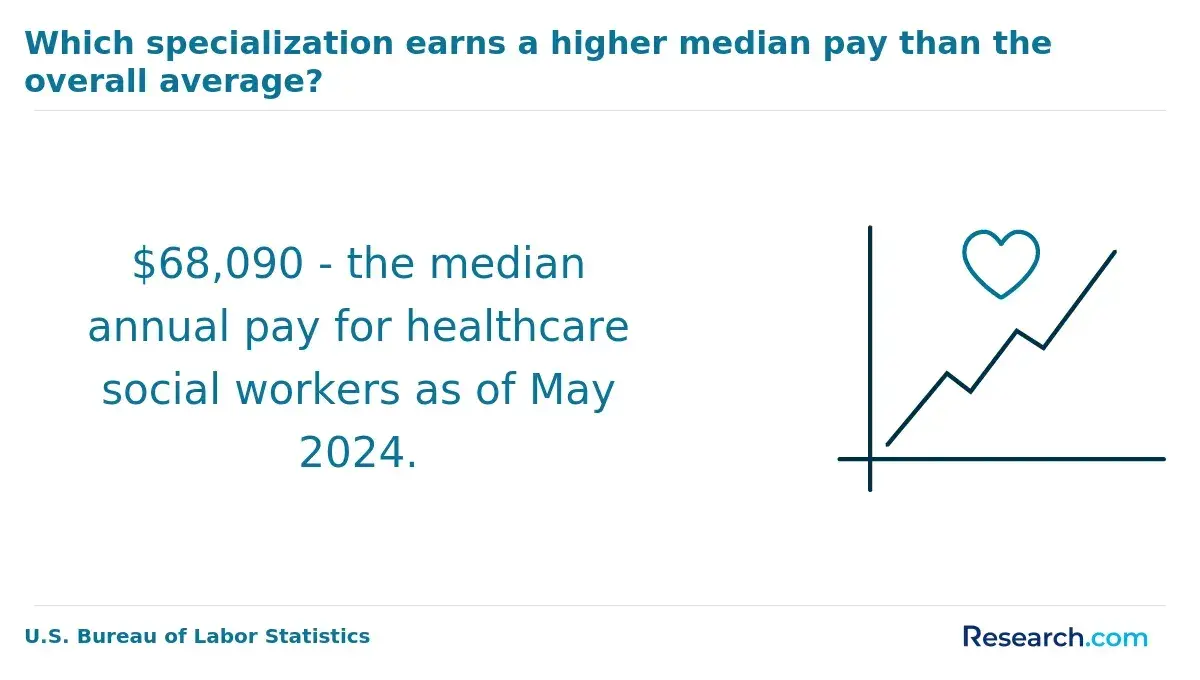
Yes. MSW graduates can qualify for public health positions, especially those involving community engagement, behavioral health, health education, outreach, case coordination, program implementation, advocacy, and work on social determinants of health. Their training is valuable because many public health problems are shaped by housing, poverty, trauma, discrimination, family stress, access to care, and community resources.
MSW graduates may be competitive for public health roles such as community outreach specialist, behavioral health program coordinator, health navigator, social determinants of health coordinator, prevention program specialist, community engagement manager, or nonprofit program manager. They may also work in health departments, community clinics, hospitals, coalitions, and agencies focused on homelessness, maternal and child health, substance use, violence prevention, aging, or mental health.
However, some public health jobs may prefer or require MPH-level preparation. Roles that emphasize epidemiology, biostatistics, surveillance, advanced program evaluation, health policy analysis, or quantitative research often expect stronger data and population health training than a standard MSW provides.
How MSW graduates can strengthen public health applications
- Choose field placements in health departments, hospitals, community health organizations, or prevention programs.
- Take electives in public health, statistics, program evaluation, policy, or health equity when available.
- Build experience with grant-funded programs, community needs assessments, outreach campaigns, and outcome reporting.
- Consider a public health certificate or dual MSW/MPH if your target roles require stronger epidemiology, policy, or data training.
The key is to match your resume to the job description. If the role is client-centered and community-facing, an MSW may be highly relevant. If the role is research-heavy or data-heavy, additional public health preparation may be necessary.
MPH graduates often have higher earning potential in management, policy, research, and health administration roles, while MSW earnings can rise with clinical licensure, specialized practice, supervisory responsibility, and leadership positions. Salary outcomes vary by job title, employer, location, experience, licensure, and sector, so the degree alone does not determine earnings.
Public Health (MPH) Earning Potential
MPH graduates are often prepared for roles connected to population health, policy, research, program leadership, and administration. Some of these roles carry higher salaries than many direct-service positions.
- Average MPH Salary: University reports indicate an average salary for MPH graduates is around $92,500.
- High-End Roles: The highest salaries are often achieved by MPH holders who move into administrative, policy, or research leadership. For instance, Health Services Managers—a common executive role in the public health sphere—earn a median annual wage of $117,960.
Social Work (MSW) Earning Potential
MSW graduates often begin in direct practice, case management, clinical training roles, or community-based positions. Earnings can increase as they gain experience, complete licensure requirements, move into specialized clinical practice, or take on program leadership.
- Typical MSW Salary: The median annual wage for all Social Workers is $58,380.
- Increased Earning Potential: MSW graduates can achieve comparable earnings to their MPH peers by advancing into specific, higher-paid roles: social and Community Service Managers oversee programs and organizations, commanding a much higher median salary of $78,240
| Salary consideration | MSW | MPH |
| Common higher-paying path | Clinical licensure, supervision, private practice, healthcare social work, program management | Health administration, policy leadership, epidemiology, research, program management |
| Salary floor risk | Some direct-service and nonprofit roles may pay less, especially early in the career | Some community health and nonprofit roles may pay less than administrative or research roles |
| Salary growth lever | Licensure, specialization, supervisory roles, clinical expertise | Data skills, management experience, policy expertise, research or administrative leadership |
If salary is a major deciding factor, compare specific job titles rather than only comparing degrees. An MPH may offer a stronger path into higher-paying administrative or analytic roles, but an MSW can be financially competitive when paired with clinical licensure, specialization, and leadership experience.
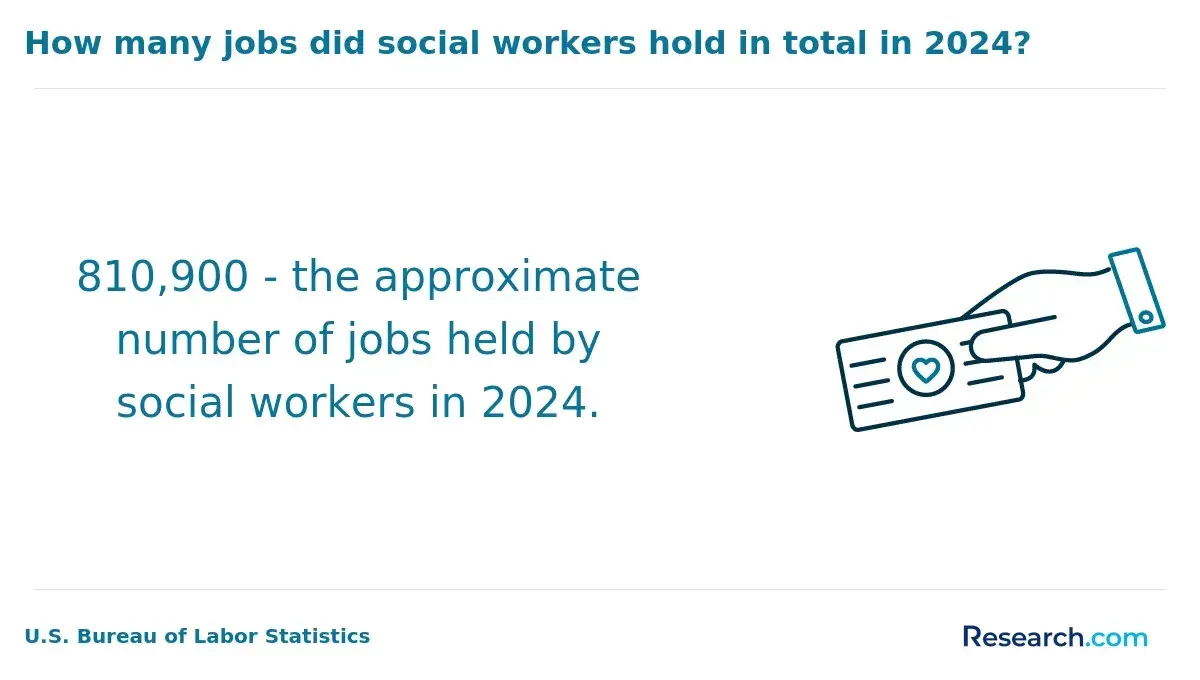
Both MSW and MPH programs are commonly designed as two-year graduate programs for full-time students, but the actual timeline depends on your prior education, enrollment status, fieldwork or practicum requirements, and whether you choose an accelerated, part-time, or online format.
- MSW programs: The Regular Track MSW program for those with a non-social work bachelor's degree typically takes 2 years of full-time study, which includes significant time dedicated to required field placement (internship) hours. Students with an undergraduate degree in social work (BSW) often qualify for an Advanced Standing MSW program, which can be completed much faster, sometimes in as little as one calendar year (3 academic terms).
- MPH programs: Most full-time programs are structured to be completed in 2 years (or 24 months), generally requiring around 42 to 45 credit hours and often including a practicum or capstone project. Some accelerated or one-year programs exist, particularly in the UK or for students with prior advanced degrees.
Timeline factors to compare before applying
- Field placement or practicum requirements: MSW programs usually require extensive supervised field education. MPH programs often include a practicum or capstone. Both can affect scheduling, especially for working adults.
- Advanced standing eligibility: A BSW can shorten the MSW timeline. MPH programs may offer accelerated options, but eligibility varies by school and applicant background.
- Full-time vs. part-time study: Online and part-time study formats for both degrees can extend completion to three or more years, depending on the student’s pace.
- Work schedule and location: Even online programs may require in-person fieldwork, practicums, or local site approval. Confirm placement expectations before enrolling.
Do not choose a program based on speed alone. A shorter program may reduce time away from the workforce, but it can also be intensive. The best timeline is one that allows you to complete required field experiences, maintain academic performance, and meet any licensure or career requirements tied to your goal.
Students seeking flexibility while maintaining accreditation can compare online MSW programs for distance learning options.
Yes. Fully online MSW and MPH programs can be accredited when they meet the same academic and professional standards as campus-based programs. The delivery format is not the issue; accreditation status is.
Online MSW programs are accredited by the Council on Social Work Education (CSWE), which evaluates whether the curriculum, faculty qualifications, learning outcomes, and field education meet national social work education standards. CSWE accreditation is especially important for students who may later pursue social work licensure, because state licensing boards commonly look for completion of a CSWE-accredited program.
Online MPH programs are accredited by the Council on Education for Public Health (CEPH), which reviews programs for public health competencies, practice experiences, faculty capacity, assessment, and curriculum quality. CEPH accreditation signals that the program meets recognized public health education standards.
Why accreditation matters
- It can affect eligibility for professional licensure or certification.
- It can affect access to federal financial aid.
- It helps employers and licensing boards recognize the degree.
- It shows that online students should receive comparable academic quality, faculty engagement, and supervised practice preparation.
Not every online program is accredited, and newer or highly accelerated programs deserve careful review. Before applying, verify accreditation directly through CSWE or CEPH resources and the university’s official accreditation page. Also confirm how the program handles field placements or practicums in your state, since online coursework does not eliminate supervised practice requirements.
MSW and MPH graduates both learn to improve well-being, but they develop different professional toolkits. MSW skills are strongest in direct practice, human behavior, social systems, advocacy, and client-centered intervention. MPH skills are strongest in population health, research, prevention, data interpretation, policy, and program design.
MSW graduates gain:
- Clinical and counseling skills for supporting individuals, families, and groups.
- Assessment skills, including biopsychosocial and person-in-environment perspectives.
- Case management skills for coordinating services, referrals, benefits, treatment plans, and community resources.
- Advocacy skills for addressing barriers related to poverty, discrimination, disability, housing, healthcare access, and social policy.
- Communication and relationship-building skills for working with diverse client populations.
- Training in ethical decision-making, confidentiality, professional boundaries, and trauma-informed practice.
- Field experience in agencies, schools, clinics, hospitals, nonprofits, or community organizations.
MPH graduates gain:
- Analytical and research skills in epidemiology, biostatistics, and program evaluation.
- Skills for designing, implementing, and assessing public health interventions.
- Knowledge of health policy, environmental health, global health systems, and health promotion.
- Data interpretation skills for identifying trends, measuring outcomes, and guiding public health decisions.
- Program planning and management skills for community health initiatives.
- Communication skills for public health messaging, reports, stakeholder engagement, and policy recommendations.
- Practicum or capstone experience tied to public health practice.
| Skill area | MSW emphasis | MPH emphasis |
| Assessment | Client, family, and psychosocial assessment | Community, population, and health needs assessment |
| Intervention | Counseling, case management, crisis support, advocacy | Prevention campaigns, policy initiatives, program implementation |
| Evidence use | Practice-informed assessment and intervention planning | Data analysis, surveillance, research, evaluation |
| Communication | Client-centered interviewing and interdisciplinary coordination | Public health messaging, reports, presentations, stakeholder communication |
| Leadership direction | Clinical supervision, social services management, advocacy leadership | Program management, health administration, policy or research leadership |
The degrees are complementary. MSW graduates are trained to understand how health problems affect real people in real social contexts. MPH graduates are trained to understand how health problems appear across populations and systems. In community health work, the strongest teams often need both perspectives.
MSW graduates often need licensure for clinical social work and many regulated social work roles. MPH graduates usually do not need a single standard public health license, although some jobs may require or prefer certifications, specialized credentials, or a separate professional license depending on the role.
MSW licensure
Social work licensure is regulated by states, so requirements vary. In general, graduates who want to provide clinical services, diagnose or treat mental health conditions, offer psychotherapy, or practice independently must complete the required degree, supervised experience, examinations, and state application process. Licensed Clinical Social Worker (LCSW) requirements are especially important for students who want therapy-focused roles or private practice.
Even nonclinical social work jobs may prefer licensed candidates, particularly in hospitals, schools, government agencies, and behavioral health organizations. Before enrolling in an MSW program, confirm that the program’s accreditation and field education structure align with licensure requirements in the state where you plan to work.
MPH licensure
Most MPH roles are not governed by one universal license. Public health professionals may work in program management, policy, research, epidemiology, health education, evaluation, or administration without a clinical license. However, specific positions may require credentials tied to the job function, employer, or professional background.
For example, an MPH graduate who is also a nurse, physician, dietitian, environmental health professional, or other licensed practitioner must meet the licensure rules for that profession. Public health employers may also value certifications or specialized training, but these are not the same as a mandatory license for all MPH graduates.
Bottom line
- If you want to provide therapy or clinical social work services: Expect to pursue MSW-related state licensure.
- If you want public health research, policy, education, or program roles: An MPH may be sufficient, but requirements depend on the employer and position.
- If your target job is regulated: Check state licensing board rules before choosing a program.
How do MSWs and MPH graduates collaborate in community programs?
MSW and MPH graduates often work together because effective community programs need both population-level strategy and direct support for individuals and families. MPH professionals help identify the health problem, analyze data, design interventions, coordinate systems, and evaluate outcomes. MSW professionals help people access services, address barriers, manage crises, build trust, and stay engaged in care or support programs.
This collaboration is especially important in programs addressing homelessness, behavioral health, substance use, chronic disease, maternal and child health, violence prevention, aging services, health equity, and social determinants of health. A public health plan may look strong on paper, but it can fail if community members cannot access transportation, housing, food, mental health care, language support, or insurance. MSW professionals help close that gap.
How the collaboration works in practice
- MPH role: Define the public health problem, review population-level data, identify risk patterns, design the program model, secure funding, coordinate partners, and evaluate results.
- MSW role: Engage participants, conduct assessments, provide counseling or case management, connect clients to resources, advocate for services, and identify barriers that data alone may not show.
- Shared goal: Build programs that are evidence-informed, culturally responsive, accessible, and realistic for the people they are meant to serve.
A strong example is a program focused on reducing homelessness and improving health outcomes among a community's chronically unhoused population. In that setting, MPH and MSW professionals may share the same goal but contribute different expertise.
The table below illustrates the roles of MSW and MPH graduates in such a program:
| Role | Responsibility | Contribution to the Goal |
| MPH Graduate | Program Director/Evaluator | Uses data to map "hotspots" of high emergency room use among the unhoused; designs a Housing First initiative; monitors population-level health metrics (e.g., infectious disease rates). |
| MSW Graduate | Clinical Case Manager | Provides direct intervention by building trust with individuals; conducts biopsychosocial assessments; secures housing placements; coordinates enrollment in Medicaid and mental health services. |
For students choosing between the degrees, this overlap is useful to understand. If you want to design the program and measure its impact, the MPH path may fit better. If you want to work directly with participants and remove barriers to care, the MSW path may be stronger. If you want to lead integrated health and social service programs, combining training from both areas can be a strategic advantage.
Other Things You Should Know About MSW vs MPH (Public Health) Degrees
An MPH typically offers a broader focus on health policy and management, which may enhance qualifications for leadership roles in public health sectors. Meanwhile, an MSW emphasizes direct practice and advocacy, crucial for leadership in social work contexts. Both degrees foster different leadership pathways depending on one's career goals.
Tuition costs for MSW programs in 2026 typically range from $20,000 to $60,000 per year, depending on the institution and residency status. MPH programs vary, costing between $15,000 and $50,000 annually. Financial aid, scholarships, and online options can affect the final cost.
- Bureau of Labor Statistics. (2025, May). Social workers: Occupational outlook handbook. U.S. Department of Labor. https://www.bls.gov/ooh/community-and-social-service/social-workers.htm#tab-6
- Bureau of Labor Statistics. (2025, May). Social and community service managers: Occupational outlook handbook. U.S. Department of Labor. https://www.bls.gov/ooh/management/social-and-community-service-managers.htm
- University of California–Los Angeles Fielding School of Public Health. (2025). Master of Public Health. https://ph.ucla.edu/degree-programs/master-public-health
- University of Michigan School of Public Health. (2025). Master of Public Health program requirements. https://sph.umich.edu/online/mph-requirements.html
- OnlineDegrees.Valpo.edu. (2024). Average MPH degree salary: What to expect after graduation. https://onlinedegrees.valpo.edu/average-mph-salary-what-to-expect-after-graduation