2027 MSW Careers in Case Management: Roles, Salary, and Growth

Co-Founder and Chief Data Scientist
Choosing case management after an MSW is usually a practical career decision: you want work that combines client advocacy, care coordination, systems navigation, and measurable impact. The challenge is knowing whether the degree, field placement, licensure path, and salary outlook fit your goals before you commit time and tuition.
This guide explains what MSW case management involves, where graduates work, how salaries vary, what the job outlook looks like, and how to evaluate programs. It is written for prospective MSW students, current social workers, healthcare professionals considering a transition, and career changers who want a clearer view of the responsibilities, costs, credentials, and advancement options tied to case management roles.
Key Things You Should Know
- MSW graduates in 2026 can expect median annual case management salaries around $69,000, reflecting strong demand in healthcare, mental health, and child welfare sectors.
- Employment of case managers with MSW degrees is projected to grow 12% through 2028, faster than average due to expanding healthcare services and aging populations.
- Key roles combine clinical expertise and administrative skills, requiring licensure and interdisciplinary collaboration to address complex client needs effectively.
What is an MSW in case management?
An MSW in case management refers to a Master of Social Work graduate who uses social work training to coordinate services for people facing medical, behavioral health, housing, financial, family, legal, or disability-related challenges. The work is not limited to making referrals. MSW case managers assess needs, build care plans, track progress, document services, advocate with agencies, and help clients move through systems that are often difficult to navigate alone.
Case management roles and responsibilities depend heavily on the work setting. In a hospital, a case manager may focus on discharge planning, insurance barriers, follow-up care, and preventing avoidable rehospitalization. In a mental health clinic, the work may involve treatment adherence, crisis planning, benefits coordination, and community integration. In child welfare, case managers may develop safety plans, monitor family progress, and connect parents and children with supportive services.
The MSW adds value because it trains professionals to view client needs in context. A client’s medical diagnosis, for example, may be tied to housing instability, transportation problems, trauma, family stress, or lack of income. MSW case managers are trained to consider those overlapping factors while following ethical standards, protecting confidentiality, and advocating for appropriate services.
Licensure can change the type of work available. Becoming a Licensed Clinical Social Worker (LCSW) may expand opportunities into clinical supervision, psychotherapy, behavioral health leadership, or integrated care roles, depending on state rules and employer requirements. Not every case management job requires clinical licensure, but clinical credentials can improve mobility and qualify professionals for more advanced responsibilities.
Financially, case management can offer meaningful earning potential, especially in healthcare and managed care settings. According to the 2024 Case Management Salary & Trends Survey by CMSA and CMI, over one-third of case managers earn $100,000 or more annually. That figure reflects demand tied to aging populations, chronic illness, care coordination, and value-based care models.
Prospective students should look for MSW programs with strong field placements in hospitals, behavioral health agencies, child welfare organizations, aging services, rehabilitation settings, or community-based care. Those who plan to move into advanced leadership, teaching, or high-level practice roles may also compare doctoral options, including the best DSW programs.
What roles do MSW case managers hold?
MSW case managers work in roles that require assessment, coordination, advocacy, documentation, and collaboration across service systems. Their job is to help clients receive the right support at the right time while reducing gaps in care. The exact title may vary by employer, but the core function is usually the same: identify needs, develop a plan, connect services, monitor progress, and adjust support when circumstances change.
In healthcare settings, MSW case managers often coordinate discharge plans, help patients understand benefits, communicate with families, and arrange home health, rehabilitation, transportation, or follow-up care. In mental health settings, they may coordinate psychotherapy, medication management, crisis intervention, housing support, and community resources. In schools, public agencies, or nonprofits, they may focus on children, families, disability services, substance use recovery, or vulnerable adults.
Common MSW case management roles
- Healthcare case manager - helps patients with complex medical needs, discharge plans, insurance issues, and follow-up services.
- Mental health case manager - supports people with mental illness by coordinating treatment, crisis planning, benefits, housing, and community resources.
- Child welfare case manager - works with at-risk children and families, monitors safety plans, documents progress, and connects families to services.
- Disability services case manager - helps clients with disabilities access benefits, accommodations, independent living supports, and long-term services.
- Substance abuse case manager - supports clients during addiction recovery by coordinating treatment, rehabilitation, relapse prevention, and social supports.
These roles require strong communication because case managers often coordinate with physicians, therapists, nurses, teachers, attorneys, benefits offices, courts, shelters, and family members. They also require careful documentation. Case notes, service plans, risk assessments, and progress updates can affect funding, legal compliance, client safety, and continuity of care.
Salary can vary by location and employer. Salary data show geographic differences, with Tennessee offering the highest average state annual salary of $89,653. However, applicants should look beyond the headline salary and compare caseload size, supervision, benefits, licensure support, remote-work policies, and the emotional demands of the population served.
Students who want to enter this field should choose coursework and field placements that strengthen assessment, advocacy, crisis response, and systems navigation. Comparing affordable MSW programs can help applicants find a path that supports case management goals without taking on unnecessary debt.
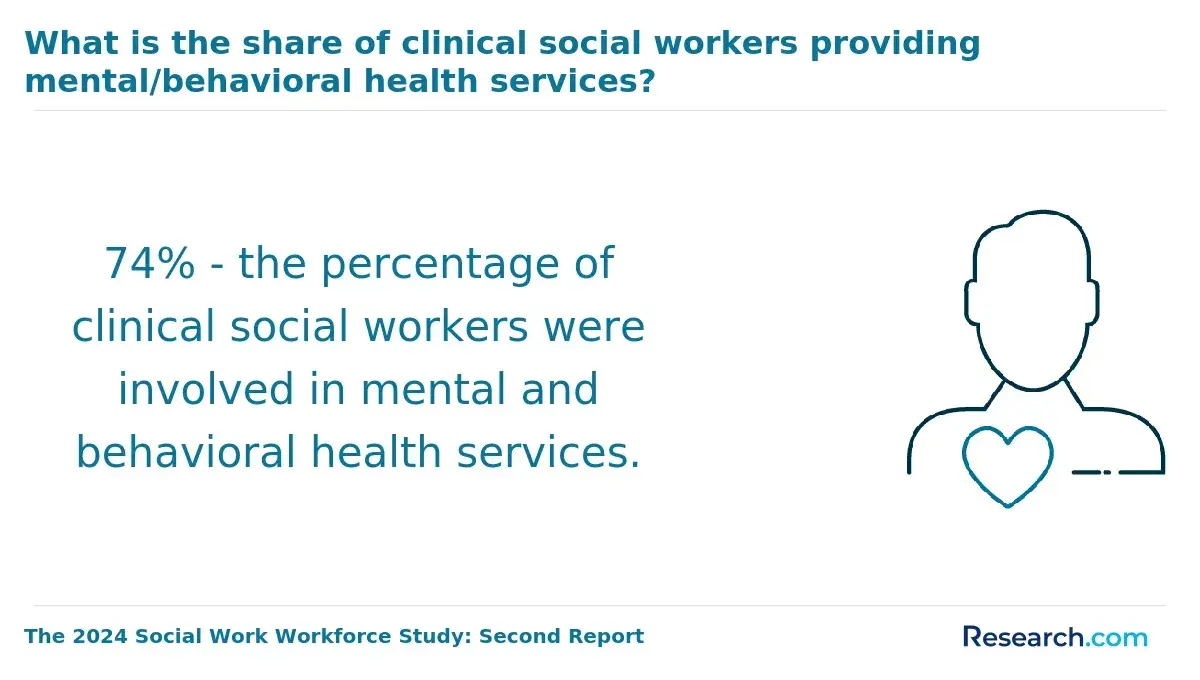
What is the salary for MSW case managers?
The salary for MSW case managers depends on experience, location, employer type, licensure, specialization, and whether the role is clinical, administrative, or supervisory. According to NASW data from May 2026, the top 10% of MSW case management professionals earn over $86,351 annually. These higher salaries are often associated with senior positions, healthcare employers, leadership duties, advanced credentials, or specialized populations.
At the lower end, the bottom 10% earn under $39,000. These roles may include entry-level positions, jobs in smaller community agencies, or positions in underfunded public and nonprofit programs. This wide range is why prospective students should compare likely employment settings before estimating return on investment for an MSW.
What affects MSW case manager pay?
| Factor | How it can affect salary |
| Employer type | Hospitals, insurance, managed care, and health systems may offer different compensation structures than schools, nonprofits, or public agencies. |
| Location | Urban areas with large healthcare systems often pay differently than rural areas, but cost of living can offset higher wages. |
| Experience | Senior case managers, lead case managers, and supervisors typically have stronger earning potential than new graduates. |
| Licensure | LCSW or LMSW credentials may qualify candidates for clinical or supervisory roles, depending on state and employer rules. |
| Specialization | Work with veterans, children with complex needs, behavioral health clients, or medically complex populations may require additional expertise. |
| Certification | Credentials such as Certified Case Manager (CCM) may improve competitiveness for certain roles. |
Salary differences also reflect job demands. A higher-paying hospital or managed care role may involve heavy documentation, utilization review, complex discharge planning, or high caseload pressure. A community-based role may pay less but offer deeper client relationships, mission-driven work, or stronger alignment with social justice goals.
MSW graduates can improve earning potential by gaining supervised experience, pursuing state licensure, building expertise in healthcare or behavioral health systems, and moving into supervisory or program management roles. Certifications like Certified Case Manager (CCM) can also strengthen a resume, especially when paired with direct case management experience.
For a deeper look at where do social workers get paid the most, salary patterns show that experience, specialization, location, and credentialing are major factors for professionals who want to move beyond median salary tiers and pursue sustained growth above $86,000 annually.
The job outlook for case managers remains positive because healthcare, mental health, aging services, child welfare, and community programs all need professionals who can coordinate care across complex systems. Case managers help reduce service gaps, support clients with chronic or recurring needs, and connect people to resources that can improve stability and outcomes.
Demand is especially strong in settings where clients need coordinated, cost-conscious, and personalized support. Hospitals need discharge planning and continuity of care. Behavioral health organizations need professionals who can coordinate therapy, medication management, crisis services, housing, and benefits. Aging services need case managers who understand chronic illness, long-term care, caregiver support, and community-based services.
According to the U.S. Bureau of Labor Statistics, social worker employment in these fields is projected to grow by 12% from 2024 to 2034, exceeding the average growth rate for all occupations. This projection reflects the growing need for services among older adults and people with chronic conditions.
Location can also shape opportunity. Los Angeles, CA offers the highest city salary for social work case managers at $78,286 annually, compared with a national median salary range of $55,000 to $65,000. Higher-paying cities may also come with higher living costs, heavier competition, or more complex caseloads, so applicants should compare the full employment picture rather than salary alone.
Career paths that can follow MSW case management
- Clinical supervisor - oversees case managers, provides guidance, and may support licensure supervision when qualified.
- Program director - manages budgets, staff, outcomes, compliance, and service delivery for a case management program.
- Specialized case manager - focuses on areas such as substance abuse, juvenile justice, behavioral health, healthcare, or aging services.
- Care coordination leader - works across teams to improve transitions of care, documentation, quality measures, and client outcomes.
Graduates can improve their prospects by developing electronic health record skills, learning interdisciplinary communication, pursuing relevant certifications such as Certified Case Manager (CCM), and choosing field placements that match their target sector. Applicants seeking an accessible route into graduate study may compare the easiest MSW programs to get into while still confirming accreditation, field placement quality, and licensure alignment.
MSW programs that prepare students for case management often use concentration names such as healthcare social work, clinical case management, integrated behavioral health, children and families, aging, disability services, or community practice. The label matters less than the curriculum and fieldwork. A strong program should teach assessment, service planning, care coordination, documentation, ethics, advocacy, and collaboration with other professionals.
Institutions like the University of Southern California and Columbia University provide MSW specializations explicitly named "Case Management" or "Health and Aging," tailored to building advanced competencies for effective practice. Other schools may not use the phrase “case management” but may still offer relevant tracks through healthcare, mental health, gerontology, child welfare, or community-based practice.
What to look for in a case management-focused MSW
- CSWE accreditation - essential for licensure eligibility in many states and for employer recognition.
- Relevant field placements - hospitals, community agencies, rehabilitation centers, behavioral health clinics, child welfare agencies, aging services, or disability programs.
- Coursework in assessment and care planning - training should go beyond theory and include practical planning, referral, monitoring, and documentation skills.
- Interdisciplinary training - case managers frequently work with nurses, physicians, therapists, benefits specialists, educators, attorneys, and public agencies.
- Ethics and legal preparation - students should learn confidentiality, mandated reporting, informed consent, documentation standards, and client advocacy.
- Certification preparation - coursework or advising that supports later credentials can be useful for career advancement.
Some programs also offer advanced certificates or dual-degree options covering topics such as Medicaid waiver programs, chronic illness care coordination, and psychosocial rehabilitation. These additions can be helpful when they match a student’s intended population or work setting, but they should not replace the core requirement of a strong accredited MSW education.
Field education is especially important. Case management is learned through practice: interviewing clients, documenting accurately, coordinating with agencies, managing conflict, and adjusting plans when services fall through. Students should ask where field placements are available, how placements are assigned, and whether the school has partnerships in the sector they want to enter.
Certification can also support advancement. According to the 2024 Case Management Salary & Trends Survey by CMSA and CMI, 39.2% of certified case managers report salary increases. Students who plan to pursue certification should review eligibility rules early because requirements may include specific education, experience, licensure, or examination criteria.
Admission requirements for MSW programs with case management preparation usually include a bachelor’s degree from an accredited institution, official transcripts, letters of recommendation, a resume, and a personal statement. Applicants often come from social work, psychology, sociology, public health, criminal justice, nursing-adjacent, or other human services backgrounds, but many programs also admit career changers who can show relevant motivation and readiness.
Many programs look for a minimum undergraduate GPA near 3.0, though requirements vary. A lower GPA does not always rule out admission, especially if the applicant has strong work experience, a clear statement of purpose, compelling recommendations, or evidence of recent academic improvement. GRE requirements have become optional at many schools, but some programs may still request scores.
Typical application materials
- Transcripts from all colleges attended.
- Letters of recommendation from supervisors, faculty, or professionals who can speak to readiness for graduate social work.
- Personal statement explaining interest in social work, case management, target populations, and career goals.
- Resume showing paid, volunteer, internship, or community service experience.
- Background checks and immunization records when required for field placements involving healthcare, schools, or vulnerable populations.
Work experience in healthcare, mental health, child welfare, community service, housing, disability services, or crisis support is often valued and may be required by some programs. One to two years of related experience can help applicants show that they understand the demands of client-facing work and can connect classroom learning to practice.
Applicants should also confirm that the program is accredited by the Council on Social Work Education (CSWE). CSWE accreditation is a key factor for licensure eligibility and employment in many social work roles. Because licensing rules vary by state, prospective students should compare program requirements with the state where they plan to work after graduation.
Financially, the career path can be promising, but students should avoid assuming that every case management job pays the same. According to the CMSA and CMI survey, 71% of case managers received a salary increase recently. That trend is encouraging, but outcomes still depend on employer type, location, credentials, and experience.
Most MSW case management programs take about two years of full-time study. This timeline typically includes graduate coursework, field education, and supervised practice experiences that help students build direct skills in assessment, care planning, documentation, advocacy, and interprofessional collaboration.
Part-time programs often take three or more years. They can be a better fit for students who are working, caring for family, or trying to reduce the financial pressure of full-time enrollment. The trade-off is a longer path to graduation and, in some cases, a slower route to licensure or career advancement.
Accelerated programs can take 12-18 months, often for students with a relevant background, advanced standing eligibility, or significant prior preparation. These formats can reduce time in school, but they may be intensive. Students should evaluate whether they can manage the pace while completing field placement hours and maintaining work or personal obligations.
Common MSW timelines
| Program format | Typical length | Best fit |
| Full-time MSW | About two years | Students who can prioritize school and fieldwork on a traditional schedule. |
| Part-time MSW | Three or more years | Working adults or students who need a slower course load. |
| Accelerated MSW | 12-18 months | Students who qualify for a faster pathway and can handle an intensive schedule. |
The MSW timeline is not the same as the full timeline to independent or clinical practice. State licensure may require additional supervised hours after graduation, and requirements vary by state and license type. Students who want clinical case management, supervision, or psychotherapy responsibilities should review licensure rules before choosing a program.
Program length can also be affected by specialization. Tracks in mental health, healthcare, child welfare, aging, or integrated care may require specific field placements or elective sequences. These options can be worthwhile if they align with the student’s target role.
The social work field is projected to grow by 7% from 2023 to 2033 according to the Bureau of Labor Statistics, highlighting demand for qualified professionals. Students who choose an efficient but reputable MSW pathway can enter the workforce sooner while still building the supervised experience required for long-term growth.
The cost of an MSW degree for case management careers varies widely. Total tuition for accredited programs generally ranges from $15,000 to over $60,000. Public universities typically charge between $15,000 and $30,000 for in-state students, while private schools can exceed $50,000.
Online MSW programs may appeal to working professionals because they can reduce commuting and relocation costs and provide more scheduling flexibility. However, online does not always mean cheaper. Students should compare total tuition, fees, residency requirements, field placement support, and whether the school charges different rates for online, out-of-state, or part-time enrollment.
Costs to include beyond tuition
- University fees, including technology, student services, or distance learning fees.
- Books and course materials, which can vary by semester.
- Field placement expenses, such as transportation, background checks, immunizations, and possible reduced work hours.
- Licensing exam and application fees after graduation, depending on state requirements.
- Certification costs if pursuing case management credentials later.
Part-time enrollment can make payments more manageable by spreading costs over a longer period, but it can also delay full-time earnings or advancement. Full-time study may lead to faster completion but can reduce the ability to work during field placements. The better option depends on a student’s income, savings, employer support, family responsibilities, and tolerance for debt.
Financial aid, scholarships, graduate assistantships, public service programs, and employer tuition reimbursement can reduce the net cost. Students should compare the full financial aid package rather than tuition alone. A higher-tuition program with strong aid may cost less than a lower-tuition program with limited support.
Case managers working in insurance, managed care, and health plans represent 37.09% of the workforce according to the 2024 Case Management Salary & Trends Survey by CMSA and CMI. These sectors may offer stronger compensation in some cases, but students aiming for nonprofit or government work should be especially careful about borrowing because salaries may be lower.
The smartest cost decision is not simply choosing the cheapest MSW. It is choosing an accredited program with strong field placements, licensure alignment, manageable debt, and a realistic path into the type of case management work the student actually wants.
The key accreditation for MSW case management is accreditation from the Council on Social Work Education (CSWE). A CSWE-accredited MSW program meets national social work education standards and is commonly required for state licensure. For students who plan to become licensed social workers, this is one of the most important program checks to complete before applying.
Accreditation is not the same as licensure. Accreditation applies to the school or program. Licensure is issued by a state and applies to the individual professional. Many case management roles prefer or require credentials such as Licensed Master Social Worker (LMSW) or Licensed Clinical Social Worker (LCSW), depending on the job duties and state rules.
Clinical case management roles may require an LCSW when the position includes diagnosis, psychotherapy, clinical supervision, or advanced behavioral health responsibilities. Non-clinical case management roles may require an LMSW, another state credential, or no social work license, depending on the employer and scope of practice.
Accreditation and credential checks before enrolling
- Confirm CSWE accreditation directly through the school and, when possible, through CSWE resources.
- Review state licensure rules for the state where you plan to work after graduation.
- Ask about field placement support, especially if you are enrolling online or live outside the school’s region.
- Check whether the curriculum supports your target license, such as LMSW or LCSW pathways.
- Confirm employer expectations in your intended sector, such as hospitals, behavioral health, child welfare, or aging services.
Additional certifications can improve job prospects after education and experience requirements are met. Examples include the Certified Case Manager (CCM) credential and certifications associated with the Commission for Case Manager Certification. These credentials are separate from the MSW and state licensure, so applicants should review eligibility requirements carefully.
According to the 2024 Case Management Salary & Trends Survey by CMSA and CMI, 79% of case managers are satisfied with their compensation. Accredited education, appropriate licensure, and relevant experience can help professionals qualify for stable roles and build long-term career mobility.
What certifications require MSW for case managers?
Not all case management certifications require an MSW. Some are open to professionals from nursing, counseling, rehabilitation, social work, or other clinical backgrounds. For MSW graduates, the most relevant credentials are those that recognize social work training, clinical judgment, ethical practice, and experience coordinating services for complex client needs.
The Certified Social Work Case Manager (C-SWCM) credential is commonly discussed as a social work case management credential connected to graduate-level social work preparation. Candidates should verify current eligibility requirements, experience rules, and credentialing body details before applying because certification standards can change.
Other certifications often pursued by MSW holders include the Certified Case Manager (CCM) and the Accredited Case Manager (ACM). These credentials do not strictly require an MSW, but the degree can strengthen a candidate’s preparation because MSW training includes psychosocial assessment, ethics, care planning, client advocacy, crisis response, and systems coordination.
| Certification | Relationship to the MSW | Why MSW graduates consider it |
| Certified Social Work Case Manager (C-SWCM) | Associated with social work case management preparation; applicants should verify current MSW-related requirements. | Signals social work-specific case management knowledge and practice experience. |
| Certified Case Manager (CCM) | Does not strictly require an MSW. | Recognized across case management settings and often useful for healthcare and managed care roles. |
| Accredited Case Manager (ACM) | Does not strictly require an MSW. | Emphasizes clinical experience and can complement MSW training in psychosocial assessment and care coordination. |
The Commission for Case Manager Certification (CCMC) is associated with the CCM credential, while the American Case Management Association awards the ACM. Because each credential has its own eligibility pathway, MSW graduates should review education, licensure, employment, supervision, and examination requirements before choosing a certification.
Certification is most valuable when it matches the work setting. A hospital case manager may benefit from a credential recognized in healthcare utilization and discharge planning. A behavioral health case manager may benefit more from clinical licensure and specialized mental health experience. A child welfare or community-based case manager may need credentials, training, or state approvals specific to that system.
According to the CMSA and CMI Salary & Trends Survey, only 7.2% of case managers earned less than $70,000 annually, down sharply from 54% in 2020. This trend suggests that advanced qualifications, experience, and credentials can support stronger earning potential, but certification should be chosen strategically rather than collected without a clear career purpose.
Other Things You Should Know About Social Work
Continuing education for MSW case managers in 2027 typically involves completing 20-40 hours of professional development every two years. These courses, approved by the National Association of Social Workers, help maintain licensure and keep professionals updated with industry standards.
In 2027, MSW case managers can expect a salary range between $50,000 and $70,000 annually. Factors such as geographic location, experience, and specific employer can influence these figures, possibly leading to higher salaries in certain metropolitan areas or specialized healthcare settings.
Independent client supervision usually requires an LCSW or equivalent clinical social work license issued by the state board. Many employers accept an MSW for entry-level case management, but supervisory authority, private practice, and some healthcare roles require supervised post-MSW hours plus the ASWB clinical exam.
To pursue an MSW role in case management in 2027, candidates typically need a Master of Social Work degree from an accredited program. Additionally, coursework often includes subjects like psychology, sociology, ethics, and specific training in case management principles.
- Master of Social Work | Palo Alto University https://paloaltou.edu/academic-programs/master-social-work
- Case Manager vs Social Worker: What’s the Difference? | RCC https://rehabcarecoord.com/whats-the-difference-between-a-case-manager-and-a-social-worker/
- MSW Specializations: Clinical, Macro, Advanced Generalist Programs https://www.masterofsocialwork.com/resources/msw-specializations
- Certifications https://yourcommission.org/certifications
- High-demand social work roles in 2026: trends and opportunities https://socialwork.pacific.edu/blog/high-demand-social-work-roles-2026-trends-and-opportunities
- Best Affordable Master's Degree In Social Work https://www.psychology.org/social-work/best-affordable-masters-programs/
- Master of Social Work (MSW) https://www.chamberlain.edu/academics/online-health-professions-college/master-of-social-work
- Case Manager Salaries Show Strong Growth Trend | Case Management Institute https://casemanagementinstitute.com/case-manager-salaries-show-strong-growth-trend/
- How to Become a Certified Case Manager? Types of Case Manager https://www.planstreet.com/how-to-become-a-certified-case-manager
- Social Worker vs. Case Manager: How Are Both Roles Different? https://www.casebook.net/blog/social-worker-vs-case-manager-how-are-both-roles-different/