2027 Is a DSW Worth It for Licensed Social Workers Seeking Leadership Roles?

Co-Founder and Chief Data Scientist
For licensed social workers, the DSW decision usually comes down to one question: will a practice-focused doctorate help you move from direct service or mid-level supervision into senior leadership, policy, administration, or program design? The answer depends on your current license, career stage, employer expectations, cost tolerance, and whether the roles you want actually reward doctoral-level preparation.
A Doctor of Social Work can be valuable for professionals who want to lead agencies, oversee clinical systems, influence policy, teach practice-oriented courses, or manage complex programs. It is less likely to be necessary for social workers who want to remain primarily in direct clinical practice or who can reach their goals through experience, supervision credentials, or a strong MSW-level specialization.
This guide explains what a DSW is, when it is worth pursuing, what jobs it can support, how admissions and program formats work, what students study, and how to evaluate salary, cost, and job outlook before committing to a doctoral program.
Key Things You Should Know
- The DSW degree in 2026 increasingly emphasizes leadership and administrative skills, addressing a growing demand for social workers in executive roles across healthcare and nonprofit sectors.
- Recent data shows that DSW graduates earn on average 15-20% higher salaries than MSW holders, enhancing career advancement opportunities in competitive labor markets.
- Employers value the DSW for its focus on evidence-based management and policy development, crucial for driving systemic change and organizational effectiveness in social work settings.
What Is a DSW Degree?
A Doctor of Social Work (DSW) is a terminal professional doctorate for experienced social workers who want to apply advanced practice knowledge in leadership, administration, policy, teaching, and systems change. It is designed for practitioners, not primarily for students whose main goal is academic research.
The main distinction is purpose. A PhD in social work usually emphasizes original research, theory development, and preparation for tenure-track academic or research careers. A DSW typically emphasizes applied leadership, evidence-based practice, program improvement, supervision, policy implementation, and organizational decision-making.
| Degree | Primary focus | Best fit for |
| MSW | Advanced professional preparation for social work practice | Clinical practice, case management, community work, supervision, and licensure pathways |
| DSW | Applied doctoral preparation for leadership and advanced practice | Licensed social workers seeking executive, administrative, policy, teaching, or systems-level roles |
| PhD in Social Work | Research, scholarship, and theory development | Students seeking research-intensive academic or policy research careers |
DSW programs for licensed social workers often include coursework in strategic planning, ethical leadership, healthcare policy, human resource management, program evaluation, organizational change, and advocacy. The goal is to prepare graduates to lead teams, design and assess services, manage funding and compliance issues, and translate evidence into practice across complex systems.
The degree can be especially relevant for social workers targeting executive or director-level responsibilities in hospitals, nonprofit agencies, government programs, behavioral health organizations, and community-based systems. With a 6% projected employment growth for social and community service managers and approximately 18,600 annual job openings, the DSW may help candidates show that they have both practice experience and advanced administrative preparation.
Because many candidates are already employed, program format matters. Part-time, hybrid, and online options can make doctoral study more realistic for working professionals. Prospective students comparing flexible options can review online DSW programs and weigh affordability, faculty expertise, practicum expectations, and leadership focus against their long-term goals.
Is a DSW Worth It for Social Workers?
A DSW can be worth it for licensed social workers who want roles where doctoral-level leadership, policy, teaching, or organizational expertise is clearly valued. It is not automatically worth it for every social worker, and it should not be treated as a guaranteed path to a higher salary or promotion. The return depends on the roles available in your region, your employer’s promotion structure, your current experience, and the total cost of attendance.
The strongest case for a DSW is career alignment. According to the ASWB 2024 Social Work Workforce Survey, 69% of licensed social workers are engaged in management or administrative tasks. For professionals already moving into supervision, program leadership, quality improvement, or agency administration, a DSW can formalize and expand the skills they are using on the job.
When a DSW is more likely to be worth it
- You want executive, director-level, senior administrative, or policy-influencing roles.
- Your target employers prefer or reward doctoral preparation for leadership positions.
- You already have post-MSW experience and can connect the degree to a specific advancement plan.
- You want applied doctoral training rather than a research-intensive PhD pathway.
- You can complete the program without taking on debt that is disproportionate to your expected salary growth.
When a DSW may not be necessary
- Your main goal is independent clinical practice and you already meet licensure requirements.
- Your employer promotes based primarily on years of experience, supervision record, or internal performance.
- You are pursuing research faculty roles where a PhD may be the stronger fit.
- The program’s cost is high and your target roles do not offer meaningful salary growth.
The practical benefits of a DSW often include stronger preparation in strategic planning, financial management, supervision, policy analysis, and program evaluation. These competencies can matter in hospitals, government agencies, nonprofits, universities, and behavioral health systems where leaders must manage budgets, staff, outcomes, compliance, and community impact.
Before enrolling, compare the DSW with other options: an advanced certificate, management training, licensure specialization, or an MSW if you do not yet have one. Students still deciding on the master’s-level foundation can compare affordable online MSW programs before planning for doctoral study.
What Jobs Can You Get with a DSW?
A DSW can support advancement into senior practice, management, policy, education, and consulting roles. The degree is most useful when paired with licensure, substantial post-MSW experience, and a record of leadership. Employers generally evaluate the whole profile, not the credential alone.
Common roles for DSW graduates include social and community service manager, clinical director, program administrator, policy analyst, nonprofit executive, social work educator, healthcare administrator, organizational consultant, and program evaluation specialist. These jobs involve leading teams, improving service delivery, managing compliance, designing interventions, evaluating outcomes, or influencing policy decisions.
| Role | Typical responsibilities | How a DSW can help |
| Social and community service manager | Plan, coordinate, and supervise social service programs or agencies | Builds skills in administration, program evaluation, supervision, and strategic planning |
| Clinical director | Oversee clinical teams, quality standards, compliance, and service delivery | Strengthens leadership, ethics, evidence-based practice, and systems-level decision-making |
| Program developer or administrator | Design, launch, fund, and assess social service initiatives | Supports training in implementation, outcomes measurement, and organizational change |
| Policy analyst or advisor | Evaluate programs, interpret data, and recommend policy improvements | Develops applied policy, advocacy, research translation, and evaluation skills |
| Consultant | Advise organizations on program design, leadership, training, or evaluation | Adds credibility for doctoral-level applied expertise and specialized practice knowledge |
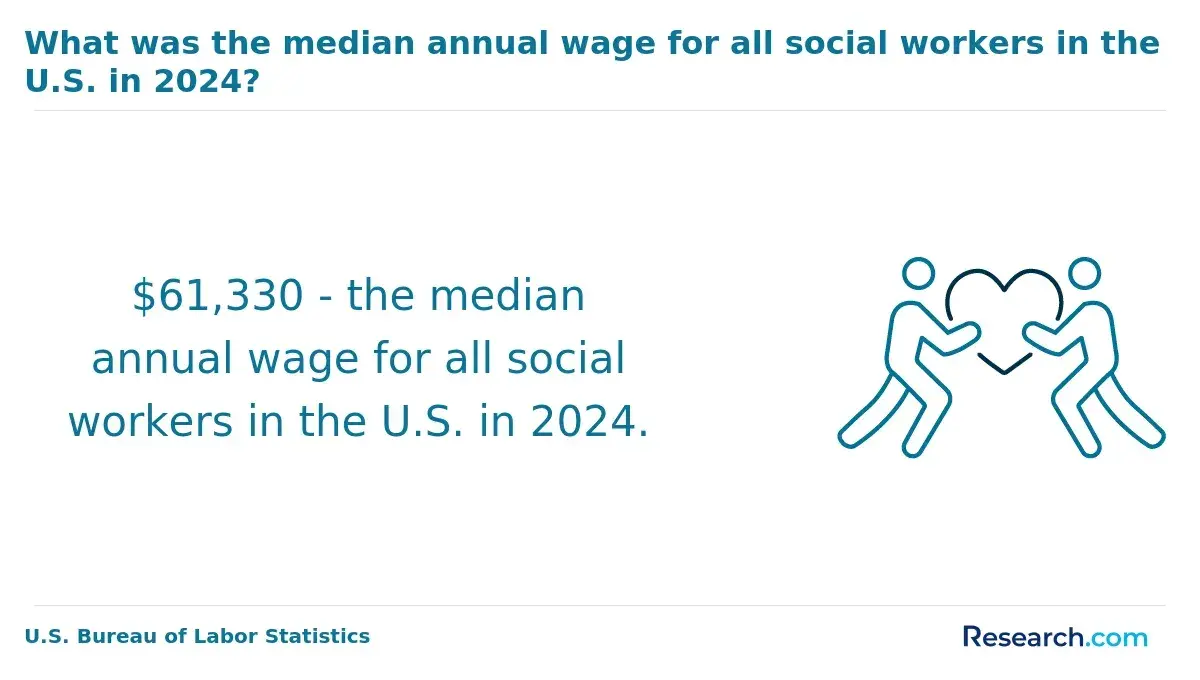
Salary potential varies by employer, geography, specialization, and management scope. The Bureau of Labor Statistics reports that social and community service managers earn a median annual salary of $78,240, compared with $61,330 for all social workers. This comparison shows why many DSW candidates focus on administrative and leadership tracks rather than direct-service-only roles.
DSW graduates may also work in academic administration or practice-focused teaching, especially in programs that value professional expertise and field leadership. In healthcare and community health organizations, doctoral-level social workers may contribute to interdisciplinary leadership, integrated care planning, and initiatives addressing social determinants of health.
If you are earlier in your education path, a master’s degree in social work online can be the more immediate step toward licensure, advanced practice, and eventual doctoral study.
DSW admission requirements usually reflect the degree’s professional focus. Programs typically look for applicants who already have a strong MSW foundation, current or eligible social work licensure, relevant post-master’s experience, and a clear leadership purpose for doctoral study.
Most DSW programs require a Master of Social Work (MSW) from a Council on Social Work Education (CSWE)-accredited institution. Many programs expect a minimum GPA around 3.0 on a 4.0 scale. Applicants are often asked to show licensure as a social worker and one to three years of post-MSW clinical, administrative, policy, or leadership experience.
Common application materials
- Official transcripts showing completion of the MSW and prior academic performance.
- Proof of current social work licensure or eligibility, depending on the program.
- A professional resume or curriculum vitae showing clinical, supervisory, administrative, policy, or leadership experience.
- Two or three letters of recommendation from supervisors, faculty members, or senior colleagues who can evaluate professional readiness.
- A statement of purpose explaining career goals, leadership interests, and why a DSW fits those goals.
- Writing samples, interviews, or supplemental essays when required by the school.
GRE scores are sometimes required but are becoming less common as programs place more emphasis on professional experience, writing ability, leadership potential, and fit with the curriculum. Because over 93% of the 463,000 licensed social workers hold advanced degrees, with 59% working in clinical and leadership roles, competitive applicants should show more than basic eligibility. They should demonstrate a mature professional focus and a credible plan for using doctoral training.
Admissions standards also vary by specialization. A clinical leadership program may weigh licensure, supervision, and direct practice experience more heavily. A policy or administration program may prioritize management, advocacy, program development, or systems-level work. Part-time and hybrid programs may also look for evidence that applicants can manage doctoral study while maintaining professional responsibilities.
Before applying, contact admissions staff and ask how the program evaluates leadership experience, whether your license meets expectations, and how the capstone or applied project should align with your career goals. If salary is part of your decision, review career outcomes and resources on social work degree value and earnings before committing.
A DSW program usually takes between 2 and 4 years to complete. Full-time students often finish in 2 to 3 years, while part-time students may take 4 years or more. The right pace depends on your work schedule, family responsibilities, finances, and the intensity of the program’s capstone, practicum, or applied research requirements.
| Enrollment pace | Typical completion time | Best fit |
| Full-time | 2 to 3 years | Students who can reduce work hours or commit substantial weekly time to coursework and projects |
| Part-time | 4 years or more | Working professionals who need a manageable schedule while remaining employed |
| Hybrid or online | Varies by course load and residency expectations | Students who need flexibility but can meet deadlines, synchronous sessions, and any in-person requirements |
Several factors can extend the timeline beyond 3 years. These include a more extensive applied project, leadership practicum requirements, research or evaluation expectations, delayed capstone approval, course sequencing, or the need to reduce course load during demanding work periods.
Online and hybrid formats can make the degree more accessible, but they do not make it effortless. Working students still need time for reading, writing, group projects, data analysis, applied assignments, and meetings with faculty or project sites. The flexibility is meaningful for mid-career professionals, especially since only 49% report job satisfaction after 5-10 years, according to the Agents of Change 2026 State of Social Work Report.
Applicants should ask each program for a realistic weekly time estimate, capstone timeline, residency schedule, and policy on leaves of absence. A shorter program is not always better if it creates burnout or limits the quality of your applied work. A longer program can be worthwhile if it allows you to keep earning income and apply assignments directly to your workplace.
The cost of a DSW degree can range from $30,000 to over $100,000 in total tuition. Public universities are often more affordable, generally between $30,000 and $50,000, while private institutions may charge $70,000 or higher. The final cost depends on tuition rate, program length, enrollment pace, fees, residency requirements, books, technology, and whether you continue working while enrolled.
Tuition is only one part of the financial decision. Students should also account for application fees, course materials, software, travel for residencies or intensives, practicum-related expenses, and possible income loss if they reduce work hours. A part-time or online format may spread costs over a longer period, but it does not necessarily reduce total tuition.
| Cost factor | Why it matters |
| Tuition and fees | Determines the baseline cost and varies widely by institution type and program structure |
| Residency or travel requirements | Can add expenses for transportation, lodging, meals, and time away from work |
| Enrollment status | Full-time study may shorten the timeline but can reduce income; part-time study may preserve income but extend the schedule |
| Employer support | Tuition reimbursement, professional development funds, or promotion pathways can improve the return on investment |
| Career goal | The degree makes more financial sense when it is tied to specific leadership roles with higher compensation potential |
Financial aid may include federal loans, scholarships, assistantships, payment plans, and employer tuition reimbursement. Students should compare net cost rather than advertised tuition alone. Ask whether scholarships are renewable, whether fees are included in published estimates, and whether the program requires unpaid field or practicum hours.
Return on investment depends heavily on location and career path. For example, social workers in states like California may benefit from higher salaries, supported by a projected 14% job growth through 2033, which can help offset upfront education costs. Leadership roles in healthcare, government agencies, and larger nonprofit systems may offer stronger compensation than small-agency roles with limited advancement budgets.
A good financial test is simple: identify the positions you plan to pursue, estimate the likely salary range using employer postings and public labor data, then compare that against total debt, repayment time, and opportunity cost. If the program does not connect clearly to a realistic promotion or career shift, the cost deserves extra scrutiny.
A DSW curriculum focuses on advanced practice leadership. Students learn how to lead organizations, improve programs, use evidence in decision-making, evaluate outcomes, advocate for policy change, and manage ethical challenges in complex service systems.
Common course areas include strategic management, advanced social policy analysis, implementation science, program evaluation, evidence-based practice, ethics, supervision, organizational leadership, financial decision-making, and applied research methods. The curriculum is usually designed to help experienced social workers move from individual or team-level practice into broader systems influence.
| Curriculum area | What students learn | Leadership application |
| Organizational leadership | How agencies make decisions, manage change, and build effective teams | Directing departments, supervising managers, and improving service delivery |
| Policy and advocacy | How laws, regulations, funding, and public systems shape social services | Influencing policy, advising agencies, and advocating for populations served |
| Program evaluation | How to measure outcomes, analyze data, and assess program effectiveness | Improving programs, justifying funding, and reporting impact |
| Evidence-based practice | How to translate research into practical interventions and service models | Setting standards, training staff, and improving client outcomes |
| Ethics and equity | How to address power, access, risk, and accountability in leadership decisions | Leading responsibly in agencies serving vulnerable and diverse communities |
Many programs include a capstone or applied doctoral project. Instead of writing a traditional research dissertation, DSW students may design, implement, or evaluate a practice-based solution to a real organizational or community problem. Examples can include improving a service model, evaluating a program, building a training framework, or developing a policy implementation plan.
Specialized concentrations may include healthcare administration, child welfare leadership, behavioral health systems, community practice, or clinical leadership. These options help students align the degree with their intended work setting.
Curricula have also become more responsive to community-based leadership. The 2026 Agents of Change State of Social Work Report highlights a rise in community-based social work leadership roles from 4% to 15%, which underscores the need for training in collaboration, coalition building, policy education, and systems-level advocacy.
DSW holders may earn more than master’s-level social workers when they move into senior leadership, administration, healthcare management, policy, consulting, or academic leadership. The degree itself does not guarantee a specific income, but it can strengthen eligibility for roles with broader responsibility and higher compensation potential.
Annual salaries in 2026 range from $85,000 to $130,000, depending on sector, region, employer size, and job title. Executive roles in healthcare or academic leadership often align with the upper end of this range, while nonprofit management and policy advocacy positions may fall in the mid- to upper $80,000s.
| Factor | How it affects salary |
| Sector | Healthcare, government, universities, and larger organizations may offer different compensation structures than smaller nonprofits |
| Role level | Director, executive, and senior administrator roles generally pay more than direct practice roles |
| Region | Metropolitan markets and higher-cost states may offer higher salaries but also higher living costs |
| Experience | Employers typically value a record of leadership, supervision, program results, and budget responsibility alongside the doctorate |
| Negotiation leverage | A DSW can support salary negotiations when tied to measurable leadership responsibilities |
The Agents of Change 2026 State of Social Work Report highlights that early-career social workers with under three years of experience report only a 42% satisfaction rate in advancement opportunities. For mid-career professionals facing promotion limits, a DSW may help open leadership tracks that are less accessible through experience alone.
Common higher-paying pathways for DSW graduates include clinical director, program administrator, policy consultant, healthcare social work leader, and academic or training director. Compensation is usually strongest when the role includes staff supervision, budget authority, strategic planning, compliance oversight, or responsibility for measurable program outcomes.
Before enrolling, review actual job postings in your target region. Look for whether employers list a DSW as required, preferred, or simply acceptable. That distinction matters: a preferred credential may improve competitiveness, while a required credential can be essential for certain advancement paths.
What Is the Job Outlook for DSW Graduates?
The job outlook for DSW graduates is strongest in leadership-focused areas of social work, especially healthcare, behavioral health, aging services, community programs, policy, and nonprofit administration. The broader demand for social work professionals supports opportunities, but DSW graduates should focus on roles that specifically value advanced leadership and systems expertise.
According to the Bureau of Labor Statistics, about 74,000 job openings for social work professionals are expected annually through 2034. Demand is influenced by expanding mental health services, the needs of an aging population, healthcare system complexity, and ongoing pressure to improve social service delivery.
Where DSW graduates may see strong demand
- Mental health and behavioral health organizations that need leaders who understand both clinical care and administration.
- Healthcare systems that rely on social work leaders for integrated care, discharge planning, community partnerships, and patient support programs.
- Senior services and aging-related programs that require management of resources, staff, compliance, and quality outcomes.
- Government and nonprofit agencies involved in policy implementation, grant-funded programs, and community service delivery.
- Educational and training settings that need experienced practitioners to prepare future social workers.
DSW graduates bring applied strengths in organizational leadership, policy analysis, program evaluation, supervision, and evidence-based practice. These skills can prepare them for director-level positions in hospitals, government agencies, nonprofits, and interdisciplinary service systems.
Job prospects are likely to be best for candidates who combine the DSW with licensure, management experience, measurable program achievements, and specialization in a high-need area. Choosing a program with strong connections to healthcare systems, policy networks, community agencies, or executive practice can also improve access to leadership opportunities.
Other Things You Should Know About Social Work
Most DSW programs require a capstone, applied project, or practice-based dissertation, not a traditional research dissertation. Many programs require about 45 to 60 semester credits and 2 to 4 years of study, with final work often focused on organizational change or clinical leadership.
The DSW curriculum typically includes advanced training in policy analysis, program evaluation, and advocacy, empowering graduates to influence social policy at local, state, and national levels. Licensed social workers with a DSW often engage with government agencies or nonprofit organizations to develop evidence-based policies and improve systems that affect vulnerable populations. This degree enhances credibility and expertise in policy-making arenas.
Licensed social workers who earn a DSW frequently take on supervisory roles, overseeing clinical or administrative staff within agencies. Their advanced education prepares them to provide clinical supervision, mentor junior staff, and ensure compliance with professional standards. Supervision responsibilities often form a key part of leadership positions held by social workers with a DSW.
- Four Questions To Ask Yourself Before Pursuing a Doctor of Social Work (DSW) Degree https://www.socialworker.com/feature-articles/education--credentials/four-questions-ask-self-before-pursuing-doctor-of-social-work-dsw/
- DSW vs. Ph.D. in Social Work https://socialworklicensemap.com/social-work-degrees/doctorate-in-social-work/dsw-vs-phd/
- Doctor of Social Work Admissions https://tssw.tulane.edu/doctor-social-work-admissions
- 12 Best Online DSW Programs: Expert-Reviewed Guide for 2026 - Social Work Education Center https://www.socialworkdegree.net/online-dsw-programs/
- 10 Careers for Social Work Majors https://www.umassglobal.edu/blog-news/careers-for-social-work-majors
- Types of Social Work Degrees https://www.socialworkers.org/Careers/Career-Center/Explore-Social-Work/Types-of-Social-Work-Degrees
- Prospective Students https://www.gadesocialwork.org/prospective-students
- Doctor of Social Work - Wikipedia https://en.wikipedia.org/wiki/Doctor_of_Social_Work
- Doctor of Social Work Salary and Career Paths: 2026 Edition https://teach.com/online-ed/social-work-degrees/online-doctorate-social-work/salary-career-outlook/
- DSW Salary Outlook https://mastersinpsychologyguide.com/articles/salary-outlook-dsw-grads/