2027 Is Social Work a Good Career for Empaths and Helpers?

Co-Founder and Chief Data Scientist
Choosing social work is not just a question of whether you care about people. It is a question of whether you can turn compassion into skilled, ethical, sustainable practice. For empaths, highly sensitive people, career changers, and students drawn to advocacy or counseling, social work can offer meaningful work in schools, hospitals, mental health settings, nonprofits, child welfare agencies, community organizations, and policy environments. It can also bring heavy caseloads, emotional exposure, documentation demands, and complex licensing rules.
This guide explains how to evaluate social work as a career path in 2026 without romanticizing the profession or dismissing its impact. You will learn what education is required, how online and campus programs compare, what accredited programs usually teach, how admissions and costs work, what licensed social workers may earn, and how to choose a reputable program. The goal is to help you decide whether social work fits your strengths, boundaries, financial goals, and long-term wellbeing.
Key Things You Should Know
- Social work careers uniquely suit empaths and helpers by leveraging strong interpersonal skills to support vulnerable populations, enhancing personal fulfillment and job effectiveness.
- Employment in social work is projected to grow by 12% from 2024 to 2034, reflecting increasing demand for mental health and community services.
- Challenges like burnout affect 40% of social workers, making self-care and professional boundaries critical for sustainable, long-term careers.
Is social work a good career fit for empaths and highly sensitive people?
Social work can be a strong fit for empaths and highly sensitive people when empathy is paired with training, supervision, and firm professional boundaries. Empathy helps social workers listen carefully, notice unspoken needs, build trust, and respond to clients without judgment. In roles such as counseling, case management, crisis intervention, school social work, and healthcare social work, those skills are central to effective practice.
Research also suggests that empathy can support job satisfaction. A 2025 study by SAS Publishers found a strong positive correlation (0.72, p < 0.01) between empathy levels and job satisfaction among 150 social workers. That does not mean every empath will enjoy the field, but it does indicate that empathic strengths can translate into professional satisfaction when the work environment is healthy.
Where empaths often thrive
- Clinical and counseling settings: Empaths who can maintain boundaries may do well in therapy-oriented roles that require careful listening and emotional attunement.
- Schools: School-based roles can provide a structured calendar, team collaboration, and opportunities to support children and families over time.
- Healthcare settings: Hospitals, clinics, and hospice programs often involve multidisciplinary teams, which can reduce isolation and improve decision-making.
- Program coordination or administrative roles: Highly sensitive professionals who want impact with less constant crisis exposure may prefer planning, outreach, quality improvement, or supervision roles.
Risks to consider before entering the field
The same sensitivity that helps a social worker connect with clients can also increase vulnerability to emotional burnout, compassion fatigue, secondary traumatic stress, and difficulty disconnecting after work. These risks are not personal failures. They are predictable occupational hazards in a profession that deals with poverty, trauma, illness, family conflict, discrimination, housing instability, and mental health crises.
Empaths considering social work should look for programs and employers that treat self-care as a professional competency, not as a personal afterthought. Strong supervision, manageable caseloads, peer consultation, trauma-informed practice, and clear role expectations matter as much as personal motivation.
Practical strategies for long-term sustainability
- Seek mentorship programs that explicitly address emotional resilience, ethical boundaries, and professional identity.
- Pursue continuing education in trauma-informed care, crisis response, documentation, and stress management.
- Choose workplaces with regular supervision, team-based decision-making, and peer support systems.
- Ask about caseload expectations before accepting a job, including documentation time and after-hours responsibilities.
- Build a personal decompression routine that does not depend on willpower alone, such as scheduled exercise, therapy, consultation, or protected time away from work communication.
For professionals who want to move into advanced leadership, teaching, or practice roles, researching the cheapest online DSW programs can help identify lower-cost doctoral pathways. The key is to choose a social work path that uses compassion effectively while protecting your mental health and financial stability.
What are the core educational requirements to become a licensed social worker?
The core educational path to licensed social work in the United States usually begins with a Bachelor of Social Work (BSW) or a Master of Social Work (MSW), depending on the license level and state rules. Because licensing is state-regulated, students should verify requirements with their state board before enrolling. In most cases, the safest choice is a program accredited by the Council on Social Work Education (CSWE), because CSWE accreditation is commonly tied to licensure eligibility.
Bachelor-level preparation
A BSW accredited by the Council on Social Work Education (CSWE) introduces students to social work ethics, human behavior, social welfare policy, research, diversity, advocacy, and generalist practice. It also includes supervised fieldwork or internships, where students learn how agencies operate and how social workers document, assess, refer, and support clients.
A BSW may qualify graduates for entry-level social service roles and, in some states, bachelor-level licensure. It can also create a faster route into graduate study through advanced standing MSW programs, when available.
Master-level preparation
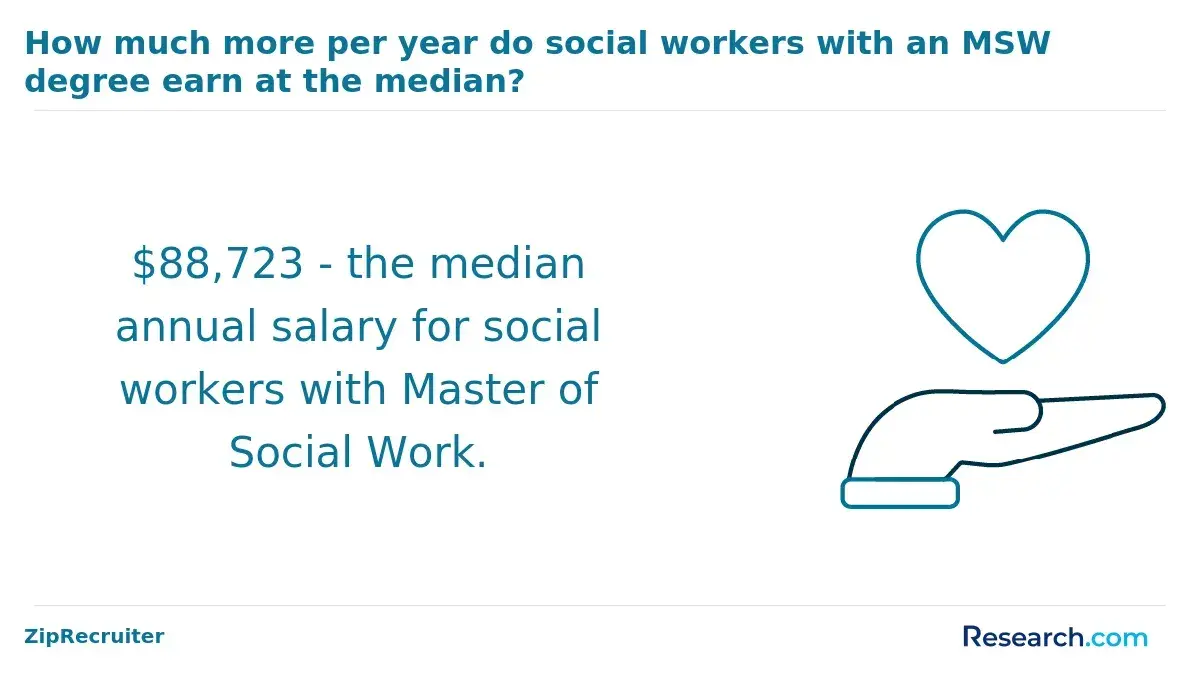
An MSW is the standard graduate degree for advanced social work practice and is typically required for clinical licensure. MSW programs build on generalist training with coursework in clinical assessment, counseling methods, evidence-based interventions, policy, leadership, research, and advanced field education.
Many states demand an MSW and 2,000 to 4,000 hours of supervised post-master's clinical work before granting licensure as a Licensed Clinical Social Worker (LCSW). Requirements may also include a state-approved supervisor, specific documentation, background checks, and limits on how quickly supervised hours can be completed.
Exams and continuing education
Social work licensing educational requirements in the US also include passing the relevant Association of Social Work Boards (ASWB) exam and completing ongoing continuing education credits to maintain licensure. Continuing education may cover ethics, cultural competence, mandated reporting, suicide prevention, trauma, telehealth, or other topics required by the state.
Some states offer advanced licenses that may require doctoral degrees, though these are less common. Students interested in clinical practice should focus first on the MSW, supervised practice requirements, and the specific LCSW rules in the state where they plan to work.
Fit matters as much as eligibility
Prospective students should also consider the emotional realities of the profession. Social workers report an average rating of 2.9 out of 5 stars for job happiness, placing them in the bottom 23% of careers surveyed by CareerExplorer. This does not mean social work is a poor choice; it means applicants should evaluate workload, supervision, compensation, and stress tolerance before committing to the path.
Students who need flexibility while meeting educational standards can compare masters of social work online programs, especially if they are working, caregiving, or planning a career change.
What degree programs and specializations are available in social work?
Social work degree options range from undergraduate preparation for generalist roles to doctoral education for leadership, research, policy, teaching, or advanced practice. The right degree depends on the type of work you want to do, whether you need licensure, and how much time and money you can invest.
Common social work degree levels
- Bachelor of Social Work (BSW): A foundational degree covering human behavior, social welfare policy, ethics, research basics, diversity, and generalist practice. It can lead to entry-level roles and may shorten an MSW through advanced standing options.
- Master of Social Work (MSW): The main credential for clinical social work, advanced case management, leadership, and many specialized roles. MSW programs often allow students to concentrate in clinical practice, children and families, mental health, healthcare, school social work, gerontology, or community practice.
- Doctor of Social Work (DSW): A practice-focused doctorate often designed for experienced professionals interested in leadership, teaching, program development, advanced clinical expertise, or applied practice innovation.
- PhD in Social Work: A research-focused doctorate for those interested in academic careers, policy research, advanced scholarship, or large-scale evaluation of social programs.
Popular specialization areas
- Clinical social work: Focuses on assessment, diagnosis where permitted by state law, psychotherapy, treatment planning, and mental health support.
- Child and family welfare: Prepares students to work with families, foster care systems, child protection agencies, adoption services, and prevention programs.
- School social work: Centers on student wellbeing, attendance, family engagement, crisis response, special education teams, and school-community coordination.
- Healthcare social work: Involves discharge planning, care coordination, patient advocacy, family support, chronic illness, and interdisciplinary collaboration.
- Gerontology: Focuses on older adults, caregivers, long-term care, aging policy, hospice, and services that support independence and dignity.
- Community organization and macro practice: Emphasizes advocacy, program design, policy analysis, nonprofit leadership, community development, and systems change.
Dual degrees and interdisciplinary options
Some schools offer dual degree options that combine an MSW with public health, law, business, public policy, theology, or criminal justice. These programs can be useful for students who want to address complex social problems through both direct service and systems-level work. They also usually require more planning, more credits, and careful review of cost and career payoff.
Emotional intelligence is especially relevant across specializations. Research from the University of Texas at Austin shows higher emotional intelligence strongly correlates with increased compassion satisfaction in licensed social workers. For students who identify as empathic, a specialization should be chosen not only for passion but also for fit with workload, crisis exposure, supervision, and preferred client population.
Students comparing flexible graduate pathways can review MSW programs online to see which options support their preferred specialization, field placement needs, and career timeline.
Accredited social work programs are designed to prepare students for ethical, evidence-informed practice with individuals, families, groups, organizations, and communities. While course titles vary, most programs combine theory, policy, research, practice methods, diversity training, and supervised field education.
Core curriculum areas
- Human behavior and the social environment: Students examine psychological, biological, social, cultural, and environmental factors that shape development and wellbeing across the lifespan.
- Social welfare policy: Courses explain how laws, public programs, funding systems, eligibility rules, and advocacy shape client access to services.
- Social work practice methods: Students learn engagement, assessment, intervention planning, documentation, case management, counseling basics, crisis response, and group facilitation.
- Research and evaluation: Coursework teaches students how to read evidence, evaluate programs, understand data, and apply findings responsibly in practice settings.
- Ethics and professional responsibility: Programs emphasize confidentiality, informed consent, boundaries, mandated reporting, dual relationships, documentation, and ethical decision-making.
- Cultural competence and anti-oppressive practice: Students study how race, class, gender, disability, immigration status, religion, sexuality, age, and other identities affect access, risk, resilience, and trust.
Field education
Field education is a defining part of social work training. Students complete supervised practicum hours in settings such as hospitals, schools, behavioral health agencies, child welfare organizations, shelters, courts, veteran services, community nonprofits, or government agencies. Field placements help students translate classroom learning into professional judgment, documentation habits, client engagement, and interprofessional collaboration.
Students should ask how placements are assigned, whether evening or weekend placements are realistic, how conflicts with supervisors are handled, and what support is available if a placement becomes unsafe or unsuitable. Fieldwork can be rewarding, but it is also where many students first encounter the pace and pressure of the profession.
Specialized coursework
Many programs offer electives or concentrations in healthcare, child welfare, mental health, substance use, gerontology, school social work, community practice, policy, military social work, or trauma-informed care. These choices can shape field placements, licensure preparation, and early career opportunities.
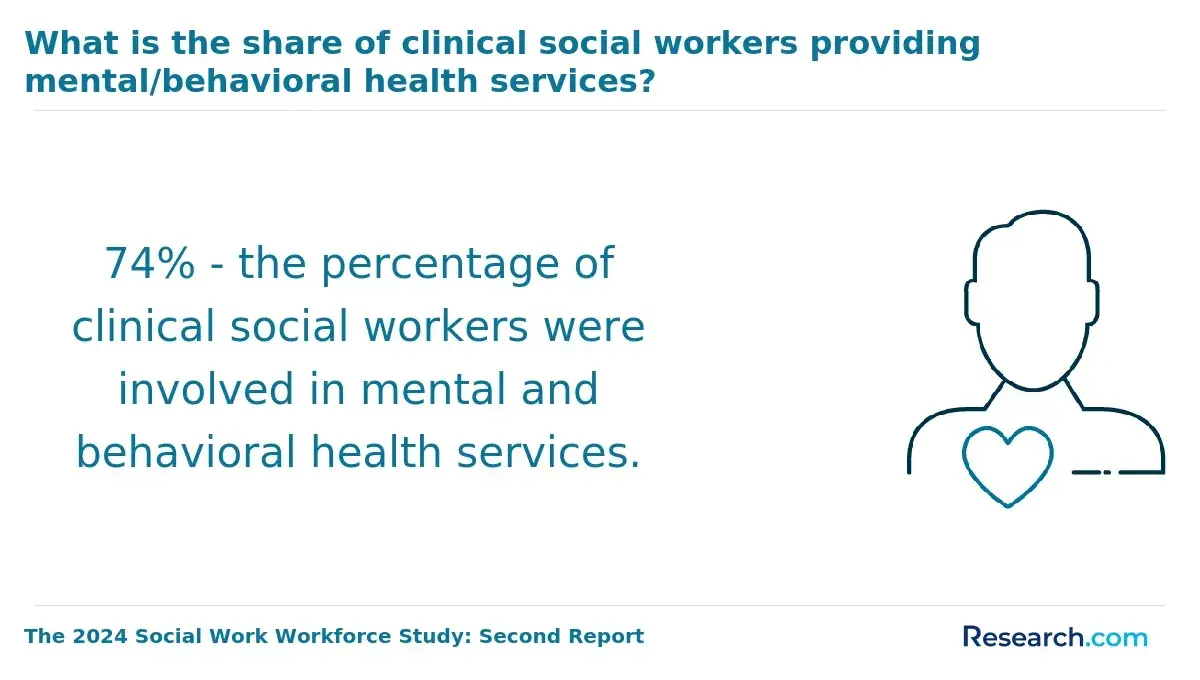
Programs often offer specializations like healthcare, child welfare, or mental health, which correspond to wage variations within the profession. For example, social workers in healthcare report median wages higher than the overall average, illustrating the potential benefit of specialized training. Students should still evaluate the full picture: salary, emotional intensity, schedule, supervision, and advancement opportunities.
A strong curriculum should not only teach compassion. It should teach students how to assess risk, document clearly, understand systems, practice ethically, use evidence, collaborate across disciplines, and protect their own sustainability in demanding roles.
How do you identify and choose an accredited, reputable social work program?
The most important first step is verifying accreditation by the Council on Social Work Education (CSWE). CSWE accreditation indicates that the program meets national standards for social work education and is commonly required for licensure eligibility. Do not rely only on marketing language; confirm accreditation directly through official sources and ask the program how it aligns with licensure requirements in your state.
What to evaluate before enrolling
- Accreditation and licensure alignment: Confirm that the program prepares graduates for the license level and state where they plan to practice.
- Field placement support: Ask how placements are secured, what agencies are available, whether students can propose sites, and how the school handles placement problems.
- Faculty expertise: Programs led by experienced practitioners or active researchers often provide stronger mentorship and more current knowledge.
- Specializations: Check whether the school offers coursework and placements in your intended area, such as clinical practice, child welfare, healthcare, school social work, gerontology, or macro practice.
- Outcomes: Review graduation rates, licensure exam pass rates, employment outcomes, alumni feedback, and advanced standing results where available.
- Student support: Look for advising, writing support, mental health resources, disability services, career services, and help with licensure paperwork.
- Flexibility: Compare online, hybrid, evening, weekend, full-time, and part-time formats based on your work and caregiving responsibilities.
- Total cost: Include tuition, fees, books, travel, technology, field placement expenses, and potential lost wages.
Questions to ask admissions staff
- Is the program currently CSWE-accredited, and where can I verify that status?
- Does the curriculum meet licensure requirements in the state where I plan to work?
- How are field placements assigned, supervised, and evaluated?
- What happens if a field placement is not a good fit?
- What are recent graduation rates and licensure exam pass rates?
- How accessible are faculty and advisors for online or part-time students?
- What support is available for students experiencing stress, burnout, or ethical concerns in fieldwork?
Studies from IDEA Training show social workers with high empathy levels achieve 25% higher client engagement but face an 18% increased burnout risk without proper autonomy support. That finding makes program culture important. A reputable school should teach resilience, supervision use, boundaries, self-reflection, and ethical autonomy, not only intervention techniques.
Practicum placements are especially important because they shape both skill development and professional networks. Verify that the program collaborates with reputable organizations that match your career goals, whether in healthcare, schools, community agencies, behavioral health, child welfare, or policy settings.
Finally, speak with current students and alumni when possible. Ask about responsiveness, workload realism, field placement quality, faculty support, and whether the program's promises match the student experience. The right social work program should be accredited, transparent, financially realistic, and strong enough to prepare you for both the meaning and the demands of the profession.
Other Things You Should Know About Social Work
In 2027, social workers face key challenges such as managing high caseloads, navigating evolving digital tools and regulations, and addressing diverse client needs in culturally sensitive ways. Additionally, the profession continues to tackle mental health and resource scarcity issues in underserved communities.
Most states require supervised clinical experience before independent practice. For the LCSW, that usually means 3,000 hours or more of post-degree supervised work over about 2 years, plus documented supervision from a board-approved supervisor before full licensure.
Yes, most states require licensed social workers to complete continuing education (CE) credits regularly to maintain their credentials. These courses help professionals stay updated on best practices, ethics, and new developments in social work. Continuing education also supports specialized certifications and career advancement.
Many social workers move into supervisory, management, or policy-making positions after gaining experience. Advanced degrees or additional training in administration can support transitions into leadership roles. These positions involve overseeing programs, managing teams, and contributing to organizational strategy and development.
- how - Wiktionary, the free dictionary https://en.wiktionary.org/wiki/how
- How to Become a Licensed Social Worker https://onlinecounselingprograms.com/mental-health-careers/how-to-become-licensed-social-worker/
- A Complete Guide to MSW Specializations for 2023 https://mastersinsocialworkonline.org/resources/msw-specializations/
- Medical Social Work Salary Overview | Psychology.org https://www.psychology.org/social-work/medical-social-work/
- Social Work Salaries https://www.socialworkers.org/careers/career-center/kickstart-your-job-hunt/social-work-salaries
- How to become a social worker https://basw.co.uk/careers/how-become-social-worker
- Certification FAQs https://www.abcsw.org/certification-faqs
- How Being an HSP Contributes to My Career as a Psychotherapist https://highlysensitiverefuge.com/how-being-an-hsp-contributes-to-my-career-as-a-psychotherapist/
- Empathy In Social Work: Improving Outcomes https://ideatraining.org/empathy-in-social-work/
- Master of Social Work Programs https://socialworklicensemap.com/social-work-degrees/master-of-social-work-programs/