2027 Understanding Advanced Standing Eligibility for BSW Graduates

Co-Founder and Chief Data Scientist
Advanced standing is one of the fastest ways for eligible Bachelor of Social Work graduates to earn an MSW, but it is not automatic. Schools use accreditation status, graduation date, GPA, field education, recommendations, and professional experience to decide whether a BSW graduate can skip foundation-level MSW coursework. A strong application can save time and tuition; a weak or incomplete one can lead to denial, prerequisite requirements, or admission to a longer traditional track.
This guide explains how advanced standing works for BSW graduates, what admissions committees usually look for, how CSWE accreditation affects eligibility, and how online, hybrid, and campus-based options compare. It also covers curriculum, careers, salary outlook, and practical steps for choosing a program that supports licensure and long-term social work goals.
Key Things You Should Know
- Advanced standing eligibility in 2026 allows BSW graduates to bypass up to 30 credit hours in MSW programs, reducing time to degree and tuition costs significantly.
- Eligibility criteria often require recent BSW completion from a CSWE-accredited program with a minimum GPA of 3.0, ensuring readiness for advanced coursework.
- Approximately 60% of MSW programs offer advanced standing, improving access and flexibility for BSW graduates pursuing clinical or macro-specializations.
What is advanced standing eligibility for BSW graduates?
Advanced standing eligibility means a Master of Social Work program agrees that a BSW graduate has already completed the equivalent of the MSW foundation year. Instead of repeating introductory coursework in human behavior, policy, research, practice methods, and field education, eligible students move directly into advanced graduate study. In Canada and the U.S., this can shorten an MSW from three years to about two, depending on the school, enrollment format, and specialization.
The most common baseline requirement is a Bachelor of Social Work from a Council on Social Work Education (CSWE)-accredited program, or an equivalent credential when the applicant studied outside the U.S. Some schools use strict eligibility rules, while others review older degrees or nontraditional backgrounds case by case.
Typical criteria for advanced standing in Canadian social work programs and most U.S. institutions include:
- A CSWE-accredited BSW degree completed within the last five years.
- A minimum GPA of around 3.0 or higher.
- Official transcripts, letters of recommendation, and a statement of purpose that explains relevant social work experience and readiness for graduate-level practice.
- Completion of relevant field practicum hours during the BSW program in some cases.
Advanced standing can be valuable for students who want to reduce tuition costs, enter the workforce sooner, or move more quickly toward clinical or leadership roles. According to the CSWE 2025 Annual Survey of Social Work Education, advanced standing MSW students had a 28% higher employment rate within six months of graduation compared to traditional students.
Before choosing this route, confirm that the shortened curriculum still satisfies licensing rules in the state or province where you plan to practice. Students considering doctoral study after the MSW may also want to compare later-stage options such as doctor of social work programs.
Who qualifies for advanced standing in MSW programs?
Students most likely to qualify for advanced standing are recent BSW graduates from CSWE-accredited programs who earned strong grades, completed supervised field education, and can show professional readiness for advanced practice. Many MSW programs prefer applicants whose BSW was earned within the past seven years because social work policy, ethics, practice models, and accreditation standards change over time.
According to MSWGuide.org's analysis, 92% of such recent graduates with accredited BSWs gain admission, compared to only 68% for those with degrees older than seven years. That difference reflects how heavily programs weigh both accreditation and recency when deciding whether an applicant can bypass foundation courses.
Most programs review whether applicants completed core BSW preparation in areas such as:
- Human behavior and the social environment.
- Social welfare policy.
- Research methods.
- Generalist practice with individuals, families, groups, organizations, and communities.
- Supervised field practicum hours.
Relevant employment or volunteer experience can strengthen an application, especially when it connects clearly to the applicant's intended MSW concentration. However, work experience usually cannot replace missing academic requirements. If a transcript does not show the required BSW content, the school may require prerequisites, deny advanced standing, or admit the student to a traditional MSW track instead.
Applicants with older BSW degrees should ask whether the program allows exceptions based on recent social work employment, continuing education, licensure, or documented professional development. Applicants with non-CSWE-accredited or international degrees may need a transcript evaluation and, in some cases, a course-by-course review to determine equivalency.
A practical first step is to verify your BSW program's CSWE accreditation status and your graduation date before applying. Then compare tuition, fees, field placement requirements, and financial aid; understanding how much does an MSW cost can affect whether advanced standing is the right financial choice.
What are CSWE accreditation requirements for advanced standing?
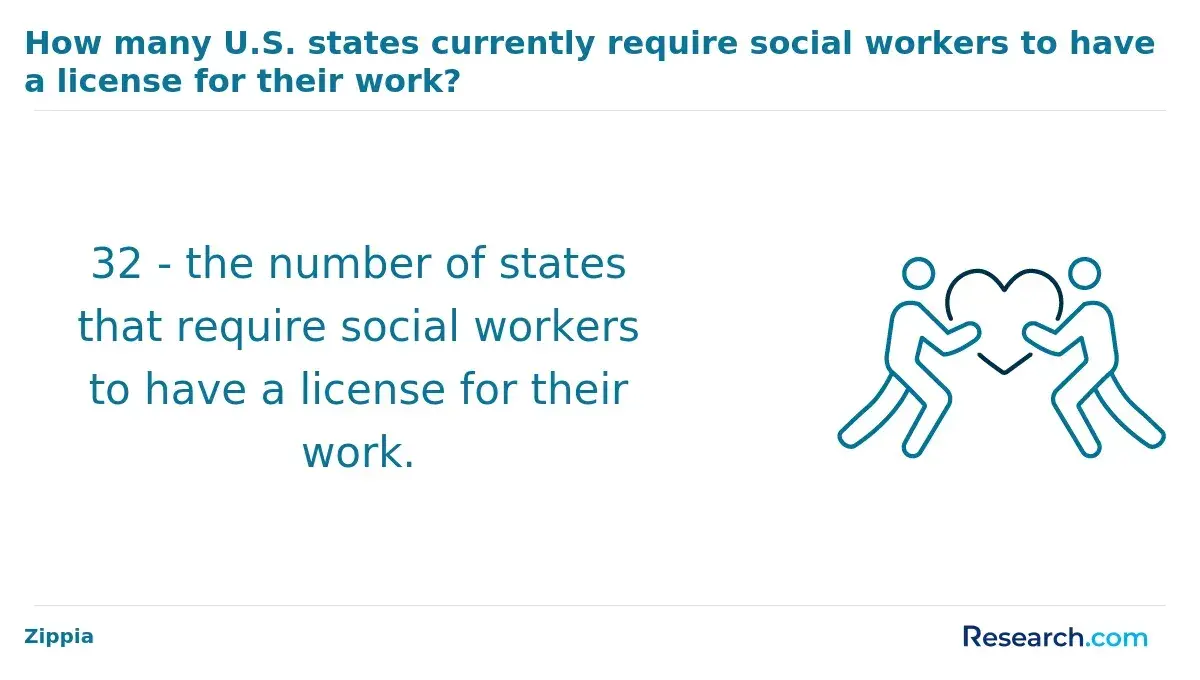
CSWE accreditation is central to advanced standing because it tells an MSW program that the applicant's BSW met nationally recognized social work education standards. For most U.S. advanced standing MSW programs, a BSW from a CSWE-accredited institution is not just preferred; it is the main eligibility requirement.
Advanced standing MSW programs use that accreditation to justify waiving foundation-level graduate coursework. These programs often waive at least 30 graduate credits, allowing students to begin advanced coursework sooner while still completing the specialized practice and field education required for the MSW.
To satisfy CSWE advanced standing expectations, programs generally must:
- Confirm that the applicant's BSW coursework covered essential foundational social work competencies.
- Ensure the advanced curriculum includes rigorous practice, policy, research, ethics, and field education components.
- Assess whether students are prepared for advanced generalist or specialized practice through supervision, internship performance, and faculty evaluation.
The purpose is quality control. Advanced standing is not a shortcut around professional preparation; it is a recognition that the student has already completed accredited foundation training at the bachelor's level. Data show that 87% of these programs waive 30 or more credits for qualifying students, and waived credits can produce considerable tuition savings, on average $25,000.
Before enrolling, ask the program exactly how many credits will be waived, whether additional bridge courses are required, and how field placement hours are structured. Students seeking clinical licensure should also confirm that the program's accreditation and field education meet licensing requirements in the jurisdiction where they intend to work. Those targeting roles among the highest paid social workers should pay particular attention to clinical concentration options and supervised practice pathways.
Advanced standing shortens an MSW by removing or reducing the foundation year. Because BSW graduates have already completed undergraduate social work coursework and field education, the MSW program can focus on advanced practice, specialization, and graduate-level field placement. In many cases, this reduces the program from two years to one for full-time students.
The exact time savings depends on how much credit the school grants. Some programs waive the full foundation year, while others offer partial standing that cuts 9 to 12 credits. Schools may base the decision on accreditation, course grades, field evaluations, GPA, and how recently the BSW was completed.
Common requirements that affect program length include:
- Minimum overall GPA, commonly a minimum of 3.0.
- Higher performance in social work major courses, with those holding a 3.5+ GPA in social work courses benefiting most.
- Verification of BSW field education hours and supervisor evaluations.
- Completion of any bridge, orientation, or prerequisite courses before advanced coursework begins.
- Program format, including full-time, part-time, online, hybrid, or campus-based enrollment.
According to the Bureau of Labor Statistics Occupational Outlook Handbook, these students also experience a 15% higher median starting salary of $68,200 post-MSW compared to peers with lower GPAs. While salary outcomes vary by employer, licensure status, specialization, and location, the time advantage can help graduates begin earning sooner.
Before applying, verify whether the accelerated plan still supports your licensing goal. A shorter curriculum should not mean fewer required field experiences for the license you plan to pursue. Applicants comparing flexible admission options can also review online MSW programs with low gpa requirements to understand alternative pathways.
Admission to an advanced standing MSW is usually more selective than admission to a traditional MSW because the program must be confident that the applicant can skip foundation coursework. The core requirement is generally a BSW from a Council on Social Work Education (CSWE)-accredited program, supported by academic records and field performance that show readiness for advanced graduate study.
Many programs require that the BSW be earned within the last five years, but some schools now allow more flexibility. For instance, 34% of programs in recent surveys have extended advanced standing eligibility to those who graduated over 10 years ago, provided they have at least two years of relevant post-graduate social work experience.
Typical admission requirements include:
- Completion of a CSWE-accredited BSW program with a minimum GPA, usually around 3.0 or higher.
- Official transcripts and degree verification.
- Documentation of supervised social work experience when the degree was completed outside the standard timeframe.
- Letters of recommendation from faculty, field instructors, supervisors, or social work professionals who can assess academic and practice readiness.
- A statement of purpose explaining career goals, fit with the program, and reasons for pursuing advanced standing.
Some programs also request field evaluations, a resume, a writing sample, an interview, or evidence of recent professional development. Applicants with a long gap since graduation should use the application to show current engagement with social work practice, ethics, policy, and client populations. Examples may include case management, community organizing, child welfare, behavioral health, healthcare navigation, advocacy, or related supervised roles.
Common mistakes include applying before confirming accreditation, assuming work experience can replace missing BSW coursework, submitting generic recommendations, or failing to explain why advanced standing is appropriate. A stronger application connects prior BSW training, field performance, professional experience, and career goals into one clear case for graduate readiness.
Yes. Advanced standing MSW programs are offered online, on campus, and in hybrid formats. The best format depends on your schedule, location, learning style, field placement needs, and access to faculty or professional networks. All formats can lead to the same degree when the program is properly accredited and meets licensure requirements.
Online advanced standing programs are often best for working students, caregivers, or applicants who do not live near a university with the right specialization. They provide remote coursework and may allow students to finish in about two years or less, depending on whether they enroll full time or part time. On-campus programs may be better for students who want regular in-person faculty access, campus-based services, local networking, and closer connection to university-arranged field sites.
Field placement is the key point many applicants overlook. Even in online programs, MSW students complete in-person fieldwork at approved agencies. Schools may help identify placements near the student's residence, but policies vary. Before enrolling, ask who is responsible for securing the placement, what types of agencies qualify, whether evening or weekend placements are available, and whether placements support clinical licensure goals.
According to the National Association of Social Workers 2025 Workforce Study, advanced standing MSW graduates achieve an 85% client retention rate, 22% higher than traditional MSW grads. The cited difference reinforces why field quality, supervision, and specialization matter as much as delivery format.
When comparing online and campus options, prioritize accreditation, field placement support, faculty qualifications, licensure alignment, student support, and total cost. Convenience is important, but it should not outweigh the requirements needed to become licensed and employable.
An advanced standing MSW curriculum builds on BSW foundation training instead of repeating it. Students typically move quickly into advanced practice, specialized fieldwork, policy analysis, research application, ethics, and leadership. The curriculum is designed for students who already understand generalist social work practice and are ready for deeper preparation in a concentration area.
Common curriculum areas include:
- Advanced practice with individuals, families, and groups, including culturally responsive and evidence-informed interventions.
- Clinical assessment, treatment planning, and documentation for students pursuing clinical pathways.
- Macro practice, including social policy, advocacy, organizational leadership, community development, and program evaluation.
- Research design and applied methods used to measure outcomes in community, healthcare, nonprofit, and clinical settings.
- Ethics, professional identity, supervision, and practice with diverse and vulnerable populations.
Field education remains a major part of the degree. Advanced standing students may complete fewer foundation-level hours, but their placements are often more specialized. Examples include mental health agencies, hospitals, schools, child welfare organizations, substance use treatment programs, community nonprofits, and policy or advocacy settings.
Applicants can strengthen their readiness by submitting detailed BSW field evaluations when requested or allowed. A 2025 SocialWorkDegrees.org study found that candidates providing thorough evaluations had a 41% higher admission rate than those without. Strong evaluations help admissions committees see how the applicant performed with clients, supervision, ethical decisions, documentation, and professional communication.
Students should review the curriculum before applying to make sure it matches their goals. A clinically focused student needs a program with appropriate clinical coursework and supervised placements, while a student interested in administration or policy should look for leadership, evaluation, and macro-practice opportunities.
Advanced standing MSW completion can lead to clinical, administrative, policy, research, and community practice roles. The degree does not by itself grant independent clinical authority; graduates who want to diagnose, treat, and provide therapy independently must meet state or provincial licensure requirements after graduation. Still, the MSW is the required graduate credential for many advanced social work roles.
Common career paths include:
- Clinical social worker or future Licensed Clinical Social Worker (LCSW), depending on post-graduate supervision and licensing requirements.
- Medical or healthcare social worker in hospitals, clinics, hospice, rehabilitation, or care coordination settings.
- Mental health or substance abuse social worker in community agencies, treatment centers, or integrated behavioral health programs.
- School social worker, subject to state education and certification requirements.
- Child welfare, family services, or protective services practitioner or supervisor.
- Program manager, social services manager, or nonprofit administrator.
- Policy analyst, advocate, community organizer, or program evaluator.
- Research or academic support roles focused on social work practice, service delivery, or community needs.
Advanced standing can help BSW graduates reach these roles faster because they spend less time repeating foundation material and more time building specialized competencies. Hybrid advanced standing MSW programs have also expanded access for students who need to keep working while completing graduate study.
The strongest career outcomes usually come from matching the MSW concentration, field placement, and licensure plan to the same goal. For example, a student who wants clinical practice should seek placements with qualified supervision, while a student targeting leadership should look for program administration, grant management, evaluation, or policy experience.
Advanced standing MSW graduates may see a strong salary outlook because they can complete the degree faster and enter advanced roles sooner. In 2025, they earned a median salary of $75,000 annually after investing $42,000 in tuition. This corresponds to a return on investment (ROI) of 3.2 years, 1.5 years faster than traditional MSW graduates, according to Payscale's 2025 Social Work Salary Report.
The faster ROI is tied to the structure of advanced standing: eligible students use prior BSW education to reduce graduate study time, lower opportunity cost, and begin post-MSW employment earlier. However, salary outcomes are not guaranteed. Pay depends heavily on licensure, state or regional labor markets, employer type, years of experience, specialization, union or government pay scales, and whether the role is clinical, administrative, or community-based.
Graduates often find higher earning potential in settings such as healthcare, mental health, government agencies, leadership positions, and private practice after appropriate licensure. Child welfare, nonprofit, and community service roles may offer strong mission fit but can vary widely in compensation.
Ways to strengthen salary outcomes include:
- Pursue licensure and certifications aligned with higher-paying roles such as clinical social work or leadership.
- Choose field placements that build experience in the setting where you want to work after graduation.
- Compare employer types, including hospitals, government agencies, schools, nonprofits, and private practice settings.
- Use internships, alumni contacts, and professional associations to understand local pay ranges and negotiation norms.
- Consider total compensation, including benefits, supervision support, loan repayment options, schedule flexibility, and career mobility.
The key financial advantage of advanced standing is not only the potential salary after graduation, but also the reduced time spent in school. Students should compare total tuition, fees, field placement obligations, lost work hours, and licensure costs before deciding which program offers the best value.
How to choose accredited advanced standing MSW programs?
Start with accreditation. A CSWE-accredited MSW program is the safest choice for students who want their degree recognized by employers and licensing boards. If a program is not properly accredited, graduates may face serious problems with licensure eligibility, job applications, or transfer of credits.
After confirming accreditation, evaluate the program against your career goal. A student planning to become a clinical social worker should look for clinical coursework, appropriate field placements, and licensure-focused advising. A student interested in policy, administration, or community practice should compare macro practice options, leadership courses, and placement sites tied to advocacy, evaluation, or program management.
Important factors to review include:
- CSWE accreditation status and any state-specific licensure disclosures.
- Advanced standing eligibility rules, including BSW accreditation, GPA, graduation date, and field education requirements.
- Number of credits waived and whether bridge courses are required.
- Program length, including whether the advanced standing option can be completed in one year or through part-time study.
- Online, hybrid, or on-campus format and how synchronous classes, residencies, or campus visits work.
- Field placement support, especially for online students who need approved local agencies.
- Specializations such as clinical practice, healthcare, child welfare, school social work, policy, or community practice.
- Graduation rates, licensure exam pass rates, job placement statistics, and student support services.
- Total cost, scholarships, assistantships, employer tuition support, and financial aid options.
Contact admissions, field education, and financial aid offices before applying. Ask direct questions about eligibility, placement availability, licensure preparation, and how many students complete the advanced standing track on time. Demand for clinically licensed MSWs through advanced standing paths is projected to grow significantly, so choosing an accredited program with clear outcomes and strong field support is essential for long-term career value.
Other Things You Should Know About Social Work
Fieldwork is a core component of social work education, providing practical experience in real-world settings. Most programs require students to complete supervised internships or practicum placements in agencies such as healthcare facilities, schools, community organizations, or social service agencies. These placements help students develop essential skills in client assessment, intervention, and professional ethics.
Yes, many states mandate continuing education for licensed social workers to maintain their credentials. Requirements vary but usually include attending workshops, completing additional coursework, or participating in professional development activities every few years. This ensures social workers stay current with best practices and evolving regulations in the field.
Most advanced standing MSW programs require a BSW field practicum completed under supervision from a CSWE-accredited program, with a documented evaluation from the final placement. Many schools also require a minimum grade of B or better in field education and related practice courses before granting advanced placement.
For advanced standing eligibility in 2027, BSW graduates usually need a degree from a CSWE-accredited program, a high GPA (often 3.0 or higher), and completion of specific prerequisite courses. Some schools may also require recent graduation, generally within the last five years.
- CSWE Candidacy Status for Master's in Social Work (MSW) Programs https://www.masterofsocialwork.com/faqs/cswe-candidacy-msw-programs
- Council on Social Work Education Accreditation Guide for 2023 https://mastersinsocialworkonline.org/resources/cswe-accreditation/
- Social Worker (LCSW, MSW) Salary Guide By State https://socialworklicensemap.com/social-work-careers/social-work-salary/
- MSW Program Options and Curriculum - MSU Denver https://www.msudenver.edu/social-work/master-social-work/program-options-and-curriculum/
- Advanced Standing vs. Regular Track MSW Programs https://www.mswhelper.com/blog/advanced-standing-vs-regular-track-msw-programs
- Online MSW - Advanced Track https://onlinedegrees.keuka.edu/programs/msw/advanced-standing
- MSW Program Length: 1-4 Year Timeline Guide for 2025 https://www.socialworkdegrees.org/faq/how-long-does-it-take-to-complete-a-msw-program
- Advanced Standing Master's in Social Work Programs | MSW Guide https://www.mswguide.org/schools/advanced-standing/
- What is CSWE Accreditation and Why is Accreditation Important? - Master of Social Work Degrees https://www.mswdegrees.org/accreditation/what-is-cswe-accreditation/
- Admission requirements https://socialwork.wayne.edu/msw/requirements