2027 Substance Abuse and Addiction Social Work Degrees

Co-Founder and Chief Data Scientist
Choosing a degree for addiction recovery work is not just an academic decision. It affects whether you can qualify for licensure, where you can complete supervised practice, what kinds of clients you can serve, and how far you can advance in behavioral health. Many people feel called to this work, but the path can be confusing because job titles, counseling credentials, social work licenses, and state requirements do not all mean the same thing.
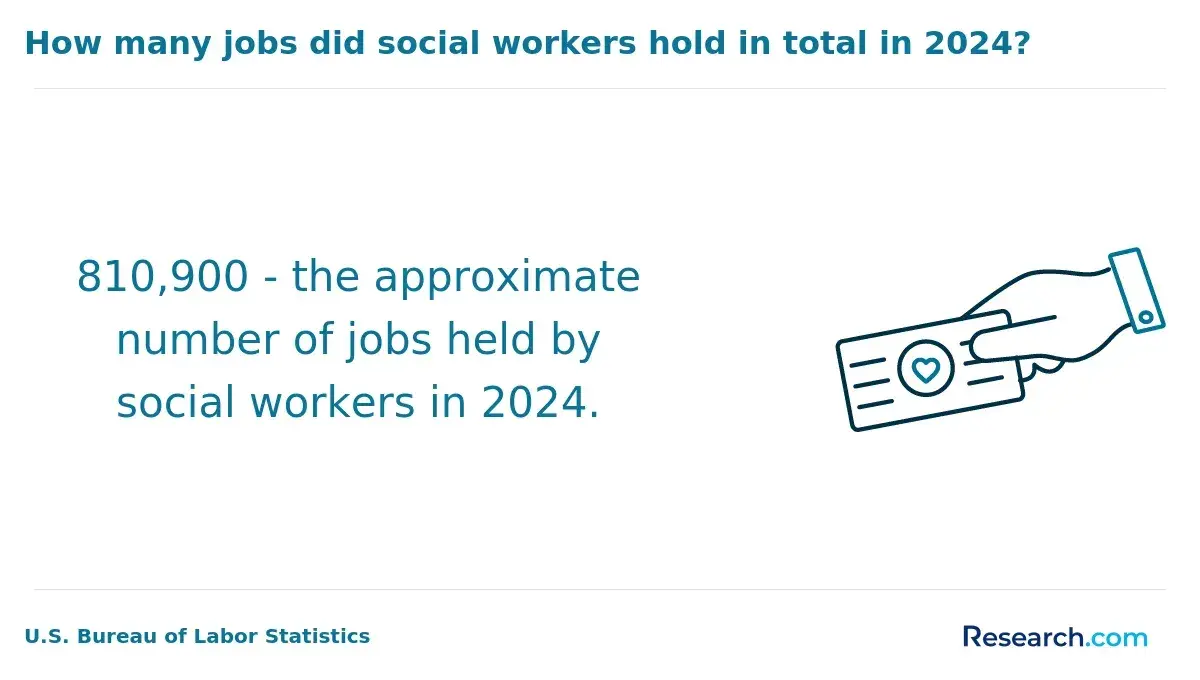
Substance abuse and addiction social work degrees are designed for students who want to help people affected by addiction while also addressing the housing, family, health, legal, employment, and mental health issues that often shape recovery. Behavioral health roles now account for a significant share of the 810,900 social work jobs nationwide, and demand continues to rise as addiction treatment becomes more integrated with healthcare and community services.
This guide was developed by career planning specialists with more than 10 years of expertise to help you understand what this degree involves, who it fits, what licensure usually requires, how long it takes, what you can earn, and whether the investment makes sense for your goals.
Key Things You Should Know About Substance Abuse and Addiction Social Work Degrees
- These roles sit at the center of the behavioral health workforce and remain in sustained demand nationwide.
- Addiction-focused practice is deeply integrated into behavioral health, with 74% of clinical social workers connected to mental and behavioral health services.
- State licensure is the gatekeeper for most clinical roles, and accredited MSW pathways create the cleanest route in.
- Social work is a large and stable field with 810,900 jobs nationwide, and addiction recovery roles make up a growing share of that workforce.
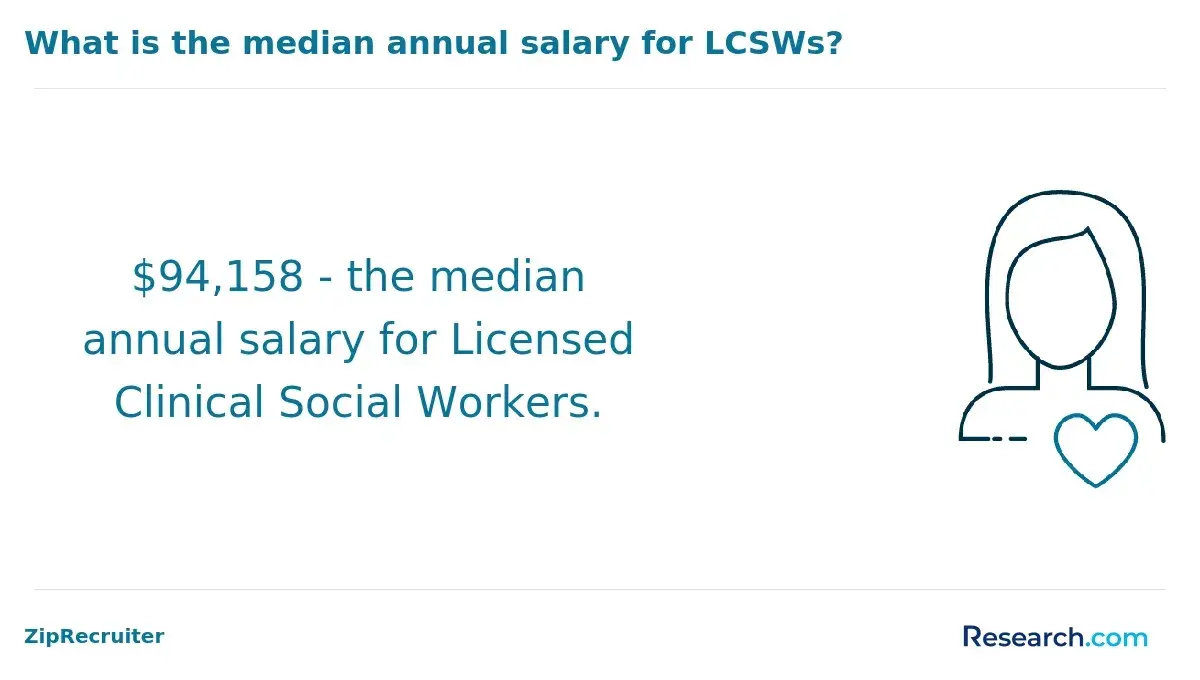
- Compensation increases sharply with licensure, with clinical social workers earning a median of $94,158 annually.
What is a substance abuse and addiction social work degree in 2027?
A substance abuse and addiction social work degree is a specialized social work pathway focused on helping individuals, families, and communities affected by substance use disorders. It prepares students to support recovery through assessment, counseling, case management, relapse-prevention planning, advocacy, and coordination with healthcare and community services.
The degree is usually built around a broader social work foundation, but it gives extra attention to addiction treatment, co-occurring mental health conditions, trauma-informed care, harm reduction, ethics, and field experience in behavioral health settings. The goal is not only to help clients stop or reduce substance use, but also to address the social and clinical barriers that can make recovery difficult to sustain.
How it differs from a general social work program
General social work programs prepare students for a wide range of roles across child welfare, schools, healthcare, public agencies, mental health, and community services. Addiction-focused programs or concentrations narrow that training toward recovery-related practice.
| Program focus | What students typically study | Best fit |
| General social work | Human behavior, policy, ethics, case management, community systems, and broad practice methods | Students who want flexibility across many social work settings |
| Substance abuse and addiction social work | Addiction assessment, recovery planning, co-occurring disorders, relapse prevention, harm reduction, and treatment systems | Students who want to work in behavioral health, treatment, recovery support, or integrated care |
The specialization matters because addiction is now widely treated as a chronic behavioral health condition rather than a personal failing. Employers need professionals who understand both clinical recovery and the practical realities that affect clients’ lives, including housing instability, family conflict, trauma, employment barriers, and access to healthcare.
What do substance abuse and addiction social workers actually do?
Substance abuse and addiction social workers help clients enter treatment, stay engaged in care, manage relapse risk, and rebuild stability during recovery. Their work often combines counseling, crisis intervention, care coordination, advocacy, discharge planning, and long-term support. In many settings, they serve as the link between the client, the treatment team, the family, and outside community resources.
Common responsibilities
- Assess clients for substance use concerns, mental health needs, safety risks, and social stressors
- Create treatment or service plans with realistic recovery goals
- Provide individual, group, or family support within the limits of licensure and job role
- Coordinate referrals for detox, residential treatment, outpatient care, medication-assisted treatment, housing, employment, or benefits
- Support clients during transitions between levels of care
- Help clients identify triggers, build coping strategies, and reduce relapse risk
- Document services, monitor progress, and communicate with multidisciplinary teams
- Advocate for clients in healthcare, legal, school, family, or community systems
What the work looks like in practice
A client may need more than counseling to maintain recovery. They may also need a safe place to live, transportation to appointments, a plan after discharge, help reconnecting with family, or support managing a co-occurring behavioral health condition. Addiction social workers are trained to look at the full situation rather than treating substance use in isolation.
This makes the role both clinical and practical. You may spend part of the day facilitating a recovery group and another part coordinating with a hospital, probation office, housing agency, or outpatient provider. The most effective professionals are able to balance empathy with structure, because recovery work requires compassion, accountability, and careful boundaries.
Who should pursue a substance abuse and addiction social work degree?
This degree is a strong fit for people who want direct, people-facing work in behavioral health and are prepared for the emotional complexity of addiction recovery. It is best suited for students who want to support long-term change, not quick fixes, and who can work with clients through setbacks as well as progress.
Good candidates for this path
- Students preparing for their first professional role in social work, counseling support, or behavioral health
- Career changers who want a licensable credential and a defined route into clinical practice
- Adults motivated by service, advocacy, and recovery-focused work
- Learners who want structured field training instead of only classroom-based preparation
- People who can handle difficult conversations, crisis situations, and slow progress without losing professionalism
Signs this may not be the right fit
This path may feel frustrating if you want predictable outcomes, low-conflict work, or a role that avoids crisis situations. Addiction recovery can involve relapse, family strain, trauma, legal issues, and inconsistent engagement with services. The work is meaningful, but it is not easy.
It is also important to understand that lived experience with addiction or recovery can be valuable, but it does not replace professional training, supervision, ethics, and licensure. The degree helps turn commitment into competent practice by teaching students how to support clients safely and within a professional scope of care.
What are the education and licensing requirements for addiction-focused social workers in 2027?
Most people who want clinical addiction social work roles pursue a CSWE-accredited MSW and then complete their state’s licensure process after graduation. Licensing is not optional in many client-facing clinical roles. 32 states currently require it, and employers increasingly treat licensure or license eligibility as a baseline expectation for behavioral health positions.
Requirements vary by state, so students should confirm rules with their state social work board before enrolling. In general, the most important early decision is choosing an accredited program, because accreditation affects eligibility for supervised practice, licensing exams, and many professional roles.
Typical education-to-licensure pathway
- Earn a bachelor’s degree. Some students major in social work, psychology, sociology, human services, or another related field, but requirements depend on the graduate program.
- Complete an MSW from a CSWE-accredited school.
- Choose field placements that build experience in addiction treatment, mental health, healthcare, or community recovery settings when possible.
- Complete supervised clinical hours after graduation, if required for your target license.
- Pass the licensing exam required by your state.
- Maintain licensure through continuing education and renewal requirements.
Why accreditation matters
Accreditation is not a formality. If your goal is clinical practice, an unaccredited or poorly matched program can create serious barriers to licensure. Before enrolling, verify that the program is CSWE-accredited, ask how field placements are arranged, and confirm that the curriculum supports the license you intend to pursue.
Cost should also be part of the decision. Students comparing tuition, field placement support, and online flexibility often review the most affordable MSW programs online to identify programs that make the licensure path more financially realistic.
How long does it take to earn a substance abuse and addiction social work degree in 2027?
Most students complete this pathway in about two years of full-time study or closer to three years if they attend part time. Students who already hold a BSW may qualify for advanced standing, which can shorten the timeline by allowing them to bypass some foundational coursework.
The total time also depends on field placement requirements, course load, enrollment format, and whether you are balancing school with work or family responsibilities. After graduation, students pursuing clinical licensure should also account for supervised post-graduate hours, which are separate from the degree timeline.
Common timeline options
| Pathway | Typical student | Time consideration |
| Full-time MSW | Students who can prioritize school and fieldwork | Often about two years |
| Part-time MSW | Working adults or students with major outside responsibilities | Often closer to three years |
| Advanced standing MSW | Students who already hold a BSW | May shorten the degree because foundational coursework is reduced |
| Accelerated online option | Qualified students seeking a faster, structured route | Can be intensive and may require strong time management |
What can shorten the timeline
- Advanced standing eligibility for BSW graduates
- Accelerated online formats with year-round scheduling
- Early planning for field placement requirements
- Clear alignment between the program, state licensure rules, and career goals
Students seeking the fastest route sometimes compare 1 year MSW programs online. These options can be helpful for qualified applicants, but they are demanding. Before choosing one, confirm that the pace is realistic, that field placement support is strong, and that the program meets licensure requirements in your state.
What skills do you need to work in addiction and recovery-focused social work?
Addiction-focused social work requires more than a desire to help. Professionals must be able to assess risk, communicate under pressure, document accurately, collaborate with treatment teams, and support clients without becoming overinvolved. The work calls for empathy, but also strong judgment and boundaries.
Core clinical and practice skills
- Clinical interviewing and psychosocial assessment
- Active listening and trauma-informed communication
- Relapse-prevention and safety planning
- Crisis response and de-escalation
- Case management and referral coordination
- Understanding of co-occurring mental health conditions
- Ethical decision-making and confidentiality
- Cultural humility when working with clients from different backgrounds
- Clear documentation and treatment-plan writing
Professional traits that matter
Some skills are learned in class and fieldwork; others develop through supervision and experience. Addiction social workers need patience because recovery is rarely linear. They need emotional stamina because client stories can be difficult. They also need consistency because clients benefit from professionals who are reliable, honest, and clear about expectations.
Boundary-setting is especially important. A strong social worker can care deeply about a client’s outcome while still maintaining professional limits. That balance protects both the client and the practitioner.
How much can you earn with a substance abuse and addiction social work degree in 2027?
Earnings depend heavily on licensure, employer type, role, location, and experience. Licensed clinical social workers earn a median salary of $94,158, while social workers in healthcare environments average $68,090. Addiction-focused roles may fall across a range of settings, from community agencies to hospitals, so salary expectations should be tied to the specific job and licensing level rather than the degree title alone.
Factors that affect salary
- Licensure: Clinical licensure generally improves access to higher-responsibility and higher-paying roles.
- Employer setting: Hospitals, integrated care systems, and healthcare employers may pay differently than small community agencies or residential programs.
- Role scope: Supervisory, clinical, program leadership, and independent practice roles often have different salary potential.
- Geography: Pay varies by state, region, cost of living, and local workforce demand.
- Experience: Entry-level case management roles usually differ from advanced clinical or supervisory positions.
How to evaluate earning potential before enrolling
Before choosing a program, look at job postings in your target location and compare the requirements for entry-level, license-eligible, and fully licensed roles. Pay attention to whether employers require an MSW, supervised hours, a clinical license, addiction-specific experience, or experience with co-occurring disorders.
For location-based comparisons, use a social work salary by state resource to see how compensation changes by region, employer type, and licensure level. This is especially important if you plan to study online but work in a specific state after graduation.
What is the job outlook for substance abuse and addiction social workers in 2027?
The job outlook is strong for addiction-focused social workers, with projected job growth of 6% through the next decade. Demand is supported by the broader shift toward treating addiction as a behavioral health condition that often requires ongoing care, coordinated services, and support for co-occurring mental health needs.
The labor base is already large, with more than 810,900 people working in social work. Within that broad field, addiction and behavioral health services continue to be important areas of hiring because they are tied to healthcare access, public health priorities, and community stability.
Why demand remains steady
- Healthcare systems are expanding behavioral health and addiction-related services.
- Clients often need coordinated care for addiction, mental health, housing, employment, and family needs.
- Hospitals, outpatient programs, and community agencies need professionals who can work across service systems.
- Licensed clinicians are needed for roles involving assessment, treatment planning, supervision, and direct clinical care.
What this means for students
A positive outlook does not guarantee a specific job or salary, but it does suggest that graduates with relevant field experience, licensure preparation, and strong clinical skills will be better positioned. Students should choose programs that offer meaningful field placements, addiction-related coursework, and clear guidance on state licensing requirements.
Where can you work with a substance abuse and addiction social work degree?
Graduates can work in many settings where addiction, mental health, healthcare, and social support needs overlap. Residential treatment is one option, but it is not the only path. Addiction-focused social workers may also work in hospitals, outpatient clinics, schools, community agencies, public health programs, and justice-related services.
Common employment settings
- Hospitals and integrated care networks
- Residential addiction treatment programs
- Outpatient treatment centers
- Community mental health agencies
- Federally qualified health centers and public health programs
- Schools, youth services, and family support programs
- Justice-based programs, diversion services, and reentry programs
- Case management programs in healthcare, housing, or social services
How settings differ
| Setting | Typical focus | Best fit for |
| Hospital or integrated care | Assessment, discharge planning, crisis support, and coordination with medical teams | People who want fast-paced, multidisciplinary work |
| Residential treatment | Structured recovery support, groups, care planning, and transition planning | People who want intensive client contact in a treatment environment |
| Outpatient care | Ongoing counseling support, relapse-prevention planning, and community stabilization | People who prefer longer-term client engagement |
| Community agency | Case management, advocacy, referrals, and support for social needs | People who want systems navigation and community-based work |
| Justice or reentry program | Recovery support connected to courts, probation, diversion, or reintegration | People interested in behavioral health and justice-system reform |
Many students enter the field after completing online MSW programs that include field placements in local agencies. When comparing programs, ask how placements are secured, whether addiction-focused sites are available, and how the school supports students who live outside the campus region.
What alternative pathways exist for people entering addiction and recovery careers?
There are several ways to work in addiction and recovery services, but each pathway leads to a different scope of practice. The right option depends on whether you want to provide clinical treatment, counseling support, case management, peer recovery services, research, or program administration.
How common pathways compare
| Pathway | Strength | Important limitation |
| MSW with addiction focus | Combines clinical preparation, case management, advocacy, and systems navigation | Requires graduate study, fieldwork, and state licensure for many clinical roles |
| Counseling degree | Strong preparation for talk therapy and mental health counseling roles | Scope and license type differ from social work and vary by state |
| Psychology degree | Useful for assessment, research, diagnostics, and advanced behavioral science training | Clinical practice often requires a longer education pathway |
| Addiction counseling certificate | Can support entry-level or specialized addiction counseling roles | May not provide the same clinical mobility or social work licensure pathway as an MSW |
| Peer recovery or recovery support credential | Valuable for lived-experience-based support and engagement | Usually has a narrower scope than licensed clinical roles |
Choosing the right route
If you want the broadest behavioral health mobility, the MSW route is often attractive because it can connect addiction treatment, mental health, healthcare, public systems, and clinical licensure. If you want a narrower role focused mainly on addiction counseling or peer support, a certificate or specialized credential may be more direct and less expensive.
Many students compare options while asking, "Is MSW worth it?" The answer depends on your goals. If you want licensure, clinical authority, advancement potential, and flexibility across settings, the MSW can be a strong long-term credential. If you want a faster entry-level support role, another pathway may be enough.
Is a substance abuse and addiction social work degree worth it in 2027?
For students who want a long-term career in clinical recovery work, a substance abuse and addiction social work degree can be worth it. It offers a structured route toward licensure, prepares graduates for behavioral health roles, and supports career mobility across treatment, healthcare, community, and public service settings.
The value is strongest when the program is accredited, aligned with state licensure rules, reasonably priced, and connected to quality field placements. The degree is less likely to pay off if you choose a program without confirming accreditation, underestimate the time required for supervised practice, or enter the field without understanding the emotional demands of addiction work.
When the degree is a strong fit
- You want to work directly with people affected by addiction and co-occurring behavioral health needs.
- You want a licensable credential rather than a short-term or limited-scope credential.
- You are interested in both counseling and practical systems navigation.
- You can handle emotionally demanding work with professionalism and boundaries.
- You want career options in healthcare, treatment, community services, or public programs.
Questions to ask before enrolling
- Is the program CSWE-accredited?
- Does it prepare students for the license required in my state?
- Are addiction-focused or behavioral health field placements available?
- What is the total cost, including fees, books, travel, and reduced work hours during field placement?
- What roles do graduates commonly enter after completing the program?
Licensed professionals who later want to move into advanced leadership, teaching, policy, or program development may also consider accredited DSW programs online. For most students, however, the first priority is choosing an accredited MSW pathway that supports licensure and gives them practical experience in addiction and recovery settings.
Other Things You Should Know About Substance Abuse and Addiction Social Work Degrees
In 2027, students typically need a bachelor's degree in social work or a related field to enroll in a master's program in Substance Abuse and Addiction. A strong background in psychology or counseling can also be beneficial. Some programs might require relevant work or volunteer experience.
A strong program should hold Council on Social Work Education accreditation. CSWE accreditation is the standard used for social work licensure eligibility in the United States, and many state boards require a CSWE-accredited degree before an applicant can sit for the ASWB exam.
In 2027, most states accept online or hybrid learning models for licensure in Substance Abuse and Addiction Social Work, as long as the program is accredited. It's crucial to check specific state requirements as they may vary, particularly regarding practical experience hours.
References
References:
- Council on Social Work Education. (2025). Directory of accredited programs. Retrieved October 27, 2025, from CSWE.
- Data USA. (2025). Social work (CIP 44.0701). Retrieved October 27, 2025, from Data USA.
- Substance Abuse and Mental Health Services Administration. (2024). 2024 National Survey on Drug Use and Health (NSDUH) releases. Retrieved October 27, 2025, from SAMHSA.
- U.S. Bureau of Labor Statistics. (2025). Social workers. Retrieved October 27, 2025, from BLS.
- American Psychological Association. (2023). Evidence-based clinical practice guidelines for the management of substance use disorders. Retrieved October 27, 2025, from APA.