2027 Elementary Education Admissions Trends Report: Acceptance Rates, GPA Expectations, and Test Policy Changes

Co-Founder and Chief Data Scientist
Recent shifts in the elementary education workforce and evolving state licensing requirements have prompted many programs to reassess admissions criteria. Increasing demand for qualified teachers in high-need regions intersects with constrained faculty capacity, influencing acceptance rates and raising GPA thresholds to ensure candidate readiness. The 2024 National Center for Education Statistics report highlights a growing preference for applicants with targeted prerequisite coursework, reflecting heightened accreditation standards and streamlined pathways to certification.
Additionally, the movement away from standardized testing aligns with efforts to reduce barriers amid changing student demographics. These enrollment patterns reveal programs' attempts to balance supply with workforce demands while accommodating diverse educational backgrounds and ages.
Key Things to Know About Elementary Education Admissions Trends
- Acceptance rates for elementary education programs have tightened, averaging around 40% in 2024, signaling increased competition that requires applicants to strategically enhance their academic profiles beyond GPA alone.
- The rising GPA expectations-commonly above 3.3-reflect heightened scrutiny, but elevated standards risk excluding capable candidates with practical skills, shifting employer focus toward applied classroom experience.
- Test-optional policies, expanding in 2024, lower upfront barriers yet complicate holistic reviews, pressuring applicants to emphasize portfolio strength or relevant volunteer work, which can extend admission timelines and costs.
- Key Things to Know About Elementary Education Admissions Trends Key Things to Know About Elementary Education Admissions Trends
- What Are the Current Acceptance Rates for Elementary Education Degree Programs? Current Acceptance Rates
- What Is the Average GPA of Accepted Elementary Education Students? GPA Requirement
- Are SAT or ACT Scores Still Required for Elementary Education Degree Programs? SAT/ACT Requirement
- How Many Elementary Education Programs Have Adopted Test-Optional Admissions Policies? Test-Optional Programs
- What Non-Academic Factors Do Elementary Education Admissions Committees Consider? What Non-Academic Factors Do Elementary Education Admissions Committees Consider?
- Which Types of Schools Are the Most Selective for Elementary Education Applicants? Which Types of Schools Are the Most Selective for Elementary Education Applicants?
- How Do Admissions Standards Differ Across States and Regions? Admission Standards by State
- How Do Admissions Requirements Compare Between Online and Campus Programs? Online vs On-Campus Admissions
- Is There a Relationship Between Admissions Standards and Student Success? Admission Standards & Student Success
- How Can Students Strengthen a Elementary Education Program Application? Program Application Preparation
What Are the Current Acceptance Rates for Elementary Education Degree Programs?
Current acceptance rates for elementary education degree programs typically range from 40% to 70% at many public universities, according to 2024 data from the U.S. Department of Education College Scorecard and the National Center for Education Statistics. Institutions with well-established education departments and stronger national reputations generally exhibit more selectivity, with acceptance rates falling between 30% and 50%. These figures reflect a balance between maintaining manageable cohort sizes and responding to varying demand levels across regions and institution types. Such variation highlights the complex admissions landscape faced by applicants navigating the current acceptance rates for elementary education programs in the US.
Differences in admission rates stem largely from institutional prestige, available capacity, and regional educator demand fluctuations, as well as distinctions between public, private, and online providers. Competitive programs often require higher GPAs and assess candidates' relevant experiential qualifications alongside academic metrics, while others prioritize broad access to address local teacher shortages. Additionally, the shift to test-optional policies reflects an evolving admissions environment emphasizing holistic review over standardized scores. Strategic applicant positioning that combines academic strength with practical experience can significantly influence outcomes in this selective field.
Acceptance rates convey critical insights into program competitiveness and resource allocation, impacting both prospective students and workforce planners. Higher selectivity may grant students access to more comprehensive licensure support and advanced teaching opportunities, whereas less selective programs function as vital pipelines for credentialing a wider applicant pool. Understanding these dynamics aids in program selection, particularly when weighing institutional reputation against career trajectory and local market responsiveness. For applicants assessing financial commitment alongside admission probabilities, it is also beneficial to consult data on the average cost of DNP program, which can provide broader context for education-related investments.
What Is the Average GPA of Accepted Elementary Education Students?
Recent admissions data from 2024 show that the average GPA requirements for elementary education programs typically fall between 3.0 and 3.5 on a 4.0 scale. This GPA range, reported by multiple state universities and national education datasets, reflects the moderate selectivity and academic preparedness standards that many teacher preparation programs maintain. The typical GPA of accepted elementary education students underscores a balance between accessible entry and ensuring candidates possess foundational competency in crucial subjects like reading, math, and social sciences. Such data illuminate how programs use GPA as one of several key benchmarks to identify applicants likely to succeed in both coursework and practical teaching environments.
Institutional selectivity heavily shapes these GPA expectations, with more competitive or private programs often preferring minimum GPAs closer to or exceeding 3.5, while some public or regional institutions may accept candidates with GPAs in the 2.8 to 3.0 range. Variability also arises from differing grading practices and curricular rigor across high schools, which admissions committees contextualize alongside other criteria such as personal statements and relevant experience. Furthermore, the rise of online education providers and hybrid models introduces another layer of diversity in admission standards, reflecting distinct student demographics and program goals. These nuances indicate that GPA serves as a weighted, but not exclusive, indicator of academic readiness rather than a strict cutoff in elementary education admissions.
Understanding GPA thresholds helps prospective students tailor their application strategies and set realistic expectations for program competitiveness. Applicants often enhance their profiles by complementing a solid GPA with practical experiences or by targeting institutions aligned with their academic record. In some cases, a strategic choice like pursuing the cheapest master's in healthcare administration can reflect broader planning about education investment and workforce alignment, though for elementary education specifically, attention to GPA remains a critical signal employed by admissions committees assessing student potential and program fit.
Are SAT or ACT Scores Still Required for Elementary Education Degree Programs?
As of 2024, the reliance on SAT and ACT scores in admissions for elementary education degree programs has notably decreased, reflecting a wider national trend toward test-optional policies. Data from the National Center for Education Statistics indicate that around 60% of institutions offering these degrees no longer require standardized test results, opting instead to emphasize GPA, coursework, and qualitative admission components such as interviews and recommendation letters. This shift foregrounds the view that standardized tests provide a limited picture of an applicant's potential effectiveness as an educator. Nevertheless, some highly selective programs and certain scholarship or licensure pathways may still require or encourage submission of these scores, indicating that tests remain situationally relevant rather than universally mandatory.
The move away from mandatory SAT/ACT scores is influenced by increasing concerns about equity and access, as well as institutional strategies to broaden applicant pools without compromising enrollment metrics. Public universities and less selective programs are more likely to embrace test-optional frameworks to remove barriers for diverse candidates, whereas more competitive private institutions may retain test requirements to differentiate applicants or align admissions with national ranking criteria. These policy shifts reflect evolving priorities to assess candidate readiness through holistic evaluations rather than standardized metrics, though prospective students must weigh how test scores might advantage them in specific contexts or specialized tracks. Ultimately, the trend signals a recalibration of admissions criteria balancing fairness, institutional goals, and practical predictiveness in preparing future educators.
One elementary education student recalled applying as a transfer after a challenging sophomore year and hesitated to submit ACT scores, uncertain if they would bolster her application. Due to rolling admissions timelines, she initially waited to see if her updated GPA and new recommendations sufficed but eventually decided to submit her test results as a strategic backup when a scholarship opportunity surfaced that specified score requirements. This experience underscored the complexity of admissions decisions where test scores move from mandatory gatekeepers to strategic assets, requiring nuanced timing and judgment amid evolving policies.
How Many Elementary Education Programs Have Adopted Test-Optional Admissions Policies?
Recent data indicate that roughly 65% of programs specializing in elementary education have adopted test-optional or test-blind admissions policies as of 2024. This shift is underscored by analyses from FairTest and the National Center for Education Statistics, highlighting a marked reduction in reliance on SAT or ACT scores across many institutions. Particularly in public universities and colleges with explicit commitments to diversity and inclusion, test score submission is no longer mandatory, reflecting a substantial reconfiguration of admissions criteria. Instead, these programs place greater weight on cumulative GPA, letters of recommendation, and applicant statements, signaling a broader re-evaluation of standard metrics traditionally used to assess candidate readiness.
The impetus behind the widespread move toward test-optional policies stems from multiple intersecting factors. Equity concerns play a primary role, as standardized tests have long been critiqued for perpetuating socioeconomic and racial disparities in access to education. Additionally, the disruptions of the COVID-19 pandemic accelerated institutional flexibility, prompting admissions offices to innovate assessment methods to address application variability and candidate circumstances. Competition among programs has also intensified, encouraging schools to broaden applicant pools and reduce barriers, all while navigating shifting applicant behaviors that prioritize holistic evaluations over test scores. As a result, minimum GPA expectations often remain a key threshold, maintaining some measure of academic standardization despite less emphasis on exam results.
These evolving admissions policies carry significant implications for applicants and programs alike. The reduction in test score requirements tends to increase application volumes, compelling admissions committees to refine holistic review processes and recalibrate selectivity benchmarks. For students, this can simplify initial application decisions but also raises the importance of maintaining strong academic records and cultivating impactful recommendation materials. Ultimately, the trend away from rigid standardized testing in elementary education signals a sustained transformation of admissions strategies toward more nuanced and inclusive evaluations, though it also demands that applicants and advisors remain vigilant in understanding individual program expectations and competitive dynamics.
What Non-Academic Factors Do Elementary Education Admissions Committees Consider?
Elementary education admissions committees increasingly apply a holistic review process that balances academic metrics like GPA and test scores with nuanced assessments of non-academic factors. This approach reflects the multifaceted demands of teaching, where interpersonal skills, motivation, and contextual adaptability often predict success better than cognitive ability alone. Committees seek applicants who demonstrate qualities aligned with effective classroom engagement and long-term educational commitment, as these non-academic dimensions complement traditional academic qualifications to inform selection decisions.
- Personal Statements and Communication Skills: A primary tool for evaluating applicant fit, these statements reveal candidates' ability to articulate motivations and reflect on their experiences. Admissions panels analyze clarity, sincerity, and alignment with program philosophies, emphasizing elementary education admissions personal statement tips that highlight empathy and student-centered values over generic statements.
- Resilience and Adaptability: Situational judgment tests and scenario-based interview questions gauge how candidates navigate real-world classroom challenges, such as behavioral disruptions or cultural diversity. This factor assesses problem-solving capacity and emotional regulation, critical for sustaining effectiveness in dynamic educational settings where academic performance alone offers limited insight.
- Relevant Extracurricular and Volunteer Experience: Documented work in tutoring, childcare, or community programs provides evidence of practical readiness and realistic insight into teaching demands. The importance of extracurricular activities in elementary education applications lies in demonstrating sustained engagement and understanding of diverse learner needs, often serving as proxies for classroom preparedness.
- Mission and Philosophy Alignment: Committees prioritize applicants whose educational beliefs complement institutional values, typically gauged through essays and interviews. This alignment predicts long-term dedication and smoother integration into collaborative academic communities, which can enhance both student success and post-graduate employment outcomes.
- Leadership and Collaborative Skills: Evaluated through reference letters and group activities, these traits are essential for educators who work closely with colleagues, families, and stakeholders. Strong interpersonal capabilities reflect a candidate's potential to contribute meaningfully to the social ecosystem of schools, an increasingly important consideration alongside academic metrics.
Data from the National Center for Education Statistics indicates that over 65% of elementary education programs now require personal statements or interviews to assess these non-academic attributes, while about 58% utilize situational assessments to influence admission outcomes, according to the American Association of Colleges for Teacher Education. These trends highlight the shift toward comprehensive applicant evaluation frameworks that balance cognitive credentials with contextual and experiential factors.
For prospective candidates weighing different pathways, it is useful to compare such holistic criteria with the structure of associate degree options. Research into programs like the ASN program reveals variations in how applied health fields emphasize practical skills and experience, underscoring the relative weighting of academic and non-academic competencies depending on career context and workforce demands.
Which Types of Schools Are the Most Selective for Elementary Education Applicants?
Admissions selectivity for elementary education programs varies notably across types of institutions, shaped by factors such as program reputation, funding, applicant demand, and capacity constraints. These elements collectively influence how competitive admissions can be and often reflect differing institutional priorities-from broad access to academic rigor. Recent data from the National Center for Education Statistics highlight that acceptance rates for elementary education candidates range widely, underscoring the stratified nature of the field's educational pathways.
- Public Flagship Universities: Typically among the most selective, these institutions face intense competition due to limited program slots combined with strong academic reputations that attract high volumes of applicants. Their rigorous admissions often include GPA thresholds frequently above 3.5 and considerations of standardized test scores, despite some movement toward test-optional policies. This selectivity is reinforced by their role in preparing graduates for more competitive districts or specialized educational roles.
- Private Nonprofit Research Universities: Similar to public flagships in selectivity, these schools maintain strict academic standards and benefit from well-funded education departments, which limits enrollment capacity. Their national or regional prestige drives high applicant volume, making acceptance rates commonly fall below 30%. The emphasis on research opportunities and extensive clinical training further narrows admissions to academically strong candidates.
- Regional Public Universities: These institutions tend to balance access and program capacity, resulting in moderate selectivity. Acceptance rates often exceed 50%, reflecting their mission to serve local populations and workforce needs. GPA expectations here commonly range between 2.75 and 3.0, with admissions processes emphasizing practical preparation aligned with regional school district partnerships rather than purely academic metrics.
- Community Colleges: Generally the least selective pathway, community colleges provide accessible entry into elementary education credentials with open or minimally restrictive admissions policies. Their focus on workforce supply in underserved areas often translates to acceptance rates above 60%. While they may lack the prestige of four-year institutions, they play a critical role in diversifying the teacher pipeline.
- Private For-Profit and Online Programs: These programs have varying selectivity, often influenced by enrollment-driven business models and target demographics. While some established universities offering online elementary education maintain selective admissions consistent with their on-campus programs, many for-profit and hybrid programs prioritize open enrollment to expand access, resulting in moderate acceptance rates. Employer perceptions and graduate outcomes can vary widely, making candidate evaluation of these options particularly important.
How Do Admissions Standards Differ Across States and Regions?
Admissions criteria for elementary education degree programs vary considerably across the United States, reflecting complex interactions among institutional selectivity, applicant volume, and state-level education priorities. Data from the National Center for Education Statistics (2024) indicate that programs in regions such as the Northeast and West Coast often maintain higher GPA thresholds and require standardized testing like the GRE or state-specific assessments, signaling more competitive admissions processes. Conversely, many programs in Southern and Midwestern states implement more accessible criteria, with lower minimum GPA requirements and relaxed testing mandates, influenced by efforts to expand the teacher workforce in underserved or growing communities. These differences are not merely regional but also tied to the unique demands and capacities within state university systems and local education ecosystems.
The variation in admissions standards stems primarily from divergent public funding allocations, workforce demands, and demographic factors. States with higher education budgets and dense urban populations typically experience elevated applicant-to-seat ratios, prompting programs to adopt stringent benchmarks to manage demand and maintain quality. In contrast, states facing teacher shortages or demographic declines may lower admission hurdles and incorporate alternative certifications to boost enrollment and fill regional needs. Additionally, rural and less economically advantaged areas often balance limited institutional capacity with policy pressures to increase accessibility, shaping a distinct admissions landscape compared to metropolitan counterparts where competition among candidates is greater and employer expectations emphasize comprehensive candidate portfolios.
A recent elementary education graduate recounted weighing options during the rolling admissions cycle, noting the challenge of balancing timely application submission with securing a competitive GPA and test scores. She delayed applying to several programs, hoping her final semester grades would improve her chances at more selective schools in the Northeast, only to face uncertainty as some rolling deadlines passed. Ultimately, she accepted a program in a Midwestern state with more flexible admissions, which offered quicker enrollment but required additional clinical hours post-admission-an adjustment that taught her the importance of aligning application timing with both personal readiness and program expectations.
How Do Admissions Requirements Compare Between Online and Campus Programs?
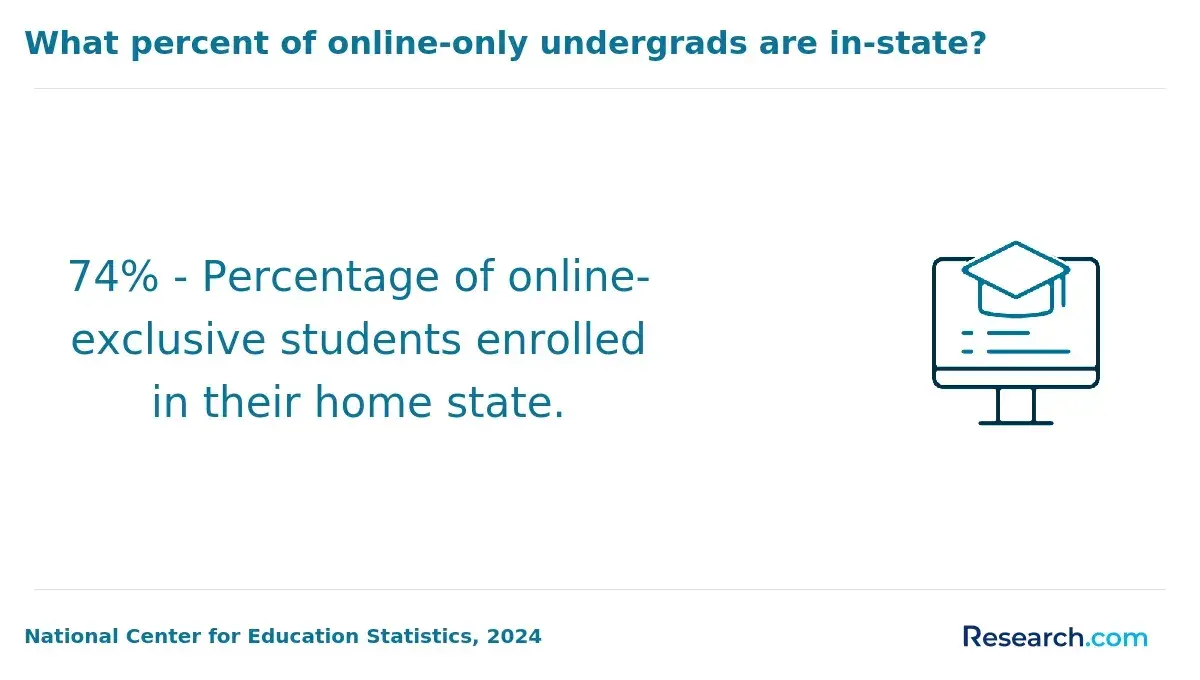
Recent data from 2024 reveals distinct variations in admissions requirements for elementary education programs depending on whether they are delivered online or on campus. Campus-based programs typically enforce higher GPA thresholds, often around 3.0 or above, and maintain requirements for standardized test scores or entrance exam results. In contrast, many online programs offer more flexible admissions standards, accepting GPAs closer to 2.5-2.75 while frequently adopting test-optional policies that reflect broader shifts in higher education accessibility. These divergences correlate strongly with the delivery model, where campus programs emphasize traditional evaluation mechanisms like interviews and writing samples to gauge readiness for in-person practicum work, whereas online options assess applicants' digital proficiency and self-directed learning skills, aligning with the different modes of instruction and student engagement.
The differences in acceptance rates for online and campus elementary education programs arise largely from institutional priorities and program structures designed to meet diverse student needs. Online programs are generally structured to maximize enrollment accessibility for nontraditional students, including working adults or those seeking greater scheduling flexibility, which influences their comparatively relaxed admissions criteria and reduced emphasis on in-person assessments. Meanwhile, campus programs often target candidates who can adhere to more rigorous academic and experiential standards, partly to support established partnerships with local school districts and maintain higher in-person practicum supervision. These dynamics reflect strategic enrollment management decisions tied to program scalability, student demographics, and educational outcomes, rather than mere format preference.
These distinctions have meaningful implications for students evaluating elementary education pathways. While online programs may lower initial barriers, campus credentials often carry perceived advantages in traditional hiring pipelines due to the depth of on-site training and established employer relationships. Prospective candidates should weigh these tradeoffs in relation to their own learning styles and career goals. For those interested in related fields or broader workforce trends, exploring data on bioinformatics career paths illustrates how program design and admissions policies impact long-term employability across disciplines.
Is There a Relationship Between Admissions Standards and Student Success?
Recent 2024 data from the National Center for Education Statistics highlights a complex relationship between admissions standards and student success within elementary education programs in the United States. Programs enforcing higher GPA thresholds, typically above 3.3, often report better retention and graduation rates; for example, institutions with selective admissions and GPA expectations above 3.5 show a 15% higher first-year retention rate compared to open-admit schools. However, this correlation does not consistently extend to teaching effectiveness or post-certification career outcomes, as studies from the American Educational Research Association reveal no significant direct link between undergraduate GPA and teacher performance. Thus, the impact of admissions standards on student success is influenced by a broader set of academic and professional factors beyond initial academic metrics.
Several elements complicate the connection between selective admissions criteria and student outcomes. Variations in student demographics, availability of academic support systems, institutional funding levels, and program designs play critical roles in shaping retention and graduation rates. Programs that adopt holistic admissions models incorporating interviews and portfolio evaluations often achieve closer alignment with workforce needs despite varied GPA cutoffs. This nuanced approach suggests that selective admissions alone cannot be considered reliable predictors without accounting for the broader educational environment and support mechanisms. Such insights matter in assessing the impact of selective admissions criteria on elementary education student outcomes.
For prospective students and advisors, these findings underscore why admissions selectivity is not a definitive marker of educational quality or long-term success. Emphasizing practical skills, classroom management, and adaptability remains essential for professional readiness, a focus supported by employer expectations. Learners exploring pathways should consider programs offering balanced admissions policies with robust academic supports rather than relying solely on GPA cutoffs. Additionally, those interested in military-connected students may explore options like the online speech pathology bachelor degree for veterans, which reflects growing attention to diverse educational routes accommodating varied backgrounds.
How Can Students Strengthen a Elementary Education Program Application?
Strong elementary education program applications reflect more than basic academic qualifications; they demonstrate a candidate's readiness and alignment with the field's demands. Admissions committees increasingly weigh evidence of practical experience and thoughtful reflection alongside GPA benchmarks, typically near a 3.0 minimum, to identify applicants with realistic professional insights. Successful candidates present a coherent narrative linking academic preparation with meaningful educational engagement and awareness of sector challenges.
- Academic Performance With Context: A competitive GPA remains a foundational indicator of candidate capability, but admissions officers scrutinize how applicants balance academics with other responsibilities. Demonstrating steady coursework progression and relevant subject mastery signals preparedness for rigorous teacher training.
- Substantive Field Experience: Hands-on roles such as tutoring, volunteering, or substitute teaching function as critical proof of commitment and skill development. These experiences offer tangible demonstrations of candidate persistence and adaptability that pure metrics cannot convey, interests that programs have increasingly prioritized as of 2024.
- Reflective Personal Statements: Articulated insights into personal motivation and educational philosophy differentiate applications by exhibiting critical self-awareness. Admissions committees value essays that honestly confront challenges and show growth, reinforcing the applicant's realistic understanding of the elementary education profession.
- Strategic Use of Recommendations: Professional references from supervisors or faculty familiar with the candidate's educational engagement provide robust attestations of reliability and character. Well-chosen endorsements can validate claims made elsewhere in the application and enhance holistic evaluation outcomes.
- Responsive Application to Policy Shifts: Awareness of current testing policies and adapting evidence submission accordingly reflect an applicant's thoroughness and flexibility. With many institutions adopting test-optional approaches post-2023, showcasing alternative strengths like portfolios or targeted certifications aligns applications with evolving standards.
References
- List of Colleges Dropping & Reinstating ACT/SAT Requirements https://progresslearning.com/news-blog/colleges-dropping-reinstating-act-sat-requirements/
- Which Colleges Are Test Optional in 2025-2026? | Ivy Coach https://www.ivycoach.com/the-ivy-coach-blog/standardized-testing/test-optional-colleges-list/
- Do Colleges Look at Elementary School Grades? | CCA https://ccaeducate.me/blog/do-colleges-look-at-elementary-school-grades/
- Education in the United States of America https://wenr.wes.org/education-system-profiles/education-in-the-united-states-of-america/
- Top 5 Affordable Bachelor's Degrees In Elementary Education https://www.affordablecollegesonline.org/degrees/education-and-teaching-programs/elementary-education/
- Student Loan Burdens Among Teachers https://learningpolicyinstitute.org/product/student-loans-among-teachers-factsheet
- How to Create an Elementary School Improvement Plan https://mathandmovement.com/how-to-create-an-elementary-school-improvement-plan/
- Selective Schools and Holistic Admissions | HESA https://higheredstrategy.com/selective-schools-and-holistic-admissions/
- The Test‑Optional Tipping Point: Who Really Benefits from Going Test‑Optional? https://www.c2educate.com/trends-in-education/the-test%E2%80%91optional-tipping-point/
- 9 Tips on How to Improve Elementary School Students' Problem-Solving Skills - Stamford American International School in Singapore https://www.sais.edu.sg/school-life/our-news-events/9-tips-on-how-to-improve-elementary-school-students-problem-solving-skills/
Other Things You Should Know About Elementary Education
Programs with higher GPA cutoffs often maintain rigorous course requirements that reflect the academic intensity of elementary education training. While a higher GPA can indicate preparedness, students must consider whether they can manage the sustained workload without burnout, since admissions standards may correlate with program demands. Prioritizing a program known for solid support services and balanced practical experience could lead to better outcomes than simply chasing prestige based on GPA criteria.
Test-optional policies can diversify the applicant pool but may also signal a shift in how programs assess academic readiness. For elementary education, where foundational skills in literacy and numeracy are critical, programs might place greater weight on other academic indicators or practical experience. Graduates from such programs should clarify how their credentials align with employer expectations, especially in districts that value traditional metrics or standardized testing as part of certification and hiring.
Transfer applicants often face tension between selecting highly selective elementary education programs and finding ones that fit their prior coursework and pedagogical goals. Practical alignment with the curriculum ensures credit transfer, minimizes delays, and fosters continuity in teacher training methodologies. Opting for a less selective program that better matches previous academic preparation can improve both learning efficiency and eventual employability, outweighing the perceived prestige of more selective programs.
Changing admissions standards often reflect programmatic adaptations to workforce needs, sometimes emphasizing practical readiness over theoretical depth. Programs easing GPA or testing barriers may increase practicum hours or integrate fieldwork earlier to compensate, which benefits hands-on skills but might reduce time for in-depth theory. Applicants should evaluate how these changes align with their career goals-whether they prioritize classroom readiness from day one or seek a comprehensive academic foundation.