2027 Elementary Education ROI by Institution Type: Public vs Private vs Nonprofit Online Programs

Co-Founder and Chief Data Scientist
Consider a working professional exploring online elementary education programs that superficially appear equivalent but vary widely in total tuition, average student debt, and graduation success. A recent 2024 study from the National Center for Education Statistics shows that graduates from private nonprofit online programs tend to carry 30% higher debt burdens compared to their public counterparts, despite comparable completion rates.
This disparity underscores broader enrollment shifts toward cost-conscious public options but also highlights nuanced tradeoffs in institutional support and career services that affect employability. This article dissects these critical differences, helping prospective students weigh public, private, and nonprofit online elementary education programs to assess true return on investment.
Key Things to Know About Elementary Education ROI by Institution Type
- Public online elementary education programs generally offer lower total costs but can involve longer completion times due to less flexible pacing, potentially delaying workforce entry and affecting immediate earning potential.
- Private institutions often provide stronger institutional reputation and support services, enhancing career advancement prospects; however, higher tuition frequently increases student debt exposure, influencing long-term financial outcomes.
- Nonprofit online programs balance affordability and accreditation, yet varied graduation rates signal tradeoffs in program rigor and student support, impacting employer perception and post-completion employability.
- Key Things to Know About Elementary Education ROI by Institution Type Key Things to Know About Elementary Education ROI by Institution Type
- What Does ROI Mean for an Elementary Education Program and How Is It Measured? Understanding Elementary Education Program ROI
- How Do Public, Private, and Nonprofit Online Elementary Education Programs Differ in Overall Value? Value by Institution Type
- How Do Tuition Costs Affect the ROI of an Elementary Education Program Across Institution Types? Tuition Costs and ROI
- How Do Graduation Rates Influence Elementary Education Program ROI? Graduation Rates Impact ROI
- What Role Do Career Outcomes Play in the ROI of an Elementary Education Degree? Career Outcomes and ROI
- How Does Student Debt Impact the Long-Term ROI of an Elementary Education Program? Debt vs. Long-Term ROI
- How Do Flexibility and Adult Learner Support Affect Elementary Education Program Value? Flexibility and Program Value
- How Do Accreditation and Institutional Reputation Influence Elementary Education ROI? How Do Accreditation and Institutional Reputation Influence Elementary Education ROI?
- How Does Time-to-Degree Affect the ROI of Public, Private, and Nonprofit Elementary Education Programs? How Does Time-to-Degree Affect the ROI of Public, Private, and Nonprofit Elementary Education Programs?
- How Can You Choose the Best Elementary Education Program Based on Your ROI Goals? Choosing Programs by ROI
What Does ROI Mean for an Elementary Education Program and How Is It Measured?
Return on investment in an elementary education program requires a nuanced analysis beyond just comparing tuition costs. For example, a student choosing between a public online program with lower tuition but a longer average time-to-degree and a private nonprofit option that costs more but boasts higher completion rates and stronger career support must weigh how these factors influence both immediate and long-term outcomes.
The National Center for Education Statistics highlights that public institutions often offer lower median debt levels, but a private program's better advising and reputation might accelerate job placement, subtly shifting the ROI calculus. This approach aligns with measuring return on investment in online elementary education by integrating direct costs, opportunity cost of time, and institutional quality rather than relying on simple price comparisons.
Students with distinct goals and circumstances should adapt their ROI calculation accordingly, factoring in elements such as potential salary ranges, regional hiring trends, and job stability in education sectors. A working professional might prioritize flexible scheduling to minimize lost wages during study, while a career changer might focus on programs with robust career counseling and higher graduation rates to ensure quicker entry into the workforce.
U.S. Department of Education data revealing around a 60% completion rate for public online programs versus more variable rates in private nonprofits underlines the importance of persistence and support services in investment decisions. For those exploring related fields or alternatives, researching options like a health administration degree online can also clarify where educational investments may yield stronger financial or professional returns over time.
How Do Public, Private, and Nonprofit Online Elementary Education Programs Differ in Overall Value?
The comparative value of public, private, and nonprofit online elementary education programs hinges largely on how students balance tuition costs with outcomes such as graduation rates, student support, and career readiness. Public programs generally offer the most affordable tuition, often subsidized by state dollars, which can ease debt concerns for students mindful of the average $35,000 education-related loan debt reported by the National Center for Education Statistics in 2024.
However, public options may come with residency restrictions and less curricular flexibility, which could limit professionals seeking tailored pathways or current pedagogical innovations. In contrast, private programs typically provide enhanced advising and smaller cohorts, resulting in stronger retention and graduation performance, but these advantages accompany significantly higher tuition and debt potential, raising questions about whether their brand prestige justifies the expense for all learners.
Nonprofit online elementary education programs occupy a middle ground by reinvesting revenue into academic quality and learner services while maintaining relatively moderate costs. This model often yields solid accreditation status and curriculum innovation, appealing to working adults who require adaptable schedules without incurring unsustainable debt.
Yet, decisions on ROI ultimately depend on individual priorities such as financial capacity, institutional reputation sought by potential employers, and the flexibility necessary to balance study with work or family commitments. Consequently, students focused on long-term career integration should assess not only direct costs but also factors like likely graduation timelines, support infrastructure, and licensure alignment when choosing among these institution types.
One recent graduate deliberated extensively between a public university's online elementary education program and a nonprofit alternative. Concerned about accumulating debt, they initially leaned toward the public track due to its affordability and in-state tuition benefits. Yet, the nonprofit's stronger student support and innovative curriculum caught their attention as they sought a program flexible enough to accommodate evening work shifts. After comparing financial aid packages, graduation statistics, and employer recognition, they ultimately selected the nonprofit option, relieved to find a balance that mitigated excessive debt while offering a competitive credential relevant to their career goals.
How Do Tuition Costs Affect the ROI of an Elementary Education Program Across Institution Types?
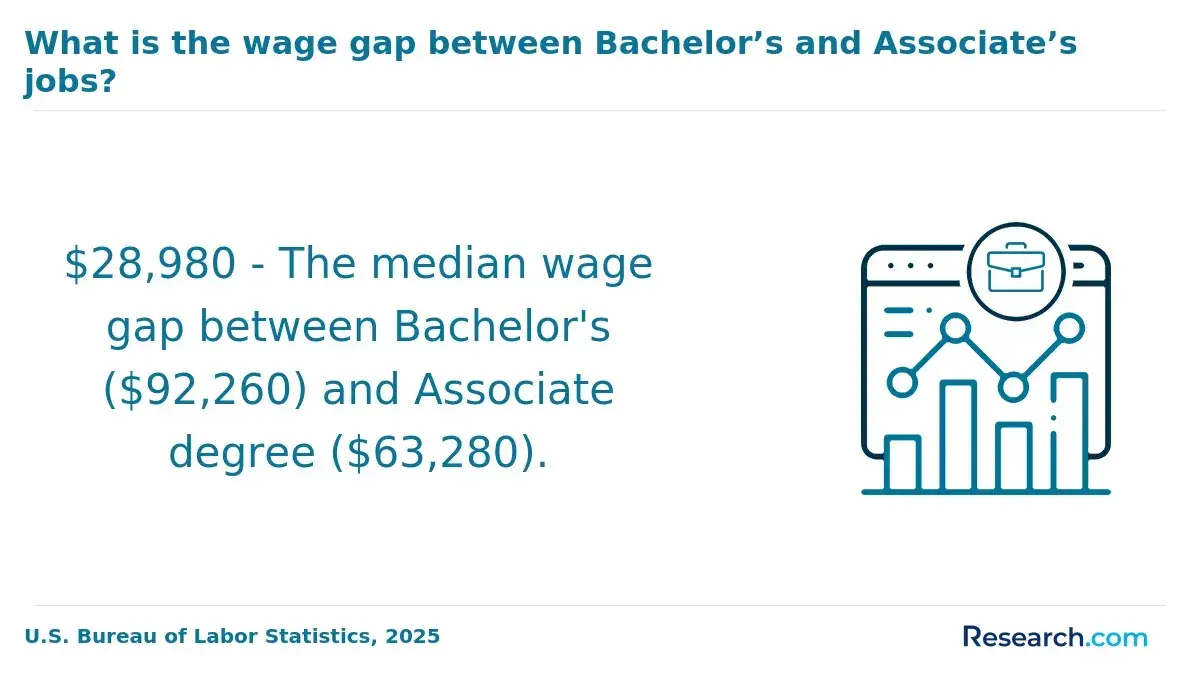
The relationship between tuition costs and ROI in elementary education programs varies significantly by institution type, with affordability alone offering an incomplete picture. Public online programs, typically charging $8,000 to $12,000 for a full degree according to 2024 National Center for Education Statistics data, reduce upfront financial barriers but may involve slower completion timelines due to transfer credit restrictions or part-time scheduling.
This extended time can increase total expenses and delay entry into stable teaching roles, potentially diluting the cost advantage. In contrast, private and nonprofit online programs often demand two to three times higher tuition yet may deliver stronger completion rates, more specialized career support, and curriculum aligned with licensure requirements-elements that can accelerate credentialing and employment but only if students leverage these benefits effectively.
Beyond sticker price, net cost after financial aid and the typical debt burden heavily influence ROI, particularly for adult learners balancing education with work and family. Programs with higher tuition might justify their expense through career placement services and alumni networks, a tradeoff that hinges on individual goals and local job market dynamics.
A 2024 report by the Education Advisory Board confirms that while private nonprofit programs average $20,000 to $40,000 in tuition, the long-term value depends on students' ability to secure stable teaching positions and avoid prolonged borrowing. Ultimately, low tuition does not guarantee higher ROI if institutional quality or flexibility is insufficient, just as higher costs may not yield returns without strong job outcomes, making careful evaluation of program completion rates, financial aid, and career alignment essential for informed decision-making.
How Do Graduation Rates Influence Elementary Education Program ROI?
Graduation rates are a significant factor influencing the return on investment (ROI) for elementary education programs, yet they require contextual interpretation to assess true value. Public online programs generally show slightly higher graduation rates-averaging about 55% within six years according to the National Center for Education Statistics-compared to private and nonprofit counterparts.
However, lower graduation rates in private or nonprofit institutions may be offset by factors such as more flexible schedules and tailored student support, which better accommodate working professionals and nontraditional students balancing multiple commitments. These variables directly affect time-to-degree and the overall cost burden, critical considerations for cost-conscious adult learners weighing program affordability and completion speed.
While graduation rates provide useful insight into program effectiveness and institutional accountability, they do not singularly predict ROI, especially given varied student demographics and motivations across public, private, and nonprofit models. Programs with robust advising, retention efforts, and adaptable pacing can reduce dropout risk and debt accumulation even if graduation percentages are modest.
Comparing graduation outcomes and ROI in elementary education programs demands attention to how each institution addresses persistence challenges, financial aid accessibility, and workforce reentry timing. For those exploring accelerated options aligned with career timelines, investigating accelerated degree programs can provide additional pathways that balance efficiency with educational quality.
What Role Do Career Outcomes Play in the ROI of an Elementary Education Degree?
Career outcomes significantly shape the ROI of elementary education degrees, especially when weighing public, private, and nonprofit online programs' costs against their workforce impact. Data from the National Center for Education Statistics in 2024 shows about 85% of public program graduates find employment within a year, outperforming nonprofit and private online alternatives. This gap reflects public schools' stronger local partnerships, which often accelerate job placement. However, nonprofit online programs may provide better professional development and flexibility, appealing to career changers who must balance work and study, presenting a tradeoff between immediate employment ease and longer-term growth potential.
Employer perceptions also influence financial and time investments in these degrees. Public institutions often benefit from statewide certification alignments that meet district expectations, while nonprofit online graduates might leverage contemporary pedagogy and technology integration favored in some educational settings. This divergence affects recognition and salary progression, which are critical when considering debt burden and program length. For many students, evaluating career mobility alongside tuition costs and job market access offers a more nuanced understanding of ROI than placement rates alone.
One graduate from a nonprofit online elementary education program shared how she initially doubted the degree's value given its price and duration. Over several years in a mid-size district, she experienced incremental promotions tied to her specialized training and the program's emphasis on emerging teaching methods. While not immediately lucrative, the degree expanded her professional network and created opportunities for leadership roles, validating the investment beyond initial job placement. This blend of practical skills and career adaptability ultimately shaped her perception of return far beyond mere financial calculations.
How Does Student Debt Impact the Long-Term ROI of an Elementary Education Program?
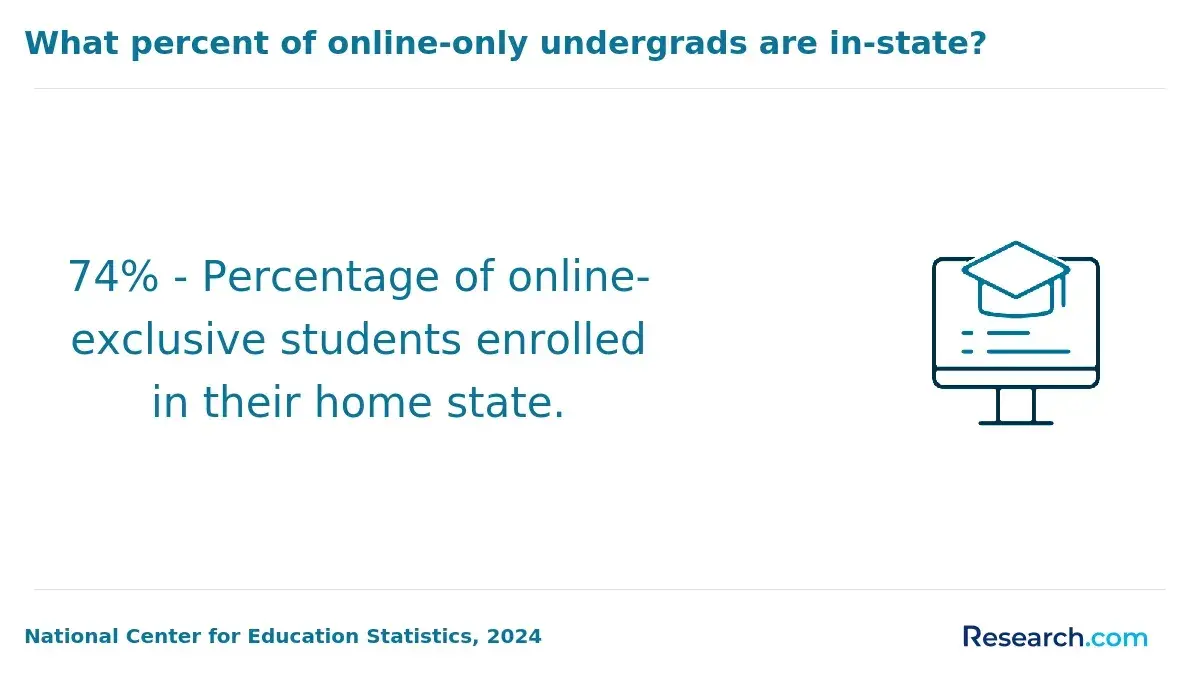
Student debt levels exert a critical influence on the long-term ROI of elementary education programs, as borrowing strategies and institutional types directly shape repayment burdens and financial flexibility. Graduates from private nonprofit programs often face debt loads nearly 30% higher than those from public institutions, which can substantially reduce disposable income and investment capacity for years after graduation.
For instance, students with prolonged completion times at private or nonprofit online programs may incur both higher loan balances and lost wage opportunities, dimming the net value of their degree despite institutional aid offers. This dynamic highlights the complex financial tradeoffs that must be weighed beyond just sticker price in evaluating the long-term student debt impact on elementary education ROI.
Public institutions typically provide lower tuition and stronger state aid, mitigating debt but sometimes at the cost of extended time to degree and variable graduation rates, which also affect overall return. Meanwhile, online nonprofit programs may appear affordable but can involve higher borrowing levels and elevated default risks, with some studies showing default rates approaching 12% compared to roughly 7% for public college attendees. Considering these factors alongside completion rates is crucial, since debt accumulated without credential attainment drastically undermines ROI.
Prospective students should assess how repayment obligations intersect with realistic employment outcomes, recognizing that loans supporting degrees leading to stable teaching positions with predictable salary progression may justify the financial risk. Those researching debt impacts should also factor in relevant workforce benchmarks like how much does a psychiatric nurse practitioner make to contextualize potential earnings relative to repayment demands.
How Do Flexibility and Adult Learner Support Affect Elementary Education Program Value?
Program flexibility and the quality of adult learner support are decisive factors shaping the return on investment (ROI) of online elementary education programs across public, private, and nonprofit sectors. A 2024 report from the National Center for Education Statistics reveals that adult learners engaged in asynchronous courses combined with comprehensive student support complete programs at rates 15% higher than those in less accommodating settings.
This accelerated progression reduces opportunity costs and accumulated debt, a crucial advantage for working adults managing income and time constraints. Public institutions typically offer greater scheduling flexibility, such as part-time enrollment and asynchronous options, easing the burden on employed students, but may provide less personalized academic advising and career services, which can undermine persistence and long-term outcomes.
In contrast, private and nonprofit programs often supplement their higher tuition with targeted support tailored to military personnel, working adults, and transfer students, including proactive retention initiatives and career placement assistance. This emphasis can lead to notably better employment results post-graduation, as supported by data indicating a 20% higher employment rate within six months for nonprofit program graduates engaged in such supports.
However, these benefits can come at the cost of higher debt levels and sometimes reduced scheduling flexibility, requiring students to balance the appeal of structured, high-touch learning environments against financial constraints and limited self-paced options. Ultimately, assessing ROI in elementary education demands weighing how institutional differences in flexibility, support, and applied learning opportunities align with a student's professional goals and practical realities in a competitive workforce.
How Do Accreditation and Institutional Reputation Influence Elementary Education ROI?
Accreditation and institutional reputation materially influence the return on investment for students pursuing elementary education programs, especially those delivered online. Regional accreditation remains a critical marker, as graduates from regionally accredited programs are 35% more likely to have their credentials recognized by state education departments for certification, directly affecting licensure eligibility and employment prospects. For example, a working professional seeking to transfer credits or pursue graduate school will find that nationally accredited or nonaccredited programs frequently pose barriers, potentially delaying career progress and increasing debt burdens without added value.
While a strong institutional reputation can enhance employer recognition, particularly in local education markets, its influence often pales compared to concrete program quality and accreditation. A 2024 survey by the National Association of Colleges and Employers revealed that 42% of education hiring managers prioritize programmatic accreditation over a school's brand name when assessing candidate qualifications. Many nonprofit and private online programs maintain rigorous academic standards and support services, potentially providing comparable-even superior-debt-to-earnings outcomes for cost-conscious learners. Therefore, weighing tuition costs alongside accreditation and outcome metrics is crucial, as overvaluing institutional prestige can result in excessive debt without proportional career return.
Ultimately, prospective students must carefully evaluate how accreditation and reputation intersect with financial commitment, licensure pathways, and targeted employment sectors. Opting for well-accredited programs with transparent support systems often yields better long-term career alignment than choices driven solely by perceived prestige. This nuanced approach enables adult learners, career changers, and transfer students to optimize return on investment based on practical realities rather than institutional hype.
How Does Time-to-Degree Affect the ROI of Public, Private, and Nonprofit Elementary Education Programs?
Time-to-degree directly shapes the total cost and financial outcome of public, private, and nonprofit online elementary education programs by affecting both tuition paid and opportunity costs like foregone income. For example, students attending public universities part-time often face longer completion times-six years or more for nearly 40%, according to recent data-resulting in higher cumulative expenses and delayed workforce entry. Conversely, private nonprofit programs tend to offer accelerated options and better credit transfer, enabling many full-time students to graduate within four years, although higher tuition rates can diminish some financial gains from quicker completion. These contrasts illustrate how balancing affordability against duration critically impacts ROI for cost-conscious learners.
Comparing graduation timelines and return on investment for online elementary education degrees reveals nuanced tradeoffs. Nonprofit programs commonly moderate tuition costs while emphasizing persistence and support services, which boost graduation rates despite longer average time-to-degree relative to private institutions. Students juggling work and family responsibilities must consider part-time versus full-time pacing, as slower progress increases both debt load and lost earnings. Additionally, employer valuations often prioritize degree completion and demonstrated perseverance over speed alone. Understanding these factors helps learners select programs whose flexibility and completion likelihood align with their personal and professional constraints.
Prospective students should also evaluate how well programs accommodate transfer credits and accelerated pathways to shorten degree duration and improve ROI. A practical example might involve an individual exploring career options relevant to the education field while weighing educational investment against expected salary trajectories-similar to those analyzed in pharma sales rep salary studies that integrate earning timelines and career paths. Such real-world financial planning considerations underscore the importance of timing in achieving a positive return when pursuing elementary education credentials through online routes.
How Can You Choose the Best Elementary Education Program Based on Your ROI Goals?
The highest ROI from an elementary education program hinges on individual priorities rather than simply the type of institution. Public online programs typically offer significantly lower tuition-with median student debt about 25% less than private nonprofit programs according to the 2024 National Center for Education Statistics report-making them appealing for those prioritizing affordability and minimal debt. However, these public options often carry 10-15% lower graduation rates, which can extend time-to-degree and increase overall costs, particularly impacting working adults balancing family and job obligations.
Private and nonprofit online programs frequently deliver stronger learner support, including personalized advising and career services, which may accelerate completion and improve employment prospects. These benefits come at a higher price but can translate to better long-term earnings, especially for students focused on career advancement or requiring greater academic flexibility. Financial aid also varies: public institutions benefit from state grants and subsidies while nonprofits may provide income-based repayment and competitive scholarships, influencing ROI calculations differently depending on one's financial situation. This nuanced evaluation is essential for those comparing the best online elementary education programs for career advancement.
Prospective students should critically assess how accreditation, institutional reputation, and support services align with their personal and professional circumstances to optimize ROI. For those aiming to analyze broader cost-effective educational pathways, resources like the cheapest DSW program offer insights into affordability versus outcomes. Ultimately, factoring in debt burden, time-to-completion, and employment outcomes enables more informed decisions when investing in an elementary education program.
References
- How To Calculate The ROI Of Your College Degree | Bankrate https://www.bankrate.com/loans/student-loans/roi-college-degree/
- Public vs. Private Schools: Differences, Similarities and What to Know | ACE Blog https://ace.edu/blog/public-vs-private-schools/
- Flexible learning and teaching: an opportunity for growth https://www.universityworldnews.com/post.php
- Institutional Accreditation and the Professionalisation of Teaching in the HE Sector | IntechOpen https://www.intechopen.com/chapters/78223
- ROI in corporate training: what it is and how to calculate it https://www.apprendoo.com/en/roi-in-corporate-training-what-it-is-and-how-to-calculate-it/
- The Difference Between Private Schools and Public Schools https://www.isdenver.org/newspost/~board/adcellerant-blog/post/private-school-vs-public-school
- How to Maximize ROI on EdTech Investments - Optima https://optimaxr.ai/how-to-maximize-roi-on-edtech-investments/
- View of Evaluating University Degree Programs Regarding the Effective Use of Public and Private Funding https://www.econjournals.com/index.php/irmm/article/view/3307/pdf
- Leverage funding, gain ROI for your literacy investments (Part 1) https://www.95percentgroup.com/insights/leverage-funding-gain-roi-for-your-literacy-investments-part-one/
- Measure the ROI of Core Instruction & Academic Programs | ROI https://leveldata.com/roi-academic-reports/
Other Things You Should Know About Elementary Education
Private online programs often come with higher upfront costs but may offer smaller class sizes and more personalized faculty engagement. However, in elementary education, these advantages don't always translate into significantly better employment prospects or salary boosts post-graduation. For most cost-sensitive students, especially those relying on public school employment, public programs with lower tuition tend to yield comparable long-term ROI without increasing debt burden.
Nonprofit online programs can blend benefits such as institutional stability and mission-driven focus without the profit pressures seen in some private institutions. Yet, the learning experience and employer recognition often align closely with public programs rather than private ones. Students prioritizing balanced cost and consistent workforce expectations may find nonprofit options attractive, but should verify employer licensing acceptance within their state to ensure seamless transition into teaching roles.
Public online elementary education programs frequently emphasize standardized curricula geared toward state certification, facilitating faster licensure and entry into public school districts. Private programs sometimes offer more elective diversity or pedagogical innovation but can prolong time to degree or complicate licensure pathways. This variation impacts ROI by influencing how quickly graduates can start earning in classrooms and whether additional certification steps are required.
Yes, working professionals benefit from carefully considering institutional support for part-time schedules and asynchronous learning, which tend to be stronger in public programs with established adult learner services. Private institutions may promote flexibility as a selling point but sometimes expect more synchronous participation, increasing workload strain. Prioritizing programs with proven accommodations for employed students can enhance degree completion rates and thus improve ROI by reducing lost income and extending employment continuity.