2027 Elementary Education Skills Gap Analysis: What Employers Want vs What Degree Programs Teach

Co-Founder and Chief Data Scientist
A recent graduate with an elementary education degree steps into the job market only to find that key skills employers seek were not emphasized in their program. Classroom management, differentiated instruction, and technology integration are often areas where new teachers feel underprepared. This disconnect creates stress, delays employment, and undermines the transition from theory to practice.
Degree programs frequently prioritize curriculum knowledge over the practical skills demanded by schools today. Employers want candidates who can adapt quickly, manage diverse classrooms, and use modern tools effectively. This article analyzes the gap between what elementary education programs teach and what employers require, helping readers identify areas for targeted skill development and improved workforce readiness.
Key Things to Know About Elementary Education Skills Gap
- Most elementary education programs emphasize theory over applied classroom management, yet 68% of employers report new hires lack readiness in this area-hindering immediate instructional effectiveness.
- Graduates are routinely expected to master skills like differentiated instruction, digital literacy, and family engagement, which programs underrepresent, creating a gap impacting student outcomes.
- Students who proactively pursue internships, mentorships, and cross-disciplinary experiences enhance adaptability and classroom confidence, significantly improving career readiness compared to peers relying solely on coursework.
- Key Things to Know About Elementary Education Skills Gap Key Things to Know About Elementary Education Skills Gap
- What Skills Do Employers Expect From Elementary Education Graduates? Employer Expectations
- What Do Elementary Education Degree Programs Typically Teach? Program Curriculum
- Where Is the Biggest Skills Gap Between Elementary Education Programs and Employers? Biggest Skills Gap
- Which Technical Skills Are Most Important for Elementary Education Careers? Technical Skills
- Which Workplace Skills Matter Beyond Technical Knowledge? Workplace Skills
- How Do Internships and Real-World Experience Improve Career Readiness? Career Experience
- How Can Students Close the Elementary Education Skills Gap Before Graduating? Closing Skills Gap
- How Is the Elementary Education Job Market Changing Employer Skill Requirements? How Is the Elementary Education Job Market Changing Employer Skill Requirements?
- How Do Different Elementary Education Programs Compare in Career Preparation? How Do Different Elementary Education Programs Compare in Career Preparation?
- How Should Students Choose a Elementary Education Program That Builds Career-Ready Skills? Choosing a Program
What Skills Do Employers Expect From Elementary Education Graduates?
Employers increasingly seek elementary education graduates who combine core teaching skills with adaptable, technology-driven capabilities. Recent labor market data from Lightcast 2024 indicates that over 70% of today's elementary education job postings emphasize technical proficiency alongside traditional pedagogical knowledge. This demand reflects schools' efforts to engage diverse learners through digital tools while fostering collaborative and culturally competent environments.
For instance, a new teacher managing a classroom with varied language backgrounds must balance curriculum goals with inclusive practices that respect student differences. Below are key competencies that employers commonly expect from elementary education graduates.
- Classroom Management: Effective management techniques are vital to maintain an environment conducive to learning. Candidates typically acquire these skills through student teaching and practicums where they learn to implement routines, handle disruptions, and promote positive behavior, ensuring instructional time is maximized.
- Differentiated Instruction: Employers value graduates who can tailor lessons to diverse student needs. Through coursework and field experiences, teachers develop strategies to adjust content, process, and assessments for varied abilities, improving engagement and outcomes across learning styles.
- Technology Literacy: Mastery of educational software and digital platforms is no longer optional. Graduates gain experience with learning management systems and interactive tools that support remote and hybrid teaching, a growing necessity emphasized in 2024 workforce studies.
- Communication and Collaboration: Strong interpersonal skills are essential as educators coordinate with colleagues, parents, and administrators. Programs often foster these abilities through group projects and professional practice, preparing graduates to navigate diverse school communities effectively.
- Cultural Competence and Inclusivity: Reflecting demographic shifts, schools demand teachers sensitive to multicultural dynamics. Education programs that integrate culturally responsive pedagogy better prepare graduates to address equity and social-emotional learning, which employers prioritize.
- Adaptability and Problem-Solving: The unpredictable nature of elementary classrooms requires flexible, solution-oriented teachers. Practical experiences that involve real-time adjustments to teaching plans strengthen graduates' capability to respond to evolving student needs and administrative challenges.
Addressing these competencies increases alignment with employer expectations and bolsters readiness for entry-level roles. Prospective students should seek programs and experiences that develop this balanced skill set, especially in technology use and inclusive instruction. Research comparing programs like DNP program online reinforces the importance of targeted training in meeting workforce demands.
What Do Elementary Education Degree Programs Typically Teach?
Elementary education degree programs center on building core teaching competencies crucial for effective classroom practice and student development. While many curricula emphasize foundational pedagogical theories and content knowledge, a noticeable gap remains in emerging skill sets like technology integration and adaptive instruction.
According to a 2024 report by the National Center for Education Statistics, about 60% of coursework focuses on essential teaching skills such as literacy and mathematics instruction, reflecting a strong, traditional orientation.
Recognizing how these components interact helps students gauge which aspects align with their career goals and identify where supplemental learning may be necessary. The following list highlights central areas typically covered in elementary education degree programs, illustrating how they prepare candidates for real-world teaching challenges.
- Core Competencies: Taught students gain expertise in literacy development, mathematics instruction strategies, classroom management, and educational psychology. These foundational skills are prioritized as they underpin effective teaching across subject areas and grade levels, supporting long-term classroom success.
- Child Development Theory: Programs emphasize developmental stages and learning needs of children, enabling future teachers to tailor instruction appropriately. This knowledge is critical for creating age-appropriate lesson plans and managing diverse learner profiles.
- Assessment Literacy: Students learn to design, administer, and interpret various forms of student assessments. Mastering this area is essential for monitoring progress and adapting instruction to meet individual and group needs.
- Practicum and Field Experiences: Candidates complete supervised classroom hours to translate theory into practice. These experiences not only build confidence but also reveal the complexities of real school environments, including behavior management and lesson pacing.
- Diversity and Inclusion: Many programs incorporate training on cultural responsiveness and strategies for supporting diverse classrooms. Given that 85% of programs include coursework on this topic according to a 2024 AACTE survey, it remains a fundamental area preparing teachers to meet varied student backgrounds.
- Technology Integration: Despite increasing classroom digitization, under half of programs require specific technology training. Familiarity with educational tech tools is becoming a practical necessity for lesson engagement and differentiated learning.
- Curriculum and Standards Alignment: Students learn to develop instruction based on state standards and curriculum frameworks. Understanding these guides, including accelerated programs for career changers, ensures compliance and consistency but may not fully prepare teachers for non-traditional or special education challenges.
Where Is the Biggest Skills Gap Between Elementary Education Programs and Employers?
Data from the National Center for Education Statistics in 2024 highlights distinct mismatches between what elementary education degree programs deliver and what employers expect. While graduates show strong theoretical foundations, their readiness to navigate the dynamic realities of classrooms remains uneven. This gap is not merely academic; it directly influences early-career effectiveness and retention in teaching roles.
Understanding where these divides commonly arise can help students target skill-building efforts before entering the workforce. Key areas of discrepancy include the following.
- Applied Classroom Management: Many programs emphasize curriculum development but underprepare candidates to effectively manage real-time classroom behaviors and support diverse student needs. New teachers often struggle with disruptions and implementing inclusive behavioral interventions, which can undermine learning climate. Internships and mentorship involving direct behavioral management can help bridge this practical divide.
- Differentiated Instruction: Employers seek educators who adapt lessons responsively, especially for English language learners and students with special needs. Yet, traditional curricula sometimes lack sufficient hands-on experience or training in scaffolding and formative assessment-driven adjustments. Engaging in fieldwork focused on diverse classrooms or specialized training certifications can enhance adaptability.
- Technology Integration: Despite widespread tech use in schools, graduates frequently report gaps in using digital tools beyond basic delivery-particularly when it comes to data-informed instruction. This shortfall stems from outdated or superficial tech instruction within programs. Pursuing technology-focused workshops or practicum experiences using current educational platforms reduces this lag.
Which Technical Skills Are Most Important for Elementary Education Careers?
Successfully applying academic knowledge in elementary education requires more than pedagogical theory; the integration of evolving technical skills is critical. As educational technology and classroom environments rapidly transform, the most valuable competencies shift to meet these changes. Adapting to new tools and data-driven practices enhances instructional effectiveness and responsiveness to student needs.
Employers increasingly expect graduates to bring proficiency in several practical areas that support modern teaching contexts. Below are key technical skills consistently emphasized for elementary education careers.
- Educational Technology Proficiency: Mastery of digital tools like interactive whiteboards and learning management systems enables teachers to design engaging, adaptive lessons. This skill is often cultivated through hands-on coursework and practicum experiences. Teachers who leverage technology effectively are better positioned to address diverse learning styles and maintain student interest.
- Data Analysis Ability: Interpreting student assessment data is essential for tailoring instruction and tracking progress. Educators develop this skill through exposure to educational measurement and evaluation methods. Employing data drives informed decisions that improve learning outcomes and justify interventions.
- Digital Communication Skills: Familiarity with virtual conferencing and messaging platforms supports ongoing collaboration with parents and colleagues. Training on these tools is frequently integrated into teacher preparation programs. Effective digital communication ensures continuity in remote or hybrid learning situations and fosters stronger community engagement.
- STEM and Coding Fundamentals: Early STEM exposure and basic coding knowledge reflect growing curricular priorities. Programs incorporating hands-on STEM activities equip teachers to spark interest in science and technology. These competencies build foundational skills that align with national educational initiatives and student future readiness.
- Instructional Software Competence: Navigating specialized software tailored for young learners enhances lesson personalization and classroom management. Learning to use these applications typically occurs in instructional technology classes. This capability supports scalability of teaching strategies and efficient resource use.
- Adaptability to Emerging Tools: The dynamic nature of educational technology demands continuous learning and flexibility. Educators who stay current with innovations can incorporate new methodologies that enrich instruction. This ongoing skill development is crucial for sustaining relevance throughout a teaching career.
According to the National Center for Education Statistics and the American Institutes for Research (2024), over 70% of elementary education employers now prioritize technical competencies related to technology integration and data literacy, underscoring the necessity for prospective teachers to build and maintain these skills to thrive in modern classrooms.
Which Workplace Skills Matter Beyond Technical Knowledge?
Career success in elementary education rests on more than technical mastery of pedagogy and curriculum design. Employers increasingly prioritize professional skills that support effective communication, classroom dynamics, and adaptability to varied student needs. These durable skills help educators navigate real-world challenges such as behavioral disruptions and diverse learner profiles, directly impacting classroom climate and student outcomes.
For example, a teacher who can swiftly adjust lesson delivery when a student's attention falters not only maintains engagement but fosters a resilient learning environment. Below are key workplace skills employers consistently seek beyond core subject knowledge.
- Effective Communication: Employers value communication skills that go beyond lesson delivery to include active listening, culturally responsive interactions, and collaboration with students, families, and colleagues. Students can enhance this competency through practicum experiences and courses focused on social-emotional learning, which improve engagement and support diverse learners.
- Adaptability and Problem-Solving: The dynamic nature of elementary classrooms requires flexibility to address individual student challenges and unexpected disruptions. Developing this skill during fieldwork or simulation exercises equips graduates to create inclusive, resilient learning environments valued by resource-constrained schools.
- Classroom Management: Managing both student behavior and classroom atmosphere remains a top priority for administrators. Hands-on training in behavioral strategies and consistent disciplinary frameworks helps prepare educators to reduce attrition risks tied to feeling unprepared for classroom control.
- Cultural Competency: As classrooms grow more diverse, the ability to engage respectfully with varied cultural backgrounds strengthens community trust and student rapport. Coursework emphasizing multicultural education and diversity awareness builds this vital skill.
- Collaboration: Elementary education graduates who can work effectively with colleagues, families, and support staff contribute to holistic student development and smoother school operations. Group projects and co-teaching opportunities reinforce this competency.
- Time Management: Balancing lesson planning, assessment, and non-instructional duties demands strong organizational skills. Integrating project-based assignments and real-classroom pacing during training fosters efficiency and reduces burnout.
- Reflective Practice: Ongoing self-assessment enables teachers to refine techniques and respond to student feedback. Embedding reflection journals and peer reviews into programs generates continuous professional growth essential for career longevity.
Data from the National Center for Education Statistics highlights that professional skills like communication and adaptability are increasingly emphasized across employer surveys, underscoring their critical role in employability and long-term success. Prospective and current students may also consider supplementary programs to strengthen these competencies, such as pursuing a masters degree in healthcare management or related interdisciplinary fields that stress leadership and management skills.
Integrating these durable skills alongside technical expertise in elementary education addresses key employer expectations and better prepares graduates for the complex realities of K-6 classrooms.
How Do Internships and Real-World Experience Improve Career Readiness?
Academic coursework in elementary education often lays the theoretical groundwork but rarely equips students fully for the realities of classroom environments. Real-world experiences such as internships allow candidates to translate pedagogical theory into practice, honing problem-solving abilities while managing actual classroom challenges. For example, a student may learn behavior management techniques in class, yet it is only through supervised internships that they develop confidence applying these strategies amid the unpredictability of diverse student needs.
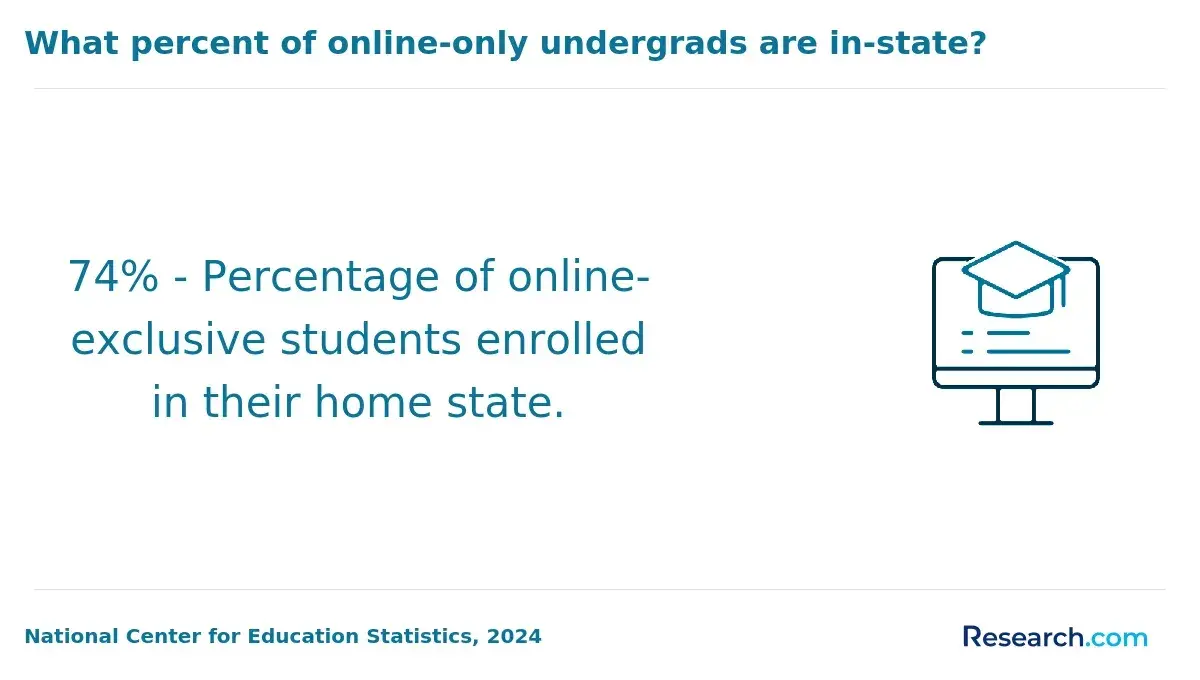
Evidence from the National Center for Education Statistics in 2024 shows graduates with at least one related internship were 35% more likely to find full-time teaching positions within six months than those without such experience, highlighting the key role of experiential learning in enhancing employability.
Beyond practical classroom skills, internships cultivate professional communication, understanding of workplace norms, and networks that are vital for career progression. Students learn to navigate school cultures, coordinate with mentors and peers, and clarify long-term professional goals through exposure to different teaching settings.
However, access to structured internships varies significantly by program, affecting the consistency of these benefits. Prospective teachers who actively seek internships early, engage in applied projects, reflect critically on their experiences, and cultivate professional relationships tend to maximize readiness while aligning their practical learning with academic development and career planning.
While internships contribute substantially to strengthening job market preparation, they work best in tandem with robust academic performance and ongoing skill enhancement. Candidates who balance real-world exposure with theory and strategic career activities position themselves to meet employer expectations more effectively and sustain long-term commitment to elementary education careers.
This combination supports not only immediate teaching readiness but also durability in a profession often challenged by turnover and evolving educational demands.
How Can Students Close the Elementary Education Skills Gap Before Graduating?
Students pursuing elementary education do not have to wait until graduation to develop job-ready skills. Integrating practical workplace abilities alongside academic study enhances their appeal to employers and boosts early career success. Proactive engagement with real-world teaching challenges helps bridge the gap between theory and practice, increasing confidence and adaptability in diverse classrooms.
Evidence from the National Center for Education Statistics (2024) reveals that students completing structured internships have a 25% higher job placement rate within six months after graduation.
Below are key strategies to help students close this skills gap before finishing their degrees.
- Structured Internships: Participating in field-based internships allows students to confront authentic classroom dynamics and management challenges. These experiences cultivate problem-solving skills and facilitate mentorship opportunities, accelerating readiness for actual teaching roles beyond textbook scenarios.
- Project-Based Learning: Engaging in collaborative projects fosters adaptability and innovative thinking. Students who complete project-intensive coursework have demonstrated superior abilities in student engagement and flexible instructional design during their initial teaching years.
- Targeted Certifications: Earning credentials in areas like special education or instructional technology adds tangible proof of expertise. When embedded within degree programs, certifications can increase starting salaries by up to 12% and reduce early-career turnover, signaling commitment to ongoing professional development.
- Undergraduate Research: Conducting research in curriculum development or educational psychology deepens conceptual understanding. While research alone has limited employability impact, pairing it with hands-on teaching experiences significantly enhances a candidate's profile.
- Real-World Observation: Shadowing seasoned educators exposes students to diverse teaching methods and classroom environments. This insight helps tailor pedagogical approaches to meet various learner needs and build resilience in unpredictable situations.
- Active Reflection: Regularly analyzing teaching experiences promotes critical thinking about instructional effectiveness. Reflection enables students to identify growth areas and adapt strategies before entering the workforce.
How Is the Elementary Education Job Market Changing Employer Skill Requirements?
Technological innovation and shifting educational priorities are significantly reshaping the changing skill requirements in elementary education jobs. Automation and digital tools have increased the demand for educators skilled in educational technology and data-driven instructional methods, as reported by the U.S. Bureau of Labor Statistics 2024. Employers now expect teachers to employ adaptive communication and personalized curriculum design that address diverse classrooms, including social-emotional learning and remote or blended environments.
One practical scenario involves an elementary educator integrating digital platforms to continuously monitor student progress while adjusting lessons to varied learning styles, requiring both technical competence and instructional flexibility.
These evolving employer expectations extend beyond technical skills to emphasize cultural responsiveness, trauma-informed approaches, and effective collaboration with families and support staff, reflecting broader social challenges. Practical experience with educational technology and multitiered behavioral supports has become a critical qualification rather than an optional asset.
Consequently, continuous learning and adaptability are essential for elementary education graduates to maintain workforce readiness, as supported by LinkedIn and Lightcast labor market insights. Academic programs must therefore balance foundational content mastery with opportunities for internships, applied projects, and certifications that build relevant competencies.
Prospective students can strengthen their alignment with employer demands by combining core elementary education coursework with professional networking and ongoing skill development. Engaging in internships or practicums that emphasize formative assessments and technology use prepares graduates for real classroom dynamics.
Additionally, students exploring intersections with related fields might consider an online degree in exercise science to enhance their understanding of student well-being in holistic educational settings. This strategic integration of knowledge and practice supports sustained employability amid an increasingly dynamic educational landscape.
How Do Different Elementary Education Programs Compare in Career Preparation?
Career preparation in elementary education depends on factors beyond the degree title, including practical training quality, curriculum relevance, and alignment with employer expectations. Not all elementary education programs deliver equivalent readiness for classroom challenges, even if they share the same nominal credentials. For example, a graduate from a program emphasizing extended student teaching may enter a first teaching position with stronger skills in classroom management and differentiated instruction than one from a program focused mainly on theory.
Recent 2024 data from the U.S. Department of Education highlight that graduates from programs integrating immersive field experiences report 25% higher confidence in meeting diverse workforce demands.
Understanding these distinctions can guide prospective students toward programs that suit their professional goals and learning style. Key factors to compare include:
- Field Experience Quality: Practical teaching internships or student-teaching placements that are extensive and well-supervised allow candidates to apply theory in real-world classrooms. Programs vary in hours required and mentorship models, affecting graduates' ability to handle actual teaching scenarios and classroom dynamics confidently.
- Curricular Balance: Programs that balance content knowledge with training in classroom management, behavioral interventions, and culturally responsive teaching tend to produce graduates better prepared for workforce realities. Assess if the curriculum integrates emerging educational technologies and equity-focused pedagogy aligned with current employer priorities.
- Accreditation and Standards: Graduates from programs accredited by bodies emphasizing both academic rigor and practical skills generally face fewer onboarding challenges. Review how accreditation criteria reflect workforce skills like adaptability and tech proficiency essential for emerging education environments.
- Ongoing Professional Development Support: Programs encouraging reflective practice and lifelong learning better equip graduates for evolving classrooms. Investigate the availability of continued learning resources and links to professional networks that foster career resilience.
Recent workforce analyses suggest that not all degree paths provide equal ease of transition into teaching careers. Prospective students should weigh these factors relative to their personal readiness and career objectives. Those interested in diverse career options might also explore related fields, such as online speech pathology degree programs for veterans, which intersect with educational support roles.
How Should Students Choose a Elementary Education Program That Builds Career-Ready Skills?
Choosing between online, hybrid, and campus elementary education formats involves weighing long-term benefits against trade-offs in career readiness and practical skills. Recent 2024 data highlights that experiential learning components-like student teaching placements and mentorship-are critical across all formats for workforce success.
Understanding how each format supports these components helps students align their education with employer expectations and personal circumstances. Consider the following long-term factors:
- Hands-on Experience: Campus programs often provide direct access to diverse classroom settings and mentorship, enhancing adaptive teaching skills. Hybrid formats balance flexibility while maintaining some in-person practicums. Purely online formats may offer limited real-world exposure unless supplemented by strong local partnerships, benefiting independent, self-motivated learners.
- Social and Collaborative Skills: In-person formats boost socio-emotional learning through cohort interactions, vital for communication and resilience. Hybrid models facilitate some collaboration, while online formats require intentional engagement strategies. Students aiming to build strong interpersonal skills may prefer campus or hybrid settings.
- Technological Competence: Online programs inherently develop digital literacy, preparing graduates for tech-integrated classrooms. Hybrid and campus formats vary but can incorporate modern education technology training. Learners comfortable with self-paced tech use may thrive online.
- Flexibility and Accessibility: Online formats offer the greatest scheduling flexibility, ideal for working adults or those with geographic constraints. Hybrid adds moderate flexibility with some on-site requirements, whereas campus mandates full attendance. Commitment level and lifestyle heavily influence the best choice.
- Graduate Outcomes Transparency: Programs with clear data on employment and certification success enable informed decisions. Often, campus and hybrid offerings provide more robust feedback loops from local employers, guiding continuous curriculum alignment. Online programs should be evaluated for equivalent outcome reporting.
- Adaptability to District Requirements: Local school district demands differ widely; campus programs may better tailor training to nearby district criteria. Hybrid formats offer adaptability through mixed delivery, while online programs require proactive student engagement to meet diverse standards. Those targeting specific districts should prioritize alignment.
References:
- Employable Skills That Prepare Students for the Workforce | MHS https://www.mhskids.org/blog/employability-skills-high-schoolers-21st-century-workforce/
- How To Identify and Address Learning Gaps https://www.elevatek12.com/blog/elevate-in-action/how-to-address-learning-gaps/
- Bridging the Gap: How Education Can Better Prepare Young People for Employment - Voices for Impact https://voicesforimpact.ai/bridging-the-gap-education-employment/
- Job Trainings & Internships (ages 15-18) https://partners.sbceo.org/our-services/job-readiness-training-internships/
- Elementary Education Bachelor's Degree Program https://www.baypath.edu/academics/undergraduate-programs/elementary-education/
- How to Conduct a Skills Gap Analysis: A Leader’s Guide to Skills Gap Assessment https://www.cornerstoneondemand.com/resources/article/how-to-conduct-a-skills-gap-analysis/
- Skills Taught vs Skills Sought: Using Skills Analytics to Identify the Gaps between Curriculum and Job Markets https://educationaldatamining.org/edm2022/proceedings/2022.EDM-posters.56/index.html
- Developing Soft Skills in Education: Why They Matter https://erasmus.courses/blog/developing-soft-skills-in-education/
- Elementary Education Degree Programs https://www.teachercertificationdegrees.com/degrees/elementary-education-degree/
- Employer Standards https://www.careersandenterprise.co.uk/employer-standards
Other Things You Should Know About Elementary Education
While theory provides essential context, employers consistently emphasize the need for practical classroom management and adaptable teaching techniques. Students should prioritize programs offering robust field experience alongside coursework, as applied skills translate directly to job readiness. Balancing foundational knowledge with hands-on teaching methods reduces the transition shock when entering schools, making graduates more effective and confident teachers from day one.
Heavy course loads can restrict opportunities for immersive internships or skill refinement outside the classroom, which are critical for workforce readiness. Programs that integrate manageable pacing with real-world application tend to produce candidates who not only understand teaching concepts but can implement them flexibly. Students should consider the timing and intensity of their program components to ensure they can engage meaningfully with practical experiences and avoid burnout.
Employers often value credentialing that aligns with current educational standards and mandates, but overly narrow specialization can limit adaptability in diverse classroom environments. Students should target credentials that enhance core teaching competencies, such as literacy or special education endorsements, while maintaining a broad understanding of developmental pedagogy. This balanced approach supports both immediate employability and long-term career versatility.
Larger institutions may offer more varied resources and connections but can challenge students with less individualized attention, potentially slowing skill development in critical areas like classroom management. Smaller programs often provide closer mentorship and targeted feedback, which can accelerate practical skill-building. Prospective students should weigh the value of personalized support against the breadth of opportunities when selecting a program to match their learning style and career goals.