2027 Elementary Education Affordability by State: Where Students Pay the Most and Least

Co-Founder and Chief Data Scientist
Choosing between in-state and out-of-state elementary education programs often forces students into difficult financial trade-offs. While a program in one state might boast lower tuition, living expenses or limited financial aid can quickly offset those savings. According to a 2024 National Student Clearinghouse report, students are increasingly selecting schools based on total cost of attendance, not just sticker tuition. This shift reflects broader affordability challenges and state-level funding disparities that directly influence elementary education candidates. Understanding these nuanced cost differences is vital for making financially sound decisions that affect both debt levels and long-term career flexibility. This article examines elementary education affordability by state, guiding readers to identify where pursuing this degree is most and least financially accessible.
Key Things to Know About Elementary Education Affordability by State
- States with lower published tuition often have higher ancillary fees and living costs, shifting actual affordability; students must compare total cost of attendance rather than in-state rates alone to avoid misleadingly cheap options.
- Employers increasingly value program accreditation and practicum quality over cost, meaning the cheapest state may not yield the most marketable elementary education degree; geographic workforce demand also influences hiring.
- Recent 2024 data shows states boosting need-based aid reduce borrowing but lengthen time-to-degree for budget-constrained students, creating timing tradeoffs affecting when candidates enter the workforce and accumulate experience.
- Which States Have the Most Affordable Elementary Education Degree Programs? Most Affordable State Programs
- Which States Have the Highest Elementary Education Degree Costs? Highest State Tuition Costs
- How Much Does a Elementary Education Degree Cost by State? Degree Costs by State
- Why Does Elementary Education Affordability Vary So Much Between States? State Affordability Variations
- How Do In-State and Out-of-State Tuition Rates Affect Elementary Education Affordability? In-State vs. Out-of-State Rates
- How Does the Cost of Living Impact Overall Elementary Education Affordability by State? Living Costs and Affordability
- Which States Offer the Best Value for a Elementary Education Degree? Best Value State Degrees
- What Financial Aid and Scholarship Opportunities Can Reduce Elementary Education Costs? What Financial Aid and Scholarship Opportunities Can Reduce Elementary Education Costs?
- Are Online Elementary Education Degree Programs More Affordable Than On-Campus Options? Are Online Elementary Education Degree Programs More Affordable Than On-Campus Options?
- Is a Elementary Education Degree Worth the Cost Based on Career Outcomes and ROI? Degree ROI and Outcomes
Which States Have the Most Affordable Elementary Education Degree Programs?
State-level variations in tuition and public investment create distinct affordability landscapes for students pursuing elementary education degree programs with the lowest tuition by state. States that allocate substantial public funding to higher education, like Wyoming or South Dakota, typically maintain lower sticker prices for in-state students by offsetting institutional costs, enabling more predictable budgeting and reduced reliance on loans.
These affordability dynamics also hinge on residency policies; states with straightforward in-state tuition eligibility reduce financial barriers, whereas states with restrictive residency rules can inadvertently increase costs or limit access, influencing enrollment patterns and degree completion trajectories. For example, a student relocating to a state with high tuition and complex residency requirements may face prolonged out-of-state rates, raising the economic risk and requiring more cautious financial planning compared to attending an affordable in-state program.
Affordability further shifts based on regional cost of living and educational infrastructure, which impact total expenses beyond tuition alone. Areas with lower housing and transportation costs, often found in rural or less urbanized states, complement affordable tuition to reduce total degree costs, whereas urban centers with higher living expenses can diminish the net financial benefits of competitive tuition rates.
Institutions that offer online pathways-mirroring trends seen in fields like medical coding-extend access to budget-conscious learners by cutting housing and commuting costs, allowing flexible pacing for those balancing work or family. Practical enrollment decisions must weigh these hidden or indirect costs and how they align with personal circumstances, as the most affordable states for elementary education degrees often combine public commitment, residency friendliness, and cost-of-living advantages to deliver meaningful financial accessibility over the entirety of the educational journey.
Students comparing programs across states should also consider the availability of state financial aid and scholarship opportunities, which frequently augment initial affordability figures and influence net cost. For instance, Wyoming's Hathaway Scholarship exemplifies how state-level aid programs can materially improve affordability for qualifying residents, beyond tuition discounts alone.
Understanding these layers affects long-term economic outcomes by reducing debt burdens and enabling earlier workforce entry. When budgeting for an elementary education degree, prospective students may benefit from exploring cross-disciplinary examples like the cheapest medical coding certification online to gauge how flexible delivery modes and financial aid interact to shape total program value across fields with similar workforce demands.
Which States Have the Highest Elementary Education Degree Costs?
States with notably higher elementary education degree costs are often shaped by a combination of factors beyond mere tuition figures, including regional living expenses, state budget allocations, and institutional enrollment dynamics. Large metropolitan areas with elevated housing markets force universities, particularly public institutions, to raise tuition to cover operational costs, which directly impacts affordability for students. For example, a student pursuing elementary education in California faces average annual in-state tuition near $15,000, but private options exceed $40,000, creating a wide pricing spectrum influenced heavily by location and public funding cuts. Additionally, strict residency policies increase financial burdens for out-of-state students, discouraging mobility and forcing prospective learners to weigh whether relocating-or opting for online programs-offers a better return on investment.
With diminished state appropriations for many public universities, some elementary education programs maintain smaller cohorts or offer fewer sections, limiting economies of scale and driving per-student expenses upward. This can mean fewer scholarship dollars and targeted aid for elementary education majors in high-cost states, even as those tuition premiums limit net affordability. Students must consider how these geographic cost differentials affect not only their short-term expenses but also long-term financial stability, given elementary education's comparatively modest entry salaries. Evaluating trade-offs between program quality, out-of-pocket costs, and state-based funding realities becomes essential when deciding where to pursue an elementary education degree.
One student recalled extensively comparing in-state and out-of-state tuition across several states before deciding to enroll at a public university close to home. Though online programs appeared more affordable elsewhere, residency restrictions and a lack of adequate financial aid for non-residents complicated the calculus. The student expressed hesitation about investing in costly programs in states like New York, uncertain if the high price tag would translate into better career opportunities, ultimately choosing a more affordable option despite limited prestige to avoid excessive debt.
How Much Does a Elementary Education Degree Cost by State?
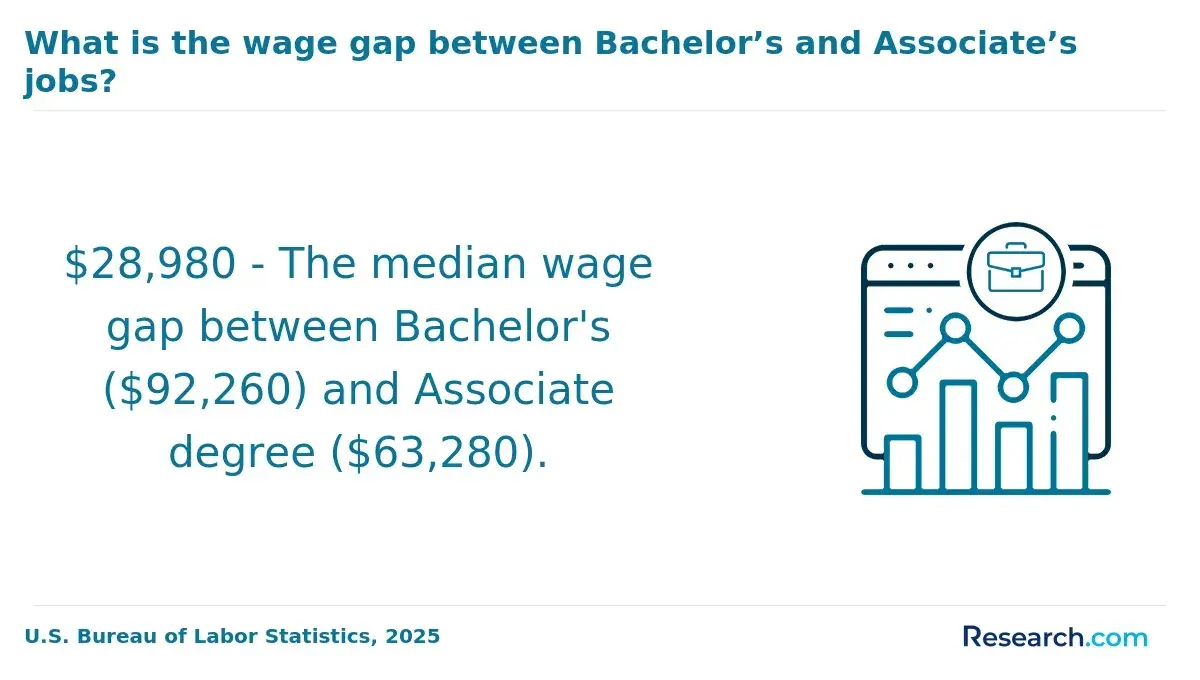
Price disparities for earning an elementary education degree stem largely from state-specific policies around tuition, funding, and institutional composition. Public universities in states like Texas and North Carolina typically offer residents more affordable tuition due to stronger state subsidies, while private institutions or out-of-state students face costs that can be two to three times higher. This gap is not limited to tuition; regional differences in living expenses-higher on the coasts versus more moderate in the Midwest and South-also influence total cost of attendance, shaping whether relocating for broader program access is financially feasible.
For example, a student comparing options might find annual in-state tuition below $6,000 in states like Wyoming, but over $20,000 at private colleges in California. According to 2024 data from the National Center for Education Statistics, such variation requires careful financial planning, especially for those dependent on borrowing. Residency-based pricing structures and limited reciprocity agreements directly affect affordability, often making local public institutions the most budget-friendly route. However, this can restrict access to programs aligned with specific licensure requirements or employment markets, prompting some to consider online alternatives or bear higher costs for mobility within the profession's geographic demands.
Ultimately, prospective elementary education students must weigh the financial tradeoffs between tuition cost, living expenses, and program availability against practical outcomes like licensing pathways and job placement prospects. Decisions to study out-of-state or in private institutions can elevate debt and lengthen repayment timelines, while local public options may offer more manageable financial risk but fewer specialized opportunities. Understanding these dynamics enables more informed choices that balance immediate affordability with long-term career viability in education fields sensitive to state-specific standards and workforce needs.
Why Does Elementary Education Affordability Vary So Much Between States?
Variation in the affordability of elementary education programs largely reflects differences in state-level funding priorities and institutional mixes. States allocating more robust public funding to higher education often enable significantly lower in-state tuition, easing financial burdens for residents pursuing elementary education degrees. In contrast, states with a higher concentration of private institutions rely on less state subsidy, which tends to drive tuition costs upward. For example, students in the Midwest and South benefit from lower average tuition rates compared to those in high-cost regions like California or New York, where operational expenses and regional cost of living inflate fees considerably. Data from 2024 published by the National Center for Education Statistics underscores that tuition subsidies and policy decisions directly influence these disparities.
State-by-state differences in elementary education costs also hinge on residency rules and the availability of financial aid. Generous resident tuition waivers and targeted aid programs can make inland states more accessible, whereas limited in-state support forces some students to consider online programs or out-of-state options despite potential drawbacks like weaker local networking or transfer complexities. These affordability gaps shape enrollment behavior and long-term educational planning, particularly for budget-conscious learners. Prospective students analyzing these tradeoffs might explore fast track degrees as a strategy to balance cost-efficiency with program length, especially in states where extended enrollment multiplies expense risks.
How Do In-State and Out-of-State Tuition Rates Affect Elementary Education Affordability?
Residency-driven tuition structures critically influence how accessible an elementary education degree is, with in-state and out-of-state rates shaping not only immediate expenses but also strategic enrollment decisions. For example, the National Center for Education Statistics reports that average in-state tuition at public four-year colleges hovers around $10,400 annually, while nonresidents face nearly double those costs-about $22,600-creating a significant financial hurdle that can redirect students toward institutions within their home states or into regional reciprocity programs that partially mitigate these premiums. This disparity often forces students to weigh residency reclassification options or opt for online programs offered at uniform rates regardless of state, balancing affordability against program quality, licensure alignment, and future employment market realities.
State funding policies and residency requirements also play a role in shaping these costs, as some states actively incentivize students to establish domicile prior to enrollment to access lower tuition and financial aid, while regional agreements like the Western Undergraduate Exchange provide targeted relief across borders. However, the tradeoff between lower in-state tuition and limited mobility can restrict exposure to diverse educational environments or better-resourced programs elsewhere. Private colleges tend to charge uniform tuition, sometimes offsetting their higher sticker prices with larger aid packages, making them another consideration for those navigating the complex cost-benefit landscape of elementary education paths.
One recent elementary education graduate recalled relocating to enroll out-of-state, initially expecting to save through residency status changes. Instead, they encountered unexpected delays that led to paying full nonresident tuition for two semesters, straining their budget and prompting reassessment of online degree options for their certification goals. This experience highlighted how factors beyond published rates-such as timing, state-specific residency rules, and program delivery mode-can substantially impact the real cost of an elementary education degree and the feasibility of pursuing it beyond one's home state.
How Does the Cost of Living Impact Overall Elementary Education Affordability by State?
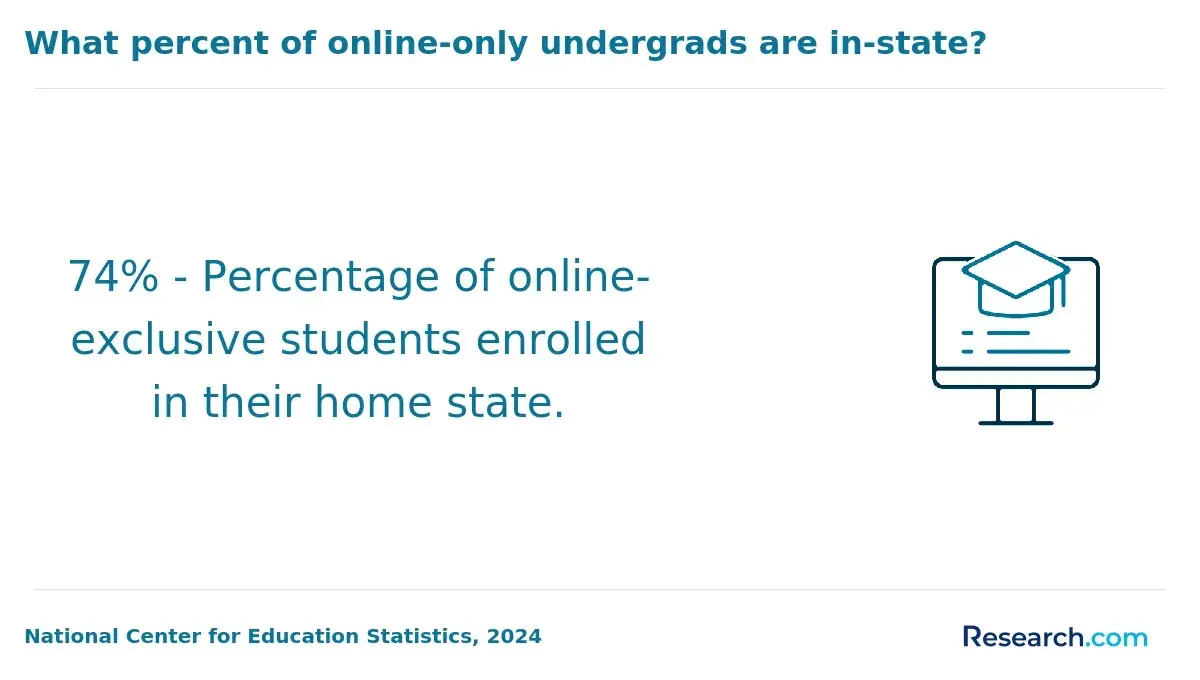
Housing costs remain the most significant factor altering the true expense of earning an elementary education degree across states, often overshadowing comparable tuition fees. For example, a student attending a program in California may face housing expenses that triple those in a more affordable state, dramatically increasing their overall financial burden and shaping decisions about on-campus living, commuting, or even pursuing online options. This disparity in essential living costs, along with regional differences in transportation and food expenses, means students must look beyond sticker tuition prices to accurately assess their potential debt load and enrollment feasibility.
Regional cost-of-living effects on elementary education expenses extend to healthcare and utilities, which vary enough to influence monthly budgeting and job feasibility. In high-cost areas, part-time work opportunities may be more lucrative but also more competitive, affecting how students balance work and study. Understanding these factors is critical for students who need to evaluate scholarship opportunities or employer expectations crucial to their long-term career outcomes. Students should also consider local wage conditions and labor market dynamics alongside educational costs, particularly when assessing sustainability of degree completion and repayment prospects.
Budget-conscious learners comparing states must integrate these layered expenses with wage outlooks, including specialized roles like those represented by mental health nurse practitioner salary trends, which can indirectly reflect regional healthcare demand and compensation patterns affecting related education fields. By consulting comprehensive indexes and projecting both short-term expenses and long-term career viability, prospective students achieve a clearer picture of elementary education affordability by state-and the tradeoffs involved in selecting where to study.
Which States Offer the Best Value for a Elementary Education Degree?
Comparing the value of an elementary education degree across states requires weighing more than just tuition costs; students must consider how in-state tuition eligibility, total living expenses, and available financial aid shape net affordability. For instance, North Carolina's public universities offer about $9,200 in-state tuition alongside solid six-year graduation rates near 72%, which helps reduce time-to-completion costs and enhances return on investment. In contrast, even states with lower sticker prices like Florida-averaging $6,400 annually-may impose higher living expenses in urban centers, which can offset their tuition advantage despite strong scholarship offerings.
Beyond cost, regional workforce demand significantly influences long-term outcomes. Texas exemplifies this with steady tuition near $10,500 and projected 8% growth in teacher jobs through 2030, signaling favorable employment prospects that can justify modestly higher upfront expenses. Students must also factor in residency rules when considering relocation or online study options, as securing in-state status can dramatically reduce fees. Ultimately, the cheapest option does not always represent the strongest value; states like New York and California often present elevated costs but may offer superior program reputations or labor market rewards that could benefit particular candidates depending on their career goals and financial constraints.
What Financial Aid and Scholarship Opportunities Can Reduce Elementary Education Costs?
Financial aid programs significantly shape the real cost of earning an elementary education degree, but their impact varies drastically based on geography, institutional policies, and student circumstances. Federal Pell Grants provide need-based support that can substantially reduce out-of-pocket expenses, yet their award amounts and eligibility thresholds depend heavily on family income and enrollment status. For example, low-income students in states like California may combine Pell Grants with state-funded aid and tuition reciprocity benefits, allowing them to attend neighboring public universities at reduced rates. This layering of aid requires careful timing and understanding of renewal criteria, as failure to meet GPA or enrollment standards can abruptly cut off funding, forcing students to reassess their educational plans or take on more debt.
State grants and institutional scholarships, often merit-based, introduce additional complexity: they can reward academic achievement but are unevenly distributed across states and institutions, disadvantaging students outside large public university systems. Employer-sponsored tuition reimbursement programs offer practical advantages for working adults pursuing degrees part-time but vary significantly by profession and company size, affecting accessibility. According to the National Center for Education Statistics (NCES) 2024 data, about 85% of undergraduates in education-related fields utilize some form of aid, emphasizing that a strategic mix of grants, scholarships, and employer benefits can reduce net tuition by up to 40% compared to relying primarily on loans. For budget-conscious learners, comparing these layered aid opportunities across states and understanding eligibility nuances is essential for matching financial realities with their long-term career and debt management goals.
Are Online Elementary Education Degree Programs More Affordable Than On-Campus Options?
Tuition differences alone do not fully capture the affordability of online versus on-campus elementary education degree programs. While online options often list lower base tuition, the reality depends heavily on residency policies, additional fees, and personal circumstances. For example, some public universities extend in-state tuition rates to online learners regardless of location, whereas others restrict these benefits to on-campus students, which can significantly shift cost comparisons for out-of-state enrollees. Students must also consider expenses like technology upgrades and stable internet access required for online study, which can partially offset savings compared to on-campus fees for housing, meal plans, and commuting.
Affordability of online versus on-campus elementary education programs varies with enrollment status and external responsibilities. Working adults often benefit from the flexible scheduling of online programs, allowing continued employment that can offset opportunity costs not captured by tuition alone. Conversely, campus-based students typically face higher living expenses-sometimes adding 30-50% to yearly costs-creating a financial burden magnified in higher-cost states. Budget-conscious students evaluating where to pursue their degree should analyze total expenses, including living costs, course fees, and eligibilities for financial aid, noting that federal aid accessibility remains consistent across learning modalities.
Geographic and institutional factors further complicate direct cost comparisons. For those weighing regional pricing or residency changes, examining detailed cost structures and financial aid policies is essential before deciding. Prospective educators should also anticipate implications beyond tuition, such as how affordability impacts long-term career decisions and capacity to sustain employment during study. For related insights on career prospects and compensation trends, see pharmaceutical rep salary, which underscores how education cost should be balanced with career income potential.
Is a Elementary Education Degree Worth the Cost Based on Career Outcomes and ROI?
Affordability and geographic factors significantly shape the return on investment for an elementary education degree in the United States. Graduates in states with lower tuition and higher completion rates generally face less debt stress and quicker financial recovery, while those in high-cost states may carry heavier debt burdens that extend payback periods and constrain career mobility. For example, a student graduating with $30,000 in debt but earning a starting salary near $60,000 in a higher-cost region might still experience limited financial flexibility compared to a counterpart in a less expensive state with a $40,000 starting salary yet lower debt. Evaluating ROI requires considering opportunity costs, program completion likelihood, and regional salary trends rather than focusing solely on tuition figures.
Beyond upfront costs, prospective educators must gauge how wage disparities by state influence long-term career outcomes. While national projections show steady demand with 7% growth for elementary educators over the next decade, salary potential and employment readiness depend heavily on local budget policies and funding for public schools. Those pursuing advanced certifications or master's degrees often improve earning potential but incur additional expenses and time commitments, a tradeoff that demands alignment with specific career goals. Budget-conscious learners comparing options benefit from analyzing these factors alongside supportive resources, including access to online DSW programs as alternative pathways within education and social service fields.
References:
- 40 Affordable Colleges for Education Degrees (Updated) https://www.topeducationdegrees.org/rankings/affordable-colleges-for-education-degrees/
- Online vs. On-Campus: Which Mode of Learning Is Best for You? https://www.onlinemastersdegrees.org/student-resources/which-mode-of-learning-is-best/
- Making the Grade 2024 - Education Law Center https://edlawcenter.org/research/making-the-grade-2024/
- Your guide to affordable education in the USA - upGrad GSP https://cpanel.upgradgsp.com/your-guide-to-affordable-education-in-the-usa/
- College Affordability https://www.luminafoundation.org/topics/todays-institutions/college-affordability/
- The Effects of Rising Student Costs in Higher Education - Ithaka S+R https://sr.ithaka.org/publications/the-effects-of-rising-student-costs-in-higher-education/
- Teaching Degree ROI Guide: The Return on Investment You Can Expect with a Degree in Education https://www.educationdegree.com/articles/return-on-investment-guide-to-education-degrees/
- The cost of education: what does going to school really cost you? https://resolvepoverty.org/the-minimum-cost-of-education-what-does-going-to-school-really-cost-families/
- Does College Pay Off? A Comprehensive Return On Investment Analysis - FREOPP https://freopp.org/whitepapers/does-college-pay-off-a-comprehensive-return-on-investment-analysis/
- How to Afford Private School: 7 Options for Tuition Assistance https://www.raiseright.com/blog/the-proactive-parents-guide-to-reducing-private-school-tuition
Other Things You Should Know About Elementary Education
Different states often have varying requirements for credit hours and field experiences needed to complete an elementary education degree. Programs with longer durations or mandatory paid internships may increase living costs and reduce earning ability during studies, offsetting lower tuition rates. Students should carefully examine not just tuition but also program length and practicum demands, as shorter, more flexible programs can reduce total financial burden despite higher per-credit costs.
Choosing a program solely based on affordability without understanding job market conditions can undermine long-term financial outcomes. States with low tuition but weak teaching demand or below-average starting salaries might delay employment or force relocation, negating initial savings. Students prioritizing career stability and salary potential may be better served by states with moderate tuition yet stronger job markets, balancing upfront costs against return on investment.
States vary widely in licensure exam fees, renewal cycles, and professional development obligations, which affect the ongoing cost of maintaining an elementary education credential. Programs in states with more rigorous or numerous certification steps may require additional coursework or exam preparation, extending the timeline and adding indirect costs. Prospective students should factor these post-graduation expenses into affordability assessments, especially if they plan to teach locally long-term.
Public colleges generally provide more affordable tuition, but private institutions can offer smaller class sizes and more targeted elementary education curricula that enhance candidate preparedness. While private school costs are higher, graduates may gain advantages in practical teaching skills and stronger employer recognition in competitive districts. Budget-conscious students must weigh upfront affordability against potential benefits in teaching effectiveness and job placement that could accelerate career progression.