2027 Elementary Education Job Market Report: Open Roles, Salary Bands, and Hiring Momentum

Co-Founder and Chief Data Scientist
Shifts in population demographics and evolving regulatory standards have begun to reshape the labor market for elementary education professionals. Recent analyses reveal fluctuations in open roles that correspond less to simple supply shortages and more to strategic adjustments in credentialing and instructional technology integration. Salary bands reflect these nuanced employer priorities, often tied to the adoption of digital competencies and differentiated instructional approaches.
Hiring momentum varies regionally, influenced by local policy changes and workforce age distributions. Understanding these dynamics positions open positions and compensation trends as indicators of systemic transformation rather than isolated data points, highlighting how workforce demand aligns with emerging educational access and professional evolution challenges.
Key Things to Know About Elementary Education Job Market
- Demand for elementary education roles outpaces supply, reflecting district-level budget constraints that slow hiring momentum despite ongoing teacher shortages, signaling cautious recruitment rather than rapid expansion.
- Recent 2024 salary growth data indicates modest increases concentrated in urban districts; this uneven wage trend influences candidate migration and retention, posing strategic challenges for workforce distribution.
- Extended credentialing timelines and certification costs create barriers to entry, delaying workforce entry and prompting prospective students to weigh education duration against immediate employment opportunities.
- Key Things to Know About Elementary Education Job Market Key Things to Know About Elementary Education Job Market
- How Strong Is Demand for Elementary Education Graduates in Today's Job Market? Demand for Graduates
- Which Elementary Education Careers Have the Most Open Job Opportunities? In-Demand Careers
- What Salary Bands Are Employers Offering Across Elementary Education Careers? Offered Salary Bands
- Which Industries Are Hiring the Most Elementary Education Graduates? Top-Hiring Industries
- How Does Hiring Demand Vary by State, Region, and City? Hiring Demand by Location
- What Skills Are Employers Prioritizing in Elementary Education Job Postings? In-Demand Skills
- Which Certifications Increase Employability and Salary Potential? High-Value Certifications
- How Do Remote and Hybrid Opportunities Affect the Elementary Education Job Market? How Do Remote and Hybrid Opportunities Affect the Elementary Education Job Market?
- Which Elementary Education Careers Show the Strongest Long-Term Hiring Momentum? Strongest Careers
- How Can Students Use Job Market Data to Make Better Career Decisions? How Can Students Use Job Market Data to Make Better Career Decisions?
How Strong Is Demand for Elementary Education Graduates in Today's Job Market?
Current labor market analysis reveals that demand for elementary education graduates remains steady but shows regional disparities across the United States. The U.S. Bureau of Labor Statistics projects about 4% employment growth for elementary school teachers over the coming decade, reflecting modest expansion relative to other fields.
LinkedIn Workforce Reports indicate that growing suburban and certain rural districts drive stronger hiring needs, while urban areas often contend with tighter budgets and competition intensified by alternative education models like charter schools and remote learning. These factors combine to shape a nuanced landscape for elementary education job opportunities and salary trends, where geographic location significantly influences prospects.
Key factors influencing demand include demographic shifts, technology integration, and evolving educational priorities. Employers increasingly seek graduates with classroom management skills and digital literacy tailored to diverse student populations, favoring those experienced in inclusive instructional strategies. While staffing pressures in expanding districts push hiring, salary limitations and contract uncertainties persist, impacting retention and career satisfaction.
Prospective educators must weigh these dynamics carefully; regions experiencing school growth generally offer more stable opportunities, and supplementing credentials or practical experience can improve competitive standing. For individuals exploring pathways in the field, understanding these drivers and local labor market conditions is essential, especially when assessing programs such as the best online pharmacy school and other specialized education options alongside employment objectives.
Which Elementary Education Careers Have the Most Open Job Opportunities?
Job opportunity distribution within elementary education careers is shaped by multiple forces, including sector expansion, persistent skills shortages, and shifting employer expectations. These open roles reflect broader labor market shifts where demographic changes, legal requirements, and educational priorities intersect.
Understanding which elementary education careers currently hold the most openings involves analyzing not just volume but the underlying economic and organizational drivers that influence hiring patterns.
- Elementary School Teachers (General Education): Driven by population growth and teacher retirements, this role consistently accounts for the highest volume of vacancies nationwide. Employers emphasize classroom management, foundational literacy and numeracy instruction, and cultural competence as essential skills. The U.S. Bureau of Labor Statistics projects around 65,000 openings annually, underscoring sustained demand across public and private school sectors.
- Special Education Elementary Teachers: Legal mandates for individualized education programs (IEPs) and inclusive classrooms increase hiring for this specialty. The role requires expertise in differentiated instruction and adaptive technologies tailored to diverse learner needs. Approximately 15,000 new vacancies reflect the emphasis on compliance and support services in elementary settings.
- Instructional Coordinators: As districts prioritize curricular modernization and teacher development, instructional coordinators see growing demand. Their ability to blend data-driven curriculum design with professional training positions them uniquely to improve learning outcomes. About 5,000 roles open annually reflect district-level investments to elevate instructional quality.
- Literacy Coaches: Targeted at improving foundational reading and writing skills, literacy coaches work closely with classroom teachers to implement best practices. The increasing focus on early literacy as a pillar for academic success drives demand, particularly in elementary programs within districts facing achievement gaps and funding pressures.
- Early Childhood Education Specialists: Narrowly focused expertise in developmental milestones and instructional strategies for young children creates openings in elementary-related early childhood programs. These specialists support transitions into formal schooling, addressing critical readiness skills that influence long-term academic trajectories.
- Educational Technology Specialists: The ongoing integration of technology into elementary classrooms fuels growth for specialists who can train teachers and optimize digital tools. Employers seek candidates proficient in navigating software platforms and adaptive learning technologies to enhance instruction and engagement.
Geographic variation further complicates hiring landscapes; states like Texas and Florida experience acute shortages driven by rapid population increases, whereas some Northeastern states report steadier demand patterns. Candidates examining high demand elementary education roles with available positions should also consider regional labor market dynamics in addition to role-specific competencies.
For those interested in related allied fields intersecting healthcare and education, exploring accredited medical billing and coding schools online with financial aid can provide complementary career pathways in the broader educational support ecosystem.
What Salary Bands Are Employers Offering Across Elementary Education Careers?
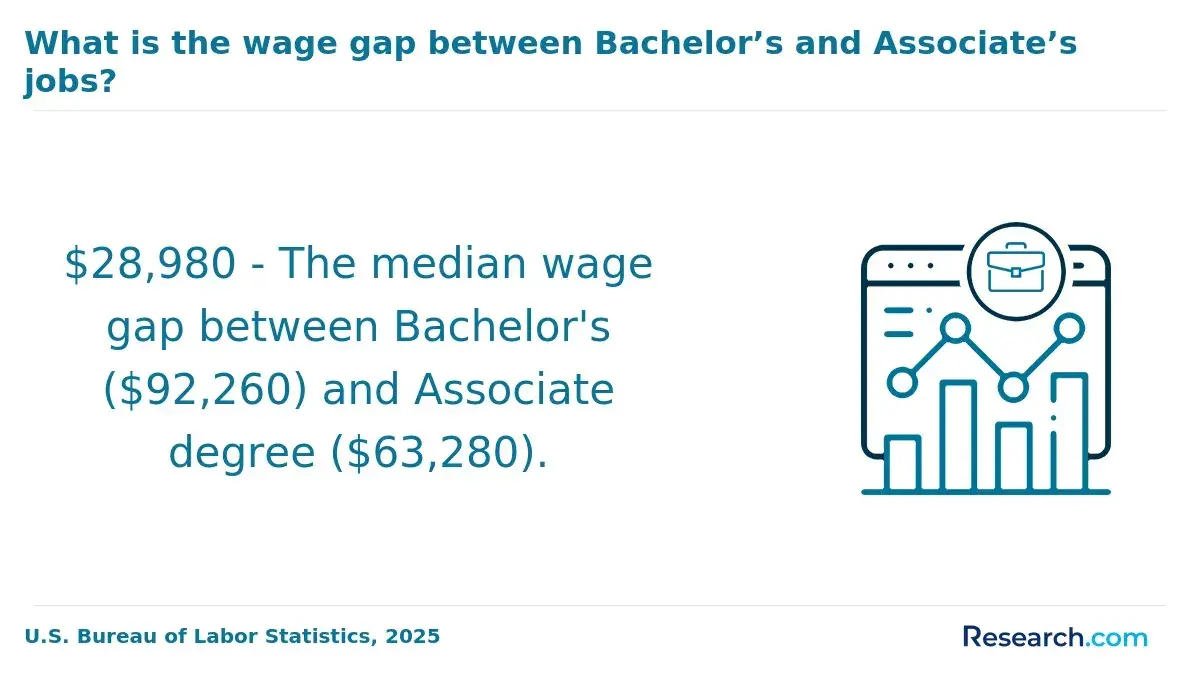
Salary bands for elementary education roles reflect a complex balance between experience, regional cost of living, and role specialization, with reported ranges in 2024 indicating entry-level teachers typically earn between $40,000 and $50,000 annually, according to the U.S. Bureau of Labor Statistics and LinkedIn Salary Insights. Mid-career educators with expanded duties or specialized teaching capacities often see increases to roughly $52,000 to $65,000, signaling a step up tied to both tenure and credentialing.
At the senior level, including lead teachers and administrative roles like assistant principals, compensation generally spans $67,000 to $85,000 or higher, with top earners exceeding $90,000 in high-cost urban districts or private institutions. These figures underscore a salary progression aligned with experience and responsibility but also highlight regional disparities shaped by local education budgets and living expenses.
Variations within these salary bands are largely driven by supply and demand dynamics within local labor markets, the scarcity of particular skill sets, and the intensity of specialized roles such as curriculum development or instructional coaching. Geographic location plays a pivotal role; districts in economically robust or unionized areas tend to offer higher wages to retain talent amidst competitive pressures.
Conversely, budget limitations in rural or underfunded regions frequently suppress pay regardless of experience. Additionally, the necessity for advanced degrees or certifications can create wage differentiation, rewarding educators who invest in further qualifications but also setting barriers that influence overall career trajectories and job market entry timing.
One graduate of an elementary education program recalled hesitating during the rolling admissions cycle due to uncertainty about how quickly they could secure financial aid and complete certification requirements. This delay forced a last-minute rush to submit transcripts and professional recommendations, which introduced stress but ultimately ensured placement in a district where starting salaries were competitive. Their experience highlighted how strategic timing and preparedness during the application process can directly impact both entry-level compensation and early professional stability in a crowded labor field.
Which Industries Are Hiring the Most Elementary Education Graduates?
Demand for elementary education graduates remains largely concentrated within sectors facing structural workforce shortages, adapting to technology shifts, or expanding service offerings. This reflects broader economic patterns, including demographic changes, targeted public funding, and the digital transformation of learning environments.
Understanding where these graduates find opportunities highlights how their skill sets intersect with industry needs beyond conventional classroom roles.
- Public Elementary and Secondary Schools: The largest employer of elementary education graduates continues to be public schools, driven by steady student enrollment growth and ongoing teacher turnover. Public education emphasizes mastery of foundational pedagogy and classroom management, with increasing emphasis on meeting diverse student needs and integrating emerging curriculum standards.
- Private and Charter Schools: These institutions show rising demand due to their adoption of specialized curriculums such as bilingual instruction and STEM integration. They value graduates with certification in these areas and the flexibility to implement innovative pedagogical models, reflecting a trend toward differentiated learning environments.
- Educational Support Services: This sector includes tutoring centers and after-school programs where graduates contribute beyond standard teaching by developing curricula and facilitating individualized learning plans. The demand here correlates with the growing need for supplemental education that addresses gaps from traditional instruction and fosters personalized student engagement.
- Early Childhood Education Centers: Preschools and early learning environments require educators skilled in foundational literacy and numeracy development. Increasing recognition of early childhood's impact on long-term academic success fuels hiring, with employers seeking candidates who possess both content knowledge and the ability to nurture developmental milestones.
- Educational Technology Firms: The e-learning and edtech industry hires elementary education graduates to help design age-appropriate content and instructional strategies that cater to digital learners. This segment's growth reflects broader shifts toward virtual and hybrid learning modalities, valuing graduates who understand pedagogical principles alongside digital literacy and user engagement techniques.
According to data from the U.S. Bureau of Labor Statistics and the National Center for Education Statistics, roughly 70% of new elementary education graduates find roles in public elementary and secondary education, underscoring the sector's central role amidst other emergent opportunities. Employers prioritize candidates adept at blending core teaching skills with flexibility to adapt to evolving educational technologies and diverse learning environments.
How Does Hiring Demand Vary by State, Region, and City?
Hiring demand for elementary education professionals exhibits significant variation across states and broader regions, shaped by underlying economic conditions, population changes, and the distribution of school-age children. Recent labor market data from the U.S. Bureau of Labor Statistics highlights that states with robust population growth and expanding education funding, such as Texas, Florida, and Arizona, exhibit stronger demand as they navigate both growth and turnover among teachers.
In contrast, regions like the Northeast and West Coast, despite higher salaries, often enforce stricter certification standards that influence supply and create competitive hiring environments. Many Southern and Midwestern states maintain steadier, less volatile demand, reflecting more stable but limited growth, which affects salary progression and resource availability. These regional differences underscore how local economic ecosystems and policy variations drive the complex landscape of regional elementary education job opportunities and salary trends.
At the city level, hiring intensity for elementary education roles correlates closely with urban infrastructure, employer density, and regional labor market ecosystems. Large metropolitan areas with significant industry clusters, such as tech hubs or healthcare centers, tend to offer higher salaries but also higher living costs and intensified competition among employers.
Urban districts, including cities like Boston and Seattle, deal with demands from diverse student populations and elevated stress environments, which contrasts with suburban districts that may present more manageable conditions and rural districts where attracting qualified candidates remains challenging due to fewer amenities. These localized variations reflect how city-specific factors such as talent pipeline strength, cost of living, and employer density influence both job availability and career sustainability.
Job seekers weighing these factors may consider pathways aligned with their professional goals, including exploring options like online associate nursing programs which represent part of the broader employment ecosystem in related care and education fields.
What Skills Are Employers Prioritizing in Elementary Education Job Postings?
Employer demands in elementary education roles are increasingly influenced by rapid technological developments, the rise of hybrid learning models, and the sector's need for more integrated, multifaceted skill sets. Automation and digital tools are reshaping classroom dynamics, pushing educators to not only master content delivery but also technological fluency and adaptive teaching methods.
This evolution reflects a broader trend toward interdisciplinary capabilities that combine pedagogical expertise with social-emotional and technological competencies, highlighting a significant shift in hiring priorities.
- Classroom Management and Differentiated Instruction: Employers prioritize these foundational skills because they directly impact student engagement and learning outcomes. The ability to adjust methods to diverse learning styles and behavioral needs has become critical as classrooms grow more varied and inclusive, with nearly 80% of new postings emphasizing these competencies.
- Technological Proficiency: The integration of digital platforms and adaptive learning software in curricula requires educators to be adept with technology. Employers expect candidates to navigate virtual collaboration tools and hybrid instruction environments effectively, reflecting the sector's pivot toward tech-driven education models post-pandemic.
- Communication Skills: Effective interaction extends beyond students to parents and colleagues, fostering transparent, supportive relationships. Hiring managers view strong communication as essential for collaborative problem-solving and cultivating community trust, which are vital in today's complex educational settings.
- Cultural Competency and Emotional Intelligence: With over half of job listings citing these skills, employers emphasize the need to create inclusive environments that support social-emotional development. Proficiency here signals an educator's ability to respond thoughtfully to diverse student backgrounds and emotional needs, which is linked to improved classroom climate and student success.
- Data-Driven Instructional Strategies: There is growing demand for teachers who can interpret assessment data to tailor instruction and measure progress accurately. This skill aligns with the move toward accountability and personalized learning, increasing employability for those proficient in evidence-based teaching adjustments.
- Behavioral Intervention Techniques: Positions often require knowledge of strategies supporting special education and behavioral challenges. This reflects a heightened focus on differentiated supports within mainstream classrooms, which helps schools meet specialized learner needs and comply with evolving educational mandates.
- Collaborative Curriculum Planning: Employers value educators who contribute to team-based lesson design, integrating multidisciplinary perspectives. Collaboration enhances curriculum relevance and responsiveness, signaling a shift from isolated teaching roles to more interconnected, dynamic professional responsibilities.
Which Certifications Increase Employability and Salary Potential?
Certifications in the elementary education field act as strategic markers that communicate specialized expertise, technical skills, and readiness for diverse classroom challenges. Rather than simply augmenting a baseline teaching license, these credentials differentiate candidates by addressing specific workforce needs and signaling mastery recognized by hiring authorities.
Their value lies in bridging gaps between formal education and practical demands, ultimately enhancing competitiveness and career mobility in a tightening job market.
- National Board Certification (NBC): This credential carries considerable weight because it requires rigorous evaluation of teaching practice, including portfolio assessments and student impact evidence. NBC is linked to approximately 15% higher salaries on average, reflecting how districts reward demonstrated mastery and instructional excellence for extended career trajectories.
- Gifted and Talented Education (GATE) Endorsement: As schools increasingly prioritize differentiated instruction, GATE endorsements validate a teacher's ability to meet advanced learner needs. This certification aligns with demand for specialized skill sets that enhance an educator's hiring prospects in competitive districts focusing on enrichment programs.
- Reading Specialist Certification: Literacy remains a persistent challenge in elementary education, and specialists fill critical roles addressing it. This credential improves qualification for these targeted positions and is often correlated with 10%-12% salary premiums, reflecting employer willingness to compensate for advanced expertise in foundational skill areas.
- Special Education Endorsements: Dual certification in special education expands employability by positioning teachers as versatile professionals able to support diverse learners. Districts with rising inclusion mandates frequently offer higher starting wages or bonuses to candidates with these skills due to persistent workforce shortages.
- Technology Integration Certification: With digital tools reshaping instructional environments, certifications focused on technology signal proficiency in incorporating remote learning and educational technology. Teachers holding this qualification often meet a growing district demand, which can lead to better hiring outcomes in tech-forward schools.
A recent graduate pursuing elementary education shared how the timing of certification decisions impacted her early career path. While balancing a full course load, she hesitated to commit to an extended National Board Certification program, uncertain whether her district's hiring preferences justified the multi-year investment. During the rolling admissions process for teaching roles, she prioritized faster endorsements like ESL and technology integration, which were immediately relevant to open positions.
This pragmatic approach enabled her to gain employment quickly but left her considering NBC later once she stabilized financially and professionally. Her experience underscores the careful weighing of investment duration against market signals and immediate job availability when choosing certifications.
How Do Remote and Hybrid Opportunities Affect the Elementary Education Job Market?
Remote and hybrid teaching opportunities in elementary education are reshaping hiring trends by expanding talent pools beyond traditional geographic limits, particularly in urban and suburban districts equipped for virtual learning environments. Data from recent educational workforce reports highlight that districts adopting hybrid models often seek candidates with advanced digital literacy and adaptive communication skills, reflecting a shift from purely pedagogical competencies.
This evolution has influenced compensation structures, with some hybrid roles offering modest premiums for technological proficiency, though fully remote positions remain scarce due to the hands-on nature of early childhood instruction. These flexible models attract a broader applicant base, including those balancing caregiving responsibilities, thus injecting increased momentum into recruitment, despite the challenges tied to schedule variability and maintaining engagement in blended settings.
The broader implications of flexible work models on the elementary education job market reveal a gradual normalization of salary differences across regions as hybrid roles facilitate greater geographic mobility and competition for talent intensifies. Employers now emphasize collaboration in digital platforms and expect heightened self-motivation, signaling a transformation in workforce expectations and job structures.
While these trends are expanding access, they also demand continuous upskilling, requiring candidates to develop competencies that align with emerging hiring strategies. As these shifts consolidate, they suggest a long-term reconfiguration of elementary education careers, where balancing traditional instructional duties with embedded technology use becomes a critical determinant of employability.
For those exploring pathways aligned with these dynamics, including more flexible academic routes, resources like online BSN-to-MSN programs demonstrate how specialized credentials can complement evolving skill requirements.
Which Elementary Education Careers Show the Strongest Long-Term Hiring Momentum?
Long-term hiring momentum in elementary education careers reflects deep structural shifts, not just short-term job market fluctuations. This momentum signals how broader economic factors, regulatory changes, and technology adoption shape sustained workforce demand. Employer expectations evolve alongside these trends, making some elementary education roles more resilient and in demand over time.
Understanding these forces provides a clearer picture of where growth will persist amid a competitive labor market.
- Elementary School Teachers: maintain steady demand driven by consistent student enrollment and ongoing teacher retirements. The U.S. Bureau of Labor Statistics (2024) projects a 7% growth rate for this role, reflecting a baseline stability rather than rapid expansion influenced by demographic trends and education funding patterns.
- Special Education Teachers: exhibit stronger hiring momentum, with about a 10% growth rate projected, fueled by increased identification of learning disabilities and more inclusive school policies. Regulatory emphasis on specialized credentials reinforces this role's long-term demand and salary premium compared to general elementary education positions.
- Literacy Coaches and Instructional Coordinators: benefit from school districts' strategic investments in foundational skills, particularly reading proficiency. Technology-enhanced curriculum development and accountability standards position these educators as vital intermediaries between classroom practice and administrative goals, securing durable growth.
- Early Childhood Specialists: also show emerging demand due to policy focus on early literacy and developmental support, with state-level certification differences shaping regional hiring momentum.
These trends highlight broad long-term demand for elementary education teaching roles that extend beyond immediate hiring surges. Prospective educators must weigh specialization benefits against the increased certification complexity, as specialization often equates to greater job security. Workforce entrants should also consider the regional variation in opportunities caused by policy and demographic factors.
For learners interested in pathways feeding these careers, pursuing an accredited online bachelor's in sociology can provide complementary analytical skills useful in education settings, especially for roles requiring understanding of diverse student populations and community dynamics.
How Can Students Use Job Market Data to Make Better Career Decisions?
Students considering elementary education careers can leverage up-to-date labor reports, hiring platforms, and salary databases from 2024 onward to analyze demand patterns, compensation ranges, and sector growth potential. Such data reveals regional hiring surges or contractions and highlights salary variations tied to specialization and experience.
Understanding these metrics allows students to prioritize educational paths that align with areas showing robust workforce expansion or higher pay bands, such as bilingual or special education endorsements. Reliable labor market data thus serves as a critical foundation for evaluating tangible employability prospects rather than relying on generalized assumptions. When interpreting job market data, students must weigh long-term career stability against short-term fluctuations and geographic constraints.
While some districts may have immediate openings due to retirements or policy changes, these trends can shift unpredictably with enrollment shifts and budget cycles. Assessing whether skill requirements match personal strengths and interests also mitigates risk by ensuring sustainable engagement beyond initial employment. Overdependence on transient market signals risks misaligned training investments, so combining quantitative insights with individual career objectives and adaptability fosters more strategic, data-driven decision-making in elementary education pathways.
References
- Evaluating Large-Scale Careers Learning in Primary Schools https://www.impactedgroup.uk/case-studies/evaluating-large-scale-careers-learning-in-primary-schools
- Skills Employers Look for In Graduates https://careerdc.com.au/resources/what-skills-employers-want/
- Elementary Education Salary And Career Outlook | BestCollegeReviews https://www.bestcollegereviews.org/education-and-teaching/elementary/salary-and-career-outlook/
- What Employers Actually Want From Graduates https://bodyswaps.co/resources/blog/what-employers-actually-want-from-graduates
- The Job Market Is Changing. Here’s How Educators Can Help Students Keep Up. | KQED https://www.kqed.org/mindshift/62913/the-job-market-is-changing-heres-how-educators-can-help-students-keep-up
- What is the Job Outlook for Teachers? | University of Bridgeport https://www.bridgeport.edu/news/job-outlook-for-teachers/
- Careers in Elementary Schools | University of Phoenix https://www.phoenix.edu/articles/education/careers-in-elementary-schools.html
- Demand for Teachers - How to Become a Teacher | Teacher Crisis https://www.pacificoaks.edu/voices/education/increasing-teacher-demand/
- Top skills employers seek in college graduates | Bold.org https://bold.org/blog/top-skills-employers-seek-in-college-graduates/
- Elementary Teacher Certifications: Best Credentials to Advance Your Career | Teal https://www.tealhq.com/career-paths/elementary-teacher-certifications
Other Things You Should Know About Elementary Education
Salary bands in elementary education often vary significantly by district funding, urban versus rural settings, and union presence. Candidates should weigh higher salaries against potentially heavier workloads or less supportive environments common in better-funded districts. Prioritizing roles where compensation aligns with clear professional development pathways can lead to more sustainable career growth, rather than chasing top pay in high-stress contexts that may offer limited advancement.
A slowdown in hiring momentum signals increased competition for available jobs, making it essential for candidates to differentiate themselves through classroom experience or specialized skills. Job seekers should consider broadening their geographic flexibility or gaining qualifications in high-need areas to mitigate hiring fluctuations. Understanding these shifts helps avoid long job search periods and positions candidates more strategically for openings as they arise.
Open roles in elementary education can differ greatly in workload intensity depending on school size, grade level, and support staff availability. Early-career educators should assess workload realistically, as accepting roles with heavy non-teaching duties may hinder classroom effectiveness and burnout risk. Prioritizing positions with balanced teaching loads and access to mentorship often yields better long-term satisfaction and skill development despite sometimes lower initial pay.
When salary differences are marginal, job seekers must emphasize non-monetary factors such as work environment, leadership quality, and student demographic fit. Roles with similar pay can vary wildly in administrative support or professional respect, affecting daily job satisfaction and long-term retention. Candidates should prioritize environments that offer clear career ladder opportunities and alignment with their pedagogical values over small salary increments that do not improve overall work conditions.