2027 How Employers Are Changing Hiring Criteria for Elementary Education Graduates in the AI Era

Co-Founder and Chief Data Scientist
A prospective elementary education graduate completing their degree may soon find that academic credentials alone no longer guarantee a foothold in today's AI-driven job market. Employers increasingly prioritize candidates who not only understand foundational teaching principles but also demonstrate proficiency with emerging technologies and adaptive skills. According to the U.S. Bureau of Labor Statistics in 2024, over 50% of educational institutions plan to integrate AI tools into their curriculum and administrative processes within the next three years, fundamentally shifting expectations for new hires.
As AI transforms classroom dynamics and administrative tasks, the criteria for hiring elementary education graduates are evolving beyond traditional qualifications. Employers now seek candidates with AI literacy, data-informed decision-making capabilities, and strong interpersonal skills that AI cannot replicate. This article explores these shifting hiring trends, the rising importance of transferable skills, and practical strategies students can adopt to maintain competitiveness in the increasingly automated landscape of elementary education careers.
Key Things to Know About the Changing Hiring Criteria for Elementary Education Graduates in the AI Era
- Employers now prioritize AI-integrated teaching approaches, expecting graduates to align lesson plans with adaptive technologies, which elevates the need for practical AI application over theoretical knowledge.
- A 2024 study shows 67% of education administrators value AI literacy as essential, meaning graduates must blend technical proficiency with pedagogical skills to remain viable candidates.
- Transferable skills like data-driven assessment interpretation enhance competitiveness, as employers favor those who leverage AI insights to individualize student support effectively.
- Key Things to Know About the Changing Hiring Criteria for Elementary Education Graduates in the AI Era Key Things to Know About the Changing Hiring Criteria for Elementary Education Graduates in the AI Era
- How Is AI Changing What Employers Look for in Elementary Education Graduates? How Is AI Changing What Employers Look for in Elementary Education Graduates?
- Which AI Skills Are Employers Expecting Elementary Education Graduates to Have? AI Skills
- Which Human Skills Are Employers Looking for in Elementary Education Graduates? Human Skills
- How Are AI Tools Changing Daily Work in Elementary Education Careers? AI Workplace Tools
- How Are Employers Evaluating Elementary Education Candidates Beyond Academic Credentials? Hiring Criteria
- How Are Elementary Education Degree Programs Adapting to AI? AI Curriculum
- Which Industries Are Changing Hiring Expectations Most for Elementary Education Graduates? AI and Industry Expectations
- How Is AI Changing Career Growth for Elementary Education Professionals? AI and Career Growth
- How Should Elementary Education Students Prepare for AI-Driven Hiring? Career Preparation
- How Should Students Choose an Elementary Education Program for the AI Era? How Should Students Choose an Elementary Education Program for the AI Era?
How Is AI Changing What Employers Look for in Elementary Education Graduates?
As AI tools become increasingly embedded in school systems, employers now prioritize elementary education graduates who can collaborate effectively with these technologies, not just operate them. Rather than hiring teachers who merely automate routine tasks, districts look for educators with the ability to interpret AI-driven data and integrate adaptive learning platforms to personalize instruction. This shift reflects a broader trend where human insight remains crucial to translate AI outputs into meaningful, equitable classroom interventions, underscoring why skills like critical thinking and ethical awareness are still indispensable alongside technical savvy.
Hiring expectations in the AI era have transformed to emphasize digital literacy and an ongoing learning mindset. A 2024 study by the International Society for Technology in Education found that 65% of education employers now value experience with AI-based educational software over traditional teaching credentials alone. Employers seek candidates who not only master emerging technologies but also demonstrate flexibility to adopt new methods and navigate privacy and equity challenges these tools present. For example, an elementary teacher able to apply AI-generated student performance insights to tailor instructional approaches holds a competitive edge in districts rapidly deploying these innovations.
Current and prospective elementary education students should thus focus on developing a mix of AI skills required for elementary education graduates—including data interpretation, technology integration, and continual skill-building—to meet evolving employer demands. Staying abreast of professional development opportunities tied to AI use is critical, as is leveraging resources from established programs such as the best DNP programs that model advanced educational pathways embracing technology. This balanced approach ensures graduates remain relevant in a workforce where AI reshapes both classroom practice and the qualities valued by hiring professionals.
Which AI Skills Are Employers Expecting Elementary Education Graduates to Have?
AI integration into elementary classrooms has shifted employer expectations, making AI-related skills nearly as essential as fundamental teaching abilities. Graduates who understand how to employ AI tools pragmatically to support diverse learning needs stand out in hiring pools. Schools now seek educators who not only grasp educational theory but can also operationalize AI-driven platforms and ethically handle student data. Practical AI competencies are no longer optional but a core part of an elementary educator's toolkit.
Below are five key AI skills that employers increasingly demand from elementary education graduates:
- Adaptive Learning Platform Proficiency: Teachers must navigate AI-powered platforms that customize instruction based on individual student progress. Employers expect graduates to efficiently operate these systems to tailor lessons in real time, improving engagement and retention. Developing comfort with such software through hands-on training or accredited self-paced online courses can build this competency.
- Data Analytics Interpretation: Analyzing AI-generated student performance data is crucial for informed instruction. Graduates should analyze trends, identify learning gaps, and adjust pedagogical approaches accordingly. Early-career educators who practice interpreting diverse datasets and understand privacy implications typically perform better in data-informed decision-making roles.
- Ethical AI Usage Awareness: With AI tools influencing assessment and communication, ethical considerations about bias and privacy are paramount. Employers expect teachers to recognize algorithmic limitations and guide students in critically engaging with AI technologies. Embedding ethical AI discussions into teacher preparation curricula strengthens this necessary skill.
- Digital Literacy for AI Tools: Familiarity with AI-enabled virtual assistants, chatbots, and automated grading systems enables smoother classroom technology integration. Educators capable of troubleshooting and seamlessly incorporating these tools enhance instructional efficiency. Gaining experience with these applications through internships or tech-driven practicum environments fosters relevant expertise.
- Continuous AI Skills Adaptation: Rapid AI advancements demand ongoing professional development to remain current. Schools value graduates showing a demonstrated commitment to keeping pace with emerging AI trends impacting education. Participation in workshops, industry research, or a variety of accredited self-paced online courses supports this lifelong learning approach.
Which Human Skills Are Employers Looking for in Elementary Education Graduates?
As AI increasingly automates administrative and repetitive tasks in education, employers are shifting their focus toward skills that technology cannot replicate. The rise of AI-powered grading and instructional tools highlights the need for elementary education graduates to excel at uniquely human abilities that enhance rather than compete with machines. These skills enable teachers to interpret AI insights with discernment, adapt to unpredictable classroom dynamics, and foster meaningful relationships in diverse learning communities.
Identifying and cultivating these competencies can distinguish job candidates and future educators navigating the complexities of AI-integrated schools. The following five human skills have become essential for newcomers entering elementary education in 2024 and beyond:
- Empathy and Emotional Intelligence: Effective educators connect with students' feelings and needs, especially when AI provides limited contextual understanding. Developing empathy involves reflective listening and cultural sensitivity, which help teachers support students' socio-emotional growth alongside academics.
- Collaborative Problem-Solving: AI can generate data, but educators must collaborate with colleagues, parents, and specialists to apply those insights creatively. Building these skills requires engaging in team projects and community partnerships that simulate real-world educational challenges.
- Critical Thinking and Ethical Judgment: When AI recommendations conflict with observed student behavior or create bias concerns, teachers need judgment to decide appropriate interventions. Strengthening this skill involves analyzing case studies and practicing decision-making in ambiguous situations.
- Cultural Competence and Inclusivity: Awareness of equity and systemic bias is crucial as AI tools may perpetuate disparities. Candidates should pursue diverse experiences and training to advocate for inclusive classrooms that recognize varied student backgrounds.
- Adaptive Communication: The ability to explain complex ideas to students, families, and staff while integrating AI data is vital. Prospective educators should refine this skill through public speaking, storytelling, and technology literacy courses.
One recent graduate recalled a moment during student teaching when an AI tool flagged a learner as "at risk" based on test scores. Instead of immediately following the AI's plan, the graduate spoke directly with the student's family and observed classroom behavior, discovering underlying social challenges not evident to the software. "It was a tense moment," the graduate said, "but stepping back from the AI's recommendation and trusting my own understanding helped me develop a better support plan." This experience underscored how essential it is for educators to combine technological input with human insight, especially in sensitive decision-making scenarios.
How Are AI Tools Changing Daily Work in Elementary Education Careers?
AI integration in elementary education settings is shifting daily workflows by automating tasks that once consumed significant teacher time, such as grading assignments, tracking student progress, and generating reports. Data from the U.S. Department of Education's 2024 technology adoption report indicates about 70% of schools now use AI-driven tools to streamline lesson planning and real-time assessment, allowing educators to focus more on interpreting results and adjusting instruction dynamically. For example, an elementary teacher can quickly pinpoint student learning gaps using AI analytics and then apply targeted interventions within the same class period, enhancing responsiveness without added administrative strain.
This shift elevates teachers' roles from routine data handlers to active managers of AI-augmented insights, requiring them to develop skills in digital literacy and critical evaluation of algorithmic recommendations. Educators must exercise professional judgment to validate AI outputs, ensuring decisions align with ethical and developmental considerations unique to young learners. Additionally, AI tools enable closer monitoring of emotional and social engagement, demanding collaboration between teachers and AI platforms to identify early signs of student challenges, which fosters a more holistic approach to classroom management and support.
Consequently, the profession demands a hybrid skill set combining traditional instructional expertise with technological fluency and analytical reasoning. The Education Technology Industry Association's 2024 report highlights that employers prioritize candidates proficient in navigating AI tools while maintaining pedagogical creativity and interpersonal connection. Prospective and current elementary education professionals can remain competitive by gaining hands-on experience with adaptive learning software and cultivating the capacity to critically assess and ethically apply AI-generated data to support individualized student success.
How Are Employers Evaluating Elementary Education Candidates Beyond Academic Credentials?
Employers evaluating elementary education candidates today place substantial emphasis on practical abilities beyond traditional academic credentials. Experience with internships, portfolios, and certification programs often offers stronger insight into a candidate's readiness than GPA alone. For instance, a candidate who can demonstrate problem-solving skills through AI-integrated lesson plans or tangible projects may stand out more than one with solely strong academic records. Recent data from the Education Research Institute highlight that functional skills like communication, teamwork, and adaptability are increasingly prioritized because they directly affect classroom dynamics and student engagement.
This shift toward more holistic hiring practices responds to employer expectations for elementary education graduates in the AI era, where proficiency in educational technology and interpersonal skills is vital. According to the American Association of School Personnel Administrators, nearly three-quarters of districts now consider AI literacy and experience with AI-enhanced tools as key hiring criteria. These practices require candidates to demonstrate continuous professional development, emotional intelligence, and collaborative capabilities to foster inclusive, adaptive classrooms. Practical scenarios, such as participating in role-playing or situational judgment assessments during interviews, allow hiring managers to assess whether candidates can thrive in diverse learning environments shaped by rapid technological innovation.
For graduates and early-career professionals, integrating clear evidence of lifelong learning with relevant micro-credentials and workshops-particularly related to AI in education-can greatly improve competitive standing. Employers also value portfolios showing real-world application and problem-based learning outcomes. Developing strong communication skills alongside technical fluency reflects an understanding of the evolving educational landscape. Prospective students might also explore pathways such as pharmacy school online accredited programs to benchmark how cross-disciplinary, accredited online education models adapt to technological advancements, providing useful parallels for advancing educational skills in an AI-enabled job market.
How Are Elementary Education Degree Programs Adapting to AI?
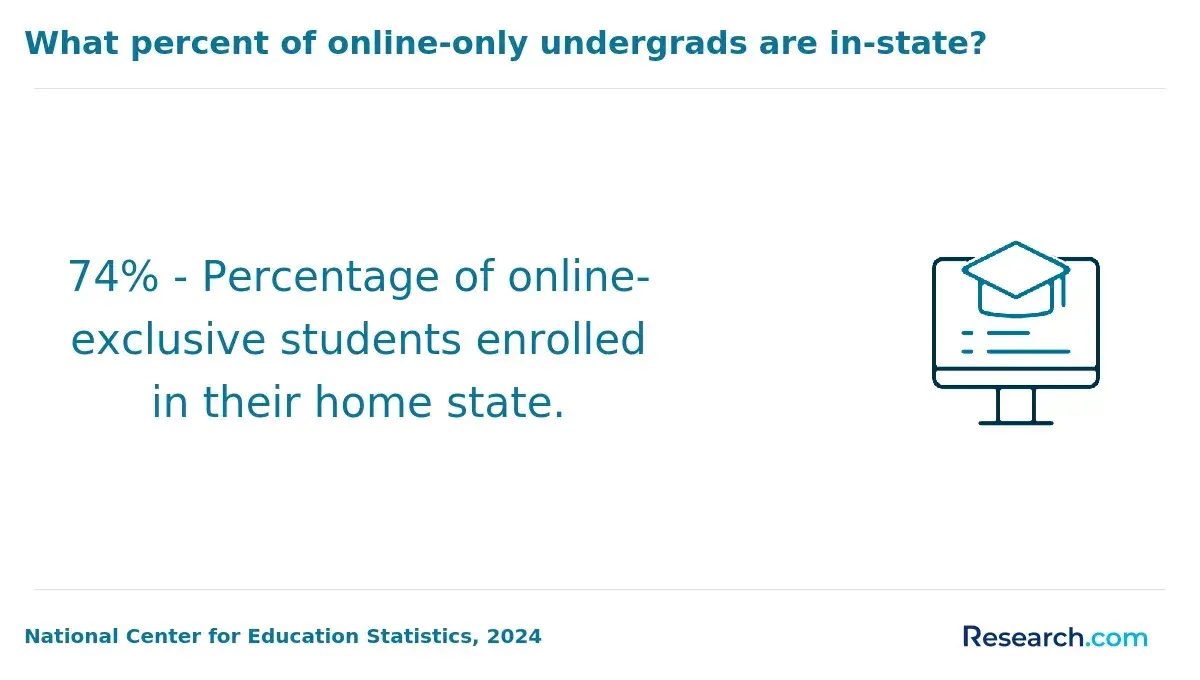
Elementary education degree programs are increasingly integrating artificial intelligence into their curricula to meet evolving workforce demands. According to a 2024 report from the National Center for Education Statistics, over 65% of teacher preparation programs now include AI-focused components such as data literacy, adaptive learning technologies, and digital pedagogies. These enhancements are not just technical add-ons; they aim to equip future teachers with the ability to critically assess AI tools to personalize instruction and improve classroom management, while maintaining core teaching competencies.
This integration often requires delicate balancing. Programs must ensure students build strong foundational teaching skills alongside growing AI proficiency, a challenge amplified by limited instructional time. For instance, a program may introduce AI-driven student data analytics to help candidates design differentiated lessons but must also reinforce ethical considerations and awareness of bias in AI systems to safeguard equity. Partnerships with education technology firms and experiential learning through AI-assisted classroom simulations are emerging as effective methods to bridge theory with practical application, supporting lifelong learning and adaptability beyond initial certification.
Recent analyses suggest that technical fluency alone does not suffice; employers favor graduates who demonstrate adaptive expertise, combining human-centered instructional strategies with AI-enabled insights. This means that creativity, critical thinking, and empathy remain indispensable as educators learn to harness AI without letting technology overshadow essential pedagogical values. As a result, elementary education programs are shifting toward interdisciplinary approaches that link AI proficiency with ethical judgment and collaborative problem-solving, preparing graduates to thrive in a landscape where AI informs but does not replace the nuanced work of teaching.
Flexible options such as accredited self-paced online courses can help aspiring educators develop AI and digital teaching skills while managing work or other commitments. These courses can complement formal elementary education training by allowing learners to build relevant competencies at a pace that fits their schedules.
Which Industries Are Changing Hiring Expectations Most for Elementary Education Graduates?
Industries vary widely in how quickly they adopt artificial intelligence, creating divergent expectations for elementary education graduates. In sectors with rapid AI integration, employers prioritize candidates who combine traditional educational expertise with tech fluency, while slower adopters maintain more conventional requirements. For example, a recent graduate exploring job options might find that roles in educational publishing demand skills quite different from those in nonprofit youth programs due to contrasting uses of AI tools.
Understanding these distinctions helps candidates strategically target sectors where their skills can stay relevant and competitive. Below are five industries where hiring standards for elementary education professionals are shifting most notably:
- Education Technology: This sector leads in AI adoption, with over 70% of K-12 schools employing AI-driven assessment and adaptive learning platforms according to the National Center for Education Statistics. Employers seek graduates skilled in managing learning management systems and translating data insights into personalized instruction to meet evolving classroom needs.
- Publishing: With AI-generated content reshaping curriculum creation, educational publishers increasingly want candidates who understand pedagogy and can collaborate with AI tools to design adaptive, digital learning materials. Tech adaptability and instructional design expertise are now crucial.
- Nonprofit Youth Services: Enhanced use of AI for program evaluation and stakeholder engagement has boosted demand for graduates proficient in data storytelling and communication technologies. The 2024 Nonprofit Technology Report notes a 65% growth in AI tool adoption here, making digital literacy a key hiring factor.
- Government Education Agencies: These bodies are slower but strategically incorporating AI to analyze workforce data and improve policy implementation. Graduates with skills in data interpretation and familiarity with AI-driven reporting tools gain an edge in these roles.
- Early Childhood Development Centers: Emerging AI applications in behavioral analytics and customized learning experiences are beginning to influence hiring. Professionals able to navigate AI-powered platforms that support early intervention and family engagement stand out to employers.
A graduate who initially considered traditional school teaching hesitated when comparing job offers from a nonprofit and a publishing firm. The nonprofit valued her ability to translate AI-enhanced program data into compelling reports for funders, while the publisher required fluency in AI content software to create interactive curricula. Despite her solid teaching background, she realized that excelling in one sector might require investing time to build industry-specific AI competencies. This realization sparked a targeted approach to professional development, balancing pedagogical skills with emerging technology fluency to maintain versatility amid shifting hiring expectations.
How Is AI Changing Career Growth for Elementary Education Professionals?
The adoption of AI technologies is not uniform across industries, leading to varied hiring expectations for elementary education graduates depending on the sector. Industries with greater access to resources, digital infrastructure, and data-driven practices tend to adopt AI faster, reshaping the skillsets employers prioritize. Conversely, sectors with slower technological integration may still emphasize foundational teaching skills over digital fluency. This means that early-career professionals must carefully consider industry-specific demands and adjust their competencies accordingly.
Below are key industries where hiring criteria for elementary education graduates are evolving most rapidly in response to AI and other technological advances:
- Educational Technology: This sector spearheads AI integration by developing personalized learning platforms and adaptive tools. Employers expect graduates to combine pedagogical expertise with skills in AI-based curriculum design and data analytics, making technological fluency essential for roles in edtech product development or instructional support.
- Public School Districts: Increasing AI-driven administrative tools and digital assessments require educators to navigate complex platforms efficiently. A 2024 study from the National Education Association found that 68% of districts prefer candidates skilled in AI-enhanced systems, demonstrating a shift toward tech-savvy hiring practices.
- Private Learning Centers: These institutions leverage AI to create tailored tutoring experiences, demanding educators who can interpret data insights and adjust instruction dynamically. Graduates familiar with AI applications gain competitive advantage in competitive markets focused on differentiated student support.
- Government Training Programs: Agencies emphasize AI for workforce development and upskilling initiatives. Familiarity with AI-driven coaching and performance tracking tools increases employability in educational roles tied to public sector talent development, reflecting broader workforce transformation trends.
- Online Education Providers: Rapid AI adoption for virtual classrooms and automated feedback systems calls for educators skilled in remote instruction and AI-mediated engagement strategies. Graduates versed in these tools meet employers' expectations for delivering effective digital learning experiences.
Elementary education students and early professionals should consider pursuing targeted certificates or advanced qualifications that blend educational theory with AI competencies. Resources like BCBA accredited programs illustrate specialized training models integrating technology and data-driven instructional design. Developing the right mix of interpersonal skills and technology fluency will be crucial for thriving in industries evolving rapidly under AI's influence, providing a meaningful advantage as hiring practices continue to shift.
How Should Elementary Education Students Prepare for AI-Driven Hiring?
Preparing for AI-driven hiring in elementary education requires more than earning a degree; it demands a strategic blend of technical proficiency, AI literacy, and human-centered skills. With over 60% of U.S. school districts adopting AI tools for personalized learning and administrative purposes, prospective teachers must be ready to integrate these technologies effectively. Employers now expect candidates not only to understand AI but to collaborate with it while maintaining essential empathy and creativity.
Below are practical strategies to prepare elementary education students for this evolving landscape:
- Develop Digital Literacy: Gaining proficiency with AI-based educational software and learning management systems allows students to navigate and leverage technology that schools increasingly depend on, thus improving classroom engagement and administrative efficiency before graduation.
- Build Interdisciplinary Skills: Combining pedagogy with foundational data analysis skills enables students to interpret student performance metrics critically, helping tailor instruction backed by AI-generated insights.
- Gain Practical Experience: Participating in internships or workshops involving AI-enhanced classrooms offers hands-on understanding of AI's role in education, making candidates more attractive in hiring.
- Enhance Soft Skills: Focusing on adaptability, critical thinking, and emotional intelligence remains indispensable, as these human strengths complement AI tools and ensure meaningful classroom interaction that machines cannot replicate.
- Pursue Technology Certifications: Obtaining credentials in educational technology and AI applications helps signal to employers a commitment to continuous learning and readiness for a tech-driven environment.
For those evaluating pathways beyond teaching, exploring the answers to common queries like "How do I become an athletic director?" can provide useful insights. By prioritizing these targeted strategies, elementary education students can effectively prepare to meet the expectations shaped by AI-driven hiring.
How Should Students Choose an Elementary Education Program for the AI Era?
Choosing an elementary education program today requires scrutiny beyond traditional measures like reputation or tuition. With AI increasingly embedded in educational environments, students must assess how well programs integrate AI literacy and adaptive technologies to meet emerging employer demands. A program that combines foundational teaching skills with training in AI-driven tools better positions graduates for the realities of modern classrooms. For example, a candidate who has mastered personalized learning software and data-informed assessment platforms will likely demonstrate greater instructional agility in an AI-enhanced school setting.
Below are essential factors to evaluate when selecting an elementary education program for the AI era:
- AI Literacy Integration: Programs should embed AI concepts and practical uses in coursework, equipping students to leverage technology effectively in instruction while understanding its limitations and ethical considerations.
- Technology-Infused Pedagogy: Training must go beyond theory, emphasizing project-based and flexible instructional design that fosters critical thinking and adaptation to diverse classroom tech environments.
- Collaboration with Education Technology Experts: Access to partnerships or internships with schools using AI tools provides vital hands-on experience, demonstrating real-world application beyond classroom learning.
- Curriculum on AI Ethics and Data Privacy: Growing concerns in education necessitate that programs emphasize ethical AI use and privacy, preparing graduates to navigate these complex challenges responsibly.
- Accreditation Plus Innovation: Accreditation ensures baseline quality, but students should prioritize programs that actively evolve curricula in response to the latest research and workforce needs documented by authoritative sources like the U.S. Department of Education and National Education Association in 2024.
References
- How elementary teachers are using AI to transform student learning https://schoolai.com/blog/how-elementary-school-teachers-use-ai-engagement-young-learners
- The risks of AI in schools outweigh the benefits, report says https://www.npr.org/2026/01/14/nx-s1-5674741/ai-schools-education
- Integrating AI into the teacher hiring process: A Tes/Schrole guide https://www.schrole.com/news/integrating-ai-into-the-teacher-hiring-process-a-tes-schrole-guide/
- AI Tools for Early Childhood Job Search Success https://www.foundationeducation.edu.au/articles/early-childhood-education-job-search-ai-tools
- Generative AI for Educators - Grow with Google. https://grow.google/ai-for-educators/
- Preparing Students for the AI Workforce: Higher Ed Confronts a Rapidly Changing Future https://www.ubalt.edu/about/newsroom/ubaltnews-ai-literacy-impacts-higher-education.cfm
- How I am Teaching My Elementary School Students About AI and Why You Should Too - The Educators Room https://theeducatorsroom.com/how-i-am-teaching-my-elementary-school-students-about-ai-and-why-you-should-too/
- How Generative AI Is Reshaping Entry-Level Jobs for College Graduates https://www.chmura.com/blog/how-generative-ai-is-reshaping-entry-level-jobs-for-college-graduates
- AI for Hiring and Onboarding New Teachers | Practical Guide for School Leaders https://www.edugenius.app/blog/ai-hiring-onboarding-new-teachers
- How AI Is Reshaping Teachers’ Jobs https://www.edweek.org/technology/how-ai-is-reshaping-teachers-jobs
Other Things You Should Know About Elementary Education
Employers increasingly weigh hands-on teaching experience just as heavily, if not more, than AI-related skills. While familiarity with AI tools can enhance instructional methods, many hiring managers prioritize candidates who demonstrate strong classroom management and child engagement. For elementary education graduates, this means investing time in practicum placements and internships remains critical, as practical experience indicates readiness to handle diverse learning environments despite technological shifts.
Employers favor a balanced skill set, so prioritizing foundational teaching skills should not be sacrificed for AI tool knowledge. A strong grasp of child development theories and differentiated instruction remains essential, as AI tools are seen as supplements rather than replacements for effective pedagogy. Graduates who first solidify their teaching expertise and integrate AI thoughtfully tend to meet employer expectations better than those who emphasize technology skills without pedagogical depth.
The integration of AI can both alleviate and shift workload demands, but employers expect new elementary education hires to adapt quickly to these changes without losing focus on core teaching responsibilities. Graduates should anticipate additional tasks related to managing AI-based assessment tools and personalized learning platforms alongside their instructional duties. Demonstrating flexibility in balancing traditional classroom work with emerging technology functions is crucial for career sustainability.
Targeting schools that actively implement AI tools offers clearer opportunities to develop relevant skills and stay ahead in evolving educational settings. However, candidates must assess their own readiness for rapid technological change, as such environments can demand continuous learning and adjustment. In contrast, cautious employers may offer stability but fewer chances to engage with AI, which could slow professional growth related to emerging hiring criteria. Weighing personal adaptability against the pace of AI adoption is key in making this choice.