2027 Elementary Education Student Debt Report: Borrowing, Monthly Payments, and Repayment Risk

Co-Founder and Chief Data Scientist
Elementary education degree programs often require extended periods of supervised fieldwork and student teaching, influencing the timeline and financial commitments students undertake. Licensing requirements drive enrollment in accredited programs, which can affect tuition costs and borrowing levels. Additionally, the relatively moderate salary range for entry-level elementary educators shapes repayment capacity and risk, diverging from fields with higher initial earnings.
Recent data from the U. S. Department of Education (2024) indicates that average borrower balances in education majors remain steady, reflecting stable but substantial debt loads. The age distribution of elementary education students, increasingly diverse in age, suggests evolving workforce demands and changing pathways into the profession.
Key Things to Know About Elementary Education Student Debt
- Median student debt for elementary education graduates remains moderate, but slower salary growth heightens repayment risk, necessitating careful borrowing aligned with realistic financial forecasts.
- High demand in public schools can ease job entry, yet districts often expect multi-subject versatility, influencing program choices and potential supplemental certification investments.
- Delayed full-time employment, common due to certification cycles, increases interest accrual during grace periods, impacting total debt cost and emphasizing early financial planning's strategic importance.
- Key Things to Know About Elementary Education Student Debt Key Things to Know About Elementary Education Student Debt
- How Much Student Loan Debt Do Elementary Education Graduates Typically Have at Graduation? Average Studen Loan Debt
- What Factors Have the Biggest Impact on Elementary Education Student Loan Debt? Student Debt Key Factors
- What Is the Average Monthly Student Loan Payment for Elementary Education Graduates? Average Monthly Payment
- How Do Repayment Rates Compare Between Public and Private Institutions? Public vs. Private Institution Repayment Rates
- Do Online Elementary Education Graduates Have Different Repayment Outcomes Than Campus-Based Students? Online vs. On-Campus Student Loan Repayment
- Which Industries Provide the Best Financial Return Relative to Borrowing Costs? Which Industries Provide the Best Financial Return Relative to Borrowing Costs?
- Does Student Debt Affect Which Jobs Elementary Education Graduates Accept? Does Student Debt Affect Which Jobs Elementary Education Graduates Accept?
- What Factors Increase Student Loan Repayment Risk for Elementary Education Graduates? Loan Repayment Risk Factors
- How Can Elementary Education Students Reduce Student Loan Debt While Earning Their Degree? Tips to Reduce Student Debt
- How Should Prospective Students Evaluate Borrowing Risk Before Enrolling? Evaluating Student Debt Risk
How Much Student Loan Debt Do Elementary Education Graduates Typically Have at Graduation?
Data from the latest higher education sources indicate that the student loan debt burden for elementary education graduate student loan debt averages between $20,000 and $35,000 upon graduation. This reflects a broad yet meaningful range influenced by several institutional and demographic factors, with public university attendees typically toward the lower end and private nonprofit or for-profit institution graduates often facing higher debt loads. Recent analyses, including those utilizing College Scorecard data, reveal that regional cost-of-living differences also shape these figures, with students in more expensive areas trending toward greater borrowing to cover both tuition and living expenses. This borrowing occurs despite elementary education programs generally having shorter durations and more moderate tuition rates compared to professional degrees in fields such as healthcare administration or law.
The variability in typical borrowing amounts for elementary education students at graduation is closely tied to whether a student attends a public or private school, as well as in-state versus out-of-state tuition rates. Public institutions often offer lower tuition, which significantly reduces debt accumulation, whereas students paying out-of-state tuition or attending private universities face steeper costs. Additionally, the extent of financial aid accessibility-including scholarships and grants-varies widely and can impact how much students must borrow to finance their studies. Enrollment status plays a role too, as full-time students tend to complete programs more quickly but may rely more heavily on loans to cover living costs during unpaid student-teaching periods. Navigating these factors requires a clear understanding of borrowing implications, especially when compared to fields with distinct cost structures, such as bachelors healthcare administration.
Graduates facing these debt levels must weigh student loan repayment obligations against typically modest starting salaries in elementary education, influencing long-term financial stability and career decisions. Income-driven repayment plans and potential loan forgiveness programs exist but come with eligibility complexities that require careful planning. The combination of loan repayment stress and slower salary growth can pressure graduates to seek supplementary income or adjust living standards post-graduation. Ultimately, understanding how these financial dynamics interact helps students and graduates realistically assess the lifecycle costs of their educational investment and align their borrowing strategies accordingly.
What Factors Have the Biggest Impact on Elementary Education Student Loan Debt?
Student loan debt levels among Elementary Education students result from a complex interaction between institutional pricing models and individual financial circumstances. Borrowing behaviors reflect not only the sticker price of tuition but also differences in program duration, financial aid access, and living expenses that vary regionally. Understanding these dynamics reveals why debt burdens differ substantially, shaping long-term repayment obligations and career viability.
- Institution Type and Tuition Pricing: Private nonprofit and for-profit institutions typically charge significantly higher tuition rates than public universities, directly increasing borrowing needs for many students. Recent data from the U.S. Department of Education in 2024 shows students enrolled in private Elementary Education programs borrow on average 25% more than their public institution counterparts. This tuition disparity often forces students to rely more heavily on loans unless counterbalanced by substantial financial aid.
- Program Length and Enrollment Patterns: Extended program durations caused by part-time enrollment or prolonged study periods compound borrowing because additional semesters generate more tuition and living costs. According to the National Center for Education Statistics, students taking an extra year to complete their degree incur roughly 15% higher debt, which intensifies repayment challenges down the line and limits early career financial flexibility.
- Financial Aid Accessibility and Socioeconomic Status: Access to grants and scholarships can dramatically reduce borrowing, while students from lower-income families often depend more on loans due to insufficient aid coverage. The Pell Institute in 2024 found that low-income students in education programs borrow nearly twice as much as their higher-income peers, illustrating how aid inequities concentrate debt risk among vulnerable populations and increase financial stress during and after college.
- Geographic Costs and Living Expenses: Regional cost-of-living differences heavily influence total debt despite similar tuition rates, as metropolitan areas impose higher housing and daily expenses that must be financed over a degree program. This less obvious factor intensifies overall borrowing and affects monthly repayment amounts post-graduation, especially for students relocating to urban school districts that require higher upfront living costs.
- Additional Program Requirements and Fees: Obligatory teaching internships, certification exams, and related fees add to total costs that are frequently loan-financed, further inflating student debt. These necessary expenses, integral for licensure and employability, contribute to cumulative borrowing beyond tuition and living expenses, complicating personal financial planning and long-term debt management.
Students weighing their options should consider how these influences interact-for example, choosing a public institution with strong aid packages can mitigate debt even if program length extends, while enrollment in areas with lower living costs can alleviate overall borrowing. Some may explore options like an accelerated degree program to reduce time and cumulative expenses, but these come with tradeoffs such as increased course intensity. Clear awareness of these factors is essential to navigate the nuances of Elementary Education student loan debt variation by institution type and demographics effectively.
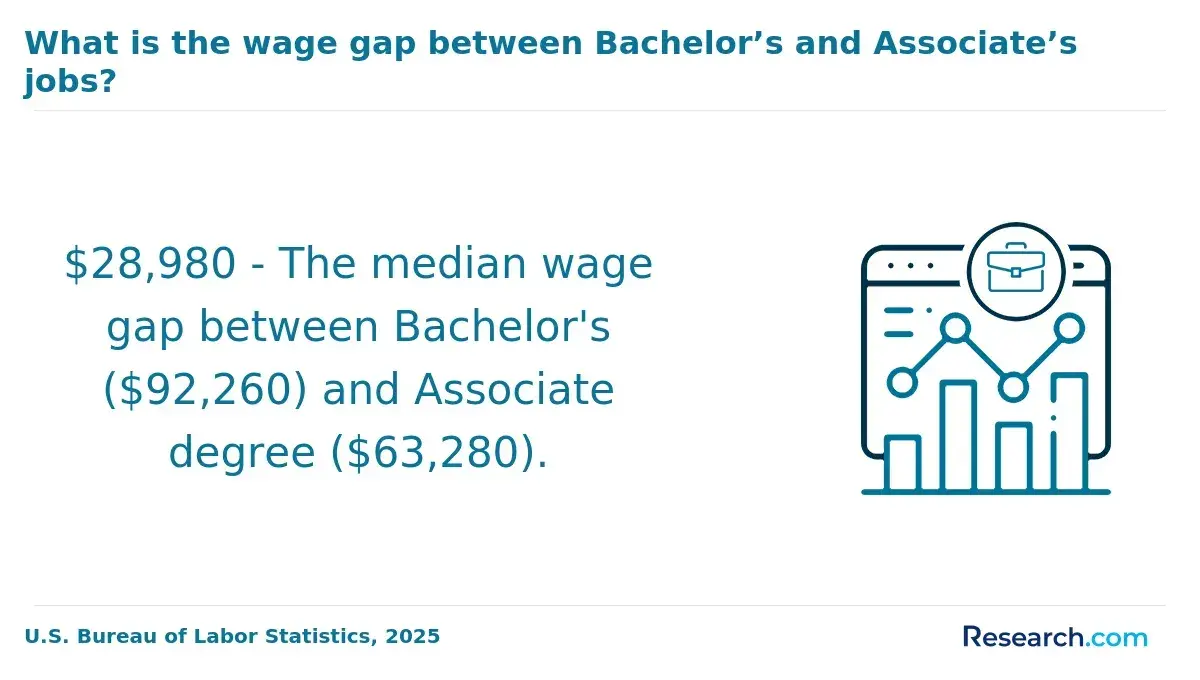
What Is the Average Monthly Student Loan Payment for Elementary Education Graduates?
Monthly student loan payments for elementary education graduates generally fall between $250 and $350, based on recent 2024 data from the U.S. Department of Education and other authoritative sources. This payment range reflects typical borrowing levels, usually between $25,000 and $40,000, combined with repayment plans that often follow a standard 10-year timeline. However, these averages mask the variety of repayment scenarios that stem from differing interest rates, loan balances, and individual financial circumstances. Early-career teachers may see lower payments if they enroll in income-driven repayment plans, which adjust monthly obligations relative to earnings, sometimes reducing payments to as little as $150 to $200.
The differences in monthly payments arise chiefly from the interplay between total debt, chosen repayment strategies, and graduate income levels. Standard plans tend to have higher fixed payments due to shorter amortization periods, while income-driven options stretch repayment timelines and cap payments based on current salary, which for elementary education professionals averages around $45,000 but can vary considerably by region and employer. Interest accrued over time can increase the total cost, especially when payments remain low through income-driven approaches that slow principal reduction. Additionally, eligibility for loan forgiveness programs requires sustained qualifying employment and consistent payments, factors that also influence graduates' financial approaches and payment variability.
A graduate recalled carefully navigating the rolling admissions process of her elementary education program, initially hesitating to apply due to concerns about balancing work, family, and debt. She delayed submitting her application until she could fully assess financial aid options, worried that premature decisions might lock her into unfavorable loans or repayment timelines. The uncertainty stretched for weeks, but ultimately, she secured a manageable income-driven plan that aligned with her starting salary and gave her flexibility to remain employed in a public school district with loan forgiveness opportunities. This experience shaped her cautious, strategic approach to managing student debt repayment early on.
How Do Repayment Rates Compare Between Public and Private Institutions?
Graduates with elementary education degrees from public institutions tend to demonstrate stronger loan repayment performance within the initial years after graduation compared to their counterparts from private universities. Data from the U.S. Department of Education's 2024 College Scorecard reveals that approximately 55% of public university graduates reduce their loan principal within three years, whereas private institution graduates show lower repayment rates, around 45%. This gap reflects systemic differences in borrowing behavior and financial outcomes rather than mere institutional categorization. The Federal Reserve's recent student debt analysis further underscores that borrowers from private elementary education programs face heightened delinquency and default risks, signaling more acute repayment challenges in that sector.
Several structural factors drive these disparities in repayment rates. Public colleges typically feature lower tuition and fees, resulting in reduced average borrowing levels that lighten the repayment burden. Employment prospects and starting salaries for elementary education graduates also vary; private school graduates often encounter longer job searches or initial earnings that may not adequately match their debt loads. Differences in financial aid composition, including grant reliance and loan types, influence repayment dynamics as well, with private school borrowers sometimes facing higher interest accumulations or less favorable loan terms. Institutional prestige and network effects play nuanced roles, but the core economic realities of income-to-debt balance remain paramount in shaping repayment outcomes.
The heightened repayment stress observed among private institution graduates holds broader implications for financial mobility and program evaluation. Persistent difficulty meeting monthly obligations can exacerbate long-term vulnerability, reducing graduates' ability to accumulate wealth or reinvest in professional growth. These repayment patterns increasingly inform how stakeholders assess program value and institutional accountability within elementary education pathways, emphasizing the importance of transparent cost-benefit analysis for prospective students weighing public versus private options.
Do Online Elementary Education Graduates Have Different Repayment Outcomes Than Campus-Based Students?
Graduates from public institutions tend to exhibit higher student loan repayment rates challenges compared to those from private nonprofit schools, as reflected in the U.S. Department of Education's 2024 Student Loan Portfolio report, which shows a three-year cohort default rate near 11.4% for public versus about 7.8% for private institutions. These figures are a crucial part of understanding online elementary education graduate repayment rates, where private schools often report steadier repayment momentum. This disparity is not simply a matter of institutional classification but signals deeper differences in borrower profiles, repayment behaviors, and the structural environment influencing debt management success over time.
The divergent repayment outcomes relate closely to factors such as tuition costs, average borrowing levels, and post-graduation earnings. Public elementary education programs typically have lower sticker prices but may lead students to borrow more relative to their median income, especially given varied financial aid allocations and demographic differences. Conversely, private nonprofit schools often offer more substantial aid packages or attract students able to leverage stronger alumni networks, fostering better initial job placements and income stability. This interplay affects debt-to-income ratios that strongly shape repayment performance, highlighting how the interplay of institutional prestige, cost, and labor market access drives long-term borrower outcomes.
Understanding these repayment dynamics is critical because they influence broader financial well-being and perceptions of program value among graduates. Extended repayment stress can restrict economic mobility and limit relatable measures of institutional accountability in elementary education. For those comparing borrowing choices, including between campus-based vs online elementary education student debt, it is vital to weigh these long-term impacts realistically. Students looking for informed guidance on navigating debt burdens might also explore resources such as the best DNP programs online, which provide insights into program quality and debt management strategies across fields related to education and healthcare.
Which Industries Provide the Best Financial Return Relative to Borrowing Costs?
Financial returns for elementary education graduates vary notably across industries, shaped not just by initial salaries but by ongoing earning potential relative to typical student debt loads. The true return on investment (ROI) balances income growth trajectories against borrowing burdens, factoring in career advancement speed and sector-specific hiring stability. Effective ROI also depends on the interplay of regional wage variation, loan repayment protections, and the availability of benefits that influence long-term financial resilience.
- Public K-12 Education: This sector offers steady employment with moderate starting salaries generally between $40,000 and $46,000 depending on location. Despite somewhat limited initial pay, job security, comprehensive benefits, and widespread access to federal income-driven repayment and loan forgiveness programs enhance its financial sustainability. For many, these protections reduce default risk and improve net income relative to debt.
- Educational Technology and Curriculum Development: Typically featuring starting salaries up to 20% higher than public school positions, these private sector roles provide quicker income growth potential. However, such jobs often lack robust loan repayment benefits and experience greater volatility in funding and job security, which can increase financial risk despite higher nominal earnings.
- Well-Funded School Districts and Urban Areas: Graduates employed in districts with strong financial resources often reach salaries above $50,000, considerably improving debt-to-income ratios. This environment supports faster repayment capacity and can mitigate borrowing stress, reflecting pronounced geographic disparities in financial outcomes.
- Nonprofit Education and Community Organizations: While pay tends to be lower and more variable in this sector, some programs offer loan assistance or deferred repayment options. Career advancement can be slower, and hiring demand fluctuates, resulting in moderate financial return that requires careful personal cost-benefit assessment.
- Private Tutoring and Educational Consulting: These roles provide higher hourly rates and flexible career pathways but often depend on entrepreneurial skills and inconsistent demand. Initial debt burdens may be harder to offset quickly due to income variability and lack of institutional loan repayment support.
According to data from the U.S. Department of Education and the National Center for Education Statistics (2024), median borrowing for elementary education graduates ranges from $30,000 to $35,000, underscoring the importance of selecting employment sectors where salary growth and employment stability align effectively with loan repayment demands.
Does Student Debt Affect Which Jobs Elementary Education Graduates Accept?
Graduates entering the elementary education workforce often find their initial job decisions heavily influenced by the magnitude of their student loan debt relative to expected earnings. When repayment obligations consume a significant portion of anticipated income, candidates tend to prioritize positions offering higher immediate salaries or additional financial incentives, such as signing bonuses or loan forgiveness eligibility, over roles that might align better with their teaching philosophy or preferred environments. According to a 2024 report from the National Center for Education Statistics, nearly half of surveyed elementary education graduates reported selecting jobs primarily based on compensation factors tied to loan repayment pressures rather than school demographics or instructional settings. This dynamic narrows the range of feasible employment options for many, effectively pushing some away from underfunded or rural districts where pay scales and benefits may not support timely debt reduction.
Beyond salary, differences between graduates with varying debt burdens shape broader employment and mobility patterns. Those carrying lower student debt often exercise more latitude in choosing schools based on professional interest or community fit, while high-debt graduates may confront geographic constraints, limiting their ability to relocate for specialized or lower-paid roles. Additionally, the need to maintain financial stability often leads some to defer obtaining advanced certifications or pursuing leadership pathways that require upfront investment or temporary income reduction. This interaction of financial pressure and career planning creates a feedback loop impacting workforce distribution, with economically disadvantaged schools frequently left understaffed. The variation in loan exposure also explains why public service loan forgiveness programs and districts offering targeted financial incentives attract a disproportionate share of new elementary educators under repayment stress.
One graduate recalled applying early to several local public school districts while awaiting additional offers from private schools with higher pay. Concerned about looming loan payments and uncertain admission timelines during a rolling application cycle, she prioritized accepting a position with a modest signing bonus at a district participating in federal loan forgiveness. This choice, made under time pressure and debt-related urgency, delayed her ability to explore roles better matching her teaching style but provided critical financial breathing room in her first post-graduate year.
What Factors Increase Student Loan Repayment Risk for Elementary Education Graduates?
Student loan repayment risk for elementary education graduates arises from a complex interplay of financial burdens and post-graduation income stability rather than a single factor. Borrowing levels, income growth potential, and job market conditions all critically influence the ability to meet repayment obligations. Understanding these overlapping dynamics is essential for assessing the long-term financial viability of elementary education degree programs, especially given how program format and institutional cost differences impact overall repayment challenges.
- High Borrowing Relative to Expected Earnings: Many elementary education graduates take on substantial debt-often $30,000 or more-while the average starting salary hovers near $48,000 annually. This disproportionate borrowing-to-income ratio compresses discretionary income, making timely loan payments difficult without additional financial support or income-driven repayment plans.
- Limited Income Growth Trajectories: Salary scales in elementary education tend to be compressed and slow to increase, restricting upward mobility and the ability to accelerate loan repayment. This limited wage growth exacerbates financial strain over time, particularly for those with higher interest loans.
- Delays in Employment or Underemployment: Post-graduation employment gaps, part-time roles, or substitute teaching assignments delay stable income streams necessary for consistent student loan repayment. These interruptions often widen repayment windows and increase default risk amid fixed loan terms and interest accrual.
- Geographic and Demographic Wage Disparities: Earnings vary significantly by state and district, with some regions offering notably lower wages. Graduates relocating to lower-paying areas may face elevated repayment challenges due to local economic conditions and cost-of-living factors.
These structural conditions contribute to approximately 18% of elementary education graduates being at increased risk of delinquency or default within five years, according to recent federal student aid analysis. For students exploring alternatives or seeking flexibility, program format notably affects elementary education loan repayment challenges. For example, some may consider more accelerated or hybrid pathways, similar to the fastest RN to BSN program online formats in healthcare education, as models of reducing time-to-degree and associated debt burden.
How Can Elementary Education Students Reduce Student Loan Debt While Earning Their Degree?
Reducing student loan debt while earning an elementary education degree requires deliberate planning and strategic decision-making. This process involves aligning financial awareness with academic efficiency and leveraging all institutional and external resources available. Such a multifaceted approach helps students avoid excess borrowing by minimizing costs at key stages throughout their degree program. Effective debt reduction stems from understanding where real savings can be achieved without compromising timely degree completion or professional readiness.
- Choose Cost-Effective Institutions Wisely. Starting at an in-state public university or community college can markedly reduce tuition expenses. Many students lower their borrowing by an average of 30% by beginning coursework at community colleges before transferring. Selecting schools with tuition freezes or robust financial aid packages further curbs debt accumulation by stabilizing costs over time.
- Maximize Available Federal Grants and Scholarships. Targeted aid programs such as TEACH Grants and state scholarships aimed specifically at education majors provide critical non-repayable funding. Pursuing these can substantially reduce loan dependence, assuming recipients meet service obligations. Applying early and maintaining eligibility ensures timely access to these funds.
- Pursue Relevant Part-Time Employment. Engaging in work-study or part-time roles related to education offers income supplementation and valuable field experience. While balancing work hours with academic demands is essential to avoid delaying graduation, this strategy offsets living expenses and reduces the need for additional loans.
- Minimize Living Expenses Strategically. Curtailing housing and daily costs plays a pivotal role in lowering overall debt, as private loans with higher interest rates often fill gaps when federal aid is insufficient. Students who actively reduce living expenses and borrow only through federal channels tend to have 15-25% lower loan balances at graduation, according to the Institute for College Access & Success (2024).
- Plan Academic Progress Efficiently. Completing required coursework and certification benchmarks on schedule prevents extra semesters of tuition and fees, which can accumulate unnoticed. By consulting advisors and mapping out a clear degree path early, students prevent unnecessary borrowing triggered by delayed progression.
- Leverage Institutional Advising and Resources. Universities often provide financial literacy programs and personalized aid counseling that reveal less obvious funding sources and cost-saving measures. Taking advantage of these resources informs better borrowing decisions and helps avoid costly mistakes in financial planning.
These strategies exemplify how elementary education students can minimize student loan debt by integrating academic planning with financial behavior. Incorporating these approaches during the degree journey aligns with realistic workforce demands and borrowing limits, ultimately protecting long-term financial wellbeing. For students seeking broader program affordability comparisons, exploring options like an online master's in forensic psychology can also provide perspective on cost-benefit tradeoffs across education fields.
How Should Prospective Students Evaluate Borrowing Risk Before Enrolling?
Assessing borrowing risk before enrolling in an elementary education degree program is critical for understanding long-term financial consequences. Borrowing risk involves weighing total anticipated debt against realistic earnings potential after graduation. Prospective students must analyze these factors carefully to avoid excessive debt burdens that are difficult to manage on typical elementary teacher salaries.
Key considerations for evaluating borrowing risk include:
- Projected Starting Salary: Comparing median salaries-reported at about $62,000 annually by the National Center for Education Statistics (2024)-to expected debt helps determine if loan repayment is feasible without financial strain.
- Total Debt Load: Estimating all borrowing necessary for tuition, fees, and living expenses clarifies the magnitude of repayment obligations and potential monthly payments.
- Repayment Plan Options: Understanding federal repayment plans, including income-driven repayment availability, can mitigate risk by aligning payments with actual income levels.
- Loan Interest Accumulation: Factoring in how interest accrues during study and deferment periods highlights the eventual growth of debt beyond initial amounts borrowed.
- Program Completion and Default Rates: Higher default or attrition rates can signal financial challenges for graduates, indicating programs with increased risk exposure.
- Regional Job Market Demand: Evaluating local demand for elementary teachers aids in forecasting employment stability and timely loan repayment capacity.
According to the Institute for College Access & Success (2024), around 40% of education graduates borrow over $30,000, often incurring monthly payments exceeding 10% of starting income, underscoring the necessity of thorough debt risk evaluation before enrollment.
References
- Federal Loans vs. Private Loans - Student Loan Borrowers Assistance https://studentloanborrowerassistance.org/for-borrowers/basics-of-student-loans/federal-loans-vs-private-loans/
- How Much Student Loan Debt Is Too Much? https://www.savingforcollege.com/article/how-much-student-loan-debt-is-too-much
- Student Loans - Federal vs. Private: What's the Difference? https://www.sesloc.org/student-loans-federal-vs-private-whats-the-difference/
- Student Loan Guide https://www.salliemae.com/student-loan-guide/
- 10 Tips For Avoiding Student Loan Debt https://www.portefinance.com/blog/10-tips-for-avoiding-student-loan-debt/
- Borrowers Discuss the Challenges of Student Loan Repayment https://www.pew.org/en/research-and-analysis/reports/2020/05/borrowers-discuss-the-challenges-of-student-loan-repayment
- Student Loan Burdens Among Teachers https://learningpolicyinstitute.org/product/student-loans-among-teachers-factsheet
- Five things to consider before prioritizing your kids college ahead of your finances https://www.commercebank.com/personal/ideas-and-tips/2024/five-things-to-consider-before-prioritizing-your-kids-college-ahead-of-your-finances
- Student Loan Repayment 101: What Happens Now https://www.okwu.edu/admissions/financial-aid/student-loans/
- 10 Key Facts about Student Debt in the United States https://www.pgpf.org/article/10-key-facts-about-student-debt-in-the-united-states/
Other Things You Should Know About Elementary Education
The length and structure of elementary education programs significantly impact total borrowing because longer programs increase tuition and living costs, which directly raise debt levels. Additionally, certification requirements vary by state, sometimes necessitating extra coursework or testing that can delay entry into the workforce and income generation. Students should prioritize programs with clear, efficient certification pathways aligned with their target state to minimize prolonged borrowing and reduce repayment risk from delayed earnings.
Starting salaries for elementary education graduates are often modest, and wage growth can be slow or capped by district budgets and union contracts. This means monthly payments based on initial salary estimates may already be near the upper limit of affordability. Graduates should factor in the limited salary progression in their region and consider income-driven repayment plans or conservative borrowing to avoid payments that become a financial strain as the salary growth lags behind expected debt amortization.
Elementary education often involves substantial out-of-classroom responsibilities such as lesson planning, grading, and extracurricular supervision, which do not necessarily translate into extra income. This workload can restrict opportunities for side jobs or additional income streams that might ease loan repayment. Choosing programs that provide realistic workload previews and connecting with current teachers can help borrowers anticipate how their time commitments may constrain their repayment flexibility.
Yes, especially since employment opportunities and salary levels in elementary education tend to be more standardized across institutions. High-cost or highly prestigious programs often do not yield proportionally higher earnings in this field. Allocating borrowing to lower-cost, accredited programs that meet licensing needs can reduce financial pressure without undermining employability, making debt more manageable and lowering the likelihood of repayment difficulties.