2027 Elementary Education Degree Completion Time Report: How Long Students Actually Take to Graduate

Co-Founder and Chief Data Scientist
Students pursuing an elementary education degree often face varying timelines shaped by more than course requirements. Work obligations, family responsibilities, part-time enrollment, and transfer credits all significantly influence how quickly a degree is completed. According to the National Center for Education Statistics, about 44% of undergraduates attend part-time, extending degree durations beyond traditional expectations.
Moreover, clinical or student-teaching placements common in elementary education programs can delay progression due to scheduling conflicts. Understanding these factors helps clarify why completion times differ considerably. This analysis offers insight into realistic graduation patterns and the nuanced challenges students encounter while earning their elementary education degrees.
Key Things You Should Know About Elementary Education Degree Completion Time
- Most elementary education degree programs take four to six years to complete. Full-time students often graduate in about four years, while part-time enrollment, student teaching requirements, and work or family responsibilities can extend completion to five or six years.
- Graduation speed depends on both program structure and personal circumstances. Enrollment status, transfer credits, practicum or student teaching requirements, licensure requirements, course sequencing, and online versus campus-based study all influence how quickly students complete their degree.
- Graduating faster isn't always the best path to career success. Although accelerated and online programs may shorten completion time, employers generally place greater value on classroom experience, teaching competencies, licensure readiness, and professional preparation than on how quickly a degree was earned.
- What Is the Average Graduation Time for Elementary Education Students? Average Graduation Timeline
- What Factors Have the Biggest Impact on Graduation Speed? Graduation Timeline Factors
- How Does Full-Time Versus Part-Time Enrollment Affect Graduation Timelines? Full-Time vs. Part-Time Graduation Timeline
- Do Online Elementary Education Students Graduate Faster Than Campus-Based Students? Do Online Elementary Education Students Graduate Faster Than Campus-Based Students?
- How Many Months or Years Can Transfer Credits Save? How Many Months or Years Can Transfer Credits Save?
- Do Accelerated Elementary Education Programs Significantly Reduce Completion Time? Accelerated Program Timeline
- Which Elementary Education Program Requirements Most Often Extend Graduation Timelines? Factors Extending Graduation Timeline
- Does Taking Longer to Graduate Increase the Cost of a Elementary Education Degree? Impact on Program Cost
- Does Graduating Faster Improve Career Prospects? Impact on Career Prospects
- Which Scheduling Mistakes Commonly Delay Graduation? Mistakes to Avoid
What Is the Average Graduation Time for Elementary Education Students?
The typical timeframe to graduate with an elementary education degree is often cited as four years for students enrolled full-time in traditional bachelor's programs. However, this straightforward timeline does not account for the diverse enrollment patterns and personal responsibilities that many aspiring teachers navigate. Part-time students, working adults, and transfer candidates frequently extend their studies beyond four years, with many programs reporting completion periods ranging up to six years or longer. Variations in course load, institutional policies, and program delivery-such as online versus on-campus formats-play significant roles in determining how long it takes to complete an elementary education degree.
Several factors contribute to these deviations from the standard completion time. The practicum or student teaching segment, a mandatory component of most elementary education programs, often adds complexity to scheduling and lengthens time to degree, especially when students juggle placements with external obligations. Transfer credits may not always align seamlessly with program requirements, leading to additional coursework and delays. Moreover, some institutions offer accelerated or cohort-based programs while others maintain flexible, self-paced tracks, creating tangible differences in graduation timelines. The median time to degree for education majors now frequently exceeds four years, reflecting these structural and individual challenges. Those seeking faster completion may compare these factors with the availability of fast medical assistant programs in other fields as a contrast in program length and intensity.
Extended timelines carry implications beyond academics, influencing when students enter the workforce and begin generating income. Longer programs can defer salary prospects but may offer financial benefits by allowing students to maintain employment alongside their studies, mitigating debt accumulation. Employers generally expect degree completion within a reasonable window; however, practical experience acquired during lengthier studies can add value in hiring decisions. Awareness of these tradeoffs is essential for prospective and current elementary education students to align their academic plans with career goals, financial realities, and personal circumstances, ensuring realistic expectations about their educational journey.
What Factors Have the Biggest Impact on Graduation Speed?
Graduation speed in elementary education degree programs is shaped by a complex mix of academic planning, institutional structures, and personal circumstances rather than a single defining factor. How students navigate course loads, enrollment status, and program formats fundamentally affects their timeline to graduation. Awareness of these interconnected influences enables prospective and current students to form realistic expectations and choose pathways that align with their external obligations and academic goals.
- Enrollment Status and Course Load: Full-time enrollment significantly accelerates graduation timelines because it allows students to complete required credits more quickly. Part-time students, often balancing work or family, face longer paths; National Center for Education Statistics data indicates only about 45% of part-time education majors graduate within six years compared to nearly 70% of full-time peers.
- Program Structure and Sequential Requirements: Elementary education degrees frequently require sequential course completion tied to practicum and student-teaching placements, which limit flexibility. This sequencing means students cannot easily rearrange or condense coursework, extending time if schedules or local opportunities for practicum are constrained.
- Credit Transfer and Articulation Policies: Students entering with prior college credits can expedite their degree, but inconsistent acceptance of transfer credits can cause significant delays. Navigating articulation agreements requires institutional clarity; otherwise, students may retake courses or fill unexpected gaps, prolonging degree completion.
- Financial Stability and Resource Access: Economic factors strongly influence enrollment intensity and continuous progress. Those facing financial strain often enroll part-time or interrupt semesters to manage costs, resulting in longer graduation timelines. The Education Policy Institute reports that nearly 30% of education students cite financial hardship as a delay factor.
- Academic Preparedness and Support Services: Students equipped with strong foundational skills and ongoing support such as advising and tutoring tend to progress faster by avoiding course failures or withdrawals. Inadequate academic resources can lengthen time to degree by forcing repeated coursework or slower pace adaptations.
- Program Delivery Format and Flexibility: Programs offering evening, weekend, or online classes provide vital scheduling flexibility, especially for working adults balancing external commitments. Such adaptable formats reduce interruptions and help maintain momentum, which can otherwise be hindered by rigid on-campus schedules.
Enrollment status and program delivery significantly influence graduation speed for elementary education master's degree students. For example, choosing a program with flexible course offerings and understanding transfer policies upfront can mitigate common delays embedded in traditional program designs. Awareness of these dynamics also frames realistic expectations, helping students balance demands while moving steadily toward credential completion.
While these academic and structural factors dominate graduation speed outcomes, external professional considerations also matter. Students weighing education degrees alongside other career options might find benefit in reviewing related fields. A clear instance is the growing demand across healthcare systems, as seen with medical billing and coding salary trends, which provide an alternate pathway demonstrating how varying factors drive timely credential attainment in different sectors.
How Does Full-Time Versus Part-Time Enrollment Affect Graduation Timelines?
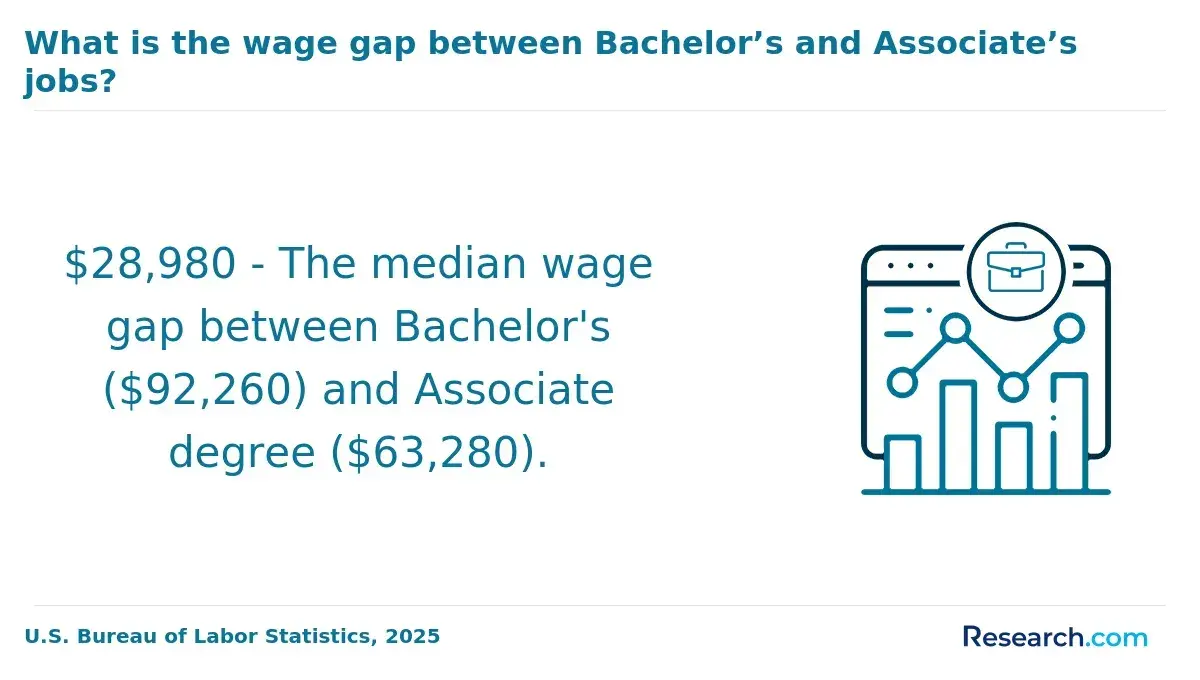
Graduation timelines for elementary education degrees vary significantly between full-time and part-time students, with enrollment status serving as a primary determinant of completion speed. Full-time students typically complete their degrees within four to five years, supported by taking 12 to 15 credits per term, which allows for steady progress through required coursework and essential clinical placements. In contrast, part-time students often experience extended timelines, frequently exceeding six years, due to lighter course loads and interruptions that slow credit accumulation and access to prerequisite courses. Recent figures from the National Center for Education Statistics in 2024 confirm this gap as a consistent pattern across many institutions.
The structural design of elementary education programs interacts closely with student circumstances to influence these durations. Full-time enrollment aligns with traditional academic calendars and sequenced courses, facilitating timely completion of practicum and student teaching components critical to licensure. Conversely, part-time students-often balancing employment, family, or other commitments-face challenges enrolling in tightly coordinated course sequences, sometimes encountering delays when courses are unavailable outside regular terms. Limited institutional flexibility and the need to pause or reduce credit loads can further prolong these pathways, highlighting how program delivery format and personal life factors collectively shape progression.
Enrollment choices carry long-term consequences beyond the time it takes to graduate. Committing to full-time study requires upfront financial and time investments but generally translates into earlier entry into the education workforce and potentially faster student loan repayment. Part-time paths offer needed adaptability but may delay earnings and complicate financial planning. Employers in elementary education frequently prioritize degree completion speed as a marker of readiness, making the pace of academic progress a practical consideration for students weighing how enrollment decisions influence both educational outcomes and career timing. Prospective students looking into shorter pathways may also consider accelerated online degrees.
Do Online Elementary Education Students Graduate Faster Than Campus-Based Students?
It is often assumed that students pursuing an elementary education degree online complete their programs faster than those enrolled on campus, and some data support this trend. For example, recent findings from the National Center for Education Statistics (NCES) in 2024 indicate that online elementary education students graduate on average in about 3.5 years, slightly quicker than the roughly four years typical for campus-based learners. However, these averages mask considerable variation tied to individual circumstances and program structures. Faster completion is not guaranteed, as the effectiveness of either pathway depends heavily on the interplay between course design, student commitment, and scheduling constraints.
The primary drivers behind graduation timelines are flexibility and pacing options built into the academic format. Online programs frequently allow learners to balance coursework with work and family by offering asynchronous classes and the ability to accelerate through credits, which particularly benefits transfer students who can apply prior learning more easily. Conversely, campus-based programs often adhere to fixed semester calendars and more rigid course sequences, which can extend time to degree for part-time students or those juggling outside responsibilities. Yet, completion speed also hinges on factors like internship timing, fieldwork requirements, and the availability of key courses-elements that are not inherently faster online. The need for strong self-discipline to navigate less structured environments means some online students may face delays if time management is challenging.
Choosing between online and campus modalities impacts more than just the clock to graduation-it shapes students' routines and readiness for workforce entry. Online learners must often cultivate independence and proactive planning skills, while campus students may benefit from more direct academic support and cohort-driven motivation, potentially influencing persistence and eventual employment timelines. Understanding these tradeoffs is critical for making informed choices about the educational pathway that aligns realistically with one's life demands and career objectives.
One recent graduate recalled grappling with application timing during rolling admissions for an online elementary education program. She hesitated submitting early as she was uncertain about managing her full-time job in the coming months. After deciding to apply closer to the deadline, she felt a surge of urgency to secure a spot and arrange her schedule immediately upon acceptance. The process underscored how balancing external commitments and admission timing can influence how soon a student can realistically begin and progress through the program, regardless of delivery format.
How Many Months or Years Can Transfer Credits Save?
Transfer credits can materially influence how long it takes to finish an elementary education degree, but the exact months or years saved depend heavily on individual circumstances. Generally, students transferring substantial foundational coursework can reduce degree time by anywhere from several months up to over a year, provided those credits align well with the intended program's curriculum. Research in 2024 indicates that such transfer credit impact on elementary education degree completion time often hinges on the volume of credits accepted and their relevance to degree requirements. This variability underscores why simple time-saving estimates rarely apply universally across students.
The actual utility of transfer credits rests on several critical factors, including accreditation compatibility between institutions, course equivalency policies, and residency requirements stipulated by the degree-granting college. Many schools limit the maximum number of transferable credits or require that a certain percentage of coursework be completed in-house, which constrains potential time savings. Additionally, the alignment of transferred classes with state certification mandates and specific pedagogical requirements can necessitate repeating or supplementing courses, thereby extending rather than shortening completion time. Institutional credit evaluation processes also introduce administrative delays that may impact academic progression. These combined factors explain why months saved with transfer credits in elementary education programs vary widely and require careful academic planning.
Beyond timeline considerations, transfer credits influence broader academic outcomes such as course sequencing, financial costs, and access to required practical training. Students frequently must arrange remaining coursework in ways that satisfy licensure prerequisites and employer expectations, sometimes leading to extended enrollment despite earned credits. For working adults balancing employment and study, these complexities heighten the importance of realistic credit transfer expectations and strategic advising. Prospective students may also explore alternative degree pathways, including specialized options that integrate credit transfers efficiently, such as the growing availability of an ASN program online, which illustrates how structured transfer policies can support accelerated completion in practice-oriented fields.
Do Accelerated Elementary Education Programs Significantly Reduce Completion Time?
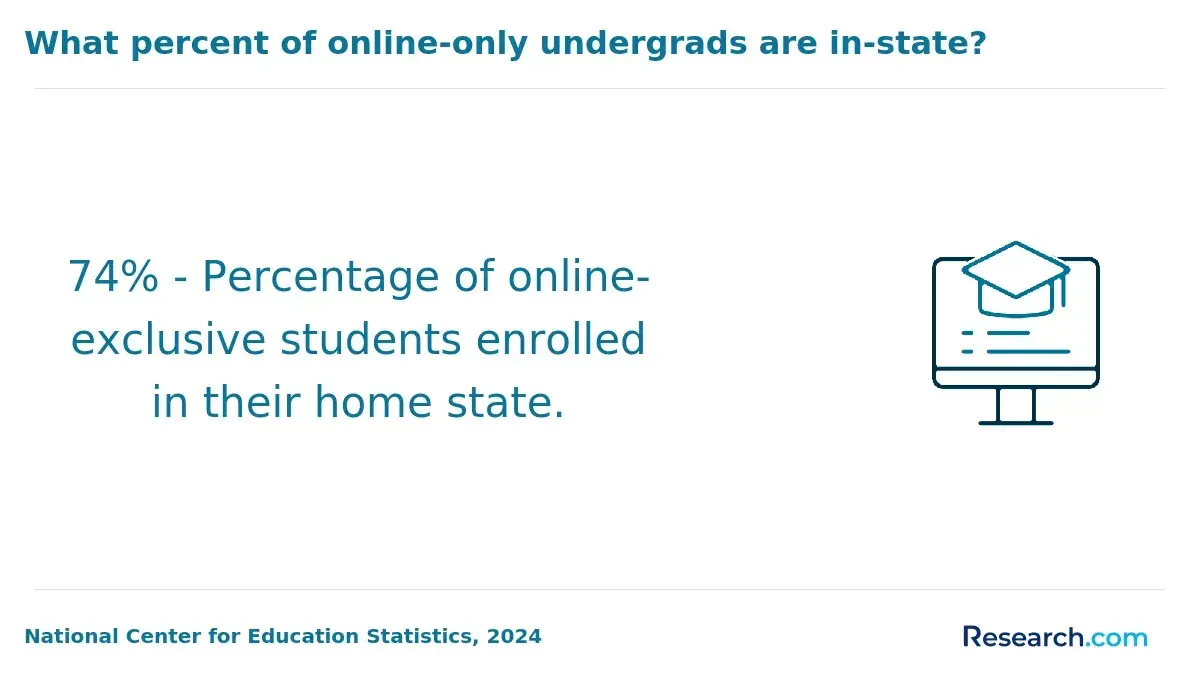
Accelerated elementary education programs aim to reduce the typical degree timeline by increasing the number of credits taken each term and compressing coursework into a shorter calendar period. These programs generally intend to allow students to complete bachelor's or master's degrees faster than traditional schedules by eliminating breaks and overlapping semesters. Structural designs often focus on continuous enrollment with fewer downtime periods, theoretically enabling degree completion in roughly three years or less compared to the usual four-to-five-year timeframe.
Whether accelerated programs truly shorten completion time depends heavily on several academic and logistical variables. The intensity of course loads can be a double-edged sword; while taking more credits each term can speed progression, it risks overwhelming students and potentially delaying graduation if repeated courses or withdrawals occur. Sequential course prerequisites and essential practical components, such as internships or student teaching, often remain fixed in duration, limiting flexibility despite faster curricular pacing. Additionally, institutional policies regarding credit transfer and scheduling windows can curtail the actual time savings, resulting in compressed coursework but a relatively unchanged overall timeline.
The trade-offs of accelerated pacing extend beyond calendar length to affect student experience and learning depth. Condensed terms can reduce opportunities for reflection, in-depth skill development, and engagement with hands-on practicum placements, all crucial for elementary education preparation. The intense workload can amplify stress and restrict part-time work or family commitments, impacting retention and readiness. Ultimately, accelerated formats offer meaningful time reductions primarily when institutional designs align workload distribution, prerequisite sequencing, and experiential requirements without compromising comprehensive training.
One graduate recalled weighing admission timing carefully during the rolling application process for an accelerated elementary education master's. Uncertain if early acceptance would allow enough time to secure affordable childcare, she hesitated to commit immediately. When admitted mid-cycle, she quickly adjusted plans but recognized the unpredictability of start dates introduced tight windows to navigate personal logistics. This experience highlighted how admissions timing and preparatory constraints can affect perceived program speed beyond the published curriculum length.
Which Elementary Education Program Requirements Most Often Extend Graduation Timelines?
Graduation timelines in elementary education programs are often extended not simply due to total credit requirements but because of specific embedded curriculum components. These requirements ensure comprehensive professional preparation, yet their design frequently imposes rigid sequencing and scheduling limitations that slow student progress. Consequently, factors like practicum scheduling, layered course prerequisites, and licensure mandates collectively influence how quickly a student can complete the degree.
- Extended Practicum Hours: Most programs mandate 450 to 600 hours of supervised teaching in real classrooms, reflecting state licensure standards. These placements often require fixed time commitments that cannot be compressed or substituted, forcing students to adjust other coursework or personal obligations, which commonly leads to delayed graduation.
- Sequential Coursework and Prerequisites: Curricula in pedagogy, child development, and curriculum design are frequently structured with layered prerequisites, limiting flexibility in course order. This sequential design means students cannot accelerate progress without completing foundational classes first, creating bottlenecks especially if courses are only offered once per academic year.
- Certification Exams Preparation: Passing state licensure exams in areas such as reading instruction and classroom management is mandatory before graduation. The need for dedicated study time beyond standard coursework slows progression, particularly where re-examination policies or limited testing windows exist.
- Comprehensive Portfolio Requirements: Assembling a teaching portfolio that documents practical competencies and student outcomes demands significant time investment. This experiential and reflective component is often scheduled late in programs, adding final-stage workload that can extend time to degree.
- Limited Transfer Credit Acceptance: Transfer students face challenges as many institutions restrict or disallow transfer of practicum and specialized courses, necessitating retaking these demanding requirements. This institutional policy directly impacts time-to-degree by replicating work already completed elsewhere.
- Balancing External Responsibilities: Working adults and those with family commitments often progress more slowly, as the intensive fieldwork and academic demands require substantial time and flexibility. This real-world constraint interacts with program rigidity, frequently stretching completion beyond four years.
According to 2024 data from the National Center for Education Statistics, more than 60% of elementary education students extend their studies by one to two semesters. This reflects how the interplay of practicum logistics, exam preparation, and institutional policies shape extended graduation timelines more decisively than credit totals alone.
Does Taking Longer to Graduate Increase the Cost of a Elementary Education Degree?
Extended timelines to graduate with an elementary education degree often result in increased total tuition and associated costs, particularly at institutions charging by term rather than per credit. When students exceed the typical four-year period, they frequently face additional semesters or courses, each incurring standard tuition fees, campus services fees, and student activity fees. This escalation compounds because financial aid eligibility-especially need-based grants or subsidized loans-is often limited to a set timeframe, meaning those who take longer may lose access to some forms of aid. The elementary education degree total cost by graduation time thus rises not only due to direct fees but also through related expenses such as housing, textbooks, and certification exam fees required for program completion. A 2024 report from the National Center for Education Statistics highlights that students exceeding six years can see educational costs approximately 20% higher, a burden magnified by practicum and retake requirements common in teaching programs.
However, higher costs linked to prolonged completion are not universal and depend strongly on tuition models, enrollment decisions, and institutional policies. Some programs use flat-rate tuition per term regardless of course load, reducing cost incentives tied strictly to pacing. Working adults or part-time students often pay per credit or via employer tuition reimbursement plans that mitigate financial penalties for extended timelines. Additionally, programs allowing flexible pacing without extra financial charges can enable students to balance external responsibilities without substantially increasing the financial impact. Nevertheless, course load adjustments and enrollment status shifts indirectly influence total cost accumulation since spreading credits over more terms prolongs exposure to fees and forfeits potential salary gains by delaying entry into full-time teaching roles. Considering these factors alongside the doctor of nursing practice salary data reflecting broader labor market trends underscores the need to evaluate the financial impact of extended graduation in elementary education programs carefully.
Does Graduating Faster Improve Career Prospects?
Graduating faster with an elementary education degree can allow students to enter the job market sooner, potentially reducing the time spent incurring tuition costs and student debt. However, the impact of quicker completion on initial job search positioning is often limited because employers rarely evaluate graduation speed in isolation. Instead, hiring managers in K-6 education prioritize certifications, classroom experience, and licensure, which signal readiness more clearly than time-to-degree. These factors often outweigh any advantage gained by an accelerated timeline, especially in a field where practical competencies are essential to employability.
Key determinants for whether faster graduation improves employment prospects include the depth of internship experience, quality of student teaching, and the strength of professional recommendations. Candidates who graduate quickly but lack substantial classroom practicum or a robust teaching portfolio may find their accelerated timeline offers little competitive edge. The broader labor market demand and networking opportunities gained during longer programs also play crucial roles in career advancement for elementary education graduates in the United States. In some cases, a well-paced program can provide richer skill mastery and critical connections valuable for long-term success.
It is important for students to weigh the trade-offs between completing their degree quickly and gaining experiential depth. Accelerated tracks may limit engagement in professional development workshops or internships that enhance job readiness, affecting long-term career trajectory. Given these dynamics, prospective educators should carefully evaluate how speed aligns with their individual circumstances and career goals rather than assuming faster graduation alone will improve teaching job opportunities. For those interested in related pathways, programs to become a drug counselor online similarly illustrate the importance of balancing completion time with practical experience.
Which Scheduling Mistakes Commonly Delay Graduation?
Graduation delays in elementary education programs often stem less from academic difficulty and more from avoidable scheduling and planning errors during enrollment and course selection. These issues affect students across certificate, associate, bachelor's, and higher degree levels, as well as those in part-time and transfer situations. Understanding common pitfalls related to course sequencing, credit alignment, and institutional offerings is crucial for maintaining consistent academic progress in these structured programs.
- Ignoring Course Prerequisites and Sequencing: Many students enroll in advanced courses before completing foundational prerequisites, forcing them to pause progress until required classes are available again. Elementary education curricula typically build sequentially, so missing a prerequisite disrupts the entire pathway and delays graduation timelines.
- Failing to Secure Required Courses Offered Infrequently: Key courses often run once per academic year or limited semesters. Overlooking this scheduling reality can result in missing essential classes and extending degree completion by a semester or more. This bottleneck is particularly common in programs with rigid practicum or student-teaching schedules.
- Enrolling Part-Time Without a Clear Graduation Plan: Balancing work and study leads many to reduce course loads, but part-time enrollment statistically lengthens time to degree by about 30% according to the 2024 National Center for Education Statistics report. Without strategic planning, part-time students face extended exposure to changing course offerings or prerequisite shifts.
- Not Verifying Transfer Credit Alignment Early: Transfer students frequently discover that previous credits do not fully apply, leading to retaking courses or added semesters. Early, accurate credit evaluation is essential to avoid redundant coursework and unexpected delays.
These enrollment strategy errors interact with institutional sequencing and credit policies to create systemic delays. Anticipating course availability, confirming prerequisite chains, and mapping out realistic enrollment plans can mitigate these common disruptions and support timely graduation.
Other Things You Should Know About Elementary Education
Student teaching is a mandatory, time-intensive component that often requires a full semester or more. Delays in securing placement, which depend on local school district availability, can extend graduation timelines beyond coursework completion. Students should prioritize early coordination with program advisors and local schools to minimize scheduling conflicts and avoid prolonging their path to licensure.
Licensure exams add a crucial milestone that can delay graduation if not passed on the first attempt. Programs typically require passing these exams before degree conferral, so students must allocate sufficient preparation time without overloading their final semesters. Prioritizing exam readiness early can prevent setbacks, but rushing through coursework to test sooner may reduce overall performance and extend time to degree.
Unlike some majors, elementary education requires specific course sequences and cumulative field experiences limiting flexibility. Overloading semesters to graduate faster risks burnout and quality of learning, while underloading can unnecessarily extend timelines. A strategic approach that balances steady progress with manageable course loads tends to produce better retention and professional readiness, ultimately supporting smoother entry into teaching.