2027 Elementary Education Degree Growth by State: Where Interest Is Rising the Fastest

Co-Founder and Chief Data Scientist
States experiencing rapid growth in elementary education degree enrollment often reflect complex economic and regulatory environments influencing workforce supply and demand. For instance, regions with increasing child populations and targeted funding for public schools see rising applicant pools, while states expanding online program access report surges driven by working adults balancing career shifts. The National Center for Education Statistics noted a 15% rise in online graduate enrollments in education fields in 2024, highlighting evolving learner preferences and institutional adaptation.
Understanding these localized trends provides vital insight for prospective students evaluating where their credentials will align with market needs and licensure pathways.
Key Things to Know About the State Where Elementary Education Degree Interest Is Rising the Fastest
- In Texas, regulatory shifts easing certification reciprocity boost degree demand but raise risks of inconsistent teaching standards, requiring graduates to navigate variable licensure requirements carefully.
- Florida's rising enrollment reflects workforce shortages intensified by demographic growth, pressuring employers to prioritize candidates with practical classroom experience, impacting hiring competitiveness.
- North Carolina's expansion in online elementary education programs lowers cost and timing barriers, attracting adult learners but potentially limiting hands-on training critical for early-career readiness.
- Which States Are Seeing the Fastest Growth in Elementary Education Degree Enrollment? States with Fastest Growth
- What Does Enrollment Growth in Elementary Education Programs Actually Tell Prospective Students? Interpreting Enrollment Growth
- How Do Regional Job Market Conditions Drive Elementary Education Degree Demand by State? Role of Regional Job Market Conditions
- Which States Have Added the Most New Elementary Education Degree Programs in the Last Five Years? States with New Programs
- How Has the Rise of Online Education Changed Which States Lead in Elementary Education Program Interest? Role of Online Education in Increased Program Interest
- What Demographic Trends Are Fueling Elementary Education Degree Growth in Specific States? Demographic Trends Fueling Growth
- How Do State Funding Levels for Elementary Education Services Influence Degree Program Growth? Role of State Funding Levels
- Which States Are Emerging as Unexpected Leaders in Elementary Education Degree Interest? Unexpected Leaders in Growth
- How Does State Population Size Affect the Interpretation of Elementary Education Degree Growth Data? Role of State Population Size
- What Role Do State Licensing Requirements Play in Driving or Suppressing Elementary Education Enrollment? Role of State Licensing Requirements
Which States Are Seeing the Fastest Growth in Elementary Education Degree Enrollment?
Enrollment growth in elementary education degree programs at both undergraduate and graduate levels is unevenly distributed across the United States, reflecting complex local dynamics rather than a uniform national pattern. States with the fastest gains often balance educational policy shifts, workforce demand, and demographic pressures, creating distinct opportunities and challenges for students and employers alike. For instance, a graduate program in a state like Montana may offer accelerated pathways combined with rural placement incentives, but graduates must weigh the tradeoff between immediate job openings and longer-term career flexibility when considering migration or certification portability.
- Montana: Strong state incentives targeting rural teacher shortages have catalyzed enrollment spikes, particularly in smaller institutions, yet the geographic and economic isolation of many rural districts means early-career educators face challenges like fewer professional development resources and narrower advancement routes.
- Florida: Florida's growth at the graduate level reflects a robust market for alternative certification programs that accommodate working adults shifting careers, but the saturated metropolitan school districts introduce heightened competition and diverse licensure requirements.
- Oregon: Expansion of online elementary education master's programs and policies emphasizing educator diversity position Oregon as a hub for flexible learning, though graduates must navigate retention issues tied to cost of living and localized demand fluctuations.
- Tennessee: Innovative earn-and-learn teacher preparation models fuel Tennessee's enrollment surge, providing students with valuable classroom experience early on; however, balancing instructional duties and coursework can extend time to degree completion.
- New Mexico: Enrollment growth here is largely driven by bilingual education needs aligned with the state's multicultural demographics, offering specialized employment avenues but also requiring language proficiency and cultural competence beyond standard licensure.
These states' enrollment momentum highlights the importance of analyzing not only where elementary education degree enrollment is growing fastest but also why this is occurring-whether through economic incentives, regulatory environments, or shifting population needs. Subsequent sections will explore these underlying drivers in depth, providing prospective students with a critical framework to evaluate how local labor market conditions and program structures impact employability and career trajectory. For those considering programs with specific operational models, such as the accelerated healthcare administration degree alternative for career changers, understanding regional growth patterns in elementary education can inform decisions grounded in real-world workforce realities rather than generic enrollment trends.
What Does Enrollment Growth in Elementary Education Programs Actually Tell Prospective Students?
Relying solely on enrollment growth as an indicator of program quality in elementary education can mislead prospective students about actual career prospects. Growth may signal increasing interest, but only when paired with outcomes does it reflect the true value and viability of that program within local job markets.
Raw enrollment increases reveal demand trends but mask key factors influencing graduate success. For example, a program in a state with rising enrollment but low licensure pass rates and poor job placement may leave graduates underprepared, contrasting sharply with a smaller program that maintains high standards and strong employer connections.
- Context: Enrollment spikes often reflect demographic shifts or policy changes, not necessarily academic rigor or labor market alignment.
- Retention and Graduation Rates: Programs with high drop-out or extended time-to-degree diminish the significance of enrollment figures as a positive marker.
- Job Placement Outcomes: Actual employment in education roles, especially in relevant geographic regions, distinguishes programs that translate growth into meaningful career paths.
- Licensure Pass Rates: High pass rates signal effective preparation and filter out those programs inflating enrollment through eased standards.
- Recruitment Versus Demand: Some programs grow through marketing and relaxed admissions, inflating numbers but risking diluted graduate quality and sector readiness.
- Critical Inquiry: Prospective students must combine enrollment data with direct feedback from current students and alumni to evaluate academic impact and workforce integration genuinely.
How Do Regional Job Market Conditions Drive Elementary Education Degree Demand by State?
Regional job market dynamics critically shape where demand for elementary education degrees grows, with state-specific hiring patterns and funding priorities directly influencing graduate enrollment trends. In regions where education budgets expand and public sector roles increase, teacher credentialing programs tend to see rising interest as school districts actively recruit to fill new or replaced positions. Conversely, states with stagnant or restrictive education funding may experience enrollment plateaus or declines, highlighting the essential link between workforce outlooks and academic pathways.
- California: Anticipated to have the highest increase in job openings for elementary educators, driven by persistent population growth and consistent investment in public education, which sustains school district expansions.
- Texas: Urban district growth supplemented by state-funded teacher retention incentives foster rising demand for credentialed elementary teachers, correlating with increased graduate program participation.
- Florida: Demographic shifts combined with expanding public workforce initiatives contribute to stable employment opportunities, reflected in higher credentialing across elementary education programs.
- New York: Growth in special education and bilingual instruction programs, along with intensified district hiring efforts, bolsters demand for qualified elementary education professionals.
- Washington: Driven by a booming tech sector and education equity funding, the state exhibits growth in K-12 employment, translating to stronger graduate enrollment in elementary education fields.
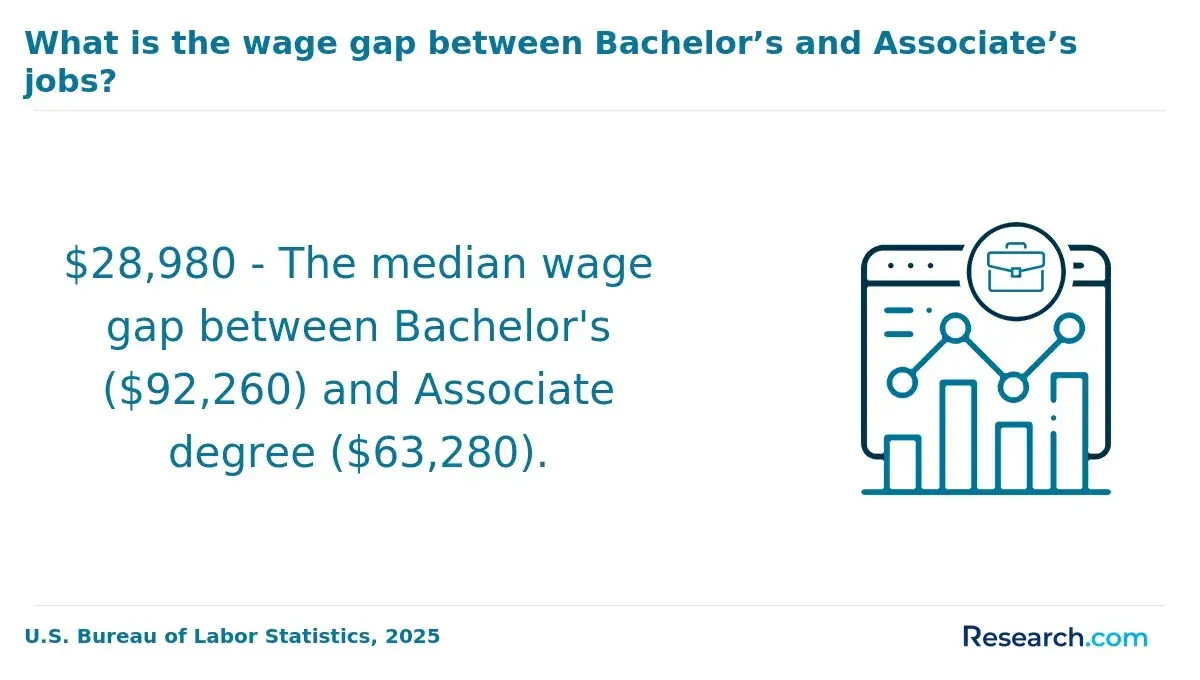
Prospective students benefit from consulting state labor department data and the Bureau of Labor Statistics occupational projections to grasp regional hiring trends before committing to graduate study. A vigorous job market not only improves practicum placement availability but also enhances graduates' negotiating power for competitive salaries and signing bonuses. In contrast, saturated markets can limit both practical training sites and starting compensation.
Examining state policies on public education investment and licensure requirements is pivotal. Some states' expanded incentives and workforce development initiatives create fertile conditions for employment, while others face hiring restrictions or budget shortfalls that curb job growth. These factors must weigh heavily in decisions about where to pursue an elementary education degree to ensure alignment with realistic career outcomes.
Lastly, those exploring related fields should also consider resources such as the medical coding job outlook to evaluate alternative or complementary career paths within expanding regional workforces.
Which States Have Added the Most New Elementary Education Degree Programs in the Last Five Years?
States expanding elementary education degree programs reflect differing workforce pressures and strategic institutional responses rather than uniform growth. Prospective students benefit from understanding how new program launches, online track additions, and enrollment expansions vary regionally, shaping program availability, financial aid competition, and specialization opportunities.
- Texas: Rapid population growth and persistent teacher shortages, particularly in diverse suburban districts, have compelled universities to both launch new programs and increase online options for working adults. State-funded teacher preparation grants incentivize this expansion, but candidates should weigh the relative novelty of some programs against more established curricula when assessing quality and licensure support.
- Florida: Competitive dynamics among institutions and streamlined accreditation emphasize program quality alongside quantity, leading to both new degrees and increased enrollment in existing tracks. For students, this means more pathways but also a need to scrutinize how effectively programs prepare teachers for Florida's regulatory environment and varied classroom contexts.
- North Carolina: Growth chiefly comes from augmenting existing programs with larger cohorts and flexible online formats, driven by workforce shortage classifications that unlock targeted funding. Those interested in serving rural or urban schools will find more tailored options here, but should consider whether available programs balance practical school partnerships with theoretical training.
- Arizona: The rise in newly launched programs often targets bilingual education and efforts to diversify the teacher pool, aligned with regional demographic trends and accreditation incentives tied to equity goals. Graduates entering high-needs districts might find this state's programs better positioned for certain licensure specializations but should remain alert to program maturity and faculty expertise.
- Ohio: Ohio's strategy mixes fresh program offerings with intensifying tuition competition, supported by robust financial aid for elementary education students. Specializations like STEM integration are growing, yet prospective students must navigate variability in institutional reputations and scholarship availability to optimize return on investment.
While expansion fosters more options-from traditional to hybrid and fully online degrees-it also introduces complexity in comparing curricula, clinical placements, and licensure pathways. States with extensive program growth can provide broader financial aid and niche concentrations, but candidates should conduct thorough cross-institutional comparisons within a state rather than defaulting to single choices based on availability alone.
A recent graduate recalled hesitating before accepting an admission offer from a fast-growing program with an online track in a state undergoing rapid expansion. The rolling admissions process meant uncertainty about seat availability and financial aid until late in the cycle. Strategically, the graduate balanced the risk of waiting for a potentially stronger established program against securing a spot in a newer but flexible offering that might accelerate entry into the workforce. This cautious weighing of timing, program maturity, and financial factors typifies the mindful decision-making needed amid shifting elementary education program landscapes.
How Has the Rise of Online Education Changed Which States Lead in Elementary Education Program Interest?
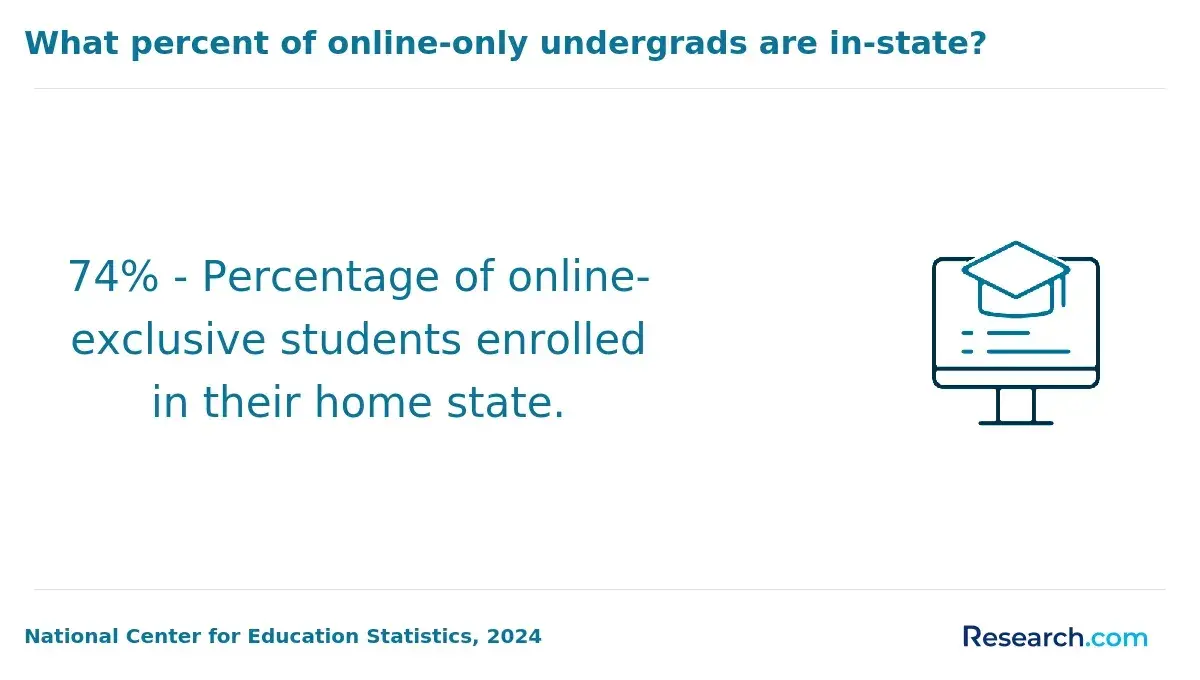
The expansion of fully online elementary education degree programs has dismantled the geographic limitations that once confined graduate enrollment to local or regional options. Previously, students had to choose programs within commuting distance or be willing to relocate, but online delivery has shifted that dynamic. States offering strong online programs with recognized reputations and competitive tuition are now attracting a substantial number of out-of-state students. This geographic detachment creates new opportunities but also demands careful consideration of how licensure requirements vary by state, affecting graduates' eligibility to teach beyond the program's home jurisdiction.
- Reputation: States with nationally respected online elementary education programs become magnets for distance learners, driven by program quality and employer recognition rather than location.
- Tuition Competitiveness: The ability to access affordable online programs in other states offers significant savings, influencing decisions especially for working adults balancing budgets and professional obligations.
- Accreditation and Licensure Navigation: Programs that simplify licensure pathways or offer multi-state licensure support appeal to students planning flexible career trajectories across state lines.
- Student Accessibility: Online availability overcomes physical barriers for career changers and geographically mobile students who would otherwise face relocation challenges.
- Regulatory Complexity: Despite broader access, state-specific licensure requirements remain a critical filter, requiring meticulous verification before enrollment.
- Program Impact: States hosting prominent online programs influence teacher workforce patterns nationally, reshaping regional supply and demand beyond their borders.
What Demographic Trends Are Fueling Elementary Education Degree Growth in Specific States?
Enrollment growth in elementary education degree programs is driven by distinct and regionally varied demographic trends that directly affect employer demand and program viability. Prospective students and career changers must evaluate these trends carefully, as they signal where sustainable employment opportunities are most likely to arise. For example, states with strong urbanization and immigrant influxes are experiencing different workforce needs than those grappling with population aging or reported mental health concerns among children. These factors contribute to localized enrollment surges that are often invisible in aggregated national data but critical for informed decision-making about where to pursue credentials.
- Population Aging: States like Florida and parts of the Midwest experience slower K-12 growth due to fewer young families, limiting new teacher demand. However, aging populations can influence educational policy toward supporting early childhood programs, sustaining some recruitment.
- Immigration Patterns: Regions including Texas and California see rising school-aged populations and classroom diversity, increasing the need for educators adept in multilingual and culturally responsive teaching techniques.
- Urbanization: Fast-growing metropolitan areas in Arizona and North Carolina concentrate younger demographics, pushing schools to expand capacity and boost hiring of qualified elementary educators.
- K-12 Enrollment Growth: Southern and Western states with direct increases in student populations generate predictable demand spikes that align closely with enrollment growth in elementary education degrees.
- Rising Rates of Diagnosed Mental Health Conditions: States with detailed public health data like New York and Oregon exhibit higher demand for teachers trained in social-emotional learning and behavioral supports, reflecting a shift toward integrated student well-being models.
The variation in these demand drivers means graduates should prioritize states where demographic and policy trajectories promise more stable career paths rather than cyclical or declining prospects. This approach aligns degree program choices with practical workforce realities, a consideration particularly important for geographically mobile students assessing elementary education degree enrollment growth by state. Additionally, professionals juggling career transitions can benefit from understanding how specific state conditions affect job market saturation and specialization opportunities.
Individuals seeking flexible pathways into education or related healthcare fields may explore programs such as the FNP post master's certificate online to complement teaching skills with advanced clinical qualifications, broadening their employment potential in diverse settings.
How Do State Funding Levels for Elementary Education Services Influence Degree Program Growth?
State funding levels set the framework for the viability and expansion of elementary education degree programs by directly shaping employment opportunities post-graduation. States that commit to sustained and substantial funding-through Medicaid reimbursements, block grants, mental health services in schools, and support for community health initiatives-create a stable ecosystem for educators. This financial reliability signals to both prospective students and program administrators that local job markets will remain robust, encouraging program growth and enrollment. In contrast, states with persistent underfunding see a shrinking local education workforce as graduates migrate to more resourced states, leading to program stagnation and limited hiring prospects within their home regions.
- Funding Stability: Consistent and increased state investment assures students of the long-term health of the elementary education labor market, which in turn motivates institutional expansion and higher enrollment.
- Employment Pipeline: Enhanced funding for school-based mental health and community educational services broadens and strengthens the educator workforce, fostering degree programs aligned with evolving educational demands.
- Graduate Retention: Insufficient financial support correlates with the outflow of graduates seeking competitive salaries and better resources elsewhere, undermining local program growth and retention.
- Legislative Impact: State legislative actions on education funding are critical signals for the potential trajectory of degree program viability and job market security.
- Program Transparency: Prospective students should request data on the percentage of program graduates employed in-state five years after graduation to gauge real-world career sustainability.
An elementary education graduate recalled navigating rolling admissions amid uncertain state funding trends. After completing prerequisites early, the graduate hesitated to commit to a program in a state with recent cuts to education budgets. The delay, fueled by a wait-and-see approach to legislative developments, compressed preparation time but ultimately resulted in enrolling at a program in a neighboring state with clearer financial backing. This experience underscored how funding fluctuations affect not only workforce outcomes but also the strategic timing and geographic choices students must manage during the admissions process.
Which States Are Emerging as Unexpected Leaders in Elementary Education Degree Interest?
States not traditionally known for strong graduate elementary education programs are emerging as notable centers of enrollment growth, yet these shifts require careful analysis of the underlying drivers and sustainability. Increased interest in these states often reflects strategic responses to local teacher shortages, policy shifts, and state participation in interstate licensure compacts that facilitate workforce mobility. For students weighing where to pursue graduate study in elementary education, understanding these dynamics clarifies both opportunities and risks associated with entering less saturated but potentially volatile markets.
- Idaho: Idaho's recent surge in elementary education enrollment is linked to its membership in multiple interstate licensure compacts and expanded state funding for teacher residencies, reflecting a focused effort to address rural teacher shortages. However, the predominantly rural population raises questions about statewide scalability and long-term employer demand beyond targeted districts.
- Arkansas: Growth here is rooted in workforce initiatives like tuition waivers tied to service in underserved areas and the launch of online and hybrid graduate programs. The fluctuating nature of legislative support introduces uncertainty around the permanency of enrollment gains despite immediate hiring incentives.
- West Virginia: The state has demonstrated a counterintuitive enrollment increase during broader population decline, buoyed by investments in education infrastructure and community college partnerships. Still, long-term demographic and economic headwinds may dampen sustained hiring opportunities and program expansion.
- South Dakota: This state attracts geographically mobile students through low tuition, strong local school collaborations, and participation in teacher exchange programs enhancing licensure portability. Yet its small urban centers limit employment volume and upward mobility for graduates.
Because emerging states can offer less competitive admissions and hiring advantages, they might appeal to career changers or those with geographic flexibility. Still, prospective students should weigh the risk of transient funding models and local economic constraints. Decisions about graduate study should consider these enrollment trends alongside workforce realities and state-specific regulatory climates. For example, an aspiring teacher might compare licensing reciprocity and sustained local demand across these markets before committing.
Additionally, students contemplating a shift into elementary education would benefit from understanding timing behavior in admissions and labor markets-a factor critical for optimizing entry and maximizing job prospects. For related fields involving technical education and workforce demand, exploring resources like the autopsy technician career pathway may provide insight into how specialized training aligns with hiring trends.
Growing enrollment trends for elementary education degrees in southern states and elementary education degree growth in midwestern states highlight how regional economic and demographic shifts affect where supply meets demand, underscoring the importance of localized, data-informed analysis for long-term career planning.
How Does State Population Size Affect the Interpretation of Elementary Education Degree Growth Data?
Interpreting elementary education degree growth without considering state population size can lead to misleading conclusions about market strength and workforce demand. For example, a large state adding 2,000 new elementary education graduates annually might seem to present substantial hiring opportunities, but when adjusted for its large population, this could represent only a modest per-capita increase. In contrast, a smaller state adding 300 graduates might exhibit a significantly higher per-capita growth rate, indicating a stronger localized shift in demand relative to population density. This per-capita lens is crucial for understanding genuine market expansion beyond raw numbers.
Absolute growth figures alone do not reflect the baseline workforce saturation, which significantly impacts hiring prospects. Markets with a low ratio of licensed elementary education professionals to school-age children often signal underserved regions where demand outpaces supply, providing better early-career hiring opportunities. Evaluating enrollment trends alongside state-specific economic, demographic, and regulatory factors, including population growth patterns, offers a more nuanced analysis of potential career outcomes. This approach is especially valuable for career changers and geographically mobile students seeking markets with real opportunity rather than perceived growth.
Prospective educators should also consider licensure complexity and interstate mobility, which affect workforce entry speed and employability across states. Furthermore, understanding the impact of population density on elementary education program enrollment trends helps in identifying states where workforce needs are intensifying due to demographic shifts.
- Licensure Complexity: Some states implement multistage or stringent licensing that delays workforce entry despite increased degree completions.
- Population Growth: Rapidly growing states may show rising demand for educators, intensifying workforce shortages.
- Workforce Saturation: High concentrations of licensed professionals can suppress hiring opportunities even during enrollment increases.
- Interstate Mobility: Variations in credential recognition impact how easily educators can transfer licenses and relocate.
For those exploring related fields or considering different teaching specialties, understanding the nuances of credentialing pathways is key. Additional insights can be found in resources detailing types of therapy degrees, which illustrate parallels in certification complexity and labor market dynamics.
What Role Do State Licensing Requirements Play in Driving or Suppressing Elementary Education Enrollment?
State licensing requirements significantly shape enrollment trends in elementary education graduate programs by affecting perceptions of career viability and regulatory burden. For instance, candidates often hesitate to enroll in states where licensure involves opaque procedures or protracted processing times, which can delay employment and reduce salary bargaining power. Conversely, states with transparent, stable licensing pathways tend to attract more applicants, partly because many K-12 employers explicitly prefer or require licensed teachers, effectively tying degree program demand to licensure clarity. This dynamic means that licensure boards indirectly drive enrollment by setting the bar for who qualifies to compete in local labor markets, influencing the economic value of the credential.
As an example, states with clear renewal processes and alternatives for experienced educators foster higher retention and reentry rates, contributing to more robust enrollment growth in those regions. This regulatory stability also encourages advocacy groups to push for licensure improvements, creating a reinforcing cycle that sustains program expansion. The interplay between licensure and local hiring biases underscores the importance for students-particularly those open to relocation-to scrutinize the total licensure pathway alongside program curricula before committing, since post-graduation certification complexity can impact long-term employability and career mobility.
- Stringency: Rigorous multi-step licensure requirements can deter enrollment by increasing time and financial costs, especially if delays or unclear instructions persist.
- Transparency: Easily accessible information on testing, candidate eligibility, and renewal reduces barriers and builds candidate confidence.
- Employment Alignment: When school districts consistently require licensed elementary educators, demand for aligned degree programs rises.
- Regulatory Stability: States with infrequent changes in licensure policies maintain steadier enrollment compared to those with volatile frameworks.
- Advocacy Feedback Loop: Higher enrollment supports stronger advocacy that can improve licensing policies, enhancing program attractiveness over time.
References
- How Does Elementary Differ from Secondary Education? https://www.drury.edu/education/how-does-elementary-differ-from-secondary-education/
- How Online Learning Has Changed Education | ACE Blog https://ace.edu/blog/how-online-learning-has-changed-education/
- Demographic Trends of PK-12 Teachers/Students and Higher Education Faculty/Student https://edprepmatters.aacte.org/demographic-trends-of-pk-12-teachers-students-and-higher-education-faculty-student/
- University of Northern Iowa to launch three-year elementary education degree • Iowa Capital Dispatch https://iowacapitaldispatch.com/briefs/university-of-northern-iowa-to-launch-three-year-elementary-education-degree/
- States Connecting Learners to High-Demand Careers - Ascendium Philanthropy https://www.ascendiumphilanthropy.org/shared-knowledge/news-and-insights/states-connecting-learners-to-high-demand-careers
- The COVID-19 pandemic has changed education forever. This is how https://www.weforum.org/stories/2020/04/coronavirus-education-global-covid19-online-digital-learning/
- Factors and Future Projections for K–12 Declining Enrollment - Public Policy Institute of California https://www.ppic.org/publication/factors-and-future-projections-for-k-12-declining-enrollment/
- 6 Emerging Trends in K-12 that Every School Leader Needs to Know - EDspaces https://ed-spaces.com/news/6-emerging-trends-in-k-12-that-every-school-leader-needs-to-know/987503270/
- Teacher Prep Programs See ‘Encouraging’ Growth, New Federal Data Reveal https://www.the74million.org/article/teacher-prep-programs-see-encouraging-growth-new-federal-data-reveal/
- Stabilizing and Strengthening State Funding for Public Higher Education After the Big Beautiful Bill - Center for American Progress https://www.americanprogress.org/article/stabilizing-and-strengthening-state-funding-for-public-higher-education-after-the-big-beautiful-bill/
Other Things You Should Know About Elementary Education
Higher tuition combined with elevated living costs can deter potential students despite a state's strong job market for elementary graduates. Conversely, states with lower overall expenses may attract more candidates even if salaries are moderate, shifting enrollment patterns. Decision-makers should weigh these financial factors alongside post-graduation earning potential and support services like scholarships or flexible scheduling, as these dramatically influence both access to programs and long-term financial stability after degree completion.
Rapid growth in elementary education enrollment signals increasing demand but can also indicate program saturation or heightened competition for teaching positions. Students must consider if growth stems from genuine labor market need or temporary policy incentives driving enrollment spikes without matched job availability. Prioritizing states with balanced growth-where rising enrollments align with solid employment projections and sustainable wage increases-can better position graduates for reliable career trajectories and avoid overconcentrated candidate pools.
Rural and underserved areas often expand degree offerings by incorporating distance learning and hybrid formats to overcome geographic barriers and attract nontraditional students. These programs frequently focus on culturally responsive teaching and community engagement to address local needs, although limited resources can affect faculty expertise and mentorship quality. Prospective students aiming to work in these regions should assess program robustness and field support carefully, as these factors critically impact preparedness and eventual job placement in challenging educational environments.