2027 Elementary Education Degree Popularity by Gender, Region, and Degree Level

Co-Founder and Chief Data Scientist
When a prospective elementary education student compares enrollment data across states in 2024, disparities emerge: female students make up over 80% of enrollees nationally, yet in the Mountain West region, male participation jumps closer to 30%. This affects perceptions of program culture, access to role models, and networking possibilities. Additionally, the rising popularity of bachelor's degrees over associate degrees in many areas signals shifting workforce demands and affects how institutions allocate resources. Such variations complicate decisions about program quality and career pathways, especially where regional teacher shortages intersect with demographic enrollment trends.
This article will examine elementary education degree popularity by gender, region, and degree level, helping readers navigate these complexities to make better-informed educational and career decisions.
Key Things to Know About Elementary Education Degree Popularity by Gender, Region, and Degree Level
- Female students represent over 85% of elementary education enrollees nationally, reflecting entrenched gender norms that may limit male participation but also shape teacher workforce diversity challenges.
- Regions with higher rural populations show slower degree completion rates, indicating access barriers which constrain supply of qualified teachers, influencing local school staffing and student outcomes.
- Bachelor's degree programs dominate enrollment versus graduate levels; this tradeoff impacts cost and timing decisions for students balancing immediate licensure needs against advanced specialization benefits.
- Key Things to Know About Elementary Education Degree Popularity by Gender, Region, and Degree Level Key Things to Know About Elementary Education Degree Popularity by Gender, Region, and Degree Level
- How Does Job Market Demand Influence Elementary Education Degree Popularity? Market Demand and Degree Popularity
- How Does Online Elementary Education Degree Enrollment Compare to Traditional Campus Programs? Online vs. Campus Enrollment
- What Degree Level Is Most Common Among Elementary Education Students? Most Common Degree Levels
- How Do Enrollment Trends Differ Between Associate, Bachelor's, Master's, and Doctoral Elementary Education Degrees? Enrollment Trends by Degree Level
- How Popular Is the Elementary Education Degree Compared to Other College Majors? Degree Popularity vs. Other Majors
- Why Is the Elementary Education Degree More Popular in Certain States and Regions? Regional Popularity Drivers
- What Demographic Groups Are Driving Growth in Elementary Education Degree Programs? Growth by Demographic Groups
- What Is the Future Outlook for Elementary Education Degree Enrollment by Gender, Region, and Degree Level? What Is the Future Outlook for Elementary Education Degree Enrollment by Gender, Region, and Degree Level?
- How Have Elementary Education Degree Enrollment Trends Changed Over the Past Decade? How Have Elementary Education Degree Enrollment Trends Changed Over the Past Decade?
- Where Is the Elementary Education Degree Most Popular Across the United States? Geographic Popularity Analysis
How Does Job Market Demand Influence Elementary Education Degree Popularity?
Employer demand for elementary education professionals significantly shapes program popularity but often in uneven ways across gender, region, and degree level. For example, regions experiencing acute teacher shortages in rural or high-poverty urban areas tend to see localized spikes in enrollment as candidates respond to heightened hiring activity, though this does not always translate into national enrollment increases. Licensing requirements and district-specific expectations further influence which candidate demographics engage with these programs, as male enrollment may fluctuate based on prevailing cultural norms and job market openness in different geographies. A workforce trend flagged by the U.S. Bureau of Labor Statistics indicates only moderate employment growth overall, which tempers large-scale shifts in participation despite localized need, reflecting the complex interplay between labor market signals and student decisions regarding elementary education degree demand in the US job market.
Variation across degree levels also highlights strategic decision points for prospective students weighing long-term career outcomes. While bachelor's programs remain predominant, the expanding interest in master's degrees is partly driven by job market segmentation, where advanced credentials offer pathways to specialized roles or leadership positions in education systems facing teacher retention challenges. Economic incentives remain muted in many districts due to stagnant wages, which can dissuade potential enrollees from committing to the field without clear advancement prospects or differentiated credentials. This is particularly relevant given regional job market trends affecting elementary education enrollment, where some states impose rigorous licensure and additional certification hurdles that influence candidates' program choices and willingness to pursue alternative credentials, including online options like the 1 year MSN to DNP program online which reflect evolving priorities in adjacent health education fields.
How Does Online Elementary Education Degree Enrollment Compare to Traditional Campus Programs?
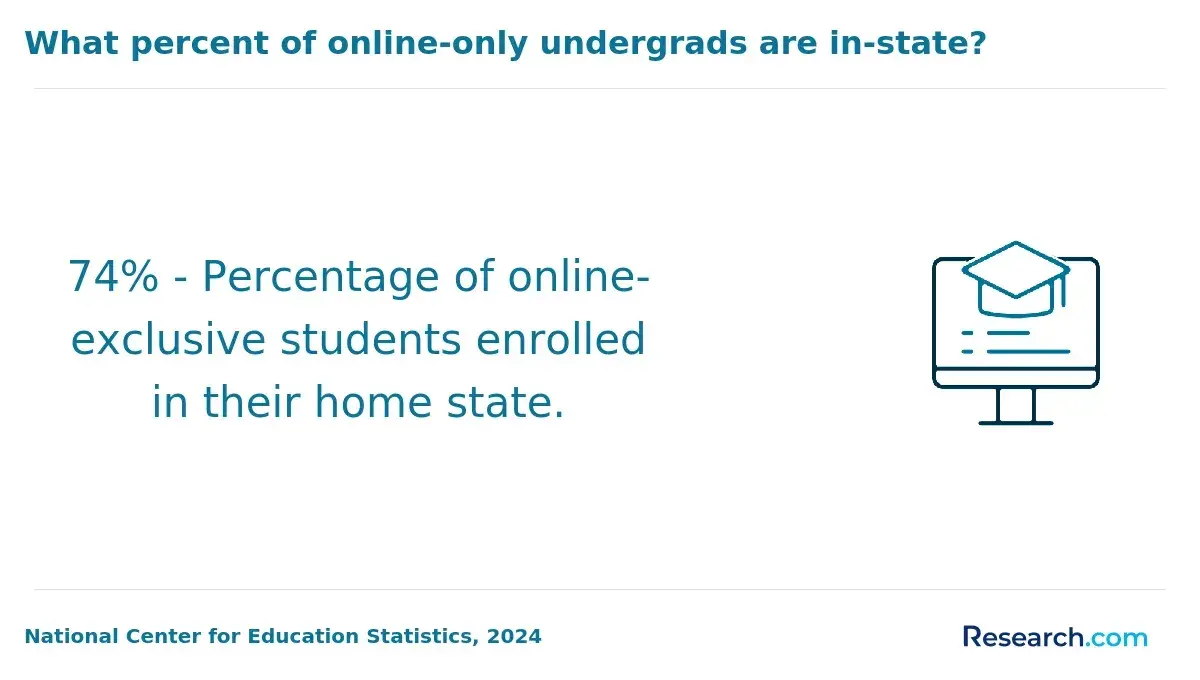
Online elementary education degree programs have notably shifted the demographic makeup of enrollees compared to traditional campus settings, driven by the distinctive needs of adult learners and those balancing multiple responsibilities. Recent data from the National Center for Education Statistics highlights a more than 40% increase in online enrollment within education fields over the last five years, contrasting with relatively stable campus-based numbers. This growth primarily reflects broader access for students residing in rural or underserved areas and for working professionals who require asynchronous formats, while campus programs still tend to attract younger students seeking in-person engagement and resources. Such divergence in program format preference significantly shapes enrollment trends, as students weigh flexibility and geographic convenience against the immersive, hands-on experiences offered by traditional campuses.
This enrollment shift also underscores practical consequences for program accessibility and workforce diversity. The expansion of online programs facilitates entry for candidates otherwise limited by location or life circumstance, thereby promoting a more geographically dispersed and potentially diversified educator pipeline. However, the tradeoff includes potential challenges in student retention and the critical need for local practicum placements to secure essential field experience, which institutions must manage deliberately. These dynamics emphasize the importance for prospective students to critically assess how different delivery modes align with their learning styles, support needs, and career preparation demands, as well as how employers view credentials earned through each pathway.
One elementary education student recalled grappling with the decision between enrollment modalities when relocating to a small town without nearby campus options. Hesitant about online learning due to concerns over peer interaction and instructional quality, they ultimately chose an established online program offering local fieldwork partnerships. While the flexibility suited their work schedule, the student found the lack of spontaneous campus interactions noticeable but appreciated the targeted support structures tailored to online learners. This experience illustrated how personal circumstances and program design intricacies can heavily influence enrollment choices beyond simple convenience or popularity metrics.
What Degree Level Is Most Common Among Elementary Education Students?
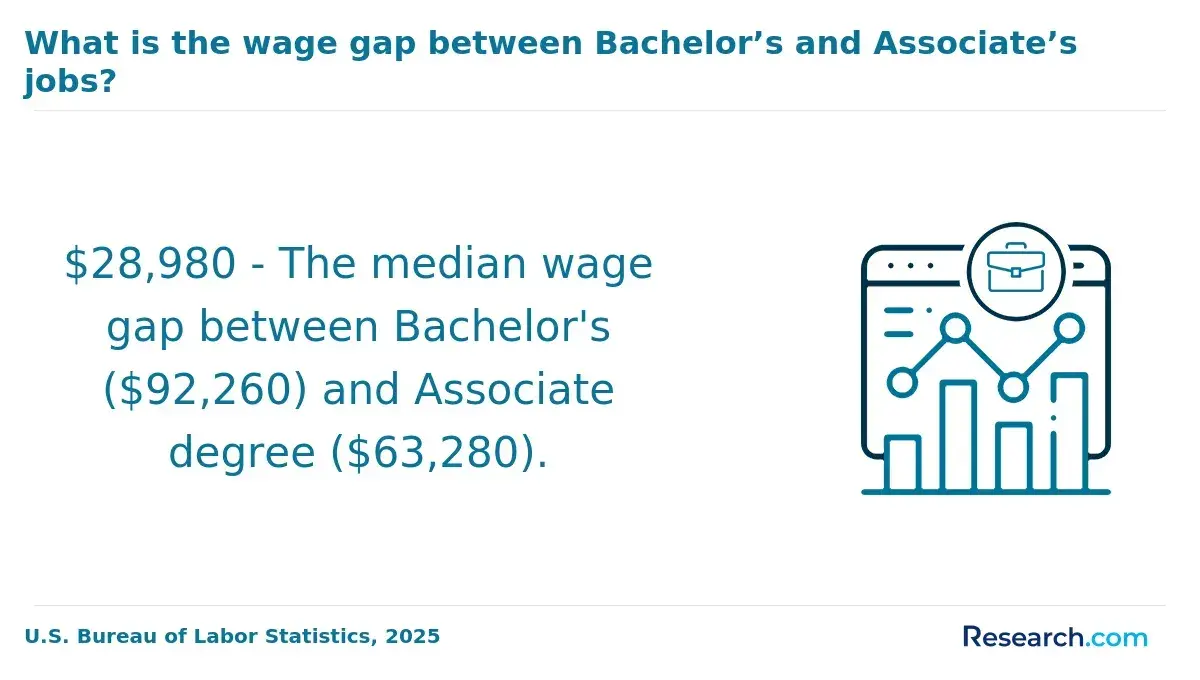
Bachelor's degrees overwhelmingly represent the predominant credential among elementary education students, largely due to licensure requirements and district hiring standards that prioritize this level for initial teacher certification. According to 2024 data from the National Center for Education Statistics and IPEDS, over 70% of elementary education enrollments are concentrated in bachelor's programs, reflecting their role as the primary, practical pathway into teaching roles. Associate degrees often act as transitional credentials for students intending to transfer into bachelor's programs rather than final qualifications for teaching positions, limiting their direct workforce applicability.
Master's degree enrollment remains comparatively modest at around 10%, primarily serving educators seeking to deepen subject expertise or qualify for specialized roles and pay increases rather than entry into the profession. Doctoral degrees account for less than 5%, focusing on educational leadership and research, thus attracting a niche cohort with career goals beyond classroom teaching. Regional and gender dynamics also influence enrollment: female students dominate across degree levels, while areas with higher educational attainment tend to see increased master's participation, highlighting how local labor markets and institutional offerings shape degree-level decisions.
These patterns underscore the need for students to align their educational choices with practical employment expectations and career trajectories; while bachelor's degrees provide the essential credential for most teaching jobs, pursuing advanced degrees involves trade-offs in time and cost against longer-term specialization or leadership ambitions. Accessibility factors such as the increasing availability of online bachelor's programs further reinforce this level's dominance, especially among non-traditional students aiming for rapid workforce entry. Prospective educators must therefore weigh their immediate certification needs against potential benefits from graduate study within the evolving demands of elementary education employment markets.
How Do Enrollment Trends Differ Between Associate, Bachelor's, Master's, and Doctoral Elementary Education Degrees?
Enrollment trends in associate and bachelor's elementary education degrees reveal divergent motivations and outcomes shaped by workforce demands and credential expectations. Associate degrees predominantly serve local populations aiming for quicker access to paraprofessional roles, but their enrollment has plateaued or slightly declined as many students prefer bachelor's programs, which remain the principal credential for teacher certification. The U.S. Department of Education reported a 3% rise in bachelor's completions over two years, reflecting persistent teacher shortages, notably in rural and underserved regions. This shift underscores a tradeoff between rapid workforce entry and meeting evolving professional standards that influence educational pathways.
Master's and doctoral elementary education degree enrollment patterns further illustrate distinct career trajectories and barriers. Master's programs attract in-service teachers and mid-career changers seeking licensing upgrades or salary improvements, with a 5% national increase noted by the Council for the Accreditation of Educator Preparation (CAEP) and growing online availability enhancing accessibility. Doctoral degrees, while limited in enrollment, focus on research, policy, and leadership roles within major institutions, drawing a narrower candidate pool but signaling a move toward specialized expertise. Prospective students must weigh these practical implications and recognize how differences in degree-level trends shape long-term academic planning and workforce positioning, with many employers valuing advanced credentials differently. Those uncertain about exam requirements might explore nursing programs no TEAS required as a comparative example of credential complexity within allied fields.
How Popular Is the Elementary Education Degree Compared to Other College Majors?
Popularity of the elementary education degree offers insight into sector stability rather than rapid expansion, as it maintains a steady share of roughly 4.5% of bachelor's degrees awarded nationally, according to early 2024 data from the National Center for Education Statistics. This level situates it within the top 15 majors but lags noticeably behind fields like business administration and STEM disciplines, which have experienced more marked enrollment surges. Such comparatively modest growth points to constrained shifts in student interest, shaped by practical considerations like regional demand for teachers, gender concentration, and economic factors including starting salaries and workload, which collectively temper expansive program growth and specialization breadth.
Graduate enrollment trends further reflect this pattern of moderate appeal, with only slight increases in advanced education degrees relative to faster-growing fields like psychology or speech-language pathology, according to Integrated Postsecondary Education Data System reports. Regional variations also influence the degree's popularity, as Midwest and Southern states show disproportionate representation aligned with labor market needs. These dynamics affect not only program size and peer networks but also the vocational pathway's perceived viability compared to alternatives attracting broader student populations and resources.
One former student recalled enrolling in elementary education amid a smaller cohort compared to business or IT majors at their university, noting advisors frequently highlighted the program's stable but limited growth. They observed a class dynamic where awareness of the field's moderate popularity sparked questions about career options and program resources. This experience underscored how the degree's steadiness contrasts with more visibly expanding disciplines, influencing both peer interaction and personal expectations about workforce alignment after graduation.
Why Is the Elementary Education Degree More Popular in Certain States and Regions?
Regional disparities in elementary education degree demand by state arise primarily from local workforce needs shaped by demographic shifts and state policy frameworks. For instance, states like Texas and Georgia experience sustained enrollment driven by high birth rates and growth in youth populations, which translates into consistent demand for certified elementary teachers. Areas with concentrated public school employment often bolster degree popularity due to targeted incentives and locally accessible programs. These factors influence not only enrollment but also practical considerations such as networking opportunities and perceptions of degree value, as students in regions with abundant institutional options benefit from stronger professional pipelines and established support networks.
Economic and educational access components further complicate these trends. Lower-income regions may prioritize affordable, regionally available elementary education degrees that accommodate nontraditional students through online program adoption. This accessibility is crucial for working adults balancing financial constraints with educational goals, contrasting with states where student populations skew younger and campus-based options dominate. Gender distribution amplifies regional variations, as cultural norms affecting early career pathways result in uneven concentrations of women in elementary education programs. State-level scholarships and loan forgiveness plans also distort enrollment patterns, encouraging candidates to pursue degrees where financial incentives align with teacher shortage strategies. For those considering pathways such as a master of science in dietetics or related fields, understanding these nuanced regional factors is essential for aligning educational choices with realistic career outcomes and local employment dynamics.
What Demographic Groups Are Driving Growth in Elementary Education Degree Programs?
The persistent predominance of women, who make up over 80% of elementary education enrollees, shapes the culture and expectations of these programs, yet incremental male enrollment growth signals a shift influenced by workforce diversification efforts and regional teacher shortages. This evolving gender balance affects peer interactions and classroom dynamics within programs, while also informing recruitment strategies that attempt to address local educational demands and equitable workforce representation. For prospective students, these demographic patterns underscore how program environments may differ depending on geographic location and degree level, with bachelor's and master's tracks showing stronger male participation increases linked to targeted initiatives.
Adult learners, particularly those aged 30 to 39, now comprise a growing segment of elementary education students, fueled in part by the expansion of flexible online offerings that accommodate career changers and working professionals. The South and West are prominent regions driving enrollment growth due to demographic expansions and enhanced online access, which broadens participation beyond traditional urban centers to include rural and underserved communities. This regional and age-related rise in enrollment has practical implications for instruction delivery, student support services, and cohort cohesion, requiring programs to adjust their structures to better serve nontraditional students balancing competing responsibilities.
Increasing representation of Hispanic and Native American students reflects broader social shifts that enhance cultural diversity within elementary education pipelines, potentially enriching the cultural competency of future educators but also challenging programs to meet varied educational backgrounds and learning needs. Furthermore, the rise in first-generation college students highlights elementary education's role as an accessible gateway into professional careers, though it also places additional demands on institutions to provide targeted advisement and retention supports. These demographic trends suggest programs must continuously adapt curricula and support mechanisms to sustain enrollment growth and improve both educational outcomes and workforce readiness.
What Is the Future Outlook for Elementary Education Degree Enrollment by Gender, Region, and Degree Level?
Elementary education degree enrollment is poised to reflect pronounced demographic and regional shifts rather than broad growth across the board. Women will remain the majority of enrollees, comprising approximately 80-85% of candidates nationally based on 2024 data from the National Center for Education Statistics, but male participation is incrementally increasing through targeted recruitment efforts responding to the need for diverse role models. Regionally, expanding birth rates and immigration in the South and West are driving program growth, contrasting with stagnation or decline in many Northeastern and Midwestern states where aging populations and lower birth rates reduce demand for new educators.
Institutions are adapting by expanding online and hybrid formats to improve accessibility, especially for working adults and rural students, which may influence enrollment patterns and student demographics more than traditional campus-based programs. Graduate-level enrollments, including master's and certification programs, are expected to grow by nearly 10% over the next five years as credentialing policies evolve, requiring more specialized skills in areas like literacy and special education. For prospective students and current educators, these trends suggest that decisions around degree level and program delivery format carry significant implications for employability and access, while geographic and gender-related trends will impact the availability and diversity of future cohorts within elementary education.
How Have Elementary Education Degree Enrollment Trends Changed Over the Past Decade?
Enrollment trends in elementary education degree programs underscore shifting workforce realities that impact both supply and demand for new teachers. Over the past decade, overall enrollment has declined by about 12%, influenced by perceptions of salary competitiveness and regional job market saturation. This downward trend is uneven, with states in the Midwest and South maintaining steadier graduation numbers, reflecting localized teacher shortages, while coastal regions show declines tied to alternative career options and differing state education funding priorities. Prospective students must consider these geographic and economic tradeoffs when evaluating program availability and long-term employability within their targeted regions.
Changes in gender participation in elementary education degrees over the past decade reveal a slow but meaningful diversification, with male enrollment increasing from roughly 12% to 15%. Despite this, female students still represent over 80% of enrollees, signaling persistent gendered dynamics in the teaching workforce. The growth of online program offerings, notably after 2020, has also broadened access, appealing to working adults and career changers seeking flexible pathways. However, evolving education policies emphasizing credential alternatives and teacher preparation reform place additional pressure on traditional degree programs, complicating decisions for current students and graduates assessing the practical value of their credentials within a shifting policy landscape. For those weighing educational choices, exploring the cheapest online school psychology programs may offer insights into alternative or complementary career pathways in education and related fields.
Where Is the Elementary Education Degree Most Popular Across the United States?
Elementary education degree popularity is concentrated in regions where institutional infrastructure and workforce demand align closely, rather than being evenly spread across the U.S. The Southern and Midwestern states notably lead in both enrollment and graduation rates due to a combination of demographic growth, stable public school funding, and a strong network of accredited teacher preparation programs. Urban centers within these areas benefit from robust public school districts that create ongoing hiring needs, reinforcing the cycle of regional training and employment. These dynamics shape student opportunities, with metropolitan concentrations offering richer networking environments and more diverse practicum placements, which can enhance professional readiness and degree value.
Comparatively, some Northeastern states with higher overall educational attainment show lower elementary education enrollment, influenced by alternative certification pathways and cost-of-living pressures that affect teacher supply. Such geographic disparities affect program selection for prospective students seeking to optimize both educational quality and long-term employability. These trends underscore the significance of evaluating regional workforce realities alongside program availability when considering where to pursue an elementary education degree, as this can impact licensure trajectories and market competitiveness. For those interested in more specialized educational pathways, programs like the accelerated BCBA program online represent a growing intersection between education and applied behavioral analysis, broadening career options outside traditional classroom roles.
The uneven distribution of elementary education degree attainment reflects broader demographic and economic patterns affecting K-6 teacher demand. Many areas with increasing school-age populations maintain consistent investment in workforce development, making these locations critical hubs for teacher preparation. Students weighing regional options should consider how enrollment trends and program concentration influence classroom readiness, peer networks, and local hiring practices, all of which help determine the practical value and relevance of their chosen degree in different labor markets.
References
- What are My Elementary Teaching Degree Options | All Education Schools https://www.alleducationschools.com/teaching-degrees/elementary-education/
- Shifting Demographic and Education Trends and Their Impact on the U.S. Workforce — The Burning Glass Institute https://www.burningglassinstitute.org/bginsights/shifting-demographic-and-education-trends-and-their-impact-on-the-us-workforce
- College Degree Levels in Order | University of Phoenix https://www.phoenix.edu/articles/online-college/college-degree-levels-in-order.html
- Types of College Degrees https://www.act.org/content/act/en/students-and-parents/high-school-success/what-to-do-after-high-school/college-degrees.html
- Online Degree vs. Traditional: Choosing the Right Path https://beal.edu/online-degree-vs-traditional/
- Demographic Trends of PK-12 Teachers/Students and Higher Education Faculty/Student https://edprepmatters.aacte.org/demographic-trends-of-pk-12-teachers-students-and-higher-education-faculty-student/
- Choosing a bachelor's in elementary education | edX https://www.edx.org/resources/how-to-choose-a-bachelors-in-elementary-education
- Educational Attainment Statistics [2025]: Levels by Demographic https://educationdata.org/education-attainment-statistics
- Education in the United States - Wikipedia https://en.wikipedia.org/wiki/Education_in_the_United_States
- Education in the United States of America https://wenr.wes.org/education-system-profiles/education-in-the-united-states-of-america/
Other Things You Should Know About Elementary Education
Given that elementary education remains overwhelmingly female-dominated, prospective male students should consider programs that offer strong mentorship and peer support to counter potential isolation. Institutions with visible efforts to attract and retain male educators often provide a more inclusive learning environment, which can improve classroom preparedness and network building. Prioritizing programs aware of and actively addressing gender disparity may enhance your social and professional integration during and after your studies.
Geographic differences impact not only enrollment but also curriculum emphasis, licensure requirements, and local employment expectations. For example, programs in regions with higher rural populations may offer specialized training in multi-grade classrooms or resource-limited settings, while urban area programs might focus more on diversity and inclusion strategies. Choose a program aligned with the regional contexts where you intend to work to ensure relevant practical preparation.
Higher degree levels such as master's or doctoral degrees typically demand more research and specialized coursework, increasing your academic workload significantly compared to bachelor's programs. However, advanced degrees can open doors to administrative, curriculum development, or policy roles beyond classroom teaching. If your career aims include leadership or specialization, investing in a graduate degree makes sense; if immediate classroom entry is primary, a bachelor's may offer a more balanced workload-to-outcome ratio.
Programs recognized for strong employer connections often provide clinical experiences and job placement advantages, directly influencing your transition to teaching roles. High graduation rates can indicate effective student support and program quality but don't guarantee alignment with your career goals or fit with regional licensure. Prioritize programs that balance strong practical training opportunities with outcomes relevant to your intended teaching context rather than relying solely on graduation statistics.