2027 Elementary Education Tuition Inflation Report: How Fast Are Program Costs Rising?

Co-Founder and Chief Data Scientist
Tuition inflation within elementary education programs reflects distinct structural pressures unlike those seen in broader academic fields. Increasing accreditation rigor demands more comprehensive field-based training, impacting program delivery costs through expanded partnerships with schools and investments in supervising faculty. Enhanced state licensing requirements also drive curricula updates and specialized instructional resources. According to the National Center for Education Statistics (2024), enrollment in elementary education degrees grew marginally, intensifying the need for qualified instructors and infrastructure. This growth, combined with rising faculty specialization and technology integration, shapes tuition trends uniquely for this discipline. Age distribution shifts toward younger cohorts suggest evolving accessibility and workforce renewal priorities.
Key Things to Know About Elementary Education Tuition Inflation
- Tuition for elementary education programs rose 4.7% annually from 2021 to 2024, outpacing general inflation, which pressures students to weigh debt against delayed workforce entry due to extended study periods.
- Employers increasingly value practical teaching experience over academic credentials alone, shifting emphasis to program internships and certifications, which can increase total costs beyond base tuition.
- Rising costs have pushed some candidates to select shorter, less comprehensive programs, a tradeoff that may limit long-term career advancement and salary growth within the education sector.
- How Much Has Elementary Education Tuition Increased Over the Past Decade? How Much Has Elementary Education Tuition Increased Over the Past Decade?
- How Does Elementary Education Tuition Inflation Compare to Overall Inflation? How Does Elementary Education Tuition Inflation Compare to Overall Inflation?
- Which Types of Schools Have Experienced the Fastest Elementary Education Tuition Growth? Tuition Growth by School Type
- What Factors Are Driving Rising Costs in Elementary Education Degree Programs? Tuition Cost Drivers
- How Does Elementary Education Tuition Growth Vary by State and Region? Tuition Growth by State
- Are Online Elementary Education Programs Becoming More Affordable Than Campus-Based Programs? Online Program Affordability
- How Have Financial Aid and Scholarships Changed as Elementary Education Tuition Has Increased? Impact on Financial Aid and Scholarships
- How Does Rising Elementary Education Tuition Affect Student Debt After Graduation? Impact on Student Debt
- Do Higher-Cost Elementary Education Programs Deliver Better Career Outcomes or Earnings? Impact on Career Outcomes
- What Do Current Tuition Trends Suggest About the Future Cost of a Elementary Education Degree? What Do Current Tuition Trends Suggest About the Future Cost of a Elementary Education Degree?
How Much Has Elementary Education Tuition Increased Over the Past Decade?
Data from the National Center for Education Statistics and the College Board shows that tuition for elementary education degree programs at public four-year institutions increased by roughly 35% to 40% over the last decade, significantly outpacing inflation and general higher education cost trends. Private colleges have seen even steeper rises, with some schools recording tuition hikes exceeding 50% during the same timeframe. This tuition escalation reflects not only direct cost increases but also the cumulative financial strain that includes associated expenses like fees and materials. Considering how much has elementary education tuition increased in the United States, these figures underscore the growing burden placed on prospective educators.
The drivers behind this sustained growth involve a complex mix of factors such as declining state appropriations for public universities, heightened institutional spending on technology and student support services, and expanding demands for compliance with evolving teacher certification standards. Increased enrollment competition and shifting workforce expectations also amplify pressure on programs to invest in curriculum quality and practical training resources. These elements collectively contribute to the expanding cost base, revealing that tuition hikes are symptomatic of broader systemic shifts rather than isolated pricing decisions.
As tuition and ancillary costs rise, affordability challenges intensify for many students, often necessitating greater reliance on borrowing, which in turn impacts long-term financial wellbeing. Prospective elementary education candidates must carefully evaluate how these costs compare with expected salary prospects and job stability in the education sector. Thoughtful program selection, including consideration of alternative pathways such as accelerated or hybrid models referenced in other fields like RN to BSN, is crucial for maximizing return on investment while navigating the evolving tuition landscape.
How Does Elementary Education Tuition Inflation Compare to Overall Inflation?
Tuition inflation for elementary education degree programs has outpaced general consumer price increases, reflecting a sustained divergence often overlooked in broader economic discussions. Recent data from the U.S. Bureau of Labor Statistics shows consumer inflation, as measured by the CPI, rising around 4% annually over five years, while NCES and College Board figures indicate elementary education tuition inflation rates between 5% and 7% per year. This gap signals a growing disparity between the cost of pursuing an elementary education credential and typical household expenses, with regional differences in elementary education tuition growth rates further complicating the financial landscape for students and families. Such trends highlight how the price pressures within this sector extend beyond typical inflationary forces experienced across other goods and services.
The structural drivers behind tuition inflation in elementary education programs stem from shifts in institutional funding and operational demands. Declining state subsidies have increased reliance on tuition revenues, particularly affecting public institutions, while private colleges often absorb greater cost increases due to market-driven pricing and limited endowments. Higher administrative expenses, expanded student services, and ongoing investments in technology and physical infrastructure tailored to educational training also contribute to these rising costs. These factors create a tuition trajectory that reflects both elasticity in demand and intensified resource requirements, distancing program price growth from broader economic inflation benchmarks.
This widening gap between elementary education tuition inflation and overall inflation intensifies affordability pressures, encouraging some learners to consider cost-saving options such as cheap RN to BSN programs in adjacent fields with more predictable pricing patterns. Students increasingly rely on borrowing to bridge rising program expenses, potentially prolonging repayment cycles relative to modest salary growth in teaching careers. Understanding these dynamics, then, is critical for informed decision-making around program selection, long-term investment value, and the evolving economic challenges shaping teacher preparation affordability.
Which Types of Schools Have Experienced the Fastest Elementary Education Tuition Growth?
Tuition increases for elementary education degree programs vary notably across institutional types due to differing funding arrangements, enrollment pressures, and program delivery methods. These factors shape how schools balance costs between tuition revenue, state or private support, and operational expenses, thereby influencing the pace of tuition growth. Assessing this variation is crucial for prospective students weighing cost against educational value and for understanding broader affordability trends in teacher preparation.
- Private Nonprofit Universities: These institutions often face limited state funding, relying heavily on tuition and private investments to sustain specialized programs. Their emphasis on program expansion and campus amenities tends to drive above-average tuition growth, as reflected in a 5.2% annual increase over the past three years reported by the National Center for Education Statistics.
- Public Universities: Supported by state appropriations, public universities generally experience more moderate tuition increases, around 2.3% annually. However, fluctuating state budgets and shifting enrollment priorities can pressure tuition upward, especially when funding diminishes amid rising costs for faculty and instructional resources.
- For-Profit Institutions: These schools often have flexible pricing models and aggressive recruitment strategies targeting adult learners. Tuition growth dynamics in this sector are influenced by market competition and regulatory scrutiny, with some programs increasing costs to balance shorter time-to-degree offerings against resource investments.
- Research-Intensive Universities: Investment in faculty research and specialized pedagogical resources elevates operational costs, contributing to tuition inflation. Although not typically primary providers of elementary education degrees, when such programs exist, tuition may reflect overhead tied to maintaining research capacity and institutional prestige.
- Regional Colleges: Generally prioritizing accessibility and affordability, regional colleges tend to have slower tuition growth. Their focus on serving local populations with workforce-aligned curricula relies on stable but limited funding sources, constraining significant price escalation.
- Online Universities: Program delivery costs are often lower due to reduced physical infrastructure needs, yet investments in technology platforms can justify moderate tuition increases. Growth in online elementary education degrees corresponds with demand for flexible scheduling, influencing price adjustments tied to digital service enhancements.
What Factors Are Driving Rising Costs in Elementary Education Degree Programs?
Rising costs in elementary education degree programs stem from a complex set of institutional and economic dynamics, rather than a single focal issue. These increases reflect broader changes in higher education finance, including shifts in public funding and evolving operational priorities within programs. Rather than being isolated tuition hikes, cost growth arises from multifaceted pressures influencing program delivery, quality assurance, and resource allocation across diverse educational settings.
One prominent driver is the sustained reduction in state appropriations to public institutions, which has led many to depend more heavily on tuition revenue to fill budget gaps. Simultaneously, faculty labor expenses have escalated as programs prioritize attracting and retaining qualified educators to meet accreditation standards and evolving pedagogical needs. Administrative expansions, aimed at supporting student recruitment, compliance, and enhanced support services, further elevate operational costs. Additionally, investments in digital infrastructure and hybrid learning technologies-accelerated by pandemic-induced shifts-add substantial capital and maintenance burdens. The National Center for Education Statistics reported a notable 3.5% tuition increase for undergraduate education degrees between 2022 and 2023, highlighting how these factors collectively drive cost pressures that often outpace general inflation.
Reflecting on these realities, a recent graduate recalled the uncertainty experienced during the admissions process at their chosen program. Because the program employed rolling admissions, the timing of application decisions impacted financial planning and preparation for tuition increases. They navigated hesitation about whether to apply early to secure a spot before further fee hikes or delay gathering more preparation to strengthen their candidacy. This fluid decision-making process, compounded by fluctuating cost estimates communicated by the institution, underscored the practical challenges students face in aligning admissions timing with optimal financial readiness amid rising program expenses.
How Does Elementary Education Tuition Growth Vary by State and Region?
Tuition growth rates for elementary education degree programs differ significantly across states and regions, shaped by complex interactions between state funding priorities, institutional types, and local economic conditions. Variations in state appropriations to public universities, the balance between public and private institution presence, and regional cost-of-living contribute to uneven tuition inflation. This means that elementary education tuition growth rates by state often reflect more than geographic location; they embody the financial health and policy choices of state higher education systems, alongside evolving workforce demands specific to education sectors.
Key drivers of this variation include disparities in public university funding where some states have faced declines in appropriations, compelling institutions to raise tuition to compensate. States with concentrated research universities or a higher share of private institutions often exhibit steeper increases due to stronger market-driven pricing strategies and higher operational costs. Additionally, regional labor market demands influence tuition dynamics, as areas with teacher shortages or higher credential requirements may see more aggressive tuition rises linked to investment in program quality and facility upgrades. Costs also correlate strongly with local living expenses and institutional capacity to attract faculty, with Northeast and West Coast states frequently reporting increases between 4% and 7% annually, compared to more modest 2% to 4% growth in many Midwest and Southern states.
These disparities carry implications for student mobility and affordability, especially for families seeking sustainable routes into teaching professions. Higher tuition growth in certain regions can limit access or push prospective students toward alternative pathways, including online or accelerated options like accelerated PMHNP programs online that offer model insights into managing cost versus credential efficiency. Affordability differences also affect return on investment assessments, as students and parents weigh program breadth and faculty expertise against long-term debt burdens, especially in states with rapid tuition inflation unaccompanied by commensurate job market growth. Ultimately, understanding these structural tuition dynamics is crucial for making informed decisions about elementary education enrollment and for assessing how regional policy and economic trends shape career pathways.
Are Online Elementary Education Programs Becoming More Affordable Than Campus-Based Programs?
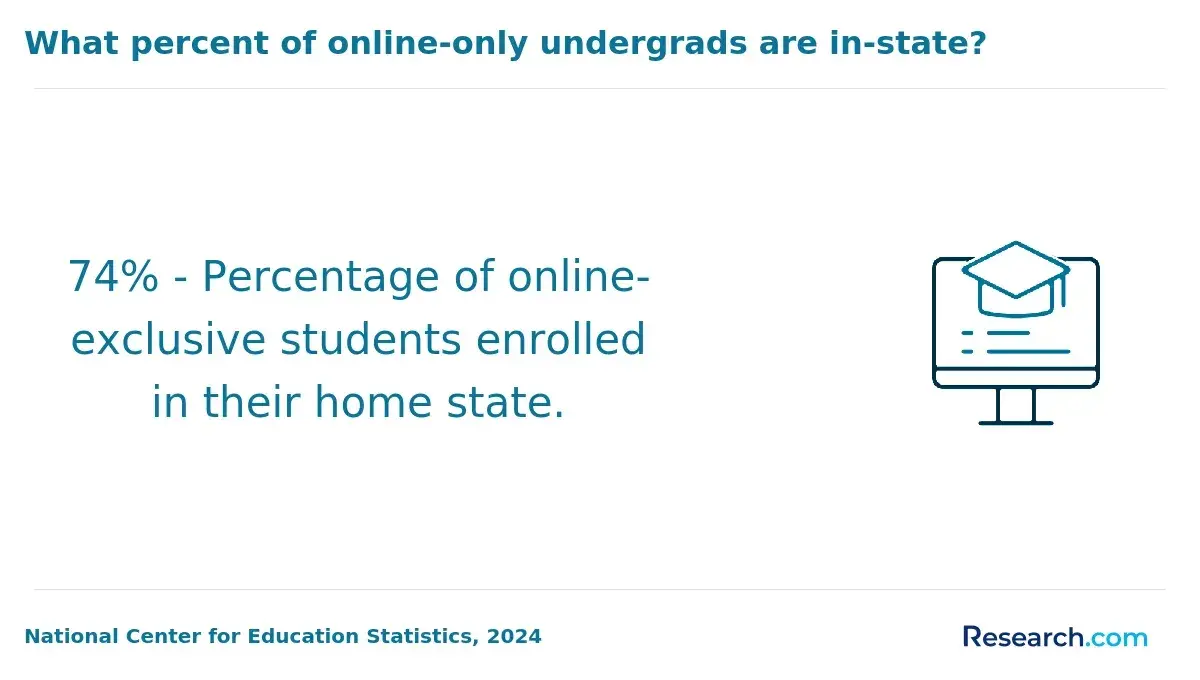
Recent trends indicate a narrowing gap in cost between online and campus-based elementary education programs, challenging the notion that online options are inherently more affordable. While online programs typically advertise lower initial tuition rates, the comprehensive cost of completion often includes supplemental fees for technology access, digital resources, and extended timelines that offset early savings. According to a 2024 analysis from the National Center for Education Statistics, tuition for online elementary education master's programs increased by about 5% over two years, outpacing the 3% growth seen in campus-based counterparts. This pricing dynamic reflects institutional strategies that balance competitive entry pricing with the complex infrastructure needed to sustain remote learning environments.
The underlying cost structures reveal why these affordability differences persist and evolve. Online education reduces expenses linked to physical campus maintenance and facilities, but it requires significant ongoing investment in digital platforms, instructional design tailored for remote delivery, and robust virtual student support services. Faculty roles may shift towards developing asynchronous material or providing flexible synchronous sessions, sometimes requiring additional training and resource allocation. These elements contribute to program scalability but also impose a baseline expense that institutions recoup through nuanced tuition fees beyond sticker prices. As such, affordability is influenced by how programs manage these operational costs while striving to maintain educational quality and accreditation standards, making the perceived pricing advantage of online pathways less absolute and more contingent on institutional priorities and market positioning.
A graduate who completed an online elementary education master's program recalled a cautious admissions experience shaped by program timelines and cost considerations. She applied under a rolling admissions schedule but hesitated to submit final materials quickly, partly to preserve financial aid options and clarify employer tuition benefits. The delay introduced uncertainty around start dates and escalating tuition rates, creating tension between securing a spot and managing budget constraints. Her decision to proceed once admission was confirmed illustrated the delicate balance prospective students face between affordability and timing, particularly in programs where rising fees and lengthy completions can dilute initial cost advantages of online study.
How Have Financial Aid and Scholarships Changed as Elementary Education Tuition Has Increased?
Financial aid and scholarship structures within elementary education programs have shifted in response to rising tuition costs, but these changes have often lagged behind the pace of inflation. Institutions have expanded merit-based scholarships designed to attract top-performing candidates, yet these awards tend to be limited in scope and highly competitive. Meanwhile, need-based financial aid has not grown proportionally, maintaining persistent barriers for lower-income students despite growing tuition. Public funding has increased modestly through state-level aid programs, but stringent eligibility rules constrain broad access. As a result, many students face a landscape where the nominal availability of aid has increased, but the net price after assistance remains a significant challenge.
Several factors drive this evolving aid environment. Heightened competition among institutions to recruit academically strong candidates has led to greater emphasis on merit awards, often at the expense of need-based support. Federal and state aid programs have not expanded funding commensurately with tuition inflation, limiting their capacity to offset rising costs. Institutions employ tuition discounting strategically to manage enrollment and revenue, but these mechanisms disproportionately benefit a selective subset of enrollees. The persistence of capped scholarship funds compounds access issues, intensifying reliance on loans for many aspiring elementary teachers. These dynamics reflect complex interplay between institutional pricing strategies, public funding constraints, and shifting demographic recruitment priorities.
This uneven growth in financial aid relative to tuition increases carries broader implications for affordability and student debt outcomes in elementary education pathways. Many students confront stagnant or rising net prices, contributing to higher borrowing levels and longer degree completion timelines. As a result, some may opt for part-time enrollment or delay program entry, impacting workforce supply and candidate diversity. The financial aid landscape thus shapes not only individual access and outcomes but also institutional capacity to meet workforce demand without exacerbating debt burdens. Prospective students must carefully evaluate aid packages in relation to actual net costs to make informed decisions about program affordability and career feasibility.
How Does Rising Elementary Education Tuition Affect Student Debt After Graduation?
Rising elementary education tuition directly increases student debt levels by expanding the gap between the actual cost of degree programs and available financial aid. As tuition escalates, students frequently rely more heavily on loans to finance their education, resulting in higher borrowing amounts. This trend is evident across many institutions, particularly affecting traditional-age students with limited income and savings. The growing reliance on debt often forces these students to accept larger loan volumes, increasing their overall financial burden after graduation. The impact of rising elementary education tuition and student debt consequences is therefore closely tied to the need for more substantial borrowing during enrollment.
The widening disparity between tuition fees and financial aid packages exacerbates borrowing pressures, especially as private institutions typically charge significantly higher prices compared to public colleges. Interest accrual during the study period can substantially increase the total loan balance by the time repayment begins, compounding challenges for graduates entering modest salary brackets prevalent in elementary education roles. Variability in graduate income further complicates repayment ability, with many education graduates facing limited salary growth in the early stages of their careers. These factors collectively influence the impact of elementary education program costs on graduate loan repayment, as higher debt against relatively constrained earnings stretches repayment timelines and shapes financial stability.
These elevated debt levels contribute to greater repayment strain, often compelling graduates to explore income-driven repayment plans or loan forgiveness programs aimed at easing long-term obligations. However, without adequate financial planning, increased tuition costs can deter prospective students from pursuing advanced degrees or lead to prolonged debt cycles that diminish financial mobility. Given these realities, understanding how tuition inflation interacts with debt accumulation is critical for navigating the financial landscape of elementary education degrees. For a broader perspective on education-related financial challenges in other fields, reviews on sport analyst careers illustrate similar complexities.
Do Higher-Cost Elementary Education Programs Deliver Better Career Outcomes or Earnings?
The question of whether higher-cost elementary education programs reliably deliver better career outcomes or increased earnings remains complex. Tuition price alone is not a consistent indicator of stronger employment prospects or higher starting salaries. A 2024 report from the U.S. Department of Education found that graduates from more expensive, often private or prestigious institutions, generally have employment rates and initial salary levels comparable to those from more affordable public programs. This suggests that rising tuition costs do not automatically yield measurable financial or professional advantages, highlighting the importance of looking beyond sticker price when evaluating elementary education program tuition and career earnings comparison.
Key drivers of career success in this field extend beyond institutional cost and include factors such as program specialization, employer partnerships, and geographic location. Programs with strong alumni networks and robust internship or student-teaching pipelines can provide valuable regional industry connections that enhance job placement chances. However, studies show that state certification completion and practical teaching experience tend to weigh more heavily in employer decisions than institutional prestige. These elements influence long-term earnings potential and professional opportunities more reliably than tuition levels. Balancing specialization depth and access to local school districts often matters more than the price paid for the degree.
Prospective students should approach program selection with careful ROI analysis, weighing the cost of tuition against likely debt burdens and realistic career earnings. Emphasizing credentials and quality experiential learning can improve employability without necessarily incurring the higher costs of premium programs. For example, those exploring options outside traditional elementary education degrees might also consider expanding their skill sets through related fields such as online bachelors degree programs in sociology, which can supplement career flexibility and marketability. Ultimately, evaluating how well a program aligns with local labor market demands and certification pathways often provides clearer insights into its practical value than tuition alone.
What Do Current Tuition Trends Suggest About the Future Cost of a Elementary Education Degree?
Recent tuition trends clearly indicate that the cost of obtaining an elementary education degree is set to rise beyond general inflation rates and typical wage growth. Data from the National Center for Education Statistics shows a 12% increase in tuition and fees at public four-year institutions between 2020 and 2024, double the consumer price index growth over the same period. These patterns suggest steady and possibly accelerating tuition growth driven by factors unique to higher education financing and cost structures, rather than simple market inflation alone. Historical increases underscore that elementary education programs, like many professional degrees, face persistent upward pricing pressure that outpaces broader economic indicators.
Key drivers shaping future tuition levels include constrained public funding, which pushes institutions to shift costs to students, and increasing demand for program features such as experiential learning and specialized credentials. Growth in online and hybrid delivery methods, while often marketed as cost-saving, frequently involve substantial upfront institutional investments in technology and support services, which can maintain or raise overall price points. Additionally, employers' rising expectations for both academic credentials and practical skills encourage programs to expand offerings, influencing their operational budgets and tuition. These dynamics create a complex pricing environment where cost escalation reflects both institutional strategy and market demand forces.
The implication for prospective elementary education students is a landscape where affordability challenges will intensify, likely increasing reliance on loans and alternative credentialing for some. Traditional-age students may confront larger debt burdens, while adult learners might prefer flexible, lower-cost pathways to balance financial and life responsibilities. Understanding that tuition forecasts are tied to deep structural factors in higher education aids students in anticipating long-term financial commitments, weighing program benefits, and making informed enrollment decisions in a market with persistent cost growth.
References
- Alma Career – A better world of work for everyone https://www.almacareer.com/blog/how-does-a-university-degree-influence-pay
- College Tuition Inflation: The Rising Price Of Education | Bankrate https://www.bankrate.com/loans/student-loans/college-tuition-inflation/
- Tracking College Tuition Growth https://www.richmondfed.org/publications/research/economic_brief/2024/eb_24-23
- Average Cost of Private School [2026]: Tuition by Education Level https://educationdata.org/average-cost-of-private-school
- Guide to Online Education Degrees | OEDb.org https://www.oedb.org/rankings/online-education-programs/
- 8 Master's in Elementary Education Benefits | University of Bridgeport https://www.bridgeport.edu/news/masters-in-elementary-education-benefits/
- Why is the cost of college rising so fast? https://ssti.org/blog/why-cost-college-rising-so-fast
- UNRAVELING THE TRUE DRIVERS OF RISING COLLEGE TUITION AND POLICY PATHWAYS https://ijeber.com/unraveling-the-true-drivers-of-rising-college-tuition-and-policy-pathways/
- Inflation Has Yet to Affect Tuition, but Students Still Feel the Rising Costs | Insight Into Academia https://insightintoacademia.com/inflation-has-yet-to-affect-tuition-but-students-still-feel-the-pain-of-rising-costs/
- The cost vs. value paradox: what Americans really think about college https://www.luminafoundation.org/news-and-views/the-cost-vs-value-paradox-what-americans-really-think-about-college/
Other Things You Should Know About Elementary Education
As tuition inflates, students face a tradeoff between longer, more comprehensive programs and shorter, accelerated pathways that may carry less financial burden upfront. Longer programs often provide deeper pedagogical training and practicum experience, potentially improving classroom readiness but at higher tuition costs and time investment. In contrast, shorter programs reduce immediate expenses but may require supplemental certification or continuing education to meet employer expectations, possibly increasing overall costs and workload in the long run. Prospective students should prioritize programs that optimize hands-on experience without excessive credits, balancing tuition inflation against meaningful preparation.
Rising costs can disproportionately affect students from underrepresented or lower-income backgrounds, limiting access to quality elementary education degrees. This narrowing pipeline can reduce diversity among educators, which is shown to enhance learning outcomes in diverse classrooms. Institutions and policymakers must consider financial accessibility when evaluating program expansions or curricular enhancements that drive tuition inflation. Students should proactively seek programs with robust support structures and consider the long-term impacts that tuition costs have on their ability to persist and graduate.
Tuition increases may reflect program improvements aligned with evolving certification standards and employer demands for more specialized skills. However, not all cost increases correspond to enhanced employability or better outcomes. Students should critically assess whether higher tuition programs offer curriculum content and practicum experiences that directly meet state or district certification criteria and hiring preferences. Investing in a more expensive program without alignment to employer expectations risks higher debt without commensurate career benefits, so prioritizing alignment over sticker price offers better long-term value.
Higher tuition does not inherently mean a lighter workload or faster job placement. Intensive programs with elevated costs may demand more practicum hours, assignments, and ongoing assessments, reflecting a rigorous preparation rather than convenience. Conversely, some lower-cost programs have partnerships with school districts that facilitate student teaching and hiring pipelines, which can improve employment prospects despite lower tuition. Students should evaluate program structure and support services alongside cost to identify pathways that balance workload demands with effective career placement opportunities.