2027 What Prerequisites Do You Need for a Social Work Degree? Entry Requirements, Credits & Eligibility Rules

Co-Founder and Chief Data Scientist
Before you apply to a social work degree program, the main question is not simply whether you are interested in helping people. It is whether your academic record, transfer credits, technology setup, and experience meet the program’s entry rules. Missing a prerequisite can delay admission, limit transfer credit, or add extra tuition costs before you can begin major coursework.
That confusion is common. A recent study found that nearly 40% of applicants lacked one or more required prerequisites, causing delays in admission or extended degree timelines. Requirements also vary by degree level, school, delivery format, and whether the program is accredited.
This guide explains the typical prerequisites for social work programs in 2026, including high school preparation, college-level coursework, transfer credit limits, test score policies, professional experience, online technology requirements, international student rules, and the cost of completing prerequisite courses.
Key Things to Know About the Prerequisites for a Social Work Degree
- Applicants typically need foundational courses in psychology, sociology, and human development, with some programs requiring at least 12-24 credit hours in related subjects.
- Most social work degrees expect a minimum GPA of 2.5 to 3.0, ensuring readiness for rigorous coursework and field placements.
- Programs often seek candidates with strong communication skills, empathy, and relevant volunteer or work experience in social service settings.
Do Social Work Programs Require Specific High School Prerequisites?
Most social work programs do not require a narrow list of high school prerequisites. For first-year applicants, schools usually focus on whether the student has completed a standard college-preparatory curriculum and can handle reading-heavy, writing-heavy, people-centered coursework. However, certain high school subjects can make the transition into a social work major much easier.
Helpful high school preparation usually includes:
- English or language arts: Social work students read policy documents, case studies, research articles, and ethical standards. Strong writing also matters because future coursework often includes reports, reflections, and client-related documentation.
- Psychology or sociology: These courses introduce human behavior, family systems, social inequality, institutions, and community structures, all of which appear throughout social work education.
- Mathematics: Algebra or statistics can help students prepare for research methods, program evaluation, and data-informed practice.
- Health or biology: A basic understanding of physical health, mental health, development, and wellness can support later learning in human behavior and practice courses.
- Communication or public speaking: Social work requires listening, interviewing, advocacy, documentation, and collaboration. Early practice with clear communication is useful.
According to the Council on Social Work Education (CSWE), required high school courses for social work programs vary, but applicants who demonstrate competency in humanities and social sciences tend to be more successful. A 2023 survey indicated that about 65% of accredited social work programs suggest prior coursework in behavioral sciences to enhance student preparedness.
The practical takeaway: a general high school diploma may be enough for admission to many undergraduate programs, but students who have taken social science, writing, communication, and quantitative courses are usually better prepared for the first year. If you are still in high school, prioritize courses that strengthen writing, analysis, empathy, and evidence-based reasoning.
Students who want a flexible route into an undergraduate program may also compare accelerated online bachelor degree programs to see how pacing, transfer policies, and general education requirements differ.
What College-Level Prerequisites Are Required Before Starting a Social Work Degree?
College-level prerequisites depend on whether you are entering a Bachelor of Social Work program, transferring from another college, or applying to a Master of Social Work program. In general, schools want evidence that you can write clearly, understand social and behavioral science concepts, interpret basic data, and succeed in courses that involve ethics, policy, research, and field education.
Common college-level prerequisites include:
- Introductory social work or sociology: These courses help students understand social systems, inequality, institutions, community needs, and the role of social services.
- Statistics: Social work programs use statistics in research methods, needs assessments, evidence-based practice, and program evaluation. Students do not need to be advanced mathematicians, but they do need comfort with data and interpretation.
- English or composition: Clear writing is essential for academic success and future documentation. Programs often expect students to complete college-level writing before upper-division social work coursework.
- Psychology or lab sciences: Courses in psychology, development, biology, or related sciences can help students understand behavior, health, trauma, disability, and life-span development.
Some schools allow students to complete prerequisites after admission but before advancing into the professional phase of the major. Others require all prerequisites to be finished before application review. This difference matters because it can affect both your admission timeline and financial plan.
Studies from the Council on Social Work Education (CSWE) show that about 20% of programs report better student success rates after implementing such entry standards. For adult learners or returning students, reviewing online degree options for seniors can help identify flexible ways to complete general education or prerequisite coursework.
How Many Credits Can You Transfer Into a Social Work Degree?
Students can often transfer credits into a social work degree, but the amount is limited by institutional policy, accreditation expectations, course fit, grades, and residency requirements. Many students see transfer limits ranging from 30 to 60 semester credits, although the final decision rests with the receiving school.
Accredited social work programs often require students to complete a substantial portion of their degree at the institution awarding the credential. Some also require that at least half of the credits be earned directly from the institution awarding the degree to maintain curriculum consistency and academic oversight.
Transfer credit decisions usually depend on:
- Course relevance: Prior courses must match the receiving program’s general education, elective, or social work foundation requirements.
- Academic level: Lower-division courses may not replace upper-division social work classes, even if the topics sound similar.
- Minimum grade: Many schools expect a grade of C or higher for transfer consideration.
- Accreditation: Credits from non-accredited schools are often rejected or reviewed more cautiously.
- Course age: Older coursework may be limited, especially if the content no longer reflects current standards.
- Field education rules: Field practicum or internship credits are seldom transferable because placements must meet specific supervision, documentation, and competency requirements.
The most common mistake is assuming that all completed college credits will count toward the major. A course may transfer as elective credit but still fail to satisfy a required social work prerequisite. Before enrolling, ask the program for a formal transfer evaluation and be prepared to submit syllabi, catalog descriptions, assignments, or fieldwork documentation.
When I spoke to a student currently enrolled in a social work program, she described the credit transfer process as “challenging yet eye-opening.” She had to submit detailed course descriptions and syllabi to prove transferability and felt anxious while waiting for approvals. Still, she said the process helped her understand how closely prior coursework needed to align with the social work curriculum and allowed her to avoid unnecessary repetition and reduce costs.
Do You Need SAT or ACT Scores to Get Into a Social Work Degree Program?
Most social work degree programs no longer require SAT or ACT scores for admission in 2026. Many colleges have moved toward test-optional or test-blind admissions, especially for undergraduate applicants. Still, some competitive programs, certain public university systems, and merit-based scholarships may ask for standardized test results.
If a school is test-optional, submitting scores is usually a strategic choice rather than a requirement. Strong scores may help if they support the rest of your application. If your scores do not reflect your academic ability, you may be better served by emphasizing GPA, prerequisite grades, writing samples, service experience, and recommendations.
Admissions committees often place more weight on:
- Academic record: GPA, course rigor, and performance in writing, psychology, sociology, statistics, or related subjects.
- Personal statement: Motivation for social work, understanding of the profession, commitment to service, and readiness for ethical responsibilities.
- Recommendations: Input from teachers, supervisors, advisors, or community leaders who can speak to maturity, communication, reliability, and empathy.
- Relevant experience: Volunteer work, employment, internships, or community involvement in social services or related settings.
The safest approach is to read each program’s current admissions page and scholarship requirements. A program may not require SAT or ACT scores for admission but may still use them for honors placement, institutional aid, or specific applicant categories.
What Essential Skills Do You Need Before Enrolling in a Social Work Degree Program?
Before enrolling in a social work degree program, students should be ready for both academic demands and emotionally complex learning. Social work education is not limited to lectures and exams. It involves writing, group work, ethical analysis, role-play, field preparation, and reflection on poverty, trauma, discrimination, mental health, family stress, and community systems.
Important skills include:
- Academic reading and writing: Students must be able to read research, policy, theory, and case material, then write clearly and professionally.
- Communication: Active listening, respectful questioning, concise writing, and professional tone are essential in both coursework and practice settings.
- Analytical thinking: Social work students must examine problems from individual, family, organizational, policy, and community perspectives.
- Emotional maturity: Coursework and field education may involve distressing topics. Students need self-awareness, boundaries, and willingness to seek supervision or support.
- Cultural and ethical awareness: Social work requires respect for diverse identities, lived experiences, and value systems, along with careful attention to professional ethics.
- Technology readiness: Students increasingly use online learning platforms, electronic documentation, telehealth tools, case management systems, and digital communication.
Students do not need to enter the program already functioning like professionals. They do, however, need openness to feedback, commitment to ethical conduct, and the ability to work with people whose experiences differ from their own.
When I asked a recent graduate about his preparation, he said the academic side was only part of the challenge. “Before enrolling, I spent months strengthening my writing and critical thinking because I knew the coursework would demand it,” he recalled. He also said fieldwork revealed how important resilience and cultural awareness were: “Being prepared for the ethical challenges and the cultural diversity in the field was something I didn’t fully grasp until I started interacting with clients during fieldwork.”
Do You Need Professional Experience to Enter a Social Work Degree Program?
Professional experience is usually not required for undergraduate social work programs, but it can strengthen an application. For Master of Social Work programs, experience is more often recommended, and in some cases required, depending on the school, specialization, and applicant background.
Relevant experience may include:
- volunteering with shelters, food banks, crisis lines, youth programs, senior services, or community organizations;
- working in behavioral health, case management, disability services, child welfare, healthcare, corrections, or nonprofit programs;
- completing internships, service-learning placements, or AmeriCorps-style service roles;
- supporting advocacy, outreach, intake, peer support, or community education efforts.
Programs value this experience because it shows that applicants have seen the realities of service work, not just the idea of helping others. Experience can also help applicants write stronger personal statements, choose a specialization more wisely, and enter field education with more realistic expectations.
That said, a lack of paid professional experience does not automatically make a student ineligible. Many applicants enter social work programs directly from college or from unrelated careers. If you have limited experience, emphasize transferable skills such as communication, reliability, crisis response, teamwork, documentation, leadership, or sustained volunteer commitment.
About 60% of MSW programs recommend-but do not mandate-experience, reflecting varied approaches to admissions and educational goals across institutions. Applicants should treat experience as a competitive advantage, not always as a hard barrier.
What Tech Prerequisites Must You Meet Before Starting an Online Social Work Degree?
Online social work programs require dependable technology because students must attend virtual classes, submit assignments, participate in discussions, complete simulations, meet with faculty, and sometimes coordinate field education online. A weak setup can create academic problems even when the student is fully capable of the coursework.
Common online technology prerequisites include:
- Hardware: A modern desktop or laptop with at least an Intel i5 or equivalent processor, 8GB of RAM, and a webcam is essential. This supports video conferencing, document preparation, online exams, and practice simulations.
- Internet connection: A stable broadband connection with a minimum speed of 10 Mbps is necessary for streaming lectures, joining live sessions, uploading assignments, and communicating with instructors or classmates.
- Software and platforms: Students usually need access to the program’s learning management system, such as Blackboard or Canvas, along with word processing software. Some programs may also use telehealth, video recording, or case management simulation tools.
- Digital literacy: Students should know how to submit assignments, participate in discussion boards, manage files, use video conferencing tools, follow email etiquette, and troubleshoot basic access issues.
- Privacy awareness: Social work education may involve sensitive case scenarios or field-related communication. Students should understand secure internet use, password protection, and appropriate handling of confidential information.
Meeting these technology requirements before classes begin helps prevent missed meetings, late assignments, and poor participation. Students should also confirm whether the program requires a quiet private space for virtual skills practice or field meetings.
Students comparing online graduate options may also review master’s degrees with high earning potential when weighing cost, flexibility, and long-term career goals.
What Prerequisites Do International Students Need for Social Work Programs?
International students applying to U.S. social work programs must meet the same academic expectations as domestic applicants, plus additional documentation requirements related to credentials, language proficiency, immigration status, and field placement eligibility. Because social work often involves direct service with vulnerable populations, paperwork and compliance requirements can be more detailed than in some other majors.
Common prerequisites for international applicants include:
- Academic credentials: International students must provide transcripts evaluated for U.S. equivalency, often through services like WES. This helps programs determine whether prior coursework meets expectations for general education, psychology, sociology, human behavior, or other prerequisites.
- English language proficiency: Scores from tests such as TOEFL or IELTS are typically required to show that students can participate in writing-intensive coursework, classroom discussion, field supervision, and client-facing communication.
- Visa compliance: Applicants must obtain and maintain valid student visas, usually the F-1 visa. Schools may also review whether internship or practicum participation is permitted under the student’s status.
- Background checks: Some states, including California and Texas, require criminal background checks before admission into social work programs or practicum placements. These checks help protect clients and determine placement eligibility.
- Prerequisite coursework: Programs may require prior courses in human behavior, sociology, psychology, statistics, or related subjects. Requirements vary by institution and degree level.
International applicants should start early because transcript evaluation, test scores, visa documents, and field placement requirements can take time. It is also important to ask whether online study, hybrid attendance, or practicum placement rules affect visa eligibility.
For international students comparing U.S. institutions with no application fee, this list of accredited online universities with free admission processes can help with early school research.
How Do Program-Specific Prerequisites Differ from General University Requirements?
General University Admission Requirements
General university requirements determine whether you can be admitted to the institution. They do not always determine whether you can start the social work major immediately. A student may be accepted to the university but still need to complete prerequisite courses before entering the professional phase of a social work program.
- Minimum GPA thresholds: Most universities require a GPA around 2.5 to 3.0 on a 4.0 scale to demonstrate academic readiness.
- English language proficiency: Non-native speakers commonly need proof through tests such as TOEFL or IELTS.
- General education coursework: Universities may require foundational courses in humanities, math, natural sciences, writing, or social sciences before graduation or major progression.
Program-Specific Social Work Degree Prerequisites 2026
Program-specific prerequisites are set by the social work department or school. These requirements are tied to professional preparation, field education, accreditation expectations, and readiness for practice-based learning.
- Required coursework: Social work programs often require psychology, sociology, human development, statistics, or introductory social work before upper-level coursework.
- Skill expectations: Programs may assess writing, communication, ethical reasoning, cultural awareness, or readiness for field education.
- Experience documentation: Some programs ask for volunteer, employment, or service experience, especially for competitive or graduate-level admissions.
- Field placement eligibility: Background checks, immunizations, liability insurance, transportation, or scheduling availability may be required before practicum participation.
The key difference is that university admission opens the door to the school, while social work program admission determines whether you can begin the professional curriculum. Meeting the university’s GPA requirement does not guarantee immediate entry into social work studies if prerequisite courses remain incomplete.
Applicants should check both sets of requirements before applying. This helps avoid surprises such as being admitted to the university but delayed by missing statistics, a writing course, a background check, or required service hours.
Some students also compare social work with other workforce-focused options, including trade jobs that pay well, when deciding how much time, cost, and credentialing they want to take on.
Do You Need to Pay for Prerequisite Courses Before Applying to a Social Work Program?
Yes, students typically pay for prerequisite courses before applying to, transferring into, or advancing within a social work program. These courses may be taken at the target university, a community college, another accredited college, or an approved online provider, but acceptance is never automatic.
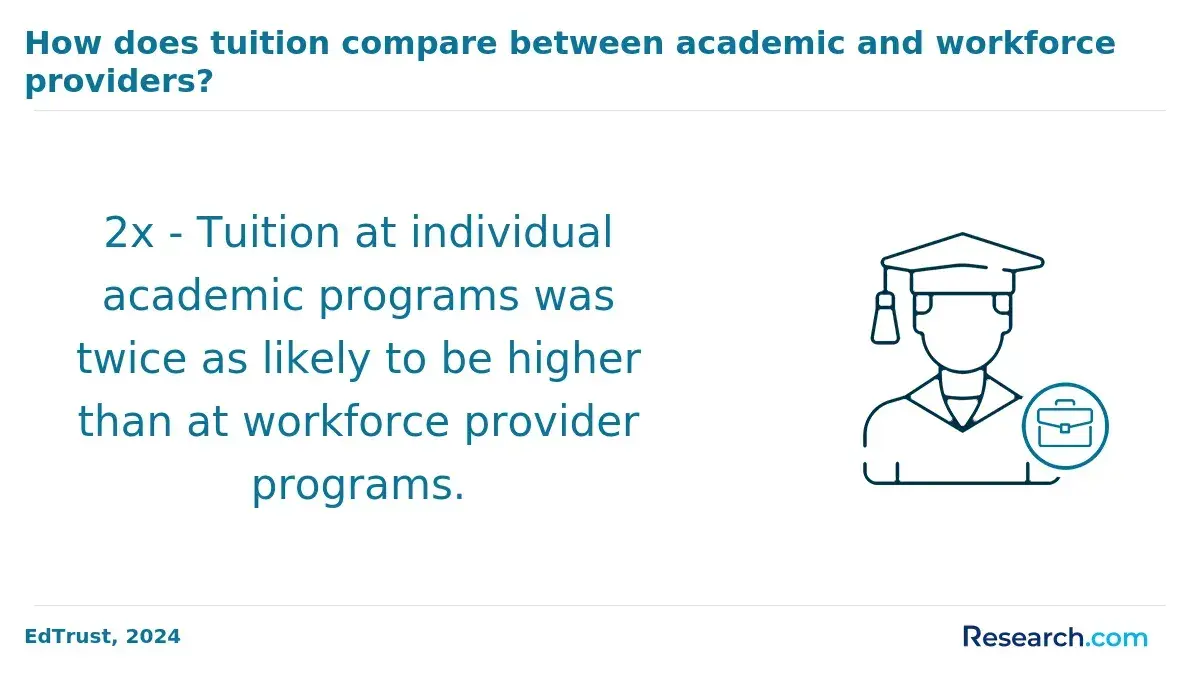
Common prerequisite subjects include psychology, sociology, statistics, composition, human development, and introductory social work. Tuition costs vary widely, with community colleges generally charging between $150 and $300 per credit hour, while universities may range from $400 to $1,200 per credit hour depending on the institution and residency.
Before paying for a course, ask the social work program these questions:
- Will this exact course satisfy the prerequisite?
- Does the school require the course to come from an accredited institution?
- Is there a minimum grade, such as a grade of C or higher?
- Will online, accelerated, or self-paced courses be accepted?
- Is there a time limit on older prerequisite coursework?
- Will the course count toward the degree or only toward admission eligibility?
To control costs, many students complete prerequisites at community colleges, use transfer agreements, apply for federal grants, or compare affordable online options. Students researching graduate pathways may also want to compare the cheapest online social work degree options alongside transfer and prerequisite policies, since the lowest tuition is not always the best value if extra courses are required.
The most important cost-saving step is verification. Get written confirmation from an advisor or admissions office before enrolling in a prerequisite course elsewhere. Otherwise, you may pay for a class that does not apply to your program.
What Graduates Say About the Prerequisites for Their Social Work Degree
- : "Getting accepted into the social work degree program felt daunting at first, but completing the necessary prerequisites really prepared me both academically and mentally. The cost was manageable, especially given the scholarships I found, which made the investment worth it. Today, as a licensed social worker, I truly see how this degree has opened doors to meaningful and impactful work in my community. — Danton"
- : "Reflecting on my journey, fulfilling the prerequisite courses was a key step that ensured I was fully ready for the challenges ahead. Although the cost of the social work degree was significant, I consider it an indispensable investment in my future. This education deeply influenced my career, enabling me to support vulnerable populations with confidence and empathy. — Nina"
- : "From a professional standpoint, meeting all prerequisite requirements before entering the social work program was essential for success and gave me a solid foundation. The overall cost was reasonable compared to the career growth I’ve experienced since graduating. My degree has been instrumental in advancing my role and credibility in the field. — Agnes"
Other Things You Should Know About Social Work Degrees
Most social work degree programs require a minimum GPA of 2.5 on a 4.0 scale, while competitive bachelor’s-to-master’s pathways often expect 3.0 or higher. Schools usually verify GPA from all college credits, and some conditionally admit students below the cutoff with later grade requirements.
Completing prerequisite courses for a 2027 social work degree typically takes one to two semesters, depending on the student's prior educational background and the program's specific requirements. These courses may include foundational topics such as psychology, sociology, and human services.
References
- Explore UM | University of Manitoba - Faculty of Social Work (Fort Garry Campus and Thompson External Applicant) Information https://umanitoba.ca/explore/undergraduate-admissions/requirements/social-work
- 2026 BSW Degree: Your Guide to the Bachelor of Social Work - Social Work Education Center https://www.socialworkdegree.net/bsw-degree/
- Admissions Requirements https://www.ferris.edu/arts-sciences/departments/social-work/bsw/admission-requirements.htm
- Do I need to complete any pre-requisite courses before applying to the program? - School of Social Work https://socialwork.charlotte.edu/faqs/do-i-need-complete-any-pre-requisite-courses-applying-program/
- Standards for Technology in Social Work Practice https://www.socialworkers.org/Practice/NASW-Practice-Standards-Guidelines/Standards-for-Technology-in-Social-Work-Practice
- Search approved courses - Social Work England https://www.socialworkengland.org.uk/education-training/search-approved-courses/
- Support for social workers https://support-for-social-workers.education.gov.uk/become-a-social-worker/ways-to-qualify-as-a-social-worker
- Social Work (Bachelor of Social Work) https://www.douglascollege.ca/program/bsowk
- Applying for Your Master of Social Work When You Have No Experience https://www.socialworker.com/feature-articles/education--credentials/applying-master-of-social-work-when-you-have-no-experience/
- Bachelor of Social Work (BSW) https://socialworklicensemap.com/social-work-degrees/bachelor-of-social-work-programs/