2027 How to Compare Social Work Degree Programs Effectively

Co-Founder and Chief Data Scientist
The best social work degree program is not simply the cheapest, closest, or most recognizable option. It is the program that fits your intended license, preferred population, field placement needs, schedule, and budget without creating avoidable barriers after graduation.
This matters because social work programs can look similar on the surface while preparing students for very different paths. One curriculum may be built around clinical practice and supervised mental health work, while another may emphasize policy, advocacy, case management, or community organizing. Those differences affect internships, licensure eligibility, job options, and long-term return on investment.
According to the National Association of Social Workers, employment in social work is projected to grow 12% from 2020 to 2030. That growth signals demand, but it does not eliminate the need to choose carefully. This guide explains how to compare accreditation, concentrations, coursework, schedules, online and campus formats, GPA expectations, tuition, licensure alignment, career placement, salaries, and graduate perspectives before you commit.
Key Benefits of Comparing Social Work Degree Programs Effectively
- Accreditation by the Council on Social Work Education (CSWE) ensures program credibility and eligibility for licensure, impacting long-term career prospects.
- Curriculum alignment with your specialization interests, such as clinical or community social work, enhances relevant skills and employability in targeted sectors.
- Consider program costs against potential salary outcomes; median social worker salaries vary by degree level and geographic location, affecting return on investment.
What Types of Accreditation Should a Social Work Degree Program Have?
A social work degree program should have the accreditation required for academic credibility, financial aid access, transferability, and licensure eligibility. For most students, the most important credential to confirm is Council on Social Work Education accreditation, especially if the goal is professional social work practice or future licensure.
Accreditation is not a formality. It affects whether employers recognize the degree, whether another school accepts your credits, whether you can use federal aid, and whether your state licensing board will consider your education acceptable. Studies show that employers are twice as likely to recognize degrees from accredited institutions, which makes accreditation a practical career issue as well as an academic one.
| Accreditation or approval type | Why it matters | What to verify before applying |
| CSWE Accreditation | Confirms that the social work curriculum meets professional standards for competencies, ethics, practice methods, and field education. | Check whether the exact degree level and delivery format you plan to enter are covered, not just the university as a whole. |
| Regional Accreditation | Validates the broader institution and can affect credit transfer, graduate admission, employer recognition, and federal financial aid eligibility. | Confirm institutional accreditation through the school and the accreditor, particularly if you may transfer or pursue another degree later. |
| State Licensure Approval | Some states expect programs to meet specific educational rules before graduates can pursue licensure or certification. | Compare the program’s licensure disclosures with the rules of the state where you intend to practice. |
The safest approach is to verify accreditation in writing before enrolling. Do not rely only on marketing language such as “aligned with professional standards” or “licensure-focused.” Ask admissions or the program director whether graduates are eligible for the credential you want in your state.
Students comparing affordability across helping-profession degrees may also find it useful to review related flexible options such as online SLP master's programs, but social work applicants should prioritize CSWE status and licensure fit first.
What Specializations Are Offered in Social Work Degree Programs?
Social work specializations help students match their education to the people, settings, and problems they want to address. Choosing a concentration is especially important at the graduate level because it can influence field placements, electives, supervision needs, and early job opportunities.
According to the Bureau of Labor Statistics, demand for specialized social workers, particularly in healthcare and mental health settings, is projected to grow by 16% over the next decade. That does not mean every specialization leads to the same salary or hiring outlook, but it does show why targeted preparation can matter.
| Specialization | What students study | Common career direction |
| Clinical Social Work | Assessment, diagnosis, treatment planning, counseling methods, ethics, and supervised practice with individuals, families, or groups. | Behavioral health agencies, hospitals, community mental health centers, and, after meeting state rules, clinical practice settings. |
| Child and Family Social Work | Family systems, child welfare, trauma-informed care, mandated reporting, advocacy, and intervention planning. | Child welfare agencies, family service organizations, foster care services, and youth-focused nonprofits. |
| Healthcare Social Work | Care coordination, patient advocacy, discharge planning, health systems, chronic illness, and psychosocial support. | Hospitals, clinics, rehabilitation centers, hospice programs, and integrated care teams. |
| School Social Work | Student support, school systems, crisis response, family engagement, special education collaboration, and community resources. | Public and private schools, district support teams, and youth services programs. |
| Gerontology | Aging, long-term care, elder advocacy, health and housing needs, caregiver support, and end-of-life services. | Senior service agencies, healthcare organizations, long-term care settings, and community aging programs. |
When comparing concentrations, look beyond the label. A “clinical” track with limited behavioral health placements may be less useful than a generalist program with strong local mental health partnerships. Likewise, a child and family concentration should provide relevant fieldwork, not just one or two electives.
Students evaluating flexible study formats in other fields may compare how programs structure adult-friendly pathways, such as an online business degree program, but social work students should pay special attention to whether field education supports the specialization they choose.
How Can You Compare Courses Across Social Work Degree Programs?
To compare courses across social work degree programs, review the curriculum as a professional preparation plan rather than a list of class titles. The strongest programs show a clear progression from foundational theory to practice skills, field education, ethics, research, policy, and specialization-specific training.
Research shows that programs with comprehensive coursework and hands-on practice have an average course completion rate of 85%, highlighting the connection between curriculum design and student success. A strong course map should help you see what you will learn, when you will practice it, and how it connects to fieldwork and licensure goals.
Course comparison checklist
- Read full course descriptions: Titles such as “Practice I” or “Human Behavior” can vary widely. Look for details on theories, populations served, methods taught, assignments, and expected competencies.
- Check field education integration: Social work is practice-based. Compare when field placements begin, how many terms they span, how agencies are selected, and whether placements match your career interest.
- Compare credit hours and sequencing: A program may appear shorter but require heavier terms, summer enrollment, or strict course sequences. Make sure the pacing is realistic for your work and caregiving responsibilities.
- Assess practical skill development: Strong programs teach interviewing, assessment, documentation, case planning, crisis response, policy analysis, advocacy, and community engagement.
- Review research and policy requirements: Even clinically focused social workers need to understand evidence, ethics, systems, and policy barriers affecting clients and communities.
- Examine faculty qualifications: Look for faculty with relevant practice experience, active research, licensure, or community partnerships in your intended area.
Questions to ask before enrolling
- Can I see a sample degree plan for full-time and part-time enrollment?
- How are field placements assigned, and can online students complete placements locally?
- Which courses directly prepare students for state licensure exams or supervised practice requirements?
- Are electives offered regularly, or only when enough students enroll?
- What happens if I cannot complete a field placement during standard weekday hours?
Students comparing affordability across related behavioral science pathways may also review the cheapest psychology degree online, but social work applicants should judge curriculum quality by practice preparation, field placement structure, and licensure relevance.
What Scheduling Options Are Available in Social Work Degree Programs?
Social work degree programs may be offered through traditional daytime study, evening and weekend classes, part-time tracks, online formats, or hybrid schedules. The right option depends on how much structure you need, whether you work, where you live, and how flexible your field placement availability will be.
| Scheduling option | Best for | Potential trade-off |
| Traditional On-Campus | Students who want regular face-to-face instruction, campus resources, and a predictable academic routine. | Weekday classes may conflict with employment, caregiving, or commuting constraints. |
| Evening and Weekend Classes | Working adults who need classes outside standard business hours. | Field placements may still require weekday availability, even if classes meet at night or on weekends. |
| Part-Time Enrollment | Students balancing school with work, family responsibilities, or financial limits. | Degree completion takes longer, and some courses may be offered only once per year. |
| Online Programs | Students who need geographic flexibility, asynchronous coursework, or the ability to study from home. | Requires self-discipline, reliable technology, and careful planning for local field placements. |
| Hybrid Formats | Students who want online convenience plus periodic in-person learning, networking, or skills practice. | Campus visits, residencies, or synchronous sessions may create travel or scheduling demands. |
Before choosing a schedule, ask how the program handles field education. A flexible class schedule does not always mean a flexible internship schedule. Many agencies operate during standard weekday hours, so working students should confirm whether evening, weekend, or employment-based placements are available.
What Are the Pros and Cons of Online vs Campus-Based Social Work Degrees?
Online and campus-based social work degrees can both be credible if they are properly accredited and include approved field education. The main difference is not degree legitimacy; it is how students learn, build relationships, access support, and complete practical training.
Nearly 40% of graduate social work students now take at least one online course, signaling that flexible learning has become a mainstream option. Still, online study is not automatically easier, and campus study is not automatically better. The right choice depends on your learning style, schedule, local placement options, and need for in-person support.
Online Social Work Degrees
- Flexible Scheduling: Online coursework can make it easier to study around employment, caregiving, and commuting limits, especially when classes are asynchronous.
- Wider Access: Students who live far from a campus or cannot relocate may be able to enroll in programs that would otherwise be unavailable.
- Possible Cost Savings: Students may reduce commuting, relocation, parking, and campus-related expenses, though tuition and fees still vary by school.
- Local Field Placement Planning: Online students must confirm how the program secures or approves placements in their area.
- Less Spontaneous Networking: Students may need to be more intentional about building relationships with faculty, peers, supervisors, and alumni.
- Greater Self-Management: Success depends on organization, time management, and consistent participation without the structure of daily campus life.
Campus-Based Social Work Degrees
- Direct Interaction: Face-to-face classes can support discussion, role-play, group work, faculty access, and peer connection.
- Structured Environment: Regular meeting times may help students stay accountable and engaged.
- Established Local Placement Networks: Campus programs often have long-standing relationships with nearby agencies, schools, hospitals, and community organizations.
- Less Schedule Flexibility: Class times and commuting can make campus study difficult for full-time workers or students with caregiving responsibilities.
- Additional Costs: Transportation, parking, relocation, and time away from work can increase the total cost of attendance.
When I asked a graduate who completed an online social work degree about his experience weighing these pros and cons, he shared how the decision process felt overwhelming. “I was torn between needing flexibility and wanting the in-person connections I've heard are so valuable,” he explained.
He spent weeks researching programs, comparing advice from friends and online forums, and looking honestly at his work schedule. “Time management was a huge concern, but the ability to study from home ultimately tipped the scale,” he recalled.
Despite initial doubts about missing real-time interaction, he said his program’s virtual meetings and accessible instructors helped him stay engaged. His advice was to ask specific questions about communication, advising, and field placement support before assuming an online program will feel isolating.
How Do GPA Requirements Vary Among Social Work Degree Programs?
GPA requirements vary by degree level, school selectivity, applicant pool, and admissions philosophy. Many social work programs use GPA as one measure of readiness, but they may also consider work history, volunteer experience, recommendations, personal statements, and commitment to social justice or human services.
- Range of Thresholds: GPA minimums typically fall between 2.5 and 3.0 on a 4.0 scale, though more competitive programs may expect stronger academic records.
- Holistic Admissions: Some schools will review applicants with lower GPAs if they show professional maturity, relevant experience, strong recommendations, or improvement in later coursework.
- Coursework Emphasis: Graduate programs may pay close attention to grades in social science, statistics, psychology, sociology, human services, or other related courses rather than only the cumulative GPA.
- Conditional Admission: Some programs offer probationary or conditional pathways that require students to earn specific grades during the first term or complete prerequisite coursework.
- Strict Cutoffs: Other programs enforce minimum GPA rules with little flexibility, especially when cohorts are small or demand is high.
If your GPA is below a program’s preferred range, do not assume you are automatically out of consideration. Ask whether the school accepts addenda, prerequisite retakes, post-baccalaureate coursework, professional experience, or conditional admission. A clear explanation of academic growth can be more persuasive than a generic personal statement.
How Can You Compare Tuition Across Social Work Degree Programs?
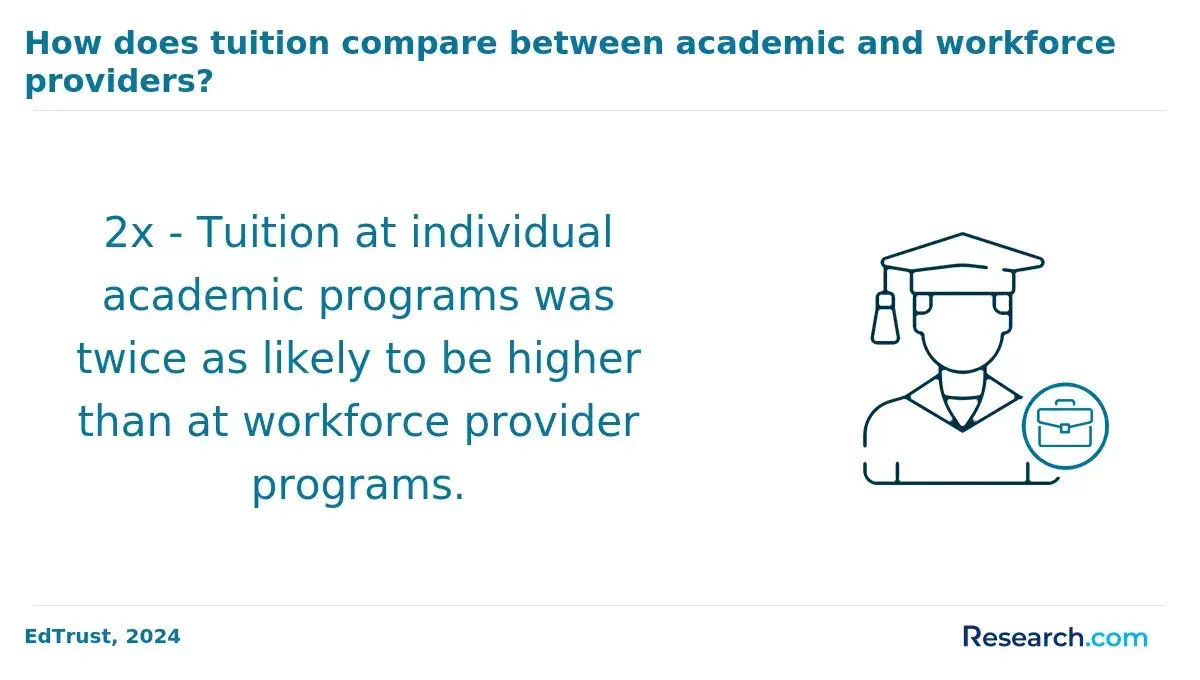
To compare tuition across social work degree programs, calculate total cost of attendance rather than focusing only on the advertised per-credit rate. Tuition is only one part of the financial picture. Fees, field placement expenses, books, transportation, technology, residency requirements, lost work hours, and loan interest can change the real cost substantially.
In 2020, graduate students accumulated over $71,300 on average in student loan debt. That makes cost comparison especially important for social work students, because public service careers can be meaningful and stable but may not always produce high early-career earnings.
| Cost factor | Why it matters | What to ask |
| Total Program Cost | Shows the full expected price before aid, including required tuition and fees. | Can the school provide a full program estimate for my enrollment pace? |
| Cost Per Credit | Helps compare programs with different credit requirements, transfer policies, or part-time options. | How many credits are required, and will any prior credits reduce the total? |
| Fee Structures | Online, campus, clinical, technology, graduation, and field education fees can add up. | Which fees are mandatory each term, and which are one-time charges? |
| Financial Aid Availability | Scholarships, grants, assistantships, and institutional aid can reduce out-of-pocket cost. | What percentage of students receive aid, and when are scholarship decisions made? |
| Employer Tuition Benefits | Working students may be able to lower costs through reimbursement or education benefits. | Does my employer cover accredited social work coursework, and are there service commitments? |
| Long-Term Value | Debt should be weighed against licensure eligibility, placement strength, job outcomes, and salary expectations. | What are recent graduates doing, and how much debt do students typically take on? |
Students comparing MSW affordability should examine accredited options carefully, including lists of the cheapest online msw programs, while still confirming field placement quality, state authorization, and licensure alignment.
When I spoke with a graduate who completed a social work degree, she said the cost comparison was difficult at first. “I had to balance what I could afford upfront with what would be manageable long term,” she explained.
She looked closely at hidden fees and scholarship opportunities, but she did not rely only on website estimates. “After connecting with financial aid advisors and current students, I gained clarity,” she said.
Looking back, she said employer tuition benefits changed her decision. Her main lesson was practical: “It's not just about the sticker price-it's about how the entire cost fits your life and goals.”
Does a Social Work Degree Meet Licensure Requirements?
A social work degree meets licensure requirements only if it satisfies the rules of the state where you plan to practice. Because social work licensure is regulated at the state level, students should never assume that an accredited degree automatically meets every requirement in every jurisdiction.
Nearly 70% of clinical social workers must obtain state licensure to practice, making licensure alignment one of the most important factors for students pursuing clinical or regulated roles. Requirements may include an approved degree, specific coursework, field education, supervised post-degree experience, background checks, and licensing exams.
- Curriculum Alignment: Confirm that the program covers expected areas such as human behavior, ethics, social policy, research, diversity, assessment, and practice methods.
- Accreditation Status: Verify recognized accreditation, especially Council on Social Work Education accreditation, because many licensing boards rely on it when determining exam or supervised practice eligibility.
- State Requirements: Review the licensing board rules for the state where you intend to work. If you may move, compare requirements in multiple states.
- Supervised Experience: Field education during the degree is not always the same as post-graduate supervised hours required for clinical licensure. Understand both.
- Exam Eligibility: Ask whether graduates are eligible to sit for the relevant licensing exam and whether the program publishes exam preparation support or outcomes.
- Online and Out-of-State Enrollment: If you enroll online in a school located in another state, request written confirmation about state authorization and licensure disclosures for your location.
The most reliable strategy is to contact both the program and your state licensing board before enrolling. Save written responses, degree plans, field placement documentation, and syllabi in case you need them during the licensure application process.
Which Social Work Programs Have the Best Career Placement Rates?
The social work programs with the best career placement rates are usually those that combine accredited coursework, strong field placements, employer relationships, active alumni networks, and career services designed specifically for social work roles. A high placement rate is useful, but only if you understand what the school counts as “placement.”
According to the Council on Social Work Education's 2022 report, around 85% of Master of Social Work graduates found employment within six months of completing their studies. When comparing individual programs, ask for recent, program-specific data instead of relying only on broad field averages.
- Employer Partnerships: Programs with strong relationships with agencies, hospitals, schools, behavioral health organizations, and government offices can help students access relevant internships and job leads.
- Internship Pipelines: Field placements often function as professional auditions. Programs that place students in settings aligned with their goals may improve job readiness and networking.
- Alumni Outcomes: Transparent programs should be able to discuss where graduates work, how quickly they find employment, and whether jobs are in social work-related roles.
- Program Support Services: Look for resume reviews, interview preparation, licensing guidance, job fairs, alumni mentoring, and career advising tailored to social work.
- Local Labor Market Fit: A program may have excellent placement outcomes in its region but fewer connections where you live. This matters especially for online students.
Ask programs to define their placement rate. Does it include only full-time social work jobs? Does it count students already employed before graduation? Are part-time, temporary, or unrelated roles included? Strong programs should answer these questions clearly.
Prospective students can also compare broader career planning information, including fields described in degrees that make the most money, but social work applicants should focus on mission fit, licensure pathways, placement quality, and sustainable debt levels.
How Do Salaries Compare Across Social Work Degree Program Graduates?
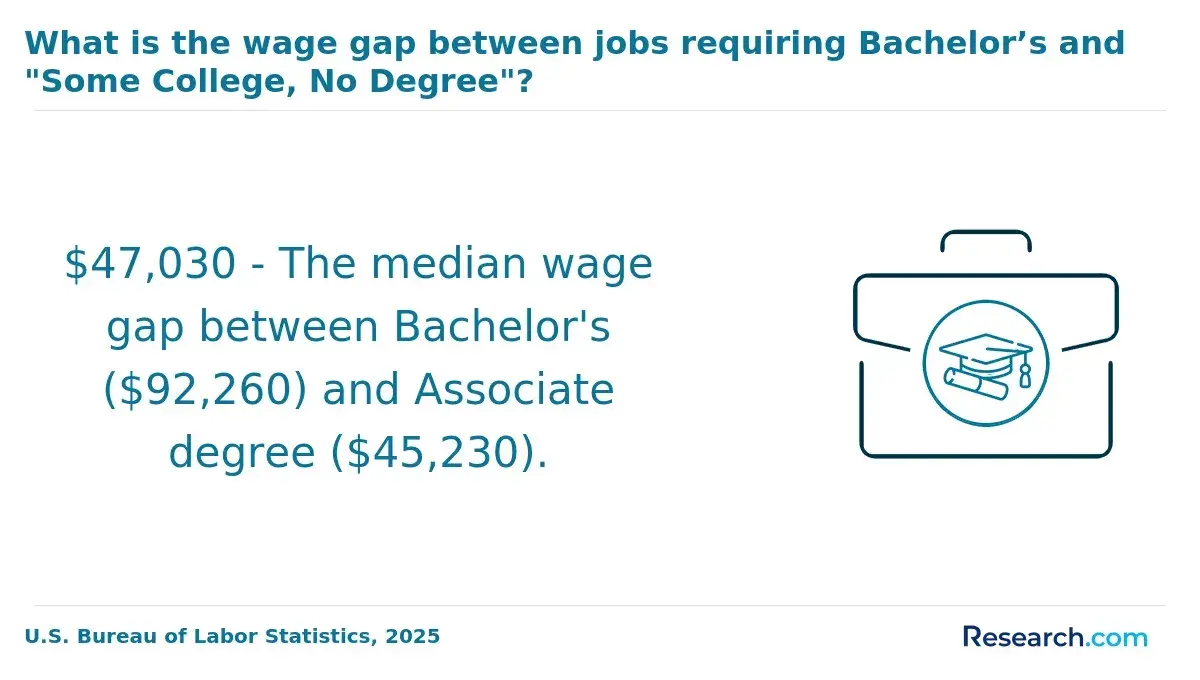
Salaries for social work degree graduates vary by role, degree level, licensure status, employer type, location, and experience. The U.S. Bureau of Labor Statistics reports the median annual wage for social workers at approximately $50,000, though actual earnings can be lower or higher depending on the position and region.
Salary comparisons are most useful when paired with total program cost. A lower-cost program that meets licensure requirements and has strong placement support may offer better financial value than a more expensive option with limited career outcomes. At the same time, students should avoid choosing solely on price if the program does not support their intended license or specialization.
- Role Specialization: Clinical social workers generally earn higher wages than those in some community or school-based roles, though licensure and supervised experience requirements can be significant.
- Industry and Employer Type: Healthcare and government settings often pay more than nonprofit organizations, which may operate with tighter budgets.
- Location and Cost of Living: Average starting salaries for social work degree holders by region can differ substantially. Higher pay in an urban area may be offset by higher housing, transportation, and licensing costs.
- Experience and Education: Entry-level salaries are typically lower. Advanced degrees, specialized training, supervision, and licensure can improve earning potential over time.
- Licensure Status: Some roles require or reward licensure. Students should factor in the time and cost required to complete post-degree supervision and exams.
Students balancing work, affordability, and long-term earning goals may also compare flexible degree options such as online college degrees, but salary planning for social work should always include licensure, specialization, employer sector, and local demand.
What Graduates Say About Comparing Social Work Degree Programs Effectively
- Tristan: "Before deciding on a social work degree, I carefully weighed the costs and benefits, knowing the average attendance could reach up to $30,000 annually. The affordability of the program I chose was paramount, making it financially feasible while still promising a quality education. Since graduating, the degree has opened doors to meaningful roles where I can make a real difference-I'm genuinely grateful for making this investment."
- Mae: "Choosing to pursue a social work degree was initially daunting, especially with concerns about financial strain. I reflected deeply on the value this degree would bring compared to its cost, which was notably lower than other similar programs I researched. This decision has profoundly shaped my professional path, allowing me to advocate effectively in diverse communities."
- Bella: "From a purely professional standpoint, the social work degree offered the best balance of cost and career advancement opportunities. Knowing that the average attendance fees were moderate gave me confidence in committing to the program. Completing the degree not only enhanced my credentials but also equipped me with practical skills that have significantly elevated my work in the field."
Other Things You Should Know About Social Work Degrees
Fieldwork or practicum experience is a crucial component of social work education. When comparing programs, assess the quality and variety of placements offered, as well as the support students receive during these experiences. Look for programs that partner with reputable community agencies, offering hands-on opportunities that align with your professional interests.
Review the program’s accredited status and course alignment with your state board’s licensure rules. For a BSW or MSW, confirm CSWE accreditation, the required field hours, and whether the curriculum meets exam eligibility for the ASWB licensing exam in your state.
Each program may have its own policies regarding academic requirements, ethics, and student conduct, which are particularly important in social work education. Review policies on attendance, field placement requirements, and background checks. Understanding these rules upfront helps prevent surprises and ensures the program aligns with your needs and circumstances.
References
- 15 MSW Programs That Accept Low GPA Students in 2025 (Below 3.0) - Social Work Education Center https://www.socialworkdegree.net/online-msw-programs/msw-programs-that-accept-low-gpa/
- BSW accreditation https://healthsciences.missouri.edu/social-work/bachelors-degree/bsw-accreditation/
- Online MSW Programs with No GRE Required https://socialworklicensemap.com/social-work-degrees/online-msw-programs/social-work-programs-no-gre/
- 25 Most Affordable MSW Programs 2025 | Complete Cost Guide https://www.socialworkdegrees.org/most-affordable-msw-programs
- Accreditation | CASWE-ACFTS https://caswe-acfts.ca/our-activities/accreditation/
- Accreditation for Social Work Programs - A Complete Guide https://www.geteducated.com/online-learning/accreditation-for-social-work-programs/
- Should You Do Your MSW Online or In-Person? https://www.mswhelper.com/blog/should-you-do-your-msw-online-or-in-person
- Pros and Cons of Online Social Work Programs - Kayla Das | Design a Private Practice That You Love https://kayladas.com/pros-and-cons-of-online-social-work-programs/
- Licensing requirements by state or province - Association of Social Work Boards https://www.aswb.org/licenses/how-to-get-a-license/licensing-requirements-by-state-or-province/