2027 Most Affordable Master's Degrees for Adults With No College Degree

Co-Founder and Chief Data Scientist
If you have no college degree, the first cost question is not "Which master's is cheapest?" It is "What will it cost to become eligible?" Most U.S. master's programs require a bachelor's degree, so an advertised graduate tuition rate tells only part of the story.
The distinction matters in growing fields: the U.S. Bureau of Labor Statistics projects 33% growth for information security analysts from 2023 to 2033, yet a master's is not the usual entry requirement. This guide compares degree fields, explains the rare alternatives to standard admission, and shows how to calculate a realistic education budget.
Key Things You Should Know
- Start with eligibility: Most master's programs require a completed bachelor's degree; work experience alone rarely replaces it.
- Compare the full route: Bachelor's tuition, graduate credits, mandatory fees, prerequisites, and unpaid placements can matter more than a low master's per-credit price.
- Match spending to the job: Some careers require a specific license or clinical training, while many business and technology jobs do not require a master's degree.
Top 10 Most Affordable Master's Degrees for Adults With No College Degree - Affordable Master's Degrees
Business / MBA Programs
A Master of Business Administration (MBA) develops broad management skills; a specialized MS may focus on accounting, finance, or operations. Most require a bachelor's degree, and some favor relevant work experience. For an adult starting without college, a lower-cost business bachelor's followed by employer-supported graduate study may cost less than rushing into an expensive MBA. Compare total graduate credits, fees, and whether the career you want actually rewards the credential. An MBA does not substitute for experience when applying for management jobs.
Healthcare Administration & Management Programs
A Master of Healthcare Administration (MHA) or healthcare management MS prepares students for organizational roles, not clinical licensure. A bachelor's degree is normally required; experience may strengthen an application but seldom replaces the degree. Compare required credits, internships, and healthcare-specific fees. If you have no college degree and want to work sooner, consider an entry-level healthcare operations role while pursuing an affordable bachelor's. Management positions commonly require substantial experience in addition to graduate education.
Information Technology Programs
An MS in information technology typically covers systems, cloud services, and IT leadership. Most programs require a bachelor's degree, although applicants from other majors may be able to complete foundation courses. Those extra courses increase total cost. Adults without a degree can compare an IT bachelor's plus work experience against the longer bachelor's-to-master's route. Before paying for graduate study, check whether the target job values a master's more than demonstrated technical skills or relevant certifications.
Computer Science Programs
A computer science MS can support advanced technical study or research. Admission usually requires a bachelor's degree and programming and mathematics preparation; a non-CS bachelor's may trigger additional prerequisites. That makes an apparently inexpensive MS costly for someone starting without college. Compare a computer science bachelor's, a postbaccalaureate bridge after earning another bachelor's, and graduate study only if your intended specialization calls for it. Check whether the program requires a thesis, project, or other culminating work.
Cybersecurity Programs
A cybersecurity MS may emphasize security engineering, governance, or digital forensics. A bachelor's degree is normally required, and technical prerequisites vary. For someone with no college degree, an affordable computing bachelor's and entry-level security experience may be a better first investment. Compare the full cost of any foundation courses and consider whether a relevant certification addresses your immediate goal. Neither a cybersecurity master's nor a certification guarantees a security job.
Data Science / Analytics Programs
A data science or analytics MS commonly combines statistics, programming, and applied projects. Applicants generally need a bachelor's degree; missing calculus or programming preparation can add time and expense. Business analytics programs may suit different goals than research-oriented data science programs. Adults starting without college should price the undergraduate mathematics and computing preparation alongside graduate tuition. If the goal is an entry-level analyst position, a relevant bachelor's and portfolio may be a less costly first step.
Education / Educational Leadership Programs
A Master of Education (MEd) may support teaching specialization, while educational leadership programs often target experienced educators. Admission normally requires a bachelor's; particular programs may also require a teaching license or classroom experience. Ask whether the degree meets your state's requirements before comparing prices. For an adult without college, the initial teaching-qualification pathway is the immediate decision. Graduate study alone does not confer teacher or administrator licensure, and fieldwork can add scheduling and travel costs.
Counseling / Psychology Programs
A counseling master's may be designed for professional licensure; a psychology MA or MS may instead emphasize research or nonclinical work. Both normally require a bachelor's degree. The cheapest tuition is not the cheapest usable path if a program lacks required clinical preparation, supervision, or eligibility for the intended state license. Practicum placements may also limit work hours. Confirm the occupation and state rules before choosing an undergraduate major or committing to graduate tuition.
Nursing Programs
A Master of Science in Nursing (MSN) usually builds on prior nursing education and, for many tracks, an active registered nurse (RN) license. Direct-entry options for career changers generally still require a bachelor's degree, even when it is in another field. Adults with no college degree should first compare routes to RN eligibility and licensure. Then price any required clinical placements, travel, and graduate study. An MSN alone does not establish eligibility for an advanced practice nursing license.
Engineering Management Programs
An engineering management MS combines technical decision-making with operations or leadership coursework. Programs typically require a bachelor's degree, often in engineering or another quantitative field; missing prerequisites can make a low tuition quote misleading. This path may suit experienced technical workers seeking broader responsibilities, but a master's does not replace engineering experience or confer a professional engineering license. If you have no degree, compare the complete undergraduate-to-graduate cost with gaining experience after a bachelor's.
Can You Earn a Master's Degree Without a Bachelor's Degree?
Usually, no. Standard U.S. master's admission requires a completed bachelor's degree from an acceptable institution. An applicant's career achievements, certifications, or unfinished undergraduate credits may strengthen an application, but they do not ordinarily replace that requirement. A school may publish an exceptional admission or combined-degree policy; rely on its written graduate admissions rules, not an advertisement suggesting that experience automatically counts as graduate credit.
If you are starting from zero, choose the bachelor's route based on your intended job and likely master's prerequisites. Exploring good majors in college can help frame that decision, but confirm the requirements of any graduate program you may eventually pursue.
Which Affordable Master's Programs Accept Adults Without College Degrees?
There is no reliable general list of inexpensive U.S. master's programs that accept applicants with no completed college degree. Some universities describe exceptional admission based on substantial professional experience, but eligibility is institution- and program-specific. Without a verified published exception, do not treat a program as open to applicants without a bachelor's.
Ask graduate admissions to identify the exact policy, whether it applies to your chosen master's, and whether admission is full or conditional. Request a written estimate of every requirement remaining before graduation. An exception that adds foundation study or restricts financial aid may be less affordable than a conventional bachelor's-first route.
What Alternative Pathways Lead to a Master's Degree Without College?
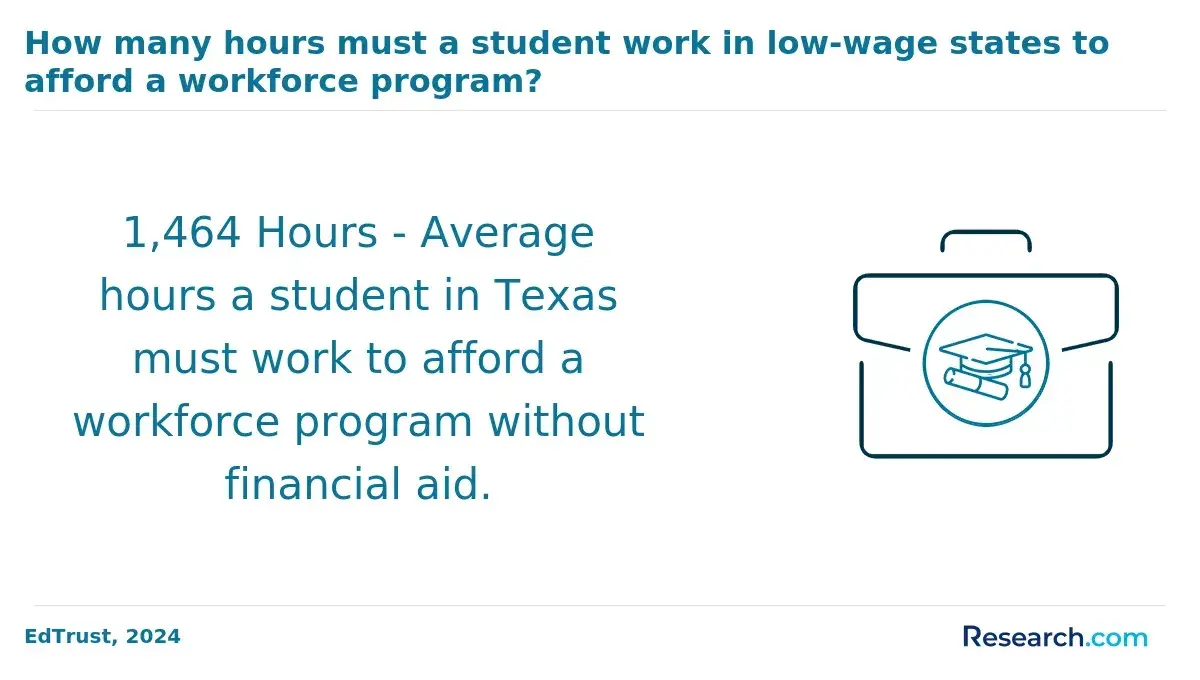
For most adults without college, the practical alternative is not skipping the bachelor's; it is reducing the cost of earning it. Community-college study followed by an eligible transfer, a lower-cost accredited bachelor's, or employer tuition assistance can reduce undergraduate spending. Prior college credit may shorten a bachelor's, but it normally does not count toward a master's.
Combined bachelor's/master's and other accelerated programs may let eligible undergraduates begin approved graduate coursework early. They generally require admission to a bachelor's pathway first. Ask which credits count toward each degree, what eligibility rules apply, and whether the advertised timeline assumes full-time study. If you later earn graduate credits or a stackable graduate certificate, obtain a program-specific transfer evaluation before assuming those credits reduce master's tuition.
How Do You Verify Accreditation for Affordable Master's Programs?
Check institutional accreditation through the U.S. Department of Education's accreditation database or the accreditor's own directory. Confirm that the listed institution is the one awarding the degree and that its status covers the period you plan to attend. Accreditation matters for educational quality review and can affect credit recognition and federal aid eligibility, but it does not mean every credit will transfer.
Next, check programmatic accreditation when your intended occupation or state board requires it. This is especially important for counseling, nursing, and some education and healthcare pathways. Ask the licensing board whether the specific program and delivery format meet its educational rules. A claim that a school is "accredited" is not a substitute for checking the credential relevant to your goal.
Are Online Master's Programs More Affordable Than Campus Programs?
Online study can reduce commuting or relocation expenses, but it is not automatically cheaper. Compare the same program's tuition and mandatory fees by delivery format and residency status. An online program may still require scheduled meetings, proctored work, campus visits, student teaching, or clinical placements. Those commitments can affect both your budget and your ability to keep working.
For the bachelor's-first stage, accredited self-paced online courses may offer useful scheduling options. Confirm that credits apply to the bachelor's you intend to earn; self-paced undergraduate coursework should not be assumed to satisfy master's credit requirements. Choose the format whose full cost and attendance rules fit your circumstances, rather than assuming "online" means flexible.
What Do Affordable Master's Programs Cost and How Long Do They Take?
There is no defensible single price or completion time for these fields. The total depends on whether you must first earn a bachelor's, how many prerequisites and graduate credits the specific program requires, accepted graduate transfer credit, enrollment pace, and any clinical or project requirements. Published per-credit tuition is a starting point, not a total-program price.
The comparison below separates expenses that advertisements can obscure. Use each row when requesting a written estimate from a school.
| Cost component | Why it matters |
| Bachelor's completion | Usually required before standard master's admission; include remaining credits and fees. |
| Graduate tuition and fees | Required credits, residency rates, and program or technology fees determine the billed amount. |
| Foundation coursework | Missing undergraduate preparation may cost extra without counting toward the master's. |
| Attendance requirements | Travel, placements, reduced work hours, and materials can increase the real cost. |
| Accepted graduate credit | It may reduce cost only if it applies to the chosen degree under current policy. |
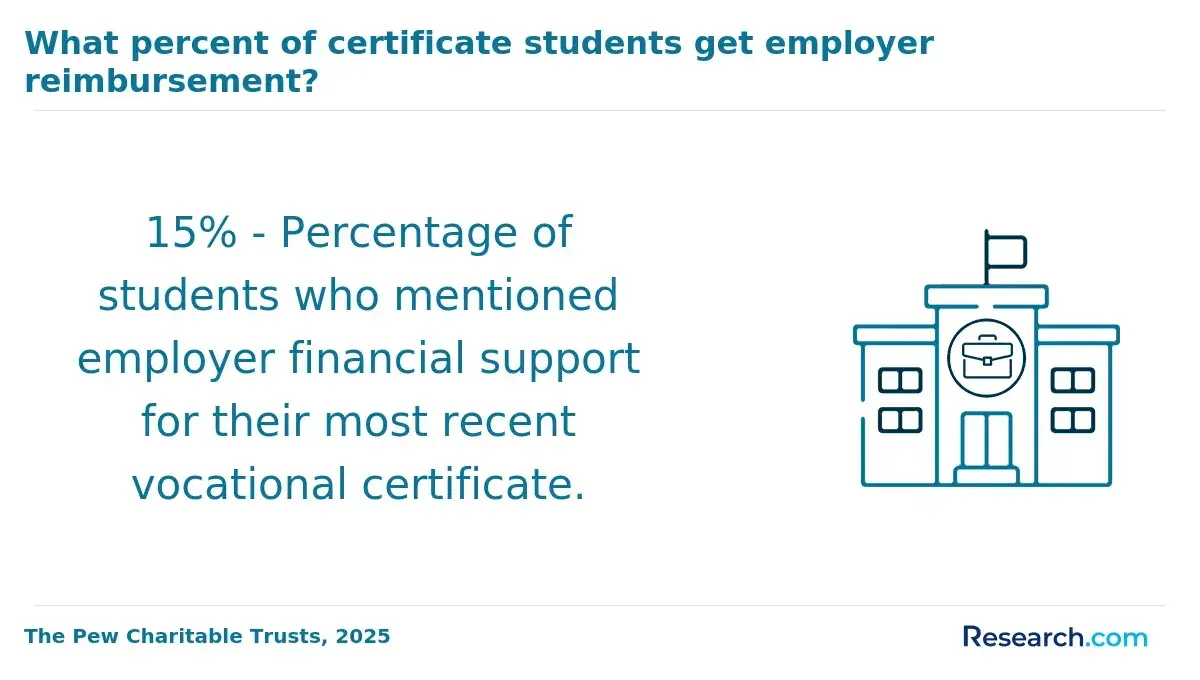
Ask for a degree audit and total-cost estimate for your starting point. Compare grants, scholarships, assistantships, and employer benefits before borrowing; graduate students generally cannot use Pell Grants. If an affordable bachelor's is the first priority, a cheapest online university comparison can provide leads, but verify current tuition, accreditation, and whether the degree meets future master's prerequisites.
What Coursework Do These Master's Programs Typically Require?
Coursework depends on the degree's purpose. An MBA usually combines organizational, financial, and strategic study; technical MS programs may require mathematics, programming, laboratories, or applied projects. Practice-oriented counseling, education, and nursing degrees can include supervised fieldwork, while research-oriented programs may require a thesis. Concentrations and electives add specialization but can affect course availability and completion time.
Before enrolling, request the current course sequence and ask whether prerequisites count toward graduate requirements, whether classes are offered when you need them, and whether a capstone, residency, internship, or placement is required. For adults working full time, an inexpensive course that is offered infrequently can delay completion and increase overall cost.
What Careers and Salaries Can These Master's Degrees Lead To?
These degrees can support specialization or advancement, but occupational pay is not a prediction of what a graduate will earn. For example, the Bureau of Labor Statistics reports a 2023 median annual wage of $120,360 for information security analysts. That is the occupation's median - not the salary caused by a cybersecurity master's - and a bachelor's is the occupation's typical entry-level education.
This comparison shows where graduate study may add value and where earlier steps matter more. Use the target occupation, not the degree name alone, to evaluate return on investment.
| Degree field | Possible career direction | Important qualification beyond the master's |
| Business or healthcare administration | Operations or organizational management | Relevant industry and leadership experience |
| IT, cybersecurity, or data science | Technical specialization or analysis | Demonstrated skills and role-specific experience |
| Education or counseling | Teaching leadership or licensed counseling | Applicable state credentials and, where required, supervised practice |
| Nursing | Advanced nursing practice or leadership | RN preparation and any additional role-specific licensure |
If the job accepts a bachelor's and experience, compare the incremental cost of a master's with a certificate or employer-supported training. Do not count on a promotion or salary increase to repay tuition unless your employer has stated how the credential affects advancement.
Which Certifications or Licenses Do Graduates Need for Employment?
Credential rules follow the job and state, not simply the degree title. Counseling may require a qualifying program, supervised experience, and an examination. Teaching and school leadership credentials depend on state rules and, often, prior teaching experience. Nursing requires RN licensure for relevant paths, while advanced practice roles have additional state requirements. Engineering licensure is separate from an engineering management degree.
Technology certifications can help document specific skills, but their value varies by employer and role. Before paying an enrollment deposit, identify your target job, check the appropriate state board or credentialing body, and ask the school for written confirmation of how its program addresses those requirements. Avoid a low-priced degree that leaves you ineligible for the work you intended to do.
Other Things You Should Know About
Usually not. Ask the specific graduate program for its published exception policy; do not assume professional experience earns admission or graduate credit.
Price an accredited bachelor's pathway first, including transfer options, fees, and employer assistance. Then compare graduate programs only if the intended career makes a master's worthwhile.
These programs normally require a bachelor's. Nursing routes may also require RN preparation, while counseling programs must be checked against the state license you want.
It may help, but check scheduled classes, course sequencing, campus visits, and field placements. Online delivery does not guarantee a self-paced program or a shorter degree.
References
- General Schedule Qualification Policies | U.S. Office of Personnel Management https://www.opm.gov/policy-data-oversight/classification-qualifications/general-schedule-qualification-policies/
- Types of Financial Aid: Grants, Work-Study, and Loans | studentaid.gov https://studentaid.gov/understand-aid/types
- Admissions Eligibility | Colorado Department of Higher Education Home https://cdhe.colorado.gov/admissions-eligibility
- Research Summary: Education and Lifetime Earnings | ssa.gov https://www.ssa.gov/policy/docs/research-summaries/education-earnings.html
- Program Eligibility, Written Arrangements, and Distance Education | ed.gov https://fsapartners.ed.gov/knowledge-center/fsa-handbook/2024-2025/vol2/ch2-program-eligibility-written-arrangements-and-distance-education
- Avoid Fake-Degree Burns By Researching Academic Credentials | Federal Trade Commission https://www.ftc.gov/business-guidance/resources/avoid-fake-degree-burns-researching-academic-credentials
- Accreditation in the U.S. | ed.gov https://www.ed.gov/laws-and-policy/higher-education-laws-and-policy/college-accreditation/accreditation-in-the-us
- Simultaneous award of bachelor's and master's degrees | mit.edu https://oge.mit.edu/gpp/advanced-degrees/masters-degree/simultaneous-award-of-bachelors-and-masters-degrees/
- Estimate Costs and Aid | WVU Hub | West Virginia University https://hub.wvu.edu/planning-and-resources/estimate-costs-and-aid
- How Do Transfer Credits Work? A Guide for Adult Learners | Whitworth Online https://online.whitworth.edu/news-articles/how-do-transfer-credits-work-when-you-go-back-to-school/