2027 Top Universities Offering Online Social Work Degrees

Co-Founder and Chief Data Scientist
Choosing an online social work degree is not just a question of convenience. The program you select can affect your field placement options, eligibility for licensure, total cost, and the kinds of clients and communities you are prepared to serve. With the social work field projected to grow 6% this decade, students have more pathways into the profession—but they also have more programs to compare.
This guide is for career changers, working human services professionals, BSW students considering graduate school, and anyone deciding whether an online BSW or MSW fits their goals. It explains how to evaluate online social work degrees, why accreditation matters, what field education looks like, how costs and salaries compare, and what to consider before you apply.
Key Things You Should Know About Top Universities Offering Online Social Work Degrees
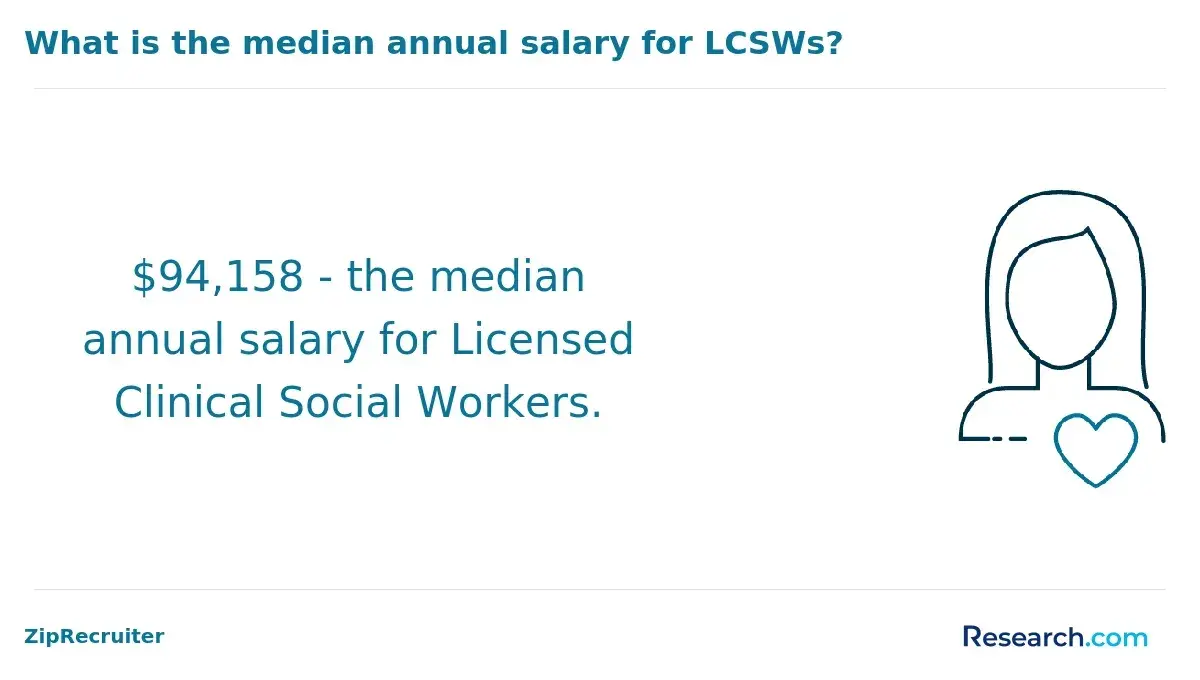
- The median annual salary for licensed clinical social workers is $94,158, highlighting the earning potential for those who pursue advanced licensure.
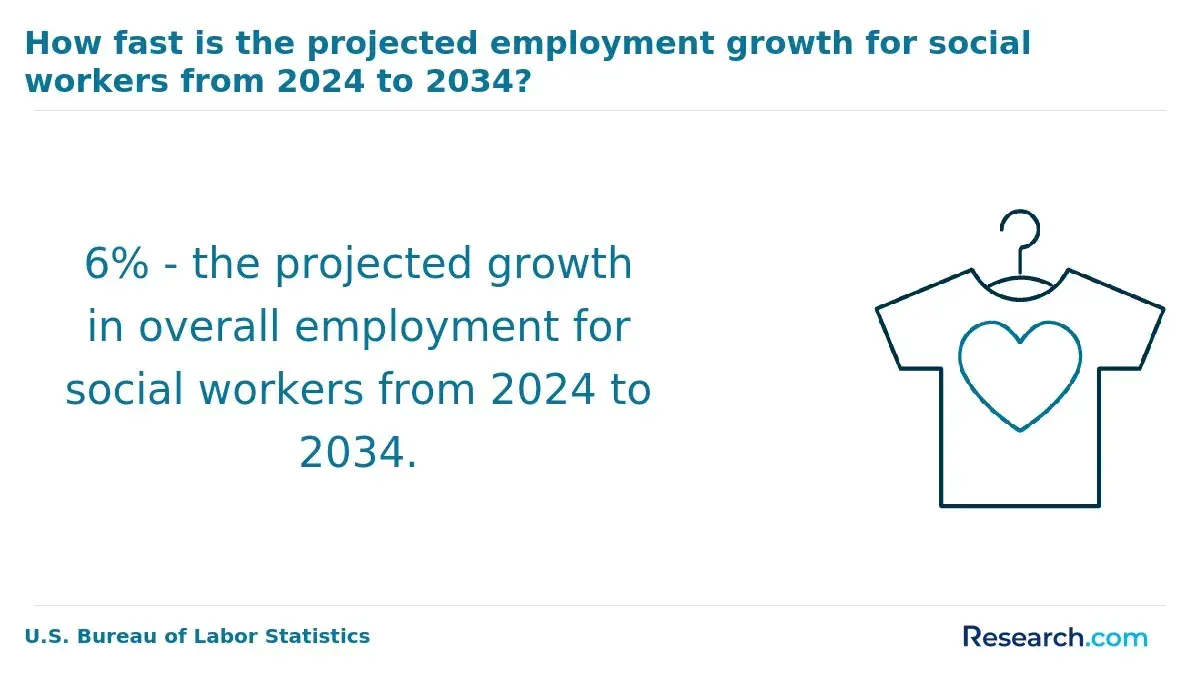
- Employment for social workers is projected to grow 6% from 2024 to 2034, which is faster than the average for all occupations.
- The field is substantial, with approximately 810,900 social work jobs held in 2024.
- A significant 74% of clinical social workers are involved in the high-demand mental and behavioral health sector.
- A degree from a CSWE-accredited program is the first step toward licensure, which is required for practice in at least 32 states.
What are the top universities for an online social work degree in 2027?
How do we rank schools?
Our rankings are designed to help students compare programs using transparent, education-focused criteria rather than marketing claims. Because a social work degree can be a major financial and professional commitment, we prioritize factors that matter to prospective students: academic quality, affordability, outcomes, accessibility, and institutional credibility.
The list draws on reliable sources, including the IPEDS database, Peterson's database, the College Scorecard database, and The National Center for Education Statistics. These sources provide a consistent data foundation for evaluating online social work degree programs. For more information, see Research.com’s methodology page.
Use this list as a shortlist, not a final answer. The best program for you depends on your degree level, state licensure goals, budget, schedule, specialization interests, and the amount of field placement support you need.
1. University of Illinois Urbana-Champaign
The University of Illinois Urbana-Champaign is a strong option for students who want a research-informed social work education. Its MSW program is especially relevant for learners interested in evidence-based practice, program evaluation, policy analysis, or contributing to the profession’s knowledge base.
Consider this program if you want a rigorous academic environment and plan to work in settings where data, assessment, and intervention outcomes matter, such as healthcare systems, agencies, policy organizations, or advanced clinical practice environments.
2. University of North Carolina at Chapel Hill
The University of North Carolina at Chapel Hill offers a well-regarded online MSW program with flexible full-time and part-time options. That flexibility can be important for working professionals who need to balance coursework, employment, family responsibilities, and field education.
This program may be a good fit if you want a respected MSW pathway and need scheduling options that can support a gradual transition into advanced social work practice.
3. Arizona State University
Arizona State University offers both a Bachelor of Arts in Social Work (BSW) and a Master of Social Work (MSW) online, making it a practical choice for students who want a longer educational pathway within one university system.
This can be useful if you are starting at the undergraduate level and already know you may pursue graduate education later. Students comparing ASU should review each program’s field placement process, state authorization considerations, and whether the curriculum aligns with their intended practice area.
4. Ohio State University
The Ohio State University offers a comprehensive online MSW with an Advanced Standing option for qualified BSW graduates. Advanced Standing can reduce the time required to complete the degree because students have already completed foundational social work coursework in their accredited BSW program.
This option is most relevant if you already hold a BSW and want to move efficiently into specialized or clinical preparation. Before applying, confirm Advanced Standing eligibility requirements, field education expectations, and whether the program supports your state’s licensure pathway.
5. The University of Alabama
The University of Alabama is notable for its field placement support. Its BSW and MSW programs maintain partnerships with hundreds of agencies, which can help students find practicum experiences that match their goals and meet program requirements.
Field education is often the most logistically challenging part of an online social work degree, so this kind of placement infrastructure can be valuable. Students should still ask how placements are arranged in their local area, what happens if a placement falls through, and how supervision is monitored.
6. University of Utah
The University of Utah offers a program with attention to both clinical practice and community leadership. That combination may appeal to students who want direct practice skills but also care about systems-level change, nonprofit leadership, advocacy, or program development.
This program may be especially relevant if you are weighing clinical work against broader community practice and want training that keeps both options open.
7. Appalachian State University
Appalachian State University offers an online BSW completion program for students who have already earned some college credits and want to finish an undergraduate social work degree.
A BSW completion pathway can be a practical choice if you want to enter generalist social work roles or eventually qualify for an Advanced Standing MSW. When comparing completion programs, pay close attention to transfer credit policies, required in-person field hours, and how quickly you can realistically graduate.
What makes an online social work program one of the best?
The best online social work degrees are not defined by whether classes are online or on campus. They are defined by accreditation, curriculum quality, field placement support, faculty expertise, student services, and outcomes that match your career goals. A strong online program should prepare you for the same professional expectations as a campus-based program.
For most students, the first filter should be CSWE accreditation. Then compare practical factors: whether the program supports placements in your area, how much live participation is required, whether specializations match your interests, and whether graduates are prepared for the kind of licensure or employment you want.
The average age of master's-level social workers being 34 also shows why online programs matter. Many MSW students are not traditional full-time students; they are working adults, parents, career changers, or human services professionals trying to advance without relocating. Even the easiest MSW online program to get into should still meet professional standards, especially if your goal involves licensure.
Beyond the Brochure: What Really Matters
Admissions pages often highlight convenience, flexibility, and faculty credentials. Those factors matter, but they should not distract you from the essentials. A program that is easy to enter but weak on field support, unclear about licensure alignment, or not properly accredited can create serious problems later.
- Accreditation: Confirm the program’s CSWE status before you apply. This is the foundation for professional credibility and licensure planning.
- Field placement support: Ask whether the school finds placements, approves student-identified placements, or expects you to do most of the search yourself.
- Licensure alignment: If you plan to become a clinical social worker, verify how the curriculum and practicum requirements fit your state’s rules.
- Format: Review whether courses are asynchronous, synchronous, or a mix. Live class times can affect your work schedule.
- Specializations: Choose a program that supports your intended path, such as clinical practice, children and families, healthcare, school social work, community practice, or policy.
- Total cost: Compare tuition, fees, travel requirements, technology costs, and the financial impact of reducing work hours during field education.
A strong program should be able to explain clearly how online students are supported from admission through graduation and into professional practice.
What kinds of jobs can you get with a social work degree?
A social work degree can lead to roles in mental health, healthcare, schools, child and family services, aging services, substance use treatment, corrections, community organizations, government agencies, and nonprofits. The exact jobs you qualify for depend heavily on whether you earn a BSW or MSW, whether you become licensed, and whether you pursue clinical practice.
About 17% of social workers are employed in individual and family services, but that is only one part of the profession. The majority of clinical social workers—a full 74%—are involved in the mental and behavioral health sector, which reflects strong demand for professionals who can assess needs, support treatment plans, coordinate care, and provide therapy where state rules allow.
Common roles by degree level
- With a BSW: Graduates often pursue case management, community outreach, advocacy, eligibility services, family support, residential services, and entry-level roles in nonprofit or public agencies.
- With an MSW: Graduates can move into advanced practice, clinical preparation, program coordination, healthcare social work, school-based services, policy roles, supervision, or specialized agency work.
- With clinical licensure: Social workers may qualify for therapy-focused roles, private practice opportunities, behavioral health positions, and advanced clinical responsibilities, depending on state requirements.
Specialized Career Paths
Social work is often described across three levels of practice. Micro-level social work focuses on direct services with individuals and families. Mezzo-level social work addresses groups, organizations, and communities. Macro-level social work involves policy, administration, advocacy, research, and systems change.
Choosing a degree program is easier when you know which level of practice interests you most. If you want to provide therapy, look closely at MSW programs with clinical preparation and field placements in behavioral health settings. If you want to lead programs or influence policy, prioritize coursework in administration, community practice, evaluation, and advocacy. Some professionals who aim for senior leadership, academic, or advanced practice roles later consider doctor of social work programs.
Why is CSWE accreditation so important for your social work degree?
CSWE accreditation is one of the most important checks you can make before enrolling in a social work program. The Council on Social Work Education is the recognized accrediting body for social work education, and its standards help ensure that programs provide the curriculum, field education, ethics training, and professional preparation expected in the field.
This matters because licensure boards and employers often rely on CSWE accreditation when evaluating whether your degree meets professional requirements. With at least 32 states requiring a license for social work practice, enrolling in a program without the right accreditation can limit or block your ability to use the degree professionally.
Accreditation as Your Career Insurance
Think of CSWE accreditation as risk protection for your education investment. It does not guarantee a job or a license by itself, but it helps ensure that your degree is recognized by the systems that matter: state boards, employers, field agencies, and graduate programs.
Before applying, check the program’s accreditation status directly rather than relying only on advertising language. Also confirm whether the program is accredited at the correct level—BSW or MSW—and whether its online format is included under the accredited program. If you plan to practice in a specific state, review that state’s licensing board requirements before you enroll.
What is the difference between a BSW and an MSW program?
A Bachelor of Social Work (BSW) is an undergraduate degree that prepares students for generalist, entry-level social work roles. A Master of Social Work (MSW) is a graduate degree that prepares students for advanced practice and is the standard pathway for those who want to pursue clinical social work licensure. These are the two main types of online social work degrees available.
The right choice depends on where you are in your education and what kind of role you want. If you do not yet have a bachelor’s degree, a BSW can provide a direct foundation in social work. If you already have a bachelor’s degree, an MSW may be the better route—especially if your goal is clinical practice, supervision, specialization, or higher-level agency work.
Key differences to consider
- BSW: Best for students seeking undergraduate preparation, entry-level human services roles, and a possible pathway to Advanced Standing MSW admission later.
- MSW: Best for students seeking advanced practice, clinical preparation, specialized roles, and expanded career options.
- Advanced Standing: Usually available only to students who already hold a BSW from an accredited program. A bachelor’s degree in psychology, sociology, criminal justice, or another related field typically does not qualify on its own.
The Advanced Standing Advantage
Earning a BSW first can be a strategic choice if you are committed to social work. Because BSW graduates have already completed foundational professional coursework, they may qualify for an Advanced Standing MSW and bypass part of the traditional graduate curriculum.
This can save time and reduce cost, but only if you meet the program’s eligibility rules. Many BSW graduates choose an accelerated MSW program to earn their master's degree in as little as one year. Before choosing this route, verify GPA requirements, recency limits on your BSW, field education expectations, and whether the accelerated pace is realistic with your work and family responsibilities.
How does field education work in an online social work program?
Field education is the supervised, in-person practice component of a social work degree. Even in an online program, field education is not completed online. You complete practicum or internship hours at an approved agency, school, healthcare organization, community program, or other social service setting, usually in or near your local area.
This is where you learn to apply classroom concepts to real client, agency, and community situations. You may observe experienced practitioners, participate in case planning, complete assessments, document services, support clients, attend supervision, and gradually take on more responsibility as your skills develop.
BSW programs typically require a minimum of 400 hours of field experience, while MSW programs often require 900 hours or more to graduate.
The University's Role in Your Placement
Field placement support should be a major factor in your program choice. A high-quality online program will not simply tell you to “find an internship.” It should have a defined process for identifying, approving, and monitoring placements that meet professional standards.
Ask each program these questions before enrolling:
- Does the school help locate placements in my area, or am I responsible for finding my own?
- Can I complete field hours where I already work, or are employment-based placements restricted?
- What types of agencies commonly accept students from the program?
- Who provides supervision, and what credentials must that supervisor hold?
- What happens if I cannot secure a placement by the required deadline?
- How many hours per week should I expect to spend in field education?
Field education can be the most rewarding part of the degree, but it can also be the hardest to schedule. Plan early, especially if you work full time or live in a rural area with fewer approved placement sites.
How much does an online social work degree cost?
The cost of an online social work degree varies widely by school, residency status, degree level, transfer credits, program length, and fees. A BSW can range from $15,000 to $40,000 total, while an MSW can range from $25,000 to $60,000 or more.
Tuition is only one part of the cost. Students should also budget for fees, books, technology requirements, background checks, transportation to field placements, possible campus visits, and the opportunity cost of reducing work hours during practicum terms.
For earnings context, the median pay for healthcare social workers is around $68,090 per year. For those who complete an MSW and go on to achieve clinical licensure, that figure rises to a median salary of $94,158.
Maximizing Your Return on Investment
The best-value program is not always the cheapest or the most expensive. It is the accredited program that gets you to your goal with the least unnecessary cost and risk. A low-cost program may be a poor investment if it offers weak placement support or does not align with your state’s licensure requirements. A high-cost program may not be worth it if a more affordable accredited option can produce the same professional outcome.
To evaluate return on investment, compare:
- Total program cost: Include tuition, fees, books, travel, and field-related expenses.
- Time to completion: Longer programs may mean more semesters of fees and delayed earnings.
- Licensure fit: Make sure the degree supports your intended credential in your state.
- Placement quality: Strong field experiences can help you build references, skills, and employment connections.
- Local salary expectations: Earnings vary by state, employer, specialization, and licensure level.
To compare earnings by location, review the MSW salary by state.
What skills do you need to succeed in a social work career?
Social work requires compassion, but compassion alone is not enough. Effective social workers combine relationship-building skills with disciplined professional judgment, strong documentation habits, ethical decision-making, and the ability to work within complex systems.
The most successful students and practitioners develop both interpersonal and technical skills:
- Essential soft skills: Empathy, active listening, patience, cultural humility, clear communication, emotional regulation, collaboration, and professional boundaries.
- Critical hard skills: Clinical assessment, crisis intervention, case management, advocacy, safety planning, resource coordination, mandated reporting, treatment planning where appropriate, and accurate documentation.
The Skills Employers Are Looking For
Employers often look for candidates who can do more than express interest in helping people. They want social workers who can manage complex caseloads, communicate with interdisciplinary teams, document services accurately, follow ethical and legal requirements, and respond appropriately in high-stress situations.
Specialized competencies can also make you more competitive. Trauma-informed care, cultural competency, ethical decision-making, and evidence-based practice are especially valuable because they show readiness for the realities of client-facing work. For clinical or behavioral health roles, employers may also value experience with risk assessment, group facilitation, care coordination, and working with clients experiencing co-occurring challenges.
Online students should be intentional about building these skills during field education. Treat your practicum as both a learning requirement and a professional audition: ask for feedback, document your accomplishments, build references, and reflect on which populations and settings fit you best.
What is the job outlook for social work graduates?
The job outlook for social work graduates is steady. The field held approximately 810,900 jobs in 2024, and the U.S. Bureau of Labor Statistics projects that employment will grow 6% by 2034, which is faster than the average for all occupations.
This does not mean every job market is equally strong or that every graduate will earn the same salary. Demand varies by location, specialization, employer type, licensure level, and experience. However, the long-term need for social workers remains broad because social workers are embedded in systems that address health, mental health, aging, family services, schools, housing, justice involvement, and community support.
Where the Growth Is Happening
Demand is especially connected to healthcare and mental health settings. As the baby boomer population ages, more individuals and families need help navigating illness, long-term care, discharge planning, grief, disability services, and community resources. At the same time, growing awareness of mental health needs has increased demand for behavioral health services across clinics, hospitals, schools, and community organizations.
Students who want the strongest employment options should consider how their program supports field placements and coursework in high-need areas. Clinical preparation, healthcare experience, crisis services, substance use treatment, school-based practice, and work with older adults can all be relevant depending on your career goals and local labor market.
How do you apply to an online social work program?
Applying to an online social work program usually requires academic records, professional materials, recommendations, and a written statement explaining your readiness for the field. Requirements vary by school and by degree level, so start by building a deadline calendar for every program you are considering.
Most programs ask for the following:
- Official transcripts: Request transcripts from every college you have attended. Do this early because processing delays can affect your application.
- Letters of recommendation: Most programs require two or three letters from instructors, supervisors, or professionals who can speak to your maturity, ethics, communication skills, and readiness for social work.
- A professional resume: Highlight relevant work, volunteer service, internships, community involvement, advocacy, case management, caregiving, or human services experience.
- A personal statement: Explain why you want to study social work, what experiences shaped your goals, and how the program fits your plans.
If you are comparing programs by price, it is reasonable to search for the cheapest online MSW. Still, admissions fit matters too. A strong application can improve your chances at affordable, competitive, or specialized programs.
Why Your Personal Statement Matters Most
Your personal statement is often the clearest window into your judgment, motivation, and readiness for the profession. Admissions committees want to know that you understand social work beyond a general desire to help. They are looking for self-awareness, respect for diverse communities, ethical maturity, resilience, and a realistic understanding of the field’s challenges.
A strong statement should be specific. Instead of saying only that you care about people, describe the experiences that led you to social work, the populations or issues that interest you, and the skills you hope to develop. If your academic record has weaknesses, address them briefly and professionally, then show evidence of growth.
Avoid common mistakes: exaggerating your experience, focusing only on personal trauma without connecting it to professional readiness, using vague language, or submitting the same essay to every school without tailoring it to the program.
Other Things You Should Know About Top Universities Offering Online Social Work Degrees
Yes. Many CSWE-accredited online MSW programs place students in local agencies in their home state, but the school must approve the site and supervisor first. Programs usually require field hours completed in person, often 900 to 1,200 hours for the full degree.
In 2027, the costs of online social work degrees from top universities vary widely. Factors influencing cost include the institution's prestige, program length, and residency requirements. Tuition can range from $10,000 to $40,000 annually, with some universities offering reduced rates for in-state students or military members.
Yes, many top universities now offer online MSW programs that do not require applicants to submit GRE scores. Schools are increasingly using a holistic review process that places more emphasis on an applicant's professional experience, letters of recommendation, and personal statement rather than on standardized test results.
Common admission requirements for top online social work degrees in 2027 include a bachelor's degree from an accredited institution, a minimum GPA of 3.0, submission of official transcripts, a personal statement, and letters of recommendation. Some programs might also require relevant work experience.
References
- Bruxer, M. (2025). MSW requirements and application process (2025 guide). MSW Helper. Retrieved October 26, 2025, from MSW Helper.
- Council on Social Work Education. (2025). Directory of accredited programs. Retrieved October 26, 2025, from CSWE.
- Data USA. (2025). Social work. Retrieved October 26, 2025, from Data USA.
- MasterofSocialWork.com. (2025, January 2). CSWE accredited online Master of Social Work (MSW) programs. Retrieved October 26, 2025, from MasterofSocialWork.com.
- U.S. Bureau of Labor Statistics. (2025). Occupational outlook handbook, social workers. Retrieved October 26, 2025, from BLS.