2027 Online MSW Programs That Meet State Licensure Requirements

Co-Founder and Chief Data Scientist
The key question for an online MSW applicant is not simply “Can I earn this degree online?” It is “Will this degree qualify me for the social work license I want in the state where I plan to practice?” That distinction matters because social work licensure is controlled by state boards, and online programs can differ in accreditation status, field-placement support, clinical preparation, and state authorization.
According to the U.S. Bureau of Labor Statistics (BLS), overall employment of social workers is projected to grow 6% from 2024 to 2034. For students who want to enter that field, the safest path is to choose an online MSW that is accredited, clearly aligned with licensing requirements, and transparent about practicum expectations. Research.com’s team has over ten years of experience helping readers compare education and career pathways using credible sources. This guide explains how CSWE accreditation works, how to verify state recognition, what reciprocity means, and what to ask before enrolling in an online MSW program.
Key Things You Should Know About Online MSW Programs That Meet State Licensure Requirements
- CSWE accreditation is typically mandatory for online MSW programs to qualify for licensure in nearly all U.S. states.
- Verification of program accreditation and state licensing board recognition is essential for ensuring your degree leads to practice rights and exams.
- State licensure requirements vary in coursework, supervised hours, reciprocity and online practicum coordination, so understanding local rules matters for your long-term strategy.
Is CSWE accreditation mandatory for online MSW programs to qualify for state social work licensure?
For most students, yes. In nearly all U.S. jurisdictions, graduating from a Council on Social Work Education (CSWE)-accredited MSW program is the standard educational requirement for social work licensure. CSWE notes that most jurisdictions require a social work degree from a CSWE-accredited program before an applicant can sit for a licensing exam.
CSWE accreditation matters because it signals that the program has been reviewed against national social work education standards. That includes curriculum areas such as human behavior, social welfare policy, research, ethics, diversity, practice methods, and supervised field education.
- Licensing boards rely on CSWE accreditation. State boards commonly require applicants for LMSW, LCSW, or equivalent credentials to hold a graduate degree from a CSWE-accredited program.
- Online format does not replace accreditation. A program can be fully online and still meet licensure education requirements if it is properly accredited and approved for students in your state.
- Non-accredited programs create serious risk. If an online MSW is not CSWE-accredited, you may be unable to sit for the licensing exam, begin supervised clinical practice, or qualify for positions requiring licensure.
For example, the New York State Education Department requires the MSW degree to be from a “program accredited by the CSWE or determined equivalent.” Other states use similar language, though the exact wording and additional requirements vary.
The practical takeaway is simple: if your goal is licensure, start only with programs listed in the CSWE accredited directory, then confirm that your intended state licensing board accepts the program for the license you want.
How do I verify the accreditation status of an online MSW program and ensure my state’s licensing board fully recognizes it?
Do not rely only on a program’s marketing language. Before applying or enrolling, verify both accreditation and state licensure alignment from independent sources. A program may be CSWE-accredited but still require careful review if you plan to complete fieldwork in a different state or pursue clinical licensure after graduation.
- Search the CSWE Directory of Accredited Programs. Confirm that the institution and MSW program are listed as accredited. Check the program name carefully, especially if the school offers multiple campuses, formats, or tracks.
- Review the program’s accreditation page. The school should clearly state its CSWE accreditation status. Look for the accreditation period, program format, and whether the online option is included under the accredited MSW program.
- Check your state licensing board’s education requirements. State boards usually publish requirements for LMSW, LCSW, or equivalent licenses. Confirm the required degree, exam, field education, supervised practice, and any state-specific coursework.
- Ask the program for state-specific licensure disclosures. Reputable online MSW programs should be able to tell you whether their curriculum meets educational requirements in your state or whether they have not made that determination.
- Verify field-placement compatibility. Ask whether the program can support placements in your state and whether those placements meet your board’s rules for hours, supervisor qualifications, documentation, and agency type.
When contacting a licensing board or admissions office, ask precise questions. For example: “Does a CSWE-accredited online MSW from this institution meet the educational requirement for the LMSW or LCSW pathway in this state?” and “Are there additional coursework, residency, fieldwork, or jurisprudence requirements?”
If cost is a major factor, compare affordable options only after confirming accreditation and licensure fit. A low-cost program is not a good value if it does not qualify you for the credential you need. Research.com’s guide to the cheapest online MSW program options can help you look at affordability while keeping licensure standards in view.
Which states offer licensure for online MSW graduates without additional required in-state coursework or residency?
Many states allow graduates of CSWE-accredited online MSW programs to apply for licensure without requiring that the degree be earned at an in-state campus. However, the exact requirements are set by each state licensing board, and they can change. The safest answer is that eligibility depends less on whether the MSW was online and more on whether the program is CSWE-accredited, whether your field education meets board rules, and whether you complete any state-specific steps.
In general, states fall into three broad categories:
| State requirement pattern | What it usually means for online MSW graduates | What to verify before enrolling |
| CSWE degree plus exam pathway | The board primarily requires a CSWE-accredited MSW, the appropriate ASWB exam, and any required supervised practice for higher licensure. | Confirm the accepted license level, exam requirement, and whether online field placements are acceptable. |
| CSWE degree plus state-specific requirement | The online MSW may satisfy the degree requirement, but the state may also require a jurisprudence exam, cultural-competence training, child-abuse reporting training, or other board-specific steps. | Identify every extra requirement and whether it must be completed before application or before license renewal. |
| Additional review or documentation | The board may ask for syllabi, practicum verification, supervisor credentials, or confirmation that the program meets educational standards. | Ask the program how it supports documentation for out-of-state students. |
Do not assume that “online MSW accepted” means “no extra steps.” A state may accept the degree but still require an exam, background check, supervised post-graduate hours, or state-specific training. If you plan to move, check both your current state and your intended future state before choosing a program.
Some students who later want advanced leadership, research, policy, or teaching roles consider DSW schools after licensure. A doctorate can strengthen advanced professional preparation, but it does not replace the need to meet each state’s licensure rules.
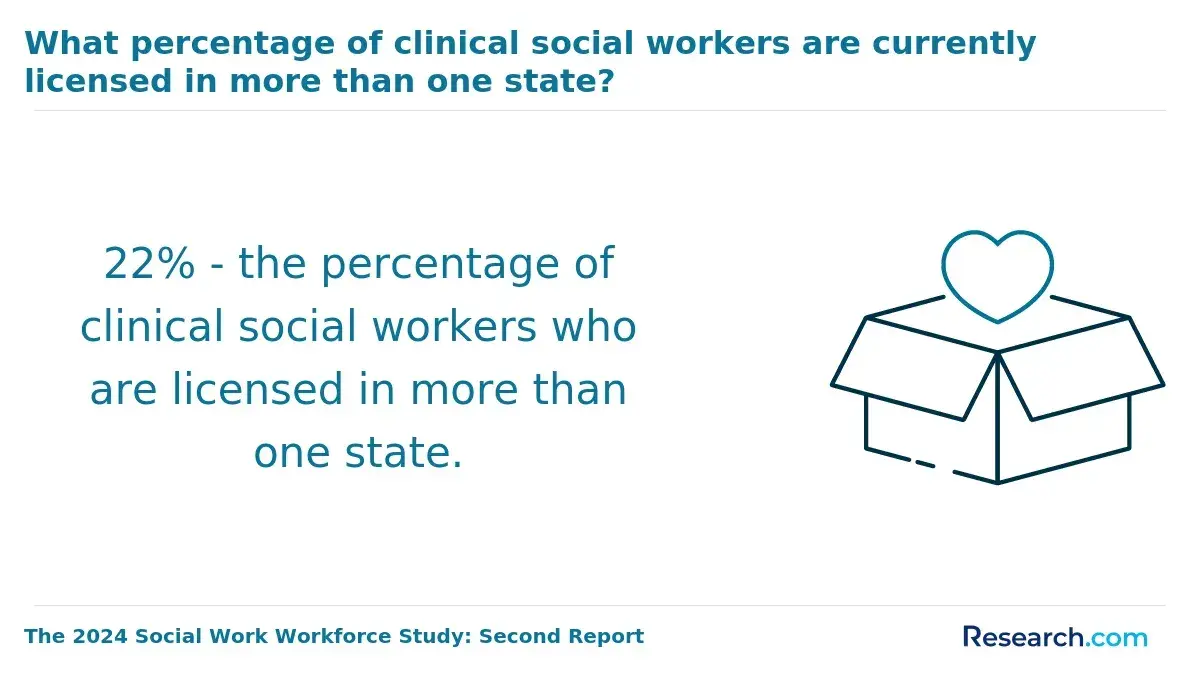
Yes. A CSWE-accredited MSW provides the core educational foundation, but some states require specific coursework, training, or documentation for licensure. These requirements may apply before initial licensure, before clinical licensure, or during continuing education after you are licensed.
Common state-mandated areas may include:
- human behavior in the social environment;
- social welfare policy;
- diversity, equity, or cultural competence;
- clinical assessment and practice methods;
- ethics and professional responsibility;
- child-abuse reporting or mandated reporter training;
- supervised field education documentation; and
- continuing-education credits in ethics or other board-designated topics.
Some states also specify a minimum number of supervised fieldwork hours, such as 900 hours for an MSW. Because online programs may place students in agencies near their homes, you should confirm that your practicum hours, supervisor credentials, and agency setting meet the rules of the state where you want to be licensed.
Students considering an accelerated master’s in social work should be especially careful. A shorter timeline can be convenient, but it should not reduce required field hours, weaken clinical preparation, or make it harder to document state-mandated coursework.
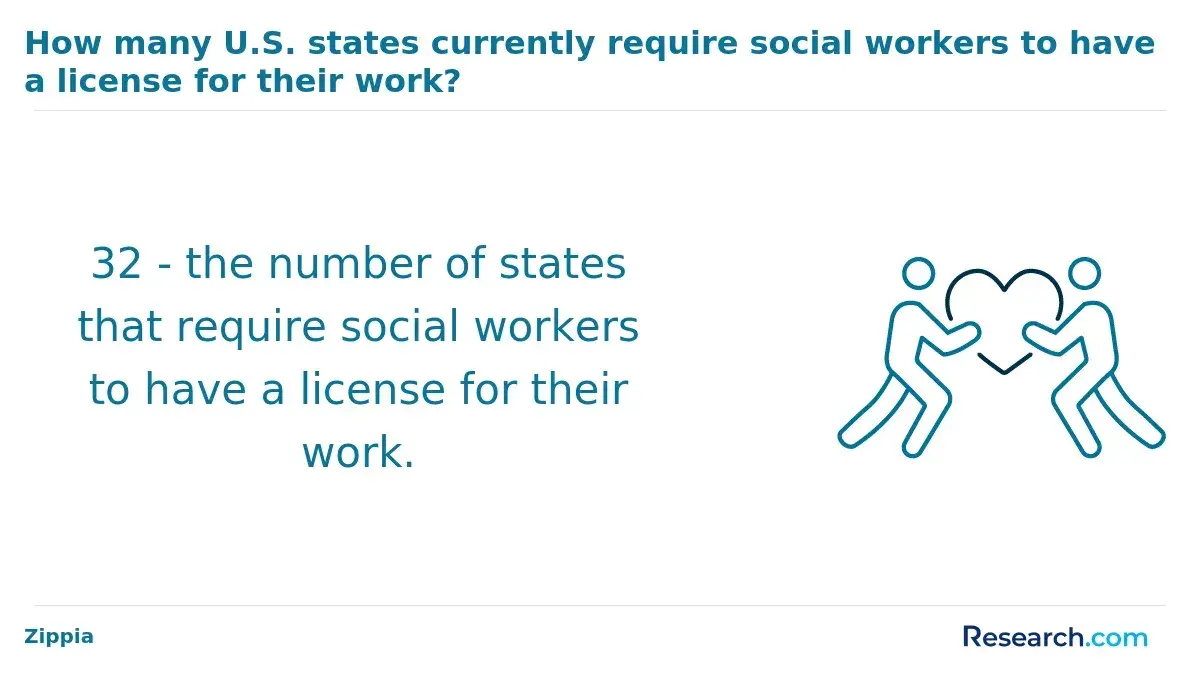
Online MSW programs that are CSWE-accredited are generally designed to satisfy the graduate education requirement for social work licensure in many states. However, no applicant should treat a program list as a substitute for state board verification. Before enrolling, confirm the program’s accreditation, your state’s educational requirements, and whether the school can support an approved field placement where you live.
The following online MSW programs are examples of programs commonly presented as aligned with state licensure pathways:
- Walden University – Online MSW - CSWE-accredited and designed to prepare graduates for licensure in many states, with attention to ethical clinical practice and field experience.
- Syracuse University – Online MSW - Meets educational standards for licensure in all 50 states and Washington, D.C., and prepares students for the ASWB licensing examination.
- Simmons University – Online MSW (SocialWork@Simmons) - A clinically focused, CSWE-accredited program that offers licensure guidance and resources for meeting state-specific requirements.
- Howard University – MSW Online - CSWE-accredited with coursework and field placement designed to align with state licensing standards for advanced and clinical practice.
- Saint Mary’s University of Minnesota – Online MSW - Offers a CSWE-accredited, clinically based program with practicum experiences that meet the supervised hours required in many states.
When comparing programs, ask each admissions or licensure-support team for written guidance on your state. Strong programs should be transparent about where they meet educational requirements, where additional steps may apply, and how field placements are arranged and documented.
Completion time depends mainly on your prior education, enrollment intensity, and field-placement schedule. The online format can add flexibility, but it does not remove the required curriculum or supervised practicum expectations for a licensure-aligned MSW.
- Full-time programs take about 2 years.
- Advanced-standing tracks for BSW holders can take 12–18 months.
- Part-time programs range 3–5 years.
Part-time study is often better for students who are working, caregiving, or trying to balance practicum hours with existing responsibilities. The trade-off is that it delays graduation, exam eligibility, and the start of any post-graduate supervised clinical hours required for LCSW licensure.
Accelerated tracks can shorten the timeline, but they are not automatically easier. They usually require tighter scheduling, faster course progression, and careful coordination of field education. If you are considering an accelerated master’s in social work, confirm that the program remains CSWE-accredited, includes required field hours, and supports your state’s licensure documentation needs.
Online MSW programs require more than basic internet access. Students need reliable technology for live classes, recorded lectures, group work, digital assignments, field-placement documentation, and sometimes virtual supervision or telehealth-related learning activities.
- Computer: A laptop or desktop computer with a webcam, microphone, updated operating system, and enough capacity to run video meetings and learning-management platforms.
- Internet: A reliable connection, commonly at least 15 Mbps download, to support video conferencing and timely assignment submission.
- Software access: Tools such as Zoom, Microsoft Teams, Canvas, Blackboard, online library databases, and document-sharing platforms may be required.
- Private workspace: You need a quiet, secure location for classes, supervision meetings, case discussions, and any activities involving confidential information.
- Field documentation tools: Students may need to upload logs, complete supervision forms, submit evaluations, and track practicum hours through remote systems.
- Confidentiality safeguards: Use agency-approved platforms, follow encrypted-communication requirements when applicable, and comply with digital documentation rules in practicum settings.
Before classes begin, test your equipment and confirm whether the program requires specific software, browser settings, identity verification tools, or secure testing platforms. Technology problems can affect attendance, participation, supervision, and field documentation, so it is better to resolve them before your first term.
Clinical supervision for LCSW licensure usually begins after the MSW, although the habits you build during field education matter. Online MSW programs typically help students learn how supervision works, complete practicum documentation, and understand the difference between MSW field placement and post-graduate clinical supervision.
During the MSW, the program should arrange or approve field placements that meet CSWE standards and state expectations. The school may provide field contracts, learning agreements, supervisor evaluations, hour logs, and guidance on acceptable placement settings. These documents can support your initial license application and show that you completed required educational fieldwork.
For post-graduate LCSW requirements, you are usually responsible for ensuring that your supervisor, clinical setting, and hours meet the rules of the state licensing board. Online MSW programs may support this process by:
- explaining how post-graduate supervised clinical hours differ from MSW practicum hours;
- providing templates or examples for supervision contracts and logs;
- advising students to verify that supervisors hold the correct license and meet board qualifications;
- encouraging consistent tracking of direct clinical hours, supervision hours, and practice settings; and
- helping students understand which documents may be needed for an LCSW application.
Documentation is critical. Keep signed supervision agreements, hour logs, evaluations, supervisor license information, and any board approvals. If you change jobs, supervisors, or states, incomplete records can delay or complicate your LCSW application.
What is the difference between the LCSW and LMSW licenses, and which specialization path should I choose for clinical practice?
The LMSW and LCSW are both master’s-level social work licenses, but they serve different professional stages and scopes of practice. The right choice depends on whether you want supervised generalist or advanced practice roles, or independent clinical practice.
An LMSW is typically the first level of licensure after earning a CSWE-accredited MSW degree. LMSWs often work in case management, community services, policy, advocacy, program coordination, healthcare settings, and supervised clinical roles. In many states, an LMSW cannot independently diagnose or treat mental health disorders without supervision.
An LCSW is an advanced clinical license. It is generally the better fit for students who want to provide psychotherapy, assess and diagnose mental health conditions, work in behavioral health settings, or eventually operate an independent practice. Earning the LCSW usually requires post-graduate supervised clinical hours, usually 2,000–4,000, and passing the ASWB Clinical Exam.
| License | Typical role | Best fit |
| LMSW | Master’s-level supervised practice, case management, advocacy, administration, and entry-level clinical work under supervision. | Students interested in agency roles, policy, program management, community practice, or building experience before advanced licensure. |
| LCSW | Advanced clinical practice with greater autonomy, including assessment, diagnosis, psychotherapy, and independent clinical services where permitted. | Students who want clinical practice, mental health counseling, healthcare-based behavioral health roles, or private practice. |
If your goal is direct therapy, behavioral health, or independent practice, choose an MSW pathway with strong clinical coursework, field placements, and supervision preparation. If your interests are macro practice, policy, nonprofit leadership, research, or program administration, the LMSW may be enough for your immediate career goals, though requirements still vary by state.
Other Things You Should Know About Online MSW Programs That Meet State Licensure Requirements
Yes, specializations such as clinical social work or school social work can affect licensure. Each specialization may have specific course or credit requirements and might require additional exams or certifications, depending on state regulations in 2027.
An online MSW program should hold accreditation from the Council on Social Work Education, or CSWE. Most state licensing boards require a CSWE-accredited degree for LCSW eligibility, and some also review whether the program’s field education meets their minimum supervised-hour standards.
Most 2027 online MSW programs require students to complete at least 900 hours of field internships. These internships offer practical experience and must align with state licensure requirements, often supervised by a licensed social worker, to satisfy licensing board standards.
- Council on Social Work Education. (2025). Accreditation. https://www.cswe.org/accreditation/
- Council on Social Work Education. (2025). Directory of Accredited Programs. https://www.cswe.org/accreditation/about/directory/
- Association of Social Work Boards. (2023). Education requirements for social-work licensure. https://www.aswb.org/wp-content/uploads/2021/03/Education-requirements-for-social-work-licensure-beyond-accredited-degrees.pdf
- New York State Education Department. (2024). Licensed Master Social Worker (LMSW) license requirements. https://www.op.nysed.gov/professions/licensed-master-social-worker/license-requirements
- Social Work License Map. (2024). How to become a Licensed Clinical Social Worker (LCSW). https://socialworklicensemap.com/social-work-careers/become-a-lcsw/
- Bureau of Labor Statistics. (2024, May). Social workers: Occupational outlook handbook. U.S. Department of Labor. https://www.bls.gov/ooh/community-and-social-service/social-workers.htm#tab-6