2027 Online MSW Programs With Trauma and Crisis Intervention Tracks

Co-Founder and Chief Data Scientist
Choosing an online MSW with a trauma or crisis intervention focus is a career decision as much as an academic one. The right program should prepare you for advanced social work practice, meet licensing expectations in your state, provide supervised field experience with appropriate client populations, and fit around work or family responsibilities. For applicants coming from a non-social-work undergraduate background, the key question is not simply whether a program is online, but whether it offers the clinical depth, placement support, accreditation, and flexibility needed to move into trauma-informed practice responsibly.
This guide explains what online MSW trauma tracks include, how they compare with campus programs, what accreditation matters, what admissions committees typically expect, how long programs take, what they may cost, and which careers and salary outcomes may follow. It is designed for prospective graduate students who want practical, decision-ready guidance before applying.
Key Things You Should Know
- Online MSW programs with trauma and crisis intervention tracks allow flexibility, enabling working professionals to advance their education while gaining specialized skills in addressing trauma-related client needs.
- Approximately 25% of accredited MSW programs in 2025 offer trauma-focused curricula, reflecting growing demand for mental health expertise in professional social work settings nationwide.
- Graduates with trauma and crisis intervention specialization report a 15-20% higher employment rate in clinical social work roles, including hospitals, schools, and community agencies.
What Are Online MSW Programs with Trauma Tracks?
Online MSW programs with trauma tracks are graduate social work programs that combine the standard MSW curriculum with focused training in trauma-informed assessment, crisis response, clinical intervention, and long-term recovery support. They are built for students who want to work with individuals, families, groups, or communities affected by abuse, violence, disaster, combat exposure, chronic stress, grief, or other traumatic experiences.
These programs do not replace the core MSW foundation. Students still study human behavior, social welfare policy, ethics, research, diversity, and field education. The trauma track adds a more focused lens: how trauma affects development, relationships, mental health, safety, behavior, and access to services. Coursework may address the neurobiology of trauma, crisis intervention strategies, culturally responsive practice, and evidence-based treatment approaches used with trauma survivors.
Because 68% of clinical social workers cite trauma-informed care as a required competency, MSW degrees with crisis intervention specialization can help students align their education with current practice expectations. In strong programs, trauma training is not limited to one elective. It is reinforced through case analysis, role-based assignments, field placement expectations, and ethical discussions about safety, consent, boundaries, mandated reporting, and secondary traumatic stress.
Online delivery makes these programs more accessible to working adults, caregivers, rural students, military-connected students, and applicants who do not live near a campus with a trauma concentration. However, the field education component remains hands-on. Most online MSW students still complete supervised practicum hours in approved agencies, often in or near their local communities. If trauma work is your goal, ask whether the school can support placements in settings such as mental health clinics, hospitals, child welfare agencies, domestic violence organizations, veteran services, crisis response teams, or community nonprofits.
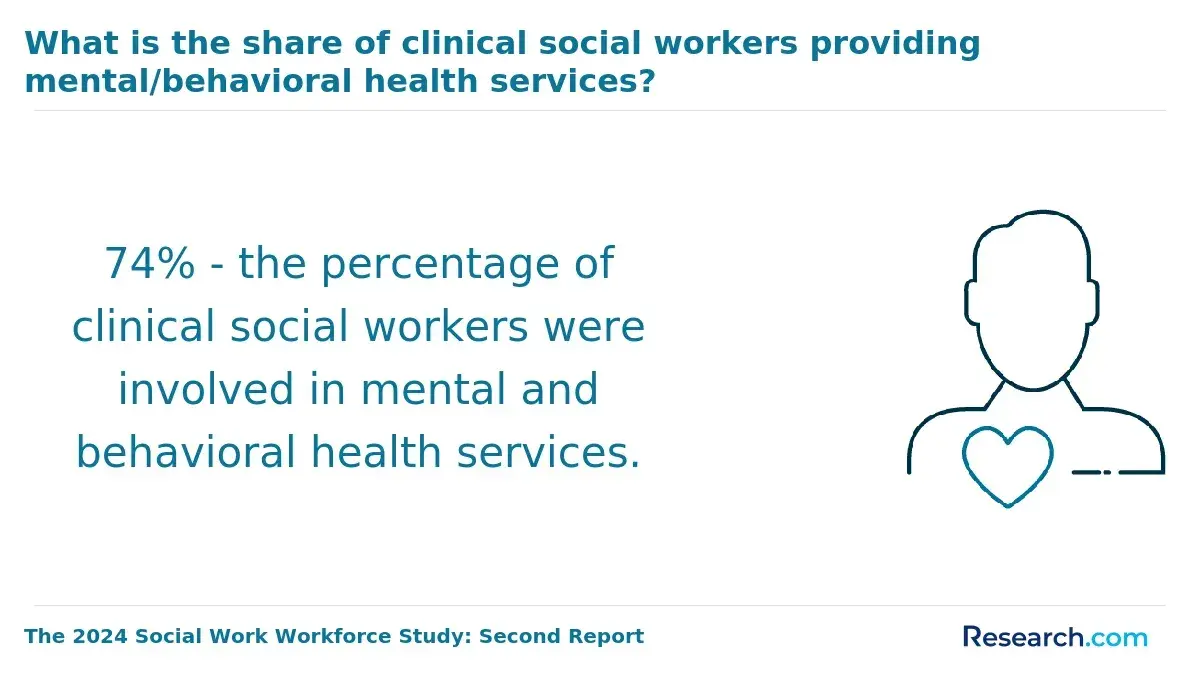
Before enrolling, confirm that the curriculum supports your intended credential. Licensure requirements vary by state, and a trauma concentration alone does not guarantee clinical licensure eligibility. Review your state social work board requirements and ask the program how its coursework and field education align with clinical social work pathways.
Graduates may work in mental health clinics, hospitals, schools, community agencies, correctional settings, child welfare systems, and organizations serving survivors of violence, combat veterans, refugees, or disaster-affected populations. Students who later want advanced leadership, teaching, or practice-focused doctoral training may also consider an online DSW after completing the MSW and gaining professional experience.
Why Choose Trauma and Crisis Intervention Specialization?
A trauma and crisis intervention specialization is a good fit for MSW students who want to work in high-need practice areas where safety, stabilization, clinical judgment, and systems coordination matter. Demand for trauma-informed online MSW programs is rising as crisis-related social service calls increased by 42% between 2023 and 2025. This growth reflects a broader need for professionals who can respond to acute distress while also supporting long-term healing.
The specialization teaches students to recognize trauma responses, reduce the risk of retraumatization, assess immediate danger, create safety plans, coordinate services, and use trauma-informed communication. These skills are relevant in domestic violence programs, emergency departments, schools, child welfare, behavioral health clinics, shelters, disaster response organizations, veterans services, and community mental health agencies.
What students gain from this focus
- Stronger crisis response skills: Students learn how to assess risk, de-escalate urgent situations, and connect clients to appropriate support.
- Trauma-informed clinical judgment: Training helps future social workers understand how trauma can affect memory, trust, behavior, attachment, health, and help-seeking.
- Better preparation for complex cases: Many clients present with overlapping needs, including trauma, substance use, housing instability, family violence, grief, or chronic illness.
- Career flexibility: Trauma-informed practice is useful across clinical, school, healthcare, community, policy, and crisis response settings.
- Leadership potential: Agencies increasingly need staff who can train teams, improve policies, and build trauma-responsive service models.
This specialization is not for students looking for a narrow or easy path. Trauma and crisis work can be emotionally demanding, and ethical practice requires strong supervision, self-awareness, cultural humility, and attention to professional boundaries. Programs that include practitioner self-care, vicarious trauma, and reflective supervision are especially valuable.
Choosing a crisis intervention specialization in MSW degrees can strengthen employability when employers prefer candidates with trauma-related training or relevant field experience. Some roles may also favor or require additional certifications, supervised clinical hours, or state licensure. Students comparing tuition and quality can start with affordable online MSW options that include this specialization, but affordability should be weighed alongside accreditation, placement support, and licensing alignment.
How Do Online MSW Trauma Programs Compare to Campus Options?
Online and campus MSW trauma programs can lead to similar academic and professional outcomes when they are properly accredited, offer strong field education, and prepare students for state licensure requirements. The main difference is not usually the degree itself, but the learning format, access to faculty and peers, placement logistics, and the kind of support students need to succeed.
Online programs are often the better fit for students who need flexibility. They allow working professionals, caregivers, rural students, and out-of-state learners to complete coursework without relocating. Many online programs use live classes, recorded lectures, discussion boards, simulation exercises, and local field placements. For trauma and crisis intervention, the quality of supervision and practicum matching is especially important because students need practice applying theory to emotionally complex situations.
Campus programs may offer more immediate access to in-person faculty conversations, peer role-play, campus counseling resources, research centers, and trauma-specific workshops. Students who learn best through face-to-face discussion or who want a more immersive academic environment may prefer this format. Campus programs can also make it easier to build local professional networks if the student plans to work near the university after graduation.
| Factor | Online MSW trauma programs | Campus MSW trauma programs |
| Flexibility | Typically stronger for working adults and students who cannot relocate. | Less flexible, especially when courses meet at fixed times on campus. |
| Field placement | Often completed locally, but students should verify how much placement help the school provides. | May rely on established regional agency partnerships near campus. |
| Peer and faculty interaction | Can be strong in live online formats, but requires intentional participation. | More immediate in-person access to classmates, faculty, and campus events. |
| Clinical skills practice | May use virtual simulations, recorded demonstrations, and supervised local practicum work. | May offer more in-person role-playing, labs, and live supervision opportunities. |
| Best for | Students prioritizing access, schedule flexibility, and geographic choice. | Students wanting a highly immersive, face-to-face graduate experience. |
The effectiveness of online MSW programs in trauma and crisis intervention can closely match campus options when students receive rigorous coursework and supervised practice. Employment prospects also depend more on accreditation, licensure preparation, field experience, and local labor market needs than on whether the coursework was completed online or on campus.
According to the U.S. Bureau of Labor Statistics, jobs for social workers specializing in mental health and trauma are projected to grow 13% from 2024 to 2034, resulting in 80,000 new positions. Students should therefore focus on choosing a program that prepares them for credible practice and licensure, not simply the format that appears most convenient. Those who want a shorter route may also compare a social work degree fast track with traditional timelines, while making sure the accelerated pace does not weaken field learning or clinical preparation.
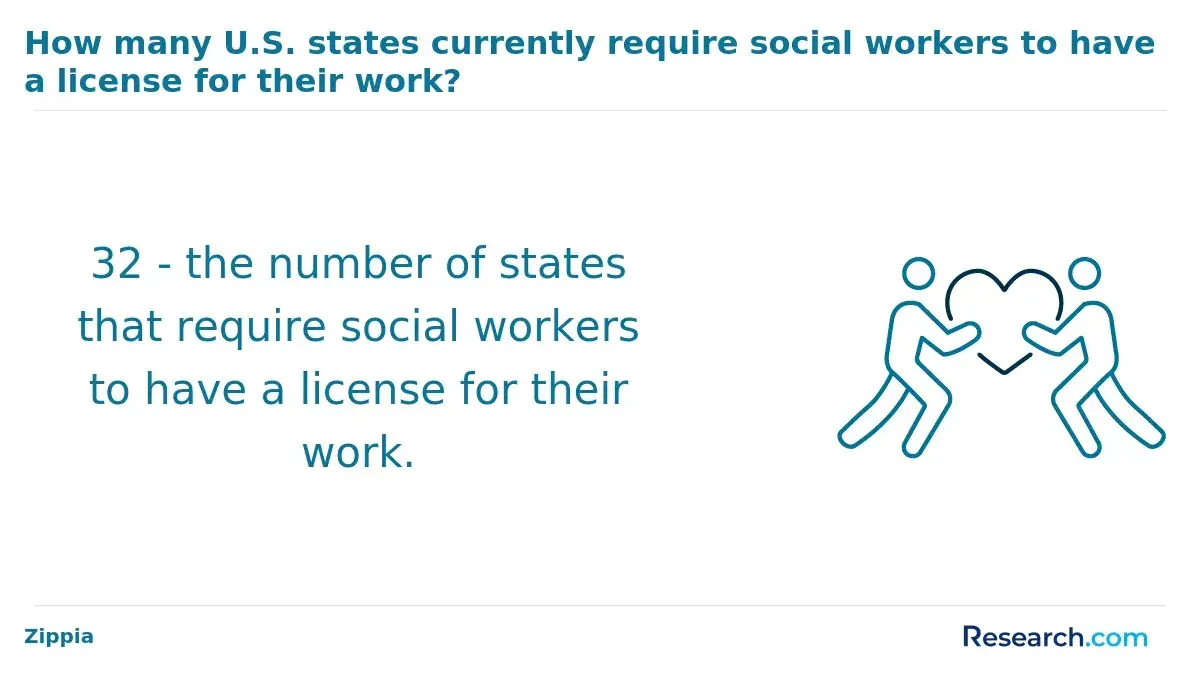
For MSW programs in the United States, the most important accreditation to verify is accreditation by the Council on Social Work Education (CSWE). CSWE accreditation signals that the program meets national standards for social work curriculum, faculty qualifications, field education, assessment, ethics, and student learning outcomes. For students pursuing trauma and crisis intervention, this matters because specialized coursework is only useful if the underlying MSW meets professional and licensing expectations.
CSWE accreditation is often essential for licensure eligibility, advanced standing pathways, employer recognition, and access to federal financial aid. A trauma certificate, concentration, institute partnership, or branded specialization may add value, but it does not replace CSWE accreditation. Prospective students should verify a program’s status directly through the official CSWE directory before applying or enrolling.
How to evaluate quality beyond accreditation
- Licensure alignment: Ask whether the program is designed to meet educational requirements for clinical social work licensure in your state.
- Field placement support: Confirm whether the school helps secure placements and whether trauma-focused agencies are available.
- Faculty expertise: Look for instructors with clinical, crisis response, child welfare, healthcare, military, community trauma, or disaster response experience.
- Clinical depth: Review whether trauma is addressed through multiple courses, practicum expectations, and case-based learning rather than a single survey class.
- Student outcomes: Ask about graduation rates, licensure exam preparation, field placement satisfaction, and career support.
Graduates concentrating in trauma may see labor-market advantages when their training aligns with employer needs. The CSWE 2025 Annual Salary Survey reports that trauma-specialized MSW holders earn a median salary of $78,500, compared to $66,600 for generalists-an 18% increase reflecting demand for trauma expertise in clinical and community settings.
Accessibility also matters. Some students compare MSW programs with high acceptance rate because they want a realistic admissions path. That can be a reasonable strategy, but acceptance rate should never outweigh accreditation, licensure preparation, field education quality, and total cost.
Admission requirements for online MSW programs with trauma and crisis intervention tracks usually begin with a bachelor’s degree from an accredited institution. Applicants do not always need a bachelor’s in social work, but students without a BSW may enter a traditional MSW track rather than advanced standing. Programs may prefer prior coursework in social work, psychology, sociology, human development, statistics, or related social science fields.
A minimum undergraduate GPA between 3.0 and 3.25 is typical, though policies vary by school. GRE scores are becoming less common but may still be requested by some schools. Applicants with lower GPAs may strengthen their file through relevant work experience, strong recommendations, a clear personal statement, or evidence of recent academic success.
Common application materials
- Official transcripts: Schools use these to verify degree completion, GPA, prerequisites, and academic readiness.
- Personal statement: This should explain why you want to pursue social work, why trauma or crisis intervention fits your goals, and how you understand the responsibilities of the field.
- Letters of recommendation: Most programs request two to three letters from academic, professional, or volunteer supervisors who can speak to your maturity, ethics, communication skills, and readiness for graduate study.
- Resume or CV: Include paid work, volunteer service, internships, advocacy, crisis line experience, case management exposure, healthcare experience, or community service.
- Interview: Some programs use interviews to assess fit, professionalism, communication skills, and understanding of social work values.
- Background and health requirements: Field placement agencies may require background checks, immunization documentation, drug screening, or other compliance steps.
Admissions committees often value applicants who show emotional maturity, cultural humility, resilience, ethical awareness, and realistic expectations about trauma work. A strong statement does not need to describe personal trauma in detail. It should show that the applicant understands client safety, confidentiality, power dynamics, social justice, and the importance of supervision.
International applicants may need TOEFL scores or credential evaluations, depending on the institution’s policy. Applicants planning to study across state lines should also ask whether the program accepts students from their state and whether field placements can be approved in their location.
The Council on Social Work Education reported that 92% of CSWE-accredited MSW programs included trauma-informed modules, up from 71%, reflecting a strong emphasis on trauma education. This means applicants should expect trauma-related content to appear not only in specialized tracks but also across broader MSW coursework.
Trauma and crisis intervention tracks build on the MSW core by teaching students how to assess trauma exposure, respond to immediate crises, support stabilization, and plan longer-term interventions. The strongest curricula connect theory, ethics, research, and field practice so students understand not only what to do, but why and when to do it.
Core MSW coursework typically covers human behavior, social policy, diversity and oppression, practice with individuals and families, group work, community practice, research methods, and field education. The trauma track adds specialized content in advanced trauma theory, crisis intervention methods, trauma-informed care, safety planning, and evidence-based therapies such as cognitive-behavioral therapy (CBT) adapted for trauma survivors.
Topics commonly covered
- Neurobiology of trauma: How traumatic stress can affect the brain, body, memory, emotional regulation, and behavior.
- Crisis assessment and stabilization: How to evaluate immediate risk, support safety, and connect clients to urgent resources.
- Trauma-informed care: How to provide services that emphasize safety, trust, choice, collaboration, empowerment, and cultural responsiveness.
- Clinical assessment: How to recognize trauma-related symptoms while considering co-occurring concerns such as depression, anxiety, substance use, grief, or family violence.
- Special populations: Training may address children, adolescents, veterans, refugees, survivors of systemic violence, disaster-affected communities, and people impacted by chronic illness or injury.
- Ethics and boundaries: Students examine confidentiality, mandated reporting, consent, dual relationships, documentation, and trauma-sensitive interviewing.
- Practitioner self-care: Programs may address burnout, compassion fatigue, secondary traumatic stress, and the role of supervision.
Field practicums or internships are central to the curriculum. Students may complete placements in mental health clinics, hospitals, domestic violence agencies, child welfare departments, schools, substance use programs, crisis centers, veterans organizations, or community-based agencies. The placement setting matters because it shapes the populations, supervision, documentation, and intervention models students encounter.
Electives may focus on child abuse intervention, domestic violence, substance use disorders related to trauma, disaster response, grief and loss, forensic social work, or school-based trauma support. Students who plan to seek clinical licensure should confirm whether elective and practicum choices support that pathway in their state.
Online MSW enrollment in trauma specializations increased by 35% in 2025, accounting for 47% of all MSW matriculants (CSWE 2025 Online Education Trends Report). This growth reflects the demand for trauma-informed social workers across healthcare, education, behavioral health, justice, and community service systems.
Online MSW trauma and crisis intervention programs usually take 18 to 36 months to complete, depending on prior education, enrollment status, course sequencing, and field placement requirements. Full-time traditional MSW students often finish in about two years. Part-time students and working professionals may take up to three years or more. Students who already hold a BSW may qualify for advanced standing, which can shorten completion time to 12 to 15 months.
Program length is not determined by online coursework alone. Field education is often the pacing factor. Students must complete approved supervised hours, and delays can occur if placements are difficult to secure, agency schedules do not align with student availability, or required trauma-focused opportunities are limited in the student’s area.
Common timeline options
| Pathway | Typical completion time | Best fit |
| Advanced standing | 12 to 15 months | Students with a qualifying BSW who are ready for an intensive pace. |
| Full-time traditional MSW | 18 to 36 months | Students who can manage a heavier course and field placement load. |
| Part-time online MSW | Up to three years or more | Working adults, caregivers, and students who need a slower pace. |
Students should ask whether trauma electives are available every term or only on a rotating basis. If a required trauma course is offered infrequently, it can affect graduation timing. Intensive summer or winter sessions may help some students reduce overall study time, but a faster pace can also increase stress when combined with fieldwork.
- Part-time enrollment provides flexibility but may extend completion time.
- Local completion of field placements is important for avoiding delays.
- Practicum hours in trauma settings can affect program length.
Some programs embed evidence-based practices such as EMDR, trauma-informed care, and crisis management into core courses, while others offer them as electives or workshops. Students should review course descriptions carefully rather than assuming every trauma track covers the same methods.
The Simmons University Trauma Outcomes Study found 92% of trauma MSW graduates displayed proficiency in evidence-based interventions like EMDR, which correlated with a 25% increase in client retention. This research underscores the value of focused training within a well-structured MSW timeline.
Tuition for online MSW trauma programs varies widely, often between $15,000 and $50,000+ for the full degree. The final price depends on the institution, credit requirements, residency rules, program length, technology fees, field placement fees, books, travel for any required intensives, and whether the student qualifies for advanced standing.
Public universities tend to offer lower rates, typically $500 to $700 per credit for in-state students, while out-of-state students may pay $900 to $1,200 per credit. Private institutions generally charge between $700 and $1,200 per credit regardless of residency. Some online public programs charge the same tuition to all distance learners, while others maintain separate in-state and out-of-state rates.
Programs focused on trauma and crisis intervention may include extra fees for specialized training or field placements, sometimes $500 to $2,000. Some schools include these costs in tuition, while others bill them separately. Students should request a full cost estimate before enrolling, not just the per-credit tuition rate.
Cost examples
- A state university charging $600 per credit for 60 credits totals $36,000.
- A private college charging $1,000 per credit for 60 credits totals $60,000.
- Hybrid programs may bundle clinical preparation fees, increasing total costs.
How to judge value, not just price
- Accreditation: A lower-cost program is not a good value if it does not support licensure or employer recognition.
- Field placement support: Strong placement assistance can save time and reduce the risk of delayed graduation.
- Licensure preparation: Programs that integrate exam preparation, supervision guidance, and clinical documentation practice may provide better long-term value.
- Financial aid: Compare federal aid eligibility, scholarships, grants, assistantships, payment plans, and employer tuition assistance.
- Advanced standing: BSW holders may reduce total cost if they qualify for a shorter curriculum.
Clinical field placements are essential; studies show social workers completing 900+ trauma-focused placement hours had a 28% higher ASWB clinical exam pass rate (Association of Social Work Boards, 2025 Exam Analytics). For that reason, a program with higher tuition may still be worth considering if it offers stronger clinical preparation, better supervision, and reliable trauma-focused placement options.
Students should compare total cost against program quality, licensing alignment, field support, and likely career outcomes. The cheapest program is not always the most practical choice, but unnecessary debt can also limit career flexibility after graduation.
MSW graduates with trauma and crisis intervention training can pursue roles that require advanced assessment, emotional stabilization, case coordination, advocacy, and clinical or community-based support. Career options depend on licensure status, state rules, field experience, supervision history, and whether the graduate pursues clinical credentials after the MSW.
Common paths include trauma-informed therapist, clinical social worker, crisis intervention specialist, child welfare social worker, hospital social worker, school social worker, military or veteran social worker, correctional social worker, substance use counselor, domestic violence advocate, disaster response coordinator, and community mental health practitioner. Some graduates also move into program management, policy advocacy, training, or organizational leadership focused on trauma-informed systems.
| Career path | Typical work setting | How trauma training applies |
| Trauma-informed therapist | Mental health clinics, private practice settings, community agencies | Provides clinical care to clients affected by abuse, violence, grief, PTSD, or complex trauma. |
| Crisis intervention specialist | Hospitals, crisis lines, mobile response teams, emergency services | Assesses immediate risk, supports stabilization, and connects clients to urgent resources. |
| Child welfare social worker | Child protective services, foster care agencies, family service organizations | Uses trauma-informed approaches when working with children and families affected by abuse, neglect, or separation. |
| Military or veteran social worker | Veterans organizations, healthcare systems, community programs | Supports clients dealing with combat-related trauma, transition stress, family strain, or service-related mental health needs. |
| Healthcare social worker | Hospitals, rehabilitation centers, palliative care, outpatient clinics | Coordinates care for patients and families coping with injury, chronic illness, medical trauma, or sudden loss. |
| Community program leader | Nonprofits, public agencies, advocacy organizations | Builds trauma-informed services, trains staff, evaluates programs, and improves access to care. |
Not every role requires clinical licensure, but higher-responsibility therapy and independent clinical practice roles generally do. Students who want to provide psychotherapy should verify state licensure requirements early and choose field placements that support clinical hour expectations.
According to the Georgetown University Center on Education and the Workforce 2025 MSW ROI Analysis, graduates with trauma-focused training recoup their tuition within 2.8 years on average and experience a lifetime earnings premium of $1.2 million over bachelor's degree holders. While individual outcomes vary by location, employer, licensure, debt level, and specialization, trauma and crisis training can support both mission-driven work and long-term career mobility.
What Salary and Job Outlook Exist for Trauma MSW Graduates?
Trauma MSW graduates enter a labor market shaped by rising behavioral health needs, disaster response demands, healthcare complexity, school mental health concerns, and community violence prevention. Median salaries typically range from $55,000 to $75,000, with roles such as trauma counselor, clinical social worker, or disaster response coordinator potentially earning more than $85,000 in federal government or healthcare settings. Pay varies by state, employer, licensure level, union coverage, years of experience, and whether the role involves clinical supervision or program leadership.
Employment growth for trauma-related MSW careers is projected to exceed that of general social work, with a 12% increase expected in clinical social worker positions by 2026. Key employers include mental health clinics, hospitals, government agencies, schools, crisis response organizations, correctional systems, veterans services, and nonprofit organizations.
The strongest salary prospects often go to graduates who combine trauma specialization with clinical licensure, strong field experience, crisis response training, and the ability to work with high-need populations. Location also matters. Urban areas may offer more specialized agencies and hospital roles, while rural areas may have fewer providers and broader job responsibilities. Federal, healthcare, and specialized clinical settings may pay more than some community nonprofit roles, though nonprofit work can provide valuable direct-service experience.
A growing emphasis on climate-related crisis response is also shaping demand. The Substance Abuse and Mental Health Services Administration's 2025 Emerging Threats Report shows 75% of social service agencies plan to prioritize hiring MSW graduates with climate disaster trauma expertise by 2026, responding to a 51% rise in such incidents since 2024. Students interested in this area should look for electives, field placements, or projects connected to disaster behavioral health, emergency management, community resilience, and culturally competent crisis response.
To improve job prospects, students should seek trauma-focused field placements, document relevant skills on their resumes, build supervision relationships, understand licensure steps, and consider training in crisis intervention, suicide risk assessment, domestic violence response, child welfare practice, or disaster trauma. The degree opens the door, but licensure, field experience, and demonstrated competence often determine the best opportunities.
Other Things You Should Know About Social Work
Most graduates first pursue the LSW or LMSW, then the clinical license, usually the LCSW. Requirements commonly include a CSWE-accredited MSW, 2,000 to 4,000 supervised post-degree hours, and a state board exam such as the ASWB Clinical examination.
Yes, social workers with a trauma and crisis intervention focus often find roles in healthcare settings such as hospitals, mental health clinics, and rehabilitation centers. They support patients coping with emotional distress related to medical conditions, trauma recovery, and crisis situations, collaborating closely with medical teams to promote holistic care.
Most accredited online MSW programs with trauma and crisis intervention tracks require internships or field placements to provide practical experience. These placements offer supervised training in real-world social work settings, helping students apply theoretical knowledge and develop professional competencies essential for trauma-informed practice.
- Alternative Careers for Social Workers — 60 Fulfilling Options https://www.hiddengemcareercoaching.com/blog/alternative-careers-for-social-workers
- Social Worker Salary and Jobs in Social Work https://teach.com/online-ed/social-work-degrees/online-masters-social-work/salary-and-career-outlook/
- The Importance of a CSWE Accredited Program in Social Work - Tulane School of Social Work https://socialwork.tulane.edu/blog/importance-of-cswe-accredited-program/
- Fully Online MSW Programs – No Campus Visits Required (100% Online) https://www.masterofsocialwork.com/faqs/fully-online-msw-programs
- What CSWE Accreditation Tells You About an MSW Program https://www.chamberlain.edu/blog/what-is-cswe-accreditation-and-what-are-its-benefits
- Program Type https://bpr.sprc.org/program/prepare-crisis-prevention-and-intervention-training-curriculum-third-edition/
- Crisis and crisis intervention psychology https://www.amh.edu.pl/psychology/crisis-and-crisis-intervention-psychology/
- How Long Does it Take to Become a Social Worker? https://socialworklicensemap.com/become-a-social-worker/how-long-does-it-take/
- Specialized Training Tracks | Children's Hospital Los Angeles https://www.chla.org/fellowship/clinical-child-psychology-fellowship/specialized-training-tracks
- U.S. Navy Social Worker Careers | Navy.com https://www.navy.com/careers-benefits/careers/medical/social-work