2027 Hospital Social Work vs Clinical Mental Health Counseling: Which Career Fits You?

Co-Founder and Chief Data Scientist
If you want a healthcare career centered on people, two graduate paths often look similar at first: hospital social work and clinical mental health counseling. Both involve helping individuals and families cope with distress, illness, trauma, and life disruption. The difference is where the work happens, what problems you are primarily responsible for solving, and which license your degree is designed to support.
Hospital social work is usually the better fit for people who want to work inside medical systems, coordinate care, advocate for patients, and solve practical barriers such as discharge planning, insurance issues, housing instability, and family support. Clinical mental health counseling is usually the stronger fit for people who want their core work to be psychotherapy, assessment, treatment planning, and ongoing mental health care.
This guide compares the two careers from the perspective of a prospective graduate student or career changer. It explains the differences in job duties, education, licensure, curriculum, program formats, salaries, job outlook, and accreditation so you can choose a path that matches your strengths and long-term goals.
Key Things You Should Know
- Hospital social work focuses on patient advocacy and discharge planning within medical settings, while clinical mental health counseling centers on independent therapy and diagnosis of mental disorders.
- Median salaries in 2025 are approximately $61,000 for hospital social workers versus $58,000 for clinical mental health counselors, with both fields expecting growth around 12% through 2030.
- Licensing requires an MSW and LCSW for hospital social work, whereas clinical mental health counselors need a master's in counseling and LPC licensure, influencing educational pathways and career flexibility.
What is hospital social work vs clinical mental health counseling?
Hospital social work is a social work specialization focused on helping patients and families navigate the medical, emotional, financial, and practical challenges that affect care. Hospital social workers often work with physicians, nurses, case managers, psychiatrists, rehabilitation teams, and community agencies. Their role is not limited to emotional support; they also help patients access services, prepare for discharge, resolve barriers to care, and connect with resources after hospitalization.
A hospital social worker might help a patient leaving psychiatric hospitalization find follow-up care, coordinate addiction recovery services, arrange transportation to appointments, support a family during an end-of-life decision, or identify safe housing options for a medically vulnerable patient.
Clinical mental health counseling is a counseling profession centered on the assessment, diagnosis, and treatment of emotional, behavioral, and mental health disorders. Clinical mental health counselors commonly provide individual, group, family, or couples counseling in outpatient clinics, community agencies, hospitals, college counseling centers, or private practices. Their work often involves sustained therapeutic relationships with clients managing anxiety, depression, trauma, substance use, grief, relationship difficulties, or other mental health concerns.
The simplest distinction is this: hospital social workers usually address the person in the context of a healthcare system and social environment, while clinical mental health counselors primarily provide therapy for mental and emotional health conditions.
| Area | Hospital social work | Clinical mental health counseling |
| Primary focus | Care coordination, advocacy, crisis support, discharge planning, and social needs | Psychotherapy, assessment, diagnosis, and treatment planning |
| Common setting | Hospitals, medical centers, psychiatric units, rehabilitation facilities, and healthcare systems | Outpatient clinics, community mental health centers, hospitals, schools, and private practice |
| Typical graduate degree | Master of Social Work (MSW) | Master's degree in counseling or a related field |
| Core skill set | Case management, advocacy, systems navigation, crisis intervention, and interdisciplinary teamwork | Therapeutic techniques, clinical assessment, diagnosis, ethics, and treatment planning |
Both paths require careful attention to licensure rules. A social work career typically begins with an MSW, while counseling requires a master's degree designed for counseling licensure. Students interested in advanced social work leadership, teaching, policy, or specialized clinical roles may also compare doctorate in social work programs after understanding the master's-level pathway.
What are the key differences between hospital social work and clinical mental health counseling?
The key difference is professional purpose. Hospital social workers help patients move safely through healthcare systems while addressing the social and practical issues that affect recovery. Clinical mental health counselors provide structured mental health treatment, usually through ongoing therapy.
In a hospital, a social worker may spend the day arranging post-discharge services, meeting with a family in crisis, documenting psychosocial assessments, communicating with insurance or community agencies, and helping a patient access housing, food, transportation, or addiction treatment. A clinical mental health counselor may spend the day conducting intake assessments, diagnosing mental health conditions, leading therapy sessions, updating treatment plans, and using counseling methods such as cognitive-behavioral therapy.
The education and licensing routes also differ. Hospital social workers typically complete an MSW, often with a clinical or healthcare-related focus, and may pursue a Clinical Social Work License (LCSW). Clinical mental health counselors usually complete a master's degree in counseling or psychology and work toward licensure such as Licensed Professional Counselor (LPC), depending on the state.
| Decision factor | Hospital social work | Clinical mental health counseling |
| Best for students who want | A healthcare role that combines patient advocacy, resource coordination, and crisis support | A therapy-centered role focused on mental health treatment |
| Main daily output | Care plans, discharge plans, referrals, family meetings, resource coordination, and documentation | Assessments, diagnoses, therapy sessions, treatment plans, progress notes, and clinical documentation |
| Typical client contact | Often brief, urgent, and connected to a medical event or hospitalization | Often ongoing and built around therapeutic goals over time |
| Training emphasis | Social systems, policy, advocacy, case management, clinical practice, and healthcare collaboration | Counseling theories, therapy methods, psychopathology, assessment, ethics, and diagnosis |
Job outlook is another point of comparison, but the categories are not identical. Counselors specializing in substance abuse and mental health are projected to grow by 18% from 2022 to 2032, according to the U.S. Bureau of Labor Statistics via Oklahoma City University, while social workers are expected to grow by 7%. This suggests strong demand for specialized mental health treatment, though hospital social work demand also remains tied to healthcare access, aging populations, behavioral health needs, and discharge planning requirements.
Students leaning toward medical social work can begin by comparing accredited and cost-conscious options such as most affordable MSW programs. The better choice depends less on which field sounds more compassionate and more on whether you want your professional identity to center on healthcare coordination or psychotherapy.
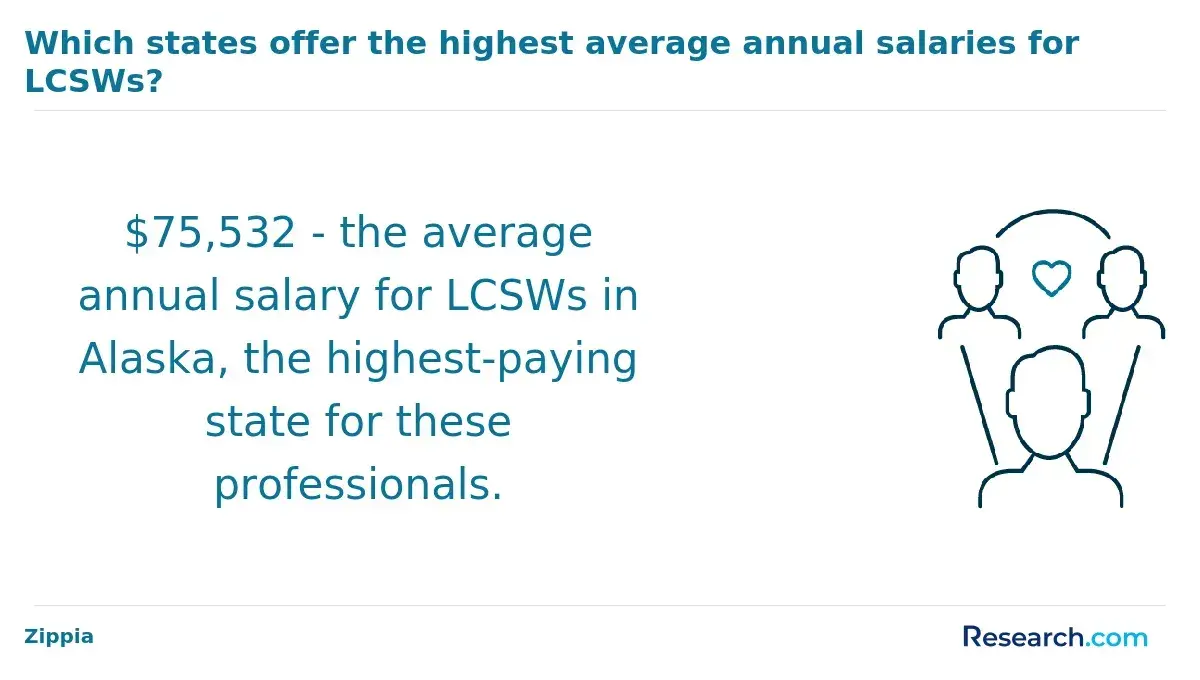
Which career suits your skills: hospital social work or clinical mental health counseling?
Choose hospital social work if you are energized by problem-solving in complex systems. The work rewards people who can stay calm under pressure, communicate clearly with medical teams, make quick judgments with incomplete information, document thoroughly, and advocate for patients whose medical needs are tied to social barriers. It is a strong fit for people who like variety, teamwork, crisis response, and practical intervention.
Choose clinical mental health counseling if you are drawn to structured therapeutic relationships. The work requires patience, careful listening, emotional steadiness, cultural humility, ethical judgment, and comfort discussing trauma, symptoms, family patterns, substance use, and behavior change over time. It is a strong fit for people who want to become highly skilled in assessment, diagnosis, counseling theory, and evidence-based treatment.
| If this sounds like you | Path to consider |
| You like fast-paced medical environments and frequent collaboration with doctors, nurses, and discharge teams. | Hospital social work |
| You want most of your client time to involve therapy sessions and mental health treatment planning. | Clinical mental health counseling |
| You are interested in housing, insurance, family systems, community resources, and social determinants of health. | Hospital social work |
| You want to specialize in anxiety, depression, trauma, addiction, relationships, or other mental health concerns. | Clinical mental health counseling |
| You prefer short-term intervention, crisis support, and rapid coordination. | Hospital social work |
| You prefer ongoing client relationships with measurable therapeutic goals. | Clinical mental health counseling |
Salary comparisons can be difficult because job titles, credentials, states, industries, and experience levels vary. One existing reference point is that clinical and counseling psychologists in offices of other health practitioners had an average annual wage of $114,900 in May 2023, while hospital social workers' pay varies by location and institution. This figure should not be treated as a guaranteed counseling salary, especially because psychologists and counselors have different education and licensure pathways, but it does show how compensation can vary significantly across behavioral health roles and settings.
For social work, students who already know they want the MSW route may compare a fast track MSW program if they need a shorter route to graduate study. Before enrolling, confirm that the program supports your state's licensure requirements and offers practicum options aligned with healthcare or hospital practice.
A practical way to decide is to shadow or interview professionals in both settings. Ask how much time they spend in direct therapy, documentation, meetings, crisis response, resource coordination, and insurance-related tasks. The day-to-day balance is often what makes one career feel right and the other feel frustrating.
Licensure is state-regulated in both fields, so students should never assume that one graduate program automatically qualifies them everywhere. Before enrolling, check the licensing board in the state where you plan to work and confirm the degree, coursework, exam, practicum, internship, and supervised-hour requirements.
Hospital social workers who provide clinical services commonly pursue the Licensed Clinical Social Worker (LCSW) credential. This pathway typically requires an MSW from a Council on Social Work Education (CSWE)-accredited program, 2-3 years of supervised clinical experience, and successful completion of a licensing exam. Some states may have different titles or additional rules, and some hospital roles may accept nonclinical social work credentials for case management positions that do not involve psychotherapy.
Clinical mental health counselors usually pursue licensure as a Licensed Professional Counselor (LPC), Licensed Mental Health Counselor (LMHC), or a similar state-specific title. This pathway generally requires a master's degree in counseling or a related field, between 2,000 and 4,000 supervised post-graduate clinical hours, and a national exam such as the National Counselor Examination for Licensure and Certification (NCE). Counselors may also pursue specialized certifications in areas such as trauma or addiction counseling, depending on their clients and workplace.
| Licensure item | Hospital social work | Clinical mental health counseling |
| Common license | LCSW or state equivalent | LPC, LMHC, or state equivalent |
| Typical degree foundation | CSWE-accredited MSW | Master's degree in counseling or a related field |
| Supervised experience | Often 2-3 years of supervised clinical experience | Between 2,000 and 4,000 supervised post-graduate clinical hours |
| Additional credentials | Credentials such as Certified Advanced Social Work Case Manager (C-ASWCM) may support medical case management expertise | Specialized certifications may support practice in trauma, addiction, or other focused areas |
Licensing also affects where you can work and what services you can provide independently. For example, diagnosing, treating, billing insurance, opening a private practice, or supervising others may require a specific level of licensure. In healthcare settings, proper credentials are especially important because employers must meet regulatory, reimbursement, and risk-management standards.
Workforce data also show how large the broader clinical behavioral health sector is. Over 28,000 clinical and counseling psychologists practiced in offices of other health practitioners in May 2023, representing 2.54% of industry employment according to the U.S. Bureau of Labor Statistics. While psychologists are not the same as counselors or social workers, this context underscores the importance of understanding which license your degree actually prepares you to pursue.
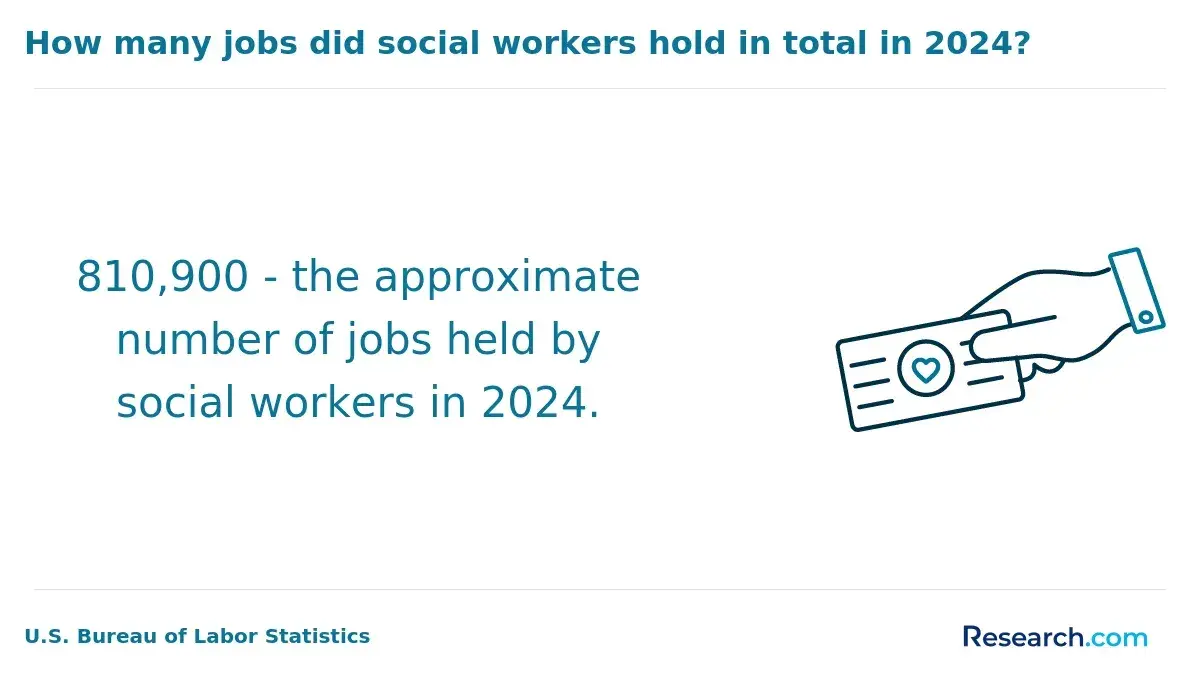
The curriculum for hospital social work is usually built into an MSW program. Students study social work practice, human behavior, policy, research, ethics, diversity, and field education. Those aiming for hospital roles should look for coursework and placements that develop clinical assessment, crisis intervention, discharge planning, care coordination, family meetings, documentation, and interdisciplinary collaboration.
Common MSW topics include advanced clinical social work practice, psychopathology, social welfare policy, research methods, ethics, trauma-informed practice, substance use, family systems, and healthcare or integrated care practice when available. Field education is especially important because it is where students learn how hospital workflows, medical teams, patient acuity, insurance issues, and community resources shape the work.
Graduates can become Licensed Clinical Social Workers (LCSWs), with a median annual wage of $61,330 according to the U.S. Bureau of Labor Statistics via Oklahoma City University. This wage should be interpreted by role, setting, geography, licensure, and experience rather than as a universal hospital social work salary.
Clinical mental health counseling programs are more directly structured around counseling practice. Students usually study counseling theories, helping relationships, psychopathology, diagnosis, assessment, human development, group counseling, ethics, multicultural counseling, crisis intervention, substance abuse treatment, and research. Supervised practicum and internship experiences place students in settings where they conduct assessments, provide therapy, write treatment plans, and receive clinical supervision.
Graduates qualify for licensure as professional counselors and earn a median annual wage of $59,190. Some programs offer concentrations or electives in trauma, addiction, marriage and family therapy, child and adolescent counseling, or related areas.
| Curriculum area | MSW for hospital social work | Clinical mental health counseling master's |
| Practice foundation | Person-in-environment perspective, social systems, advocacy, clinical practice, and policy | Counseling theories, therapeutic relationships, assessment, diagnosis, and treatment |
| Applied training | Field placements in social service, healthcare, behavioral health, or hospital-related settings | Practicum and internship in counseling, community mental health, hospital, or private practice settings |
| Career preparation | Case management, discharge planning, crisis work, resource coordination, and clinical social work | Individual and group therapy, treatment planning, clinical assessment, and counseling documentation |
| Licensure direction | LCSW or state social work license pathway | LPC, LMHC, or state counseling license pathway |
A common mistake is choosing a program only because it is online, inexpensive, or fast. Curriculum fit matters. A future hospital social worker should verify the availability of medical or behavioral health field placements. A future counselor should verify that the curriculum satisfies counseling licensure rules in the intended state.
Yes. Both hospital social work and clinical mental health counseling pathways are available through online, hybrid, and campus-based programs. The right format depends on your schedule, learning style, location, field placement options, and state licensure requirements.
Online MSW programs can work well for career changers and working adults, especially when they help students complete field education near where they live. However, students interested in hospital social work should confirm that the program can support placements in healthcare, integrated care, behavioral health, hospice, rehabilitation, or related settings. An online format is only useful if it leads to the supervised experience employers and licensing boards expect.
Clinical mental health counseling programs may also offer online coursework, but licensure-focused programs still require supervised practicum and internship experiences. Students should ask how the school approves local sites, whether supervisors must hold specific credentials, and whether the program has experience placing students in the state where they live.
| Program format | Potential advantages | Questions to ask before enrolling |
| Online | Flexible scheduling and fewer relocation barriers | Can the program approve field placements in your state and intended setting? |
| Hybrid | Combines online coursework with in-person skill development or campus intensives | How often must you travel, and are intensives required? |
| Campus-based | More direct access to faculty, peers, campus clinics, and local placement networks | Do local placements align with hospital social work or counseling goals? |
Most master's degrees take two to three years to complete, though part-time and accelerated schedules provide alternatives for students balancing work, family, and financial obligations. Before choosing an accelerated option, make sure the pace will still allow you to complete high-quality fieldwork and prepare for licensure.
Clinical mental health counseling can also prepare students to work with clients who have specific diagnoses, including addiction. According to data from Oklahoma City University and the U.S. Bureau of Labor Statistics, substance abuse counseling jobs are projected to grow 19% in the decade, which is faster than social work roles.
The most important program features are not the delivery format alone. Look first at accreditation, licensure alignment, field placement support, faculty expertise, practicum quality, student support, and employer partnerships.
Salary and job outlook differ by occupation, license, employer, state, experience, and work setting. Hospital social work may offer more predictable institutional employment, benefits, and team-based roles. Clinical mental health counseling may offer strong growth, flexible settings, and potential private practice income, but earnings can vary depending on caseload, reimbursement, employment model, and licensure level.
Hospital social workers earn median salaries between $62,000 and $70,000 annually, reflecting their advanced case management and advocacy duties addressing social determinants like housing and employment within healthcare systems. These roles are often found in hospitals, health systems, psychiatric units, rehabilitation facilities, hospice organizations, and integrated care teams.
Clinical mental health counselors report median salaries from $48,000 to $60,000 per year, with job growth projected at 23% through 2032, surpassing hospital social work's 10% growth rate, according to U.S. Bureau of Labor Statistics data. This growth is tied to demand for mental health treatment, substance use services, outpatient care, and community-based behavioral health support.
| Comparison point | Hospital social work | Clinical mental health counseling |
| Reported salary range | Median salaries between $62,000 and $70,000 annually | Median salaries from $48,000 to $60,000 per year |
| Reported job growth | 10% growth rate | 23% through 2032 |
| Income pattern | Often more stable in institutional healthcare roles | Can vary more by setting, caseload, reimbursement, and private practice opportunities |
| Common benefits trade-off | May offer hospital benefits, structured teams, and predictable systems | May offer greater practice flexibility and specialization options |
Hospital social workers frequently work with interdisciplinary teams, focusing on discharge planning and resource coordination. Counselors emphasize psychotherapy and client-centered care, and some pursue private practice with income sources such as fee-for-service payments or insurance reimbursements.
- Hospital social work may be a better fit if you value institutional stability, healthcare benefits, team-based practice, and direct involvement in patient transitions.
- Clinical mental health counseling may be a better fit if you value therapy specialization, outpatient practice, and the possibility of building a more flexible clinical career.
For more detailed information, Northwestern University Counseling provides valuable insights into these professions. When comparing salary information, always check whether the data refers to social workers, counselors, psychologists, or another behavioral health category, because the education and licensure requirements may differ.
Hospital social workers usually have varied, interruption-heavy days shaped by patient needs, medical team priorities, discharge timelines, and crises. They may assess a patient's psychosocial situation, meet with family members, coordinate with nurses and physicians, document discharge barriers, contact community agencies, arrange home care, help with insurance or benefits issues, and support patients dealing with grief, trauma, psychiatric distress, or unsafe living conditions.
For example, a hospital social worker might collaborate with medical staff to arrange home care and follow-up support for a patient with a chronic illness. In another case, the social worker may help a patient leaving an inpatient psychiatric unit connect with outpatient treatment, medication management, transportation, and family support.
Clinical mental health counselors usually have days organized around scheduled client sessions. They conduct intake assessments, develop treatment plans, provide individual or group therapy, evaluate client progress, update documentation, consult with supervisors or colleagues, and adjust interventions based on symptoms, goals, and risk. Counselors may work with clients experiencing depression, anxiety, trauma, substance use, grief, relationship concerns, or life transitions.
| Daily responsibility | Hospital social worker | Clinical mental health counselor |
| Assessment | Evaluates social, emotional, family, financial, and discharge-related needs | Evaluates mental health symptoms, diagnosis, functioning, risk, and treatment goals |
| Client contact | Often short-term and connected to hospitalization or medical events | Often ongoing through weekly, biweekly, or structured therapy sessions |
| Teamwork | Frequent collaboration with medical teams, case managers, agencies, and families | May collaborate with psychiatrists, primary care providers, schools, agencies, or other clinicians |
| Documentation | Psychosocial assessments, discharge notes, referrals, care coordination, and crisis documentation | Intake notes, treatment plans, progress notes, risk assessments, and clinical summaries |
| Primary intervention | Advocacy, resource linkage, discharge planning, crisis intervention, and support | Psychotherapy, coping skills, diagnosis-informed treatment, and behavior change support |
Both careers require strong communication, boundaries, cultural competence, ethical judgment, and accurate documentation. The difference is the center of gravity: hospital social workers are often solving care-access and transition problems in a medical setting, while clinical mental health counselors are usually providing therapeutic treatment over time.
Career growth in clinical mental health counseling can lead to specialization and increased earnings, with clinical and counseling psychologists earning a mean annual wage of $131,050, according to the U.S. Bureau of Labor Statistics. This figure refers to clinical and counseling psychologists, so students should distinguish psychologist data from counselor data when evaluating expected earnings.
How do you choose an accredited program in these fields?
Start with accreditation and licensure alignment. For social work, look for accreditation by the Council on Social Work Education (CSWE). For counseling, look for a program that meets state counseling licensure requirements; many students also consider accreditation by the Council for Accreditation of Counseling & Related Educational Programs (CACREP). Accreditation matters because licensing boards and employers often use it as evidence that the curriculum and supervised training meet professional standards.
Next, evaluate field training. Hospital social work students should prioritize programs with placements in hospitals, medical centers, integrated care clinics, psychiatric units, rehabilitation facilities, hospice, or health-related community agencies. Counseling students should look for practicum and internship sites that provide supervised experience in assessment, diagnosis, treatment planning, therapy, crisis work, and documentation.
Faculty expertise also matters. A program with faculty who understand healthcare social work, behavioral health systems, trauma, addiction, integrated care, or counseling supervision can offer more relevant mentoring. Review faculty backgrounds, licenses, publications, clinical experience, and the types of field sites students commonly use.
Program format should support, not weaken, your training. Online and part-time options can be excellent for working professionals, but they must still provide strong supervision, reliable placement support, and full alignment with state licensing rules. Ask direct questions before enrolling.
- Is the program accredited by the appropriate body for the profession?
- Does the curriculum meet licensure requirements in the state where you plan to practice?
- What percentage of students obtain relevant field placements?
- Can students complete placements in hospitals, community mental health, substance abuse treatment, or other target settings?
- What are the licensure exam pass rates and graduate employment outcomes?
- How does the program support online students with supervision and placement approval?
- Are faculty licensed or experienced in the specialization you want?
- What is the total cost, including fees, travel, technology, books, and unpaid fieldwork time?
Labor market trends reveal a significant shortage in behavioral health workforce areas: 80% in counseling roles and 77% in social work roles according to the HRSA Behavioral Health Workforce Brief 2023. Programs connected to high-need settings may offer stronger practical preparation, but demand should not replace due diligence. The best program is accredited, affordable enough to be realistic, aligned with your state license, and able to place you in settings that match your intended career.
Finally, avoid choosing solely by brand name or speed. A faster program that lacks placement support can delay licensure. A cheaper program that does not meet state requirements can become expensive later. An accredited program with transparent outcomes, strong supervision, and relevant field experience is usually the safer long-term choice.
Other Things You Should Know About Social Work
Most states require the National Clinical Mental Health Counseling Examination (NCMHCE) for licensed professional counselor or clinical mental health counselor licensure. Some states still accept the National Counselor Examination (NCE) for part of the process, and candidates must also complete supervised post-master’s hours, often 2,000 to 4,000.
Social workers adhere to strict professional codes of ethics, such as those outlined by the National Association of Social Workers (NASW). When facing ethical dilemmas, they engage in careful assessment, consultation with supervisors and colleagues, and apply ethical decision-making frameworks. Their goal is to balance patient autonomy, confidentiality, and well-being while navigating complex healthcare and institutional policies.
Continuing education for hospital social workers typically includes training in clinical interventions, cultural competency, legal and ethical updates, and emerging healthcare practices. Many states require a set number of continuing education units (CEUs) for license renewal, often focused on specialized topics such as trauma-informed care or substance abuse. These opportunities help maintain professional licensure and ensure up-to-date practice standards.
Hospital social work typically requires a Master of Social Work (MSW) degree, while clinical mental health counseling generally needs a master's degree in counseling. Both require state licensure, but specific coursework and internship hours may differ, reflecting diverse training emphases.
- Demonstrate your commitment to quality and safety https://www.aee.org/accreditation
- Compare average pay by job https://www.unionlearn.org.uk/compare-average-pay-job
- Do Online Colleges Accept FAFSA? | Ascent Funding https://www.ascentfunding.com/blog/do-online-colleges-accept-fafsa/
- Social Work vs. Counseling https://socialworklicensemap.com/social-work-resources/comparing-social-service-degrees/social-work-vs-counseling/
- Discover pathways to your new mental health job https://www.health.vic.gov.au/workforce-and-training/discover-pathways-to-your-new-mental-health-job
- What does license and certification mean on a job application? https://quillbot.com/blog/frequently-asked-questions/what-does-license-and-certification-mean-on-a-job-application/
- Understanding School Curriculum Basics and Core Elements https://www.theschoolhouse.org/post/school-curriculum-basics-core-elements
- The Benefits of Choosing an Accredited College - Graduate Programs for Educators https://www.graduateprogram.org/blog/the-benefits-of-choosing-an-accredited-college/
- How to Write a Curriculum from Start to Finish | EducationCloset https://artsintegration.com/2018/07/01/how-to-write-a-curriculum-from-start-to-finish/