2027 Non-Clinical Careers You Can Pursue With an MSW

Co-Founder and Chief Data Scientist
An MSW can prepare you for far more than clinical counseling. If you are interested in changing programs, policies, institutions, or communities rather than providing therapy, the degree can support careers in public policy, nonprofit leadership, healthcare administration, corporate social responsibility, higher education, criminal justice reform, humanitarian work, and social research.
The key is learning how to translate social work training into non-clinical value: needs assessment, program evaluation, coalition building, grant writing, ethical leadership, policy analysis, and systems-level problem solving. These skills are increasingly relevant as agencies, employers, and communities face complex issues involving housing, healthcare access, poverty, workforce well-being, equity, aging, trauma, and public safety.
According to the U.S. Bureau of Labor Statistics (BLS), overall employment of social workers is projected to grow 6% from 2024 to 2034 — faster than the average for all occupations. This guide explains how an MSW can lead to non-clinical career paths, what roles are available, which organizations hire MSW graduates, and what credentials or next steps can strengthen long-term advancement.
Key Things You Should Know About Non-Clinical Careers You Can Pursue With an MSW
- MSW graduates can thrive in public policy, administration, and nonprofit leadership, shaping systemic social change.
- Federal and international agencies increasingly hire MSW professionals for program design, research, and humanitarian work.
- With employment projected to rise 6% through 2034, non-clinical social work offers stable, mission-driven career paths with strong advancement potential.
How can an MSW degree lead to a career in public policy analysis and social justice advocacy?
An MSW can lead to public policy and social justice advocacy by preparing graduates to connect lived community needs with evidence-based recommendations for laws, funding priorities, and public programs. In policy work, the MSW is valuable because it combines social welfare knowledge, research skills, ethics, and direct understanding of how policies affect people and communities.
MSW coursework often covers social welfare policy, research methods, human behavior, community practice, organizational systems, and program evaluation. Together, these areas help graduates examine whether policies are working, identify gaps in services, and propose practical reforms. For example, an MSW-trained policy professional may analyze how housing rules affect families, how healthcare access differs across communities, or how child welfare programs can be improved.
Field placements can also be important. Students who complete internships in government agencies, nonprofit advocacy groups, legislative offices, policy institutes, or community organizations gain experience with hearings, public comments, stakeholder meetings, grant-funded programs, and policy implementation. This experience helps them move from broad social justice values to concrete policy action.
Common pathways from MSW to policy work
- Policy analyst: Reviews legislation, regulations, budgets, and program outcomes to recommend improvements.
- Legislative aide or policy associate: Supports elected officials, committees, or advocacy organizations with research, constituent issues, and briefing materials.
- Community organizer: Builds coalitions and helps residents advocate for local, state, or national change.
- Advocacy director: Leads campaigns, develops messaging, coordinates partners, and represents an organization in policy discussions.
- Program evaluator: Measures whether social programs are effective, equitable, and aligned with intended outcomes.
The strongest candidates are usually those who can write clearly, interpret data, understand public systems, and work respectfully with affected communities. An MSW does not automatically make someone a policy expert, but it provides a strong foundation for policy careers when paired with research experience, writing samples, legislative knowledge, and a clear issue focus.
What are the key policy-making roles and responsibilities for non-clinical MSW graduates?
Non-clinical MSW graduates often work in macro social work, where the focus is on systems, communities, organizations, and policies rather than individual therapy. In policy-making environments, their role is to understand social problems, evaluate responses, and help decision-makers design programs that are ethical, equitable, and practical.
Key policy-making roles
- Policy analyst or policy advocate: Researches existing and proposed laws, regulations, budgets, and administrative rules. This role often includes preparing policy briefs, testimony, reports, and recommendations for legislators, agencies, or nonprofit leaders.
- Program developer or evaluator: Designs, implements, and assesses social service programs. These professionals examine whether programs meet community needs, comply with funding requirements, and produce measurable results.
- Government administrator or manager: Oversees public programs, staff, contracts, budgets, and service delivery. Administrators translate policy into day-to-day operations and ensure that agencies meet legal and ethical obligations.
- Community organizer: Mobilizes residents, service providers, advocacy groups, and public officials around a shared policy goal. Organizers help turn community priorities into collective action.
- Coalition or campaign manager: Coordinates multiple organizations around a policy agenda, manages communications, tracks legislative timelines, and supports advocacy strategy.
Core responsibilities
- Conducting research: Gathering data through literature reviews, community needs assessments, interviews, surveys, administrative records, and public datasets.
- Analyzing policy impact: Examining who benefits, who is left out, and whether a policy may create unintended harm.
- Writing recommendations: Preparing clear, evidence-based proposals that can be understood by agency leaders, legislators, funders, or the public.
- Building coalitions: Bringing together community members, nonprofits, government offices, funders, and subject-matter experts.
- Advocating for change: Supporting legislative, administrative, or organizational reforms through meetings, testimony, public education, and strategic communications.
- Evaluating programs: Measuring outcomes, equity, cost-effectiveness, and implementation challenges.
The best policy professionals with an MSW background are not only passionate about social justice. They are also disciplined researchers, careful writers, credible messengers, and practical collaborators who understand that policy change requires evidence, timing, relationships, and persistence.
Which federal agencies and nonprofit organizations hire MSW graduates for non-clinical policy and program evaluation positions?
MSW graduates can find non-clinical policy and program evaluation roles in federal agencies, research organizations, national nonprofits, humanitarian organizations, and advocacy groups. These employers often value MSW training because graduates understand both service systems and the people affected by them.
Federal agencies that may hire MSW graduates
- Centers for Disease Control and Prevention (CDC): Roles may involve public health programs, community prevention initiatives, behavioral health projects, health equity, or evaluation support.
- Administration for Children and Families (ACF): MSW graduates may work on child welfare, family support, early childhood, refugee services, human trafficking, and community-based programs.
- Department of Veterans Affairs (VA): Non-clinical opportunities may involve program coordination, benefits navigation, veteran services administration, policy implementation, or evaluation.
Nonprofit and research organizations
- Urban Institute: Policy research and evaluation roles may focus on poverty, housing, health, justice, and social programs.
- Save the Children: MSW graduates may contribute to child protection, community programs, emergency response, and program design.
- American Red Cross: Opportunities may involve disaster services, community resilience, casework program administration, and volunteer-supported service delivery.
These positions can include job titles such as program analyst, policy associate, evaluation specialist, grants manager, research coordinator, project officer, technical assistance specialist, and community programs manager. Compared with a social worker salary with a bachelor degree, salaries in these roles may reflect the advanced education, research ability, administrative responsibility, and policy knowledge expected of MSW-level candidates.
How to become more competitive
- Build a portfolio with policy memos, evaluation reports, grant narratives, or data briefs.
- Learn basic quantitative and qualitative research methods.
- Gain experience with program outcomes, logic models, budgets, and federal grant requirements.
- Choose field placements or internships in government, policy, research, or advocacy settings.
- Develop issue-area expertise, such as child welfare, aging, housing, public health, behavioral health, veterans’ services, or criminal justice reform.
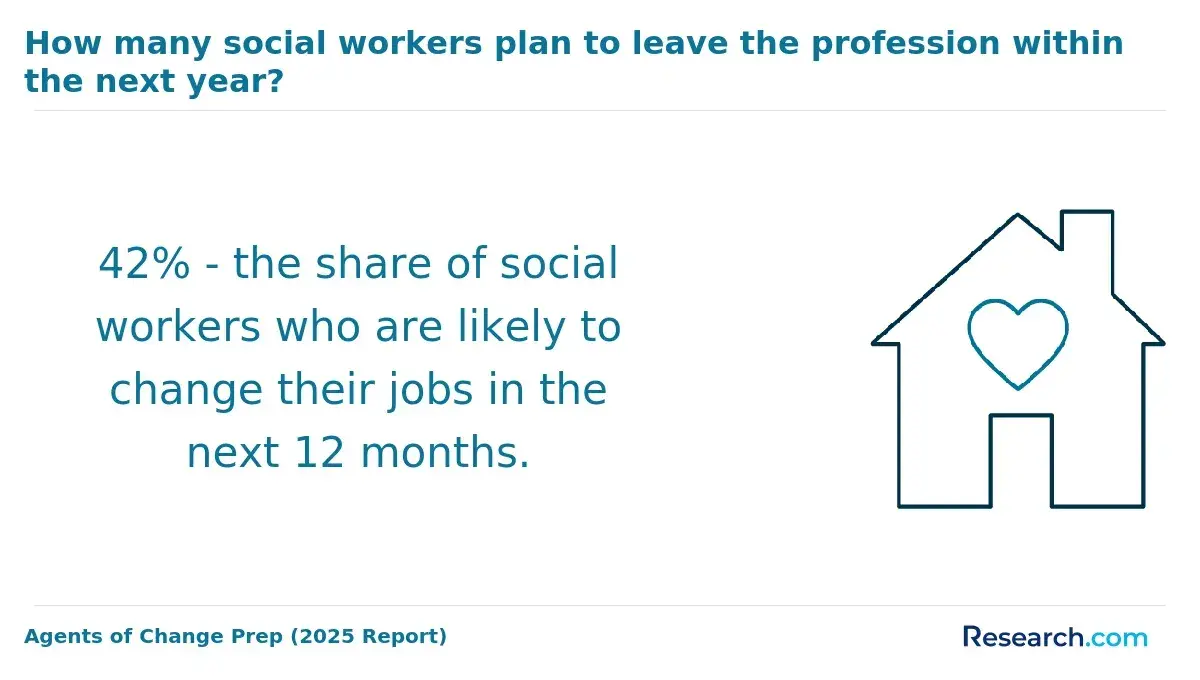
The job market for MSW graduates in nonprofit leadership is strongest for candidates who can combine mission-driven practice with management skills. Nonprofits need leaders who understand communities, manage limited resources, work with funders, supervise teams, evaluate outcomes, and communicate impact to boards, donors, and public partners.
MSW graduates often enter this pathway through program coordination, case management administration, community outreach, grant support, volunteer management, or partnership roles. With experience, they may move into positions such as program director, community engagement director, policy director, chief program officer, operations director, or executive director.
Why the MSW fits nonprofit leadership
Nonprofit leaders regularly make decisions about service access, equity, staffing, funding, compliance, and community trust. MSW training is relevant because it emphasizes human behavior, social systems, ethics, cultural responsiveness, community assessment, and program design. These competencies help leaders avoid designing programs that look effective on paper but fail to meet real community needs.
What employers usually look for
- Program management experience: Ability to oversee services, staff, timelines, reporting, and outcomes.
- Budget and grant knowledge: Comfort with funding restrictions, reporting requirements, and resource planning.
- People leadership: Skill in supervising teams, resolving conflict, preventing burnout, and building accountability.
- Community credibility: Experience working with residents, partners, service users, and local institutions.
- Strategic thinking: Ability to connect daily operations with long-term organizational goals.
Cost also matters when choosing an MSW for a nonprofit career. Graduates who pursue affordable or cheap MSW programs may reduce debt pressure, which can be important in nonprofit sectors where compensation varies widely by organization size, funding source, region, and leadership level. The best return on investment usually comes from an accredited program that offers strong field placements, leadership coursework, and access to nonprofit or public-sector networks.
An MSW can transfer well to nonprofit leadership because the degree develops skills that align with how nonprofit organizations operate: mission-centered decision-making, relationship building, community assessment, advocacy, ethical practice, and program evaluation. However, advancement usually also requires practical management experience and comfort with budgets, fundraising, and performance metrics.
Leadership and relationship building
MSW training emphasizes active listening, cultural competence, ethical reasoning, and respect for community voice. In nonprofit leadership, these skills help managers build trust with staff, volunteers, clients, board members, donors, and public partners. They are especially useful when an organization serves communities that have experienced exclusion, trauma, or inconsistent institutional support.
- Facilitating difficult conversations among staff or stakeholders
- Leading teams through organizational change
- Building partnerships with schools, hospitals, agencies, faith groups, and community organizations
- Using ethical frameworks to guide decisions about scarce resources
Management and strategy
Many MSW programs teach program planning, assessment, and evaluation. These skills translate directly to nonprofit operations, where leaders must show that services are needed, well designed, and effective. MSW graduates can be especially strong at connecting qualitative community feedback with measurable program outcomes.
- Conducting needs assessments
- Creating program goals and logic models
- Tracking service outcomes and reporting results
- Managing staff roles, workflows, and referral systems
- Aligning programs with funder requirements and community priorities
Fundraising and advocacy
Fundraising is not separate from social work values. It is a form of advocacy when it clearly explains a community need, identifies a credible response, and asks funders to invest in measurable change. MSW graduates can be effective grant writers and donor communicators because they understand both the human story and the systemic causes behind the problem.
- Writing compelling statements of need for grants
- Using data and community narratives responsibly
- Explaining program impact to donors and boards
- Advocating for public funding or policy support
- Maintaining accountability to both funders and communities served
For MSW graduates moving into non-clinical healthcare leadership, additional credentials can signal expertise in administration, quality improvement, compliance, care coordination, public health, or executive decision-making. The right credential depends on the role you want: hospital operations, community health programs, case management leadership, compliance, quality, or policy.
Credentials that can complement an MSW
- Master of Healthcare Administration (MHA) or Master of Public Health (MPH): Useful for professionals who want deeper training in healthcare finance, population health, policy, systems management, epidemiology, or organizational leadership.
- Certified Health Executive (CHE): Can demonstrate leadership competence in hospital and health system administration.
- Certified Case Manager (CCM): Relevant for leaders overseeing care coordination, discharge planning, utilization management, and patient support across healthcare settings.
- Certified Professional in Healthcare Quality (CPHQ): Useful for roles focused on quality assurance, performance improvement, patient safety, and outcome measurement.
- Certified in Healthcare Compliance (CHC): Helpful for professionals working with regulatory compliance, risk management, privacy, billing rules, and organizational ethics.
How to choose the right option
| Career goal | Credential direction to consider | Why it may help |
| Hospital or health system administration | MHA, CHE | Builds credibility in operations, leadership, finance, and healthcare systems. |
| Population health or public health programs | MPH | Strengthens skills in prevention, health equity, community health, and policy. |
| Care coordination leadership | CCM | Supports roles managing case management teams and patient navigation systems. |
| Quality improvement | CPHQ | Signals knowledge of patient safety, quality metrics, and performance improvement. |
| Compliance or risk management | CHC | Develops expertise in regulations, ethics, and organizational accountability. |
MSW graduates interested in academic, executive, or advanced administrative positions may also consider a doctorate in social work online. This pathway can be especially useful for professionals who want to lead applied research, teach, influence healthcare policy, or move into senior organizational roles that require advanced expertise.
For MSW graduates who want long-term careers in higher education leadership, the best additional credential depends on whether the goal is student services, academic administration, faculty leadership, research, DEI work, or senior institutional management. The MSW is a strong foundation because it develops advising, advocacy, crisis response, policy awareness, and systems thinking, but many leadership roles require specialized knowledge of higher education operations.
Additional degrees to consider
- Ph.D. in Education: A strong option for professionals interested in research, policy, institutional improvement, teaching, or senior academic leadership.
- Doctor of Public Administration (DPA): Useful for leadership roles involving public institutions, governance, budgeting, public policy, and organizational administration.
- Doctor of Social Work (DSW): Relevant for applied leadership, social work education, program development, and practice-informed institutional change.
Certificates that can strengthen higher education leadership skills
- Graduate Certificate in Higher Education Administration: Helps build knowledge of institutional structure, governance, enrollment, student affairs, compliance, and academic operations.
- College Student Affairs certificate: Useful for roles in advising, residence life, student conduct, student engagement, and student support services.
- Diversity, Equity, and Inclusion (DEI) Leadership certificate: Supports work in equity strategy, campus climate, inclusive programming, and policy implementation.
- Leadership training in curriculum design or strategic planning: Helpful for professionals who want to supervise departments, develop programs, or manage institutional initiatives.
Possible career paths include student services director, academic advisor, department chair, institutional researcher, student success leader, DEI administrator, field education director, or social work program administrator. MSW graduates are often strongest in higher education roles that require both student-centered judgment and the ability to navigate complex institutional systems.
The necessary next step is to build advanced research competence. For many MSW graduates, that means pursuing doctoral study, research employment, or a structured fellowship focused on social policy, public administration, evaluation, statistics, qualitative methods, or data analysis. The right path depends on whether you want to become an academic researcher, policy institute analyst, government evaluator, or applied research leader.
Recommended next steps
- Pursue a Ph.D. or DSW with a research focus: A doctoral program can provide deeper training in research design, measurement, theory, quantitative analysis, qualitative inquiry, and policy evaluation.
- Work as a research assistant or evaluation associate: Hands-on research roles help you learn data cleaning, coding, literature reviews, interview protocols, survey design, grant reporting, and institutional review processes.
- Join a policy institute, think tank, university research center, or government agency: These settings expose you to large-scale policy questions, public datasets, program evaluation contracts, and evidence-based decision-making.
- Develop a methods portfolio: Save examples of reports, research briefs, dashboards, codebooks, interview guides, literature reviews, or evaluation plans when permitted.
- Choose a policy specialization: Focusing on an area such as housing, child welfare, aging, public health, disability, poverty, behavioral health, or criminal justice can make your research profile more coherent.
An MSW fast track can help some students enter advanced pathways sooner. However, speed should not be the only factor. Students planning research careers should prioritize accredited programs with strong methods coursework, faculty research opportunities, field placements in policy or evaluation settings, and access to doctoral preparation or research mentorship.
Over time, the goal is to move from general social work knowledge to methodological credibility. Employers and doctoral programs will look for evidence that you can frame a research question, choose appropriate methods, interpret findings responsibly, and explain policy implications clearly.
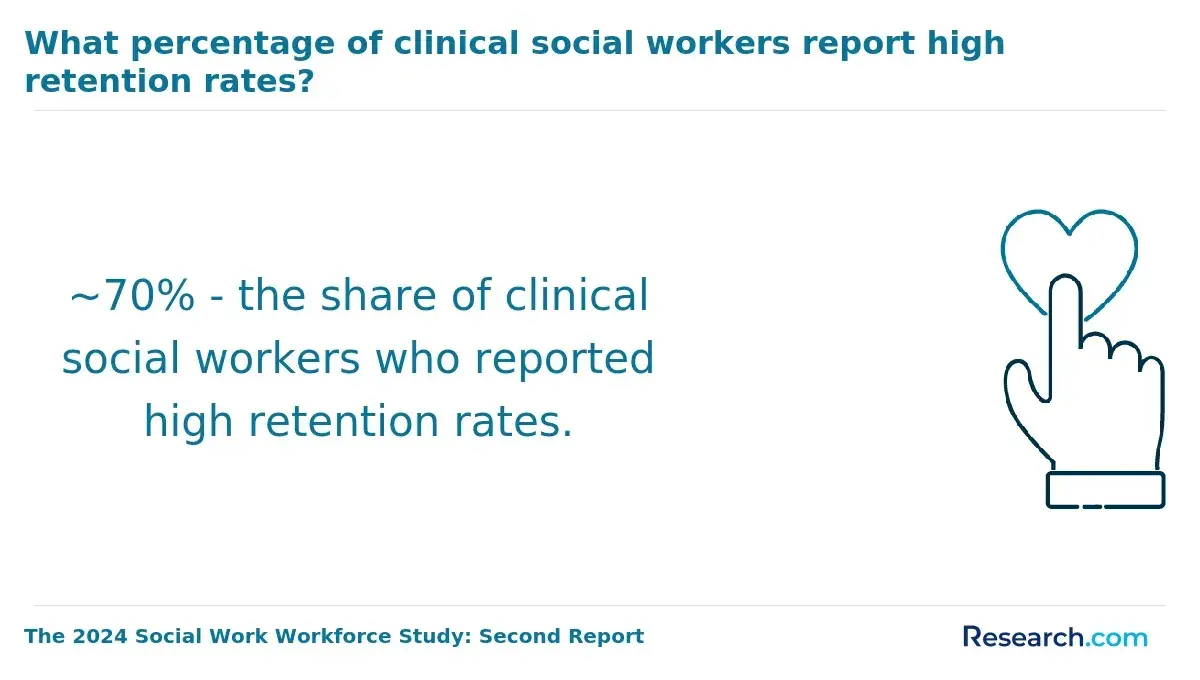
Non-clinical MSW roles in criminal justice and re-entry focus on systems change, program administration, advocacy, coordination, and evaluation. These positions may involve working with courts, correctional systems, community organizations, victim services programs, housing providers, workforce agencies, and public officials.
Common non-clinical roles
- Policy analyst or advocate: Researches laws and policies related to incarceration, sentencing, diversion, probation, parole, re-entry, public safety, and access to services. This role may include legislative advocacy and coalition work.
- Program development or evaluation specialist: Designs and assesses re-entry, diversion, restorative justice, housing, employment, family reunification, or community supervision programs.
- Community organizer or coalition builder: Brings together community members, service providers, formerly incarcerated individuals, public agencies, and advocacy groups to improve systems and expand resources.
- Grant writer or grant administrator: Secures and manages funding for nonprofits or government agencies that operate correctional, diversion, victim services, or re-entry programs.
- Victim or witness advocate: Provides information, referrals, safety planning support, and court navigation assistance for victims of crime while helping ensure their rights and needs are recognized.
- Probation or parole officer with a non-clinical focus: Monitors compliance, connects individuals to resources, coordinates with courts and agencies, and supports supervision goals related to public safety and successful re-entry.
- Re-entry program coordinator: Builds referral networks for housing, employment, identification documents, healthcare, transportation, family support, and benefits access.
- Restorative justice program manager: Coordinates community-based accountability processes, stakeholder engagement, training, and outcome tracking.
Skills that matter in this field
- Understanding of criminal justice systems and community-based alternatives
- Ability to coordinate services across agencies with different rules and priorities
- Grant writing, compliance, and outcome reporting
- Trauma-informed and culturally responsive communication
- Policy analysis and advocacy skills
- Program evaluation and data interpretation
This work can be demanding because it sits at the intersection of public safety, individual rights, community harm, poverty, housing instability, employment barriers, and institutional trust. MSW graduates who succeed in this area tend to be practical, collaborative, ethically grounded, and comfortable working across systems that may not share the same goals.
Which international organizations actively recruit MSW graduates for program design and humanitarian aid roles?
International organizations may recruit MSW graduates for program design, humanitarian aid, protection, psychosocial support, community development, refugee services, and social impact evaluation. These roles are usually competitive and often require field experience, cross-cultural competence, language skills, security awareness, and the ability to work in complex environments.
International organizations that may hire MSW graduates
- United Nations (UN) agencies: Agencies such as UNICEF, UNHCR, and the World Health Organization (WHO) may hire professionals for program management, refugee assistance, child protection, public health, protection services, and psychosocial support initiatives.
- International Federation of Red Cross and Red Crescent Societies (IFRC): Roles may involve disaster response, community resilience, emergency coordination, and humanitarian programming.
- Save the Children: MSW graduates may contribute to child protection, education, family support, emergency response, and program design.
- World Vision: Opportunities may include community development, child welfare, humanitarian response, and program coordination.
- CARE International: Roles may focus on poverty reduction, gender equity, humanitarian response, and community-based development programs.
- Doctors Without Borders (MSF): MSW-trained professionals may support protection, psychosocial, community outreach, or coordination functions depending on role requirements.
- USAID: Opportunities may involve program design, grants, monitoring and evaluation, capacity building, and policy implementation through government and partner organizations.
- World Bank: Relevant roles may involve social development, social protection, policy analysis, safeguards, capacity building, or impact evaluation.
- Nongovernmental organizations (NGOs): International NGOs often hire MSW graduates for program management, protection services, social impact evaluation, and community engagement.
How an MSW applies to humanitarian and global development work
The MSW is useful in international settings because it trains professionals to assess needs, engage communities, coordinate services, protect vulnerable populations, and evaluate social programs. In humanitarian work, these skills can support programs serving refugees, displaced families, children, survivors of violence, people affected by disasters, and communities facing health or economic crises.
How to strengthen your candidacy
- Gain experience in refugee services, disaster response, child protection, public health, community development, or monitoring and evaluation.
- Build practical skills in grant management, project design, budgeting, reporting, and coordination.
- Develop language skills relevant to the regions where you hope to work.
- Learn humanitarian standards, safeguarding principles, and ethical approaches to community-based work.
- Be prepared for roles that involve travel, short-term contracts, hardship settings, or complex security conditions.
For MSW graduates, international work is usually strongest when the degree is paired with field experience and a clear technical specialty. Program design and humanitarian roles require compassion, but they also require operational discipline, cultural humility, careful documentation, and accountability to affected communities.
Other Things You Should Know About Non-Clinical Careers You Can Pursue With an MSW
In 2027, MSW graduates can explore roles such as policy analysts, grant writers, or community outreach coordinators. These positions leverage the graduate’s understanding of social systems and advocacy skills without involving direct clinical practice.
Many policy and advocacy roles accept an MSW alone, but some employers prefer credentials such as the Certified Social Work Case Manager or training in policy analysis and grant writing. State-level public-sector jobs may also require civil-service exams or background checks before hiring.
- Bureau of Labor Statistics. (2024). Social workers: Occupational outlook handbook. U.S. Department of Labor. https://www.bls.gov/ooh/community-and-social-service/social-workers.htm#tab-6
- Council on Social Work Education (CSWE). (2023). Accredited social work programs. https://www.cswe.org/
- National Association of Social Workers (NASW). (2024). Career center and salary data for social workers. https://www.socialworkers.org/
- U.S. Department of Health & Human Services (HHS). (2024). Office of the Assistant Secretary for Planning and Evaluation: Human services policy research. https://aspe.hhs.gov/
- World Health Organization (WHO). (2023). Human resources for health and social service systems. https://www.who.int/
- Urban Institute. (2024). Social policy research and data insights. https://www.urban.org/