2027 How to Compare Online Healthcare Administration Degrees by Transfer Friendliness

Co-Founder and Chief Data Scientist
Choosing an online healthcare administration degree as a transfer student is really a credit-value decision: how much of what you have already earned will count, and how quickly it can move you toward a better role. The stakes are high because the U.S. Bureau of Labor Statistics projects medical and health services manager employment to grow 23% from 2024 to 2034.
This guide is for students with prior college, associate degrees, military learning, or healthcare experience who want to compare programs clearly and avoid losing time, credits, and money.
Key Things You Should Know
- A transfer-friendly online bachelor's program should clearly publish its maximum transfer credits, minimum residency credits, transcript evaluation process, and whether associate degrees, prior learning, military training, or healthcare credentials can reduce remaining coursework.
- Cost comparisons should look beyond tuition: the College Board's 2024 pricing data reported average tuition and fees of $11,610 for in-state public four-year institutions and $43,350 for private nonprofit four-year institutions, making credit acceptance a major ROI factor.
- Career value depends on program quality and fit, not speed alone; the BLS reported a 2024 median annual wage of $117,960 for medical and health services managers, but advancement usually depends on experience, employer expectations, leadership skills, and sometimes graduate education.
How do online healthcare administration degrees differ from campus programs for transfer students?
Online healthcare administration programs often work better for transfer students because they are commonly built for adults who already have credits, jobs, family responsibilities, or healthcare experience. Campus programs may offer more face-to-face networking and local internships, but they can be less flexible if courses are offered once per year or require daytime attendance.
The most important difference is not whether the program is online or campus-based. It is how the school applies your prior credits to degree requirements. A campus program with rigid course sequencing may add semesters even if it accepts many credits, while an online program with frequent start dates and asynchronous courses may help you use transfer credits more efficiently.
The table below summarizes the practical differences transfer students should compare before choosing a format.
| Comparison factor | Online healthcare administration degree | Campus healthcare administration degree | What it means for transfer students |
| Scheduling | Often asynchronous or evening-friendly | Often tied to daytime class schedules | Online formats may be easier for working healthcare staff, parents, and military students. |
| Start dates | May offer multiple starts per year | Often follows fall and spring terms | More start dates can reduce waiting time after transfer admission. |
| Credit evaluation | Frequently designed for adult and transfer applicants | May rely more heavily on department-by-department review | Ask for a degree audit before enrolling, not just a general estimate. |
| Networking | Usually virtual, employer-based, or regional | Often campus-based and local | Online students should ask how the program supports internships, mentoring, and alumni access. |
| Clinical exposure | Usually administrative rather than clinical | Usually administrative rather than clinical | This degree prepares students for management and operations, not direct clinical licensure. |
Choose online if you need schedule control, live far from campus, or already work in healthcare and can connect coursework to your workplace. Choose campus if you want a traditional college environment, local employer access, or structured in-person support. Either way, do not assume "online" automatically means faster; transfer credit rules and course availability determine the real timeline.
What does "transfer-friendly" mean for online healthcare administration bachelor's programs?
A transfer-friendly online healthcare administration program is one that helps you apply the maximum appropriate prior learning toward the degree without weakening academic quality. It should be transparent, fast in evaluating records, and clear about which credits satisfy general education, electives, prerequisites, and major requirements.
For bachelor's programs, transfer friendliness usually includes several policy features. Look for these details before you apply widely or pay enrollment deposits.
- A high maximum transfer-credit allowance, often up to a school-defined cap for a 120-credit bachelor's degree.
- A reasonable residency requirement that clearly states how many credits must be completed at the degree-granting institution.
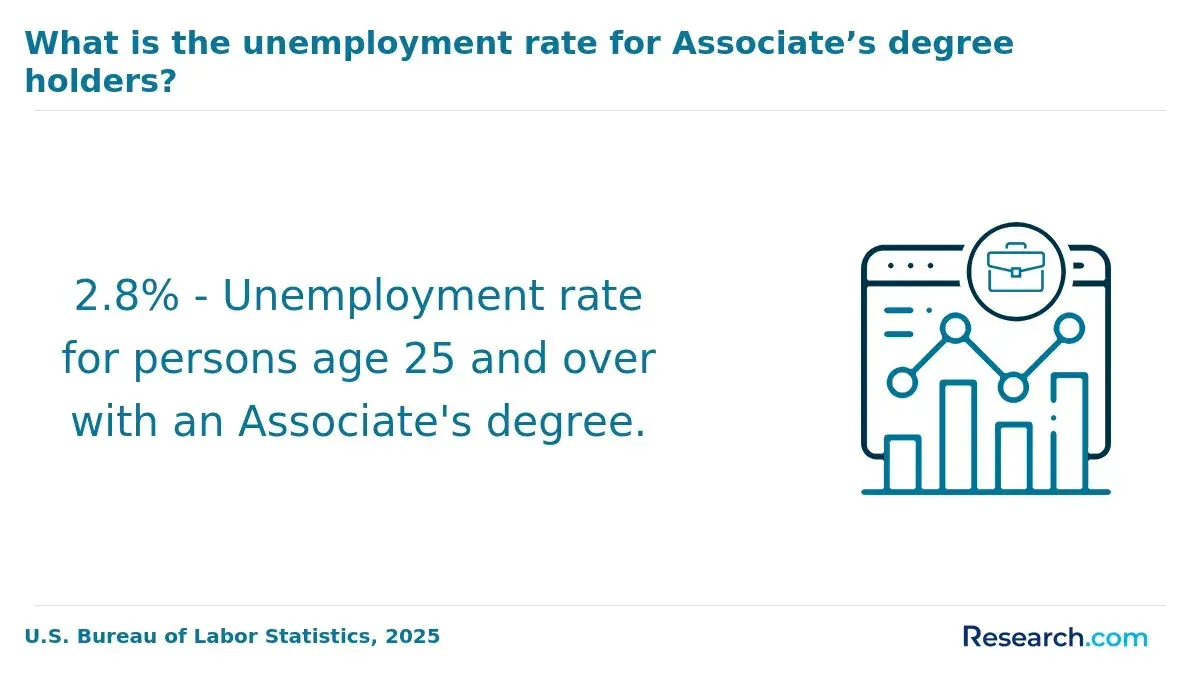
- Acceptance of regionally accredited community college and four-year college coursework when grades meet the school's minimum standard.
- Clear treatment of associate degrees, such as block transfer for completed general education requirements.
- Published policies for ACE-recommended military training, standardized exams, employer training, certifications, or portfolio-based prior learning assessment.
- A written transfer evaluation that shows exactly which requirements remain before you enroll.
Transfer-friendly does not mean a school accepts every credit. Healthcare administration degrees usually require specific coursework in healthcare finance, policy, ethics, quality improvement, data use, human resources, and operations. If your prior credits are mostly unrelated electives, they may transfer as elective credit but still leave many major courses to complete.
Several red flags signal that a program may not be transfer-friendly, even if it advertises itself to adult learners. Be cautious if a school will not review transcripts before enrollment, gives only verbal transfer promises, applies most previous credits as electives, or requires you to retake similar courses without a clear academic reason.
How can you compare accreditation and program quality when transferring into online healthcare administration?
Accreditation is the first quality checkpoint because it affects financial aid eligibility, graduate school options, employer recognition, and transferability. For online bachelor's degrees, start with institutional accreditation from an accreditor recognized by the U.S. Department of Education or the Council for Higher Education Accreditation. Programmatic accreditation is less universal at the bachelor's level, but related signals can still help you judge quality.
The table below separates accreditation and quality signals that are often confused. This matters because a program can be legitimate without specialized accreditation, but weak transparency should make you ask harder questions.
| Quality signal | What to check | Why it matters |
| Institutional accreditation | Verify the college or university is accredited by a recognized institutional accreditor. | This is essential for federal financial aid and future credit mobility. |
| Healthcare management alignment | Look for curriculum alignment with healthcare administration, management, policy, finance, quality, and ethics. | Alignment helps ensure the degree is not just a general business program with a healthcare label. |
| AUPHA connection | Check whether the program or department is connected with the Association of University Programs in Health Administration. | AUPHA involvement can indicate engagement with healthcare administration education standards, though it is not required for all reputable programs. |
| Business accreditation | If the program sits in a business school, check for AACSB, ACBSP, or IACBE accreditation where applicable. | This can strengthen confidence in management, accounting, and organizational coursework. |
| Student outcomes | Ask for retention, graduation, internship, employment, and graduate-school placement information when available. | Outcomes data helps you compare real program performance, not just marketing claims. |
Use a short verification process before making a final choice. This is especially important for transfer students because credits from poorly accredited or unaccredited institutions can be difficult to reuse later.
- Confirm institutional accreditation in an official accreditation database or on the accreditor's website.
- Ask admissions for a written degree audit showing accepted credits and remaining requirements.
- Review the catalog, not only the program webpage, for graduation rules, course prerequisites, and residency requirements.
- Ask whether the bachelor's curriculum prepares students for entry-level management roles, graduate healthcare administration programs, or both.
- Check whether online students receive the same faculty access, advising, library services, career support, and internship guidance as campus students.
Do not choose a program based only on a ranking, a low advertised tuition rate, or a promise of fast completion. Accreditation and documented transfer evaluation should come first.
Which prior credits, majors, and professional experiences typically transfer into healthcare administration degrees?
Most online healthcare administration bachelor's programs accept a mix of general education, elective, business, and healthcare-related credits. The exact fit depends on course level, grade, accreditation of the sending institution, course age, and whether the prior course matches a requirement in the new degree plan.
The table below shows common transfer sources and how they typically apply. Use it as a planning tool, not a guarantee, because each institution sets its own equivalency rules.
| Prior learning source | How it may apply | Common limitations |
| Associate of Arts or Associate of Science | May satisfy many general education requirements. | Major courses may still be required if the associate degree was not healthcare or business focused. |
| Associate of Applied Science in allied health | May provide elective credit and some healthcare-related credit. | Technical credits may not all apply to upper-division management requirements. |
| Business, accounting, economics, or management courses | May fit prerequisites or core courses in finance, management, or organizational behavior. | Healthcare-specific versions of finance or law may still be required. |
| Nursing, medical assisting, radiologic technology, or health information courses | May support healthcare electives or satisfy foundational healthcare knowledge. | Clinical courses often transfer as electives rather than administration major credits. |
| Military training | May be reviewed through ACE recommendations and military transcripts. | Application varies by school and by how closely training maps to degree outcomes. |
| Professional certifications or employer training | May qualify for prior learning assessment, portfolio review, or elective credit. | Documentation must be strong, and some schools charge assessment fees. |
Students with prior majors in business, public health, health information management, nursing, psychology, sociology, or public administration often have a smoother transfer path because their previous coursework overlaps with healthcare organizations, leadership, data, ethics, and policy. Students with unrelated credits can still benefit, but they should pay close attention to whether credits reduce the major or only fill electives.
Before sending applications, gather syllabi for older or specialized courses. Syllabi can help departments decide whether a course in medical terminology, healthcare law, statistics, accounting, or information systems is close enough to satisfy a requirement.
How do program length, pacing, and start dates change when you transfer into an online program?
Your completion time depends on three variables: accepted credits, required upper-division healthcare administration courses, and how often those courses are offered. A student transferring 60 credits may still need two years if major courses are sequenced slowly, while another student with fewer credits may finish faster in a program with monthly starts and year-round terms.
Online programs commonly use semester, quarter, eight-week, or competency-based formats. Shorter terms can help motivated students move quickly, but they can also compress reading, writing, group projects, and exams. If you work full time in healthcare, an accelerated course load may be harder during busy shifts, audits, surveys, or staffing shortages.
Use this sequence to estimate your real timeline before enrolling.
- Request an official or preliminary transfer credit evaluation from each school on your shortlist.
- Ask for a remaining-course plan that shows which courses are offered every term and which are offered only once or twice per year.
- Identify whether any courses have prerequisites that could delay upper-division healthcare administration coursework.
- Compare full-time and part-time pacing based on your work schedule, caregiving duties, and financial aid enrollment requirements.
- Ask whether summer, winter, or overlapping terms are available and whether they affect tuition or aid.
Some students also plan ahead for graduate study. If you already know you want executive leadership roles, compare whether the bachelor's program has an accelerated pathway, bridge option, or advising support for a future MHA; readers considering graduate speed can also review fastest online MHA options after clarifying bachelor's transfer fit.
The best timeline is not always the shortest one. A realistic pace that lets you maintain grades, keep financial aid eligibility, and build relevant experience often produces a stronger outcome than overloading every term.
What tuition, fees, and financial aid factors matter most for transfer-friendly online programs?
For transfer students, the largest cost driver is often not the posted per-credit tuition. It is the number of credits you must still complete after the school applies your prior coursework. A program with higher tuition but generous major-credit acceptance can cost less than a cheaper program that accepts many credits only as electives.
College Board's 2024 data reported average published tuition and fees of $11,610 for in-state students at public four-year institutions and $43,350 at private nonprofit four-year institutions. Those figures are not online healthcare administration prices specifically, but they show why comparing total remaining cost is more useful than comparing tuition labels alone.
When estimating total cost, include each category below because online programs may charge fees that are easy to miss in advertisements.
- Tuition for credits remaining after transfer evaluation.
- Online learning, technology, graduation, transcript, prior learning assessment, or proctoring fees.
- Books, digital course materials, software, and possible exam platforms.
- Residency or capstone requirements that may require extra time or employer coordination.
- Lost aid eligibility if you enroll below half time or repeat courses that do not count toward your degree plan.
- Employer tuition assistance rules, including grade minimums, annual caps, and repayment agreements if you leave the job.
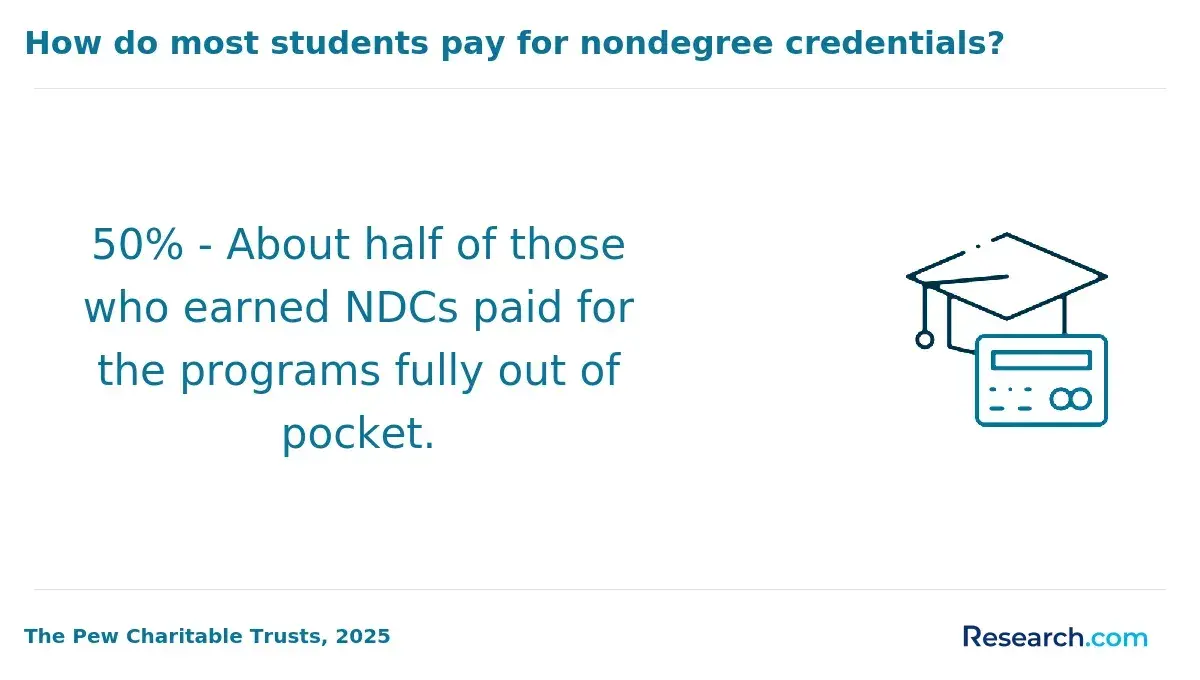
Federal aid can also change the equation. The maximum Federal Pell Grant for the 2024-25 award year was $7,395, but actual eligibility depends on FAFSA results, enrollment intensity, cost of attendance, and remaining lifetime eligibility. Transfer students should ask financial aid offices to calculate aid based on the exact credits in the new degree plan.
For a broader affordability benchmark, compare program estimates against published guides to healthcare administration degree cost, but make your final decision using your own transfer audit and net price.
How can you evaluate online healthcare administration curricula, concentrations, and learning outcomes as a transfer?
A strong healthcare administration curriculum should help you understand how healthcare organizations are financed, regulated, staffed, measured, and improved. As a transfer student, your goal is to avoid repeating content you already know while still completing the upper-division learning employers expect from a bachelor's graduate.
The table below shows common curriculum areas and why each matters in healthcare administration work.
| Curriculum area | What students learn | Why it matters for transfer students |
| Healthcare finance | Budgeting, reimbursement, revenue cycles, and cost control. | Prior accounting credits may help, but healthcare reimbursement is specialized. |
| Healthcare law and ethics | Compliance, privacy, consent, fraud prevention, and ethical decision-making. | General business law may not fully replace healthcare-specific legal coursework. |
| Quality and patient safety | Performance measurement, process improvement, risk reduction, and reporting. | This is central for operations roles in hospitals, clinics, and long-term care. |
| Health information and analytics | Data use, records systems, reporting dashboards, and decision support. | Students with health information or IT credits may have an advantage. |
| Human resources and leadership | Staffing, conflict management, team development, and organizational behavior. | Healthcare leadership courses should address regulated, high-pressure settings. |
| Capstone or internship | Applied project, case analysis, practicum, or workplace-based improvement plan. | Ask whether working students can use their current employer site. |
Concentrations can help you align the degree with a target role, but they should not distract from core healthcare management competencies. Common options include long-term care administration, health informatics, public health, human resources, healthcare finance, quality improvement, and project management.
If you are comparing healthcare administration with broader operations fields, a fast track project management degree online may be a better fit when your goal is managing projects across industries rather than working specifically in healthcare systems.
Ask each program for learning outcomes in plain language. Good outcomes should explain what you will be able to do, such as analyze healthcare budgets, interpret policy constraints, lead teams, evaluate quality metrics, and communicate with clinical and nonclinical stakeholders.
What admission requirements and documentation do transfer students need for online healthcare administration?
Transfer admission requirements vary by institution, but most online bachelor's programs ask for official transcripts from every college attended. Some also require a minimum college GPA, a certain number of transferable credits, English or math readiness, proof of high school completion if you have limited college credit, and a short application or personal statement.
Prepare your documents early because missing transcripts are one of the most common causes of delayed admission and incomplete credit evaluation. This checklist helps you avoid last-minute problems.
- Official transcripts from all colleges, including schools where you withdrew, failed courses, earned dual enrollment credit, or completed only one term.
- Military transcripts, such as Joint Services Transcript or Community College of the Air Force records, if applicable.
- AP, CLEP, DSST, IB, or other exam score reports if the school awards credit for them.
- Course syllabi for specialized, old, or out-of-state courses that may need department review.
- Professional certification documents, employer training records, or portfolio materials if the school offers prior learning assessment.
- Financial aid records, FAFSA information, and employer tuition assistance forms if you plan to use aid or workplace benefits.
Some programs also ask whether you have healthcare experience. Experience is usually not required for bachelor's admission, but it can strengthen your application, help with applied assignments, and make internships or capstones easier to arrange.
A common mistake is applying to one school, accepting admission quickly, and only later discovering that many credits do not apply to the major. A better approach is to compare at least two written transfer evaluations side by side before committing.
How do transfer-friendly online healthcare administration degrees affect career paths, roles, and advancement?
A transfer-friendly degree can help you reach career goals faster by reducing duplicated coursework and letting you focus on upper-division healthcare leadership skills. It does not guarantee a management job, but it can strengthen eligibility for administrative, supervisory, compliance, quality, operations, and healthcare business roles.
The BLS reported a 2024 median annual wage of $117,960 for medical and health services managers. That figure includes experienced managers across many settings, so transfer students should use it as career context rather than an entry-level salary expectation. Early roles may be closer to coordinator, analyst, office manager, department assistant, or supervisor positions, especially for students with limited healthcare experience.
The table below connects common career directions with the kind of preparation that matters most.
| Career direction | Typical responsibilities | Useful preparation |
| Clinic or practice management | Scheduling, staffing, billing coordination, patient flow, vendor communication, and compliance support. | Healthcare finance, human resources, operations, and communication coursework. |
| Hospital department administration | Budget tracking, process improvement, staff coordination, reporting, and project support. | Quality improvement, data analysis, organizational behavior, and healthcare policy. |
| Long-term care administration | Resident services, staffing, regulatory compliance, quality reporting, and facility operations. | Long-term care concentration and state-specific licensure research where required. |
| Healthcare compliance | Policy monitoring, privacy practices, documentation review, training, and risk reduction. | Healthcare law, ethics, records management, and regulatory coursework. |
| Health information or analytics support | Data reporting, records workflows, dashboard support, and performance measurement. | Health informatics, statistics, database tools, and quality metrics. |
Technology is also changing expectations. Healthcare administrators increasingly work with electronic health records, dashboards, automation tools, scheduling systems, patient portals, and AI-supported reporting. A good program should help students interpret data responsibly, protect patient privacy, and communicate findings to clinical and business teams.
If your real goal is direct patient diagnosis or prescribing, healthcare administration is not the right substitute for clinical graduate education; compare clinical pathways separately, such as a shortest online nurse practitioner program, only if you already meet nursing prerequisites and licensure requirements.
For advancement, many healthcare administration graduates later consider an MHA, MBA, MPH, graduate certificate, or professional certification. The right next step depends on your employer, leadership goals, experience level, and whether you want to manage people, systems, finances, compliance, or population health initiatives.
What tools and strategies help you compare multiple online programs for transfer friendliness?
The best way to compare online healthcare administration degrees is to build a transfer-focused scorecard. Rankings can help you discover schools, but they cannot tell you how your credits will apply. Your personal degree audit is the most important document in the decision.
Use the comparison categories below to organize what each school tells you. This table is not a replacement for advising, but it gives you a practical structure for judging programs consistently.
| Comparison category | What to collect from each school | Why it affects your decision |
| Credits accepted | Total transfer credits and how they apply to requirements. | This determines how much time and tuition you may save. |
| Credits remaining | Exact remaining general education, elective, prerequisite, and major courses. | This shows the real path to graduation. |
| Residency rule | Minimum credits that must be completed at the new institution. | A high residency requirement can limit the value of prior credits. |
| Course availability | Term-by-term schedule for required upper-division courses. | Limited offerings can extend completion time. |
| Total net cost | Tuition, fees, books, aid, employer benefits, and remaining credits. | This is more accurate than comparing per-credit tuition alone. |
| Career support | Internship help, capstone options, resume support, alumni access, and employer connections. | Support services can affect career readiness, especially for fully online students. |
After collecting information, follow a simple decision process that prioritizes evidence over marketing language.
- Shortlist accredited institutions that offer the healthcare administration format and pacing you need.
- Send all transcripts and ask for written transfer evaluations before enrolling.
- Calculate total remaining cost using only credits that apply to your degree plan.
- Compare remaining course sequences to identify bottlenecks, prerequisites, and limited-start courses.
- Ask current students, alumni, or advisors how responsive online support services are.
- Choose the program that offers the best combination of accepted credits, credible quality, manageable pacing, affordable net cost, and career alignment.
The biggest mistake is treating "most transfer credits accepted" as the only goal. A program that accepts many credits but lacks healthcare-specific coursework, advising, or employer relevance may not serve you well. The strongest choice is the program that converts prior learning into meaningful progress toward a credible healthcare administration credential.
Other Things You Should Know About Healthcare Administration
The terms overlap, and many schools use them interchangeably. Healthcare administration often emphasizes systems, policy, compliance, and organizational operations, while healthcare management may focus more on leading teams, departments, and business functions. Always review the actual curriculum instead of relying on the title alone.
Most healthcare administration roles do not require a general administrator license. However, nursing home administrator and some long-term care leadership roles are regulated by states. If you want to work in long-term care, check your state board's education, exam, and experience requirements before choosing a program.
In 2027, consider credit transfer policies, accreditation, course equivalency, and partnerships with prior institutions when assessing transfer friendliness. Contact advisors at prospective schools to evaluate how your existing credits align with their requirements for a seamless transition.
Yes, many administrative roles do not require clinical licensure. However, healthcare experience can help you understand workflows, patient needs, regulations, and team dynamics. If you lack clinical experience, look for internships, entry-level coordinator roles, volunteer work, or capstone projects in healthcare settings.
References
- Aligning the Healthcare Administration Curriculum With Industry Needs: An Action Research Approach - OJDLA https://ojdla.com/articles/aligning-the-healthcare-administration-curriculum-with-industry-needs-an-action-research-approach
- Course Pacing https://docs.openedx.org/en/open-release-sumac.master/educators/references/setting_course_pacing.html
- Online Bachelor of Science in Health Care Management | Illinois College https://www.ic.edu/healthcare-mgmt/online
- Comparing Financial Aid Packages: 5 Key Factors | ELFI https://www.elfi.com/comparing-financial-aid-packages-5-factors-to-consider/
- Top Online Schools That Accept Transfer Credits https://www.edvisorly.com/student-guides/online-schools-that-accept-transfer-credits
- Healthcare Management Concentration (Online or On Campus) - Fisher College https://www.fisher.edu/academics/undergraduate-programs/bs-in-management/healthcare-management-concentration
- 8 Keys to Unlock Transfer Student Financial Aid https://www.collegexpress.com/interests/transfer/articles/transfer-financial-aid/keys-unlocking-financial-aid-transfer/
- Who Accredits MHA Programs? https://www.mhaonline.com/faq/who-accredits-online-mha-programs
- Medical University of GdaÅsk https://admission.mug.edu.pl/53663.html
- Why Consider a Healthcare Administration Career Path https://www.straighterline.com/blog/why-consider-a-healthcare-administration-career-path