2027 Healthcare Administration Careers That Reward Strong Leadership Skills

Co-Founder and Chief Data Scientist
Healthcare administration is a smart path to consider if you want to lead people, improve patient services, and manage complex healthcare operations without becoming a clinician. The U. S. Bureau of Labor Statistics reports a $117,960 median annual wage for medical and health services managers as of May 2024, reflecting the value employers place on operational leadership.
This guide is for students, career changers, and working professionals comparing healthcare leadership careers, degree options, online study, salary potential, credentials, and program quality so they can choose a path that fits their goals and risk tolerance.
Key Things You Should Know
- Medical and health services managers had a May 2024 median annual wage of $117,960, but pay varies widely by role, region, employer size, and level of responsibility.
- The BLS projects 29% employment growth for medical and health services managers from 2023 to 2033, much faster than the average for all U.S. occupations.
- For leadership-track roles, the strongest education choices usually combine healthcare finance, quality improvement, data analytics, compliance, and people management rather than general business courses alone.
What does a healthcare administration career look like for professionals with strong leadership skills?
A healthcare administration career centers on planning, coordinating, and improving the business and operational side of healthcare. Professionals in this field may manage departments, supervise staff, oversee budgets, monitor compliance, improve patient flow, negotiate vendor contracts, or lead quality and safety initiatives. Strong leadership matters because healthcare organizations must balance patient outcomes, staffing pressures, financial limits, technology changes, and regulatory requirements at the same time.
For new readers, it helps to separate healthcare administration from clinical care. Healthcare administrators usually do not diagnose or treat patients. Instead, they create the systems that allow clinicians to deliver care safely, efficiently, and consistently. A strong leader in this field is often the person translating executive goals into daily workflows that nurses, physicians, billing teams, schedulers, and support staff can actually use.
The settings below show how leadership responsibilities can change depending on where an administrator works. This comparison helps readers decide whether they prefer frontline operations, strategic planning, compliance-heavy environments, or business development roles.
| Work setting | Common leadership focus | Best fit for professionals who enjoy |
| Hospitals and health systems | Department operations, staffing, budgets, patient throughput, emergency planning | Fast decisions, cross-functional leadership, complex systems |
| Outpatient clinics and physician groups | Scheduling, revenue cycle coordination, patient access, provider productivity | Process improvement, customer service, smaller-team leadership |
| Long-term care and senior services | Resident services, regulatory compliance, staffing, family communication | Relationship-centered leadership and highly regulated operations |
| Health insurance and managed care | Network operations, utilization management, member services, quality metrics | Analytics, policy, cost management, population health |
| Digital health and healthcare technology firms | Implementation, client success, workflow redesign, data-informed decisions | Technology adoption, project leadership, innovation |
Day to day, healthcare administrators often spend more time communicating than calculating. They meet with department heads, review performance dashboards, solve staffing or workflow problems, prepare reports, and make trade-offs between service quality and available resources. AI, telehealth, automation, and predictive analytics are changing this work, but they are not replacing leadership judgment. Instead, they are raising the bar for administrators who can interpret data, manage change, and earn trust across clinical and nonclinical teams.
What education and degrees are required to start a career in healthcare administration?
The education needed for healthcare administration depends on the role you want, how soon you want to enter the field, and whether you already have healthcare experience. Entry-level coordinator roles may be available with an associate or bachelor's degree, while director, executive, consulting, and policy-focused roles often favor a master's degree such as a Master of Health Administration, Master of Healthcare Administration, MBA with a healthcare concentration, or Master of Public Health with management coursework.
The table below summarizes common degree options and the kinds of leadership roles they can support. Use it to compare the fastest path into the field against the stronger long-term preparation often needed for senior management.
| Education path | Typical purpose | Leadership value | Important limitation |
| Associate degree in healthcare administration or health information | Entry-level office, billing, admissions, or records support | Builds familiarity with healthcare operations | Usually not enough for management-track roles by itself |
| Bachelor's degree in healthcare administration, health services management, or business | Entry-level management, coordinator, analyst, or supervisor roles | Introduces finance, HR, compliance, quality, and operations | Senior roles may require experience or graduate study |
| Master of Health Administration or similar graduate degree | Management advancement, health system leadership, consulting, strategy roles | Deepens executive decision-making, analytics, policy, and organizational leadership | Requires more time, cost, and admissions planning |
| MBA with healthcare or operations focus | Healthcare business leadership, operations, finance, or consulting | Strong business training with transferable management skills | May include less healthcare-specific policy or compliance depth than an MHA |
| Graduate certificate | Targeted upskilling for professionals who already hold a degree | Can add healthcare finance, informatics, compliance, or leadership knowledge | May not substitute for a degree when employers require one |
Admissions requirements vary, but bachelor's programs commonly ask for transcripts, a minimum GPA, and general education coursework. Graduate programs may request a bachelor's degree, resume, statement of purpose, recommendations, prerequisite statistics or accounting coursework, and sometimes professional experience. Many programs have moved away from standardized test requirements, but applicants should verify each school's current policy.
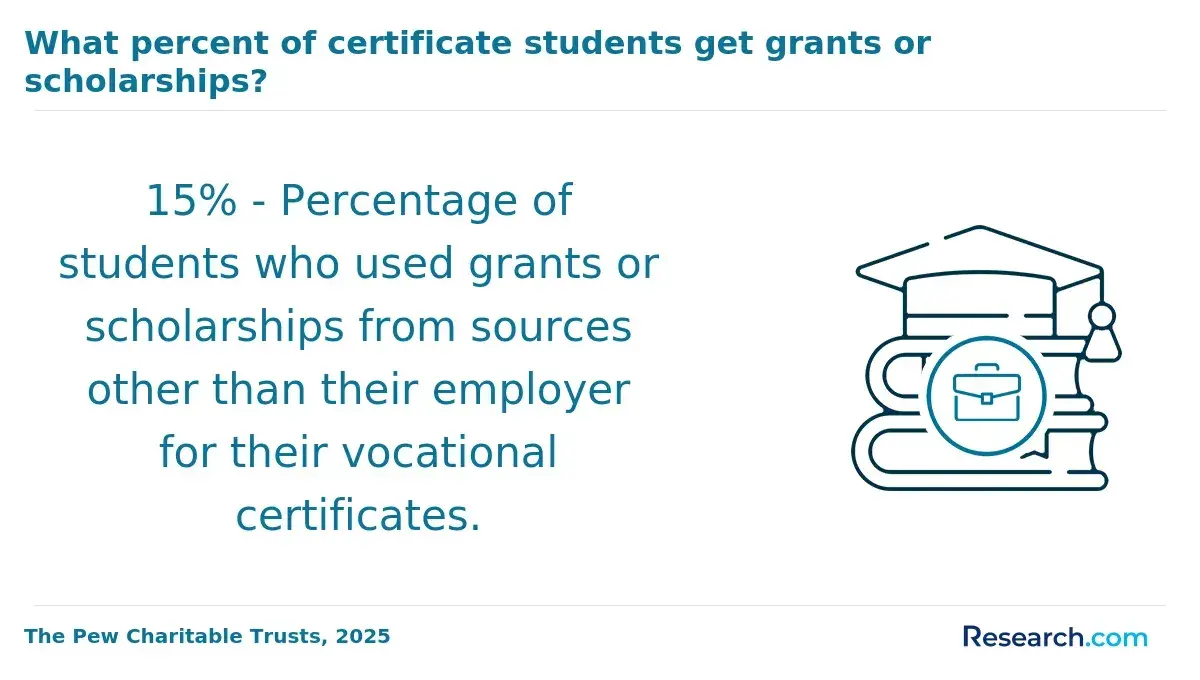
Cost should be evaluated as total cost, not tuition alone. College Board's 2024 pricing data lists average published tuition and fees at $11,610 for in-state students at public four-year institutions and $43,350 at private nonprofit four-year institutions for 2024-25. Those figures are not healthcare-administration-specific, but they illustrate why transfer credit, employer tuition assistance, public university options, and program length can strongly affect return on investment.
If speed is a priority, an accelerated healthcare management degree online may make sense for students with prior credits, healthcare experience, or a clear career target. It may not be the best fit if you need extensive internship support, prefer a slower pace, or are still exploring whether healthcare leadership is the right field.
How do online healthcare administration programs compare to campus-based options for future leaders?
Online and campus-based healthcare administration programs can both prepare future leaders, but they serve different student needs. The right choice depends less on prestige alone and more on schedule, field experience, faculty access, networking, cost, and whether the format helps you build leadership evidence that employers can recognize.
The comparison below highlights practical trade-offs. It is especially useful for working adults deciding whether flexibility is worth giving up some in-person networking and campus-based recruiting opportunities.
| Factor | Online healthcare administration programs | Campus-based healthcare administration programs |
| Schedule fit | Often better for working adults, caregivers, military students, and career changers | Often better for students who can attend classes at fixed times |
| Networking | Can be strong when programs include live sessions, cohorts, residencies, and active alumni groups | May offer easier access to campus events, faculty offices, and local healthcare employers |
| Leadership practice | Works well when students can apply projects at their current workplace | Works well when programs include simulations, group projects, internships, and assistantships |
| Cost control | May reduce commuting, relocation, and lost-income costs | May offer campus assistantships, local placements, or state resident tuition advantages |
| Best fit | Self-directed learners with clear goals and reliable time management | Students who want structured routines and more face-to-face interaction |
Online learning is strongest when the program is intentionally designed for healthcare leadership rather than simply recording campus lectures. Look for faculty feedback, case-based assignments, healthcare data projects, group work, capstones, and supervised internships or practicums. For graduate students who want a specialized leadership credential, comparing best MHA online programs can help identify options with stronger healthcare-management alignment.
Campus programs can be valuable for students who are new to healthcare and need local networking. They may also help students who learn best through face-to-face discussion, structured study routines, or local internship pipelines. However, a campus format is not automatically better; a weak campus program with limited employer ties can be less useful than a well-supported online program with strong applied projects and healthcare partnerships.
What key leadership-focused courses are included in healthcare administration degree curricula?
Leadership-focused healthcare administration curricula should teach students how to make decisions under real operational constraints. The best courses connect finance, law, strategy, human behavior, analytics, and quality improvement instead of treating leadership as a motivational concept.
The courses below commonly appear in healthcare administration degrees and are especially relevant to people who want supervisory, director-level, or executive-track roles. They also provide useful signals when comparing program catalogs.
| Course area | What students learn | Why it matters for leadership |
| Healthcare finance and budgeting | Revenue, expenses, reimbursement, capital planning, financial statements | Leaders must justify staffing, technology, and service-line decisions with financial evidence |
| Healthcare law, ethics, and compliance | Privacy, fraud and abuse rules, risk management, patient rights, ethical decision-making | Administrators are accountable for safe and legally compliant operations |
| Quality improvement and patient safety | Performance measures, root-cause analysis, safety culture, process redesign | Strong leaders turn quality data into better workflows and fewer preventable problems |
| Human resources and organizational behavior | Hiring, retention, conflict management, team design, employee engagement | Healthcare outcomes depend heavily on staffing stability and team trust |
| Health informatics and analytics | Electronic health records, dashboards, data governance, reporting tools | Modern administrators must use data without ignoring frontline context |
| Strategic planning and healthcare marketing | Market analysis, service development, community needs, competitive positioning | Senior leaders must decide which services to expand, redesign, or discontinue |
| Operations and project management | Workflow mapping, capacity planning, implementation, timelines, resource constraints | Many leadership roles depend on improving throughput, access, and efficiency |
Students interested in system efficiency, staffing models, supply chains, or service-line performance may also compare healthcare administration programs with an operations management MBA. That route can be useful for people who want broader business mobility, though it may require adding healthcare-specific electives or experience to compete for hospital and health system roles.
When reviewing curricula, avoid programs that rely only on broad survey courses. A leadership-ready curriculum should include applied assignments such as budget analysis, quality-improvement plans, compliance scenarios, healthcare data interpretation, and a capstone tied to a real organizational problem.
Which healthcare administration roles most reward strong management and leadership abilities?
Healthcare administration roles reward leadership most when the job requires coordinating people, budgets, compliance, and performance outcomes. Entry-level roles build operational knowledge, while mid-career and senior roles increasingly depend on strategic thinking, negotiation, change management, and the ability to influence clinicians and executives.
The roles below are common examples of healthcare administration careers where management ability can make a measurable difference. Actual titles vary by organization, and smaller employers may combine several functions into one position.
| Role | Typical responsibilities | Leadership skills that matter most | Common preparation |
| Clinic manager or practice manager | Supervises front-office operations, scheduling, billing coordination, staff performance, patient experience | Communication, workflow improvement, conflict resolution, customer service leadership | Bachelor's degree plus healthcare office or supervisory experience |
| Hospital department manager | Manages a service line or department budget, staffing, performance reporting, and cross-team coordination | Budgeting, team leadership, quality improvement, decision-making under pressure | Bachelor's or master's degree plus relevant healthcare experience |
| Healthcare operations manager | Improves patient flow, access, productivity, scheduling, and resource use | Process improvement, analytics, project execution, stakeholder management | Healthcare administration, business, operations, or analytics background |
| Quality improvement manager | Leads performance initiatives, tracks safety indicators, supports accreditation or regulatory readiness | Data interpretation, coaching, systems thinking, documentation discipline | Healthcare quality coursework, clinical or administrative experience, optional quality credentials |
| Revenue cycle manager | Oversees billing, coding workflows, claims, denials, collections, and financial performance | Analytical leadership, compliance awareness, staff training, process control | Business, finance, health information, or healthcare administration background |
| Long-term care administrator | Directs facility operations, resident services, staffing, compliance, and family communication | Regulatory leadership, empathy, crisis management, workforce planning | Degree plus state-specific licensure requirements for nursing home administrators |
| Health system executive or service-line director | Sets strategy, manages large budgets, leads managers, evaluates performance, supports growth initiatives | Strategic planning, executive communication, financial stewardship, change leadership | Graduate degree and substantial progressive leadership experience |
Professionals who advance fastest often pair operational credibility with people skills. They understand how registration, billing, clinical documentation, patient access, staffing, compliance, and quality metrics interact. They also know when to ask frontline staff for context before changing a process that looks inefficient on a dashboard.
Common mistakes include chasing executive titles too early, ignoring revenue cycle knowledge, underestimating compliance, or treating clinicians as obstacles rather than partners. A better strategy is to build a track record through measurable projects, such as reducing appointment bottlenecks, improving staff onboarding, standardizing reporting, or helping a department meet a quality target.
What salary ranges can healthcare administrators with strong leadership skills expect?
Salary potential in healthcare administration depends on responsibility level, employer type, geography, organization size, and prior experience. Leadership skill can influence advancement, but no degree or credential guarantees a specific salary. The most reliable way to interpret earnings is to use national labor data as a baseline and then compare it with local job postings.
The BLS May 2024 wage data for medical and health services managers provides a useful national benchmark. The table below translates that benchmark into career-stage context without implying that every role follows the same timeline.
| Career stage or labor-market position | National salary context | What it usually means for decision-making |
| Lower-paid or early-career positions | The lowest 10% earned less than $68,730 | May reflect smaller employers, limited experience, entry-level management, or lower-cost regions |
| Broad middle of the occupation | The median annual wage was $117,960 | A useful benchmark for experienced managers, but local employer requirements matter |
| Senior, high-responsibility, or high-cost-market roles | The highest 10% earned more than $239,200 | Often associated with larger systems, executive responsibility, complex budgets, or high-demand markets |
For students comparing degree cost with salary potential, the key question is not "What is the highest possible salary?" but "What role am I realistically preparing for next?" A bachelor's degree may be a better return if it helps you move from coordinator to supervisor without heavy debt. A master's degree may be more reasonable if you already have healthcare experience and need a credential to compete for director-level roles.
Readers should also consider non-salary compensation. Health systems, universities, insurers, and government-related employers may offer retirement plans, tuition assistance, health benefits, loan repayment options, or internal leadership development programs. These benefits can materially affect total career value even when base salaries appear similar.
How is the job outlook for healthcare administration professionals in leadership positions?
The job outlook for healthcare administration leadership is strong, but it is not uniform across all job titles. The BLS projects employment of medical and health services managers to grow 29% from 2023 to 2033, with about 61,400 openings each year on average. For readers, the practical takeaway is that demand is broad, but competition can still be significant for desirable director, executive, and major health system roles.
Several trends are shaping demand for strong healthcare administrators. Aging populations increase service demand, outpatient care continues to expand, and healthcare organizations need leaders who can manage costs without damaging quality. At the same time, employers increasingly expect administrators to understand data dashboards, patient experience metrics, value-based care, cybersecurity awareness, and digital health implementation.
AI and automation are especially important. Scheduling tools, claims automation, clinical documentation support, and predictive analytics can reduce manual work, but they also create new oversight responsibilities. Leaders must ask whether automated recommendations are accurate, equitable, compliant, and understandable to staff. That makes data literacy and change management more valuable, not less.
The strongest job candidates usually show evidence of impact, not just education. Examples include leading a scheduling improvement, analyzing denial trends, reducing supply waste, improving onboarding, supporting an accreditation review, or helping implement a new software workflow. Students should look for programs that help them create this kind of portfolio through internships, capstones, practicums, or employer-based projects.
What accreditations should healthcare administration programs have to support long-term career growth?
Accreditation matters because it helps students verify that a college or program has been reviewed against recognized standards. It can affect federal financial aid eligibility, credit transfer, graduate admissions, employer perception, and in some cases professional credentialing pathways. Accreditation does not guarantee a job, but ignoring it is one of the most avoidable education mistakes.
The table below explains the main accreditation categories prospective healthcare administration students should understand. Use it as a screening tool before focusing on tuition, rankings, or marketing claims.
| Accreditation type | What to look for | Why it matters |
| Institutional accreditation | The college or university is accredited by an agency recognized for institutional review | Often required for federal financial aid, transfer credit, and admission to many graduate programs |
| CAHME accreditation | Graduate healthcare management programs, especially MHA and similar programs, may hold CAHME accreditation | Signals specialized review of healthcare management curriculum, outcomes, and program quality |
| Business accreditation | MBA or business-school programs may hold AACSB, ACBSP, or IACBE accreditation | Can strengthen confidence in business curriculum quality, especially for MBA pathways |
| Public health accreditation | MPH programs may be accredited by CEPH | Relevant for students pursuing population health, policy, or public health administration leadership |
| State-specific approval or licensure alignment | Programs preparing students for nursing home administration or similar regulated roles should align with state requirements | Some leadership roles have state-specific licensing rules that general healthcare administration degrees may not automatically satisfy |
Students should verify accreditation directly with the school and the accreditor, not just with advertisements or rankings pages. If a school cannot clearly explain its institutional accreditation, specialized accreditation, transfer policies, and licensure alignment, treat that as a red flag.
Another mistake is assuming that every healthcare administration degree is appropriate for every healthcare leadership role. For example, a student aiming for nursing home administration should confirm state licensing prerequisites before enrolling. A student aiming for hospital executive leadership may prioritize CAHME-accredited graduate programs, fellowships, and alumni placement in health systems.
Are certifications or professional credentials important for advancing in healthcare administration leadership?
Certifications and professional credentials can help healthcare administrators demonstrate specialized expertise, but they work best when paired with experience. Employers typically value credentials most when they align with the job's actual responsibilities, such as quality, compliance, revenue cycle, project management, or executive leadership.
The credentials below are examples students and professionals often encounter. Requirements change, so candidates should confirm eligibility, exams, continuing education, and experience rules with the issuing organization before investing time or money.
| Credential area | Examples of credentials | Best fit | Important caution |
| Healthcare executive leadership | FACHE through the American College of Healthcare Executives | Experienced managers pursuing senior leadership credibility | Usually more relevant after gaining substantial management experience |
| Healthcare quality | CPHQ and similar quality-focused credentials | Quality improvement, patient safety, performance measurement roles | Most useful when paired with quality projects or analytics experience |
| Compliance | Healthcare compliance credentials such as CHC | Compliance, risk management, privacy, and regulatory roles | Requires ongoing attention to changing laws and employer policies |
| Revenue cycle or health information | Credentials related to coding, health information, or revenue cycle management | Billing, coding operations, denials management, reimbursement leadership | May be too narrow for general operations leadership unless paired with broader management skills |
| Project management | PMP or healthcare project management credentials | Implementation, process improvement, technology rollout, operations roles | Credential value depends on whether the role involves formal project delivery |
Credentials are usually not a substitute for a degree when an employer specifically requires one. They can, however, help a professional pivot from general administration into a specialty such as quality, compliance, revenue cycle, or operations improvement. They can also help working professionals show continued development after graduation.
A practical credential strategy is to wait until you know your target role. A clinic supervisor may benefit more from revenue cycle or practice management training, while a quality analyst may benefit more from a quality credential. Buying multiple credentials too early can create cost without a clear career payoff.
How can prospective students choose a reputable healthcare administration program that builds leadership skills?
Choosing a reputable healthcare administration program requires more than comparing tuition or rankings. The best program for a future leader is one that matches the student's career target, schedule, budget, experience level, and preferred learning style while offering credible academic quality and applied leadership practice.
Use the following steps before enrolling. They are designed to help students reduce risk and choose a program that supports real career growth rather than relying on marketing claims.
- Define your target role first, such as clinic manager, quality manager, operations leader, long-term care administrator, or hospital executive-track professional.
- Verify institutional accreditation and any relevant specialized accreditation before discussing admissions or financial aid.
- Compare the curriculum for healthcare finance, law, quality improvement, analytics, human resources, strategy, and operations coursework.
- Ask how students build leadership evidence through internships, practicums, simulations, employer-based projects, or capstones.
- Review total cost, including tuition, fees, books, technology charges, travel, residency requirements, and lost income if study affects work hours.
- Ask about transfer credit, prior learning credit, employer tuition assistance, scholarships, and whether credits can apply to a future graduate degree.
- Request career outcome information by program when available, but avoid treating salary examples as promises.
- Evaluate faculty experience, alumni networks, healthcare partnerships, and support for working adults or online learners.
- Confirm state-specific requirements if your goal involves licensure, especially nursing home administration or related regulated roles.
- Compare at least three programs using the same criteria before applying.
The table below lists common red flags and stronger alternatives. It can help students avoid expensive mistakes that are difficult to reverse after enrollment.
| Red flag | Why it is risky | Better alternative |
| The school emphasizes speed but gives little detail about curriculum depth | Leadership roles require applied decision-making, not just fast completion | Choose a program that balances pace with projects, faculty feedback, and career support |
| Accreditation information is vague or hard to verify | Credits, aid eligibility, and employer recognition may be affected | Confirm accreditation through official accreditor and school sources |
| The program has no practicum, capstone, internship, or applied project option | Students may graduate without evidence of leadership capability | Look for work-based projects or experiential learning tied to healthcare problems |
| Tuition is compared without fees, transfer policies, or program length | The cheapest advertised price may not be the lowest total cost | Calculate total cost to completion and ask for a written estimate |
| The degree title sounds relevant, but courses are mostly generic business classes | Graduates may lack healthcare-specific compliance, finance, and quality knowledge | Choose a curriculum with clear healthcare administration content |
Students who are drawn to implementation, timelines, budgets, and cross-functional coordination may also explore whether is project management a good degree for their broader goals. Project management can complement healthcare administration, especially for professionals who want to lead technology rollouts, process redesigns, or operational improvement initiatives.
The smartest choice is usually the program that gives you the most credible next step, not necessarily the most famous name. For one student, that may be an affordable bachelor's program with strong transfer credit. For another, it may be a CAHME-accredited MHA with fellowships. For a working supervisor, it may be a part-time online master's program that turns current workplace problems into portfolio-ready leadership projects.
Other Things You Should Know About Healthcare Administration
Healthcare administration can be stressful due to high responsibilities and managing complex health systems. In 2027, specific demands such as adapting to evolving healthcare regulations and ensuring quality patient care contribute to stress. However, strong leadership skills and effective stress-management strategies can greatly mitigate these challenges.
Some roles offer hybrid or remote work, especially in health insurance, consulting, revenue cycle, analytics, compliance, and digital health. Facility-based roles such as hospital department manager, clinic manager, or long-term care administrator usually require significant on-site presence.
Successful healthcare administrators are usually practical, ethical, patient, detail-oriented, and comfortable leading through influence. The field rewards people who can listen to frontline staff, interpret data, handle conflict, and keep patient-centered goals visible during business decisions.
References
- Top Skills and Certifications Needed to Land High-Impact Healthcare Roles | GHR Healthcare https://www.ghrhealthcare.com/blog/certifications-high-impact-healthcare-roles
- 9 Leadership Skills Needed as a Health Care Administrator https://www.chcp.edu/blog/leadership-skills-needed-health-care-administrator/
- 3 Degrees of Healthcare Management: MSHCM vs. MBA vs. MHA https://www.michiganstateuniversityonline.com/resources/healthcare-management/degrees-in-healthcare-management-mba-vs-mha-mshcm/
- 50 Best Schools for a Healthcare Administration Degree 2016 - Healthcare Administration Degree Programs https://www.healthcare-administration-degree.net/best/healthcare-administration-degree-2016/
- Which Degree Should I Pursue https://www.ache.org/career-resource-center/special-groups/resources-for-students-and-early-careerists/which-degree-should-i-pursue
- 6 Most Valuable Certifications for Healthcare Leaders https://www.healthstream.com/resources/6-most-valuable-certifications-for-healthcare-leaders
- How to Become a Healthcare Administrator https://www.publichealthdegrees.org/careers/healthcare-administrator/
- Your Path to Leadership in Healthcare Administration https://claremontlincoln.edu/news-blog/path-to-leadership-in-healthcare-administration/
- Top 10 Best Certifications for Healthcare Administrators in 2026 https://clinxacademy.com/blog/best-certifications-for-healthcare-administrators
- Schools with Online Master’s Degree Programs in Healthcare https://www.mhaonline.com/school-profiles