2027 Different Types of Nutrition Degrees and Their Salaries

Co-Founder and Chief Data Scientist
The demand for skilled professionals in the nutrition field continues to rise as health awareness and preventive care gain momentum across the United States. Employment opportunities are expanding, driven by increasing public interest in diet, wellness, and chronic disease management, making it essential to choose an educational path that aligns with career goals and market needs. Recent data from the Bureau of Labor Statistics projects a steady growth in jobs related to nutrition, reflecting a favorable outlook for graduates entering this sector.
This article provides a detailed overview of the various types of nutrition degrees available and offers insights into the earning potential associated with each, helping prospective students make informed decisions about their future in this dynamic and rewarding profession.
Key Points About Different Types of Nutrition Degrees and Their Salaries
- Associate degrees in nutrition typically prepare graduates for entry-level roles such as dietary aides or assistant nutritionists, with average salaries around $35,000 to $40,000 annually, reflecting limited career advancement without further education.
- Bachelor's degrees in nutrition open opportunities for registered dietitians and public health nutritionists, with median salaries ranging between $60,000 and $65,000 per year, supported by growing demand in healthcare settings and wellness programs.
- Master's degrees in nutrition or related fields enable advanced roles in research, clinical nutrition, and leadership positions, often commanding salaries upwards of $75,000, along with greater long-term growth potential in the competitive US job market.
What Are the Different Types of Nutrition Degrees Available?
Understanding the various nutrition degree types and levels is essential for students before selecting a program because each option offers a unique focus tailored to different educational backgrounds and career aspirations. Choosing the right degree ensures alignment with your professional goals while maximizing the knowledge and skills you acquire. Below, you will find an overview of the main types of nutrition degrees and what distinguishes each one.
These degree options range from foundational studies to advanced research-focused programs, catering to diverse interests in the field.
- Associate Degree in Nutrition: Provides foundational knowledge in nutrition science, human biology, and basic food science. Coursework usually includes introductory classes in nutrition, anatomy, and health, preparing students for entry-level support roles or further education.
- Bachelor's Degree in Nutrition: Offers comprehensive study in nutrition, biochemistry, anatomy, physiology, and food science. Students explore public health principles and nutrition across the lifespan, building a strong base in both theory and practical application, often available through options like accelerated bachelors degrees.
- Master of Science (MS) in Nutrition: Focuses on advanced topics such as clinical nutrition, research methods, macronutrients, and weight management. Coursework stresses scientific analysis, clinical research, and applying nutrition science to health promotion and disease prevention.
- Master of Public Health (MPH) with a Concentration in Nutrition: Integrates public health fundamentals with nutrition, examining diet impacts on populations and communities. Courses include global health, nutrition epidemiology, health policy, and sustainable food systems, emphasizing social and environmental nutrition aspects.
- Doctorate in Nutrition (PhD or Doctor of Clinical Nutrition): Designed for those pursuing research or academic careers. The program centers on advanced scientific inquiry, research design, and critical analysis of nutrition science, with coursework in biostatistics, molecular nutrition, and original research development.
What Specializations Are Available in Nutrition Degrees?
Specialization is a key factor when choosing a nutrition degree because it shapes the knowledge and skills students develop, directly impacting their career paths. Tailoring education to specific areas allows students to align their training with targeted professional roles and goals.
Here are common Nutrition specializations that students can consider to match their interests and future employment objectives:
- Clinical Nutrition: Focuses on medical nutrition therapy for patients with chronic illnesses, digestive issues, or metabolic disorders. Students gain skills in patient assessment and designing personalized nutrition interventions, often working in interdisciplinary healthcare teams. Career options include clinical dietitian or nutritionist roles in hospitals or private practice.
- Public Health Nutrition: Centers on promoting health and preventing disease across populations. Key competencies include program planning, policy development, and nutrition education. Graduates typically find roles in government agencies, WIC programs, or public health departments.
- Sports Nutrition: Specializes in enhancing athletic performance through customized nutrition plans. Students learn about nutrient timing, hydration strategies, and supplement guidance. Typical career paths include sports nutritionist positions with teams, athletic organizations, or private consulting, often enhanced by certifications like CSSD.
- Food Science and Nutrition: Combines scientific principles to ensure food safety, quality, and nutritional value. This specialization emphasizes laboratory research, food packaging, and regulatory standards. Graduates work as food scientists or technologists in the food industry or research labs.
- Community Nutrition: Focuses on developing and implementing nutrition programs for groups or populations, especially in educational and outreach settings. Skills include program management and health promotion. Career options include community dietitian roles in schools, wellness centers, and local public agencies.
- Holistic Nutrition: Adopts integrative approaches to health through diet and lifestyle, considering environmental and cultural factors. Students develop clinical experience in holistic counseling and wellness coaching. Careers include holistic nutritionist, prevention and wellness coach, or mental health counselor.
Choosing a specialization not only enhances your educational experience but also helps determine eligibility for professional credentials such as the Registered Dietitian Nutritionist (RDN) or Certified Nutrition Specialist (CNS). For those interested in continuing education later in life, exploring best online degree programs for seniors can offer flexible options to advance in this field.

How Long Does It Take to Complete Each Type of Nutrition Degree?
Understanding the length of time required to complete various nutrition degree programs is crucial for students as they plan their education and career paths. Knowing these timelines helps set realistic expectations and allows for better scheduling of personal and professional commitments.
Below is an overview of the main nutrition degree types and their typical durations to aid in this planning process.
- Associate Degree in Nutrition: Typically completed in about two years of full-time study, this degree offers foundational knowledge in nutrition and health. Part-time enrollment can extend the program to three or more years, while some schools offer accelerated or online formats to accommodate working students.
- Bachelor's Degree in Nutrition: Usually requiring four years of full-time study, this degree provides comprehensive coursework and prepares students for entry-level roles or further education. Transfer credits from an associate degree can shorten the timeline, and many institutions now offer online classes to add flexibility.
- Master's Degree in Nutrition: This advanced degree generally takes two years beyond the bachelor's level if attended full time. Some programs allow part-time study, extending completion time to three or more years. Accelerated master's programs and online options are increasingly popular, catering to working professionals.
- Doctorate in Nutrition: Often lasting three to six years after a master's degree, doctoral programs focus on research and advanced practice. Timelines can vary greatly depending on the research scope and whether the student studies full time or part time. Online components are sometimes available but on-campus research remains essential.
Yes, there are accelerated nutrition degree programs available in the US designed to shorten the usual six to seven years it often takes to complete traditional nutrition education pathways. These accelerated tracks typically combine both bachelor's and master's degree requirements and integrate the necessary coursework alongside supervised practice hours for Registered Dietitian Nutritionist (RDN) eligibility, often allowing students to finish in about five years.
Programs achieve this time reduction through formats such as condensed courses and year-round terms, where students take heavier course loads per semester and attend summer sessions to avoid downtime. Dual-credit coursework is also common, enabling graduate-level classes to count simultaneously toward both undergraduate and graduate degree requirements.
Additionally, transfer credits and coordinated internships further reduce time-to-degree by recognizing prior learning and integrating practical experience efficiently.
Because of the compressed schedule, accelerated nutrition programs require a high level of academic performance and commitment. Eligibility often demands a minimum GPA of 3.0 and strong prerequisite knowledge in nutrition-related courses. The workload intensity is significantly elevated, leaving limited room for additional majors, minors, or extracurricular activities.
Applicants should carefully consider their readiness for the demanding pace and rigorous time management required to succeed. Graduates of accelerated programs become eligible to take the RDN exam, opening career opportunities as dietitians and nutritionists, with master's credentials generally enhancing earning potential.
According to recent data, dietitians and nutritionists earned a median annual salary of $66,450 in 2023, reflecting solid returns on the academic investment.
Reflecting on whether accelerated nutrition programs are the right choice, a graduate of such a program shared his experience, highlighting both its challenges and rewards. He recalled how the compressed timelines made balancing coursework and over 1,000 hours of supervised practice daunting but ultimately rewarding.
"The pace was intense - summer sessions, packed semesters, and no real breaks - but every step felt purposeful," he said. Managing the workload required strict discipline and time management, often pushing him to prioritize rigorously and sacrifice social activities. He appreciated how the program's structure steadily built toward sitting for the RDN exam sooner than peers in traditional tracks.
"It was exhausting at times, but earning my credentials in five years instead of seven gave me a distinct advantage entering the workforce," he noted. His reflection underscored that while accelerated programs demand sustained focus and resilience, they can provide a more efficient path for motivated students ready to embrace the challenge.
Online nutrition degree programs have increasingly aligned with traditional in-person programs in maintaining high academic standards. Both formats commonly require accreditation from recognized bodies like the Accreditation Council for Education in Nutrition and Dietetics (ACEND), which ensures rigorous coursework, qualified instructors, and thorough assessments.
Leading universities now offer online bachelor's and master's nutrition degrees that feature the same curriculum and faculty as their campus-based counterparts. Virtual components such as online clinics and supervised practice are integrated within online programs to replicate essential hands-on experiences.
Research indicates that web-based nutrition education can achieve similar improvements in nutrition-related behaviors compared to in-person formats, confirming the effectiveness of online learning delivery.
Employer acceptance of online nutrition degrees has improved notably in recent years. A 2023 survey found that over 70% of employers in healthcare and wellness consider accredited online nutrition degrees to be as credible as traditional ones.
Salaries for online program graduates are comparable to those holding degrees from traditional programs, with master's degree holders in nutrition earning median salaries ranging from $61,650 to $75,000, depending on role and location. Ultimately, the credibility of a nutrition degree is more closely tied to the institution's reputation and program accreditation rather than whether the coursework was completed online or in person, providing reassurance for students choosing either path.
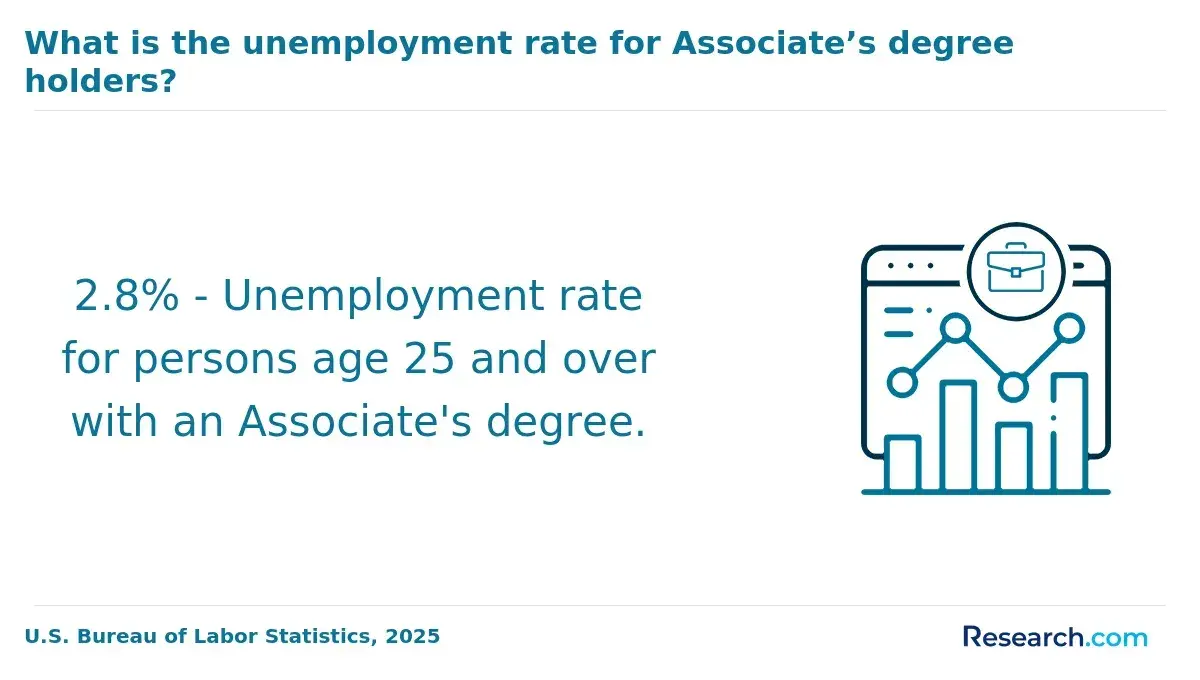
Understanding the differences in tuition costs across various nutrition degree levels is crucial for effective budgeting and long-term financial planning. Knowing these cost variations helps prospective students make well-informed decisions about their education and financing options.
Here is an overview of the typical tuition ranges for each type of Nutrition degree:
- Associate Degree in Nutrition: Tuition for associate programs typically ranges from $8,000 to $15,000 total at public community colleges and technical schools, though private institutions may charge more. Many students benefit from federal and state financial aid, as well as scholarships tailored for nutrition or dietetic technician training.
- Bachelor's Degree in Nutrition: Annual tuition at in-state public universities usually falls between $10,000 and $17,000, while private or out-of-state institutions can exceed $30,000. Online bachelor's programs are often more affordable, with some priced between $5,929 and $9,752 per year. Financial aid options include federal grants, loans, work-study programs, and institutional scholarships.
- Master's in Nutrition: Graduate tuition generally ranges from $11,000 to $24,000 per year, with public universities offering lower rates compared to private ones. Many master's candidates secure assistantships, fellowships, or tuition waivers, in addition to federal student loans and scholarships from professional associations.
- Doctoral Degree in Nutrition: Doctoral programs commonly cost between $30,000 and $50,000 in total and typically require an additional 4 to 6 years of study beyond the bachelor's degree. Funding often comes from teaching or research assistantships that can cover tuition and provide stipends.
- Nutrition Certification Programs: Short-term certification courses are an affordable option for foundational knowledge, generally costing between $499 and $999. Some professional organizations or employers offer reimbursements or scholarships to offset these expenses.
When I spoke with a graduate of a Nutrition degree program about her experience managing tuition costs, she reflected on the importance of early financial planning. She recalled applying for multiple scholarships and leveraging work-study opportunities that significantly eased her financial burden.
"It wasn't easy, but I learned that being proactive about funding options made a real difference," she said. She also emphasized how the investment in her education paid off through career growth and salary increases, noting, "The support I received helped me focus on my studies without overwhelming debt, which ultimately set me up for success in nutrition counseling and research."
Her journey highlights that while Nutrition degrees can be costly, strategic financial planning and available aid can make these programs accessible and rewarding.
The level of nutrition degree you earn-associate, bachelor's, master's, or doctorate-directly affects your career opportunities and the roles you qualify for. Higher degrees generally lead to more specialized, higher-paying, and leadership positions.
Below is an outline of common jobs available at each nutrition degree level to help guide your decisions.
- Associate Degree in Nutrition: Graduates with an associate degree typically find entry-level roles such as nutrition aide, dietary technician, or food service associate. These positions often involve assisting registered dietitians with meal planning, food preparation, and basic nutrition education in settings like hospitals, nursing homes, and school cafeterias.
- Bachelor's Degree in Nutrition: Those with a bachelor's degree can pursue jobs such as nutritionist, community nutritionist, food service manager, health coach, or nutrition educator. These professionals work in hospitals, public health departments, schools, and fitness centers, focusing on developing nutrition programs, counseling clients, and managing food services.
- Master's Degree in Nutrition: A master's degree prepares graduates for advanced roles including registered dietitian nutritionist (RDN), clinical nutritionist, sports nutritionist, nutrition consultant, and researcher. Work environments span hospitals, private practices, universities, and corporate wellness programs. For students seeking the cheapest online master degree, exploring these options can provide valuable flexibility while aiming for higher salaries.
- Doctorate (PhD) in Nutrition: Doctorate holders typically engage in academic, research, or senior administrative positions. Common roles include professor, principal investigator, nutrition scientist, and public health policy advisor. They often lead university research projects and contribute to shaping nutrition policy in government or industry.
Degree level often plays a significant role in determining earning potential in the field of nutrition. Understanding these salary differences can help students make informed decisions about their education and future career paths.
Below is an overview of typical salary ranges associated with each nutrition degree type.
- Associate Degree in Nutrition: Graduates with an associate degree typically qualify for roles such as Nutrition and Dietetics Technician, Registered (NDTR), with a median salary of around $37,040 as of May 2024. Entry-level salaries tend to be lower, and career advancement or licensure opportunities may be limited compared to higher degrees.
- Bachelor's Degree in Nutrition: This degree is often required for most entry-level dietitian and nutritionist roles. Median salaries average $73,850, with starting wages near $44,910 and top earners exceeding $98,830. Pay can vary based on factors like geographic location, employer type, and state licensure.
- Master's Degree in Nutrition: Holding a master's degree can lead to specialized positions and leadership roles, often commanding salaries of $87,000 or more. Advanced credentials and experience further increase earning potential in this group.
- Doctoral Degree in Nutrition: Professionals with a doctorate typically work in academia, research, or high-level consulting. Salaries frequently exceed $100,000, especially for those with significant expertise or leadership responsibilities.
Salaries in nutrition may also vary by region, certification, and work environment. For students seeking affordable paths, considering a cheapest online college could be a strategic step towards obtaining a valuable degree while managing costs.
The demand for nutrition degree holders in the U.S. job market remains high and continues to grow, driven by several key factors. Advances in technology, such as telehealth platforms, have expanded access to nutrition counseling, particularly benefiting rural or underserved regions.
This technological expansion creates new job opportunities for graduates with nutrition degrees. Workforce needs have also shifted, with increased public focus on preventive health and corporate wellness programs, both of which rely heavily on nutrition expertise. Regional differences further influence demand; states with aging populations or high rates of chronic diseases tend to offer more openings for dietitians and nutritionists.
These trends, combined with rising interest in personalized nutrition fueled by artificial intelligence and digital health tools, highlight a dynamic and expanding job market for nutrition professionals.
Employment projections by the U.S. Bureau of Labor Statistics indicate a 6-7% growth for dietitians and nutritionists from 2024 to 2034, outpacing the average for all occupations. Annual job openings are estimated at around 6,100 to 6,200.
Entry-level salaries vary, reflecting education and specialization, with median pay reported at $73,850 for registered dietitians and $37,040 for nutrition and dietetics technicians. For students or graduates seeking affordable pathways to enter this promising field, exploring options such as affordable online colleges for working adults can provide flexibility and access to quality nutrition education.
Overall, the outlook for nutrition degree holders entering the workforce is highly favorable, marked by low unemployment, steady job growth, and diverse career possibilities.
Choosing the right nutrition degree level is a crucial decision that directly impacts your career trajectory, earning potential, and ability to meet licensure requirements. Aligning your education with both your professional goals and personal circumstances ensures that you invest your time and resources wisely.
Below are key factors to consider when selecting a nutrition degree.
- Career Goals: Your intended profession should guide your degree choice. For example, aspiring registered dietitians (RD/RDN) must complete a master's degree from an ACEND-accredited program to be eligible for credentialing exams starting in 2024. If you aim for roles in wellness coaching or public health, a bachelor's or associate degree might suffice, while clinical or advanced positions often require higher credentials.
- Licensure and Credential Requirements: Different states and employers have specific educational standards for nutrition professionals. Registered dietitians typically need a master's degree, certified nutritionists may require at least a bachelor's, and dietetic technicians can qualify with an associate degree. It's important to research state regulations and credentialing agencies before committing to a program.
- Earning Potential: Your degree level influences salary significantly. Registered dietitians and nutritionists earned a median annual wage of $73,850, according to the Bureau of Labor Statistics. Advanced degrees open doors to specialized and higher-paying roles, while associate or bachelor's degrees in non-clinical areas may lead to lower incomes.
- Time Commitment: Nutrition degrees vary in length, from two-year associate programs to doctoral degrees requiring six years or more. Consider how the duration, including supervised practice hours, fits with your life, financial situation, and educational goals.
- Program Accreditation and Specialization Options: Accreditation by ACEND is required for RD and DTR paths but not all nutritionist programs. Specializing in areas like sports nutrition, clinical nutrition, or public health can enhance career prospects and better match your interests.
What Nutrition Graduates Say About Their Degree and Salary
- Jahlil: "Completing my Bachelor of Science in Nutrition opened doors I hadn't imagined before. The program's emphasis on biochemistry and community health gave me the tools to confidently advise diverse populations on diet and wellness. Now, as a clinical nutritionist, I appreciate how my degree prepared me for both scientific rigor and real-world challenges in healthcare settings. It's incredibly rewarding to help people improve their quality of life through nutrition. "
- Marisol: "The journey through my Master's in Nutrition was transformative on both a professional and personal level. It deepened my understanding of nutritional epidemiology and policy, allowing me to contribute meaningfully to public health initiatives. Navigating rigorous research projects honed my analytical skills and gave me a strong voice in advocating for better dietary guidelines. This degree truly empowered me to be a catalyst for change in underserved communities. "
- Darius: "Earning my Nutrition Science certificate was a fantastic way to pivot my career quickly and effectively. The program's practical approach gave me immediate skills I could apply in wellness coaching and corporate health programs. Beyond professional growth, completing this degree ignited a passion for lifelong learning and inspired me to help others embrace healthier lifestyles. It's a rewarding niche that keeps me engaged and continually evolving. "
Other Things You Should Know About Nutrition Degree Programs & Salaries
In 2027, salaries for nutrition professionals vary significantly based on educational attainment. Bachelor's degree holders in nutrition typically earn between $45,000 and $65,000 annually. Those with a master's degree earn about $60,000 to $80,000, while doctorate holders can command salaries upwards of $90,000, reflecting their advanced expertise and potential leadership roles.
In 2027, doctorate holders in nutrition typically earn more than master's degree holders, with salaries varying based on experience and location. Doctoral degree holders can earn upwards of $80,000 to $100,000 annually, while master's graduates often earn between $50,000 to $70,000 annually.
Key study areas in a master's program in nutrition for 2027 include advanced human metabolism, nutritional biochemistry, public health nutrition, and clinical nutrition practices. These courses prepare students for specialized roles in health sectors and research positions, reflecting current industry demands.
- Nutrition courses & training - Association for Nutrition https://www.associationfornutrition.org/careers-nutrition/becoming-nutritionist/nutrition-courses-training
- Is a Nutrition Degree Worth It? Discover Career Benefits https://und.edu/blog/is-a-nutrition-degree-worth-it.html
- Degree Specializations https://nutrition.tufts.edu/academics/degrees-programs/specializations
- Accelerated Master of Science in Nutrition and Dietetics https://www.concordiacollege.edu/academics/programs-of-study/nutrition-dietetics/accelerated-master-of-science-in-nutrition-and-dietetics/
- Nutrition employability and graduate readiness: The Australian Working in Nutrition study - PubMed https://pubmed.ncbi.nlm.nih.gov/38446559/
- Nutritionist | Explore Careers | National Careers Service https://nationalcareers.service.gov.uk/job-profiles/nutritionist
- Study Nutrition, why & how to study https://www.thecompleteuniversityguide.co.uk/subject-guide/nutrition
- Career Pathways in Nutrition - American Society for Nutrition https://nutrition.org/careers/career-pathways-in-nutrition/
- Quality and accuracy of online nutrition-related information: a systematic review of content analysis studies https://pmc.ncbi.nlm.nih.gov/articles/PMC10346027/