
2027 Most Popular Concentrations in Nutrition Degrees

Co-Founder and Chief Data Scientist
Choosing the right concentration within a nutrition degree is crucial as the healthcare industry demands specialized knowledge to address diverse dietary needs. Recent data shows that employment in dietitian and nutritionist occupations is projected to grow 11% over the next decade, reflecting a rising need for expertise in areas like clinical nutrition and public health.
This article explores the most popular nutrition concentrations, helping students and professionals identify which focus best suits their career goals. Understanding these options can guide informed decisions in a competitive and evolving field.
Key Benefits of Popular Concentrations in Nutrition Degrees
- Specialized nutrition concentrations align with growing healthcare demands, where dietitians' employment is projected to increase by 11% through 2031, enhancing job security.
- Focused training develops precise skills in clinical assessment, dietary planning, and patient education, improving efficacy and professional competency in diverse settings.
- Concentrations in areas like sports or pediatric nutrition cater to niche markets, increasing opportunities for higher salaries and roles in emerging sectors.
What Are the Most Popular Nutrition Concentrations in 2027?
Increasing interest in specialized nutrition concentrations reflects both evolving workforce demands and shifting health priorities. Students are selecting distinct study paths aligned with career outcomes and emerging skill sets needed in today's job market.
Top concentrations in nutrition today include:
- Holistic nutrition: This concentration leads enrollment trends, with programs like Purdue Global's holistic nutrition specialization earning approval from the National Association of Nutrition Professionals. It prepares graduates for Board Certified in Holistic Nutrition credentials and meets growing demand for preventive health and integrative wellness careers.
- Community nutrition: A popular choice for those pursuing public health and dietary management roles, this area supports government and nonprofit efforts against food insecurity and health disparities. It is a central specialization in discussions about pre-dietetics and community nutrition specialization programs.
- Pre-dietetics: Essential for students aiming to become Registered Dietitian Nutritionists (RDN), this pathway emphasizes clinical training and credentialing requirements, fueling demand in hospitals and health care facilities.
- Nutrition and wellness: Combining nutritional science with lifestyle coaching, this concentration aligns with expanding corporate and private sector wellness initiatives, preparing graduates as health educators and wellness consultants.
- Food and nutrition entrepreneurship: Emerging in response to market needs, this field blends nutrition knowledge with business management skills, equipping students to launch consultancies or manage food-based enterprises.
Many online nutrition concentrations with the highest graduation rates reflect these targeted fields, helping students advance in competitive labor markets. Prospective students can consult a comprehensive list of college majors to explore these and related programs further.
What Skills Are Required for the Top Nutrition Concentrations?
Skill development is essential for success in specialized nutrition study paths as industry expectations continue to evolve with scientific advancements and workforce needs.
Building a diverse and practical skill set ensures graduates are prepared to meet the demands of clinical, public health, food service, and research roles. The relevant skills include:
- Medical nutrition therapy skills for dietetics: Advanced expertise in medical nutrition therapy equips students to assess patients comprehensively and design effective treatment plans for complex health conditions, a cornerstone of clinical nutrition practice.
- Evidence-based nutrition assessment and counseling techniques: Strong competencies in these areas enable professionals to evaluate nutrition data critically and communicate actionable guidance, supporting effective patient and community education across all concentrations.
- Public health competencies: The ability to analyze food security policies and address population-level nutrition challenges is critical in reducing dietary health disparities and informing public health initiatives.
- Food safety and quality assurance: Proficiency in managing operational planning and safety protocols in food service management supports large-scale production environments, ensuring regulatory compliance and consumer protection.
- Research and analytical skills: As employers prioritize evidence evaluation and emerging scientific applications, these skills empower nutrition professionals to contribute meaningfully to advancing the field.
The integration of counseling and communication skills further complements these technical abilities, reflecting workforce demands for practitioners who effectively educate patients and communities.
Those interested in enhancing their expertise and career prospects may also explore certification programs that pay well to gain additional qualifications.
Do Different Nutrition Concentrations Have Different Admission Requirements?
Yes, different nutrition concentrations have varying admission requirements based on the complexity of the specialization, prerequisite skills, and specific program standards.
Programs focused on clinical nutrition or biomedical nutrition often impose more rigorous expectations than general nutrition tracks. This includes higher prerequisite GPAs and specialized coursework to ensure students are prepared for the challenges of those concentrations.
Common differences include GPA expectations, with master's programs in nutritional science typically requiring a minimum 3.0 GPA in the last 60 undergraduate hours, while some bachelor's programs accept candidates with GPAs as low as 2.5.
Prerequisite coursework often includes anatomy, physiology, organic chemistry with labs, biochemistry, microbiology, and statistics. Programs emphasizing clinical practice may require documented work experience, whereas research-focused paths prioritize strong backgrounds in statistics and biochemistry.
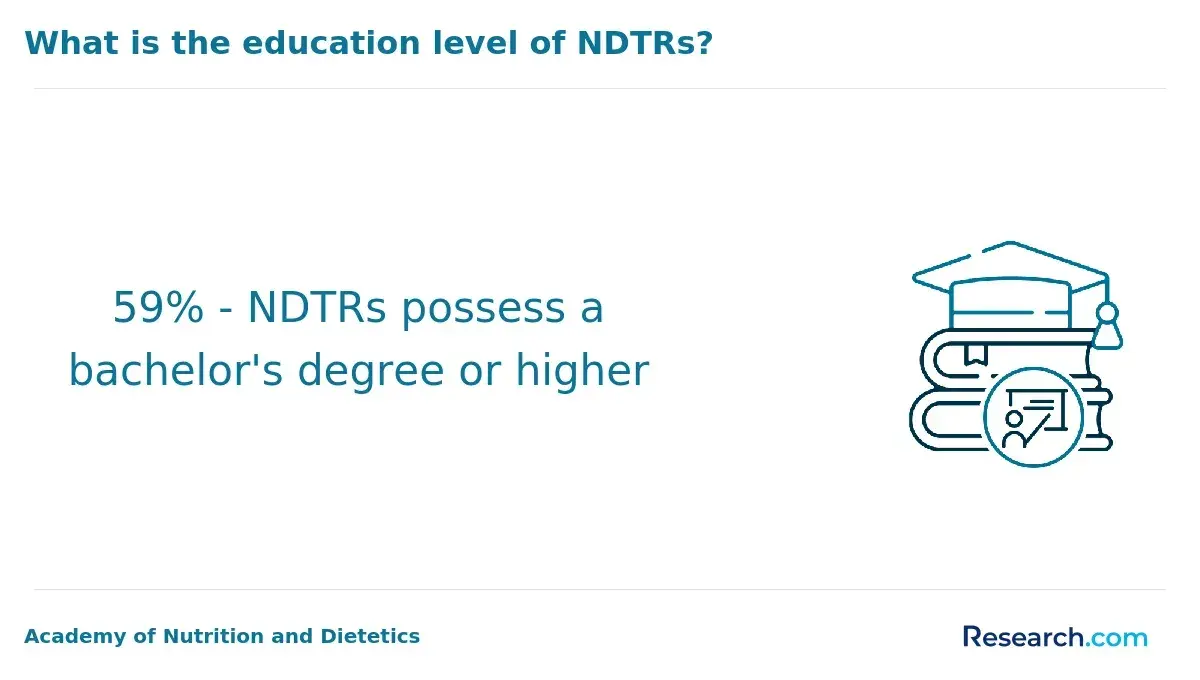
Notably, the Registered Dietitian Nutritionist pathway now mandates a master's degree from an ACEND-accredited program for new candidates as of January 1, 2024, changing admission standards distinctly between RDN and nutrition science tracks.
This ensures students possess the necessary foundation before enrollment, which contributes to their success. For students comparing their options, data on the highest paying bachelors may also influence their decision-making process.
Accreditation plays a vital role in specialized nutrition study paths because it influences eligibility for certifications and professional licensure. Choosing an accredited program ensures the education meets industry standards required for certain careers.
- Registered Dietitian Nutritionist (RDN) Pathway: Must complete a master's degree from a US Department of Education-recognized institution with ACEND-accredited coursework and at least 900 hours of supervised practice to qualify for eligibility to sit for the CDR registration exam.
- Certified Nutrition Specialist (CNS) Concentration: Requires a master's degree that meets Board for Certification of Nutrition Specialists (BCNS) standards and includes specific clinical and life sciences coursework, plus 1,000 hours of supervised practice. ACEND accreditation is not mandatory.
- General Nutrition Master's Programs: Do not require ACEND accreditation if you are not pursuing RDN or NDTR credentials, but institutional accreditation remains important for academic quality and employer recognition.
- Licensure and Career Requirements: Accreditation ensures compliance with state and national regulations for licensure and certification boards, impacting job eligibility.
- Curriculum Quality and Employer Expectations: Accredited programs typically maintain rigorous standards that align with current professional demands and improve career prospects.
As more students weigh the pros and cons of online versus on-campus education, the quality of nutrition concentration tracks plays a pivotal role in their choice. Assurance of academic rigor and real-world preparation becomes crucial amid the rising popularity of virtual options.
Here is a comparison of the two formats across various areas:
- Accreditation: Programs accredited by ACEND or recognized regional bodies meet identical standards regardless of delivery method, guaranteeing diploma and transcript consistency.
- Curriculum Consistency: Both formats require the same credit hours, courses, and assessments, ensuring students are tested on comparable content and competencies.
- Faculty Expertise: Many online nutrition courses are taught by the same instructors as on-campus classes, promoting uniform instructional quality.
- Learning Outcomes: Specialized tracks such as clinical nutrition or public health maintain equivalent evidence-based objectives across platforms.
- Student Support: While face-to-face mentoring is more spontaneous on campus, online learners increasingly receive personalized virtual guidance and academic assistance.
- Practical Experience: Virtual clinic practicums now offer supervised hours similar to traditional internships, allowing comparable hands-on training.
When asked about the equivalence of quality in online and on-campus settings, a graduate from a popular nutrition concentration shared her reflections. Enrolled in a hybrid program, she described the initial challenge of adapting to online learning's self-discipline demands, balanced with the enriching dynamic of in-person labs.
"The virtual sessions were incredibly well-structured, but nothing replaces actual hands-on practice," she noted, recalling her supervised clinical hours. The blend helped her appreciate diverse instructional modes, enhancing her confidence.
She emphasized how consistent faculty accessibility and robust virtual support bridged gaps that might otherwise arise, saying, "Even though I wasn't always on campus, the mentorship felt just as genuine."
This experience affirmed that the program's quality, whether online or in-person, aligned well with her career preparation needs.
Some nutrition concentrations are more challenging due to the intensity of required coursework, skill mastery, and the structure of program prerequisites. The level of difficulty often depends on the depth of scientific content and the balance between theoretical concepts and practical application, as well as several other standards, which include:
- Biochemistry Focus: Courses emphasize complex molecular mechanisms and metabolic pathways that are abstract and difficult to visualize.
- Demanding Science Prerequisites: Clinical nutrition requires sequential mastery of anatomy, physiology, pathophysiology, and advanced biochemistry before advancing to core nutrition topics.
- Strict Progression Criteria: Students must achieve high grades in foundational science classes to continue into upper-level seminars, creating additional academic pressure.
- Intensive Scheduling: Early morning biochemistry classes combined with rigorous teaching methods impose cognitive and time-management challenges.
Nutrition concentrations offer focused expertise that aligns graduates with distinct career opportunities, helping them target sectors where their skills are most valued. Recognizing these connections enables students to select specializations that best complement their interests and envisioned career paths.
The typical career paths include:
- Clinical nutrition: Graduates often work as clinical nutritionists, dietitians, or managers in hospitals and healthcare settings, crafting dietary plans for conditions like diabetes and heart disease. These roles emphasize integrating nutrition into patient care alongside medical teams, with leadership positions offering competitive salaries.
- Sports nutrition: Specialists collaborate with athletes and fitness organizations to enhance performance through tailored nutrition strategies, including nutrient timing and hydration. Certifications such as the CSSD and the RDN credential are common among professionals in this field.
- Public health nutrition: Professionals in this area develop community-based nutrition programs aimed at prevention and improving public health via education and evidence-driven interventions in schools and government agencies.
- Food science and nutrition: Graduates engage in research and quality control roles, working as food technologists, safety auditors, and nutritional scientists focused on food composition, processing, and safety advancements.
When I spoke with a professional who graduated with a focus on clinical nutrition, he shared how navigating the range of career options was initially overwhelming.
He described feeling torn between research and direct patient care until a mentorship experience helped clarify his passion for clinical work. "Understanding the impact of personalized nutrition plans in real-time was incredibly rewarding," he recalled.
The challenge of balancing rigorous certification requirements and practical experience was mitigated by his commitment to continuous learning and collaboration with healthcare teams, which ultimately shaped his fulfilling career path.
Awareness of current market trends helps students select nutrition concentrations that align with employer demands, desirable skills, and versatile career options. The field is being reshaped by shifting consumer interests, regulatory updates, and emerging healthcare priorities. These trends include:
- Holistic and Wellness-Focused Specializations: Programs highlighting wellness and holistic nutrition are growing in popularity. For example, Purdue Global's Bachelor of Science in Nutrition had 254 graduates in 2025, the largest among online nutrition offerings. These pathways attract students aiming for roles in health promotion beyond traditional clinical dietetics.
- Food Systems and Entrepreneurship: Combining business knowledge with food science is appealing to students interested in consultancy or food service management. This concentration meets rising opportunities in hospitality and private nutrition sectors.
- Sports Nutrition and Performance: Concentrations focused on sports nutrition remain in demand, reflecting employer needs in athletic organizations and fitness industries where specialized nutrition expertise commands competitive pay.
- Regulatory Pathway Shifts: Since January 2024, the requirement for a master's degree for Registered Dietitian Nutritionists influences more students to pursue pre-dietetics or graduate-track programs. This change alters the popularity of undergraduate nutrition concentrations.
Salary prospects for nutrition professionals vary widely depending on their chosen specialization and credentials, which is a critical consideration for students selecting a nutrition concentration. Detailed knowledge of these differences helps align career goals with financial expectations.
Below are the typical salaries associated with each major concentration:
- Sports Nutrition: Professionals in this area earn between $70,000 and $90,000 annually. Typically, these roles require registered dietitian nutritionist (RDN) credentials alongside certified specialist in sports dietetics (CSSD) certification. Demand remains strong as athletic organizations increasingly prioritize evidence-based nutrition for performance optimization.
- Food and Nutrition Management: This is known as the highest paying specialty certification within nutrition, boasting a median salary around $87,000. Managers oversee food service operations and nutrition programs, with compensation reflecting leadership and operational expertise.
- Clinical Nutrition: Clinical dietitians earn a median salary of about $74,000 annually, with variations based on certifications such as oncology or renal nutrition, which can boost earnings by $4,000 to $12,000. RDN credentials are standard, with specialized certifications enhancing salary prospects.
- Public Health Nutrition: With a median salary of approximately $107,000, this specialization involves community health and policy, often requiring advanced degrees or certifications. The broader population-level impact supports higher pay scales.
Geographic factors also influence compensation, as the registered dietitian nutrition salary by state and experience level varies significantly. For instance, experienced professionals in some states can surpass $100,000 annually.
For students seeking flexible cost-saving options, consulting lists of FAFSA approved online colleges can provide valuable pathways to affordable education.
Choosing the right concentration in a nutrition degree is essential to align your education with long-term career goals and personal strengths. The concentration you select directly influences your work environment, earning potential, and professional opportunities.
- Career Aspirations and Job Market Demand: Consider where you want to be professionally in five to ten years. Clinical dietetics, community nutrition, and food service management are established paths, with registered dietitian (RD) credentials often leading to higher salaries. Exploring the best nutrition concentration for career goals involves researching employer preferences and job listings in your desired field.
- Educational Requirements and Credentialing Pathways: Starting in 2024, graduate education is required for new registered dietitians, affecting traditional credentialing routes. Some concentrations require supervised practice and exams, while others focus on wellness consulting or nutrition education with more flexible certification. Confirm your chosen track supports the credentials necessary for your career.
- Skill Development and Personal Interests: Identify the skills and work styles that resonate with you. Clinical work demands medical knowledge and counseling abilities, whereas community nutrition emphasizes advocacy and program design. If research excites you, industry or academic concentrations may be more suitable.
- Dietetics vs Nutrition Science Concentration Comparison: Evaluate the differences between dietetics, focused on direct patient care and credentialing, and nutrition science, which often leans toward research and industry roles. This comparison helps clarify which path aligns better with your strengths and professional goals.
- Program Choices and Dual Degrees: Investigate programs carefully, including universities that offer dual degrees which can broaden your expertise and marketability in the nutrition field.
What Graduates Say About Their Popular Concentrations in Nutrition Degrees
- Lucy: "Choosing the dietetics concentration in my nutrition degree was an eye-opening experience. The hands-on learning about meal planning and clinical nutrition truly prepared me for a fulfilling career as a registered dietitian. Considering the average cost of attendance was quite reasonable, I feel the investment was worth every penny to launch my profession confidently."
- Katie: "Reflecting on my journey through the public health nutrition concentration, I appreciate how it deepened my understanding of community wellness and preventive care. While the overall program cost was somewhat high, the knowledge I gained has been invaluable in shaping my role in creating sustainable health initiatives. It's a worthwhile path for anyone passionate about impacting public health."
- Angela: "The sports nutrition track in my nutrition degree offered a unique blend of science and practical skills that enhanced my career as a fitness consultant. Although pursuing this concentration involved a significant tuition commitment, the specialized expertise has opened doors professionally that I never anticipated. I highly recommend it for those serious about blending nutrition with athletic performance."
Other Things You Should Know About Nutrition Degrees
Internships and practical experiences differ depending on the nutrition concentration. For instance, a concentration in sports nutrition may focus on practical experience with athletic teams, while public health nutrition might include internships in community health organizations. Engaging in diverse experiences offers students practical skills tailored to their specific interests.
Clinical nutrition and dietetics usually require the most supervised practice, with 1,000 to 1,200 hours in supervised experiential learning for ACEND-accredited programs. Those hours are completed before eligibility for the CDR exam, which is required for registered dietitian nutritionist credentialing.
- Courses & Concentrations https://onlinenutrition.cns.utexas.edu/courses-concentrations
- How to Become a Nutritionist: Everything You Need to Know | University of North Dakota https://und.edu/blog/how-to-become-a-nutritionist.html
- The Nutrition Institute https://www.thenutritioninstitute.com/us/en/blog-study-online
- The Key Skills Needed To Become A Nutritionist | OriGym https://www.origym.co.uk/blog/nutritionist-skills/
- Nutritionist Salary 2025: RD Pay by State & Experience https://www.nutritioned.org/nutritionist-salary/
- 5 Popular Electives for Your Master's Degree in Nutritional Science - Healthcare Administration Degree Programs https://www.healthcare-administration-degree.net/lists/5-popular-electives-for-your-masters-degree-in-nutritional-science/
- Requirements for Admission to the Graduate Program in Nutrition https://hhd.psu.edu/nutrition/graduate-program/prospective-students/admission-requirements
- 3 Misconceptions About Nutrition Majors | University of Bridgeport https://www.bridgeport.edu/news/misconceptions-about-nutrition-majors/
- Nutrition for Healthspan Initiative Trends for 2025 - Global Wellness Institute https://globalwellnessinstitute.org/global-wellness-institute-blog/2025/04/02/nutrition-for-healthspan-initiative-trends-for-2025/


