2027 Healthcare Administrator vs Health Services Manager vs Hospital Administrator: Which Path Pays More?

Co-Founder and Chief Data Scientist
Choosing between healthcare administrator, health services manager, and hospital administrator roles is really a question of scope, education, and earning potential. The U.S. Bureau of Labor Statistics reported a $117,960 median annual wage for medical and health services managers in May 2024, showing why these leadership paths attract career changers, clinicians, and business-minded students.
This guide explains how the roles differ, which path tends to pay more, what degree route fits each goal, and how to evaluate programs without overpaying or choosing the wrong credential.
Key Things You Should Know
- Hospital administrators usually have the highest upside because they oversee larger budgets, departments, facilities, or executive functions, while the broader BLS category for medical and health services managers had a $117,960 median wage in May 2024.
- Health services manager is the most official labor-market category; healthcare administrator and hospital administrator are common job titles that may overlap depending on employer size and responsibility level.
- The strongest ROI usually comes from matching the degree to the target role: bachelor's for entry-level administration, MHA or related master's for senior leadership, and CAHME-accredited graduate programs for competitive hospital management tracks.
Which role pays more: healthcare administrator, health services manager, or hospital administrator?
Earning potential across healthcare management roles varies significantly based on organizational scope and facility type. While titles are often used interchangeably, hospital administrators generally out-earn healthcare administrators and health services managers.
- Hospital administrator: This position generally has the highest earning potential, especially in large hospitals, health systems, academic medical centers, and multi-site networks. The reason is scope: hospital administrators are often responsible for facility-wide performance, staffing models, compliance, patient experience, operating margins, and executive-level strategy.
- Health services manager: This position is the clearest salary benchmark because it is the occupational category tracked by the U.S. Bureau of Labor Statistics. In May 2024, the median annual wage for medical and health services managers was $117,960. That figure is useful because many healthcare administrator, clinic manager, practice manager, department director, and hospital operations roles fall within or near this category.
- Healthcare administrator: Being a healthcare administrator can pay less or more depending on the setting. A coordinator or assistant administrator in a small clinic may earn far less than a hospital service-line director. The title alone is not enough; salary depends on budget authority, staff size, clinical complexity, payer mix, and whether the role is entry-level, mid-management, or executive.
The table below summarizes the practical pay comparison. Use it as a decision guide, not as a promise of a specific salary, because employers use these titles differently.
| Career path | Typical scope | Pay position relative to the others | Best fit |
| Healthcare administrator | Broad administrative leadership in clinics, departments, practices, long-term care, insurance, or public health settings | Wide range; can be entry-level, mid-level, or senior depending on employer | Students who want flexible healthcare management options |
| Health services manager | Management of a healthcare service, department, practice, program, or facility function | Strong benchmark; BLS median was $117,960 in May 2024 | People who want a recognized management career category with many employer types |
| Hospital administrator | Hospital, facility, service-line, operations, or executive leadership | Often highest upside, especially at director, vice president, chief operating officer, or chief executive levels | Professionals aiming for large-scale leadership and higher responsibility |
If your main goal is earning potential, aim for roles that manage larger teams, revenue cycles, clinical operations, or multiple departments. If your goal is flexibility, a broader healthcare administration path can open doors in clinics, physician groups, insurers, public agencies, and health technology organizations.
What do healthcare administrators, health services managers, and hospital administrators actually do day to day?
These careers all sit at the intersection of healthcare, business, compliance, and people leadership. The difference is not always the task itself; it is the scale of the decisions and the level of accountability.
A healthcare administrator may spend the day reviewing staffing schedules, improving patient intake processes, monitoring billing problems, preparing reports, or coordinating with clinicians. In a smaller practice, one administrator may handle operations, HR, vendor contracts, patient complaints, and basic financial management.
A health services manager usually manages a defined function, service, or department. That may mean leading a revenue cycle team, overseeing outpatient services, managing a specialty clinic, coordinating quality improvement, or supervising a health information management unit. This role often requires comfort with dashboards, regulations, patient outcome metrics, and cross-functional communication.
A hospital administrator typically works at a higher strategic level. They may evaluate department performance, lead budget planning, respond to regulatory audits, coordinate emergency preparedness, approve staffing initiatives, or work with medical directors on service expansion. In larger systems, hospital administrators may specialize in operations, finance, compliance, patient experience, or service-line growth.
Here is a practical comparison of how daily responsibilities tend to differ by role.
| Responsibility area | Healthcare administrator | Health services manager | Hospital administrator |
| Operations | Improves office, clinic, or program workflow | Runs a department, service, or specialized unit | Oversees facility-wide or multi-department operations |
| Finance | Tracks budgets, billing issues, purchasing, or productivity | Manages departmental budgets and performance metrics | Influences large budgets, capital planning, and executive financial decisions |
| Compliance | Applies policies for privacy, safety, and documentation | Monitors regulatory performance within a service area | Leads organization-wide readiness for accreditation, audits, and risk management |
| People leadership | Supervises administrative staff or coordinates teams | Manages staff, schedules, training, and performance goals | Leads managers, directors, and sometimes entire divisions |
| Strategy | Supports process improvement and local goals | Plans service growth and quality initiatives | Shapes facility strategy, partnerships, and long-term priorities |
A common mistake is assuming these jobs are mostly paperwork. In reality, the higher-paying roles require strong judgment under pressure, comfort with imperfect data, and the ability to balance financial performance with patient care, workforce needs, and legal obligations.
What are the typical salary ranges and top-paying settings for each career path?
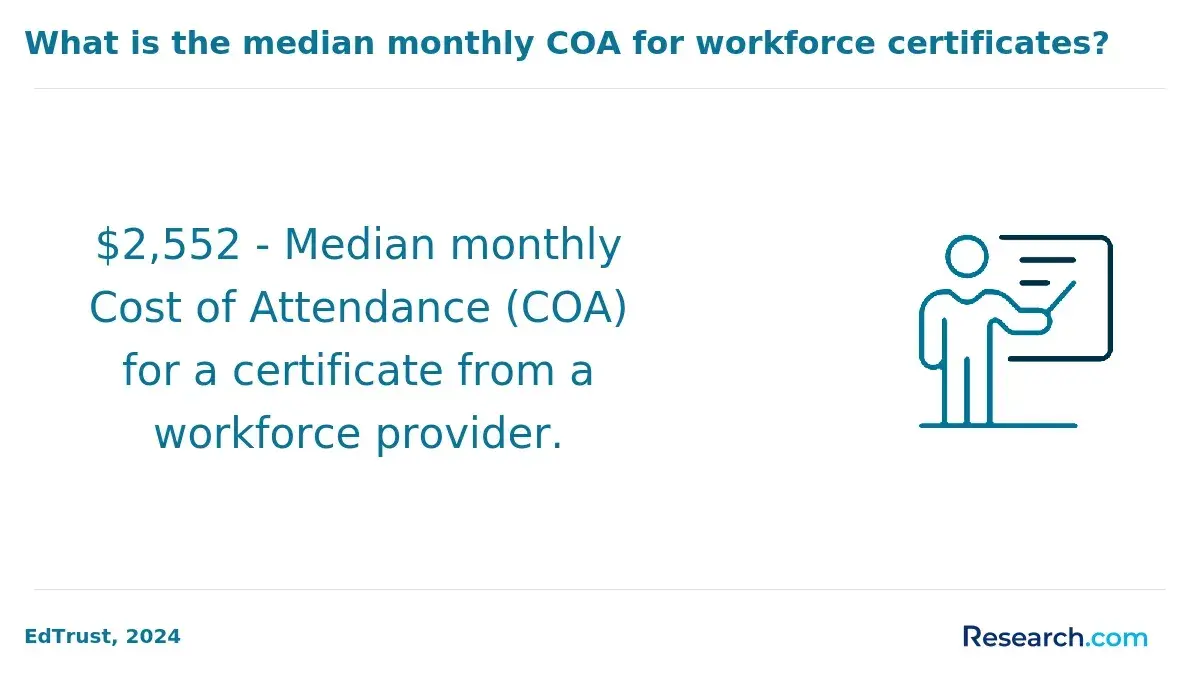
Salary varies widely because healthcare employers use titles differently. A "healthcare administrator" in a small physician office and a "hospital administrator" in a regional medical center may both work in management, but their budget authority, risk exposure, and compensation bands can be very different.
The best national benchmark is the BLS medical and health services managers category. In May 2024, the occupation had a median wage of $117,960, and the highest-paid professionals were often those in larger organizations, specialized executive functions, or complex care settings. For readers, the key takeaway is that pay usually rises with operational scale, measurable financial responsibility, and leadership over other managers.
The table below shows how pay potential typically compares by title and setting. It focuses on relative earnings because exact salary ranges depend heavily on state, employer size, shift expectations, union environment, and executive responsibility.
| Path | Common lower-paying settings | Common higher-paying settings | What usually raises pay |
| Healthcare administrator | Small clinics, nonprofit programs, entry-level department roles | Large physician groups, ambulatory networks, payer organizations, health technology operations | Budget ownership, supervisory responsibility, revenue cycle knowledge, compliance expertise |
| Health services manager | Small departments or narrow administrative units | Specialty departments, outpatient networks, quality management, health information, operations leadership | Managing measurable service outcomes, staff teams, analytics, and regulatory performance |
| Hospital administrator | Assistant administrator or single-department hospital roles | Large hospitals, health systems, academic medical centers, executive administration | Facility-wide accountability, multi-department leadership, executive decision-making, crisis management |
Location also matters. High-cost metropolitan areas often offer higher nominal salaries, but they may not always produce better take-home value after housing, commuting, taxes, and student loan payments. Before choosing a program based only on advertised salary outcomes, compare local job postings and ask schools where recent graduates actually work.
What degrees and majors are required to become a healthcare administrator, health services manager, or hospital administrator?
Most healthcare administration careers require at least a bachelor's degree, and many senior hospital leadership roles prefer or require a graduate degree. The best major depends on whether you want broad business leadership, healthcare-specific management, public health, finance, informatics, or clinical operations.
For entry-level roles, common majors include healthcare administration, health services management, business administration, public health, health informatics, finance, human resources, and organizational leadership. Students who are starting in office support or medical administration before moving into management may also consider an office administration degree online as a lower-cost first step, especially if they plan to transfer credits later.
The table below shows the usual education path by career goal. Requirements can vary by employer, so use this as a planning framework rather than a universal rule.
| Career goal | Common minimum education | Stronger credential for advancement | Good majors or concentrations |
| Administrative coordinator or assistant administrator | Associate or bachelor's degree, depending on employer | Bachelor's in healthcare administration or business | Office administration, healthcare administration, business, medical office management |
| Healthcare administrator | Bachelor's degree | MHA, MBA, MPH, or related master's | Healthcare administration, business, public health, health informatics |
| Health services manager | Bachelor's degree plus relevant experience | MHA, MBA, MPH, MS in health informatics, or specialized graduate certificate | Health services management, analytics, finance, quality improvement, information management |
| Hospital administrator | Bachelor's degree for early roles; master's often preferred for senior roles | MHA, MBA in healthcare, or dual MHA/MBA | Hospital administration, healthcare finance, operations, policy, leadership |
One red flag is enrolling in a degree because the title sounds right without checking the curriculum. If your goal is hospital leadership, look for courses in healthcare finance, law, quality improvement, population health, strategic management, and applied residency or capstone work. If your goal is clinic or practice management, revenue cycle, HR, scheduling, compliance, and patient access may matter more.
How do online healthcare administration programs compare to campus-based options for these careers?
Online healthcare administration programs can be a strong fit for working adults, military students, parents, career changers, and clinicians who need to keep working while studying. Campus-based programs may be better for students who want structured networking, local internship pipelines, faculty access, and in-person leadership development.
The format matters less than the program's quality, employer recognition, accreditation, field experience, and career support. For graduate students focused on hospital leadership, MHA programs online can be especially practical when they combine flexible coursework with CAHME accreditation, residencies, practicums, or strong employer partnerships.
The table below compares online and campus formats using decision factors that affect career outcomes, not just convenience.
| Factor | Online program | Campus-based program | Best choice when |
| Schedule | Often asynchronous or evening-friendly | More fixed meeting times | Online is better if you need to work full time |
| Networking | Depends on live sessions, cohorts, alumni access, and local placements | Often easier through campus events and nearby employers | Campus is better if you need in-person relationship building |
| Field experience | May be arranged locally or virtually supported | May use established regional hospital partnerships | Choose the program with stronger placement support, regardless of format |
| Cost control | Can reduce relocation and commuting costs | May offer assistantships or local employer connections | Compare total cost, not just tuition |
| Employer perception | Strong when accredited and offered by a reputable institution | Strong when tied to local healthcare systems | Accreditation and outcomes matter more than delivery mode |
Before choosing online or campus, ask admissions teams direct questions about internship placement, graduate employment settings, faculty healthcare experience, student support hours, and whether online students receive the same career services as campus students. A common mistake is assuming "online" automatically means easier or cheaper; some online programs are rigorous, cohort-based, and priced similarly to campus options.
Which accreditation and program quality standards matter most for healthcare administration degrees?
Accreditation is one of the most important checks before enrolling because it affects credit transfer, graduate school eligibility, employer confidence, and access to federal financial aid. At minimum, choose an institution accredited by a recognized institutional accreditor.
For graduate healthcare management programs, CAHME accreditation is especially important because it signals that a program has been evaluated against healthcare management education standards. It is not required for every job, but it can matter for competitive fellowships, hospital administration tracks, and employers that prefer graduates from externally reviewed programs.
Use the following checklist when evaluating program quality. These items help separate a career-focused program from one that is merely convenient or heavily marketed.
- Confirm institutional accreditation through official accreditor or federal databases before applying.
- For MHA programs, check whether the program is CAHME-accredited or actively pursuing recognized programmatic accreditation.
- Review whether the curriculum includes healthcare finance, law and ethics, quality improvement, data analytics, human resources, and strategic leadership.
- Ask whether the program includes a practicum, residency, capstone, internship, or applied project with a real healthcare organization.
- Request recent career outcome information by role type, employer setting, and geographic region rather than relying only on broad promotional claims.
- Check faculty backgrounds for healthcare leadership, policy, finance, informatics, operations, or clinical administration experience.
Be cautious with programs that avoid accreditation questions, promise unrealistic salary outcomes, lack transparent tuition information, or provide no clear path to applied experience. Healthcare administration is an employer-facing field, so reputation, competencies, and practical exposure matter.
How long do healthcare administration programs take, and what do they cost?
Program length depends on degree level, transfer credits, enrollment intensity, and whether the program includes internships or residencies. A certificate may take a few months to a year, an associate degree commonly takes about two years, a bachelor's degree usually takes about four years for first-time full-time students, and a master's degree often takes one to three years depending on pace.
Cost varies even more than length. For context, the College Board's 2024 pricing data placed average published tuition and fees for in-state students at public four-year colleges at $11,610 for the 2024-2025 academic year. That figure helps show why public, transfer-friendly, and employer-supported options can materially affect ROI, especially for students who plan to continue into graduate school.
The table below summarizes common timelines and cost drivers. It avoids listing one "average healthcare administration cost" because pricing depends heavily on institution type, residency status, credit requirements, and financial aid.
| Program type | Typical time to complete | Main cost drivers | Best fit |
| Certificate | Several months to one year | Credit count, continuing education fees, employer reimbursement eligibility | Workers adding focused skills without committing to a full degree |
| Associate degree | About two years full time | Community college tuition, transferability, books, online fees | Students entering administrative support or planning to transfer |
| Bachelor's degree | About four years full time; less with transfer credits | Residency status, public versus private pricing, transfer credits, living costs | Entry-level management and preparation for graduate study |
| Master's degree | One to three years | Per-credit tuition, total credits, residency or practicum costs, lost work time | Professionals targeting senior management, hospital administration, or executive tracks |
To reduce cost without weakening your career plan, take these steps before enrolling.
- Calculate total program cost, including tuition, fees, books, technology fees, travel, residencies, and lost income if you reduce work hours.
- Ask how many credits you can transfer and whether transfer credits shorten both time and tuition.
- Compare employer tuition reimbursement policies, especially if you already work for a hospital, clinic, insurer, or government health agency.
- Check whether internships or residencies are paid, unpaid, local, or require travel.
- Avoid borrowing based on an executive salary target unless you already understand the entry-level and mid-career roles that lead there.
If you are comparing healthcare leadership with other operations-heavy careers, it can also help to look at adjacent management fields such as a masters in construction management online. The point is not that one field is better, but that ROI improves when program cost, salary potential, industry demand, and your work style align.
What core courses and skills are included in healthcare administration and health services management programs?
Strong healthcare administration programs combine business fundamentals with healthcare-specific regulation, finance, quality, and operations. The goal is not just to understand hospitals on paper; it is to make decisions that affect patients, employees, compliance, and financial sustainability.
Most programs include courses in healthcare systems, accounting, economics, healthcare law, ethics, organizational behavior, human resources, quality improvement, statistics, health informatics, population health, strategic planning, and leadership. Graduate programs usually add deeper work in policy, finance, analytics, capstone projects, and applied field experiences.
The table below connects common coursework to the workplace skills employers tend to value.
| Course area | Skill developed | Why it matters in the workplace |
| Healthcare finance | Budgeting, reimbursement analysis, cost control | Managers must understand margins, payer mix, staffing costs, and service sustainability |
| Healthcare law and ethics | Compliance judgment and risk awareness | Administrators handle privacy, patient rights, fraud prevention, and regulatory exposure |
| Quality improvement | Process redesign and outcome measurement | Employers need leaders who can improve safety, efficiency, and patient experience |
| Health informatics and analytics | Dashboard use, data interpretation, EHR workflow awareness | Modern administrators make decisions using clinical, operational, and financial data |
| Human resources and leadership | Staffing, conflict management, coaching, retention | Workforce shortages and burnout make people leadership a central responsibility |
| Strategic management | Planning, market analysis, service growth | Senior roles require decisions about expansion, partnerships, and organizational priorities |
Technology is changing the skill mix. AI-supported scheduling, automated revenue cycle tools, patient flow dashboards, and predictive analytics are becoming more common, but they do not remove the need for administrators. Instead, they raise the bar for data literacy, vendor management, privacy awareness, and the ability to question algorithmic recommendations before acting on them.
Students should look for programs that require applied projects, case studies, simulations, or real healthcare data exercises. A common mistake is choosing a program that teaches general management but gives too little exposure to reimbursement, compliance, clinical operations, and healthcare analytics.
What certifications or licenses can boost earnings for administrators and health services managers?
Certifications can strengthen a resume, especially when they match the role you want. They are usually not a substitute for a degree, but they can signal specialized knowledge in practice management, health information, quality, compliance, finance, or long-term care administration.
Licensure is different from certification. Most hospital and clinic administration roles do not require a state license, but nursing home administrators generally do. Requirements vary by state, so anyone targeting long-term care leadership should check the relevant state board before choosing a program or practicum.
The table below summarizes credentials that may support advancement. Always verify current eligibility rules with the credentialing body because experience, education, exams, and renewal requirements can change.
| Credential or license type | Best suited for | How it may help |
| Certified Medical Manager or practice management credentials | Physician practice, clinic, or ambulatory administrators | Shows familiarity with billing, compliance, staffing, and practice operations |
| Health information management credentials | Managers overseeing records, coding, privacy, data quality, or informatics | Supports roles where documentation accuracy and data governance matter |
| Healthcare quality or patient safety credentials | Quality improvement, risk management, and performance improvement roles | Signals ability to work with metrics, safety initiatives, and process redesign |
| Healthcare compliance credentials | Compliance officers, privacy leaders, risk managers, and administrators in regulated settings | Helps demonstrate knowledge of legal and ethical responsibilities |
| Nursing home administrator license | Long-term care and skilled nursing facility leadership | Often required by state law for facility administrator roles |
Aligning credentials with long-term career goals is critical. While a clinic manager may gain immediate value from targeted practice management or revenue cycle expertise, an aspiring hospital executive typically needs broader qualifications like a Masters of Health Administration (MHA), administrative fellowship, quality leadership experience, or a finance-driven career path.
As professionals advance into senior roles, an advanced degree becomes increasingly vital: an MHA offers a direct pathway into health system executive leadership, whereas an MBA with a healthcare concentration provides broader mobility in finance, consulting, and general management.
What is the job outlook and advancement potential for each of these healthcare leadership roles?
The job outlook is strong for healthcare management overall. The BLS projects employment for medical and health services managers to grow 23% from 2024 to 2034, which is much faster than the average for all occupations. For readers, that does not mean every applicant will quickly land a senior hospital job; it means the healthcare system is expected to keep needing managers who can run services, coordinate care, manage data, control costs, and meet regulatory expectations.
Advancement usually happens in stages. Many professionals start in coordinator, analyst, supervisor, or assistant manager roles before moving into department manager, practice administrator, director, service-line leader, vice president, or executive positions. Clinical professionals such as nurses, therapists, and laboratory managers may also move into administration after adding business, finance, or leadership training.
The table below shows a realistic progression for each path. Actual timelines depend on performance, employer size, location, degree level, mentorship, and willingness to move into higher-pressure roles.
| Path | Early-career roles | Mid-career roles | Senior roles |
| Healthcare administrator | Administrative coordinator, operations assistant, patient services supervisor | Clinic administrator, department manager, practice manager | Director of operations, regional administrator, executive director |
| Health services manager | Program coordinator, quality analyst, revenue cycle supervisor, health information lead | Service manager, department manager, quality manager, operations manager | Director, senior director, vice president of service line or operations |
| Hospital administrator | Administrative fellow, assistant administrator, department operations manager | Hospital operations director, service-line administrator, associate administrator | Chief operating officer, chief administrative officer, chief executive officer |
To improve advancement odds, focus on evidence of impact rather than job titles alone. Employers value administrators who can show measurable improvements in access, patient experience, staffing efficiency, compliance readiness, quality metrics, revenue cycle performance, or cost management.
Several mistakes can slow advancement in this field. The most common are choosing a degree without applied experience, ignoring finance and analytics, staying too long in a narrow administrative role without leadership growth, and assuming a master's degree alone will lead directly to executive work. A smarter plan is to build a portfolio of management wins while earning credentials that match the next role you want.
Other Things You Should Know About Healthcare Administration
Yes. Many administrators come from business, finance, HR, operations, public health, or office management backgrounds. Clinical experience can help in hospital or patient-care settings, but employers also need leaders who understand budgets, compliance, staffing, analytics, and process improvement.
In 2027, salaries vary based on responsibilities and the healthcare facility's size. Hospital Administrators generally earn the highest salaries due to their extensive responsibilities. Health Services Managers follow, with Healthcare Administrators typically earning the least of these roles. Compensation can also depend on geographic location and level of experience.
They can be. Administrators often balance patient needs, staffing shortages, financial pressure, regulations, and executive expectations. The stress level tends to rise with responsibility, but strong communication, data skills, and crisis-management habits can make the work more manageable.
Good starting roles include administrative coordinator, patient access supervisor, revenue cycle specialist, quality improvement assistant, health information technician, operations analyst, and practice supervisor. Choose roles that expose you to budgets, workflows, compliance, staff coordination, and performance metrics.
References
- Top 15 Highest Paying Healthcare Admin Jobs UK (2025 Guide) https://apexlearning.org.uk/highest-paying-healthcare-administration-jobs-uk-2025/
- Highest Paying Jobs in the World 2026 | Top Global Careers & Salaries https://ebsedu.org/blog/highest-paying-jobs-in-the-world/
- What Does a Hospital Administrator Do? https://www.mhaonline.com/faq/what-does-a-hospital-administrator-do
- Health Plan Accreditation - NCQA https://www.ncqa.org/programs/health-plans/health-plan-accreditation-hpa/
- Health Administrator https://explorehealthcareers.org/careers/public-health/health-administrator/
- How to Advance Your Career in Healthcare: Leadership Positions to Pursue | GHR Healthcare https://www.ghrhealthcare.com/blog/advance-healthcare-career-leadership-positions
- Accreditation in healthcare – background information - GAMSAS https://ams-accredit.com/accreditation-in-healthcare-background-information/
- Highest-Paying Professions in 2026: The World's Best-Paid ... https://www.bleap.finance/nl-nl/blog/highest-paying-professions
- Healthcare Administration Certifications https://www.publichealthdegrees.org/careers/healthcare-administrator/certification/
- What do you learn in a bachelor's in healthcare administration? | edX https://www.edx.org/resources/what-do-you-learn-in-a-bachelors-in-healthcare-administration