2027 Online MSW Programs With Strong Faculty Mentorship

Co-Founder and Chief Data Scientist
Choosing an online MSW program is not only about convenience. For many students, the harder question is whether an online format can provide the faculty access, field guidance, and professional feedback needed to become an effective social worker. Strong mentorship can make the difference between completing courses in isolation and building the clinical judgment, ethical reasoning, and career direction required for practice.
This guide focuses on accredited online MSW programs and the mentorship features that matter most: faculty availability, advising structure, field placement support, licensure preparation, curriculum design, cost, time to completion, and career outcomes. It is designed for prospective MSW students comparing flexible online options, including working professionals, career changers, BSW graduates considering advanced standing, and applicants who want a program that offers more than recorded lectures.
Key Things You Should Know
- Top online MSW programs in 2026 emphasize faculty mentorship, with over 70% of students reporting regular, personalized guidance enhancing their academic and professional growth.
- Programs accredited by CSWE incorporate mentorship as a core component, linking students with experienced practitioners to support skill development and career networking.
- Data from 2024 shows online MSW students with dedicated faculty mentors have a 15% higher employment rate within six months post-graduation compared to those without mentorship.
What are the best online MSW programs with strong faculty mentorship?
The best online MSW programs with strong faculty mentorship combine CSWE-accredited coursework, structured advising, accessible faculty, and well-supported field education. In a practice-based field like social work, mentorship is not a bonus feature. It helps students connect theory with client needs, develop professional judgment, prepare for licensure, and identify the right specialization.
Programs known for strong mentorship typically provide regular faculty check-ins, small-group learning, responsive feedback, virtual office hours, and advising that continues through field placement. For example, the University of Southern California's online MSW program assigns faculty advisors who meet regularly with students to provide tailored feedback and support professional growth.
Other programs, including the University of Denver and Simmons University, emphasize faculty involvement through research opportunities, practicum supervision, and direct support in specialized areas such as clinical social work, community practice, and policy-focused practice. These features are especially valuable for online students who need intentional connection points rather than informal hallway access to professors.
What strong mentorship looks like in an online MSW program
| Mentorship feature | Why it matters | What to ask before applying |
| Assigned faculty advisor | Creates a consistent point of contact for academic planning, career direction, and program navigation. | Will I have one advisor throughout the program, or will advising change by term? |
| Regular live interaction | Helps online students receive real-time feedback, ask complex practice questions, and build relationships. | How often do students meet live with faculty? |
| Field placement support | Connects classroom learning to supervised practice and licensure preparation. | Does the program help secure local placements, or must students find their own? |
| Specialization-specific mentoring | Allows students to work with faculty experienced in clinical practice, child welfare, healthcare, policy, or community practice. | Are faculty mentors matched to a student's concentration or career goal? |
| Career and licensure guidance | Helps students understand state requirements, supervised hours, and post-graduation options. | How does the program advise students on licensure in their state? |
Prospective students should prioritize programs accredited by the Council on Social Work Education (CSWE), because accreditation is central to licensure eligibility in many states. With Social Work employment projected to grow 7% from 2023 to 2033, choosing a program with strong faculty support can also improve career readiness in a competitive field.
Students planning long-term academic or leadership careers may also compare advanced options after the MSW, including DSW programs.
Why is faculty mentorship important in online MSW programs?
Faculty mentorship is important in online MSW programs because social work education depends on supervised reflection, ethical decision-making, feedback on practice skills, and preparation for real client-facing responsibilities. Online students may have fewer informal opportunities to ask questions, observe professional modeling, or discuss difficult field experiences. A structured mentorship model helps close that gap.
According to the CSWE 2025 Annual Report on Social Work Education, graduates who received faculty mentorship showed a 25% higher job placement rate within six months. That connection is important because mentorship often helps students translate academic work into internships, licensure planning, interview preparation, and professional networking.
How mentorship supports online MSW students
- Academic direction: Faculty mentors help students interpret complex coursework in ethics, policy, research, human behavior, and clinical practice.
- Practice feedback: Mentors help students reflect on field experiences, improve documentation, understand boundaries, and apply evidence-informed approaches.
- Career planning: Faculty with experience in clinical practice, policy, school social work, healthcare, or community organizing can help students choose realistic career paths.
- Licensure guidance: Mentors can help students understand how coursework, field education, and supervised post-graduate hours connect to state licensing requirements.
- Professional connection: Faculty networks may help students identify internships, research opportunities, conferences, and employment leads.
- Belonging and persistence: Regular contact with faculty can reduce the isolation that some online learners experience.
When comparing programs, look for more than a general promise of “student support.” Ask whether mentorship is required, how often meetings occur, whether faculty respond within a clear timeframe, and how field instructors coordinate with academic faculty. Students comparing price should also evaluate whether low-cost programs still provide meaningful faculty engagement; reviewing the cheapest master of social work online options can help identify affordable programs that do not sacrifice support.
How do online MSW programs ensure accreditation and licensing eligibility?
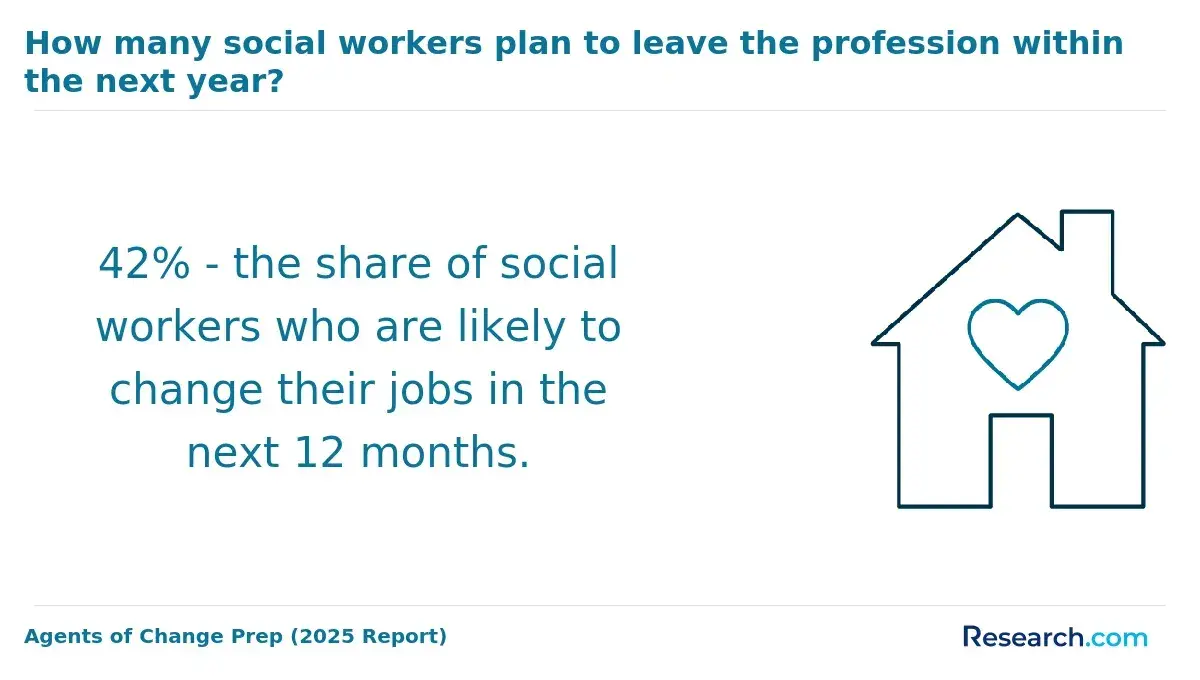
Online MSW programs support accreditation and licensing eligibility primarily through CSWE accreditation, supervised field education, and curricula aligned with professional social work competencies. Accreditation by the Council on Social Work Education (CSWE) indicates that a program meets recognized standards in areas such as ethics, diversity, research, policy, human behavior, and social work practice.
Licensing eligibility is not determined by the degree format alone. An online MSW can support licensure when the program is properly accredited and when the student completes required field education and any state-specific requirements. Because licensing rules vary by state, applicants should verify requirements before enrolling, especially if they plan to move or practice across state lines.
Key accreditation and licensure checkpoints
| Checkpoint | Why it matters | Student action |
| CSWE accreditation | Many states require a CSWE-accredited MSW for social work licensure. | Confirm accreditation directly before applying and again before enrolling. |
| Field education | Supervised practicum experience is central to MSW training and often linked to licensure preparation. | Ask how placements are approved, supervised, and evaluated. |
| State licensing rules | Licensure requirements vary by state and may include exams, supervised hours, and application procedures. | Check the licensing board in the state where you plan to practice. |
| ASWB exam preparation | Many licensing pathways include an Association of Social Work Boards exam. | Ask whether the program offers exam preparation, faculty review, or advising. |
| Clinical supervision planning | Clinical licensure often requires supervised post-graduate practice. | Ask how faculty advise students pursuing clinical roles. |
Programs like Rutgers School of Social Work show how rigorous preparation can support exam outcomes. Its online MSW graduates achieved a 92% ASWB clinical exam pass rate, surpassing the national average of 87%. Strong outcomes like these are typically connected to a combination of curriculum quality, field support, faculty mentoring, and targeted exam preparation.
Before committing to an online MSW, confirm that the program supports your intended licensing path in your state. Students seeking faster completion options can also review online MSW programs while still checking accreditation and state eligibility carefully.
Typical admission requirements for online MSW programs include a bachelor's degree from an accredited institution, official transcripts, a statement of purpose, letters of recommendation, and a resume or CV. Many programs look for a minimum GPA of around 3.0, though policies vary by school and applicant background.
Applicants are often expected to show preparation for graduate-level study and a clear commitment to social work values. Programs may review prior coursework in areas such as psychology or sociology, volunteer or paid human services experience, writing ability, and readiness for field education.
Common online MSW application materials
- Accredited bachelor's degree: Required for standard MSW admission.
- Official transcripts: Used to verify degree completion, GPA, and relevant coursework.
- Statement of purpose: Explains career goals, motivation for social work, relevant experience, and fit with the program.
- Letters of recommendation: Most programs request two or three letters from academic or professional references.
- Resume or CV: Highlights work history, volunteer service, leadership, and human services experience.
- Interview: Some programs use a virtual interview to assess communication skills, professionalism, and commitment to the field.
- English proficiency: International applicants may need TOEFL or IELTS scores.
- GRE scores: Some programs still request them, but a growing number are waiving this requirement.
Applicants with a Bachelor of Social Work may qualify for advanced standing admission, which can reduce total credit requirements. Advanced standing is not automatic; schools usually require that the BSW be recent, accredited, and supported by strong academic performance and field evaluations.
Selective programs may weigh experience and academic fit heavily. For example, Columbia University's MSW program carefully reviews applicant backgrounds; its alumni earn a median starting salary of $75,000, which is 18% higher than the national average for MSW graduates, reflecting the program's selectivity and strong mentorship.
Before applying, compare each program’s admissions expectations with your academic record, work schedule, field placement availability, and career goals. It is also worth asking is becoming a social worker worth it before investing time and money in the admissions process.
The curriculum in online MSW programs typically combines foundational social work theory, applied practice courses, research training, policy analysis, and supervised field education. The goal is to prepare students to work ethically with individuals, families, groups, organizations, and communities.
Core courses generally cover human behavior, social welfare policy, clinical practice, research methods, ethics, diversity, and assessment. Many programs also offer specialized tracks such as mental health, child welfare, healthcare, school social work, community practice, or policy. The best choice depends on whether the student wants a clinical, administrative, advocacy, or macro-level career path.
Typical curriculum components
| Curriculum area | What students learn | Why it matters |
| Human behavior and social environment | Development, family systems, culture, trauma, and social context. | Builds a framework for understanding client needs and systemic influences. |
| Social welfare policy | Policy history, social programs, advocacy, and structural inequality. | Prepares students to work within and influence service systems. |
| Clinical or direct practice | Assessment, intervention, interviewing, treatment planning, and ethical practice. | Supports preparation for client-facing roles and clinical pathways. |
| Research methods | Evidence evaluation, data interpretation, and practice-informed research. | Helps students use evidence responsibly in practice and program evaluation. |
| Field practicum | Supervised real-world practice in approved settings. | Connects coursework to professional skill development and licensure preparation. |
Field practicums are a required and central part of the MSW experience. Students complete hands-on learning through approved placements, often in agencies, schools, hospitals, community organizations, or behavioral health settings. The University of Georgia's online MSW students achieved a 15% higher retention rate in field practicums through cohort-based mentorship models, according to the CSWE 2025 Field Education Outcomes Study.
Online course delivery commonly includes asynchronous lectures, live seminars, discussion boards, case simulations, group projects, and interactive modules. Strong faculty mentorship is especially important during field education, when students need help interpreting ethical dilemmas, managing professional boundaries, and connecting classroom frameworks to client needs.
When evaluating curriculum quality, look at concentration options, field placement support, faculty expertise, scheduling flexibility, and how often students receive feedback. A flexible online format is useful, but it should still provide enough structure to develop practice competence.
Online MSW programs typically take between 2 to 3 years to complete, depending on enrollment status, program structure, and whether the student qualifies for advanced standing. Full-time students usually finish within 24 months, while part-time students may take 36 months or longer. Accelerated tracks can reduce the timeline to 18 months but usually require a heavier course load and less scheduling flexibility.
Tuition costs vary widely by institution, residency status, and program format. The total program cost generally ranges from $15,000 to $45,000. Public universities may be more affordable for in-state students, while private institutions may charge higher tuition and sometimes offer more specialized resources, smaller cohorts, or more intensive mentorship.
Cost and time factors to compare
| Factor | How it affects the student | Question to ask |
| Enrollment pace | Full-time study can shorten completion time but may be difficult for working students. | Can I realistically manage this workload with employment and field hours? |
| Advanced standing | May reduce required coursework for eligible BSW graduates. | What are the eligibility rules and credit reductions? |
| Tuition structure | Programs may charge per credit, per term, or by residency category. | What is the total estimated program cost, not just the per-credit price? |
| Fees and materials | Technology fees, course materials, and placement-related costs can add to the budget. | What additional costs should I expect? |
| Field placement requirements | Practicum hours may affect work schedules and commuting costs. | Can placements be completed near where I live? |
| Financial aid | Loans, scholarships, grants, and employer tuition assistance can affect affordability. | What aid is available to online MSW students? |
Emerging technology is also changing the online MSW experience. According to the Eduventures 2025 Higher Education Technology Report, 68% of programs integrated AI-driven mentorship tools by 2025. These tools complement human faculty support, improving student satisfaction by 12% and potentially helping students monitor progress more effectively.
Even with useful technology, human mentorship remains essential. Before enrolling, request a clear cost breakdown, ask how field placements are arranged, review refund and transfer policies, and compare how much access students have to faculty throughout the program.
An online MSW degree can lead to clinical, administrative, community-based, policy, and leadership roles in social services. The degree is especially valuable for students seeking advanced practice responsibilities, supervisory roles, or eventual clinical licensure, though specific job eligibility depends on state rules, field experience, and post-graduate supervision.
Clinical pathways may include work as licensed clinical social workers (LCSWs), therapists, behavioral health clinicians, hospital social workers, or private practice providers. These roles often require additional supervised hours and licensure after graduation. Clinical roles may offer higher salaries and broader opportunities in healthcare and mental health settings.
Non-clinical MSW careers include case management, community organizing, child welfare, school social work, program coordination, nonprofit administration, and policy advocacy. Graduates may work in government agencies, hospitals, schools, community organizations, correctional settings, or social service nonprofits.
Common MSW career paths
| Career area | Example roles | Best fit for students interested in |
| Clinical practice | LCSW, therapist, behavioral health clinician, substance abuse counselor | Assessment, therapy, counseling, and direct client care |
| Healthcare social work | Hospital social worker, care coordinator, hospice social worker | Patient advocacy, discharge planning, and interdisciplinary care |
| Children, youth, and schools | School social worker, child welfare specialist, family services worker | Supporting children, families, education systems, and safety planning |
| Community and nonprofit work | Program coordinator, community organizer, agency supervisor | Program delivery, advocacy, outreach, and social justice work |
| Policy and leadership | Policy analyst, agency director, administrator, supervisor | Systems change, program development, management, and legislation |
Career benefits can also show measurable financial returns. According to the Georgetown University Center on Education and the Workforce 2025 ROI Report, the ROI for an online MSW degree averaged 245% over 10 years for graduates, with lifetime earnings surpassing $1.8 million.
Faculty mentorship can improve career readiness by helping students choose field placements, prepare for licensure, build professional networks, and identify roles aligned with their strengths. Job growth projections of 12% through 2030 confirm steady demand in healthcare, education, and social services.
Average salary for MSW graduates varies by role, licensure status, employer, location, specialization, and years of experience. Entry-level social workers typically earn between $50,000 and $60,000 per year, while professionals with five or more years of experience may earn from $65,000 to $80,000. Licensed clinical social workers in healthcare, school social work, and urban labor markets may earn above $80,000.
Students should be careful when comparing salary claims. An MSW can improve earning potential, but the highest-paying roles often require licensure, specialized experience, strong field placements, and sometimes post-graduate supervised clinical hours. Location also matters because public agencies, hospitals, schools, nonprofits, and private practices use different pay structures.
Factors that influence MSW salary
- Licensure: Clinical licensure can expand access to therapy, healthcare, and private practice roles.
- Specialization: Healthcare, behavioral health, and school-based roles may differ from community or nonprofit compensation.
- Experience: Salaries generally increase as social workers gain practice experience and supervisory responsibilities.
- Location: Urban centers, state funding levels, and cost of living can affect compensation.
- Field placement quality: Strong internships can lead to job offers, references, and specialized skills.
- Faculty mentorship: Mentors can help students identify higher-fit roles, prepare for interviews, and build professional networks.
Salary outcomes may also be affected by the inclusiveness and quality of faculty mentorship. The CSWE 2025 Diversity in Social Work Education Report noted that online MSW cohorts benefiting from diverse and inclusive mentorship saw a 32% increase in enrollment of underrepresented minority students, strengthening professional networks and job placement opportunities.
Working professionals who want to increase earning potential should look for programs that combine strong field education, licensure advising, and career support. For broader professional standards and social work education information, visit the CSWE website.
How to choose a reputable online MSW program with strong mentorship?
To choose a reputable online MSW program with strong mentorship, start with CSWE accreditation, then evaluate the quality of faculty access, field education support, licensure advising, student outcomes, and technology used for online engagement. A program can be flexible and still be rigorous, but applicants need to verify how support is delivered in practice.
CSWE accreditation is essential because it indicates that the curriculum aligns with national social work education standards and may support licensure eligibility. Do not rely only on marketing language. Confirm accreditation, ask about state authorization, and check whether the program prepares students for the licensing pathway they intend to pursue.
Decision checklist for online MSW mentorship quality
- Faculty qualifications: Look for faculty with doctoral degrees, active clinical experience, research expertise, or leadership in social work practice areas.
- Mentorship structure: Ask whether students receive assigned advisors, scheduled meetings, one-on-one support, and clear response times.
- Field placement support: Determine whether the school helps identify placements, approves sites, coordinates supervision, and supports students during practicum challenges.
- Student-to-faculty access: Low mentor-to-student ratios can make individualized guidance more realistic.
- Live engagement: Strong programs use live sessions, virtual office hours, case discussions, and feedback loops rather than relying only on recorded lectures.
- Licensure preparation: Ask how the program advises students on state requirements, ASWB exam preparation, and post-graduate supervision.
- Outcomes: Review alumni licensure rates, employment statistics, retention, graduation rates, and student satisfaction where available.
- Technology: Communication platforms, discussion boards, video conferencing, and advising systems should make faculty contact easy and reliable.
Mentorship during field placement deserves special attention. Faculty involvement in practicum selection and supervision can improve the quality of real-world learning and help students build professional networks. Ask whether mentors help students choose placements aligned with clinical, school, healthcare, policy, or community practice goals.
With a projected 22% increase in demand for LCSWs in behavioral health settings by 2026 (Health Resources and Services Administration 2025 Workforce Projections), students interested in behavioral health should look for programs with relevant faculty expertise, strong clinical placement options, and clear licensure advising.
The strongest choice is usually the program that fits your state licensing needs, budget, schedule, specialization goals, and preferred level of faculty interaction. A reputable online MSW should make mentorship visible, structured, and measurable before you enroll.
Other Things You Should Know About Social Work
They usually assign a field education coordinator or faculty liaison, require 900 hours of supervised practicum in a CSWE-accredited program, and arrange regular check-ins with the student and site supervisor. Strong programs also require a learning contract and midterm and final evaluations for each placement.
Most accredited online MSW programs offer guidance on meeting state licensure requirements, which vary across the U.S. Programs commonly provide resources such as exam preparation, supervision options, and advice on documentation needed for clinical licensure. However, graduates must research their state's specific criteria to ensure compliance for social work practice.
Faculty in online MSW programs often participate in live video sessions, one-on-one mentoring, and discussion forums to facilitate direct interaction. They may also provide career advice, help with research projects, and support students navigating field placements. Such engagement enhances learning and professional development despite the remote format.
- Cswe https://www.cswe.org/
- What Can I Do With a Master's in Social Work? | UNR https://onlinedegrees.unr.edu/online-master-of-social-work/what-can-i-do-with-a-masters-in-social-work
- Social Work Master's Degree Prerequisites https://www.psychology.org/social-work/masters/
- Social Work Career Pathways https://socialworklicensemap.com/social-work-careers/pathways/
- Social Work Salaries https://www.socialworkers.org/careers/career-center/kickstart-your-job-hunt/social-work-salaries
- Social Worker Salary and Jobs in Social Work https://teach.com/online-ed/social-work-degrees/online-masters-social-work/salary-and-career-outlook/
- The Pros and Cons of Online MSW Programs – Should I Pursue an MSW Online? https://www.masterofsocialwork.com/resources/pros-and-cons-online-msw-programs
- Accredited MSW programs | edX https://www.edx.org/masters/online-msw-programs/accredited-online-msw-programs
- Online Master’s in Social Work Programs https://onlinecounselingprograms.com/online-counseling-degrees/cswe-accredited-online-msw-programs/
- Master in Social Work https://www.umassglobal.edu/academic-programs/master-in-social-work