
2027 How to Become a Correctional Counselor: Education, Salary, and Job Outlook

Co-Founder and Chief Data Scientist
Becoming a correctional counselor is a career decision for people who want to work at the intersection of criminal justice, mental health, rehabilitation, and public safety. The role is not limited to “giving advice” to incarcerated people. Correctional counselors assess needs, create case plans, coordinate services, document progress, help manage crises, and support reentry so individuals have a better chance of succeeding after release.
This guide explains what credentials are commonly required, what skills matter most, how the career path usually develops, where correctional counselors work, what salary ranges to expect, and how to decide whether this demanding but meaningful profession fits your strengths and goals.
What are the benefits of becoming a correctional counselor?
- Correctional counselors enjoy a steady job outlook with a projected 10% growth in employment through 2025, reflecting strong demand for rehabilitation professionals.
- Average salaries typically range from $45,000 to $70,000 annually, offering competitive pay with opportunities for advancement in government and private sectors.
- This career rewards those passionate about positive social impact, providing meaningful work helping individuals reintegrate while promoting safer communities.
What credentials do you need to become a correctional counselor?
The credentials required to become a correctional counselor depend on the employer, state rules, facility type, and whether the role is counseling-focused, case-management-focused, or supervisory. In most cases, you should expect to need a college degree, facility-specific training, background screening, and, for some roles, professional certification or state licensure.
| Credential | Why it matters | Best for |
| Bachelor's degree | A bachelor's degree in criminal justice, psychology, social work, or a related field is typically the minimum educational requirement for entry-level correctional counselor roles. | Entry-level counseling, treatment specialist, case management, and reentry planning positions. |
| Master's degree | A master's degree can strengthen your qualifications for advanced clinical, supervisory, policy, or program development roles. Some employers prefer it for leadership tracks. | Senior counselor, supervisor, program manager, and roles involving complex behavioral health needs. |
| Ph.D. degree | Some senior or specialized roles within the U.S. Department of Justice may demand a Ph.D., especially positions involving research, administration, or advanced policy work. | High-level federal, research, administrative, or specialized correctional roles. |
| Professional certification | Credentials such as the Certified Corrections Manager (CCM) through the American Correctional Association can show professional commitment and may support advancement. | Promotion, management preparation, and specialization within corrections. |
| State licensing | Licensing requirements vary by state. If the position involves clinical mental health counseling, substance abuse counseling, or social work services, state licensure may be required. | Clinical counseling, behavioral health, substance abuse treatment, and licensed practice roles. |
| Facility training | Mandatory training often covers inmates' rights, safety procedures, self-defense techniques, documentation, emergency response, and institutional policies. | All correctional settings, especially secure facilities. |
If you are researching how to become a correctional counselor in the United States, start by checking job postings in the state or agency where you want to work. Public agencies, county facilities, federal institutions, juvenile programs, and private contractors may use similar job titles but different qualification standards.
Working adults who need a faster route to a bachelor's degree may want to compare flexible programs carefully. Accredited online options can help, but the program should still match employer expectations in criminal justice, psychology, social work, human services, or a closely related field. You can begin by reviewing the best accelerated online bachelor degree programs for working adults.
What skills do you need to have as a correctional counselor?
Correctional counselors need a mix of counseling ability, criminal justice knowledge, documentation discipline, and personal resilience. The work often happens in structured, high-pressure environments where safety, ethics, and accurate communication matter as much as compassion.
Core professional skills
- Mental health evaluation: Correctional counselors may help identify behavioral health concerns, trauma indicators, substance use issues, and other needs that affect rehabilitation planning.
- Treatment planning: Strong counselors translate assessments into practical goals, services, program referrals, and progress benchmarks.
- Case management and documentation: Accurate records are essential. Counselors must track meetings, risk factors, behavior changes, program participation, disciplinary issues, and release planning details.
- Crisis intervention: Correctional settings can involve self-harm risk, conflict, grief, withdrawal, aggression, or acute distress. Counselors need de-escalation skills and clear emergency response judgment.
- Group therapy facilitation: Many programs use group formats for anger management, substance abuse recovery, decision-making, social skills, and reentry preparation.
- Risk assessment: Counselors often contribute to evaluating reoffending risk, institutional behavior risk, and readiness for specific programs or release planning steps.
- Understanding of correctional policies and criminal justice: Effective counseling in this field requires knowing facility rules, legal boundaries, confidentiality limits, grievance procedures, and the broader justice system.
Personal qualities that matter
- Calm under pressure: You must be able to think clearly when emotions, threats, or conflicts escalate.
- Professional boundaries: Empathy is important, but over-involvement can create ethical, safety, and security risks.
- Cultural awareness: Correctional populations are diverse in age, race, education, mental health history, trauma exposure, and family background.
- Consistency: Clients often respond better to counselors who are fair, predictable, and honest about limits.
The strongest correctional counselors balance accountability with rehabilitation. They do not ignore harmful behavior, but they also understand that change requires structure, skill-building, and credible support.
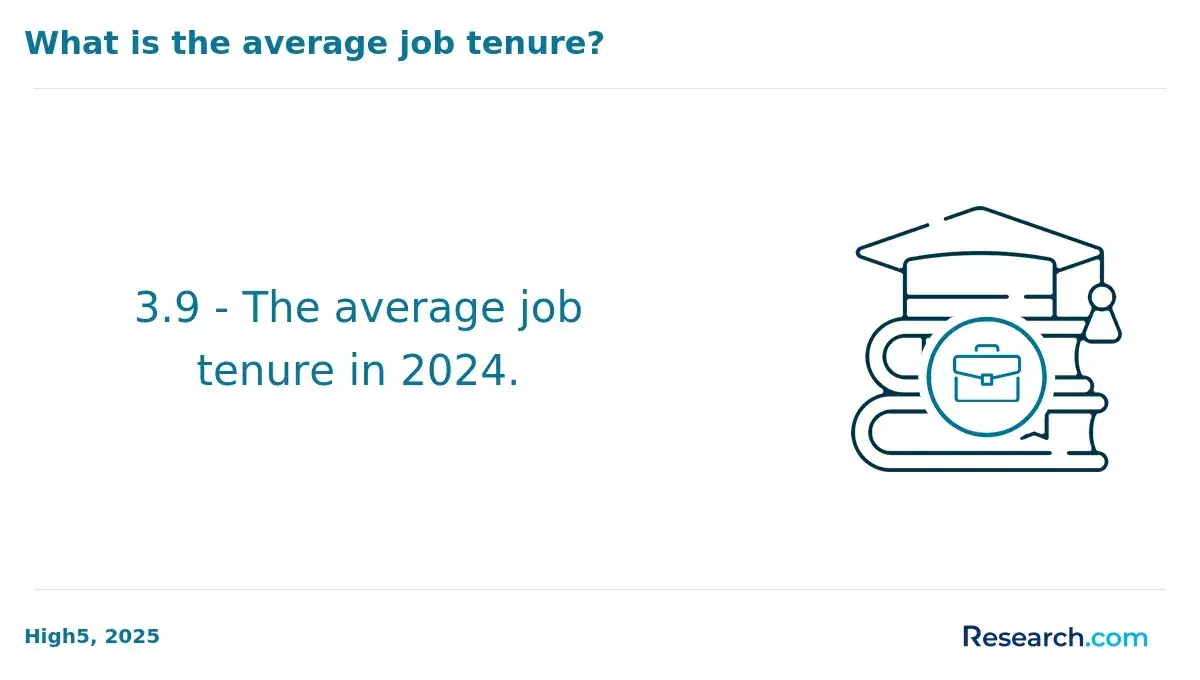
What is the typical career progression for a correctional counselor?
A correctional counseling career usually begins with direct service and gradually moves toward complex casework, specialization, supervision, or program leadership. Advancement is shaped by education, performance, agency requirements, certifications, and willingness to work in demanding environments.
| Career stage | Typical timeline | Common responsibilities | How to prepare for the next step |
| Entry-level correctional counselor or treatment specialist | Starting point | Conduct assessments, support rehabilitation plans, meet with clients, document progress, and learn facility procedures during a training or probationary period. | Build strong documentation habits, learn policy, ask for feedback, and gain experience with different client needs. |
| Senior counselor or lead specialist | After two to five years | Handle more complex cases, mentor junior staff, coordinate services, and contribute to program development. | Consider a master's degree, relevant certification, or training in substance abuse, trauma-informed care, risk assessment, or behavioral interventions. |
| Supervisor, program manager, or clinical director | With five to ten years of experience | Oversee teams, manage caseload standards, evaluate programs, coordinate with administrators, and influence institutional practices. | Develop leadership, budgeting, staff supervision, compliance, and policy skills. |
| Specialist or lateral career track | Varies | Work in substance abuse treatment, juvenile justice, behavioral therapies, probation, parole, or mental health program coordination. | Choose a specialty based on your strengths, state credential rules, and long-term career goals. |
Early career decisions matter. If you want to become a supervisor, seek assignments that expose you to program operations and interagency coordination. If you prefer clinical work, focus on behavioral health training and confirm whether state licensure is needed for the roles you want.
How much can you earn as a correctional counselor?
Correctional counselor pay varies by employer, location, education level, union or civil service structure, job duties, and years of experience. Government roles may offer more predictable benefits and pay steps, while specialized or high-need locations may pay more for qualified candidates.
Correctional counselors in the United States typically earn between $48,600 and $59,874 annually as of 2025, with entry-level positions starting around $43,000. Experienced counselors or those working in higher-paying areas can see salaries reach $63,800 or more. The correctional counselor salary in Tennessee 2025 reflects these national averages, suggesting relatively stable prospects across various states.
| Pay factor | How it can affect earnings |
| Experience | Entry-level roles generally pay less, while senior counselors, supervisors, and specialists can qualify for higher compensation. |
| Education | Advanced degrees may help candidates qualify for leadership, clinical, or federal roles, depending on employer requirements. |
| Certification | Professional credentials can support promotion, especially when paired with strong performance and relevant experience. |
| Location | Geographic pay differences are significant. Correctional counselors in California earn an average of $62,103 per year. |
| Employer type | Federal positions may pay hourly wages up to $31.24, while state, county, nonprofit, and private employers may use different pay structures. |
When comparing salaries, look beyond base pay. Retirement benefits, health insurance, shift differentials, overtime rules, tuition assistance, paid training, and promotion systems can meaningfully affect total compensation. A lower starting salary with strong benefits and clear advancement steps may be more valuable than a slightly higher salary with limited growth.
Education can also affect long-term mobility. If you need a flexible path to meet degree requirements, compare accredited programs, transfer policies, cost, and support services before enrolling. Online colleges with open admissions may offer accessible entry points, but you should still confirm that the degree aligns with correctional counselor job requirements in your target state or agency.
What internships can you apply for to gain experience as a correctional counselor?
Internships can help you test whether correctional counseling is a realistic fit before committing to the field. They also give you exposure to secure environments, client documentation, treatment planning, institutional rules, and multidisciplinary teamwork.
- Illinois Department of Corrections: This department seeks students in behavioral sciences and healthcare, with specialized tracks in clinical services and mental health. It can be a strong option for students interested in behavioral health counseling in correctional settings.
- Tennessee Department of Correction: This department welcomes students from disciplines such as education, communications, nursing, and business. Placements may include prisons, community supervision offices, and administrative facilities.
- State correctional departments nationwide: Many state agencies offer internships connected to mental health services, substance abuse programs, sex offender treatment, reentry support, and case management.
- Juvenile and adult correctional programs: Internships may involve observation or supervised participation in crisis intervention, group therapy, assessment, treatment planning, and rehabilitation programming.
- California correctional facilities and other state programs: Many correctional counselor intern programs require academic credit and are unpaid, but they can provide valuable experience in secure and structured environments.
How to choose the right internship
- Match the setting to your goal: Choose prisons, jails, juvenile facilities, parole offices, or reentry programs based on the population you may want to serve.
- Ask about supervision: A strong internship should include structured oversight, clear duties, feedback, and safety orientation.
- Confirm academic requirements: Many placements require enrollment in a degree program, background checks, immunization records, or academic credit approval.
- Consider emotional fit: Correctional work can be intense. An internship is a useful way to learn whether you can manage the environment professionally.
If you are still building foundational education, an associates degree online fast may help you move toward qualifying coursework while you explore internship options.

How can you advance your career as a correctional counselor?
Career advancement in correctional counseling usually comes from a combination of education, documented performance, specialized training, leadership experience, and professional credibility. The best strategy is to decide whether you want to move toward clinical specialization, management, policy, or community reentry work.
- Advancing your education: A master's degree in criminal justice, psychology, social work, or a related field can improve access to higher-level positions. It may be especially useful for federal agencies, supervisory roles, and jobs involving complex behavioral health responsibilities.
- Obtaining professional certifications: Credentials such as the Certified Corrections Manager (CCM) from the American Correctional Association or certifications from the National Association of Forensic Counselors can help demonstrate specialized knowledge and commitment to the field.
- Building a specialty: Focused experience in substance abuse counseling, trauma-informed care, juvenile justice, risk assessment, reentry planning, or behavioral therapy can make you more competitive for advanced roles.
- Engaging in networking: Professional organizations, conferences, interagency committees, and training events can help you learn best practices and hear about roles before they are widely advertised.
- Seeking mentorship: Experienced correctional counselors, supervisors, parole professionals, and behavioral health leaders can help you understand promotion systems, avoid common mistakes, and prepare for leadership.
- Documenting outcomes: Keep track of program contributions, training completed, caseload achievements, leadership assignments, and measurable improvements where appropriate. Promotion panels often value evidence, not just years of service.
Advancement is rarely automatic. Counselors who move up are usually those who combine reliability in daily casework with the ability to improve programs, support colleagues, and communicate effectively with administrators and partner agencies.
Where can you work as a correctional counselor?
Correctional counselors work in secure facilities, community-based programs, and transitional settings. The right workplace depends on whether you prefer direct facility work, reentry planning, juvenile services, behavioral health treatment, or supervision in the community.
| Work setting | What correctional counselors do there | Best fit for |
| Correctional facilities | State and federal prisons, including institutions operated by the California Department of Corrections and Rehabilitation (CDCR) or the Federal Bureau of Prisons, employ counselors to support rehabilitation, classification, programming, and reentry preparation. | Professionals comfortable working in secure, highly structured environments. |
| County jails | Jails managed by local sheriff's offices or county governments may need counselors for short-term case planning, mental health support, crisis response, and release preparation. | Counselors who can work quickly with individuals who may have brief or uncertain stays. |
| Probation and parole agencies | State and local parole boards and probation departments employ professionals who help develop release plans, monitor progress, coordinate services, and support community reintegration. | Those interested in supervision, accountability, and community-based rehabilitation. |
| Community organizations | Nonprofit groups such as Volunteers of America, halfway houses, and community reentry programs help former inmates access employment, housing, education, treatment, and family support. | Counselors who want to focus on reentry and practical stability after incarceration. |
| Youth detention centers and juvenile justice systems | Juvenile programs provide counseling, behavioral support, education coordination, and family-centered rehabilitation services. | Professionals interested in prevention, youth development, and age-appropriate interventions. |
| Private prisons | Correctional counseling roles in private prisons may involve similar case management, programming, and treatment coordination duties, depending on contract requirements and facility policies. | Candidates comparing public and private correctional employment options. |
Before applying, review the job description carefully. Some “correctional counselor” roles are more clinical, while others focus on classification, security-informed casework, or reentry coordination. The title alone does not always reveal the daily workload.
If you need additional education for these paths, the top non profit accredited online universities can help you compare flexible and credible options aligned with long-term career goals.
What challenges will you encounter as a correctional counselor?
Correctional counseling can be rewarding, but it is not an easy human services job. Counselors work with people who may have long histories of trauma, addiction, violence, poverty, untreated mental illness, or repeated justice involvement. They must also operate inside systems with strict rules, security concerns, limited resources, and heavy documentation demands.
- Staffing shortages: Many facilities struggle to hire and retain qualified counselors. This can lead to larger caseloads, less time with each client, and higher stress for remaining staff.
- Emotional intensity: Counselors may deal with grief, self-harm risk, manipulation, relapse, family separation, aggression, or severe mental health symptoms. Compassion must be paired with firm boundaries.
- Safety concerns: Secure settings require constant awareness of procedures, movement restrictions, contraband risks, and emergency protocols.
- Shifting regulations: Policies around digital recordkeeping, privacy, rehabilitation programming, and correctional standards can change. Counselors must stay current and adapt quickly.
- Competitive job market: Some areas may offer incentives like signing bonuses, but desirable roles can still be competitive, especially those with strong benefits or advancement tracks.
- Complex system navigation: Counselors often coordinate with correctional officers, clinicians, courts, parole staff, families, educators, and community providers. Miscommunication can delay services or create risk.
- Burnout risk: High caseloads, secondary trauma, and limited resources can wear down even committed professionals if they do not use supervision, peer support, and self-care strategies.
The challenge is part of the responsibility. Effective correctional counselors learn to protect their own well-being while still treating clients with fairness, dignity, and accountability.
What tips do you need to know to excel as a correctional counselor?
To excel as a correctional counselor, you need more than subject knowledge. You need sound judgment, emotional control, strong ethics, and the ability to build trust without compromising safety or professional boundaries.
- Develop emotional resilience: Expect difficult conversations, setbacks, and frustration. Learn how to stay steady without becoming detached or cynical.
- Practice active listening: Many clients are used to being dismissed or judged. Listening carefully can help you identify risks, needs, motivation, and barriers to change.
- Keep boundaries clear: Be respectful and consistent, but do not blur professional lines. Boundaries protect both you and the people you serve.
- Master documentation: Write clear, factual, timely notes. Avoid vague language. Accurate records can affect treatment decisions, release planning, compliance reviews, and safety.
- Learn the facility culture: Policies matter, but so do informal workflows. Understand how counselors, custody staff, medical teams, and administrators coordinate daily operations.
- Pursue ongoing training: Training in trauma-informed care, substance abuse counseling, suicide prevention, motivational interviewing, and risk assessment can strengthen your practice.
- Know privacy and ethics rules: Stay well-versed in privacy laws and ethical standards such as HIPAA, including the limits of confidentiality in correctional environments.
- Use supervision and peer support: Experienced colleagues can help you process difficult cases, improve judgment, and avoid burnout.
- Take self-care seriously: Rest, exercise, counseling, hobbies, and time away from work are not optional extras in a high-stress career. They are part of staying effective.
- Stay growth-oriented: Ask for feedback, review mistakes honestly, and set career goals that align with your strengths and values.
The most effective counselors are neither overly idealistic nor overly hardened. They understand the system’s limits, but they still look for practical opportunities to help clients make better choices.
How do you know if becoming a correctional counselor is the right career choice for you?
Correctional counseling may be a good fit if you want meaningful work, can handle emotionally difficult situations, and are comfortable operating within rules-based institutions. It may not be the right fit if you need a low-stress environment, dislike documentation, or prefer work with minimal confrontation.
Signs this career may fit you
- You communicate clearly and respectfully: Correctional counselors work with people from diverse backgrounds, including individuals who may be angry, distrustful, ashamed, or resistant.
- You have empathy with boundaries: You can recognize pain and trauma without excusing harmful behavior or violating policy.
- You are emotionally resilient: The job requires patience, composure, and the ability to recover after tense or discouraging interactions.
- You value integrity: Ethical conduct, honesty, confidentiality, and fairness are essential in a correctional environment.
- You can solve practical problems: Reentry and rehabilitation often involve housing, employment, treatment access, family issues, education, and legal requirements.
- You are organized: Managing multiple cases requires accurate records, deadline awareness, follow-up, and compliance with institutional procedures.
- You have relevant experience or interest: Prior exposure to counseling, social services, criminal justice, peer support, crisis work, or behavioral health can be a useful indicator of fit.
Reasons to reconsider or explore further
- You want predictable emotional distance from clients.
- You are uncomfortable in secure or highly structured settings.
- You dislike detailed documentation and policy compliance.
- You struggle to stay calm during confrontation.
- You want a role focused only on therapy, without criminal justice system responsibilities.
If you still feel drawn to the field, consider volunteering, shadowing where possible, completing an internship, or taking introductory coursework before committing. For affordable degree planning, compare the most affordable online bachelor's degree programs that align with correctional counseling career requirements.
What Professionals Who Work as a Correctional Counselor Say About Their Careers
- : "Choosing a career as a correctional counselor has given me stability in a job market that can feel unpredictable. The ongoing need for trained professionals in this field provides a reliable income and benefits, but the work still feels connected to a larger purpose. I value having both meaningful responsibility and financial security. — Kaysen"
- : "Working as a correctional counselor challenges me every day. The situations are rarely simple, and they require empathy, patience, and resilience. When someone begins to take real steps toward rehabilitation, the work feels deeply worthwhile. This career has pushed me to grow personally and professionally. — Jalen"
- : "The professional development opportunities in correctional counseling are one of the reasons I have stayed in the field. Specialized training and leadership pathways have helped me build skills and consider roles in different settings, from juvenile facilities to federal institutions. It is a demanding career, but there is room to grow. — Beau"
Other Things You Should Know About Becoming a Correctional Counselor
To become a correctional counselor in 2027, a bachelor's degree in psychology, social work, criminal justice, or a related field is typically required. Advanced positions may necessitate a master's degree alongside relevant internships or work experience in correctional settings.
Most agencies require a criminal history check, fingerprinting, and a review of employment and references before hiring. Federal and state correctional employers may also require drug screening and, for some positions, a polygraph or medical exam. Disqualifying offenses vary by agency and facility.
Correctional counselors can specialize by focusing on specific groups such as juveniles, substance abuse offenders, or mentally ill inmates. Specialization often requires additional training or certification, enhancing counselors' expertise and career opportunities. This allows counselors to tailor their approaches to unique client needs.
References
- Internship Opportunities https://www.counseling.org/resources/career-central/internship-opportunities
- Prison officer career progression - Prison and Probation Jobs https://prisonandprobationjobs.gov.uk/roles-at-hmpps/prison-officer/prison-officer-career-progression
- Internship Opportunities | NC DAC https://www.dac.nc.gov/careers/internships
- Correctional Counselor Career Info (Types, Requirements & Salary) https://www.allcriminaljusticeschools.com/specialties/correctional-counselor-training
- Correctional Counselor Jobs, Salary and Education Requirements https://www.appliedbehavioranalysisedu.org/jobs-related-to-applied-behavior-analysis/correctional-counselor
- What is a Corrections Counselor? | Goodwin University https://www.goodwin.edu/glossary/corrections-counselor
- Successful corrections officers know these 10 secrets - Corrections1 https://www.corrections1.com/corrections-jobs-careers/articles/the-top-10-secrets-of-successful-correctional-employees-lUq6DWqPEzVNEBCK
- Corrections officer wellbeing: Training challenges and opportunities | Department of Corrections https://www.corrections.govt.nz/resources/research/journal/volume_5_issue_1_july_2017/corrections_officer_wellbeing_training_challenges_and_opportunities
- Correctional Counselor Job Description (Updated 2023 With Examples) | NASWWI https://careers.naswwi.org/career/correctional-counselor/job-descriptions


