2027 Industrial Organizational Psychology Degree Completion Rates by Format: Online, Hybrid, and Campus Programs Compared

Co-Founder and Chief Data Scientist
Imagine a prospective student weighing the choice between completing an industrial organizational psychology degree online, through a hybrid model, or via a traditional campus program. Each format presents distinct challenges, such as balancing work and study demands or navigating different levels of campus engagement. These factors can directly influence a student's ability to persist and finish the degree.
Completion rates vary across formats due to differences in structure, support systems, and student accountability. Understanding these variations is crucial for aligning one's educational approach with long-term career goals. This article compares completion rates for online, hybrid, and campus industrial organizational psychology programs, examines the factors affecting student success, and offers insights to help prospective students identify the format best suited to their needs.
Key Things to Know About Industrial Organizational Psychology Degree Completion Rates by Format
- Completion rates for industrial organizational psychology online programs average around 55%, reflecting self-paced challenges that can impede consistent progress and delay timely degree attainment.
- Hybrid formats show approximately 65% completion, suggesting that blending in-person interaction with online flexibility better supports student accountability and connection to faculty.
- Campus-based degrees maintain the highest completion rates, near 75%, indicating that structured environments and immediate peer support significantly reduce attrition risk in rigorous industrial organizational psychology curricula.
- Key Things to Know About Industrial Organizational Psychology Degree Completion Rates by Format Key Things to Know About Industrial Organizational Psychology Degree Completion Rates by Format
- How Do Completion Rates Compare Across Online, Hybrid, and Campus Industrial Organizational Psychology Programs? Completion Rate Comparison
- What Factors Have the Greatest Impact on Industrial Organizational Psychology Degree Completion? Degree Completion Factors
- Which Industrial Organizational Psychology Degree Format Is Hardest to Complete? Completion Difficulty
- How Does Each Industrial Organizational Psychology Learning Format Affect Student Success? How Does Each Industrial Organizational Psychology Learning Format Affect Student Success?
- How Does Enrollment Status Affect Industrial Organizational Psychology Completion Rates? How Does Enrollment Status Affect Industrial Organizational Psychology Completion Rates?
- Can Transfer Credits Improve Industrial Organizational Psychology Degree Completion? Transfer Credits
- What Student Support Services Improve Industrial Organizational Psychology Completion Rates? Student Support Services
- How Do Industrial Organizational Psychology Completion Rates Affect Career Outcomes? Impact on Career Outcomes
- How Should Students Choose the Best Industrial Organizational Psychology Learning Format? Choosing the Best Format
- What Are the Long-Term Pros and Cons of Each Industrial Organizational Psychology Learning Format? Learning Format Pros & Cons
How Do Completion Rates Compare Across Online, Hybrid, and Campus Industrial Organizational Psychology Programs?
Prospective students evaluating industrial organizational psychology degree completion rates online versus campus or hybrid options should weigh these statistics alongside their personal learning preferences and lifestyle demands. Those with consistent study time and access to campus resources might benefit from on-site programs, while others needing flexibility could find hybrid or online learning more feasible despite the challenges. Understanding these trade-offs in the context of one's career objectives, similar to assessing options in PharmD online programs, can clarify which format maximizes the chance of degree completion and long-term success.
What Factors Have the Greatest Impact on Industrial Organizational Psychology Degree Completion?
Completing an industrial organizational psychology degree is shaped by a complex interplay of personal habits, academic support, and program characteristics rather than motivation alone. Students often enter programs with high enthusiasm but face practical hurdles that influence persistence differently depending on their format and life circumstances.
Recognizing the multifaceted nature of degree completion helps students make strategic choices tailored to their individual contexts and goals. The following points identify the key factors that most consistently impact successful completion:
- Student engagement and self-regulation: Active participation in coursework and proactive learning behaviors such as goal-setting and time management strongly predict persistence. A 2024 American Psychological Association study found that students who demonstrate these traits are 25% more likely to graduate. Those who cultivate intrinsic motivation alongside strategic planning tend to persist through challenges, particularly in self-paced environments.
- Quality of academic advising: Timely, personalized guidance supports course planning and problem resolution, which prevents students from falling behind. The absence of adequate academic advising can reduce completion rates by nearly 30%, especially for fully online learners who might experience isolation. Regular advisor contact helps students navigate curriculum demands and align studies with career objectives.
- Time management skills and life balance: Students juggling employment, family, or caregiving often struggle unless they develop strong scheduling and prioritization habits. Hybrid and campus formats can offer structured time blocks that help separate academic and personal demands, increasing completion likelihood. Strengthening time management is essential for students balancing external responsibilities alongside their industrial organizational psychology degree.
- Program format and social integration: While fully online programs provide flexibility, they can pose social isolation risks that undermine persistence. Campus and hybrid programs often facilitate immediate peer and faculty interaction, fostering a support network that sustains motivation. Integrating career-aligned internships or applied projects also boosts engagement, which correlates with higher completion rates and employability post-graduation.
- External life commitments and stressors: Employment demands and family responsibilities represent significant barriers that can delay or derail degree progress. Students with inflexible work schedules or high caregiving burdens benefit from programs that accommodate part-time progression or offer resources to manage stress. Being realistic about one's capacity and selecting supportive programs is critical to avoiding burnout.
- Access to career-relevant experiences: Participation in internships or applied research linked to workplace skills improves motivation by providing tangible connections between coursework and future roles. Programs that embed these opportunities help students remain engaged and confident about their investment. This practical focus is a decisive factor for many completing an industrial organizational psychology degree, enhancing long-term returns on their educational journey.
- Institutional support services: Access to tutoring, mental health resources, and technological assistance can offset challenges that otherwise impede completion. Students who use these services tend to navigate academic obstacles more effectively, translating into higher graduation rates. Institutions that foster such environments enable diverse student populations to succeed across different industrial organizational psychology learning formats.
For example, a working parent enrolled in a hybrid industrial organizational psychology program may leverage structured campus weekends for direct advising and social engagement while completing flexible online coursework during evenings. Balancing these options alongside caregiving duties can lead to steady degree progress, especially when supported by institutional resources and effective time management strategies.
Such real-world tradeoffs illustrate why understanding factors influencing industrial organizational psychology degree completion is vital for prospective students deciding among online, hybrid, or campus formats. Relatedly, individuals interested in health care education might explore accelerated LPN programs that emphasize similarly critical factors for completion and career readiness.
Which Industrial Organizational Psychology Degree Format Is Hardest to Complete?
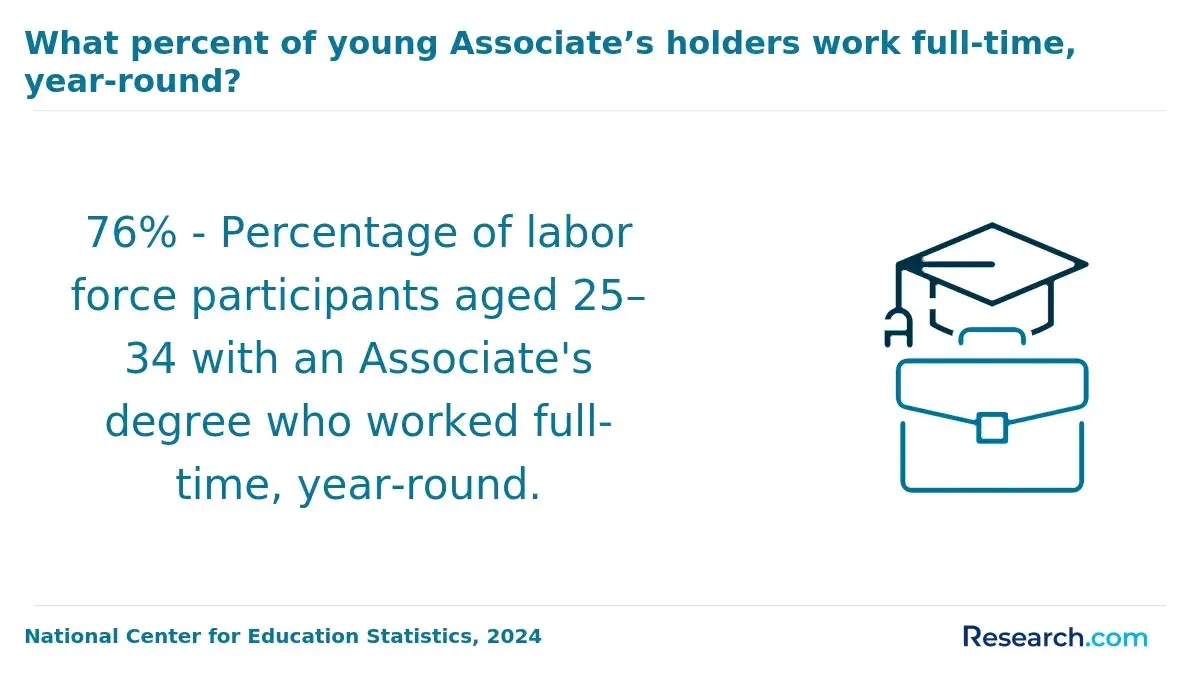
Completion rates for industrial organizational psychology degrees reveal significant variation by format, with fully online programs consistently showing lower persistence than hybrid or traditional campus options. Data from the National Center for Education Statistics in 2024 indicates that online formats suffer from challenges such as reduced faculty engagement and limited peer connection, which contribute to feelings of isolation and hinder student persistence.
Hybrid programs improve on these factors by blending digital flexibility with face-to-face interaction, though juggling online and in-person commitments can strain those balancing work and family obligations. Campus-based programs maintain the highest completion levels, benefiting from immersive environments that foster direct academic support and strong social networks essential for sustaining effort in demanding fields.
However, none of these formats guarantee smooth progression; external pressures like financial stress, commuting, and personal responsibilities can impede student success regardless of delivery mode. For example, a working parent in a hybrid program might struggle with unpredictable childcare needs conflicting with mandatory campus sessions, while a fully online student might feel disconnected enough to delay or pause coursework.
These real-world tradeoffs highlight why prospective students must assess which format aligns with their lifestyles and support systems, as the likelihood of degree completion hinges on more than just program design.
One industrial organizational psychology graduate recalls initially choosing a fully online program due to geographic constraints and job demands but found the lack of in-person interaction increasingly difficult. She faced weeks of diminished motivation amid competing work deadlines and felt isolated without immediate access to professors or peers. Midway through, she considered switching to a hybrid format, but logistical hurdles made transferring impractical.
Ultimately, her persistence succeeded through creating a disciplined routine and leveraging virtual study groups, though she acknowledges the experience was more arduous than peers in on-campus programs who benefited from daily campus engagement.
How Does Each Industrial Organizational Psychology Learning Format Affect Student Success?
Student success in industrial organizational psychology degree programs depends largely on how well the chosen learning format fits an individual's learning style, schedule flexibility, and external obligations rather than the format itself. No single format guarantees the best outcome; rather, success hinges on the alignment between students' personal contexts and the structure and demands of online, hybrid, or campus environments.
For example, a working parent balancing job hours and coursework often benefits from hybrid classes offering both flexibility and direct interaction. The following points outline key factors affecting success across the different formats:
- Engagement and Interaction Opportunities: Campus programs provide direct access to faculty and peer collaboration, which supports deeper academic engagement. Students who thrive on real-time discussion and immediate feedback tend to complete degrees more efficiently in this immersive setting. Conversely, online learners must seek out or rely on institutional strategies like virtual mentoring to maintain similar connection levels.
- Flexibility versus Structure: Online formats offer unmatched scheduling flexibility, enabling students with irregular work or family commitments to study at their own pace. However, this requires greater self-discipline and time management, with those lacking these traits facing higher dropout risks. Hybrid models balance these elements, accommodating students needing flexibility but still benefiting from scheduled face-to-face support.
- Accountability and Support Systems: Hybrid and campus students often benefit from built-in accountability through mandatory in-person sessions, which can foster persistence. Online students, without such anchors, may encounter higher attrition unless supported by proactive advising and consistent engagement methods proven to boost retention.
- Self-Motivation and Independent Learning Skills: Success in online learning demands significant self-direction and motivation, especially in a complex field like industrial organizational psychology. Learners who excel in self-paced, autonomous environments can leverage online formats, while those preferring guided structures might find campus or hybrid better suited.
- Resource Access and Learning Environment: Campus settings typically offer extensive academic resources, such as libraries and research labs, which enhance learning. Online students must rely on digital resources and the institution's technological support, which can vary in quality and impact academic performance.
- Balancing External Responsibilities: Students juggling employment or family caregiving tend to have higher completion rates in hybrid programs that offer a mix of flexibility and periodic in-person accountability. Purely online programs maximize accessibility but can strain students without disciplined time management.
- Completion Rate Variances: According to 2024 data from the National Student Clearinghouse Research Center, campus students frequently achieve higher completion rates compared to online learners. Hybrid students fall in between, benefitting from both formats' strengths while mitigating some risks. This highlights the importance of choosing formats aligned with personal habits and support needs.
Students who are highly self-directed and want to complete their industrial organizational psychology degree as efficiently as possible may want to explore accelerated degree programs, which condense coursework timelines for learners who thrive with intensive pacing and minimal scheduling flexibility.
How Does Enrollment Status Affect Industrial Organizational Psychology Completion Rates?
Enrollment status is one of the most significant factors influencing completion rates in industrial organizational psychology programs. However, its impact goes beyond simply counting courses; it depends heavily on a student's personal circumstances, support systems, and time management capabilities. Full-time enrollment often correlates with higher completion, but that advantage isn't universal.
Understanding these nuances can help prospective students select an enrollment pace aligned with their unique situation. Below are key ways enrollment status shapes degree completion outcomes:
- Time Commitment and Academic Immersion: Full-time students generally immerse themselves more in their studies, improving retention and completion rates. According to recent data from the National Center for Education Statistics, full-time enrollees complete industrial organizational psychology degrees at rates 20-30% higher than part-time peers, largely due to this sustained focus.
- Balancing External Responsibilities: Part-time students often juggle work, family, or other commitments that reduce study time. While part-time enrollment offers flexibility, the competing demands can delay progress or lead to dropout unless students have strong organizational skills and support.
- Access to Institutional Resources: Campus-based full-time students benefit from structured schedules, immediate faculty access, and on-site support, all enhancing persistence. In contrast, part-time students, especially online, may experience less direct contact, creating barriers to engagement that can affect completion.
- Motivation and Self-Discipline: Particularly for online or hybrid part-time learners, maintaining motivation without regular in-person interaction poses challenges. Students lacking self-discipline may struggle to sustain momentum, prolonging their path or risking attrition.
- Program Support Structures: Programs offering advising, cohort models, and student engagement initiatives successfully boost completion for part-time students. Hybrid formats often provide a balanced mix of interaction and flexibility that benefits those unable to enroll full-time.
- Financial and Career Considerations: Some students choose part-time enrollment to keep working and maintain income, especially when financial aid options are limited. Exploring medical assistant programs that accept financial aid can illustrate how financial considerations influence educational choices in related fields, highlighting the practical tradeoffs students face.
- Long-Term Career Planning: Students must evaluate how enrollment status affects timing for workforce entry or advancement. Full-time study may accelerate readiness but might not be viable for those requiring steady employment, making part-time enrollment a strategic option despite slower completion.
These factors illustrate that the impact of full-time versus part-time enrollment on industrial organizational psychology degree completion rates hinges on individual priorities, resources, and life situations rather than a simplistic better-or-worse dichotomy.
Can Transfer Credits Improve Industrial Organizational Psychology Degree Completion?
Transfer credits can materially affect the trajectory of completing an industrial organizational psychology degree, but their impact hinges on several nuanced factors. Students who arrive with prior college coursework, military training, or professional certifications may reduce redundant classes, shortening time-to-degree and easing financial pressures that often contribute to attrition. However, acceptance of these credits depends heavily on institutional policies and how well those credits map onto program requirements.
For instance, a student with an associate's degree who transfers into an online or hybrid industrial organizational psychology program might find more flexible credit acceptance policies that recognize their prior learning. This can translate into a significant reduction in required coursework, accelerating their path by a full semester or more. Conversely, students enrolling in traditional, campus-based programs often encounter stricter curriculum structures, limiting transferability, especially for specialized courses in psychology or research methods. As a result, the same set of credits can yield different outcomes depending on program format and institutional guidelines.
Despite these potential advantages, transfer credits do not guarantee faster completion for every learner. Credits that do not align well with major prerequisites or lack substantive advising can leave gaps in essential knowledge, which may extend study time or affect readiness for employment. Evaluating an official credit transfer audit prior to enrollment is critical. Prospective students should assess remaining program requirements in conjunction with their typical course load to realistically gauge if credit transfer shortens their degree journey.
Recent data from the National Student Clearinghouse Research Center highlights that students leveraging transfer credits graduate at a rate 15% higher within six years compared to those without transfer credits. This underscores the tangible benefit transfer credits can provide, especially within flexible learning environments where balancing commitments is necessary. Still, graduation success depends on a blend of factors, including transfer policies, advising quality, and individual academic planning rather than credit transfer alone.
What Student Support Services Improve Industrial Organizational Psychology Completion Rates?
Student support services significantly influence degree completion rates within industrial organizational psychology programs, as evidenced by recent data linking comprehensive advising and counseling with higher persistence. Diverse learning formats—online, hybrid, and campus-based—present unique challenges that necessitate tailored support systems.
These services help students navigate academic hurdles and career uncertainties, which are common reasons for attrition. The following key services are notably correlated with improved graduation outcomes according to the 2024 National Center for Education Statistics:
- Personalized Academic Advising: Direct, individualized guidance helps students plan coursework strategically and anticipate challenges, reducing delays and dropouts. This is especially vital for nontraditional and online learners who lack informal campus interactions.
- Career Counseling Early in the Program: Integrating career services at the onset clarifies professional goals, reinforcing motivation and making the degree's value clear. Students with early career alignment tend to persist longer.
- Peer Mentoring and Learning Communities: Building connections with fellow students provides social support and accountability, which are crucial for online learners facing isolation and for campus students managing competing obligations.
- Real-Time Academic Support: Synchronous tutoring and instant feedback boost engagement and comprehension, mitigating the risk of falling behind. This service is particularly beneficial in virtual settings lacking in-person interaction.
- Mental Health and Psychological Services: Addressing stress and anxiety through accessible mental health resources counters retention barriers that impact students across all formats but are often underemphasized.
- Access to Campus Resources for Hybrid Students: Hybrid learners benefit from flexible access to facilities like writing centers and workshops, combining convenience with direct support.
One graduate of an online industrial organizational psychology program recalls hesitating to enroll due to worries about lack of face-to-face support. However, the program's devoted online advisors and virtual tutoring sessions became indispensable during moments of self-doubt and workload surges. Early career counseling helped her tailor assignments toward job market demands, which she described as a "game-changer" in maintaining focus and confidence.
This experience underscores how the right blend of services can transform remote challenges into actionable progress, highlighting why a nuanced evaluation of support availability is critical for prospective students.
How Do Industrial Organizational Psychology Completion Rates Affect Career Outcomes?
Completion rates in industrial organizational psychology programs significantly impact career trajectories, reflecting more than just academic perseverance. Degree attainment influences employability, earning potential, and the ability to pursue advanced credentials. For instance, recent data shows that bachelor's degree holders in related fields enjoy a median wage premium of 30-40% compared to those without degrees, underlining how completion can tangibly improve financial and professional outcomes.
Below are key career outcomes closely tied to completing an industrial organizational psychology degree.
- Enhanced employability and access to competitive job markets: Completing the degree increases eligibility for roles in consulting firms, HR departments, and organizational development, where employers prefer candidates with proven commitment and structured learning experiences. Students who graduate from campus-based or hybrid programs often benefit from stronger institutional support, improving their chances of entering these competitive sectors. Graduates gain entry into occupations that frequently require formal qualifications, and persistence through graduation signals to employers a candidate's dedication and foundational expertise. Those attending campus or hybrid formats typically see better job placement rates thanks to networking opportunities and faculty mentorship.
- Higher earnings due to degree completion: Holding a bachelor's degree in industrial organizational psychology correlates with a significant wage premium over non-degree holders, reflecting enhanced skill sets and qualifications recognized in the labor market. The financial advantage is supported by 2024 studies indicating median increases of 30-40% in earnings, a benefit most pronounced for graduates who overcome the challenges of online or hybrid program formats and successfully finish their degrees.
- Stronger prospects for graduate education and professional growth: Completion is often a prerequisite for advanced degrees essential to leadership and specialized roles within industrial organizational psychology. Students who graduate are positioned to apply for master's or doctoral programs, which can drive faster promotion timelines and access to influential professional networks, a pathway especially critical for those balancing work and study in hybrid or online programs.
- Improved long-term career resilience and adaptability: Graduates from programs with applied learning components and cohort-based experiences report greater professional flexibility and preparedness for evolving industry demands. Successfully completing industrial organizational psychology studies signals adaptability and discipline, qualities valued by employers and increasingly linked to sustained career development, especially in uncertain economic climates.
Completion rates vary widely depending on format, with campus programs typically achieving higher rates than online ones, largely due to differences in support and engagement. Students choosing online options must account for potential delays in employment opportunities linked to lower completion trends. For those evaluating formats, recognizing how degree completion correlates with these outcomes is essential for realistic planning and aligning educational paths with career goals.
For an understanding of related career compensation benchmarks, prospective students may find insights on functional medicine NP salary useful for comparison. This is relevant given the increasing cross-disciplinary interest in workforce analytics and compensation trends.
How Should Students Choose the Best Industrial Organizational Psychology Learning Format?
Choosing the best learning format for industrial organizational psychology students involves more than preference; it requires evaluating real-world constraints and educational outcomes. For example, a working professional with family obligations might find fully online programs more manageable, while a student seeking direct mentorship may prefer campus or hybrid settings.
According to 2024 data from the National Center for Education Statistics, students with full-time commitments tend to perform better in online formats when supported by institutional resources and disciplined study habits, but campus programs frequently report higher completion rates linked to structured environments.
The key factors to consider when choosing the right format include:
- Work and life commitments: Balancing full-time jobs or caregiving often necessitates the flexibility online or hybrid formats provide. Prospective students must honestly assess how much time weekly they can dedicate to study and whether they can maintain self-motivation without in-person accountability.
- Need for direct mentorship and networking: Campus programs offer valuable opportunities for face-to-face interaction with faculty and peers, which enhances professional relationships—a critical aspect for students emphasizing employability after graduation.
- Learning style and self-discipline: Online students benefit from strong time-management skills and intrinsic motivation. Those who struggle without structured schedules may risk delayed completion or attrition in purely online paths.
- Access to experiential learning: Hands-on experiences and workshops are often more accessible in campus or hybrid formats, supporting skill development vital for workforce readiness in industrial organizational psychology roles.
- Program support resources: Institutional supports like tutoring, technical assistance, and career services can mitigate challenges in online or hybrid environments and influence student persistence.
- Long-term career alignment: Students should consider how each format aligns with future career goals, especially if licensure or accreditation demands specific practicum hours, often more feasible in campus-based settings.
- Prior academic preparation: Students with robust academic backgrounds may navigate the challenges of online formats more easily, while others might benefit from the structured guidance available in campus programs.
Prospective industrial organizational psychology students should also explore specialized options such as APA-accredited PsyD programs, which may offer various formats tailored to these considerations. Ultimately, the choice reflects a balance of realistic commitments and learning preferences shaping the best chances for completing the degree and fostering employability.
What Are the Long-Term Pros and Cons of Each Industrial Organizational Psychology Learning Format?
Choosing between online, hybrid, and campus learning formats for an industrial organizational psychology degree significantly shapes long-term success and career readiness. Each mode offers distinct advantages tied to student lifestyle, motivation, and professional goals. For example, a working parent might find hybrid programs ideal for balancing hands-on mentorship with flexible study hours. Consider these key factors when evaluating which format best supports your educational and career trajectory:
- Retention and Completion Rates: Campus programs statistically achieve the highest completion rates among traditional-age students due to structured schedules and immersive resources, while online completion improves for disciplined learners. Hybrid formats often surpass both by blending structure with flexibility, benefiting diverse student populations.
- Skill Acquisition and Job Readiness: Face-to-face campus experiences facilitate immediate faculty feedback and hands-on skill development crucial for applied psychology roles. Online learners may face delays in practical competency, whereas hybrids strike a balance by integrating direct interaction with digital tools.
- Accessibility and Flexibility: Online formats maximize access for remote or working adults, enabling pacing around complex schedules. Campus attendance mandates regular presence, often limiting non-traditional students. Hybrid models offer periodic in-person engagement with remote convenience.
- Peer and Faculty Networking Opportunities: Robust peer networks and mentorship on campus boost long-term professional support. Online programs risk isolation, though some hybrids maintain meaningful community connections through blended interaction.
- Time Management Challenges: Hybrids demand careful juggling of dual modalities, which can hinder students lacking strong organizational skills. Online learners must sustain high self-motivation, while campus students benefit from external structure enforcing time discipline.
- Career Impact Over Time: Research from the National Center for Education Statistics links hybrid graduates with higher employment rates and job satisfaction in industrial organizational psychology fields, suggesting balanced formats may optimize both learning and career outcomes.
References
- Industrial-Organizational Psychology | Rockhurst University https://www.rockhurst.edu/industrial-organizational-psychology
- 2025 Best Master’s in Industrial-Organizational Psychology Programs - Online, Low Cost, & Quick Options https://www.counselingpsychology.org/psychology/degrees/industrial-organizational-psychology/masters/
- Industrial Organizational Psychology Master's Degree | Elmhurst University https://www.elmhurst.edu/academics/departments/psychology/programs/industrial-organizational-psychology/
- Best I-O Psychology Master's Degrees Online 2025 https://www.psychology.org/rankings/industrial-organizational-psychology/
- Organizational Psychology Degrees https://www.organizationalpsychologydegrees.com/
- Industrial/Organizational Psychology, MA https://catalog.roosevelt.edu/graduate/humanities-education-social-sciences/industrial-organizational-psychology-ma/
- Careers in Industrial-Organizational Psychology | TUW https://www.tuw.edu/school-news/careers-in-industrial-organizational-psychology/
- Careers in IO Psychology - Saint Peter's University Online Master's of Industrial Organizational Psychology https://www.saintpeters.edu/academics/graduate-programs/master-of-industrial-organizational-psychology/careers-in-io-psychology/
- Post-Degree Diploma in Industrial and Organizational Psychology (CIP 42.2804) https://www.nlc.bc.ca/programs/post-degree-diploma-in-industrial-and-organizational-psychology/
Other Things You Should Know About Industrial Organizational Psychology
The pacing flexibility inherent in online programs often appeals to working professionals, but it can also lead to procrastination or inconsistent effort, increasing dropout risks. Hybrid and campus formats typically enforce more structured schedules, which can promote steady progress and accountability. Students prioritizing timely completion should consider hybrid or campus options where regimented pacing supports sustained engagement and decreases the chance of extended delays.
Campus programs provide immersive peer engagement, which can foster a sense of community and shared goals that encourage persistence. Hybrid formats offer some of these benefits but are less immersive, while online programs often lack spontaneous interaction, requiring self-driven motivation. For students who rely on social learning dynamics, campus or hybrid formats might significantly enhance completion rates by sustaining enthusiasm and accountability.
Employer biases toward traditional campus degrees can pressure some students to prefer on-campus programs, impacting their commitment and sense of value in completing the degree. However, with growing acceptance of online and hybrid degrees-especially from accredited institutions focused on industrial organizational psychology-students should weigh employers' recognition alongside their ability to manage program demands. Prioritizing a format aligned with one's work-life balance may ultimately yield higher completion rates than choosing based solely on perceived prestige.
Online programs often require greater self-discipline to handle asynchronous assignments, putting students at risk if time management is insufficient. Campus and hybrid formats, with scheduled classes and immediate access to faculty, help distribute workload more evenly throughout the term. Students who struggle with autonomous workload management should consider hybrid or campus models, as the built-in structure can reduce overwhelm and improve persistence.