2027 Industrial Organizational Psychology Degree Program Availability Report: Which States and Schools Offer the Most Options

Co-Founder and Chief Data Scientist
The presence of industrial organizational psychology degree programs varies notably across states and institutions, reflecting deeper dynamics in workforce development and educational investment. A 2024 report from the U. S. Bureau of Labor Statistics highlights a sustained 5% growth in related occupational fields, prompting some regions to expand academic offerings in response to employer demand. These programs' availability often aligns with local industry concentrations and institutional focus on applied behavioral sciences.
This distribution signals how educational access interplays with regional labor markets and institutional priorities, offering insights beyond simple rankings. This article examines which states and schools provide the widest industrial organizational psychology degree options and what those patterns imply about access and workforce alignment.
Key Benefits of States and Schools That Offer the Most Industrial Organizational Psychology Degree Program Options
- Greater program variety supports specialization across subfields, but students must navigate distinct curricula tradeoffs that affect research depth versus applied skill development, influencing long-term adaptability in diverse roles.
- Employers in states with more program options increasingly expect candidates to have experience with contemporary methods, reflecting a competitive labor market prioritizing graduates versed in data-driven organizational strategies.
- Wider academic availability correlates with shorter program wait times and more affordable in-state tuition options, yet balancing cost with program reputation requires careful evaluation given the variance in institutional resources.
- Key Benefits of States and Schools That Offer the Most Industrial Organizational Psychology Degree Program Options Key Benefits of States and Schools That Offer the Most Industrial Organizational Psychology Degree Program Options
- Which States Offer the Most Industrial Organizational Psychology Degree Programs? Top States
- Why Do Some States Have More Industrial Organizational Psychology Programs Than Others? Industrial Organizational Psychology Programs
- Which Colleges Offer the Largest Number of Industrial Organizational Psychology Degree Options? Top Schools
- How Do Online Programs Improve Access in States With Limited Options? Online Program Access
- How Much Does Industrial Organizational Psychology Program Tuition Vary by State? Industrial Organizational Psychology Program Tuition
- How Does Industrial Organizational Psychology Program Demand Affect Admissions Decisions? Program Demand
- How Do Industrial Organizational Psychology Specialization Options Vary by Region? Specialization Options
- How Does Regional Employer Demand Affect Career Outcomes? Employer Demand
- What Factors Matter Most When Comparing Industrial Organizational Psychology Programs Across States? Key Comparison Factors
- Which Regions May See the Fastest Growth in Industrial Organizational Psychology Education? Fastest Growing Region
Which States Offer the Most Industrial Organizational Psychology Degree Programs?
The concentration of industrial organizational psychology degree programs across the United States largely mirrors the interplay of regional economic diversity, higher education infrastructure, and workforce demands. States with multiple large urban centers and prominent research universities tend to host the most robust program arrays, reflecting both academic capacity and market-driven incentives. These settings often provide students with extensive networking, experiential learning, and internship opportunities that align education with employer expectations in sectors ranging from technology to finance and manufacturing. Program availability is thus shaped not solely by population size but by a state's broader economic complexity and institutional density.
Top U.S. states offering multiple industrial organizational psychology degree programs include:
- California: Anchored by a vast and research-intensive public and private university system, California offers a diverse spectrum of programs from bachelor's through doctorate levels. Its economy's breadth-including technology hubs, entertainment industries, and manufacturing centers-fuels demand for industrial organizational psychology expertise. Students benefit from access to specialized tracks and applied research connected to leading corporations, providing enhanced career pathways within a competitive but resource-rich state.
- New York: New York's academic landscape features prestigious universities and a proximity to a dense corporate ecosystem, especially in finance and healthcare sectors. This synergy enables several specialized master's degree options emphasizing applied skills and evidence-based practices. The regional concentration of both educational institutions and corporate headquarters supports strong experiential learning and professional networking, essential for practical readiness in the field.
- Texas: Texas leverages its size and rapid population and economic growth by offering numerous industrial organizational psychology programs concentrated in Austin, Houston, and Dallas. These programs tend to prioritize practical application and collaborations with local industries such as energy, healthcare, and technology. This alignment offers students relevant internship possibilities and research projects tailored to workforce needs across diverse metropolitan economies.
Midwestern and Northeastern states such as Illinois and Pennsylvania also demonstrate strong program clusters linked closely to urban industrial bases and healthcare sectors, though often with fewer total programs. The balance between program volume and specialization options should guide prospective students, who might also consider how regional cost of living and competitive landscapes impact educational return on investment. In this context, those prioritizing flexible or affordable options might explore alternatives like accredited online MSN FNP programs, which illustrate the wider trend toward accessible, workforce-aligned degrees across health and social sciences.
Why Do Some States Have More Industrial Organizational Psychology Programs Than Others?
Availability of industrial organizational psychology degree programs by state availability closely follows the contours of higher education infrastructure and regional labor market demand. States with well-funded public university systems and established research universities tend to maintain a more diverse and numerous set of program offerings. This is not merely a function of population size but hinges on the capacity of institutions to allocate resources toward specialized psychology disciplines aligned with local workforce needs. Consequently, states with concentrated industry presence or greater urbanization present a more fertile environment for these programs to develop and thrive, reflecting employer-driven demand for professionals skilled in applying psychological principles to workplace challenges.
The variation in program distribution is largely shaped by state funding priorities, which influence university research capacity and staff expertise crucial to sustaining industrial organizational psychology education offerings. Regions with prominent industry clusters, such as business services, consulting, and healthcare sectors, create a compelling case for universities to tailor programs that meet employer expectations for organizational effectiveness and employee wellbeing. According to a 2024 report by the U.S. Bureau of Labor Statistics, states characterized by stronger business services and consulting firm concentrations have 20-30% more presence of these programs compared to predominantly agricultural states. Institutional strategies that leverage research-intensive psychology departments also play a pivotal role in program expansion, as they attract faculty specializing in applied organizational studies and draw graduate students whose interests align with local labor market demands.
These structural disparities have broader implications beyond program counts. Students seeking degrees in industrial organizational psychology may find limited access in smaller or less economically diversified states, pushing demand toward online options or out-of-state institutions. This trend underscores the importance of growing high-quality distance education alternatives, especially as regional workforce development increasingly depends on agile training pipelines that match evolving employer needs. Aligning program offerings with robust funding models and local industry needs remains essential to balancing educational equity and effective workforce preparation. For those balancing practical education decisions, comparing program availability alongside economic factors helps illuminate where comprehensive academic and career support ecosystems are most viable. Prospective students might also explore complementary fields, such as health administration, considering health administration master programs as a practical adjacent pathway in regions lacking organizational psychology options.
Which Colleges Offer the Largest Number of Industrial Organizational Psychology Degree Options?
The variety of industrial organizational psychology degree programs at a given college depends more heavily on institutional capacity and academic structure than on simple geography. Larger universities with established research infrastructures typically offer the broadest range of specialized degrees, certificates, and delivery models. These institutions leverage their scale, funding, and interdisciplinary resources to provide tailored pathways aligned with evolving workforce demands.
- Large Public Research Universities: These institutions benefit from substantial state funding and extensive faculty expertise, allowing them to offer multiple degree levels-from bachelor's through doctoral-and specialization tracks. Flagship state universities like those in the University of California or State University of New York systems embed industrial organizational psychology in diverse departments such as business and human resources, expanding curricular depth and cross-disciplinary collaboration.
- Private Research Universities: Although smaller in scale, private research schools often emphasize highly focused curriculum tracks that align closely with employer priorities such as organizational development and behavioral data analytics. Their programs tend to cater to cohorts seeking applied skills and clear career trajectories, with access to unique research and leadership assessment opportunities.
- Comprehensive Universities with Graduate Programs: Institutions combining broad undergraduate offerings with graduate studies can diversify industrial organizational psychology options through certificate pathways, hybrid formats, and interdisciplinary coursework. Their ability to integrate different pedagogical approaches fosters customizable student experiences while meeting varied employer expectations.
- Technical and Professional Institutes: Some specialized institutes concentrate on applied industrial organizational psychology skills relevant to workforce analytics and organizational consulting. While their degree variety is narrower compared to large universities, they compensate with practical training designed to meet immediate industry needs, often partnering directly with employers.
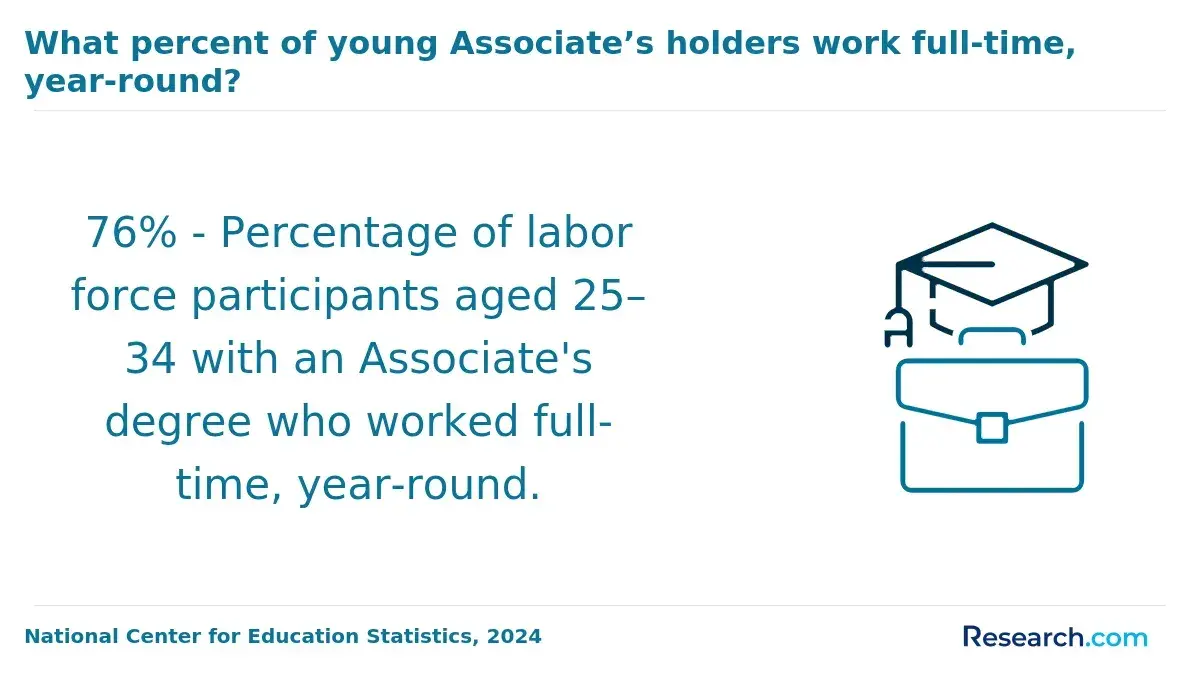
According to 2024 data from the National Center for Education Statistics, research-intensive universities account for over 65% of accredited industrial organizational psychology programs nationwide, emphasizing the correlation between institutional research activity and program diversity. Faculty specialization, research funding, and industry partnerships remain decisive in enabling a school's breadth of program offerings, reflecting the necessity of robust infrastructure to support diverse academic and practical learning pathways.
How Do Online Programs Improve Access in States With Limited Options?
Online industrial organizational psychology programs address critical geographic limitations by providing students in states with few or no in-person degree offerings a viable educational path. This mode of delivery bypasses the traditional dependency on physical campuses, which can be sparse or nonexistent in certain regions. According to the National Center for Education Statistics (NCES) 2024 data, fully online enrollment in graduate psychology programs grew by 18% over two years, signaling a tangible shift in student enrollment patterns toward digital formats. Such programs enable students to pursue advanced study without relocating, which is especially important in states where local universities lack accredited industrial organizational psychology degrees or offer limited curricular breadth.
The expansion of online industrial organizational psychology degree access hinges on several structural factors. Asynchronous course designs allow learners to engage with material around personal and professional obligations, reducing barriers linked to time zones or work schedules. These programs often operate across state lines, scaling institutional reach beyond traditional catchment areas and diminishing the reliance on regional university presence. This cross-jurisdictional capacity not only redistributes enrollment but also intensifies competition among institutions to attract students from a national pool, fostering program innovation and specialization unavailable to purely local campuses.
From a broader perspective, online delivery reshapes regional workforce development by equipping students in underserved states with credentials aligned to employer expectations without necessitating migration. This helps mitigate brain drain from rural or economically disadvantaged areas and supports local industries with qualified professionals trained through accessible channels. At the same time, it challenges state-based accreditation and financial support frameworks as institutions and students navigate multi-state engagement, creating a more fluid but complex higher education ecosystem.
One industrial organizational psychology graduate recalled the uncertainty during their application process, complicated by rolling admissions timelines and limited in-person advisement options. They described a period of hesitation while waiting for response notifications across several months, juggling exam preparation and part-time employment. The availability of an online program in their state ultimately relieved the pressure to decide quickly on relocating, allowing them to tailor application timing and enrollment with greater flexibility. This adaptability proved crucial in aligning academic advancement with personal and geographic constraints.
How Much Does Industrial Organizational Psychology Program Tuition Vary by State?
Tuition for industrial organizational psychology programs varies significantly across U.S. states, reflecting differences in public funding mechanisms, institutional types, and residency-based pricing policies. Public universities often differentiate tuition based on whether a student is an in-state resident, leveraging state subsidies to make education more affordable for locals. Private institutions, by contrast, usually apply a uniform tuition rate regardless of residency, resulting in less geographic variation but higher baseline costs. This complex interaction between state budget allocations, institutional funding models, and residency criteria underpins the variation in industrial organizational psychology program tuition by state.
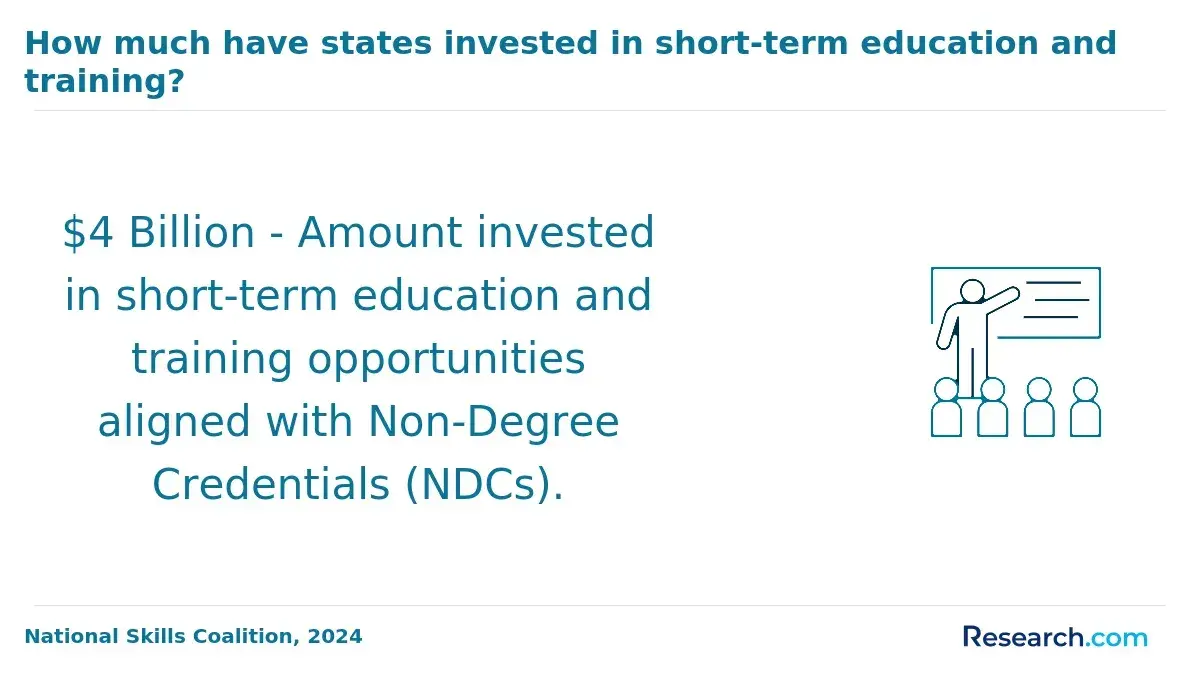
Annual tuition at public universities typically ranges from about $8,000 to $15,000 for in-state students, while out-of-state attendees can face costs two to three times higher, depending on the state's higher education policies and regional funding priorities. States with large, well-funded public university systems such as California and Texas usually offer more affordable in-state tuition. Private universities, which command a significant share of industrial organizational psychology programs, often charge between $25,000 and $50,000 annually regardless of residency. These figures are consistent with data from sources like the U.S. Department of Education College Scorecard and state university tuition reports and illustrate how differences in funding and cost structures drive tuition disparities across states.
These tuition differences have practical implications for accessibility and mobility. Prospective students must consider how state-level funding priorities and local cost of living influence tuition, as these factors impact not only affordability but also program availability and quality across regions. High tuition programs, especially in states with substantial research funding, may provide enhanced resources and stronger industry connections, whereas more affordable programs aligned with local industrial sectors might offer better value through practical training and networking. Balancing these considerations is crucial, and for those exploring options alongside other advanced degrees, resources such as the best DNP programs online provide insights into how tuition and program focus interact across disciplines.
How Does Industrial Organizational Psychology Program Demand Affect Admissions Decisions?
Rising demand for industrial organizational psychology programs significantly intensifies admissions selectivity, compelling institutions to revise enrollment criteria. As more applicants compete for limited slots, programs often adopt stricter standards focusing on candidates' research proficiency, quantitative aptitude, and relevant field experience. This heightened scrutiny reflects not only the volume of applicants but also growing employer expectations for graduates with concrete analytical and applied skills. Consequently, applicants face a more competitive landscape where mere credential possession is insufficient without demonstrable potential to contribute to evidence-based workplace solutions.
The interplay between applicant demand and program capacity fundamentally shapes admissions outcomes. Institutions must balance available faculty, accreditation mandates, classroom space, and resources against surges in applications. Programs in states or regions with multiple offerings may sustain broader admissions parameters due to greater capacity, while those in areas with few accredited options become markedly selective. Moreover, alignment with labor market needs-especially demand for data-driven decision-making and applied research expertise-drives programs to prioritize candidates poised to meet evolving workforce requirements, effectively filtering the applicant pool through both quantitative thresholds and qualitative projections.
This dynamic also encourages prospective students to refine their preparation strategies, emphasizing interdisciplinary skills like statistics and organizational experience to enhance candidacy. Over time, programs build reputations tied to selectivity and graduate readiness, influencing long-term accessibility depending on regional program diversity and enrollment management policies. Applicants must weigh the competitive pressures of high-demand programs against potentially less restrictive institutions that may vary in curricular focus and career alignment, making strategic choices critical to navigating shifting admissions landscapes.
One graduate recalled navigating admissions with notable uncertainty due to rolling deadlines compounded by rising demand. They delayed application submission initially, weighing options while upgrading research experience and coursework, but as waitlists grew longer and acceptance notifications slowed, anxiety increased. Ultimately, careful timing and targeted outreach helped secure admission, underscoring how fluctuating program demand and limited capacity can extend the admissions process and require both tactical patience and proactive engagement to succeed.
How Do Industrial Organizational Psychology Specialization Options Vary by Region?
Specialization options within industrial organizational psychology programs closely reflect regional economic priorities and the concentration of dominant industries. Areas such as the Northeast and West Coast exhibit a wider variety of specialized tracks emphasizing data analytics, technology-enhanced performance measurement, and employee well-being, aligning with regional hubs in finance, tech, and healthcare sectors. Conversely, Midwestern and Southern programs frequently maintain a traditional focus on leadership development, organizational behavior, and psychological assessment that correspond with manufacturing, corporate management, and industrial workforce demands in those regions.
The variation in specialization offerings stems from several critical factors, including local industry needs, funding priorities for university research, the extent of employer collaboration, and specific workforce skill demands. Universities situated in innovation-driven economies often incorporate interdisciplinary approaches and advanced data skills to meet employer expectations for evidence-based human resource practices. Meanwhile, regions with historically manufacturing-centered economies tend to prioritize practical assessment and applied psychology aligned with stable but less tech-intensive industries. According to a 2024 survey by the American Psychological Association, graduates from programs with analytics and technology specializations report a 15% higher employment rate in rapidly expanding sectors like healthcare and consulting, underscoring the labor market advantages of regionally relevant curricula.
These regional differences affect student decision-making on multiple levels, influencing not only curriculum breadth but also internship access, research opportunities, and ultimately career trajectories after graduation. Prospective students must consider how the alignment between program focus and local labor markets impacts employability, especially as specialized skills tied to regional economic dynamics can either expand or limit job prospects. Thus, selecting a program involves weighing the tradeoffs between institutional strengths, industry ties, and long-term adaptability within evolving workforce ecosystems across different parts of the country.
How Does Regional Employer Demand Affect Career Outcomes?
Regional employer demand substantially shapes job availability and early career prospects for graduates of industrial organizational psychology degree programs. Graduates entering markets with dense clusters of consulting firms, corporate HR departments, and workforce analytics specialists typically encounter stronger hiring activity and higher starting salaries. Metropolitan areas like New York and San Francisco often provide more immediate employment pathways and clearer professional development opportunities due to concentration of industry actors seeking workforce optimization expertise. Understanding the state-by-state industrial organizational psychology job market outcomes reveals significant disparities tied directly to these localized employer demands.
This relationship is driven by several factors including industry concentration in professional and business services sectors, university-employer linkages facilitating recruitment pipelines, and regional wage competition that elevates compensation in high-demand areas. Regions with specialized hiring ecosystems maintain a cycle of attracting talent, thereby reinforcing the demand for graduates with relevant skills. Data from the U.S. Bureau of Labor Statistics highlights employment growth rates above the national average in states with such economic clusters, reflecting the underlying labor market geography. Additionally, graduates may encounter pressure to expand their skills or consider relocation to benefit from these regional advantages, a crucial consideration in evaluating the regional employer demand for industrial organizational psychology careers.
Given these dynamics, geographic mobility often becomes a strategic decision influencing long-term career trajectories, especially as remote work options remain unevenly distributed across sectors. Graduates weighing program options or employment locales should account for how regional economic health and employer ecosystems directly impact not only job entry but sustained career stability. For those evaluating wage expectations, it is helpful to reference industry salary benchmarks such as the functional medicine NP salary data, which illustrate compensation variability tied to regional demand and industry focus.
What Factors Matter Most When Comparing Industrial Organizational Psychology Programs Across States?
Comparing industrial organizational psychology degree programs across states requires evaluating factors beyond mere program availability. State-level differences influence access to flexible formats, tuition costs, specialization breadth, and the alignment of academic resources with local labor markets. These disparities shape not only affordability but also the potential for hands-on experience and graduate employability. Understanding these nuances helps prospective students prioritize programs offering meaningful outcomes relative to their career goals and financial context.
- Accreditation and Academic Quality: Accredited programs maintain compliance with established academic and ethical standards, which directly affect licensure eligibility and employer recognition. Over 85% of high-paying roles in industrial organizational psychology require degrees from accredited institutions, according to the 2024 Council for Higher Education Accreditation report. Variations across states in institutional accreditation rates impact where graduates can reliably pursue credentialing and competitive employment.
- Program Format and Flexibility: The availability of on-campus, hybrid, and fully online industrial organizational psychology programs in different states influences accessibility for working professionals and nontraditional students. States with a broader range of delivery options have experienced a 12% higher enrollment in these degrees since 2022, demonstrating greater accommodation of diverse learner needs and scheduling constraints.
- Faculty Expertise and Research Infrastructure: States hosting research-intensive universities typically offer stronger practical training, research project involvement, and internship opportunities. These factors significantly improve employment outcomes post-graduation by enhancing skills that resonate with regional employers. Geographic concentration of academic expertise remains a key determinant of program quality and career preparedness.
- Labor Market Demand and Regional Opportunities: Local employer demand, particularly in states with robust corporate or government sectors, affects internship availability and hiring rates for graduates. Programs aligned with active labor markets provide clearer pathways to employment, emphasizing the importance of matching educational choices with state-specific workforce trends.
- Cost and Financial Aid Availability: Tuition and fees vary widely by state and institution, profoundly impacting total educational investment. Nearly half of prospective students in 2024 prioritize affordability, making it critical to consider states offering competitive pricing or substantial financial aid packages. For comparative cost insights, students might consult resources like online speech pathology degree tuition and fees, which often parallel pricing considerations in related fields.
Which Regions May See the Fastest Growth in Industrial Organizational Psychology Education?
Growth in industrial organizational psychology education tends to cluster in regions experiencing simultaneous increases in employer demand, population growth, and higher education investment. These factors often align with broader economic shifts that prioritize organizational development and workforce effectiveness. Future expansion in degree programs is therefore closely tied to regional industry growth, demographic changes, and university system capacity enhancement.
These regions' differing economic trajectories and institutional responsiveness significantly shape the accessibility and specialization of educational opportunities in industrial organizational psychology over the coming years.
References:
- 10 Most Affordable Top-Ranked Master's in I/O Psychology 2020 https://www.organizationalpsychologydegrees.com/best/affordable-masters-io-psych/
- 13 Popular I/O Psychology Jobs to Explore | The Chicago School https://www.thechicagoschool.edu/insight/business/industrial-organizational-psychology-careers/
- Industrial-Organizational Psychology Careers: A Complete Guide https://www.columbiasouthern.edu/blog/blog-articles/2021/december/industrial-organizational-psychology-careers/
- Navigating the Subfields of I/O Psychology: Specializations for Workplace Excellence • Psychology Town https://psychology.town/industrial-organisational/navigating-subfields-io-psychology-specializations-workplace/
- Masters in Psychology Program | Masters in Psychology Degree | University of Phoenix https://www.phoenix.edu/online-psychology-degrees/industrial-organizational-psychology-masters-degree.html
- Best I-O Psychology Master's Degrees Online 2025 https://www.psychology.org/rankings/industrial-organizational-psychology/
- Advantages of a Master's in Industrial & Organizational Psychology https://www.tuw.edu/business/advantages-of-a-masters-degree-in-industrial-organizational-psychology/
Other Things You Should Know About Industrial Organizational Psychology
Higher program quantity does not always translate to manageable or well-structured course loads. Some states feature more programs with intense, research-heavy curricula demanding extended commitment, which may affect work-life balance. Evaluating programs based on workload expectations relative to personal capacity and timelines is critical, especially for part-time or working students seeking a sustainable pace.
States that offer many industrial organizational psychology degree programs vary widely in faculty profiles and industry partnerships, which directly affect networking and applied learning. Programs in states with extensive corporate hubs tend to integrate real-world projects and internships more effectively, providing graduates with competitive advantages. Prospective students should prioritize these environments for stronger employer recognition and smoother career transitions.
Quantity alone does not guarantee quality or alignment with career goals. While states with more programs offer flexibility, this can dilute overall program quality and complicate decision-making. Students aiming for long-term success should focus on programs with proven outcomes, faculty expertise, and curricular relevance, even if available options are fewer. Prioritizing these factors often yields better employment prospects and professional growth.