2027 Industrial Organizational Psychology Degree Enrollment Trends by Age Group: Traditional Students vs Adult Learners

Co-Founder and Chief Data Scientist
Industrial organizational psychology programs reveal distinct enrollment patterns shaped by the field's integration of clinical competencies and workplace application. Traditional students face rigorous practicum and portfolio requirements early in their studies, aligning with employer demand for candidates prepared for entry-level talent management roles. Meanwhile, adult learners often balance career transitions with the necessity of credential inflation in organizational consulting; this dynamic reflects in their steady growth despite economic disruptions.
Notably, the Bureau of Labor Statistics projects a 14% employment growth for industrial organizational psychologists through 2030, driving increased participation from professionals seeking advanced credentials. These age-based trends suggest evolving educational accessibility and employer expectations within the profession's future landscape.
Key Things to Know About Industrial Organizational Psychology Degree Enrollment Trends by Age Group
- Enrollment skews younger, with 60% of industrial organizational psychology students aged 22-29, reflecting accelerated degree completion trends but potentially limiting workforce diversity in mid-career hires.
- Employers increasingly value practical experience alongside academic credentials, prompting late-career enrollees to balance work commitments with program demands, which can affect completion rates and skills application.
- Older students face higher opportunity costs due to longer program durations and reduced employer tuition support, influencing timing decisions and access to advanced industrial organizational psychology credentials.
- Key Things to Know About Industrial Organizational Psychology Degree Enrollment Trends by Age Group Key Things to Know About Industrial Organizational Psychology Degree Enrollment Trends by Age Group
- Which Age Groups Represent the Largest Share of Industrial Organizational Psychology Students? Students by Age Group
- Why Do Traditional Students Choose Industrial Organizational Psychology Degree Programs? Traditional Students
- Why Do Adult Learners Return to School for a Industrial Organizational Psychology Degree? Adult Learners
- How Do Academic Goals Vary Between Younger and Older Industrial Organizational Psychology Students? Academic Goals by Age Group
- How Do Financial Concerns Differ Between Traditional Students and Adult Learners? Financial Concerns by Age Group
- What Challenges Do Adult Learners and Traditional Students Face While Earning a Industrial Organizational Psychology Degree? Student Challenges by Age Group
- How Does Age Affect Industrial Organizational Psychology Degree Student Retention? Age and Student Retention
- Which Industrial Organizational Psychology Specializations Are Most Popular Among Adult Learners? Top Specializations for Adult Learners
- How Does Age Affect Job Opportunities for Industrial Organizational Psychology Graduates? Impact of Age in Job Opportunities
- What Do Current Industrial Organizational Psychology Enrollment Trends Reveal About Future Demand? What Do Current Industrial Organizational Psychology Enrollment Trends Reveal About Future Demand?
Which Age Groups Represent the Largest Share of Industrial Organizational Psychology Students?
Industrial Organizational Psychology programs enroll students from various life stages, yet the majority of participants fall within particular age ranges shaped by career timing, financial readiness, and access to education. Rather than reflecting simple preference, the age distribution reveals how workforce entry patterns and education pathways intersect with labor market demands. These enrollment tendencies also highlight structural forces like program flexibility and employer expectations influencing who pursues degrees and when.
- Ages 18-24: This traditional college-age bracket captures the largest share of students, typically enrolling in graduate Industrial Organizational Psychology programs soon after completing undergraduate studies. Their education decisions often align with full-time enrollment supported by scholarships or assistantships. The relative availability of dedicated study time and clear goals toward early-stage HR or organizational development roles drive this group's concentration.
- Ages 25-40: Adult learners in this segment comprise a substantial portion of enrollment, motivated chiefly by work experience and pragmatic considerations like upskilling or changing career paths. Their pursuit of Industrial Organizational Psychology degrees reflects employer recognition of applied psychology skills in leadership and workforce management. Balancing ongoing employment with education often leads to part-time or flexible study choices here.
- Ages 40 and above: Although smaller, this group's enrollment is steadily increasing, relying heavily on online or hybrid program formats to juggle career, family, and educational commitments. Their participation underscores the growing relevance of lifelong learning and adapting to evolving workplace dynamics such as diversity initiatives and technological adoption.
These patterns are not isolated but mirror broader higher education trends indicating adult learners prioritize minimizing opportunity costs while maximizing immediate workplace applicability. For prospective students evaluating Industrial Organizational Psychology enrollment by age group, weighing educational timing against professional responsibilities and goals is critical. Programs offering flexible formats tend to attract diverse age demographics but the dominance of younger adults remains tied to their capacity for intensive study and clearer career trajectories.
Employers commonly expect candidates to blend foundational knowledge with relevant experience in industrial organizational psychology, influencing who enrolls when. Those seeking alternatives to traditional full-time study formats may explore other fields with accessible options similarly, such as nursing online programs, where working professionals balance education and job demands.
Why Do Traditional Students Choose Industrial Organizational Psychology Degree Programs?
Traditional students choosing Industrial Organizational Psychology degree programs are often driven by an alignment of academic curiosity and strategic early career planning. Their interest usually stems from a blend of psychological principles applied to workplace dynamics and the perceived value of the degree in signaling analytical and interpersonal skills to employers. Many see these programs as offering an intersection between business mindset and human behavior analysis, providing clarity in career pathways such as talent management or organizational development. According to a 2024 report by the Bureau of Labor Statistics, the projected 8% growth in psychology-adjacent occupations reinforces this field as a pragmatic choice for students seeking stable entry points into the labor market.
More nuanced factors shaping enrollment include the role of university recruitment strategies and guidance counselor recommendations, which often emphasize Industrial Organizational Psychology as a versatile and data-oriented discipline appealing to traditional-age students. Exposure to relevant coursework in high school or introductory college classes can demystify the major while highlighting its interdisciplinary potential. Additionally, many students factor in expectations of job market stability and alignment with early experiential learning opportunities such as internships, influencing their decision to pursue industrial organizational psychology degree programs for traditional students. Within this context, it is crucial to weigh program accessibility and curricular design frameworks alongside labor market demand, avoiding decisions based solely on surface-level attractiveness. Meanwhile, the growing attention given to credentials in related fields-such as CCS medical coding-illustrates how certification trends can indirectly impact perceptions of adjacent disciplines including psychology-based career paths.
Why Do Adult Learners Return to School for a Industrial Organizational Psychology Degree?
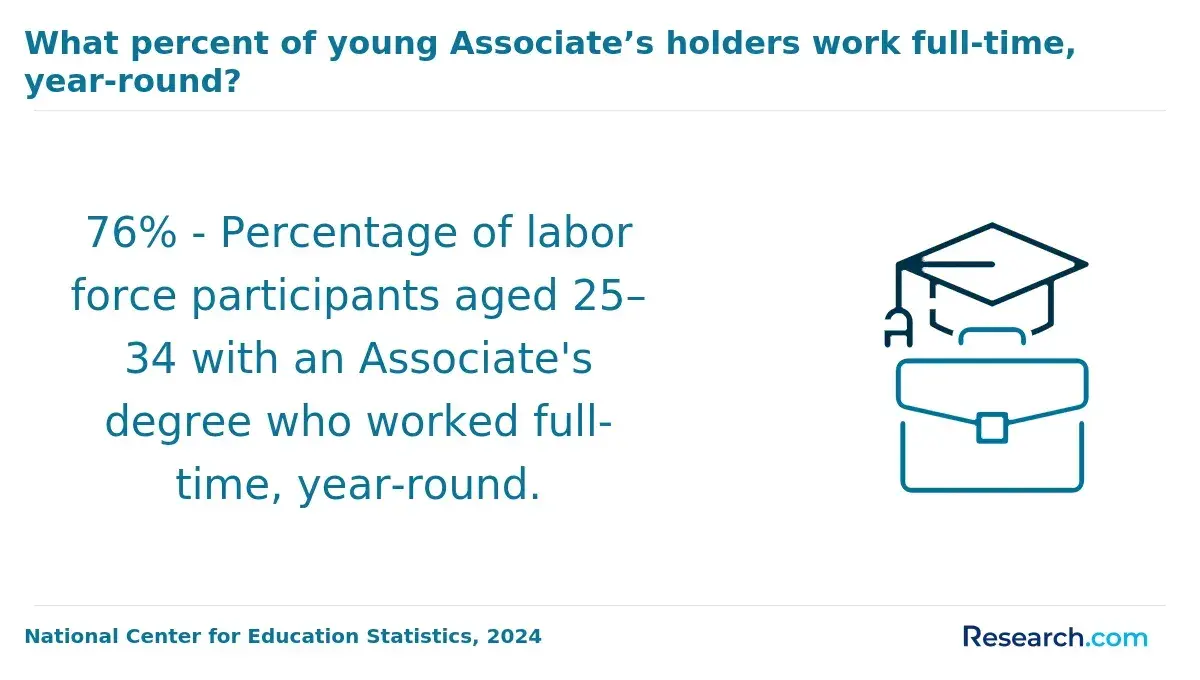
Adult learners pursuing an Industrial Organizational Psychology degree often aim to improve their professional standing by acquiring specialized expertise that supports transitions into leadership, consulting, or HR roles within evolving industries. Many are motivated by the need to secure higher wages or reposition themselves amid labor market shifts driven by automation and changing organizational priorities. A 2024 report from the National Center for Education Statistics highlights that nearly half of graduate students over 30 seek such programs explicitly to enhance job prospects and qualify for advancement, underscoring the strategic investment in credentials that align with employer demands for applied psychological insight into workplace dynamics.
Additional factors influencing adult enrollment include expanded access to flexible learning options such as online or hybrid courses that accommodate work and family commitments. Employer tuition assistance programs increasingly support this demographic, signaling workforce recognition of continuous skill development as a retention and productivity strategy. The rising complexity of organizational challenges-spanning behavioral analytics to diversity initiatives-also compels adults to update technical and conceptual skills, ensuring relevance in sectors like healthcare, technology, and manufacturing that prioritize evidence-based workforce optimization.
The growing presence of adult learners is reshaping program structures and delivery methods, encouraging institutions to integrate experiential learning and applied projects catering to professionals balancing multifaceted roles. This demographic shift diversifies classroom interactions, enriching peer learning by blending foundational theory with seasoned workplace experience. Collectively, these trends reinforce lifelong learning models within Industrial Organizational Psychology education, reflecting robust responses to credential inflation and labor market transitions that extend beyond traditional postsecondary enrollment paradigms.
How Do Academic Goals Vary Between Younger and Older Industrial Organizational Psychology Students?
Traditional college-age students studying industrial organizational psychology generally engage with the discipline through a lens of academic exploration and foundational skill-building. Their objectives often center on mastering core psychological theories, quantitative methods, and research skills that establish credentials useful for entry-level positions or graduate programs. This cohort typically lacks extensive workplace experience and prioritizes networking and broad knowledge acquisition as a stepping stone to roles in human resources or organizational development. National Center for Education Statistics data from 2024 highlights that these younger students frequently seek academic credentials as early career investments rather than immediate workplace application.
Conversely, adult learners approaching industrial organizational psychology tend to enroll with sharply defined goals tied to existing career demands, often balancing education alongside employment and familial commitments. Approximately 62% of these adult students aim to enhance specific competencies linked to leadership, applied practices, or professional transitions rather than initiating their career paths. Their study is pragmatic, focusing on integrating new credentials directly with workplace challenges and long-term advancement strategies. Such learners are more inclined toward part-time, online, or accelerated program formats that accommodate ongoing employment and reflect a different educational lifecycle phase emphasizing immediate skill transfer and credential completion.
One adult learner recalled applying to an industrial organizational psychology program during a busy professional period and feeling uncertain about the timeline since the school utilized rolling admissions. Initially hesitant, they waited weeks before submitting their application, weighing the risk of application deadlines against job responsibilities. When the acceptance finally arrived, it came just before the start of classes, prompting a rapid adjustment in work and family schedules to accommodate the new academic commitment. This experience underscored how adult learners often navigate unpredictable admissions timing while making strategic, sometimes last-minute decisions that younger students rarely face.
How Do Financial Concerns Differ Between Traditional Students and Adult Learners?
Traditional students in industrial organizational psychology programs often rely heavily on a mix of family support, financial aid, and student loans to finance their education. Their financial concerns typically revolve around managing tuition costs with limited personal income, as many are entering higher education with few or no employment earnings. This dependency translates into a heightened sensitivity to accruing long-term debt since these students generally do not have significant assets or steady cash flow during their studies. According to the National Center for Education Statistics 2024 data, roughly 85% of traditional students receive some form of financial assistance, highlighting how tuition financing strategies for industrial organizational psychology students often focus on scholarships and aid as essential buffers against upfront costs.
Adult learners face a markedly different financial landscape shaped by competing obligations such as mortgages, childcare, and ongoing employment, which influence their education funding decisions. Many adult students must weigh the opportunity cost of reduced work hours or foregone income against the expected career benefits of returning to school, sometimes relying on employer tuition assistance or federal loans to bridge the gap. The 2024 Pew Research Center analysis shows nearly 70% of adult learners juggle existing financial burdens, emphasizing the critical role of flexible payment options and program delivery formats. These dynamics complicate financial planning, requiring adult learners to balance immediate family and workforce responsibilities with the long-term return on investment of an industrial organizational psychology degree.
The divergence in financial behavior and constraints between these two groups shapes enrollment patterns and program selection, often steering traditional students toward on-campus experiences that emphasize broad academic exposure, while adult learners prioritize programs offering flexibility and direct career applicability, including many online pharmacy school programs which provide adaptable scheduling. Employers' growing demand for candidates with both theoretical knowledge and workplace experience further influences these decisions, underscoring the need for tailored financial strategies that reflect each learner's unique lifecycle considerations and practical realities in industrial organizational psychology education.
What Challenges Do Adult Learners and Traditional Students Face While Earning a Industrial Organizational Psychology Degree?
Traditional students pursuing industrial organizational psychology degrees often confront challenges rooted in their transitional life phase, including acclimating to rigid academic structures and mastering foundational concepts within compressed timeframes. This cohort, generally aged 18 to 24, must juggle coursework with emerging social and extracurricular commitments, frequently underdeveloped time-management skills, and external pressures to establish career pathways. Data from the National Center for Education Statistics in 2024 indicates that around 40% of these students report significant stress related to balancing academic demands and personal adjustment, underscoring how developmental readiness shapes their educational experience and progression risks.
Adult learners face a substantially different set of obstacles linked to their simultaneous obligations outside the classroom. Many balance full-time employment and family care alongside academic pursuits, creating persistent scheduling conflicts and heightened financial pressures. The 2024 Council for Adult and Experiential Learning findings reveal that nearly two-thirds of adult students struggle to harmonize competing responsibilities, which often results in increased dropout rates compared to younger peers. Their prior work experience may enhance practical understanding but demands reconciling ingrained professional habits with evolving psychological theory and research methodologies, complicating academic integration and time allocation.
These contrasting realities necessitate tailored institutional responses, prompting higher education programs to expand flexible delivery options and targeted advising to mitigate attrition risks. Recognizing that traditional students may benefit from structured mentoring and skill-building support, while adult learners require flexible scheduling and credit recognition for professional experience, programs are adapting to align educational accessibility with distinct life-cycle demands. This differential approach improves retention by addressing workflow and workload management nuances inherent to diverse student profiles in industrial organizational psychology fields.
How Does Age Affect Industrial Organizational Psychology Degree Student Retention?
Younger students in industrial organizational psychology programs often encounter retention challenges tied to adapting to academic demands and maintaining motivation during their initial college years. Many face difficulty bridging the gap between high school and college-level rigor, which, combined with evolving social dynamics and identity exploration, can distract from sustained engagement. Although traditional students benefit from access to campus-based resources and full-time enrollment, these supports do not always translate into consistent persistence. According to the National Center for Education Statistics (2024), first-year retention rates for students aged 18 to 24 hover around 72%, underscoring that despite institutional backing, early attrition remains prominent in this group.
In contrast, adult learners in industrial organizational psychology programs exhibit different retention patterns shaped by clearer career objectives and practical motivations, often balancing education with ongoing employment and family responsibilities. While this demographic typically shows a modestly lower initial retention rate of about 65%, their perseverance over time tends to be stronger, fueled by focused goals and experience that align academic content with real-world applicability. However, this persistence comes with trade-offs, including the challenges of managing time effectively among competing obligations and navigating program demands outside traditional academic schedules. These factors necessitate tailored institutional approaches that accommodate flexible pacing and support services responsive to adult learners' situational complexities.
One graduate recalled hesitating to apply early during the rolling admissions process for an industrial organizational psychology master's program, uncertain if juggling part-time work and family duties alongside coursework was feasible. After consulting peers and advisors, they chose to delay application submission by several months to finalize their work schedule and secure childcare. This careful timing reduced stress during enrollment and allowed for a more manageable transition, illustrating how strategic decisions about when to enter the program can significantly influence retention outcomes, especially for non-traditional students balancing multiple life demands.
Which Industrial Organizational Psychology Specializations Are Most Popular Among Adult Learners?
Adult learners pursuing an industrial organizational psychology degree commonly select specializations that provide immediate practical benefits aligned with their established career trajectories or desired industry shifts. These professionals often seek fields that enhance leadership capabilities, support data-driven decision-making, and address pressing workforce challenges. Their choices reflect priorities such as career mobility, salary advancement, and the need to update or expand skill sets relevant to evolving organizational demands.
- Human Resource Management and Organizational Development: Representing about 62% of adult learner enrollment according to the National Center for Education Statistics, this specialization is favored for its direct applicability to managing personnel dynamics and facilitating organizational change. Adult students in leadership or transitioning roles prioritize these skills to improve team performance and resilience.
- Talent Acquisition, Training, and Employee Retention: These areas attract adult learners focused on pragmatic outcomes, helping employers reduce turnover and elevate workforce capabilities. The focus on evidence-based strategies for recruitment and engagement aligns with real-world employer expectations, making it a practical choice for upskilling professionals.
- Performance Measurement and Assessment: Valued for its quantitative rigor, this specialization appeals to adults aiming to refine evaluation processes, compensation strategies, and productivity. Its blend of analytic skill and organizational impact supports those seeking measurable results and enhanced decision-making authority within their roles.
- Workplace Diversity and Inclusion: While still less enrolled than traditional tracks, this emerging field attracts adult learners motivated by growing organizational emphasis on equity. It offers a pathway for professionals interested in driving cultural transformation and fostering inclusive environments.
In contrast, traditional college-age students typically gravitate toward clinical or counseling psychology overlaps, showing less inclination toward business-centric applications. This divergence underscores how adult learners' specialization choices closely reflect their work history and goals for career reinvention or advancement within contemporary organizational settings.
For working adults balancing multiple responsibilities, selecting a specialization that translates directly to improved employability or industry transition is critical. Exploring fields like those identified here is often integral to navigating labor market demands and ensuring relevant upskilling. Prospective students may find multidisciplinary programs or targeted certifications helpful, similar to trends seen in online exercise science programs, where program flexibility and alignment with career goals strongly influence enrollment decisions.
How Does Age Affect Job Opportunities for Industrial Organizational Psychology Graduates?
Younger industrial organizational psychology graduates, typically aged 18-24, commonly gain initial job opportunities through structured entry-level roles and internship pathways that align with employer expectations for recent academic training and adaptability. This cohort benefits from labor market preferences emphasizing technological proficiency and fresh theoretical knowledge, which facilitate access to early-career positions. Data from the 2024 U.S. Bureau of Labor Statistics indicates that about 62% of entry-level positions in industrial organizational psychology are filled by candidates under 30, underscoring younger graduates' dominant presence in initial hiring stages. For traditional students, building experience through internships remains critical to overcoming the early experience gap often encountered by recent graduates and shaping their first professional roles within the field of industrial organizational psychology graduate job market by age.
Conversely, adult learners enrolled in industrial organizational psychology programs frequently approach the job market with accumulated work experience and practical skills that enhance mid-level employment prospects. Their prior career networks and contextual business knowledge often compensate for potential employer concerns regarding long-term adaptability or flexibility, though implicit biases regarding age can persist. Employers emphasize ongoing professional development, so adult learners who engage in relevant training can mitigate these perceptions effectively. Navigating these complexities constitutes a significant aspect of career advancement opportunities for adult learners in industrial organizational psychology, particularly when they strategically leverage their experiential advantages alongside emerging credentials such as programs highlighted in best online environmental health and safety programs.
What Do Current Industrial Organizational Psychology Enrollment Trends Reveal About Future Demand?
Shifts in enrollment within industrial organizational psychology programs reveal nuanced changes in student interest and perceived career utility. Adult learners now represent a growing segment, with enrollment rising by approximately 15% over recent years, indicating a demand for flexible, career-oriented education rather than traditional academic pathways. This demographic prioritizes specialized skill development in areas such as talent management and workforce analytics, reflecting a market perception that practical expertise enhances employability more than generalized credentials. In contrast, the modest growth among traditional students suggests a slower transition from academic study to workforce readiness, often requiring further experience or certification to meet employer expectations.
These enrollment patterns correlate strongly with broader labor market signals, including increased employer emphasis on continuous learning and adaptability amid workforce demographic shifts. The expansion of hybrid and online learning options supports adult learners balancing work and family, further aligning program accessibility with real-world constraints. Such changes anticipate sustained demand for professionals adept at navigating complex organizational challenges driven by technological change and data analytics. Consequently, educational institutions may expand program offerings and specializations, signaling industrial organizational psychology's evolving relevance as a responsive conduit between higher education and labor market needs.
References
- Adult students present unique challenges for two-year colleges https://www.ruffalonl.com/adult-students-present-unique-challenges-two-year-colleges/
- Adult Postsecondary Learners: Reviewing the Data and Evidence https://www.jff.org/idea/adult-learners/
- 3 Keys to Becoming an Industrial/Organizational Psychologist https://www.elmhurst.edu/blog/organizational-psychologist/
- Industrial/Organizational (I/O) Psychology https://nobaproject.com/modules/industrial-organizational-i-o-psychology
- Going Back To School For Psychology | Psychology.org https://www.psychology.org/resources/returning-to-school/
- Traditional Vs. Non-Traditional Students in Higher Education https://moderncampus.com/blog/traditional-vs-non-traditional-students-in-higher-education.html
- How Higher Education Institutions Can Address the Needs of Adult Learners https://www.higheredtoday.org/2022/04/18/how-higher-education-institutions-can-address-the-needs-of-adult-learners/
- Putting an Organizational Psychology Degree to Use | TUW https://www.tuw.edu/school-news/organizational-psychology-degree-careers/
- Building a Career in Industrial-Organizational Psychology https://www.mywestford.com/blog/why-choose-a-career-in-industrial-organizational-psychology/
- A New IO Faculty Retention Problem - Paul Spector https://paulspector.com/a-new-io-faculty-retention-problem/
Other Things You Should Know About Industrial Organizational Psychology
Adult learners often prioritize programs with flexible schedules, such as part-time, evening, or online formats, due to work and family commitments. Traditional students, who typically have fewer outside obligations, can more easily engage in full-time, campus-based programs. For adult learners, programs lacking flexibility can significantly increase dropout risk, making it critical to choose degrees that accommodate varied life demands without compromising curriculum rigor.
Traditional students may benefit from immersive internships or research projects that deepen practical skills but demand substantial time and energy, potentially limiting outside work. Adult learners often juggle coursework with professional responsibilities, so programs emphasizing applied projects integrated with current job roles can reduce overload. Selecting a program that aligns practical experience with workload management is essential, as excessive academic burden may disproportionately impact adult learners' progress.
In 2027, the enrollment trends for Industrial Organizational Psychology degrees show an increase in adult learners over traditional students. Adult learners are drawn by flexible program formats suitable for balancing work and studies. However, traditional students still dominate full-time, in-person programs.
While programs tailored for adult learners often offer greater accessibility through flexible formats and reduced residency demands, these can sometimes limit access to networking, mentorship, and in-person experiential learning valued by employers. Traditional students may find more career-launching opportunities in programs with embedded campus resources. Prospective students should balance immediate accessibility needs with potential long-term advantages of program reputation and immersive learning environments when selecting a degree pathway.