2027 Online vs Campus Industrial Organizational Psychology Outcomes Report: Graduation Rates, Cost, and Career Trade-Offs

Co-Founder and Chief Data Scientist
Balancing the decision between online and campus industrial organizational psychology programs proves challenging for transfer students aiming to maximize previously earned credits. A 2024 study found that only 58% of institutions accept more than 75% of transfer credits toward degree completion in this field, revealing hidden delays that extend time-to-graduation and inflate costs.
This trend highlights a growing institutional tension between accelerated degree pathways and rigid credit policies, which disproportionately impact working professionals seeking efficient credentialing. Understanding how these delivery methods differ in graduation rates, cumulative expenses, and career implications is critical for making an informed program choice.
Key Things to Know About Online vs Campus Industrial Organizational Psychology Outcomes
- Campus-based industrial organizational psychology programs show a 12% higher graduation rate than online, reflecting stronger institutional support and cohort cohesion, which impacts timely credential completion and career progression speed.
- Online formats reduce overall costs by up to 30%, yet this saving often trades off with less direct access to faculty mentorship, affecting networking depth important for employer perceptions in competitive roles.
- Employers increasingly value internships and practicum experience; campus students report 18% more engagement with onsite placements, indicating better readiness for workforce integration compared to predominantly virtual practicum in online paths.
- Key Things to Know About Online vs Campus Industrial Organizational Psychology Outcomes Key Things to Know About Online vs Campus Industrial Organizational Psychology Outcomes
- What Are the Biggest Differences Between Online and Campus Industrial Organizational Psychology Program Outcomes? Online vs Campus Outcomes
- How Do Graduation Rates Compare Between Online and Campus Industrial Organizational Psychology Programs? Comparing Graduation Rates
- Why Do Online and Campus Industrial Organizational Psychology Students Have Different Completion Rates? Why Completion Rates Differ
- How Do Online and Campus Industrial Organizational Psychology Programs Compare on Total Cost? Total Cost Comparison
- What Hidden Costs Should Students Expect in Online vs Campus Industrial Organizational Psychology Programs? Hidden Program Costs
- How Does Financial Aid Affect the Cost of Online and Campus Industrial Organizational Psychology Programs? Financial Aid Impact
- Do Online and Campus Industrial Organizational Psychology Graduates Have Different Career Outcomes? Comparing Career Outcomes
- How Do Employers View Online vs Campus Industrial Organizational Psychology Degrees? How Do Employers View Online vs Campus Industrial Organizational Psychology Degrees?
- Which Industrial Organizational Psychology Degree Format Offers Better Flexibility for Working Adults? Which Industrial Organizational Psychology Degree Format Offers Better Flexibility for Working Adults?
- How Should Students Choose Between an Online and Campus Industrial Organizational Psychology Program? Choosing Your Program Format
What Are the Biggest Differences Between Online and Campus Industrial Organizational Psychology Program Outcomes?
Graduation rate comparisons online vs campus industrial organizational psychology programs reveal significant disparities that affect student persistence and completion timelines. Campus-based students typically enjoy graduation rates between 65-75%, bolstered by structured cohort experiences and direct access to faculty and on-site mentorship, which facilitate sustained academic engagement.
In contrast, online students-often balancing part-time enrollment and external work demands-see lower rates of 45-55%, reflecting challenges in maintaining momentum without immediate peer networks or campus-based advising. This dynamic means that decisions favoring online pathways for flexibility can inadvertently extend program duration and increase overall debt exposure, especially when factoring in fees for required proctored exams or extended course access.
Cost and career trade-offs in industrial organizational psychology online versus campus formats extend beyond sticker tuition to total attendance expenditures and employer-readiness factors. Campus programs often bundle resources such as internship placement support and practical fieldwork integration, facilitating smoother licensure preparation and employer signaling through hands-on training that many recruiters prioritize.
Conversely, online students must frequently secure practicum opportunities independently, which can delay professional milestones and complicate career mobility. Weighing these trade-offs, prospective students may consider pathways highlighted by specialized resources, such as RN to BSN programs without clinicals, as examples of how alternative program structures seek to balance accessibility with rigorous preparation in professional healthcare and related fields.
How Do Graduation Rates Compare Between Online and Campus Industrial Organizational Psychology Programs?
Graduation rates between online and campus industrial organizational psychology programs reflect more than delivery mode-they hinge heavily on student circumstances and program structure. Campus-based programs typically show about a 65% six-year graduation rate, while fully online equivalents hover near 50%, according to 2024 National Center for Education Statistics data.
This gap often results from campus environments offering structured schedules, cohort-based progressions, and easier faculty access, which enhance persistence. In contrast, online students frequently balance employment, family, or part-time studies, and flexible start dates can weaken peer cohesion, all contributing to extended time-to-degree or stop-outs rather than pure attrition.
Interpreting graduation rates without factoring in institutional selectivity, advising resources, student demographics, and transfer patterns risks misleading comparisons. Many online programs serve nontraditional learners with broader academic backgrounds and life demands that naturally affect completion timelines. Practicum or research requirements in industrial organizational psychology further complicate timely progression, especially when remote students must coordinate placements in local settings.
These nuances underscore that raw graduation metrics alone do not capture real program efficacy or individual success prospects, making it essential for prospective students to weigh how much structure, support, and pacing align with their personal and professional commitments. One graduate recounted hesitation over choosing an online program due to concern about maintaining momentum without cohort accountability and face-to-face advising.
Balancing a full-time job and family, this student found the online model's flexibility indispensable but initially underestimated the self-discipline required. After careful research, they chose a hybrid program offering periodic synchronous sessions and a stable peer group, which ultimately fostered motivation and timely completion despite part-time status and transfer credits. This experience highlights how understanding nuanced factors behind graduation rates can inform a more tailored, realistic choice between online and campus industrial organizational psychology pathways.
Why Do Online and Campus Industrial Organizational Psychology Students Have Different Completion Rates?
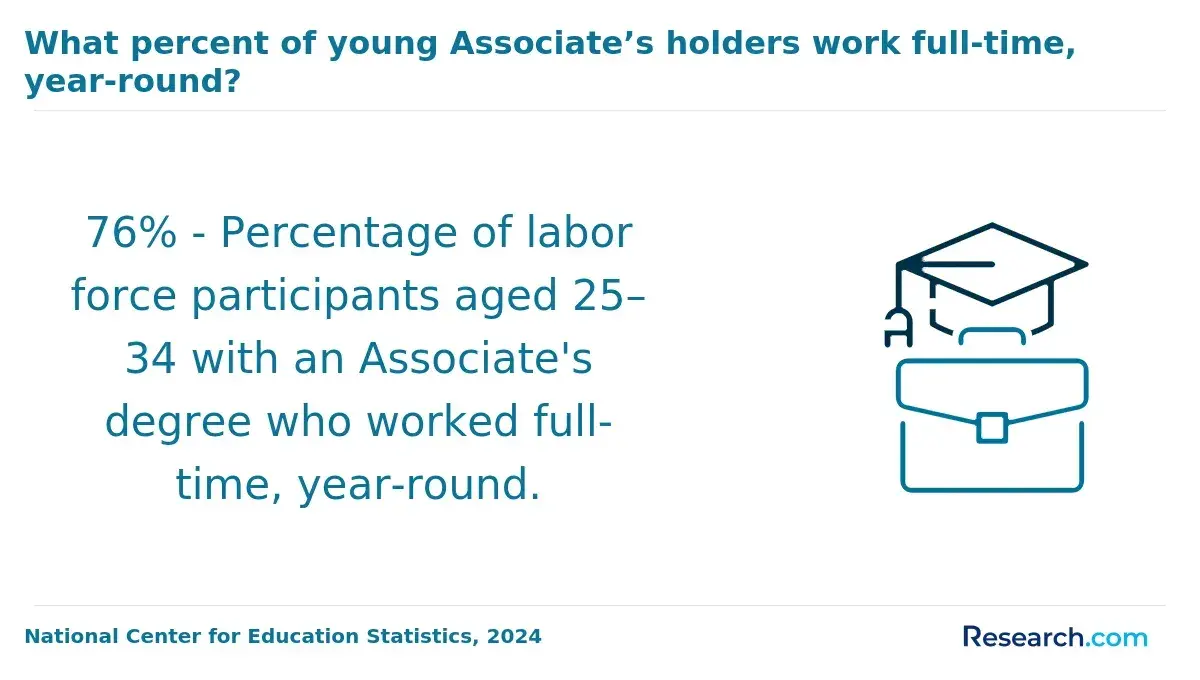
Differences in completion rates between online and campus industrial organizational psychology programs often stem from varying student demographics and institutional structures rather than academic rigor alone. For example, online students commonly juggle full-time employment and family obligations, leading to higher part-time enrollment-about 60% compared to 25% in campus settings-and increased stop-out risks that slow or prevent graduation.
Meanwhile, campus students typically benefit from consistent cohort experiences and face-to-face advising, which foster peer accountability and smoother course sequencing essential in psychology fields requiring practicums or internships. Graduation rates reflect these dynamics: government data from the National Center for Education Statistics (2024) shows campus completion rates near 55% within six years, while fully online counterparts hover between 35% and 45%.
This gap often mirrors the support models and transfer-credit integration in place, since online learners frequently accumulate credits from multiple institutions, complicating evaluation and progress tracking. Financial pressures also disproportionately affect remote students, as lower tuition may be offset by longer enrollment periods and added fees, factors linked to higher attrition in empirical studies.
Prospective students should interpret graduation statistics by weighing their own schedule stability, need for direct advising, and likelihood of continuous engagement in program activities. While flexibility in online programs addresses certain adult learner realities, the absence of embedded cohort structures and live interaction can reduce persistence. Aligning program format with personal circumstances and professional goals is critical, especially given varied employer expectations and the importance of completing requirements like clinical placements that influence employability in industrial organizational psychology careers.
How Do Online and Campus Industrial Organizational Psychology Programs Compare on Total Cost?
Total costs for online versus campus industrial organizational psychology programs vary considerably when factoring in tuition, fees, and ancillary expenses. Public campus master's programs commonly charge between $12,000 and $25,000 annually in tuition, yet students must also budget roughly $11,000 per year for housing, meals, commuting, and other campus-related costs as reported by the National Center for Education Statistics.
Online tuition ranges more widely from about $10,000 to $22,000 but often includes mandatory technology fees between $500 and $1,200, which can offset some cost advantages. For example, a working professional balancing job responsibilities might prefer an online program despite slightly higher fees because avoiding relocation and commuting expenses supports full-time employment and steady income.
Financial aid eligibility and state residency rules create additional complexity in total cost comparisons. Some state grants and institutional scholarships favor in-person attendance, potentially reducing net cost for campus students, while employer tuition assistance programs are increasingly designed to support flexible online learning pathways. However, online learners may incur added costs for in-person practicum travel or specialized materials.
As a result, the total cost of attendance for industrial organizational psychology online and campus formats depends heavily on individual circumstances such as work continuity, program length, and aid access. Prospective students should also consider a program's pacing to manage debt and graduation timelines effectively when weighing financial trade-offs between modalities. For those exploring degree options, resources like the cheapest online nutrition degree listings may provide comparative insights on cost structuring across fields.
What Hidden Costs Should Students Expect in Online vs Campus Industrial Organizational Psychology Programs?
Cost comparisons between online and campus industrial organizational psychology programs must factor in a range of less obvious expenses that significantly affect total financial commitment and time to completion. Campus-based students frequently encounter substantial additional costs beyond tuition, such as commuting, housing, parking permits, and campus-specific fees, which can add thousands annually-data from the National Center for Education Statistics indicates off-campus living and food expenses can exceed $12,000 each year.
Online program enrollees may avoid these location-driven costs but face their own substantial charges, including mandatory technology fees for platform access and exam proctoring, plus the need for reliable hardware and often costly specialized software intrinsic to the field's quantitative coursework. These hidden expenses critically shape budgeting strategies and may influence program format choice, especially when combined with the increased likelihood that online students take longer to graduate-a 20% higher risk according to the U.S. Department of Education-thus potentially escalating indirect costs like extended tuition payments or lost income.
Such financial complexities also intersect with scheduling, childcare, and work commitments, particularly for adult learners balancing competing responsibilities. Additionally, financial aid offerings often vary by enrollment format, with some grants or scholarships only available to on-campus learners, altering net cost and affordability. Prospective students must weigh these trade-offs carefully, considering not only sticker price but the broader economic and temporal realities of their chosen learning environment and its alignment with career timelines and employer expectations within the industrial organizational psychology workforce.
An industrial organizational psychology graduate recalled initially assuming the online program's advertised lower tuition would reduce overall expenses, but quickly encountered surprise charges such as mandatory semester technology and proctoring fees plus the cost of advanced statistical software not included in tuition. Furthermore, balancing coursework with a full-time job meant extended completion time, intensifying financial strain.
Simultaneously, campus program costs rang alarm bells over commuting and parking fees, with added concerns about childcare during in-person sessions. Ultimately, the student described a cautious recalibration of expectations, realizing that neither format guaranteed clear cost savings without a nuanced evaluation of hidden fees alongside personal work-life demands.
How Does Financial Aid Affect the Cost of Online and Campus Industrial Organizational Psychology Programs?
Differences in financial aid availability critically shape the true cost comparison between online and campus industrial organizational psychology programs, with implications beyond sticker price. Campus students often access graduate assistantships, research stipends, and institutional scholarships unavailable to many online students, affecting the net price significantly.
For example, a full-time campus student may reduce debt through assistantships tied to on-site presence, while an online student balancing work may rely more on employer tuition benefits and federal loans, altering borrowing patterns and indebtedness. This dynamic requires careful evaluation of aid eligibility, tuition structures, and additional fees when comparing modalities within industrial organizational psychology programs.
Online learners frequently benefit from employer tuition reimbursement-used by approximately 37% of employed online students according to federal data-which can ease costs but depends heavily on job status and employer policies. Meanwhile, part-time enrollment common among online students often limits institutional scholarship eligibility, potentially increasing reliance on loan financing and lengthening program completion times.
Military and veterans' benefits provide discounted access across formats, but online programs' geographic flexibility tends to better accommodate veterans without relocation costs. Prospective students should analyze detailed aid packages and weigh them alongside graduation pacing and net borrowing impact to judge the practical affordability between formats in industrial organizational psychology studies.
Comparing financial aid impact on online industrial organizational psychology program costs is thus essential for cost-effective planning. Visiting institutional aid offices and understanding program-specific eligibility nuances shapes realistic expectations of total financial commitment. For those seeking flexible, employer-supported pathways, consulting resources like best online DNP programs can offer insight into how non-traditional formats balance affordability and outcomes. Ultimately, thorough scrutiny of aid structures and enrollment intensity fosters informed program decisions tailored to individual career and financial circumstances.
Do Online and Campus Industrial Organizational Psychology Graduates Have Different Career Outcomes?
Employment outcomes for graduates of online and campus industrial organizational psychology programs are largely similar within the first year after graduation, with recent data from the U.S. Department of Education's College Scorecard indicating employment rates between 85% and 90% for both formats. However, employer perceptions still weigh heavily on career trajectories.
Many hiring managers associate campus degrees with more rigorous, selective experiences due to direct engagement and onsite internships, which can translate into stronger initial hiring preferences. For instance, candidates graduating from campus programs often benefit from established alumni networks and in-person career services that foster mentorship and facilitate access to high-quality internships, advantages that may be less accessible to online students despite growing virtual networking alternatives.
Choosing between online and campus pathways also reflects practical trade-offs in scheduling flexibility and geographic reach, particularly for working adults balancing family or employment commitments. Online programs commonly allow greater accommodation of these factors but may come with challenges like slightly higher student debt relative to earnings, as reported by IPEDS data, and potential difficulties with certain state licensing boards that favor traditional documentation or face-to-face practicum verification.
This nuance matters when preparing for certifications such as the Certified Professional in Talent Development, where course coverage is equivalent but licensing acceptance varies by jurisdiction. Ultimately, institutional reputation and accreditation remain decisive, with both online and campus programs needing strong credentials to ensure employer acceptance and long-term career mobility in a competitive job market.
How Do Employers View Online vs Campus Industrial Organizational Psychology Degrees?
Employer perceptions of industrial organizational psychology degrees hinge more on accreditation status and practical experience than on whether a credential was earned online or on campus. A 2024 survey by the Society for Human Resource Management (SHRM) found that about 68% of employers consider degrees from regionally accredited programs equally credible regardless of delivery mode.
This indicates that institutional reputation and program rigor remain primary drivers of employer trust. However, employers often scrutinize how well programs integrate applied learning opportunities, such as internships or practicum experiences, which can affect a candidate's readiness for real-world roles and networking potential.
In hiring scenarios, candidates from campus-based programs may benefit from more straightforward access to hands-on placements and direct faculty mentorship, factors that reassure employers about experiential depth. Conversely, online learners can offset this by seeking programs with clearly documented practicum components, although skepticism persists among smaller organizations or those less familiar with remote education paradigms.
Data from the National Association of Colleges and Employers (NACE) further emphasize that larger employers with established remote work cultures show increased acceptance of online credentials, while smaller firms often remain cautious, especially when credential transparency or curriculum relevance to licensure is unclear. Ultimately, prospective students must weigh how their degree choice aligns with employer expectations for applied skills, faculty expertise, and credential clarity.
Degree format choices also intersect with industry norms and individual career stages, influencing not only hiring viability but long-term professional integration. Understanding these dynamics is crucial for industrial organizational psychology students balancing cost, schedule flexibility, and effective preparation in an employment landscape where evidence of comprehensive training often outweighs the modality of study.
Which Industrial Organizational Psychology Degree Format Offers Better Flexibility for Working Adults?
Flexibility for working adults in industrial organizational psychology programs hinges on the degree format's scheduling demands and engagement structures rather than simply whether a program is online or campus-based. Campus programs often impose strict attendance for labs, practicum placements, and fixed class times, which can be challenging for students balancing shift work, caregiving, or commutes through congested urban areas.
In contrast, many online industrial organizational psychology programs offer asynchronous coursework that supports studying during off-hours, though some still mandate synchronous sessions or brief in-person residencies that require careful planning. This balance affects persistence and graduation timing, particularly for those needing to extend study periods without incurring added cost exposure or disrupting steady employment.
The trade-off between flexibility and access also matters. Campus formats may provide richer direct faculty interaction and cohort-based networking, potentially facilitating smoother navigation through complex fields like industrial organizational psychology. However, online formats often allow more adaptable transfer and stop-out policies, accommodating life interruptions more readily and aligning better with employer-supported education trends that prioritize minimal workplace disruption.
Working adults comparing campus vs online industrial organizational psychology degree work-life balance should also consider that less immediate peer engagement online requires stronger self-motivation and digital communication skills, which in turn impacts academic outcomes and job readiness. Examining total cost implications alongside scheduling flexibility is crucial, as prolonged degree completion increases tuition and opportunity costs.
For those seeking pathways that align with their financial needs, researching affordable online options such as the cheapest online PMHNP certificate programs may provide useful budgeting benchmarks. Ultimately, online industrial organizational psychology programs flexibility for working adults offers strategic advantages in managing multifaceted responsibilities but demands careful evaluation of program structure, career timing, and personal discipline.
How Should Students Choose Between an Online and Campus Industrial Organizational Psychology Program?
Deciding between an online and campus industrial organizational psychology program requires weighing graduation outcomes against practical constraints. Data from the National Center for Education Statistics reveal traditional campus programs have higher six-year graduation rates-around 62% versus 44% online-highlighting potential challenges with retention and course completion in remote formats.
For example, a working professional balancing family commitments might value the flexibility of online learning, but should also consider that reduced face-to-face interaction may impact access to faculty mentorship and hands-on lab experiences essential in applied psychology fields. The tradeoff between flexibility and structured support can influence a student's persistence and timely progression, which ultimately affects career mobility and readiness for licensure requirements.
Cost considerations extend beyond tuition sticker price; campus programs average about $18,000 annually, while online variants can range from $10,000 to $15,000 but often require additional expenses for technology and materials. Employer perceptions further complicate this choice, as many still regard campus degrees as carrying stronger reputational weight, especially where networking and internship placements influence hiring decisions.
Students should align format choice with personal schedule demands and geographic stability while assessing how delivery affects access to experiential learning. Prospective learners who want to explore broader degree options might benefit from understanding what is the easiest counseling degree as a related pathway. Ultimately, comparing graduation rates and career outcomes for industrial organizational psychology students involves more than format preference.
Careful evaluation of retention trends, total cost, career support quality, and employer attitudes must guide decisions. Program delivery influences opportunity costs and long-term employability, demanding that students choose pathways reflective of their professional objectives and personal circumstances rather than default assumptions about online versus campus equivalency.
References
- 2025 Best Master’s in Industrial-Organizational Psychology Programs - Online, Low Cost, & Quick Options https://www.counselingpsychology.org/psychology/degrees/industrial-organizational-psychology/masters/
- Masters in Psychology Program | Masters in Psychology Degree | University of Phoenix https://www.phoenix.edu/online-psychology-degrees/industrial-organizational-psychology-masters-degree.html
- Master's In I-O Psychology: Careers, Criteria And Curriculum https://www.psychology.org/degrees/industrial-organizational-psychology/masters/
- Top 9 Most Affordable Master's in I-O Psychology https://www.organizationalpsychologydegrees.com/best/most-affordable-masters-in-industrial-organizational-psychology/
- What Can I Do with an Industrial and Organizational Psychology Degree? | Rockhurst University https://www.rockhurst.edu/blog/industrial-organizational-psychology
- Top Online Master's in Industrial/Organizational Psychology https://www.onlinepsychologydegree.info/top-25-online-masters-in-industrialorganizational-psychology/
- Careers in Industrial-Organizational Psychology | TUW https://www.tuw.edu/school-news/careers-in-industrial-organizational-psychology/
Other Things You Should Know About Industrial Organizational Psychology
Online industrial organizational psychology programs often rely heavily on asynchronous learning and virtual interaction, which can limit real-time practice of interpersonal and group-based skills critical in this field. While recorded lectures and digital resources offer convenience, students may miss spontaneous discussions and hands-on collaborative exercises that campus settings facilitate naturally. Therefore, those prioritizing immersive environments for complex social dynamics might find campus programs better suited to developing nuanced interpersonal competencies essential for practitioner roles.
Online students generally face more self-directed learning with less structured daily schedules, increasing the need for strong time management and self-motivation. Campus students benefit from fixed class times and immediate peer and instructor accountability, which can reduce procrastination and pacing uncertainties. Prospective students who struggle with autonomous study or balancing coursework alongside work or family may be better served by campus programs, where external structure provides a practical scaffold for sustained progress.
Campus-based industrial organizational psychology programs typically offer richer face-to-face networking through direct contact with professors, guest speakers, and peers involved locally in the field. These connections often lead to internships, job referrals, or mentorship that cannot be fully replicated online.
While some online programs provide virtual networking events, the depth and spontaneity of relationships formed are often reduced, impacting early career opportunities. Therefore, students aiming for careers heavily reliant on professional networks or local industry ties should prioritize campus programs despite the convenience of remote study.
Students who prioritize minimizing total time invested may find campus programs, which often follow tighter cohort schedules and standardized pacing, result in quicker degree completion than flexible online formats where students often extend timelines. Conversely, if cost savings tied to living expenses and commuting are paramount, online options might be preferable despite potential longer completion times.
Evaluating personal constraints around duration versus ongoing expenses is essential: those emphasizing swift entry into the workforce should lean toward campus enrollment, whereas students needing flexibility to reduce day-to-day costs should carefully weigh the trade-offs in program duration.