2027 Industrial Organizational Psychology Degree Popularity by Gender, Region, and Degree Level

Co-Founder and Chief Data Scientist
When a prospective industrial organizational psychology student compares programs, they might notice stark differences in enrollment by gender, region, and degree level-such as women constituting over 65% of master's enrollees nationally in 2024, yet male participation rising in certain states. These patterns affect students' networking potential, perceptions of program rigor, and regional workforce demand, complicating decisions about where to study.
Regional disparities may also signal varying employer interest or access barriers, while degree-level trends suggest distinct professional trajectories and return on investment pressures. Understanding these nuances is essential to gauge a degree's relevance beyond raw popularity metrics.
This article analyzes industrial organizational psychology degree popularity by gender, region, and degree level to clarify these enrollment patterns and support more informed educational and career choices.
Key Things to Know About Industrial Organizational Psychology Degree Popularity by Gender, Region, and Degree Level
- Women represent over 60% of industrial organizational psychology enrollments in 2024, reflecting the field's appeal for those prioritizing organizational behavior; however, this gender skew may affect workforce diversity strategies.
- Enrollment concentration is highest in the Northeast and West Coast, indicating regional industry demands and institutional availability shape candidate pools, which can influence local employer recruitment and talent pipelines.
- Master's degree programs outpace doctoral enrollment by 40% due to lower costs and shorter timelines, highlighting a tradeoff between quicker workforce entry and advanced research or academic career opportunities.
- Key Things to Know About Industrial Organizational Psychology Degree Popularity by Gender, Region, and Degree Level Key Things to Know About Industrial Organizational Psychology Degree Popularity by Gender, Region, and Degree Level
- How Does Job Market Demand Influence Industrial Organizational Psychology Degree Popularity? Market Demand and Degree Popularity
- How Does Online Industrial Organizational Psychology Degree Enrollment Compare to Traditional Campus Programs? Online vs. Campus Enrollment
- What Degree Level Is Most Common Among Industrial Organizational Psychology Students? Most Common Degree Levels
- How Do Enrollment Trends Differ Between Associate, Bachelor's, Master's, and Doctoral Industrial Organizational Psychology Degrees? Enrollment Trends by Degree Level
- How Popular Is the Industrial Organizational Psychology Degree Compared to Other College Majors? Degree Popularity vs. Other Majors
- Why Is the Industrial Organizational Psychology Degree More Popular in Certain States and Regions? Regional Popularity Drivers
- What Demographic Groups Are Driving Growth in Industrial Organizational Psychology Degree Programs? Growth by Demographic Groups
- What Is the Future Outlook for Industrial Organizational Psychology Degree Enrollment by Gender, Region, and Degree Level? What Is the Future Outlook for Industrial Organizational Psychology Degree Enrollment by Gender, Region, and Degree Level?
- How Have Industrial Organizational Psychology Degree Enrollment Trends Changed Over the Past Decade? How Have Industrial Organizational Psychology Degree Enrollment Trends Changed Over the Past Decade?
- Where Is the Industrial Organizational Psychology Degree Most Popular Across the United States? Geographic Popularity Analysis
How Does Job Market Demand Influence Industrial Organizational Psychology Degree Popularity?
Job market demand for industrial organizational psychology degrees is strongly shaped by the concentration of industries requiring expertise in workforce analytics and organizational development. Metropolitan regions such as New York, Chicago, and San Francisco, where corporate headquarters, technology firms, and healthcare systems cluster, consistently demonstrate higher employment openings for industrial organizational psychology graduates, prompting local universities to grow enrollment capacities.
This regional labor demand directly influences degree popularity and program expansion, yet enrollment figures may lag behind actual job prospects due to factors such as program cost, part-time availability, and awareness of career pathways. For prospective students, recognizing the geographic variability in demand is critical when weighing long-term career returns against educational investments.
Differences across degree levels further reflect real market signals, with master's and doctoral programs attracting higher enrollment compared to bachelor's studies as employers increasingly seek advanced qualifications for leadership and consulting roles. Many positions in industrial organizational psychology also command interdisciplinary skills, transforming the field's educational requirements and influencing who pursues these graduate credentials.
Gender participation can be indirectly impacted by accessibility and the perceived value of advanced degrees in this discipline, with workforce shortages in certain regions exacerbating disparities. Students exploring growth or career pivot opportunities should also consider emerging roles overlapping with human resources and data analytics while noting that labor market demand is only one component influencing program selection and enrollment trends.
The nuanced interplay of occupational demand and program popularity can be further complicated by students' choices to pursue flexible formats such as online or hybrid models, especially where geographic location restricts access to traditional campuses. This reality makes options like an online pharmacy school relevant as a comparative model in the broader evolving landscape of specialized graduate education accessibility.
Ultimately, evaluating industrial organizational psychology degree popularity through this multifaceted lens provides more practical guidance than enrollment statistics alone, enabling students and professionals to align educational pathways with shifting employer expectations and regional labor market dynamics.
How Does Online Industrial Organizational Psychology Degree Enrollment Compare to Traditional Campus Programs?
Enrollment growth in industrial organizational psychology increasingly favors online programs, with 2024 data from the National Center for Education Statistics showing a 12% annual increase compared to just 3% in traditional campus settings. This expansion largely reflects how online modalities attract adult learners and professionals residing in rural or underserved regions, for whom geographic and scheduling flexibility is critical.
Conversely, campus programs continue to appeal predominantly to younger, full-time students seeking direct engagement with faculty, hands-on research, and peer networking opportunities that on-site environments uniquely provide. These divergent profiles affect not only enrollment patterns but also completion rates and student support needs within each format.
The modality choice impacts access and participation distinctly, shaping demographic and regional enrollment trends. Online industrial organizational psychology programs often serve a more geographically dispersed and career-interrupted population who balance work and family demands alongside study, sometimes leveraging employer tuition assistance during enrollment. However, lower graduation rates for fully online students, frequently linked to isolation and diminished institutional resources, highlight tradeoffs that prospective learners must weigh.
Employers generally regard degrees equally when programs are accredited, though preferences persist for campus-trained candidates in roles requiring extensive applied research experience, stressing the importance of program alignment with specific career goals.
One graduate recalled initially doubting whether an online industrial organizational psychology degree would match the rigor and reputation of campus alternatives, especially given limited local options. Living far from metropolitan centers and juggling a full-time job, the online program's flexibility was decisive. The graduate valued the ability to engage with classmates across regions but also noted moments of self-doubt about missing on-campus mentorship and informal networking.
Ultimately, gaining practical insights through virtual projects and consistent instructor access mitigated initial concerns, underscoring how modality-driven tradeoffs shape the real-world student experience.
What Degree Level Is Most Common Among Industrial Organizational Psychology Students?
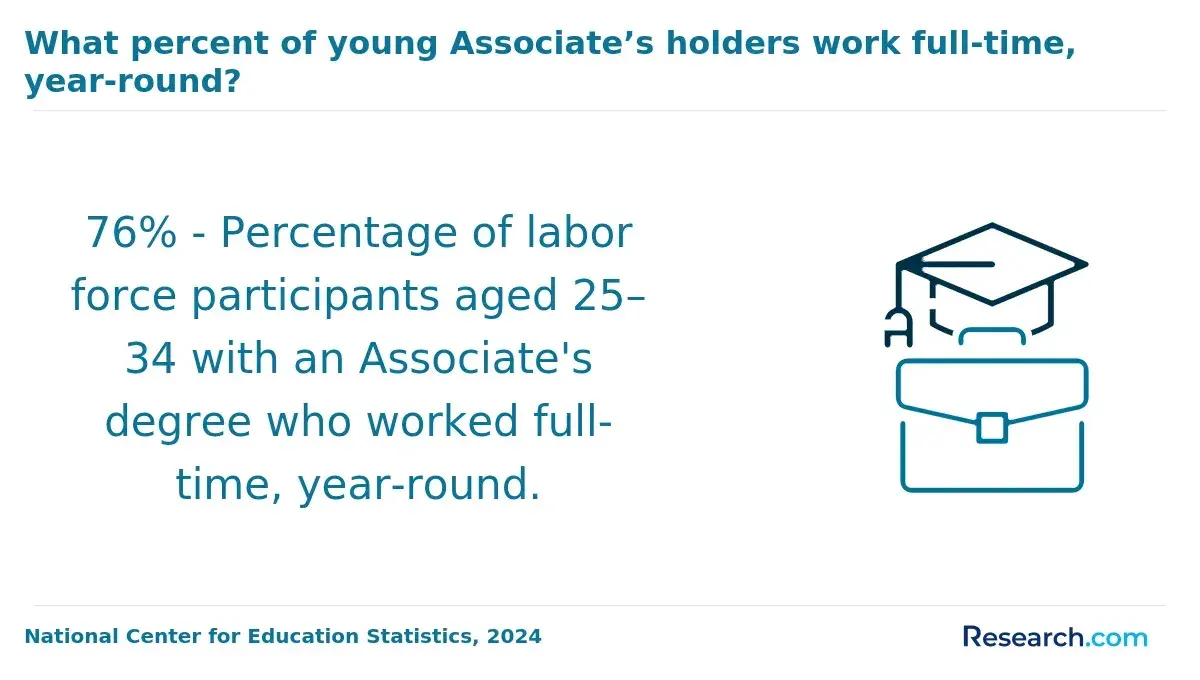
The dominance of the master's degree among industrial organizational psychology students reflects both employer expectations and educational accessibility. Employers in consulting, organizational development, and human resources frequently view the master's credential as the minimal threshold for relevant positions, shaping student decisions accordingly.
Data from the National Center for Education Statistics and IPEDS in 2024 indicate that roughly 50% to 60% of graduates in this field complete master's programs, highlighting a substantial concentration at this level. This pattern creates a practical barrier where students must weigh the time and financial investment of graduate education against its clear market demand and application.
The relatively limited presence of associate degrees is tied to the field's specialized knowledge requirements, while bachelor's programs mainly function as preparatory stages rather than direct workforce entry points. Many bachelor's degree holders pursue master's studies to improve their specialization and employability, further amplifying master's-level enrollments.
Doctoral programs, although essential for academic or research-focused careers, attract fewer candidates due to selective admissions and longer time commitments. Consequently, those aiming for applied roles in industry often find the master's degree aligns more closely with practical skills and job market realities than either bachelor's or doctoral pathways.
How Do Enrollment Trends Differ Between Associate, Bachelor's, Master's, and Doctoral Industrial Organizational Psychology Degrees?
Enrollment trends in industrial organizational psychology programs reflect strategic choices influenced by both student aspirations and employer demands. At the associate degree level, enrollment remains low as the field's research-intensive nature makes this credential less directly relevant, often serving as a stepping stone toward broader psychology or human resources roles. In contrast, bachelor's degrees attract the largest and most diverse student body, particularly among women who represent nearly 65% of graduates according to the 2024 National Center for Education Statistics, signaling strong interest in foundational skills that apply across various industries and regions with high corporate demand such as the Northeast and West Coast.
Master's programs, although smaller in absolute numbers than bachelor's, are experiencing faster growth fueled by employer preference for advanced qualifications to manage increasingly complex organizational challenges. This level often represents a pivotal point for students seeking to deepen specialized expertise and leadership capabilities. Doctoral enrollment remains limited due to rigorous entry standards and the extended commitment required but stays critical for those targeting research and academic roles; its slow 2-3% annual growth highlights persistent barriers despite gradual improvements in gender parity.
These varying enrollment patterns shape educational planning by encouraging prospective students to carefully assess how degree level correlates with their professional objectives, recognizing that industrial organizational psychology's nuanced pathways demand alignment with specific labor market expectations and long-term career trajectories within the United States.
As students compare degree-level popularity in industrial organizational psychology programs across the United States, it is vital to consider not only enrollment volume but also the practical tradeoffs of specialization versus accessibility. Those weighing options can benefit from resources like fast track schools to accelerate progress through programs aligned with their immediate professional needs, especially where workforce demand and credentialing inform timely academic and career decisions.
How Popular Is the Industrial Organizational Psychology Degree Compared to Other College Majors?
The relatively limited popularity of industrial organizational psychology (IOP) as a college major signals a distinctive educational niche rather than a lack of validity or opportunity. With roughly 3,200 undergraduate degree completions reported by the National Center for Education Statistics in 2024, IOP remains far less common than broader fields such as general psychology or business. This lower enrollment shapes program availability, peer networks, and specialization scope, often attracting students with clear vocational intent toward workplace dynamics and organizational effectiveness, rather than those seeking the flexibility of larger disciplines.
Graduate degree completions in IOP, totaling about 1,100 in 2023 according to Integrated Postsecondary Education Data System data, reflect concentrated interest directed toward professional and research-oriented roles. Enrollment trends demonstrate a gender skew with women comprising approximately 65% of graduates, consistent with psychology overall, and regional disparities showing strong concentrations in established academic hubs in the Northeast and Midwest.
These factors influence workforce alignment and signal potential constraints for students in areas with fewer programs, reinforcing the need for prospective majors to consider geographical and cohort size impacts alongside career aspirations.
One former IOP student recalled the rarity of their major became clear when classroom sizes were markedly smaller compared to core psychology courses, leading to more individualized interactions but fostering occasional uncertainty about career prospects. Academic advisors highlighted the program's specialized appeal and employment outlook tied to particular organizational sectors, which led the student to weigh the benefits of unique expertise against the broader alumni network of more common majors. This experience underscored how IOP's popularity—or lack thereof—can shape both community dynamics and informed decision-making for prospective enrollees.
Why Is the Industrial Organizational Psychology Degree More Popular in Certain States and Regions?
Regional demand for industrial organizational psychology programs correlates strongly with local economic structure and employer concentration. States like California, New York, and Illinois report higher enrollment and completion rates due to the presence of large corporate headquarters and diverse industries that actively seek expertise in organizational development and talent management.
For instance, metropolitan areas such as Washington, D.C., and the San Francisco Bay Area offer abundant employment opportunities for industrial organizational psychologists, reinforcing program popularity in nearby academic institutions and shaping perceptions of degree value based on proximity to relevant job markets.
Availability of programs also reflects state educational priorities and workforce demographics. Regions with numerous accredited universities hosting industrial organizational psychology degrees—predominantly in the Northeast and West Coast—see greater enrollment, influenced by state investments in STEM and social science education aimed at bolstering workforce skills.
However, the increasing adoption of online learning is gradually mitigating geographic limitations, broadening access to these degrees and impacting enrollment patterns. Students weighing in-state options against online alternatives should consider how regional program density affects networking, internships, and employer engagement.
Demographic and policy factors further shape the industrial organizational psychology degree popularity by state, influencing candidate pools and institutional offerings. Younger, more diverse populations with higher educational attainment tend to pursue specialized degrees aligned with local labor needs, though part-time and remote student data often underrepresents this trend in less populated areas.
For those interested in related fields or alternative funding pathways, reviewing online medical assistant programs that accept financial aid can offer practical insight into navigating financing and program access beyond traditional geographic constraints.
What Demographic Groups Are Driving Growth in Industrial Organizational Psychology Degree Programs?
The rising predominance of women in industrial organizational psychology programs, now exceeding 60% enrollment in many schools, reflects broader shifts in labor market demands and organizational leadership roles tailored to workforce engagement and diversity initiatives. This gender dynamic influences program content and peer interactions, often encouraging curricula that emphasize relational and inclusive workplace strategies.
Additionally, the strong growth seen in master's degree enrollments, which constitute about 70% of new entrants according to the National Center for Education Statistics 2024 report, highlights the pragmatism of this level as it balances accessibility, career-ready skills, and employer expectations for applied competencies in talent analytics and organizational development.
Regional enrollment surges in Southern and Western states, notably Texas, Florida, and California, correspond with expanding corporate sectors and greater adoption of flexible, often online program formats serving working professionals. This geographic concentration suggests that economic growth zones with diverse industries substantially impact program design, encouraging hybrid learning models that accommodate adult learners facing time and financial constraints.
The slow but steady increase in participation among underrepresented racial and ethnic groups, including Hispanic and Native American students, signals gradual shifts toward more diverse cohorts, though significant gaps persist. These demographic and degree-level trends have practical implications for students and educators, shaping peer networks, mentoring opportunities, and the emphasis on data-driven decision-making skills essential in contemporary industrial organizational psychology roles.
What Is the Future Outlook for Industrial Organizational Psychology Degree Enrollment by Gender, Region, and Degree Level?
Enrollment in industrial organizational psychology degree programs is poised to grow unevenly, influenced by demographic and regional factors that shape both student demand and program offerings. Data from the National Center for Education Statistics (2024) projects an 8% rise in graduate enrollment nationally by 2030, yet this growth disproportionately favors urban and suburban academic hubs in the Northeast and West Coast. Such concentration reflects closer alignment with local labor markets valuing applied psychology in organizational settings, while programs in less populous regions may face stagnant or declining interest, potentially limiting geographic accessibility for students outside major centers.
Gender representation remains skewed but stable, with women expected to maintain a roughly 60-40 share of enrollment. This persistent gap reflects targeted outreach and broader societal shifts encouraging women into STEM-adjacent fields, though it also highlights ongoing challenges around male engagement in social science disciplines. The preference for master's level training-buoyed by flexible online and hybrid formats accommodating working professionals-underscores a pragmatic response to employer demand for applied skills without the time and financial burden of doctoral studies. These trends suggest that programs offering adaptable pathways will attract diverse student populations balancing career and education, influencing institutional priorities and resource allocation.
Overall, these enrollment patterns carry practical implications for prospective students and workforce planners alike. Geographic disparities may affect prospective students' program choices and access, while degree-level preferences reflect real-world tradeoffs in career timing and employability. Female-dominant enrollment continues to shape the demographic profile of the discipline's talent pipeline, with ongoing efforts needed to broaden participation. Understanding these nuanced shifts is crucial for aligning educational offerings with evolving organizational psychology career landscapes.
How Have Industrial Organizational Psychology Degree Enrollment Trends Changed Over the Past Decade?
Enrollment trends in industrial organizational psychology degree programs over the past decade reveal a nuanced shift in both the scale and profile of candidates pursuing these qualifications. Notably, the growth in degree completions—rising about 25% from 2014 to 2024—reflects a labor market increasingly prioritizing skills in human capital optimization and organizational culture enhancement.
This growth is not uniform; urban centers on the East and West Coasts with dense corporate headquarters show sharper increases, illustrating geographic clusters where applied psychology expertise is most in demand. Meanwhile, the rise of online and hybrid delivery models has expanded accessibility, supporting working professionals and non-traditional students, though the competitive nature of graduate admissions continues to constrain dramatic uptake.
Longitudinal data on industrial organizational psychology degree enrollment trends in the United States also highlight persistent demographic patterns, with female students maintaining a 60% to 70% majority in enrollment figures. This gender distribution has remained relatively stable across most regions, although Midwestern and Northeastern states report a somewhat higher male enrollment, indicating local workforce or cultural conditions affecting participation.
These demographic compositions influence perceptions of degree relevance, as employers increasingly value advanced specialization, particularly evident in a 2023 IPEDS finding where master's-level graduations now outnumber bachelor's completions. For prospective students weighing degree pathways, it is crucial to consider these shifts alongside practical tradeoffs, such as the financial and time commitments required for advanced study and the comparatively limited research opportunities in some programs.
Understanding how industrial organizational psychology enrollment changes interplay with workforce demands and educational policy is vital for students, current learners, and graduates assessing long-term career viability. For example, the increased emphasis on graduate-level credentials aligns with employer expectations for leadership roles in talent management, signaling a more strategic approach to workforce development.
Candidates should also be aware of broader labor market trends seen in related fields; for instance, those considering alternative or complementary certifications may explore credentials such as CPC, which offer distinct career pathways and salary structures. Ultimately, these evolving patterns call for informed decision-making grounded in realistic assessments of program availability, degree relevance, and regional opportunity.
Where Is the Industrial Organizational Psychology Degree Most Popular Across the United States?
Industrial organizational psychology degree popularity clusters in regions where industry demands align with available educational infrastructures and workforce needs, rather than spreading evenly across the U.S. Concentration of corporate headquarters, service industries, and research institutions notably influences enrollment patterns, creating geographic hubs where graduates have immediate access to relevant employers and professional networks. This clustering effect shapes student opportunities, with those attending programs in these areas more likely to benefit from local internships, applied research projects, and stronger professional connections that can enhance early-career outcomes.
The top states for industrial organizational psychology degree enrollment tend to be those with established university programs that attract and support students while meeting regional labor market demands for organizational development expertise. For example, the Northeast and West Coast host economies with a heavy presence of finance, healthcare, and technology firms, reinforcing steady degree completion rates tailored to sectors emphasizing workforce optimization. Conversely, Midwestern and Southern states show growing but relatively moderate popularity as their industries diversify and higher education investments increase, reflecting shifting economic structures influencing program availability and specialization.
This uneven distribution has practical implications for prospective students weighing geographic and career considerations. Choosing programs in regions with concentrated industrial organizational psychology degree popularity often translates into enhanced access to up-to-date curriculum, robust practitioner networks, and employment opportunities attuned to local economic drivers. Students comparing their paths can also reference resources like those detailing the easy to get counseling degree, highlighting how program accessibility factors into educational decisions across different fields.
References
- 5 of the Best U.S. Metro Areas for Industrial-Organizational Psychologists - Organizational Psychology Degrees https://www.organizationalpsychologydegrees.com/lists/5-of-the-best-u-s-metro-areas-for-industrial-organizational-psychologists/
- Grad School: Should I Get a Traditional or Online I/O Master's/Ph.D.? - NeoAcademic https://neoacademic.com/2012/05/09/grad-school-online-or-brick-and-mortar-io/
- Best Accredited I/O Psychology | Business Psychology Degrees and Programs https://www.psychologydegree411.com/degrees/business-psychology/
- Industrial-Organizational Psychology Careers | University of Phoenix https://www.phoenix.edu/articles/psychology/industrial-organizational-psychology-careers.html
- Industrial/Organizational (I/O) Psychology: What It Is and Why It’s Important | Elmhurst University Elmhurst University Blog https://www.elmhurst.edu/blog/industrial-organizational-i-o-psychology-what-it-is-and-why-its-important/
- 10 Research-Based Industrial / Organizational Psychology Strategies to Boost Motivation and Performance https://spsp.org/news/newsletter-articles/10-research-based-industrial-organizational-psychology-strategies-to-boost-motivation-performance
- How To Become An Industrial Organizational Psychologist | Psychology.org https://www.psychology.org/careers/industrial-organizational-psychologist/
- 13 Popular I/O Psychology Jobs to Explore | The Chicago School https://www.thechicagoschool.edu/insight/business/industrial-organizational-psychology-careers/
Other Things You Should Know About Industrial Organizational Psychology
Programs with higher female enrollment typically foster collaborative learning environments but may face challenges in attracting diverse perspectives if male students are underrepresented. For prospective students, this means networking circles and peer support often reflect the predominant gender, which can influence mentorship availability and group dynamics. If you value gender diversity as part of your learning experience, prioritizing programs or regions with more balanced gender ratios could enhance exposure to varied viewpoints and leadership styles.
Students in areas with low enrollment often encounter fewer internship opportunities and limited local employer recognition of this specialty, which can complicate practical skill development and early career placement. This regional scarcity may require out-of-area job searches or remote internships, increasing relocation or commuting costs. Prospective students should weigh whether access to professional networks and experiential learning outweighs convenience or personal ties when choosing their study location.
Master's programs often strike a balance between depth and duration, demanding significant but manageable workload typically completed in two to three years, which fits many professional schedules. Doctoral programs require greater time investment with extensive research responsibilities and longer completion timelines, potentially disrupting full-time employment. Students must realistically assess their career stage and capacity for intensive study; for many working professionals seeking career advancement without career interruption, a master's is generally more practical.
Regional accreditation usually carries more weight with employers, especially in competitive markets, as it signals adherence to rigorous academic standards. Graduates from nationally accredited programs might face additional scrutiny or barriers in licensing and certain advanced career paths. While nationally accredited programs might offer more flexible or affordable options, prioritizing a regionally accredited degree better positions students for broad employer acceptance and graduate study opportunities.