2027 Best Self-Paced Online RN to BSN Programs

Co-Founder and Chief Data Scientist
Balancing shift work with advancing education remains a formidable challenge for registered nurses pursuing BSN credentials. Nearly 70% of adult learners prioritize flexible scheduling, according to the National Center for Education Statistics 2024 report, revealing a shift toward self-paced online formats as a necessary adaptation for working professionals. This trend reflects how rigid program structures often force compromises in employment stability or extended timelines. The decision to enroll hinges on how well institutions accommodate diverse schedules without diluting academic rigor or delaying career progression. This article evaluates the leading self-paced online RN to BSN programs that align with such practical demands to empower informed enrollment decisions.
Key Things You Should Know
- The median tuition for self-paced RN to BSN programs exceeds $15,000 nationally, with accelerated tracks often doubling costs and compressing workload-forcing candidates to balance financial strain against faster workforce reentry.
- By 2025, 75% of U.S. hospitals require BSN credentials for new nursing hires, intensifying competition and shifting employer preference toward programs with verified clinical integration over purely online curriculums.
- Programs offering asynchronous pacing can extend completion times beyond three years, risking outdated clinical knowledge and employer skepticism, unlike cohort-based tracks that better synchronize graduates with evolving healthcare standards.
What is a self-paced online RN to BSN program and how does it work?
The practical appeal of self-paced online RN to BSN programs lies in their adaptability to nurses' irregular schedules and capacity to manage workload fluctuations, yet success hinges on disciplined time management and strategic planning. This structure, which shifts emphasis away from fixed seat time toward competency mastery, suits nurses balancing full-time employment or varying shift demands. For instance, a nurse working sporadic hospital hours can intensify coursework when freed from clinical duties and ease up during peak periods without sacrificing progress.
Self-paced RN to BSN degree programs work by providing asynchronous access through learning management systems where assignments and exams comply with broad completion windows, allowing students control over pacing. The flexibility benefits those needing credential upgrades on demand but can complicate clinical placement timing, especially when state licensure or accreditation requirements impose rigid calendar terms.
Cost-wise, these programs range from $6,480 to $37,890, significantly undercutting the average $27,673 annual tuition of traditional in-person options. This financial advantage positions them as more accessible for working nurses targeting skill enhancement without heavy indebtedness. Employers increasingly prioritize BSN credentials, making timely completion essential. Verification of accreditation and alignment with state nursing boards is critical to ensure clinical practicums qualify for licensure.
The cheapest RN to BSN online options help mitigate financial barriers but demand proactive engagement to navigate technological and scheduling challenges. Practical outcomes depend heavily on managing these tradeoffs while maintaining income.
How do self-paced online RN to BSN programs compare to traditional and scheduled-format programs?
Choosing self-paced online RN to BSN programs versus traditional programs requires weighing flexibility against structure and employer perception. Nurses working variable shifts or managing personal responsibilities find the self-paced format better accommodates unpredictable hours common in acute care or community health roles. This flexibility allows learners to progress without fixed deadlines, improving focused mastery and reducing scheduling stress.
On the other hand, flexible online RN to BSN programs compared to scheduled format programs often have limited synchronous interaction, which can diminish opportunities for mentorship and teamwork skills crucial for leadership roles. The tradeoff includes less peer engagement and potentially weaker networking, which some employers may view as less rigorous in hiring decisions.
Operationally, the choice hinges on the learner's self-discipline and career target. Nurses aiming for advanced clinical positions in hospitals with strict accreditation standards might prefer scheduled programs aligned with employer expectations. Conversely, those in outpatient, rural, or shift-driven settings benefit from pacing that supports continuous employment and balances clinical requirements.
Among emerging pathways, some programs offer intensive curricula, but prospective students should review ROI data carefully. For example, Western Governors University graduates demonstrate a 369% return on investment, signaling strong long-term earnings regardless of program type.
For nurses considering accelerated options, examining 12-month accelerated nursing programs can provide a benchmark for balancing speed with educational quality and workforce value.
Which self-paced online RN to BSN programs offer the best value and student outcomes?
Costs and graduate outcomes create a crucial divide among self-paced online RN to BSN programs, directly impacting workforce alignment and career mobility. Tuition per credit ranges widely, from $216 to $1,263, resulting in degree costs between $6,480 and $37,890, with programs below $500 per credit often presenting the best balance between affordability and tangible return on investment. The best value self-paced online RN to BSN programs maintain national accreditation while emphasizing curriculum components that meet employer standards, including leadership development and comprehensive clinical practicums.
In metropolitan hospital settings, BSN-prepared nurses face growing pressure to demonstrate clinical quality and leadership competencies, which are linked to program design emphasizing flexible pacing and practical integration. By contrast, outpatient and community health employers prioritize graduates from programs that blend affordability with clinical depth relevant to evolving care models.
Students working full-time experience notable advantages from programs offering asynchronous formats that reduce opportunity costs and accelerate employability. However, rapid, low-cost tracks often risk insufficient clinical skill development, limiting scope of practice and eligibility for supervisory roles.
Decision-makers evaluating top self-paced online RN to BSN programs with high student success rates should carefully weigh credit cost, accreditation, and demonstrated graduate outcomes.
What accreditation and state board approvals should an online RN to BSN program have?
Accreditation from the Commission on Collegiate Nursing Education (CCNE) or the Accreditation Commission for Education in Nursing (ACEN) is the definitive baseline for any credible accredited online RN to BSN programs in the United States. Without this, degrees risk being disregarded by employers and licensing authorities, negating professional and financial investment. Equally critical is state board approval, especially for online students, as nursing licensure depends on adherence to state-specific standards relating to clinical training or practicum requirements. For example, a nurse in California pursuing an RN to BSN without California Board of Registered Nursing approval risks license renewal issues and limited job prospects.
Students aiming for programs with accelerated completion paths-sometimes as short as eight months-must weigh speed against adherence to these essential approvals. Programs lacking state authorization or national accreditation undermine graduate eligibility for employment and further education.
Given interstate practice complexities, explicit program confirmation of CCNE or ACEN accreditation plus state board approvals is vital. Contacting state boards directly offers clarity on sanctioned clinical placements and regulatory compliance. For nurses broadly, such rigor aligns with workforce demands in healthcare facilities increasingly selective about credential veracity.
Also, those exploring educational progressions might consider related pathways such as online DNP programs as complementary career strategies.
What are the typical admission requirements for self-paced online RN to BSN programs?
Admission to self-paced online RN to BSN programs prioritizes proven clinical readiness alongside academic benchmarks, reflecting the practical demands nurses face. Employers increasingly expect a BSN for roles beyond bedside care, linking degree completion to leadership eligibility and specialty certifications. Applicants typically must hold an active RN license and an associate degree or diploma from accredited programs, with prerequisite courses in anatomy, physiology, microbiology, and statistics documented through official transcripts.
A minimum cumulative GPA between 2.5 and 3.0 is a common threshold, although the consistency of clinical practice often weighs heavily. Many programs require at least one year of professional nursing experience, emphasizing real-world skills that coursework alone cannot substitute. Licensure verification from the state board and compliance with background and immunization checks are standard to ensure clinical placement suitability.
Financial constraints and time management become decisive when choosing self-paced RN to BSN programs. For example, nurses working full time benefit from flexible scheduling but must balance program rigor without direct faculty supervision. Furthermore, verifying that earned credits align with future graduate-level goals is essential for career planners targeting advanced practice or leadership trajectories.
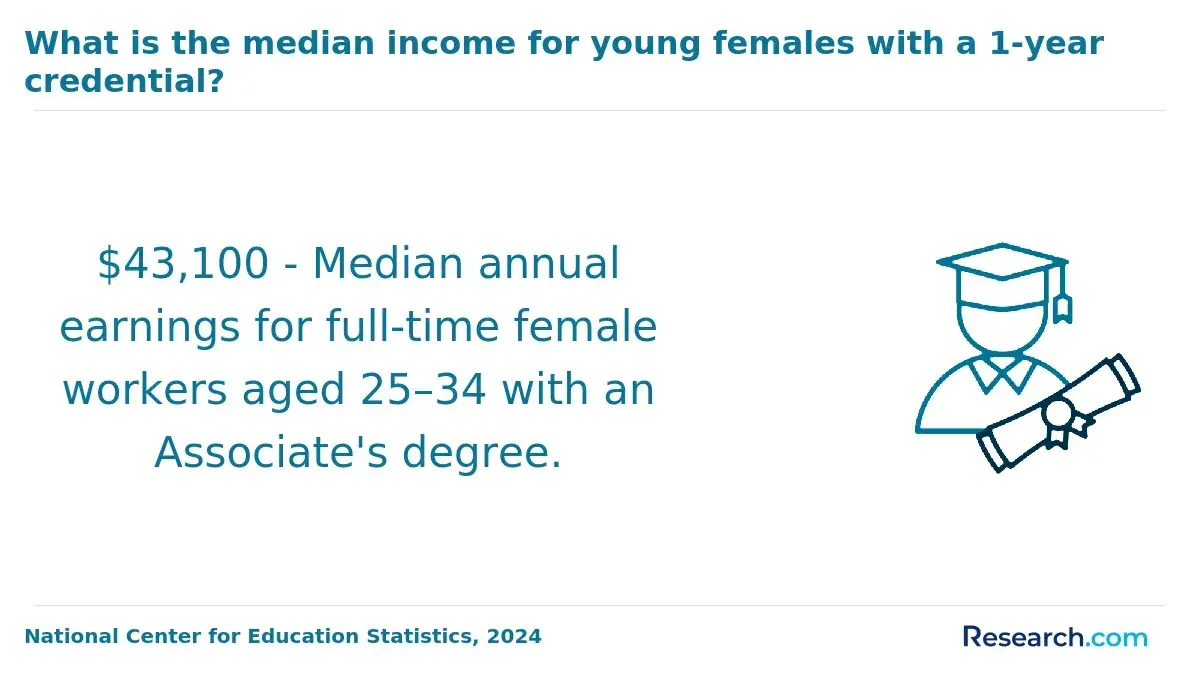
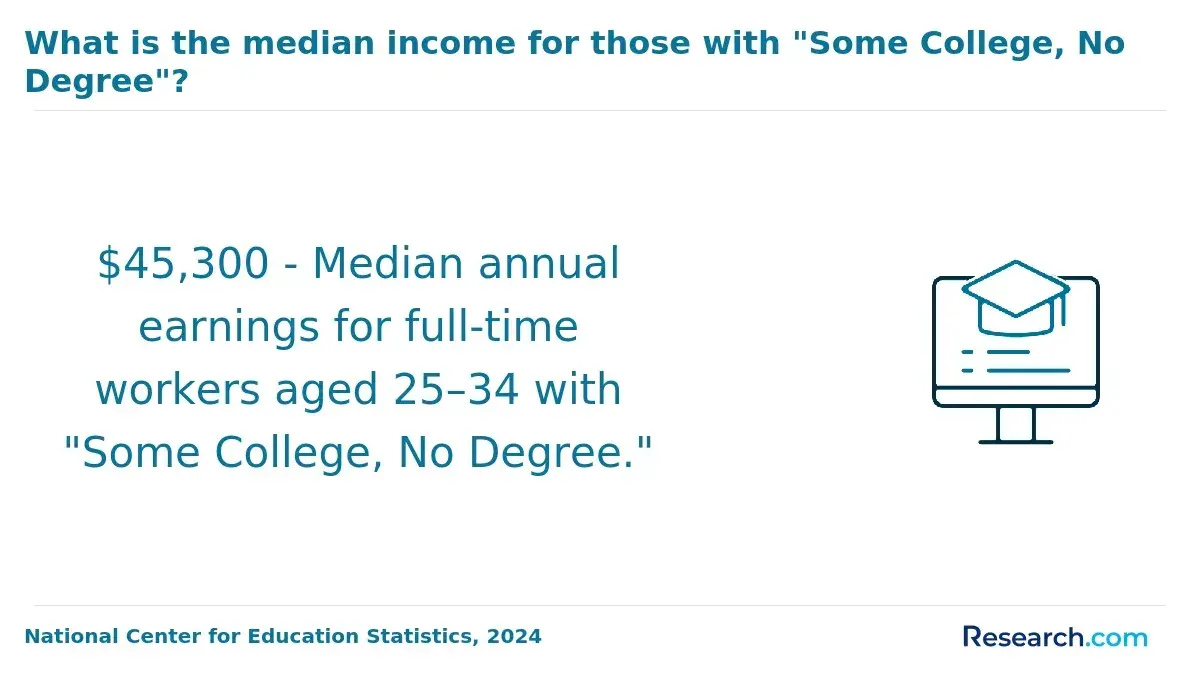
The $22,000 average annual earnings premium reported by the National Center for Education Statistics for public four-year college graduates compared to high school graduates underscores the measurable economic impact of completing a BSN broadly among nursing professionals.
How long does it usually take to finish a self-paced online RN to BSN and how many credits are required?
Credit requirements and time commitments within RN to BSN programs vary significantly based on prior coursework and individual circumstances, shaping outcomes and workforce readiness. Most self-paced online tracks demand 30 to 40 credit hours, completed between 12 and 24 months. Students with transferable credits and flexible schedules often aim for the shorter duration, while those balancing full-time employment, family, or demanding roles in areas like critical care may extend toward two years.
The credit load typically encompasses nursing theory, leadership, community health, and research courses beyond ADN curricula, ensuring alignment with academic and licensure standards required by employers. Because state nursing boards and institutions differ, credit hours and course specifics fluctuate, impacting how quickly a nurse can finish and enter a BSN-prepared workforce.
For example, nurses in high-intensity clinical settings might prioritize expedited completion to meet growing employer demands for BSN credentials essential to retention and staffing mandates. Conversely, nurses in administrative or educational positions may accept a slower pace to integrate complex content more deeply while managing professional responsibilities.
Planning efforts must incorporate credit transfer evaluations and realistic scheduling to minimize delays and avoid excessive financial burdens. This strategic approach supports navigating employer expectations increasing BSN hiring requirements and helps optimize the balance between timely degree completion and sustainable workload management.
What core courses and clinical or practice experiences are included in RN to BSN curricula?
RN to BSN programs expand nursing roles by integrating community health, leadership, ethics, and healthcare policy into curricula that extend scope beyond direct bedside care. This practical focus includes clinical experiences in real-world settings such as public health agencies or long-term care, essential for developing skills aligned with current employer demands. For example, a nurse working in a hospital outpatient wing can immediately apply population health knowledge to improve patient education while meeting clinical hour requirements through tailored supervised projects.
Self-paced online formats reduce common barriers for working nurses by offering flexible clinical hours, allowing simultaneous employment and study. This contrasts with traditional programs that require fixed, lengthy clinical placements. Such flexibility supports timely degree completion, critical amid nursing shortages and healthcare employers' preference for BSN-prepared nurses capable of transitioning quickly into leadership or specialized community roles.
Accreditation mandates a minimum of 75 supervised clinical hours focusing on care coordination, health promotion, and leadership development. Curriculum sequencing usually starts with foundational courses such as nursing research, progressing to practice-intensive units emphasizing evidence-based care and informatics competence-skills increasingly required by healthcare organizations pursuing quality improvement.
Comparatively, traditional RN to BSN programs often extend up to 24 months, while accelerated online paths compress completion to 6 to 12 months, facilitating faster workforce reentry. This timeline compression can improve retention and adaptability but may demand stronger time management from students balancing work and study commitments.
How much do self-paced online RN to BSN programs cost and what financial aid is available?
Cost variability in self-paced online RN to BSN programs significantly influences student decisions, especially when balancing ongoing work commitments. Programs such as Western Governors University use a competency-based structure that charges approximately $10,650 total tuition and typically allows completion in about 18 months. This model cuts both time and expense relative to traditional semester-based alternatives, which often range from $15,000 to $25,000 and may offer less schedule flexibility.
Financial aid availability is a practical consideration, notably Pell Grants, federal student loans, institutional scholarships targeting nursing students, and employer tuition reimbursement. Nurses employed full-time often depend on modular, pay-per-credit systems since these help manage cash flow by aligning payment with progress rather than syncing with fixed academic calendars.
Decision-making must weigh total tuition against time-to-degree and work-life realities. In high-pressure hospital settings, faster program completion can unlock advanced roles and pay more swiftly but requires intensive study. Alternatively, those juggling shift work and family might prefer programs with fully self-paced formats and staggered payment plans to minimize financial strain.
What career benefits, roles, and advancement opportunities come with earning a BSN as an RN?
Securing a BSN credential reshapes an RN's professional trajectory by unlocking access to roles that demand broader clinical judgment and leadership capacity, increasingly required by Magnet-designated hospitals and prominent health systems. Without a BSN, bedside nurses may face narrowing opportunities as healthcare employers elevate degree expectations to meet complex care coordination and evidence-based practice standards.
RNs holding a BSN often transition into management, education, public health, or specialized roles such as telehealth coordinators, particularly relevant in evolving rural and outpatient care models. This shift corresponds with a documented 10-15% median salary increase compared to non-BSN RNs, a financially meaningful distinction in a sector known for wage compression.
Cost considerations frame the practical choice among RN to BSN programs, where publicly funded, self-paced options average around $9,600 annually for in-state learners, contrasting sharply with $34,000-plus at private institutions. This disparity influences working nurses' decision-making, balancing debt risk, program length, and the feasibility of maintaining full employment during study.
Employers interpret BSN attainment as a marker of adaptability and commitment to interdisciplinary, data-informed care, smoothing progression into leadership committees or advanced clinical tracks. Conversely, RNs lacking a BSN may encounter role ceilings and reduced job portability as credential expectations tighten.
How does completing a BSN affect RN salary potential and long-term job outlook?
The most tangible advantage of pursuing a BSN after an associate degree is the measurable salary increase, often between 10% and 15%, reflecting employer valuation of higher credentials for complex clinical and leadership roles. Metropolitan hospitals targeting Magnet recognition, for example, may offer BSN-prepared RNs an additional $7,000 to $12,000 annually compared to those without. This wage gap widens in specialized areas such as case management, community health, or informatics, where advanced competencies directly influence patient outcomes and operational efficiency.
Workforce trajectories also diverge notably based on credential attainment. Facilities adhering to Joint Commission and CMS quality standards increasingly require BSNs as a baseline, which shapes both job security and promotion potential. RNs lacking a BSN experience limited upward mobility and slower lifetime earnings growth, a critical consideration given the long-term costs of reeducation and employment disruption.
The structure of many rn to bsn programs-offering self-paced, online formats that typically span 2-3 years for the remaining 60 credits-balances continuing employment with credential advancement. Yet, this flexibility introduces tradeoffs: students must rigorously manage workload and avoid burnout to complete on time and sustain practical experience valued by employers.
Other Things You Should Know About RN to BSN Programs
Self-paced online RN to BSN programs in 2027 typically require a reliable computer, high-speed internet, a webcam, and specific software such as Microsoft Office and a learning management system like Canvas or Blackboard. Technical support is often available to assist students with setup and troubleshooting.
Self-paced online RN to BSN programs in 2027 typically require students to complete 70 to 100 clinical hours, depending on the program. These hours provide practical experience and are often arranged with local healthcare facilities approved by the institution.
The program should hold accreditation from CCNE or ACEN, the two main nursing accreditors recognized in the United States. Employers and graduate schools often require this status, and many RN to BSN programs also need regional institutional accreditation for credit transfer and federal aid eligibility.
References
- What is the Job Outlook for Nurses? | University of Bridgeport https://www.bridgeport.edu/news/what-is-the-job-outlook-for-nurses/
- Online RN to BSN Programs | University of Phoenix https://www.phoenix.edu/online-nursing-degrees/rn-to-bsn.html
- Guided vs. Self-Paced: Why Chamberlain’s RN to BSN Online Program Stands Out https://www.chamberlain.edu/blog/guided-vs.-self-paced-why-chamberlains-rn-to-bsn-online-program-stands-out
- RN to BSN Online Program https://www.bsmcon.edu/rn-bsn-online-program
- Importance of BSN in Nursing for Career Growth | StaffDNA https://staffdna.com/ghost/bsn-meaning-why-its-essential-for-career-growth-in-nursing/
- RN to BSN Online - BSN Programs | Aspen University https://www.aspen.edu/nursing/rn-bsn/
- Why Nursing School Accreditation Matters | All Nursing Schools https://www.allnursingschools.com/how-to-get-into-nursing-school/school-accreditation/
- Difference Between RN vs BSN: Salary, Career, Skill | Maryville Nursing https://nursing.maryville.edu/blog/rn-vs-bsn-differences
- Self-Paced RN to BSN Programs 2026 | Flexible Guide https://nursfpxwriters.com/self-paced-rn-to-bsn-programs-in-2026-flexible-fast-track-guide/
- Online Nursing Prerequisites: Helpful Guide to BSN and ABSN Requirements [2025] - Prereqcourses https://www.prereqcourses.com/online-nursing-prerequisites/