2027 Industrial Organizational Psychology Transfer Credit Trends: How Schools Are Adapting for Adult Learners

Co-Founder and Chief Data Scientist
A military veteran transitioning to civilian employment, recently learned that 30 credits from a regionally accredited institution would transfer to an Industrial Organizational Psychology program with only 18 credits accepted. This shortfall risks extending graduation timeline by an additional year, increasing tuition costs and delaying entry into the workforce. A 2024 National Student Clearinghouse report highlights that only 62% of transfer credits are typically accepted nationwide, reflecting shifting institutional standards and inconsistent credit evaluations.
Such trends complicate adult learners' planning by emphasizing the need for clearer transfer policies and prior learning assessments tailored to degree completers. This article analyzes how Industrial Organizational Psychology programs are evolving transfer credit acceptance practices, enabling readers to navigate credit mobility challenges and optimize their path to degree completion more cost-effectively.
Key Things to Know About Industrial Organizational Psychology Transfer Credit Trends for Adult Learners
- Expanded acceptance of military and workforce training credits in industrial organizational psychology programs improves adult learners' credit mobility, but inconsistent evaluation standards create uneven transfer outcomes, requiring careful program research.
- Institutions increasingly employ technology-enabled transcript reviews to accelerate prior learning assessments, decreasing administrative delays; however, tradeoffs include limited recognition of nontraditional learning's nuanced skills.
- Data from 2024 shows a 15% increase in community college pathway enrollments feeding into industrial organizational psychology degrees, indicating enhanced access but longer degree completion timelines in some cases.
- Key Things to Know About Industrial Organizational Psychology Transfer Credit Trends for Adult Learners Key Things to Know About Industrial Organizational Psychology Transfer Credit Trends for Adult Learners
- How Are Industrial Organizational Psychology Programs Changing Transfer Credit Policies for Adult Learners? Evolving Adult Transfer Policies
- Why Are More Industrial Organizational Psychology Schools Accepting Credit for Prior Learning and Work Experience? Prior Learning Credit Benefits
- How Do Industrial Organizational Psychology Colleges Evaluate and Award Transfer Credits Today? Transfer Credit Evaluation Process
- Which Alternative Credits Are Most Commonly Accepted by Industrial Organizational Psychology Programs? Accepted Alternative Credits
- How Are Industrial Organizational Psychology Schools Improving Transfer Pathways for Community College Students? Improved Community College Pathways
- How Can Transfer Credits Help Industrial Organizational Psychology Students Graduate Faster? Accelerating Degree Completion
- How Much Money Can Students Save Through Industrial Organizational Psychology Transfer Credit Opportunities? Cost Saving Through Transfers
- How Are Industrial Organizational Psychology Programs Supporting Military Students and Workforce Learners Through Transfer Credits? Military Credit Transfer
- What Transfer Credit Innovations Are Shaping the Future of Industrial Organizational Psychology Education? Transfer Credit Innovations
- How Can Adult Learners Maximize Transfer Credits in a Industrial Organizational Psychology Program? Maximizing Your Transfer Credits
How Are Industrial Organizational Psychology Programs Changing Transfer Credit Policies for Adult Learners?
Industrial organizational psychology programs are increasingly updating transfer credit acceptance trends to better serve working adults whose prior learning and professional experience often fall outside traditional academic channels. Many institutions have expanded recognition of credits earned through community colleges, accredited alternative providers, and Prior Learning Assessments, enabling students to significantly reduce redundant coursework and accelerate their time-to-degree.
However, this expanded transfer credit flexibility requires careful navigation, as limitations persist concerning essential methodological and statistical courses that generally must be completed within the program, underscoring the importance of early academic planning to optimize course sequencing and credit mobility. For adult learners comparing schools or returning after a break, the willingness of industrial organizational psychology programs to evaluate military experience and workforce training through formal articulation agreements or automated transcript evaluation systems can substantially improve accessibility and affordability.
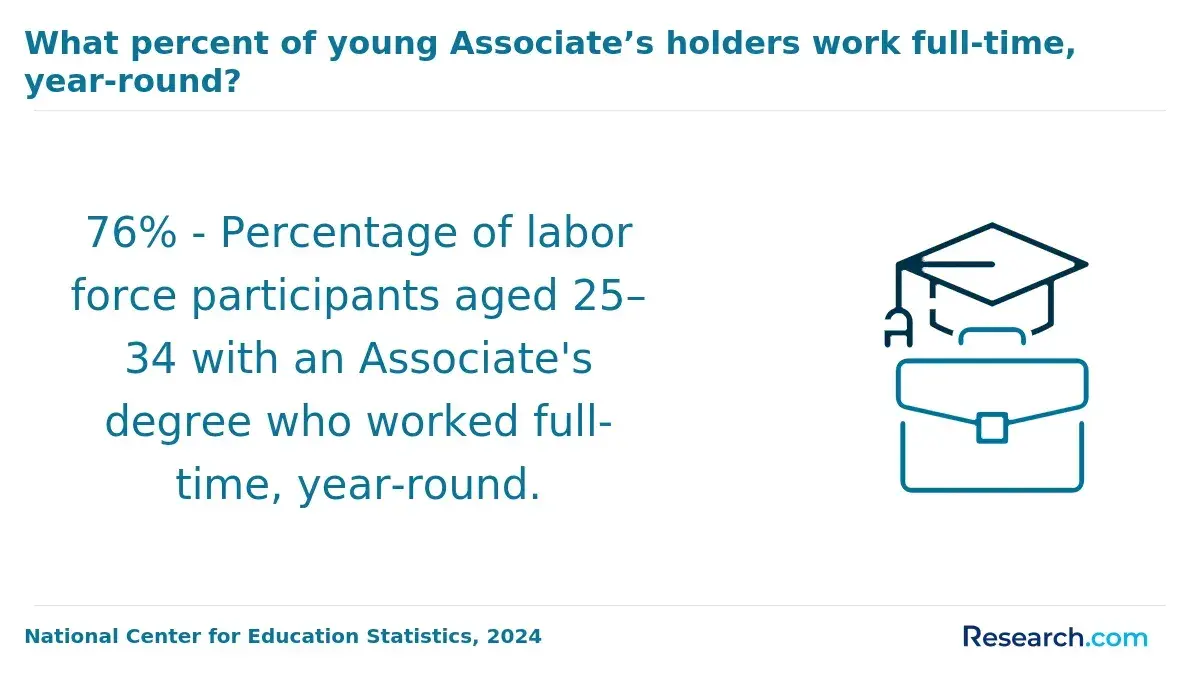
Data from the National Center for Education Statistics in 2024 highlights that about 65% of these programs now incorporate broader credit transfer frameworks that streamline degree completion paths for nontraditional students. Still, variations in policy between institutions-especially across public and private sectors-mean students must critically assess how their previously earned credits align with program requirements to avoid unexpected delays or additional expenses. Those seeking to maximize their credits may also explore alternative options such as accelerated DNP programs online that offer parallel models of flexible credit acceptance and tailored degree completion.
Why Are More Industrial Organizational Psychology Schools Accepting Credit for Prior Learning and Work Experience?
The increased acceptance of prior learning and work experience in industrial organizational psychology programs stems primarily from institutions adapting to shifting educational and labor market realities rather than merely relaxing transfer policies. Schools recognize that many adult learners arrive with relevant military training, industry certifications, and employer-verified competencies that overlap with foundational coursework.
By incorporating structured assessments and portfolio reviews, programs aim to validate these nontraditional learning pathways without compromising academic rigor. This approach not only shortens time to degree completion-crucial in managing institutional costs and improving persistence-but also aligns educational outcomes with employer expectations for demonstrable skills over seat time.
One practical tradeoff in this trend involves balancing flexible credit acceptance with maintaining consistent program standards, as not all prior experiences equate to equivalent academic value. For example, an experienced professional might gain credit for leadership or organizational behavior courses through prior work, but key research or ethics components often require direct academic engagement.
The National Center for Education Statistics reported in early 2024 that students granted experiential credit completed their degrees 25% faster on average, highlighting how these policies influence enrollment strategies and access for non-traditional students. However, this model demands careful evaluation to avoid undermining learning depth, requiring students to strategically document and negotiate credit transfers while navigating differing institutional policies.
How Do Industrial Organizational Psychology Colleges Evaluate and Award Transfer Credits Today?
Transfer credit evaluation in industrial organizational psychology programs has shifted from a routine administrative step to a critical element of strategic enrollment management and student progression. Institutions now balance automated transcript analysis with detailed faculty reviews to determine how well prior coursework, especially from regionally accredited schools, aligns with specific program competencies and upper-division requirements.
For example, a military-affiliated student with professional training may receive credit recommendations through the American Council on Education's protocols, but acceptance depends on fitting those credits into clearly defined curricular outcomes and residency rules, illustrating the tradeoff between credit mobility and maintaining program rigor. These practices directly impact degree timelines and educational costs, particularly for adult learners transferring from community colleges or pursuing nontraditional pathways. While articulation agreements can facilitate smoother credit transfers, many credits designated as electives rather than core may extend time to degree completion, requiring careful academic planning.
According to 2024 data from the National Student Clearinghouse Research Center, around 61% of psychology-related transfer students manage to apply at least three-quarters of their prior credits, reflecting ongoing improvements but underscoring that nearly 40% face more significant credit loss or course duplication. Navigating these nuances is essential for students aiming to optimize prior learning recognition without prolonging their pathway to credentials recognized by employers in industrial organizational psychology.
Which Alternative Credits Are Most Commonly Accepted by Industrial Organizational Psychology Programs?
Acceptance of alternative credit in industrial organizational psychology programs has evolved into a strategic approach to enhance degree accessibility and accelerate completion for adult learners rather than a mere transfer policy adjustment. Programs frequently weigh credit for prior learning (CPL), military training, and workforce certifications based on alignment with core competencies and accreditation standards.
For instance, veteran students often benefit from ACE-recommended military credits that reduce both time and cost, though evaluation criteria such as course equivalency reviews and upper-division credit limits can restrict their applicability. Negotiating these complexities becomes crucial for transfer students aiming to optimize credit utility in degree plans while balancing institutional residency and program-specific policies.
Common prior learning credits accepted by industrial organizational psychology schools extend to standardized exams like CLEP and DSST, which can satisfy general education requirements and therefore expedite degree progress. A recent 2024 report from CAEL shows nearly 70% of programs incorporate CPL, while about 45% recognize CLEP or DSST credits. Digital learning platforms and competency-based assessments add flexibility but often face caps on transferable credits, compelling students to strategize carefully.
Adult learners navigating these pathways must consider how alternative credit acceptance impacts affordability and transfer planning, especially when seeking to avoid redundant coursework or extended timelines. Those exploring options may also compare other flexible pathways such as community college coursework or employer-sponsored learning to complement credit portfolios effectively within industrial organizational psychology programs. Students interested in related fields might explore possibilities in health information management online programs, illustrating wider trends in alternative credit integration.
How Are Industrial Organizational Psychology Schools Improving Transfer Pathways for Community College Students?
Enhancing transfer pathways has become a critical strategy for industrial organizational psychology programs aiming to retain adult learners and reduce time-to-degree delays linked to credit loss. According to the National Center for Education Statistics (2024), institutions with strong articulation agreements report up to a 25% decrease in credit loss among transfer students, which directly impacts academic momentum and access. These programs are increasingly implementing clearly defined course equivalency frameworks and structured degree maps that prevent redundant coursework and clarify prerequisites, thereby improving credit applicability.
However, students must navigate variations in elective transferability and institutional policies, balancing flexibility with the need to meet employer expectations for both degree completion and relevant experience. Institutions are also expanding recognition of prior learning assessments and industry certifications to acknowledge diverse professional backgrounds, which helps working professionals convert experiential knowledge into academic credit.
Transfer advising combines personalized guidance with instant digital credit evaluation tools to provide students with clearer insights early in the process, minimizing surprises. Yet, these improvements come with tradeoffs, such as inconsistencies between institutions and potential limits on upper-division course transfers, requiring learners to carefully assess program compatibility and articulation quality before committing.
How Can Transfer Credits Help Industrial Organizational Psychology Students Graduate Faster?
Transfer credits can shorten time to degree completion for many industrial organizational psychology students, but their practical impact depends heavily on institutional policies and degree requirements. For example, although prior learning assessments allow awarding credit for professional certifications or military training, most schools cap transferable credits between 60 and 90 semester hours, often limiting applicability to general education rather than advanced, major-specific coursework.
This forces students to complete upper-division courses on campus, which extends enrollment time despite accumulated credits. Adult learners must weigh the benefits of reduced tuition and accelerated timelines against the need to fulfill residency rules and specialized course sequences required for accreditation and workforce relevance. Community college partnerships and articulation agreements help facilitate credit mobility, particularly for foundational courses like statistics or research methods.
However, acceptance policies vary widely, with some transfer students encountering delayed graduation due to non-transferable credits or mismatched course equivalencies. These challenges require strategic planning and consultation with academic advisors to align credits with program benchmarks effectively. Such decision-making is crucial for adult learners balancing work, study, and financial constraints, as the impact of transfer credits on graduation rates in industrial organizational psychology depends not only on the quantity but also on the quality and relevance of transferred work.
For those exploring accelerated pathways, it is important to consider how transfer credits influence long-term employability and professional readiness within the specialized field. Employer expectations often prioritize competencies over mere credit accumulation, prompting students to focus on degree programs that maintain rigor while maximizing credit acceptance. Reviewing options at universities with dual degree programs can further inform strategic enrollment decisions that optimize transfer credits within complex industrial organizational psychology degree frameworks.
How Much Money Can Students Save Through Industrial Organizational Psychology Transfer Credit Opportunities?
Transfer credit opportunities in industrial organizational psychology programs can significantly reduce educational expenses by shortening the time needed to graduate, but this potential is highly dependent on institutional policies and student circumstances. For instance, working professionals or military-affiliated students who leverage prior learning assessments and recognized workforce certifications may cut a semester or more from their studies, translating to savings of several thousand dollars.
However, these advantages are often constrained by typical transfer credit limits of 60 to 90 credits and residency mandates requiring 30 to 45 credits completed at the awarding institution, which limit full credit transfer and reduce potential cost efficiency. Moreover, students frequently encounter restrictions related to course equivalency, as many technical or vocational credits may not align well with the psychology or organizational behavior focus of industrial organizational psychology curricula.
This mismatch can result in credit loss, extending degree timelines and diminishing anticipated savings; research from the National Student Clearinghouse Research Center indicates about one-quarter of transfer students face such setbacks. While articulation agreements and competency-based education models are improving pathways, transfer students must carefully assess institutional policies and credit acceptance practices to avoid unplanned expenses and longer enrollment periods, ensuring that previously earned credits meaningfully offset overall costs without sacrificing timely degree completion.
How Are Industrial Organizational Psychology Programs Supporting Military Students and Workforce Learners Through Transfer Credits?
Industrial Organizational Psychology programs are increasingly tailoring their transfer credit policies to better leverage military training and workforce credentials, yet students must carefully navigate institutional limits and variability in credit acceptance. While American Council on Education data indicates over 90% of schools accept some military or service-related learning credits - improving veteran graduation rates by up to 15% - many programs impose caps on credits earned through prior learning assessments.
This means that even when military coursework or certifications align well with program competencies in leadership or human factors, the net reduction in degree requirements can be constrained, requiring detailed academic planning to avoid unexpected enrollment extension. The inclusion of professional certifications, apprenticeships, and employer-based credentials into transfer frameworks reflects recognition of practical skills, but inconsistency across institutions creates a practical challenge, students benefit most when programs have clear articulation agreements and transparent credit evaluation processes.
The Government Accountability Office highlights ongoing discrepancies that cause some military learners to lose applicable credits during transfer, with consequential impacts on time to degree and cost. For workforce learners, combining prior learning assessment with online, flexible degree-completion tracks can accelerate credential attainment, but uneven validation standards demand proactive inquiry into each program's policies to ensure meaningful credit recognition.
What Transfer Credit Innovations Are Shaping the Future of Industrial Organizational Psychology Education?
Emerging transfer credit innovations are reshaping access and degree completion pathways for adult learners in industrial organizational psychology programs, especially as institutions seek to balance rigor with flexibility. The growing use of AI-assisted transcript evaluation streamlines the review process, cutting evaluation time by nearly 40%, according to a 2024 report from the National Center for Education Statistics. While this improves responsiveness for working professionals and transfer students, the upfront investment and need for ongoing oversight to maintain standardization present real tradeoffs for institutions.
Additionally, expanding credit for prior learning (CPL) opportunities-particularly for military-affiliated students-offers practical pathways to leverage experiential learning, though only about 55% of programs fully embrace CPL due to concerns about academic quality and alignment with program competencies. Competency-based education models further impact transfer credit evaluations by favoring demonstrated skills over traditional seat time, which can reduce redundant coursework but faces inconsistent employer and institutional recognition. Efforts to improve credit portability through digital credentialing and streamlined transfer agreements between community colleges and universities also aim to shorten time to degree, though complex articulation processes still limit seamless credit mobility and scalability.
These evolving practices require adult learners and transfer students to navigate varying policies and acceptance standards to maximize credit transfer effectively. For those comparing options, including working professionals exploring accelerated pathways such as an accelerated FNP, understanding the nuances of technology-driven transfer credit evaluation for adult learners in industrial organizational psychology programs is critical for long-term planning and workforce entry.
How Can Adult Learners Maximize Transfer Credits in a Industrial Organizational Psychology Program?
Maximizing transfer credits in an industrial organizational psychology program requires adult learners to critically assess how prior coursework, certifications, and professional experiences align with program requirements. For example, a student transferring from a community college plus relevant military training may find that while many credits are initially accepted, residency rules and program-specific transfer limits restrict the proportion of transferable coursework, potentially extending time-to-degree despite upfront credit recognition.
According to the National Student Clearinghouse Research Center's 2024 data, although about 60% of transfer students apply credits successfully, only 30% graduate within four years, emphasizing the operational need for strategic credit evaluation and careful course equivalency mapping. Strategies to enhance credit applicability include leveraging articulation agreements that standardize course equivalencies and capitalizing on prior learning assessments, including workforce development certificates recognized by some programs up to 25% of degree requirements.
However, adult learners must weigh credits not just for their quantity but for their relevance, as outdated or misaligned credits may limit employer value or fail to satisfy core industrial organizational psychology competencies. Navigating these complexities effectively involves individualized advising, degree mapping, and knowledge of institutional transfer policies. Those seeking flexible degree pathways might also explore connections to related fields or consider how transfer credits influence educational costs and course sequencing.
Working professionals expanding qualifications might also compare pathways through transfer evaluations to fully understand consequences on long-term academic and career flexibility. While some programs emphasize adult learners' needs, a cautious approach remains essential to avoid redundant coursework or unexpected financial and timeline setbacks. Investing effort upfront to secure detailed evaluations and select programs with transparent transfer credit policies can ease degree completion burdens.
This careful planning is comparable to strategies recommended for exploring medical degrees online that pay well, where credit transfer and prior learning similarly impact progression and employability. Adult learners targeting transfer credit maximization in industrial organizational psychology programs must balance academic rigor, credit acceptance, and practical career outcomes to optimize educational and professional investment.
References:
- Industrial-Organizational Psychology Careers | University of Phoenix https://www.phoenix.edu/articles/psychology/industrial-organizational-psychology-careers.html
- Going Back To School For Psychology | Psychology.org https://www.psychology.org/resources/returning-to-school/
- Paving the Way for Transfer Pathways in Psychology and Sociology https://cic.edu/research/community-college-transfer-pathways/
- Inside Online Master’s Programs in Organizational Psychology https://www.onlinemastersdegrees.org/best-programs/psychology/organizational-psychology/
- 3 higher ed program design strategies to serve career changers and advancers | EAB https://eab.com/resources/blog/adult-education-blog/3-higher-ed-program-design-strategies-to-serve-career-changers-and-advancers/
- Graduate Program in Organizational Psychology https://catalog.vanguard.edu/pasbm/organizational-psychology/
- At the Crossroads: My Adult Learner Story https://www.cael.org/resouces/pathways-blog/at-the-crossroads-my-adult-learner-story
- The Benefits of I/O Psychology in the Workplace https://www.tuw.edu/school-news/benefits-of-io-psychology/
- Industrial/Organizational (I/O) Psychology: What It Is and Why It’s Important | Elmhurst University Elmhurst University Blog https://www.elmhurst.edu/blog/industrial-organizational-i-o-psychology-what-it-is-and-why-its-important/
- College transfer as a workforce strategy https://www.ccdaily.com/2026/04/college-transfer-as-a-workforce-strategy/
Other Things You Should Know About Industrial Organizational Psychology
Transfer credit policies vary widely across institutions, which can result in discrepancies in the foundational knowledge of students entering industrial organizational psychology (IOP) programs. This inconsistency can affect the learning environment, as faculty might need to adjust syllabi or offer remedial content to bridge gaps. For adult learners, it's crucial to prioritize programs with transparent credit evaluation processes and clear equivalency standards, ensuring that transferred credits align well with core IOP competencies and preserve academic rigor essential for career readiness.
Maximizing transfer credits can shorten time to degree completion, but relying heavily on past credits might limit exposure to cutting-edge IOP theories and practices covered in more current courses. This tradeoff can have long-term consequences for employability, especially in industries valuing up-to-date expertise in data-driven decision-making and workplace analytics. Prospective students should carefully weigh the benefit of faster graduation against potential gaps in specialized, practical content that directly affects job market competitiveness.
Employers tend to focus on demonstrated competencies and relevant experience rather than the pathway taken to earn a degree. However, if a degree reflects a patchwork of transferred credits without clear evidence of recent or advanced coursework, it may raise concerns about the candidate's current skill level in applying IOP methods. Adult learners should aim for programs that balance transfer credit acceptance with rigorous capstone projects, internships, or applied research to showcase updated knowledge and practical abilities.
Flexibility in program formats-such as online or asynchronous courses-is appealing for adult learners managing work or family commitments, but it can sometimes dilute hands-on learning experiences critical in IOP, like group projects or applied assessments. Prioritizing programs that integrate flexible schedules with opportunities for experiential learning enhances both accessibility and depth. Decision-makers should seek programs offering structured mentorship or real-world application components to ensure comprehensive training without sacrificing manageability.