2027 Industrial Organizational Psychology ROI by Institution Type: Public vs Private vs Nonprofit Online Programs

Co-Founder and Chief Data Scientist
Choosing an online industrial organizational psychology program often means juggling visible similarities and hidden disparities. A prospective student might see comparable curricula but encounter vastly different tuition fees, completion rates, and post-graduation debt levels. For example, a 2024 National Center for Education Statistics report found that private online institutions show a 15% higher average student loan debt than public counterparts, reflecting sharper affordability and long-term financial risk concerns.
These numbers underscore how institutional type influences both immediate costs and career-stage financial freedom, complicating straightforward cost-benefit calculations. This article explores how public, private, and nonprofit online programs differ in ROI to guide smarter enrollment decisions.
Key Things to Know About Industrial Organizational Psychology ROI by Institution Type
- Public institutions often offer lower tuition but higher completion rates correlate with stronger academic support, impacting ROI by reducing costly delays and debt accumulation compared to nonprofits with longer time-to-degree.
- Private online programs may boost employer perception through brand reputation and networking, yet their higher cost requires weighing marginal career advancement gains against increased financial risk.
- Nonprofit programs typically provide flexible pacing benefiting working professionals, but slower graduation can delay workforce reentry, influencing ROI by extending total investment duration and postponing income growth.
- Key Things to Know About Industrial Organizational Psychology ROI by Institution Type Key Things to Know About Industrial Organizational Psychology ROI by Institution Type
- What Does ROI Mean for a Industrial Organizational Psychology Program and How Is It Measured? Understanding Industrial Organizational Psychology Program ROI
- How Do Public, Private, and Nonprofit Online Industrial Organizational Psychology Programs Differ in Overall Value? Value by Institution Type
- How Do Tuition Costs Affect the ROI of a Industrial Organizational Psychology Program Across Institution Types? Tuition Costs and ROI
- How Do Graduation Rates Influence Industrial Organizational Psychology Program ROI? Graduation Rates Impact ROI
- What Role Do Career Outcomes Play in the ROI of a Industrial Organizational Psychology Degree? Career Outcomes and ROI
- How Does Student Debt Impact the Long-Term ROI of a Industrial Organizational Psychology Program? Debt vs. Long-Term ROI
- How Do Flexibility and Adult Learner Support Affect Industrial Organizational Psychology Program Value? Flexibility and Program Value
- How Do Accreditation and Institutional Reputation Influence Industrial Organizational Psychology ROI? How Do Accreditation and Institutional Reputation Influence Industrial Organizational Psychology ROI?
- How Does Time-to-Degree Affect the ROI of Public, Private, and Nonprofit Industrial Organizational Psychology Programs? How Does Time-to-Degree Affect the ROI of Public, Private, and Nonprofit Industrial Organizational Psychology Programs?
- How Can You Choose the Best Industrial Organizational Psychology Program Based on Your ROI Goals? Choosing Programs by ROI
What Does ROI Mean for a Industrial Organizational Psychology Program and How Is It Measured?
Evaluating return on investment (ROI) for an industrial organizational psychology program requires more than comparing sticker tuition prices; it demands an integrated look at how total educational costs, including fees and student debt, relate to graduation rates and time-to-degree. For instance, a lower-cost public online program might reduce initial debt but could come with longer completion timelines or fewer career support resources, potentially delaying workforce entry or salary growth. According to a 2024 National Center for Education Statistics report, public online programs in psychology-related fields have 10-15% higher graduation rates compared to private options, which influences the effective value per dollar invested by shortening opportunity costs and enabling earlier career advancement. Prospective students should weigh these outcomes carefully, considering how institutional reputation and learner support affect not only completion but readiness for complex real-world roles in industrial organizational psychology.
Measuring roi in online industrial organizational psychology degrees should factor in individual goals and circumstances, such as whether a student prioritizes affordability, flexible pacing, or specialized career services. A working professional balancing family obligations might find greater long-term ROI from a private or nonprofit program with robust advising and licensing preparation, despite higher upfront costs, because these support elements can increase job placement success and satisfaction. Conversely, debt-averse learners focused on minimizing borrowing may prefer public options but must plan for extended enrollment times or less hands-on employer connectivity. Comparing these tradeoffs enables educated decisions beyond simple price tags, recognizing that a lower-cost option does not always produce the strongest career or financial outcome. Students seeking more insight into affordable, accelerated paths can explore cheapest accelerated nursing programs as an analog for evaluating cost versus institutional benefits in allied fields.
How Do Public, Private, and Nonprofit Online Industrial Organizational Psychology Programs Differ in Overall Value?
Choosing between public, private, and nonprofit online industrial organizational psychology programs largely hinges on balancing cost, educational support, and return on investment. Public programs offer lower average tuition and broader access, often appealing to students juggling work and study through flexible pacing. However, this affordability can coincide with less personalized career advising or smaller alumni networks, which may impact job placement efficiency. In contrast, private programs typically charge higher tuition but compensate with robust student services such as dedicated career coaching and internship connections, potentially accelerating early career advancement despite increased debt burdens.
Nonprofit programs often blend these characteristics, emphasizing mission-driven curricula and ethical leadership while maintaining competitive tuition relative to private institutions. Graduates from nonprofit online industrial organizational psychology programs have seen a reported median salary increase of 15% within two years, according to recent Education Advisory Board findings, illustrating tangible career benefits that may justify upfront costs for some. For those weighing these options, considerations around accreditation quality, flexibility, and institutional reputation also affect degree completion rates and long-term employer perceptions, which collectively inform the true financial and professional value of each pathway.
One student who compared offerings across institution types recalled hesitating over whether to accept a private nonprofit option with intensive career services but double the tuition of a public alternative. The appeal of greater support was tempered by concerns about accumulating unmanageable debt and questioning if the reputation boost warranted the cost. After carefully assessing financial aid opportunities and graduation outcomes, this student ultimately chose a nonprofit program with strong alumni connections and a balanced tuition structure, reflecting a priority for steady salary growth without excessive borrowing. This decision exemplifies how nuanced tradeoffs between affordability and resource access shape sustainable educational investments in this field.
How Do Tuition Costs Affect the ROI of a Industrial Organizational Psychology Program Across Institution Types?
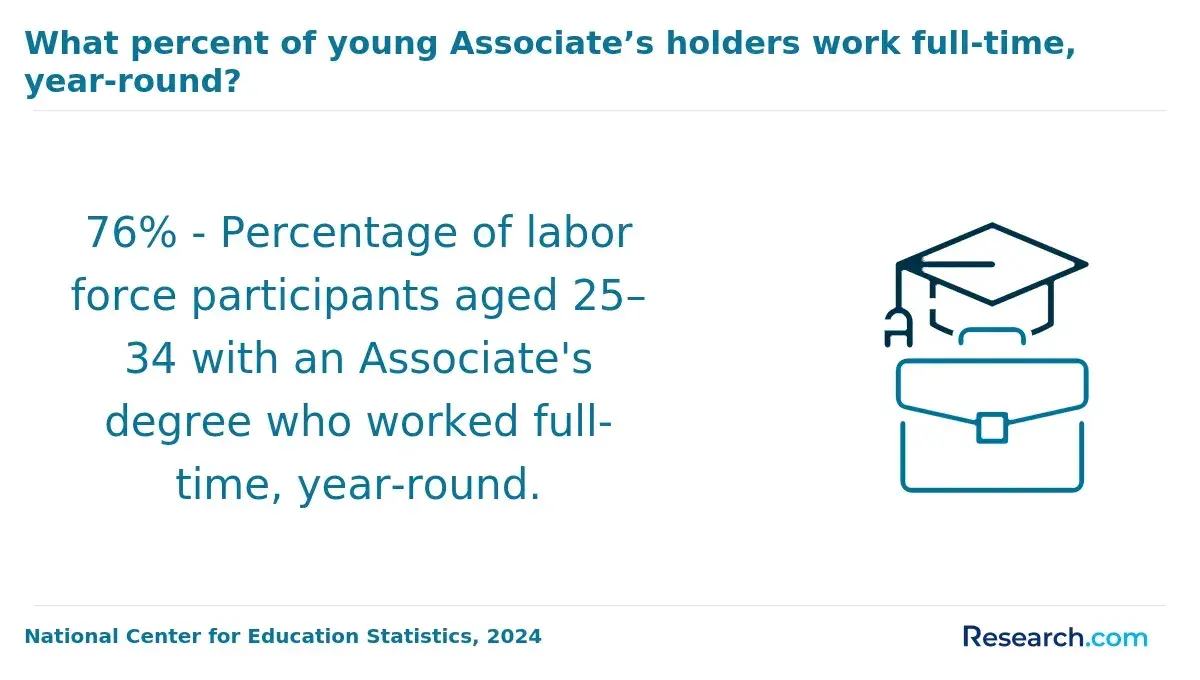
Tuition differences between public, private, and nonprofit online industrial organizational psychology programs significantly shape the financial outcomes students can expect, but cost alone doesn't determine return on investment (ROI). Public institutions often offer graduate tuition around $12,000 per year, substantially lower than private programs, which average about $25,000 according to the National Center for Education Statistics 2024 data. While lower sticker prices at public schools reduce immediate debt burden and support working professionals through flexible part-time options, they may lack the deeper employer networks or comprehensive career services available at some higher-priced private or nonprofit programs, factors that can enhance long-term employability and salary prospects.
Choosing a more expensive private program can be justified if its higher completion rates, strong industry connections, and academic rigor translate into better job placement and reduced time to degree, yet this is not guaranteed. Data shows graduates from private online psychology programs take on roughly 40% more debt without corresponding increases in starting salaries, highlighting a crucial tradeoff between upfront cost and anticipated earnings. Nonprofit programs frequently occupy a middle ground, balancing tuition affordability with quality supports that improve graduation outcomes, thus potentially providing a more stable ROI for learners prioritizing academic assistance and timely completion over prestige.
In practical terms, decision-makers must weigh how each institution type aligns with their financial situation, professional goals, and learning needs. Lower tuition benefits those aiming to minimize debt and maintain steady employment while studying, but should be considered alongside program quality metrics and support services that influence timely graduation and skill acquisition. Conversely, investing in higher-cost private programs demands careful scrutiny of tangible career benefits to justify the additional financial risk, particularly given that many employers prioritize relevant experience and demonstrated competencies over institutional branding alone.
How Do Graduation Rates Influence Industrial Organizational Psychology Program ROI?
Graduation rates substantially affect the return on investment for industrial organizational psychology programs, acting as a proxy for institutional capacity to retain and graduate students efficiently. Public online programs often benefit from stronger academic support and accountability frameworks, resulting in higher graduation rates and quicker time-to-degree completion, which lowers overall educational costs and debt loads. In contrast, private for-profit programs may struggle with lower completion rates as students juggle work and study, increasing financial risk without delivering credential completion. For example, a program with a graduation rate above 60%-a benchmark reported by the National Student Clearinghouse Research Center in 2024-is more likely to offer graduates quicker access to employability gains and better debt-to-earning outcomes, critical for adult learners balancing career transitions and family obligations.
Although graduation performance provides insight into institutional effectiveness, it should not be viewed as the sole indicator of ROI when comparing industrial organizational psychology online programs. Nonprofit institutions serving adult learners can exhibit variable graduation rates due to part-time enrollment and transfer patterns, yet may offer greater flexibility or curriculum relevance that aligns with long-term career benefits. Evaluating ROI demands a holistic approach that weighs graduation rates alongside student support, institutional mission, and program quality. Prospective students seeking affordability and value would benefit from exploring comprehensive data, such as those highlighted among the best online self paced colleges, to understand tradeoffs related to persistence, completion speed, and eventual career outcomes in this field.
What Role Do Career Outcomes Play in the ROI of a Industrial Organizational Psychology Degree?
Career outcomes fundamentally shape the return on investment for students pursuing industrial organizational psychology degrees online, with differential impacts depending on whether the program is public, private, or nonprofit. Data from the National Center for Education Statistics in 2024 underscores that nonprofit graduates report the highest employment rates within six months post-graduation (around 85%), a factor that can accelerate recouping tuition costs. However, public institutions often offer lower tuition and reduced debt, creating a tradeoff where graduates may delay advancement but avoid heavy financial burdens. Private programs tend to focus on applied skills aligned with immediate workforce entry, frequently enabling faster access to leadership or consulting roles, which can enhance ROI if career mobility is a priority.
Employer valuation varies by program focus: public institutions emphasize theoretical and research skills that benefit those pursuing doctoral studies or academic careers, whereas private and nonprofit programs blend practical application with evolving industry needs such as data analytics and employee assessment. Graduates weighing these options must consider how job placement quality, curriculum relevance, and professional networking opportunities align with their career timeline and debt tolerance. For instance, a student prioritizing swift managerial roles might accept higher tuition from a private provider to gain marketable competencies, while another pursuing sustained academic advancement might opt for public programs despite slower promotion pathways. This nuanced balance between immediate employment, skill applicability, and financial constraints informs the perceived ROI in different institutional contexts.
A recent graduate reflected on their experience balancing cost and career impact after finishing an online industrial organizational psychology degree through a nonprofit institution. Initially skeptical about whether the investment would translate into tangible career benefits, they found that employer recognition of their applied skills led to expanded responsibilities and quicker consideration for in-house leadership roles than peers from public programs. While mindful that their debt was higher than some colleagues', they felt reassured that the program's strong alignment with industry demands and professional networking opportunities provided sustained value beyond immediate salary outcomes. This graduate's perspective highlights how career outcomes-from job placement speed to role relevance-play a critical, complex role in assessing the overall ROI of these degrees.
How Does Student Debt Impact the Long-Term ROI of a Industrial Organizational Psychology Program?
Borrowing strategies and associated debt levels critically shape the long-term student debt impact on industrial organizational psychology programs, particularly when weighing options across public, private, and nonprofit online institutions. For example, students enrolled in public programs typically face lower tuition costs and consequently borrow 15-30% less than those in private or nonprofit settings, reducing their repayment burden and enhancing financial flexibility early in their careers. However, evaluating the student debt burden and ROI in industrial organizational psychology online degrees requires more than just comparing loan amounts; graduates must consider factors like completion rates and default risks, which tend to be lower for public institutions due to manageable debt loads and more predictable career trajectories.
While private and nonprofit programs often carry higher median debts-around $35,000 versus $22,000 for public program attendees-this does not inherently translate to poorer outcomes. Some private institutions offer specialized curricula or stronger industry ties that may lead to higher starting salaries and quicker advancement, potentially compensating for heavier borrowing. Still, these outcomes are uneven, so prospective students should scrutinize graduation rates, career services, and alumni earnings data before deciding. For cost-conscious adult learners or career changers, the importance of balancing tuition, realistic salary growth, and job stability cannot be overstated; excessive debt can hinder financial resilience and limit future investments in education or savings. Additionally, adult learners may explore options like online medical assistant programs with financial aid as alternative pathways that align with workforce goals and financial planning.
How Do Flexibility and Adult Learner Support Affect Industrial Organizational Psychology Program Value?
Flexibility in scheduling and robust adult learner support significantly shape the return on investment for online industrial organizational psychology programs, especially for students juggling professional and personal commitments. Programs offering asynchronous courses and part-time enrollment pathways consistently demonstrate higher retention rates among working adults, reflecting improved persistence and reduced opportunity costs. However, the tradeoff often involves fewer live interactions and limited networking opportunities, which can be critical for mentorship and career advancement in this field.
Support services such as tailored academic advising, veteran accommodations, and comprehensive transfer credit evaluations directly influence time-to-degree and affordability, crucial factors for adult learners managing financial and schedule constraints. Public institutions typically excel in transfer friendliness and veteran support, enhancing accessibility and potentially lowering debt burden, whereas private programs may offer more personalized advising and employer connections, often at a higher cost that can diminish net ROI. Nonprofit offerings vary widely, requiring careful evaluation of both support quality and price to ensure alignment with individual career goals and learning preferences.
Careful consideration of these factors is vital since they affect graduation likelihood, employability, and long-term program value. For example, a military-affiliated student might prioritize institutions with specific accommodations and prior learning assessments to cut down time and expense, while a working parent may favor asynchronous formats and accessible faculty engagement to balance coursework with family duties. According to a 2024 report by the National Center for Education Statistics, programs with flexible delivery models see approximately 20% higher persistence among adult learners, underscoring the tangible impact of these design choices on practical outcomes in industrial organizational psychology education.
How Do Accreditation and Institutional Reputation Influence Industrial Organizational Psychology ROI?
Accreditation and institutional reputation significantly shape the return on investment for industrial organizational psychology degrees, especially for those balancing cost and career outcomes. Employers overwhelmingly prioritize candidates from regionally accredited programs-about 92% according to the National Center for Education Statistics-since this accreditation signals a baseline of academic rigor and credential legitimacy. For working professionals considering online programs, this distinction often influences eligibility for licensure, credit transfer, and graduate pathways, which in turn affects long-term career flexibility and earning potential.
Public universities generally offer lower tuition with steady graduation rates, benefiting cost-conscious students focused on minimizing debt while accessing stable institutional support. Meanwhile, private and nonprofit institutions may provide enhanced networking and specialized accreditation such as AACSB or APA, potentially improving marketability but often at higher price points and variable graduation outcomes. Prospective students must weigh these tradeoffs, as stronger institutional reputation and specialized accreditations can lead to better job placement in competitive markets, but do not guarantee uniform career returns across all programs.
Moreover, institutional reputation influences employer perceptions beyond accreditation alone, particularly in fields like industrial organizational psychology where applied research and graduate-level competencies matter. Choosing programs with demonstrated student success and robust support systems can mitigate risks related to debt and underemployment. Ultimately, understanding how accreditation interacts with tuition, student services, and institutional prestige informs a realistic appraisal of ROI, making it essential for learners to prioritize these factors in their educational decisions.
How Does Time-to-Degree Affect the ROI of Public, Private, and Nonprofit Industrial Organizational Psychology Programs?
Time-to-degree significantly shapes the return on investment (ROI) for online industrial organizational psychology programs across public, private, and nonprofit institutions by affecting tuition outlays, opportunity costs, and career momentum. Public universities often extend completion timelines due to higher rates of part-time enrollment and flexible scheduling, which can reduce dropout rates but delay workforce re-entry or salary growth. In contrast, private nonprofit programs may offer accelerated pathways that shorten completion time but often come with higher tuition, increasing debt burdens and potentially undermining net earnings despite quicker credential attainment. Such tradeoffs highlight how program length interacts with cost structures and student financial circumstances to influence long-term educational value.
Students balancing employment and family commitments frequently benefit from programs that accommodate transfer credits and part-time study, factors common in nonprofit offerings that moderate both time-to-degree and cost. Yet, faster completion alone does not guarantee better ROI; completion rates critically mediate outcomes, as programs with more lenient pacing often see higher graduation percentages, reducing sunk costs from attrition. Institutions with rigid timelines may impose financial strain and risk dropout, particularly for working adults. Prospective students should weigh these dynamics alongside affordability, academic pacing, and completion likelihood to optimize their investment in industrial organizational psychology online degrees, with attention to real-world workforce demands where demonstrated competency often outweighs speed of graduation.
For those exploring options, resources such as online school psychology programs NASP approved may offer useful comparative insights. Understanding the average completion time and ROI comparison for industrial organizational psychology online degrees is essential, as these factors materially affect career trajectories and financial outcomes in a competitive job market increasingly valuing practical skills over traditional timeline milestones.
How Can You Choose the Best Industrial Organizational Psychology Program Based on Your ROI Goals?
Determining the best industrial organizational psychology program for ROI hinges on a student's unique priorities rather than simply the institution type. Public online programs often deliver immediate affordability through lower tuition, showing median student debt 20-30% less than private peers according to 2024 figures from the National Center for Education Statistics. However, private institutions may offset higher costs by offering financial aid, smaller classes, and more tailored learner support, which often leads to faster graduation and stronger workforce readiness-key factors that amplify long-term returns despite higher upfront expenses.
Nonprofit online programs typically strike a balance between cost and specialized curriculum, leveraging employer networks to improve job placement but with variable flexibility that can challenge working adults managing family or career demands. Evaluating industrial organizational psychology program ROI comparison by institution type requires analyzing graduation rates, accreditation, and program relevance against personal circumstances like employment status and time-to-degree goals. For example, a full-time employee needing schedule flexibility might prioritize nonprofit offerings that accommodate work-study balance, while those targeting quicker career shifts might lean toward private programs with comprehensive career services.
Ultimately, ROI calculations should incorporate both financial impact and operational realities, including debt load and program alignment with employer expectations. Considering career outcomes, students can also benefit from resources such as insights on how to become a high school athletic director to understand diverse occupational trajectories supported by industrial organizational psychology expertise.
References
- Master's In I-O Psychology: Careers, Criteria And Curriculum https://www.psychology.org/degrees/industrial-organizational-psychology/masters/
- The Long-Term Effects of Student Loans | ACE Blog https://ace.edu/blog/the-long-term-effects-of-student-loans/
- I/O Psychology | Online MA in Psychology | TUW https://www.tuw.edu/academics/business/industrial-organizational-psychology-graduate-programs/
- Guide to an I-O Psychology Career - Paul Spector https://paulspector.com/guide-to-an-io-psychology-career/
- How Long Does it Take to Become an Industrial Psychologist? - Organizational Psychology Degrees https://www.organizationalpsychologydegrees.com/faq/how-long-does-it-take-to-become-an-industrial-psychologist/
- Industrial/Organizational (I/O) Psychology: What It Is and Why It’s Important | Elmhurst University Elmhurst University Blog https://www.elmhurst.edu/blog/industrial-organizational-i-o-psychology-what-it-is-and-why-its-important/
- Return on Investment For an Online Psychology Degree https://www.onlinepsychologydegrees.com/articles/return-on-investment-for-an-online-psychology-degree/
- Grad School: Should I Get a Ph.D. or Master's in I/O Psychology? - NeoAcademic https://neoacademic.com/2011/06/14/grad-school-should-i-get-a-ph-d-or-masters-in-io-psychology/
- How to Measure the ROI of a Training Program Harrison Assessments https://blog.harrisonassessments.com/blog/how-to-measure-the-roi-of-a-training-program.html
Other Things You Should Know About Industrial Organizational Psychology
Private programs often emphasize accelerated pacing and applied projects, which can translate into quicker skill acquisition but may demand intense workloads that some learners find challenging to balance with full-time jobs. Public programs may offer more measured pacing with a slightly broader curriculum that includes foundational topics, potentially lengthening time to degree but enhancing theoretical grounding. Nonprofit programs sometimes strike a middle ground, offering flexibility with a structured curriculum. Choosing a program with a rigor level aligned to your learning style and time constraints is crucial because excessive workload without adequate support can reduce timely progress and increase costs, negatively impacting ROI.
Employer valuation tends to focus less on institution type and more on demonstrated competencies, relevant experience, and professional certifications alongside the degree. However, some non-academic employers express a preference for public institutions due to their often extensive research base and established reputations in applied psychology. Private programs may face skepticism if perceived as profit-driven or lacking academic rigor, impacting initial job prospects. For mid-career professionals, practical skills and networking gained during the program usually outweigh institutional affiliation, but early-career candidates might prioritize public or well-established nonprofit programs to reinforce credibility, thus enhancing ROI.
Nonprofit programs frequently provide dedicated student services like career counseling, mentorship, and networking opportunities tailored to working adults, which can enhance learning outcomes and post-graduation placement. While public programs may offer lower tuition, the comparatively limited personalized support can hinder progress or career advancement, especially for students juggling employment and study. For working professionals, prioritizing comprehensive support can yield better ROI by shortening time to degree completion and improving job market outcomes, even if initial tuition is higher.
Private programs may offer niche specializations or newer industry-relevant courses designed to quickly respond to market trends, potentially boosting short-term employability but sometimes lacking depth and academic rigor. Public programs typically provide broader, research-heavy curricula with traditional Industrial Organizational Psychology fundamentals, which can support versatility but may require more time and effort to translate theory into practice. Nonprofit programs often balance applied skills and foundational knowledge with emerging specializations. Students seeking immediate, targeted skill sets for specific job roles should weigh private or nonprofit options, while those aiming for academic or research-oriented careers might find public programs more valuable to ROI due to their breadth.