2027 Industrial Organizational Psychology Salary Trends Report: Are Wages Keeping Up With Tuition and Inflation?

Co-Founder and Chief Data Scientist
Imagine a prospective industrial organizational psychology student reviewing their career options while juggling the rising costs of graduate school. They must weigh not only the tuition fees but also how inflation erodes purchasing power over time.
This financial puzzle complicates decisions about whether the investment will yield sufficient salary returns to justify the expense. As educational costs soar faster than average wages in many fields, scrutinizing the relationship between salary growth and expenses is critical.
Salary increases, tuition hikes, and inflation rarely align, causing the true value of an industrial organizational psychology degree to fluctuate across economic cycles. Evaluating long-term earning potential rather than snapshot salaries provides a clearer perspective on return on investment.
This article examines salary trends, tuition costs, inflation, affordability, and key factors that influence the lasting financial worth of an industrial organizational psychology degree.
Key Things to Know About Industrial Organizational Psychology Salary Trends
- Graduate salaries in industrial organizational psychology have risen an average of 3.2% annually since 2022, yet tuition inflation outpaces this, which may reduce net financial returns over a decade.
- Long-term earning potential heavily depends on specialization areas like talent analytics or organizational development, which command 15% higher salaries than generalist roles.
- Economic inflation pressures have compressed salary growth relative to cost-of-living increases, signaling a need for strategic career planning beyond degree completion to optimize financial outcomes.
- Key Things to Know About Industrial Organizational Psychology Salary Trends Key Things to Know About Industrial Organizational Psychology Salary Trends
- What Is the Current Salary Outlook for Industrial Organizational Psychology Graduates? Salary Outlook
- Are Industrial Organizational Psychology Salaries Keeping Up With Inflation? Inflation Impact
- How Do Tuition Costs Compare With Industrial Organizational Psychology Salary Growth? Tuition vs Salary
- Does a Industrial Organizational Psychology Degree Deliver a Positive Return on Investment? Degree ROI
- Which Industries Offer the Highest Salaries for Industrial Organizational Psychology Graduates? Which Industries Offer the Highest Salaries for Industrial Organizational Psychology Graduates?
- Which States and Cities Offer the Highest Pay for Industrial Organizational Psychology Professionals? Which States and Cities Offer the Highest Pay for Industrial Organizational Psychology Professionals?
- How Do Industrial Organizational Psychology Salaries Grow Throughout a Career? Career Growth
- How Do Industrial Organizational Psychology Salaries Compare With Similar Degrees? Salary Comparison
- How Is Employer Demand Affecting Industrial Organizational Psychology Salary Trends? Employer Demand
- How Can Students Maximize Their Lifetime Earnings With a Industrial Organizational Psychology Degree? Maximizing Earnings
What Is the Current Salary Outlook for Industrial Organizational Psychology Graduates?
The current earnings outlook for industrial organizational psychology professionals reflects a nuanced picture shaped by education, experience, and employment context. According to the U.S. Bureau of Labor Statistics, the median annual salary reached approximately $105,310 in 2023, with a projected growth rate of 10% through 2032-faster than the average for all occupations.
Nonetheless, this promising figure masks significant variability; recent graduates typically start between $60,000 and $80,000, influenced by factors like geographic location and the type of employer, such as consulting firms or government agencies. For instance, two graduates with the same degree might diverge in salary depending on whether one enters a high-demand corporate consulting role and the other a public sector position with limited budget increases.
Industrial organizational psychology graduate salary trends also must be considered alongside rising educational costs and inflation. Graduate programs can demand between $30,000 and $50,000 annually, with additional student loan interests and living expenses further complicating the financial balance.
Despite wage growth in early career stages occasionally trailing inflation rates near 4-5%, the field's long-term prospects remain positive. Experienced professionals can command salaries exceeding $120,000, supported by steady demand for expertise in improving workforce productivity and organizational well-being. Strategic planning around scholarships or internships can help mitigate early financial challenges and improve net returns over time.
Interpreting the salary outlook requires moving beyond entry-level pay to understand long-term career progression within industrial organizational psychology. Growth opportunities and heightened specialization often translate into higher earning potential, particularly for those with advanced degrees or certifications.
This ongoing demand for skilled professionals underscores why prospective students should weigh immediate costs against the field's enduring labor market strength. To explore related educational options, some may look into easy nursing programs to get into as an alternative pathway, but for those committed to psychology, the salary trajectory still offers a reasonable tradeoff given proper planning.
Are Industrial Organizational Psychology Salaries Keeping Up With Inflation?
Wage growth in industrial organizational psychology-related occupations has generally fallen short of keeping pace with inflation, resulting in a decline in real earning power for many practitioners. While nominal salaries have seen average annual increases around 3.1%, this growth still lags behind the approximate 5.0% Consumer Price Index inflation rate recorded in early 2024.
This gap means that despite technically earning more year over year, industrial organizational psychology professionals effectively face reduced purchasing power, complicating long-term financial planning and savings accumulation.
Consider a recent graduate who secured a position as an organizational development specialist with a 3% raise annually. Although her paycheck grows each year, rising living expenses and tuition debt-amplified by private graduate schools increasing tuition by nearly 6% annually-undermine the net benefit of this wage growth. In this context, pursuing a degree through a fast track program or evaluating employer benefits becomes critical to offset income constraints and manage the real economic impact of inflation on her career earnings.
Several factors influence whether industrial organizational psychology salaries truly keep up with inflation, including regional job markets, employer types, and supplementary compensation such as bonuses or benefits.
Moreover, slow wage growth relative to inflation highlights the importance of strategic expectations for prospective and current students evaluating Industrial Organizational Psychology salary trends 2024. Balancing degree costs, including rising tuition, against potential salary trajectories is essential for realistic financial outcomes amid ongoing economic pressures.
How Do Tuition Costs Compare With Industrial Organizational Psychology Salary Growth?
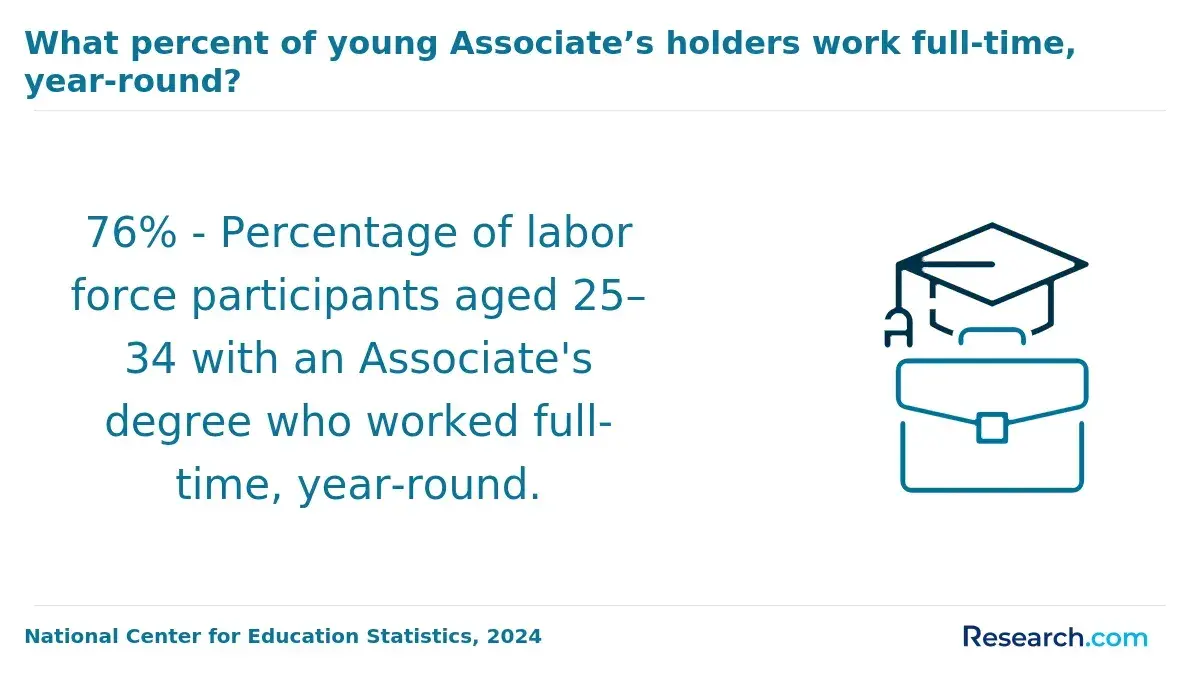
Evaluating the financial worth of an industrial organizational psychology degree requires more than examining tuition fees or salaries alone; it hinges on how these two factors evolve relative to each other over time. In 2024, average tuition costs for graduate programs hover near $20,000 annually, accumulating to between $40,000 and $60,000 over typical program lengths, according to the National Center for Education Statistics.
Meanwhile, early-career salaries range from $60,000 to $75,000, growing modestly by about 2% to 3% each year, as noted by the U.S. Bureau of Labor Statistics. This gap between sharply rising tuition and more gradual income growth means that students relying heavily on loans may find the financial burden intensifying faster than their earnings rebound, which is critical when assessing the return on investment.
Consider a student who begins with a $60,000 annual salary after completing a three-year program with a total tuition cost of $55,000. If tuition inflation continues at roughly 4% yearly while their salary increases only about 2.5%, that student's net financial position after five years may tighten significantly compared to past cohorts.
Regional job markets, the specific reputation of the institution, and additional costs like living expenses also weigh heavily on this balance. Thus, assessing the interplay of tuition growth and salary progression provides a nuanced financial picture, highlighting that the degree may still pay off over time but with varied risk levels that depend on individual circumstances and broader economic trends.
One recent graduate shared that despite initial hesitation over escalating tuition fees, they committed to a program after securing partial scholarships and carefully budgeting living expenses. Early salary gains felt modest, and paying down student debt required extending their repayment timeline, which introduced anxiety about long-term financial stability.
However, working in a metropolitan area with an active job market helped them access incremental raises and consulting opportunities that softened the financial strain. Their experience underscores how personal financial planning and local economic conditions can profoundly influence the real cost-benefit equation of pursuing industrial organizational psychology, beyond what average numbers alone might suggest.
Does a Industrial Organizational Psychology Degree Deliver a Positive Return on Investment?
Assessing the return on investment (ROI) for an industrial organizational psychology degree requires looking beyond initial salaries to consider the full cost of education against long-range career prospects, salary growth, and professional development. ROI in higher education measures whether the financial and time commitments translate into sufficient earnings and career advancement over time to justify those upfront expenses.
For example, a graduate who incurs $80,000 in tuition debt for a master's degree but secures a role paying $90,000 annually that grows steadily to $120,000 after several years, supported by employer tuition assistance and certification opportunities, may realize strong ROI despite a slow start.
Recent data from the U.S. Bureau of Labor Statistics and the National Center for Education Statistics in 2024 indicate that industrial organizational psychology professionals earn median annual wages between $80,000 and $120,000. However, rising graduate tuition costs-climbing over 5% annually-and inflation narrow the early-career profit margin, making the initial financial risk substantial.
Key factors affecting ROI include school choice, access to financial aid, geographic location, sector of employment, and career progression speed; those who advance into leadership or specialized roles generally experience greater financial returns. While the degree can be a solid investment over a full career, prospective students should align education expenses with realistic earning trajectories and consider job placement rates and employer support to manage financial exposure.
Which Industries Offer the Highest Salaries for Industrial Organizational Psychology Graduates?
Industrial organizational psychology graduates targeting the highest salaries must weigh industries not only for pay but also for complexity, demand, and skill alignment. Data from the U.S. Bureau of Labor Statistics (BLS) and the Society for Industrial and Organizational Psychology (SIOP) highlight that the most lucrative roles lie where strategic human capital management tackles intricate organizational challenges.
In practice, this means jobs involving data-driven insights, change management, and leadership development often command premium pay. Below are the industries where industrial organizational psychology salary by industry consistently ranks highest, reflecting roles that blend analytic rigor with practical impact:
- Technology Sector: This industry leads in compensation due to its competitive landscape and rapid innovation cycles. Industrial organizational psychologists here design employee engagement initiatives and optimize productivity, often leveraging advanced data analytics. Salaries typically range from $95,000 to over $130,000 annually, with advanced degrees and tech fluency boosting earning potential.
- Healthcare Industry: Healthcare organizations demand expertise in workforce efficiency and compliance amid complex regulatory environments. Industrial organizational psychology graduates improve training programs and leadership pipelines in hospitals and pharmaceutical firms, earning between $90,000 and $120,000 as they apply specialized knowledge to high-stakes operational settings.
- Financial Services: Banks and insurance companies reward psychologists who address organizational change and compliance challenges, especially through performance improvement projects. Median salaries range from $90,000 to $115,000, frequently supplemented by performance-based bonuses reflecting measurable business impact.
- Government Agencies: While salaries may lag behind the private sector, federal roles with high-stakes human capital needs occasionally provide competitive pay for candidates with specialized expertise, particularly in organizational effectiveness for large bureaucracies.
- Consulting Firms: These firms offer roles where industrial organizational psychology professionals advise diverse clients on talent strategy and culture transformation. Compensation can vary widely but often tilts higher with demonstrated success in measurable organizational outcomes and client impact.
- Academic and Research Institutions: Though not always top-paying, certain research-oriented roles focusing on applied industrial organizational psychology contribute to growing knowledge in the field and may offer supplemental grant funding or industry partnerships that enhance earnings.
Graduates must consider that highest-paying industries typically demand a blend of advanced research methods, proficiency in psychometric assessment, and business acumen.
Prospective students might also explore online PMHNP programs as a complementary path within healthcare sectors where interdisciplinary knowledge expands career versatility. Identifying which industries provide the strongest employment demand and salary potential involves balancing immediate compensation with long-term professional growth and sector stability.
Which States and Cities Offer the Highest Pay for Industrial Organizational Psychology Professionals?
Geographic location remains one of the most significant factors influencing the earning potential for industrial organizational psychology professionals. While the highest salaries tend to cluster in specific metropolitan areas, candidates must thoughtfully weigh these figures against local living costs and industry dynamics.
Recent 2024 data from the U.S. Bureau of Labor Statistics highlights states and cities where demand and compensation levels align strongly with regional economies rooted in technology, research, and government service. Balancing salary prospects with affordability and growth opportunities is essential for those deciding where to invest time and money for advanced training in this field.
Below are key locations offering top compensation followed by practical considerations:
- California (San Francisco Bay Area): With median wages surpassing $110,000 annually in cities like San Francisco and San Jose, the Bay Area's technology sector fuels robust demand for expertise in workforce analytics and organizational change. Candidates must account for the region's high housing and living costs, which often consume much of the salary premium.
- New York State (New York City): Corporate headquarters and research institutions create a strong market for industrial organizational psychology skills, pushing median salaries above $105,000. However, high urban living expenses and competitive job markets demand careful cost-benefit analysis when considering relocation.
- Massachusetts (Boston): Boston's dense concentration of universities, healthcare, and corporate research boosts salaries to levels comparable with other coastal hubs. The city's cultural and educational environment offers unique professional development, but also features steep housing prices.
- Washington, D.C. Area: Federal agencies and consulting firms in the nation's capital drive compensation often exceeding $95,000. Professionals focused on policy implementation and leadership assessment find ample opportunities here, though the cost of living remains relatively high.
- Seattle, Washington: The presence of major tech companies and an expanding corporate sector elevates wages above $95,000. Growing costs of living impact disposable income, but the city offers a balance of urban amenities and outdoor lifestyle advantages.
- Texas (Austin and Dallas): Offering moderate salaries aligned with a lower cost of living, Texas metros provide attractive options for early-career professionals weighing return on investment. The state's expanding tech and corporate sectors continue to grow demand without the high price tags of coastal cities.
- Colorado (Denver): Known for moderate living costs and growing business sectors, Denver combines reasonable salaries with quality of life benefits. It appeals to professionals seeking to avoid coastal market saturation while maintaining upward mobility potential.
How Do Industrial Organizational Psychology Salaries Grow Throughout a Career?
Salaries in industrial organizational psychology tend to increase steadily with experience, academic credentials, and the level of responsibility assumed. Early career professionals with a master's or doctorate typically start with median annual wages between $75,000 and $85,000, often working in entry-level roles such as research support or human resources.
By mid-career, after about 5 to 10 years, earnings generally rise to a range of $95,000 to $140,000 as individuals move into supervisory roles or specialized consulting positions where strategic skills become valuable. Data from the U.S. Bureau of Labor Statistics and the Society for Industrial and Organizational Psychology in 2024 emphasize how advanced credentials and leadership experience strongly impact these salary advancements.
For senior professionals, especially those with 20 or more years of experience or who hold executive positions, salaries can exceed $150,000, with some reaching beyond $200,000 including bonuses and benefits. Consider two graduates with identical degrees: one chooses a path focused on developing technical expertise and consulting with mid-sized firms, while the other pursues leadership roles in large corporations coupled with ongoing education and networking.
Despite starting similarly, the latter frequently outpaces the former in salary growth due to targeted professional development and strategic positioning in the field. Such trajectories highlight that beyond initial education, factors like career choices, managerial experience, and industry settings heavily influence long-term earning potential amid evolving market demands.
One industrial organizational psychology graduate recalls hesitating before leaving a junior HR analyst role to accept a mid-level project management position in organizational development. Although the new role came with a modest initial pay bump, this move allowed greater exposure to strategic decision-making and analytics, which in turn accelerated later salary increases.
Reflecting back, they noted that embracing broader responsibilities early on was crucial to avoiding stagnant wages despite rising costs of living and education. This experience underscores how deliberate career decisions, rather than the degree alone, often define financial outcomes over time in this profession.
How Do Industrial Organizational Psychology Salaries Compare With Similar Degrees?
Salary differences between psychology-related degrees reveal how industrial organizational psychology compares to related fields in tangible financial terms. Graduates with industrial organizational psychology degrees often enjoy a salary advantage driven by their specialized expertise in workforce analytics and organizational behavior. Understanding these distinctions is critical for evaluating whether the cost of education justifies the long-term returns.
Below is a focused comparison of industrial organizational psychology salaries versus similar degree outcomes:
- General Psychology: Graduates typically earn median annual salaries between $60,000 and $90,000. These roles often include clinical or counseling positions with a broader focus, which usually translate into lower earning potential than industrial organizational psychology careers oriented toward human capital optimization and business strategy.
- Human Resources Management: Salaries for HR managers commonly range from $75,000 to $100,000. Although closely related, industrial organizational psychology graduates have an edge when specialized training in employee assessment and workplace behavior is applied, justifying higher salaries in niche roles that require advanced data-driven talent management.
- Organizational Development: These positions overlap with industrial organizational psychology but tend to emphasize change management and corporate training. Compensation is similar but can lag behind industrial organizational psychology for professionals with master's or doctoral degrees due to the latter's increased demand for expertise in employee well-being and workforce analytics.
For example, a master's graduate in industrial organizational psychology working in a midsize tech firm might start near the $85,000 range but see rapid growth opportunities compared to a general psychology graduate in a community health setting.
Despite rising tuition and inflation, the nuanced salary comparison suggests industrial organizational psychology remains a viable investment for those focusing on social sciences related to workforce development. Prospective students might also explore NASP accredited online school psychology programs as an alternative depending on their career goals.
How Is Employer Demand Affecting Industrial Organizational Psychology Salary Trends?
The sustained employer demand impact on industrial organizational psychology salaries is complex, shaped by how organizations prioritize workforce analytics and employee engagement. For example, a mid-sized company investing in organizational development might actively seek specialists skilled in data-driven talent management, heightening competition for qualified candidates.
This increased hiring activity theoretically supports stronger compensation offers, yet these are often tempered by organizational budgets and broader economic constraints. According to the U.S. Bureau of Labor Statistics 2024 report, roles related to industrial organizational psychology are projected to grow faster than the average for all occupations, indicating a positive trend in job market expansion even if pay increases remain modest.
Several factors shape employer demand in this field, including the rising focus on employee well-being post-pandemic and the integration of technology in HR processes. While robust demand can drive faster wage growth, salaries are also influenced by experience level, niche specializations, and economic conditions that limit firms' ability to increase pay aggressively.
However, starting salaries for graduates have only seen moderate improvements, as highlighted by the National Association of Colleges and Employers in 2024, underscoring the need for strategic career planning. Those weighing the long-term value of their industrial organizational psychology degree might also consider related academic pathways, such as enrolling in the best online PMHNP programs, which demonstrate different market dynamics and clinical placement outcomes.
In summary, stronger employer demand expands job opportunities but does not guarantee commensurate wage growth, making it crucial for students and recent graduates to evaluate how salary trends align with tuition costs and inflation pressures. Understanding the interplay between employer demand, hiring strategies, and compensation is essential to maximize earning potential in industrial organizational psychology-related careers.
How Can Students Maximize Their Lifetime Earnings With a Industrial Organizational Psychology Degree?
Maximizing lifetime earnings with a industrial organizational psychology degree requires strategic choices beyond merely completing the program. Recent data from the U.S. Bureau of Labor Statistics and the Society for Industrial and Organizational Psychology highlight education level, specialized skills, and experience as critical factors.
For instance, doctoral degree holders earn on average 20-30% more over their careers compared to those with bachelor's degrees. Consider the example of a master's graduate who supplements their education by gaining expertise in data analytics and secures internships in tech firms; this pathway significantly improves salary growth opportunities.
Key strategies to enhance earning potential include:
- Advanced Education: Pursuing master's or doctoral degrees markedly boosts earning potential, as higher academic credentials correlate with access to senior roles and specialized consulting positions.
- Specialized Certifications: Obtaining certifications in analytics, leadership coaching, or talent management from recognized bodies increases credibility and opens doors to higher-paying niches.
- Industry Experience: Practical work through internships or project-based roles builds job readiness and networks, enhancing employability in competitive, high-growth sectors such as healthcare and finance.
- Cross-Functional Skills: Learning advanced statistical software and business strategy integration allows professionals to take on executive roles, where compensation premiums are substantial.
- Networking And Professional Credentials: Maintaining active membership and credentials with organizations like the Society for Industrial and Organizational Psychology supports career advancement and salary negotiation leverage.
- Geographical Choice: Targeting metropolitan areas or regions with large corporations can increase compensation, reflecting local market demand and cost of living adjustments.
- Lifelong Learning: Continuously updating skills and knowledge to adapt to evolving industry needs helps sustain earning power amid inflation and rising education costs.
References
- Industrial And Organizational Psychology Career Pathways & Earnings https://collegeroi.org/roi/major/industrial-and-organizational-psychology/
- Industrial and Organizational Psychology Degree ROI at DePaul University https://educationadvisor.org/investment-projections/industrial-and-organizational-psychology-degree-from-depaul-university-return-on-investment/
- How to Become an Industrial-Organizational Psychologist in California - Psychology California https://psychologyca.org/careers-in-psychology/industrial-organizational-psychologist/
- We Calculated Return on Investment for 14,000 Graduate Degrees. Find Yours. - FREOPP https://freopp.org/whitepapers/we-calculated-return-on-investment-for-14000-graduate-degrees-find-yours/
- Is College Worth it? | Return on Investment Analysis of College Degree https://educationdata.org/college-degree-roi
- Return on Investment For an Online Psychology Degree https://www.onlinepsychologydegrees.com/articles/return-on-investment-for-an-online-psychology-degree/
- Industrial Organizational Psychology Salary | TUW https://www.tuw.edu/psychology/industrial-organizational-psychology-salary-ranges/
- How To Become An Industrial Organizational Psychologist | Psychology.org https://www.psychology.org/careers/industrial-organizational-psychologist/
- What is the Salary Outlook for Masters in Organizational Psychology Grads? https://mastersinpsychologyguide.com/articles/what-is-the-salary-outlook-for-masters-in-organizational-psychology-grads/
- Industrial-Organizational Psychologists Career Path: Salary, Skills & How to Start https://pathly.com/library/careers/industrial-organizational-psychologists/
Other Things You Should Know About Industrial Organizational Psychology
The type of graduate program-whether research-intensive versus applied or practitioner-focused-can significantly influence early career salaries and long-term earning potential. Applied programs that emphasize internships and real-world consulting projects often lead to quicker access to higher-paying industry roles, while research-heavy paths may require longer academic tenure but potentially open doors to higher compensation in specialized or leadership positions. Prospective students should weigh the immediate salary benefits of applied training against the possibility of more substantial but delayed earnings tied to research credentials.
Positions with broader responsibilities, such as combining talent analytics, organizational development, and change management, tend to command higher salaries but often come with increased workload and pressure. Conversely, roles with narrower, specialized functions may offer lower base pay but potentially better work-life balance. Candidates must consider whether the higher wage premiums justify the associated work intensity and if they align with their long-term career sustainability preferences.
Programs with established corporate connections and co-op opportunities tend to provide graduates with valuable networks that facilitate entry into higher-paying roles. Strong employer ties often translate into internships that bolster resumes with practical experience, thereby improving starting salary offers and access to growth opportunities. Prioritizing these programs can be a strategic decision for those aiming to offset tuition inflation through faster salary growth in competitive corporate environments.
There is a growing expectation for specialists in industrial organizational psychology to possess skills in data analytics, technology integration, and evidence-based interventions. Candidates lacking such competencies may face suppressed salary growth despite formal qualifications. Thus, investing time in acquiring these advanced skills during or after degree completion is critical to maintaining competitive earning potential and ensuring wages reflect evolving market demands.