2027 Industrial Organizational Psychology Degree Outlook Through 2030: Enrollment, Salary, and Hiring Projections

Co-Founder and Chief Data Scientist
Choosing whether to pursue or continue a degree in industrial organizational psychology requires more than glancing at isolated projections. Enrollment in relevant graduate programs grew by 8% between 2022 and 2024, signaling rising interest, but this surge risks saturating certain regional job markets. Employers increasingly expect specialized credentials and tech fluency, complicating straightforward salary and hiring forecasts. Meanwhile, uneven demand across industries and geographic areas challenges assumptions about universal opportunity.
Relying solely on job growth or average earnings can misrepresent the competitive landscape. This article explores industrial organizational psychology enrollment, salary patterns, hiring projections, industry demand, geographic opportunity, and emerging workforce changes through 2030 to inform better education and career decisions.
Key Things to Know About the Industrial Organizational Psychology Degree Outlook Through 2030
- Enrollment growth in industrial organizational psychology slowed to under 2% annually through 2024, highlighting increased program selectivity that may limit overall graduate supply despite steady demand.
- Employer surveys from 2024 reveal rising preference for hybrid practitioner-researcher skills, pressuring programs to adapt curricula and impacting hiring competition among graduates specializing in data analytics.
- Rising tuition costs combined with delayed degree completion times amplify opportunity costs, pressing candidates to carefully weigh program duration and return on investment before committing to this degree.
- Key Things to Know About the Industrial Organizational Psychology Degree Outlook Through 2030 Key Things to Know About the Industrial Organizational Psychology Degree Outlook Through 2030
- How is Industrial Organizational Psychology Degree Enrollment Expected to Change Through 2030? Enrollment Trends Through 2030
- How Many Industrial Organizational Psychology Graduates Will Enter the Workforce by 2030? Graduate Workforce Entry Projections
- What Are the Hiring Projections for Industrial Organizational Psychology Graduates Through 2030? Hiring Projections Through 2030
- Which Industrial Organizational Psychology Careers Will Experience the Most Job Growth? Fastest-Growing Career Paths
- What Is the Salary Outlook for Industrial Organizational Psychology Graduates Through 2030? Salary Outlook Through 2030
- Which Industries Will Hire the Most Industrial Organizational Psychology Graduates by 2030? Top Hiring Industries
- Where Will Demand for Industrial Organizational Psychology Graduates Be Strongest? Strongest Geographic Demand
- Which Industrial Organizational Psychology Specializations Will Be Most in Demand by 2030? Which Industrial Organizational Psychology Specializations Will Be Most in Demand by 2030?
- How Will AI and Technology Affect Industrial Organizational Psychology Careers Through 2030? How Will AI and Technology Affect Industrial Organizational Psychology Careers Through 2030?
- Is a Industrial Organizational Psychology Degree Worth Pursuing Based on 2030 Projections? Degree Value Through 2030
How is Industrial Organizational Psychology Degree Enrollment Expected to Change Through 2030?
Enrollment trends for industrial organizational psychology degree programs through 2030 indicate steady, moderate growth driven largely by evolving workplace demands and demographic shifts among prospective students. Many programs are adapting to increased interest from mid-career professionals seeking flexible or online options, which expands overall accessibility but also intensifies competition for seats in well-regarded programs. This is significant because a growing graduate pool may pressure institutions to expand specialization tracks and diversify curriculum offerings, though capacity limitations could constrain these possibilities and lead to selective admissions in higher-tier programs. As a result, prospective students must weigh the value of enrolling in more established programs against emerging alternatives that might offer strong outcomes with potentially less congestion in the applicant pool.
Labor market demand for graduates with expertise in workplace psychology and quantitative analysis continues to fuel interest, but this must be balanced against the allure of competing fields like data science and business analytics, which often attract candidates who might otherwise choose industrial organizational psychology. According to the National Center for Education Statistics, related psychology enrollment data from 2024 points to an annual growth rate of 2-3%, reflecting stable but measured expansion.
This moderate growth suggests that while the talent supply will increase, risks of workforce oversaturation remain low, allowing sustained employability in areas such as human resources analytics and change management. For learners evaluating options, exploring programs with clear links to these applied skills or considering the most affordable online FNP programs as a comparative benchmark for flexible study models can offer perspective on managing both educational investment and career trajectory realities.
How Many Industrial Organizational Psychology Graduates Will Enter the Workforce by 2030?
Graduation numbers alone do not guarantee workforce absorption for industrial organizational psychology, as employment outcomes hinge on varied factors like degree levels, geographic demand, and candidate specialization. While the field sees steady increases in master's and doctoral completions-averaging 3,000 annually in the U.S.-not all graduates immediately enter relevant roles; some pursue additional education or find positions outside traditional organizational psychology pathways. Employers commonly prefer PhD holders for senior research or consultancy jobs, creating a competitive gradient that can delay or limit immediate workforce entry for master's graduates. Thus, projections estimating 3,500 to 4,000 new entrants yearly by 2030 must factor in these credential-driven hiring nuances alongside demographic shifts and enrollment growth averaging 2 to 3 percent per year.
Employment projections from the Bureau of Labor Statistics support a 7 percent growth in industrial organizational psychology roles through 2032, outpacing many other fields, but this growth will be uneven across sectors and regions. Areas with high concentrations of corporate headquarters or consulting firms may saturate faster, forcing graduates to consider secondary markets or interdisciplinary roles. Furthermore, the cumulative effect of steady degree completions over the coming decade suggests roughly 30,000 to 36,000 new professionals will attempt to enter the labor pool, although real-world constraints like credential mismatch and evolving employer expectations temper this figure significantly. The interplay of sustained academic output and practical job-market dynamics means prospective graduates must weigh the timing and level of their credentials carefully against anticipated demand fluctuations.
One recent industrial organizational psychology graduate, finalizing a PhD in 2024, described the job hunt as increasingly strategic amid rising graduate numbers. She noted, "Many of my peers are worried about competition, especially in top metro areas where recruiter attention is highly concentrated." Despite strong academic achievements, she delayed entering the job market by several months to build a tailored consultancy portfolio and explore less conventional roles outside the usual corporate settings. Her experience illustrates the often cautious optimism among new professionals balancing an expanding applicant pool against selective hiring trends, signaling that graduating does not always equate with straightforward employment in this specialized field.
What Are the Hiring Projections for Industrial Organizational Psychology Graduates Through 2030?
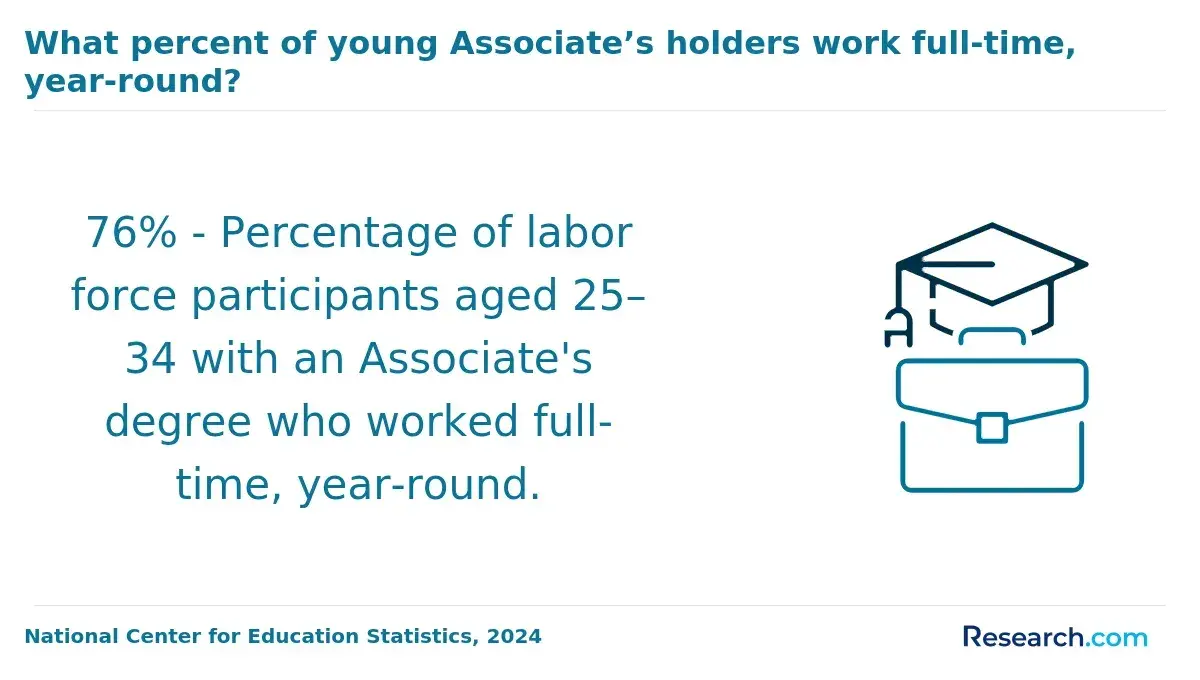
Employer demand for industrial organizational psychology professionals through 2030 is moderate and nuanced, reflecting steady growth balanced by limited entry-level openings and strong competition. Data from the U.S. Bureau of Labor Statistics shows a 6% increase in psychologist employment overall, which roughly parallels national occupational growth but masks variability in roles requiring specialized industrial organizational expertise. Graduates may find that, despite expanding corporate and government interest in talent management and employee well-being, many positions demand advanced degrees and practical experience, restricting accessible opportunities for recent entrants, particularly outside major metropolitan regions.
Annual job openings will be driven more by replacement needs than by new role creation, intensifying competition from experienced practitioners. For example, a graduate in a smaller market with few industrial organizational psychology positions may face tougher prospects than peers in hubs with a concentration of firms prioritizing workplace analytics and human capital strategies. The growing importance of data literacy and applied research skills elevates expectations, meaning candidates without doctoral training or robust quantitative backgrounds could struggle to differentiate themselves. Graduates and educators alike must weigh these realities against surface-level growth statistics to set realistic professional goals and tailor skill development for evolving employer demands.
Which Industrial Organizational Psychology Careers Will Experience the Most Job Growth?
Growth projections for top industrial organizational psychology careers with fastest growth reflect shifting workplace models and the rising prominence of data analytics in talent management. Roles such as organizational development specialists and human factors experts are expanding due to increased employer focus on hybrid work optimization and employee well-being. However, it is crucial to differentiate growth rates from overall job volume; while certain niches show rapid percentage increases, larger fields like employee training specialists continue to offer more annual openings, albeit with higher entry barriers related to advanced credentials and multidisciplinary expertise.
Regional job growth projections for industrial organizational psychology roles further complicate career selection, as demand varies notably by industry concentration and local economic conditions. For example, professionals emphasizing workforce analytics are in higher demand in metropolitan areas with tech-driven firms, while organizational change consultants find more opportunities in sectors undergoing digital transformation. Prospective students must weigh these nuances alongside realistic hiring competition and required skill sets, particularly where AI tools intersect with traditional psychology knowledge. Those considering a degree should assess practical implications carefully, including the need for specialized certifications and the variability of salary outcomes tied to hybrid analytic-human capital roles.
Understanding these dynamics is essential for aligning educational investments to labor market realities. For individuals exploring related pathways, cross-referencing growth patterns in adjacent fields like biology can offer comparative insights; for instance, reviewing jobs with biology degree may inform decisions about transferable skills and alternative routes. Ultimately, neither strong national growth nor promising projections guarantee straightforward employment, reinforcing the value of strategic skill development and region-specific market awareness in navigating industrial organizational psychology career trajectories.
What Is the Salary Outlook for Industrial Organizational Psychology Graduates Through 2030?
Salary projections for industrial organizational psychology graduates through 2030 must be evaluated in the context of inflation trends, shifting labor market demands, evolving credential expectations, and the changing nature of work itself. While median wages are forecasted to increase moderately, these gains may be uneven due to sector-specific growth and regional cost-of-living variations. Employers increasingly emphasize advanced analytic skills and technological fluency, which suggests that graduates without relevant expertise may face limited salary growth despite degree credentials.
For example, a master's holder working in a high-demand tech hub specializing in talent analytics could outpace the broader salary median, while others outside primary markets might see slower increases. The following factors are critical in understanding the salary trajectory for industrial organizational psychology professionals through 2030:
- Advanced Education Premium: A master's degree remains a common baseline, but doctoral degrees and certifications in data analytics or organizational development often unlock higher pay brackets and leadership roles, especially in consulting and strategic planning positions.
- Industry Variability: Technology, finance, and healthcare sectors generally offer stronger salary growth than academia or nonprofit fields, reflecting both budget priorities and specialized workforce needs.
- Geographic Influence: Urban centers with competitive labor markets and higher living costs, such as major metropolitan areas, drive base salaries upward, while rural or less competitive regions typically lag behind.
- Experience and Specialization: Salary growth correlates with expertise in workforce analytics, employee development, and organizational design, making mid-career specialization crucial for surpassing median compensation levels.
- Technological Integration: Proficiency in data-driven human capital management tools is increasingly rewarded, making technical skills a decisive factor in salary advancement.
- Labor Demand Fluctuations: Broader economic conditions affecting hiring trends, including corporate restructuring and shifts toward remote work, can accelerate or suppress salary growth depending on organizational priorities.
- Credential Recognition: Employer valuation of specific certifications and professional memberships influences salary, as those recognized for continuous development often secure better compensation offers.
One recent graduate, entering the workforce in a competitive metropolitan area, initially received offers below industry median estimates. After evaluating cost-of-living differences and the added value of a specialized workforce analytics certificate, they negotiated a modest raise that aligned more closely with peers in similar roles. This pragmatic approach reflected a clear understanding that location, credentials, and niche skills would shape earning potential beyond the base degree alone.
Which Industries Will Hire the Most Industrial Organizational Psychology Graduates by 2030?
Hiring demand for industrial organizational psychology graduates through 2030 will be shaped significantly by industry-specific growth trajectories, technological adaptation, and evolving workforce needs. Workforce replacement and re-skilling requirements amid automation and service model transformations will create nuanced opportunities. Graduates must assess how sectors prioritize organizational development, employee well-being, and change management to align their skills effectively. Below are the top hiring industries projected to lead in employment volume and role diversity for industrial organizational psychology graduates.
- Professional and Technical Services: This sector's expansion centers on knowledge workers and organizational culture optimization. Entry-level roles often focus on data-driven talent assessments and employee engagement strategies, while advancing professionals design leadership development and transformation programs. Credentials in leadership coaching and change management improve access.
- Healthcare: Hospitals and health systems intensify hiring to curb burnout and improve interdisciplinary team effectiveness. Specialists with expertise in psychosocial dynamics and provider well-being are increasingly sought. Experience in clinical team coordination or healthcare systems psychology enhances competitiveness.
- Manufacturing: Industry 4.0 accelerates demand for workforce transition specialists who support automation adaptation and drive continuous improvement. Roles emphasize safety culture and employee engagement during operational shifts. Skills in lean management and organizational resilience training are advantageous.
- Finance: Moderate yet steady growth here involves applying psychological principles to recruitment, diversity, inclusion, and resilience amid economic volatility. Entry-level analysts to organizational consultants contribute to workforce optimization with data-backed strategies. Credentials related to diversity management add value.
- Education: Institutions are expanding focus on faculty and staff development, organizational climate, and retention. Industrial organizational psychologists support leadership training and culture initiatives, particularly in higher education systems. Experience with educational psychology or institutional research is helpful.
- Government Agencies: These employers show steady hiring for roles tied to organizational resilience, recruitment efficiency, and diversity programs. Navigating regulatory frameworks and public sector dynamics requires specialized knowledge, favoring candidates with policy experience or public administration awareness.
These projections incorporate sector-specific factors affecting industrial organizational psychology career growth in the United States. Candidates who tailor their expertise to address unique organizational challenges and technological trends within these industries are more likely to realize sustainable employment outcomes. Additionally, individuals weighing enrollment choices should consider the practical alignment between employer demand in these fields and the skills emphasized in their educational pathways, as illustrated in specialized training such as dietitian master's programs, which reflect targeted program-job market congruence in related disciplines.
Where Will Demand for Industrial Organizational Psychology Graduates Be Strongest?
Demand for Industrial Organizational Psychology graduates will concentrate in regions where substantial investments in workforce optimization and human capital development coincide with dense corporate and healthcare networks. Metropolitan hubs such as New York, San Francisco, Chicago, and Boston benefit from diversified economies and established infrastructures that support extensive organizational development initiatives, though higher living costs and intense applicant competition shape the practical attractiveness of these markets. Conversely, emerging Southern and Southwestern cities reflect shifting economic patterns, offering expanding opportunities with potentially lower costs and less saturated talent pools, but may require graduates to adapt to industries with different credential expectations and resource availability.
Industries driving hiring include healthcare, technology, and professional services, sectors where organizational psychology expertise can directly impact employee engagement and retention through tailored human capital strategies. For instance, healthcare organizations facing burnout and staffing shortages prioritize candidates with skills in organizational culture transformation, while tech companies seek those who can integrate advanced data analytics into talent management practices. Graduates should also consider the rise of niche domains like remote work consulting and AI-enhanced HR analytics, recognizing the need for supplementary technical competencies beyond traditional psychology training to remain competitive in these evolving roles.
The variance in organizational size and budget constraints further complicates employment prospects, with medium and large enterprises more commonly dedicating resources to psychology-driven interventions than smaller firms. This dynamic underscores the importance of aligning educational pathways with realistic expectations of employer capacity and strategic priorities. According to the U.S. Bureau of Labor Statistics and Lightcast projections (2024), the strongest openings are concentrated where institutional demand, workforce complexity, and innovation intersect, reinforcing the strategic value of location-specific labor market analysis over reliance on generalized national hiring trends.
Which Industrial Organizational Psychology Specializations Will Be Most in Demand by 2030?
Industry data from the U.S. Bureau of Labor Statistics and Lightcast (2024) indicate that specialization choices within industrial organizational psychology will have significant implications for employability and career growth through 2030. Students deciding between paths should consider not only projected growth rates but also the technical skills demanded and the strategic importance of each specialization across sectors. For example, those focusing on workforce analytics may command higher salaries but must develop advanced data competencies, whereas specialists in DEI consulting need a blend of psychological insight and organizational change skills to influence corporate culture. A balanced career approach involves weighing quantitative versus qualitative strengths alongside long-term adaptability in evolving workplace settings.
Key specializations expected to show the strongest demand include:
- Workforce Analytics and Talent Management: Driven by increased reliance on AI and data-driven decision-making, these specialists help organizations forecast workforce needs and optimize performance, requiring strong statistical and technological skills.
- Employee Experience and Engagement: Focused on improving workplace culture and retention, these roles are growing amid competitive labor markets and require program development expertise and behavioral insight.
- Diversity, Equity, and Inclusion (DEI) Consulting: Demand stems from organizational pressure to foster inclusive environments, combining psychological expertise with strategic consulting to implement sustainable initiatives.
- Change Management and Organizational Development: Though mature, this specialization is evolving with digital transformation and agile methods, maintaining steady hiring by integrating psychological frameworks with business process improvement.
- Human Capital Strategy Integration: Professionals who merge psychology with business strategy and technology can drive organizational success, favored by employers seeking comprehensive applied expertise.
How Will AI and Technology Affect Industrial Organizational Psychology Careers Through 2030?
Technology is poised more to augment than fully automate key industrial organizational psychology functions, reshaping roles by offloading routine data collection and preliminary analysis to AI-driven tools. For example, entry-level practitioners traditionally focused on survey administration and basic reporting may find these tasks increasingly automated, pushing hiring demand toward candidates who combine psychological expertise with skills in data science and AI ethics. Failure to adapt by gaining competence in programming or machine learning risks limiting employability as employers prioritize tech-fluent professionals capable of interpreting complex datasets and advising on AI-integrated employee strategies.
The technology trends shaping industrial organizational psychology jobs in the US through 2030 reflect demand for hybrid skill sets spanning talent management, change leadership, and digital collaboration platforms. These evolving expectations also highlight the importance of remaining current on ethical frameworks governing AI-driven HR decisions, underscoring a shift from traditional assessment methods toward strategic roles that emphasize judgment, human insight, and systems design. Students and working psychologists should carefully evaluate degree programs and professional development offerings for applied projects and coursework focused on analytics and technology, rather than purely theoretical psychology.
Salary and hiring projections align with these trends, showing moderate overall growth tempered by automation displacing routine roles while boosting demand for strategic, tech-savvy practitioners in corporate or consulting contexts. Prospective students seeking relevant credentials might also explore interdisciplinary paths, such as online direct entry MSN programs, which illustrate a practical model for integrating diverse technical and professional competencies into career trajectories with robust market value. This layered approach to skills acquisition can help navigate uncertainties and ensure adaptability as industrial organizational psychology career impact of artificial intelligence continually evolves.
Is a Industrial Organizational Psychology Degree Worth Pursuing Based on 2030 Projections?
The industrial organizational psychology degree job outlook 2030 indicates moderate growth at about 7%, mirroring average occupational trends, yet this steady expansion masks significant variability by region, employer type, and specialization. Prospective students must weigh the financial and temporal investment required for advanced degrees against the reality that many entry-level roles remain limited without master's or doctoral credentials. Those balancing tuition costs, program length, and career flexibility might find alternative options more accessible, such as the easiest nurse practitioner program, which often offers clearer entry routes and faster completion for certain healthcare roles, illustrating the necessity of aligning educational choices with specific workforce demands instead of relying solely on salary prospects.
Median salaries near $105,000 suggest that, compared to other social science fields, industrial organizational psychology holds relatively strong earning potential; however, this advantage depends heavily on acquiring a graduate-level degree and cultivating expertise in both psychological assessment and business strategy. The value of an industrial organizational psychology degree in future workforce scenarios will fluctuate according to employer expectations, with firms increasingly favoring candidates possessing hybrid skills that blend data analytics, organizational development, and talent management. Graduates should anticipate persistent competition and uneven hiring landscapes, underscoring the importance of ongoing skills development to maintain relevance in evolving job markets through 2030.
References
- What is the Industrial Organizational Psychology Job Outlook? - Organizational Psychology Degrees https://www.organizationalpsychologydegrees.com/faq/job-outlook-organizational-psychology/
- Will Industrial-Organizational Psychologists be replaced by AI & Robots? https://willrobotstakemyjob.com/industrial-organizational-psychologists
- How To Become An Industrial Organizational Psychologist | Psychology.org https://www.psychology.org/careers/industrial-organizational-psychologist/
Other Things You Should Know About Industrial Organizational Psychology
While program reputation often correlates with employer recognition, specialized tracks can provide targeted skills that align more closely with niche industry demands. Students should prioritize programs offering applied experience in areas like workforce analytics or leadership development if their career goals are specific, even if these programs have lower overall prestige. This practical focus can compensate for less name recognition by directly enhancing employability in specialized roles.
Full-time, on-campus programs typically provide richer networking, hands-on research, and internship opportunities, which align with employer expectations for practical experience. However, part-time or online programs offer flexibility that suits working professionals but may limit immediate access to experiential learning and peer collaboration. Choosing a format should depend on a student's capacity to engage deeply with applied projects and build professional connections, which are critical for career advancement in this field.
Salary growth in industrial organizational psychology generally reflects increasing responsibility in consulting, strategic planning, or organizational leadership roles, which often require ongoing skill development and complex project management. Prospective students should recognize that early-career roles might have moderate compensation despite high workload demands, making long-term career planning and specialization essential for better financial returns. Prioritizing advanced training in data analytics or change management can accelerate progress into higher-paying positions.
The hiring projections often assume steady growth but do not fully capture employer preference for candidates with interdisciplinary skills or demonstrated impact on organizational outcomes. Students should prepare for competitive entry-level environments where advanced methodological expertise and consulting experience differentiate applicants. Additionally, geographic variability affects opportunities; urban centers and industries with established people analytics teams tend to offer more openings, so flexibility to relocate or engage in hybrid work can significantly influence employability.