2027 Industrial Organizational Psychology Student Debt Report: Borrowing, Monthly Payments, and Repayment Risk

Co-Founder and Chief Data Scientist
The structure and duration of industrial-organizational psychology programs shape borrowing behaviors differently than in many other disciplines. With a blend of social science research methods, field internships, and often graduate-level training extending beyond four years, students face varied financing needs tied to program length and specialized coursework. Recent data from the National Center for Education Statistics indicate that graduate students across psychology disciplines carry an average debt load near $70,000 as of 2024, reflecting intensive academic commitments.
The age diversity among enrollees further influences repayment risk, as mid-career entrants may juggle existing financial responsibilities alongside new debt. This report examines the nuanced borrowing patterns, monthly payment expectations, and repayment challenges unique to industrial-organizational psychology graduates, considering how evolving workforce demands and educational pathways shape long-term financial outcomes.
Key Things to Know About Industrial Organizational Psychology Student Debt
- Industrial organizational psychology student debt often extends repayment timelines beyond typical program lengths, reflecting a tradeoff between accelerated entry into the workforce and long-term financial flexibility.
- Employers increasingly scrutinize graduate debt levels as part of hiring decisions, linking financial stability perceptions to retention risk assessments in talent-intensive roles.
- Recent 2024 data indicate that early-career monthly repayment burdens consistently exceed 15% of disposable income, impacting enrollment timing and necessitating careful borrowing strategies.
- Key Things to Know About Industrial Organizational Psychology Student Debt Key Things to Know About Industrial Organizational Psychology Student Debt
- How Much Student Loan Debt Do Industrial Organizational Psychology Graduates Typically Have at Graduation? Average Studen Loan Debt
- What Factors Have the Biggest Impact on Industrial Organizational Psychology Student Loan Debt? Student Debt Key Factors
- What Is the Average Monthly Student Loan Payment for Industrial Organizational Psychology Graduates? Average Monthly Payment
- How Do Repayment Rates Compare Between Public and Private Institutions? Public vs. Private Institution Repayment Rates
- Do Online Industrial Organizational Psychology Graduates Have Different Repayment Outcomes Than Campus-Based Students? Online vs. On-Campus Student Loan Repayment
- Which Industries Provide the Best Financial Return Relative to Borrowing Costs? Which Industries Provide the Best Financial Return Relative to Borrowing Costs?
- Does Student Debt Affect Which Jobs Industrial Organizational Psychology Graduates Accept? Does Student Debt Affect Which Jobs Industrial Organizational Psychology Graduates Accept?
- What Factors Increase Student Loan Repayment Risk for Industrial Organizational Psychology Graduates? Loan Repayment Risk Factors
- How Can Industrial Organizational Psychology Students Reduce Student Loan Debt While Earning Their Degree? Tips to Reduce Student Debt
- How Should Prospective Students Evaluate Borrowing Risk Before Enrolling? Evaluating Student Debt Risk
How Much Student Loan Debt Do Industrial Organizational Psychology Graduates Typically Have at Graduation?
Graduate students completing industrial-organizational psychology degrees typically incur student loan debt ranging roughly from $40,000 to over $70,000 by graduation, according to 2024 data from the National Center for Education Statistics and related education sources. This variation reflects the broad spectrum of tuition costs and institutional differences that characterize this field, which is primarily studied at the master's and doctoral levels.
The cumulative borrowing reported often includes debt carried from undergraduate studies, amplifying total obligations at graduation. Given the variability in program structures and financing, understanding average student loan borrowing for industrial-organizational psychology degrees requires considering these overlapping debt sources rather than relying on simplistic averages.
Key factors driving differences in debt include the type of institution attended, with private universities and specialized programs usually demanding higher tuition than public institutions, especially for out-of-state students. Enrollment status also impacts cumulative debt; full-time students may graduate more quickly but with higher semester costs, while part-time enrollees stretch expenses over a longer period but may incur continued living or indirect costs.
The availability and extent of scholarships, grants, or assistantships can significantly reduce borrowing needs but vary widely by program and geography. Furthermore, regional cost-of-living disparities influence not only tuition but also the ancillary expenses that students must finance through loans. For those comparing investment levels across fields, analyzing such nuances can provide insight beyond headline loan figures and clarify the affordability landscape.
These debt disparities have tangible implications for post-graduation financial stability and planning. Graduates often face repayment stresses that underscore the importance of income-driven repayment options tailored to variable earnings within organizational psychology careers. Borrowing levels also factor into decisions about pursuing certain employment sectors or additional credentials, like DNP online programs, sometimes compelling graduates to adjust career goals based on debt service capacity.
What Factors Have the Biggest Impact on Industrial Organizational Psychology Student Loan Debt?
Student loan debt levels in industrial organizational psychology programs emerge from a complex interplay of institutional pricing mechanisms and individual financial conditions rather than any single factor. The combination of program length, type of institution, availability of financial aid, and enrollment format all critically influence borrowing. Additionally, personal financial literacy and lifestyle choices further modulate how much debt students ultimately assume.
Understanding these intersecting forces reveals why there can be wide variations in debt burdens among industrial organizational psychology students.
- Degree Level and Program Duration: Doctoral programs in industrial organizational psychology typically entail longer timeframes, often exceeding five years, and additional expenses related to research and dissertation requirements. Master's programs tend to be shorter and less costly, naturally limiting student borrowing. The extended commitment of doctoral studies increases exposure to tuition inflation and living costs, which significantly drives up total student loan amounts-data from the National Center for Education Statistics shows doctoral graduates borrow about 40% more than master's students in the field.
- Institutional Pricing and Financial Aid Ecosystems: Tuition rates differ substantially between private and public institutions, with private universities frequently charging premiums for specialized or highly ranked industrial organizational psychology programs. These differential tuition structures are compounded by limited financial aid availability at the master's level compared to doctoral studies where assistantships and scholarships are more common. Students at private or out-of-state programs may therefore borrow $12,000 to $18,000 more than their public, in-state peers, reflecting both sticker price and aid gaps.
- Program Delivery Format and Enrollment Patterns: Full-time, on-campus enrollment generally produces higher borrowing due to upfront yearly tuition demands and living expenses in often high-cost urban environments. In contrast, part-time and online programs can spread costs over a longer period and may offer lower tuition rates, reducing immediate loan needs. However, extended enrollment can sometimes increase total borrowing through cumulative fees. Decisions around format must also consider career interruptions and earning potential during study, making financial planning complex.
- Living Costs and Residency Expenses: Industrial organizational psychology doctoral candidates often incur significant living expenses during residencies or internship placements, which may be geographically distant from home and increase housing and transportation costs. These indirect costs are frequently financed through loans, substantially augmenting debt beyond tuition alone. Geographic location thus interacts with institutional type and program requirements, amplifying borrowing variation across students.
- Financial Literacy and Borrower Behavior: Individual student strategies around borrowing, debt management, and understanding of repayment options greatly affect cumulative debt levels. Borrowers who actively engage in loan counseling and budgeting tend to limit unnecessary borrowing and adopt repayment plans that mitigate default risk. This behavioral dimension overlays the structural factors above, influencing how students navigate the affordability challenges intrinsic to industrial organizational psychology graduate education.
For those considering different pathways, it can also be valuable to explore alternatives such as a nursing school with no entrance exam, which may offer distinct cost and career tradeoffs worth evaluating alongside industrial organizational psychology financing considerations.
What Is the Average Monthly Student Loan Payment for Industrial Organizational Psychology Graduates?
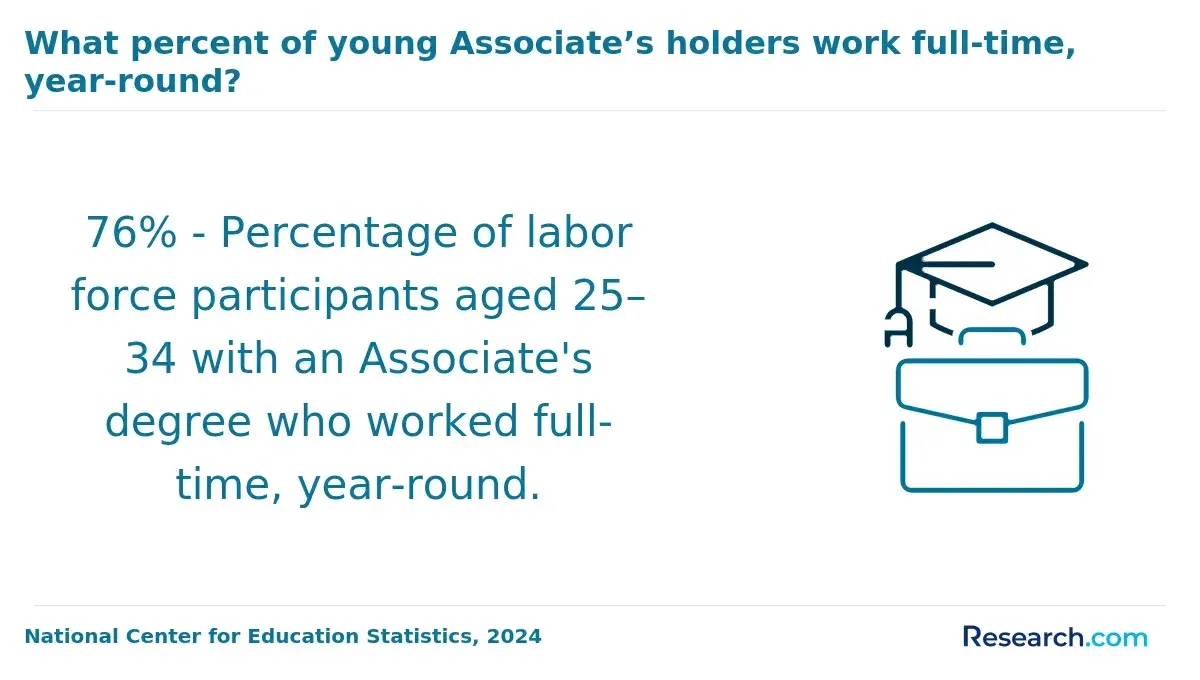
Recent data from the U.S. Department of Education and the Federal Reserve's 2024 consumer credit report indicate that monthly student loan payments for industrial organizational psychology graduates generally fall between $250 and $450. This range reflects typical debt levels and repayment terms associated with master's and doctoral degree holders in this field.
Variations in payments often correspond to differences in borrowing amounts influenced by program costs and length, as well as the availability of employer support or repayment assistance. The typical payment range aligns with entry-level salaries in industrial-organizational psychology roles, balancing manageable loan obligations with income realities early in graduates' careers.
Monthly payment differences largely stem from the interplay of total loan balances, repayment plan selection, and income fluctuations. Graduates with higher debt, often due to doctoral study or private loans, face larger monthly payments unless enrolled in income-driven repayment plans, which adjust obligations based on earnings and family size. Interest accrual rates and repayment term lengths also shape payment amounts, as longer terms reduce monthly costs but increase overall interest paid.
Salary disparities within industrial organizational psychology-as influenced by job function, geographic region, and experience level-further affect how burdensome these payments feel, underscoring the importance of strategic borrowing and understanding repayment structures early on.
One graduate recalled feeling caught in a stressful cycle during the rolling admissions period, hesitant to commit without knowing how loan payments would impact their budget. They intentionally delayed applying until receiving clearer estimates on program costs and potential employer tuition reimbursement. This cautious approach helped them avoid overextending financially, though waiting carried the risk of limited program spots and heightened uncertainty. Their experience illustrates the importance of timing and informed decision-making amid fluctuating application deadlines and complex loan repayment considerations.
How Do Repayment Rates Compare Between Public and Private Institutions?
Recent data from the U.S. Department of Education's College Scorecard highlights a consistent disparity in student loan repayment rates between industrial organizational psychology graduates from public versus private institutions. Approximately 56% of public university graduates begin successfully repaying their loans within three years of entering repayment, compared to about 48% from private universities. This gap reflects differences not only in repayment behavior but also in the financial pressures graduates face based on their educational pathway.
Such repayment rates serve as a practical indicator of how institutional factors translate into measurable financial outcomes for students navigating early career obligations. Several interconnected elements drive this divergence in repayment performance. Tuition at private institutions often exceeds that of public colleges, prompting higher borrowing levels that increase monthly payment burdens and elongate repayment timelines.
Graduates from public universities generally carry lower debt and typically secure employment in more stable sectors, such as government or nonprofit organizations, where salary consistency better supports timely loan repayment. Conversely, private institution graduates encounter greater variability in income and higher debt-to-income ratios, influenced by institutional prestige and varied employer outcomes, which may impede their ability to meet repayment milestones as promptly.
These repayment dynamics have broader implications for financial stress and long-term economic mobility among industrial organizational psychology graduates. Sustained repayment challenges can affect credit profiles and limit options for additional investment in professional development or homeownership. Furthermore, repayment outcomes contribute increasingly to institutional accountability measures, shaping perceptions of program value and influencing prospective students' decision-making. Understanding these structural forces is critical for evaluating the true cost and return on investment of different educational pathways within the field.
Do Online Industrial Organizational Psychology Graduates Have Different Repayment Outcomes Than Campus-Based Students?
Repayment rates among industrial organizational psychology graduates differ significantly between public and private institutions, influenced by institutional pricing and student demographics. According to 2024 data from the National Center for Education Statistics, graduates from public universities tend to have higher repayment rates within the first five years post-graduation compared to their private counterparts.
For example, public institution cohorts reported default rates averaging around 8%, while private university graduates saw rates closer to 12%, reflecting the nuanced repayment challenges faced by private school borrowers. These disparities reflect more than institutional prestige, highlighting the complex financial realities embedded in campus versus online industrial organizational psychology student loan outcomes.
The factors driving these differences include tuition costs, average borrowing amounts, and post-graduation earnings. Public universities often have lower sticker prices and more extensive grant availability, which reduces overall debt burdens, while private institutions, particularly those with a strong online presence, typically charge higher tuition rates and offer fewer targeted financial aid options. Graduates from public programs usually benefit from established career services and stronger local employment networks, which enhance early job placement and earning potential-key factors in timely loan repayment.
Conversely, higher debt loads combined with delayed full-time employment among private online students often translate to increased repayment stress and longer loan terms. Prospective students considering industrial organizational psychology programs should weigh these structural elements carefully, especially as repayment performance reveals critical insights into program value and long-term financial mobility.
When comparing graduate pathways such as exercise science degrees and industrial-organizational psychology, the trends in borrowing and repayment emphasize the importance of matching program flexibility with realistic financial expectations. Understanding how institutional type and delivery mode affect repayment outcomes equips students to make informed decisions tailored to their circumstances rather than defaulting to assumptions about public or private educational quality.
Which Industries Provide the Best Financial Return Relative to Borrowing Costs?
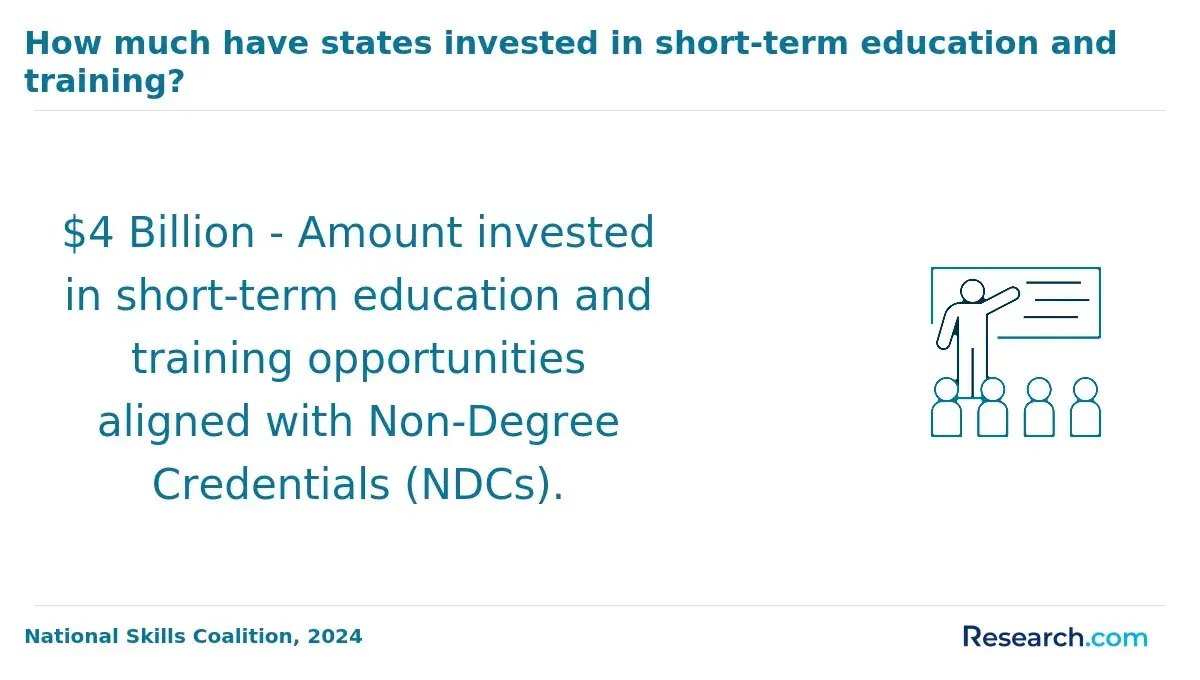
Financial return after completing an industrial-organizational psychology degree varies considerably across industries, reflecting more than just salary differences. The balance of earning potential, hiring demand, and career advancement pace is crucial for managing typical borrowing levels, often ranging from $50,000 to $70,000.
A realistic ROI assessment weighs how effectively income growth offsets student debt service, factoring in sector-specific labor market dynamics and repayment risk.
- Technology: This sector consistently offers the highest initial salaries, often exceeding $75,000, combined with rapid career progression and robust demand for analytics and workforce optimization skills. The conjunction of elevated pay and growth trajectories significantly enhances debt repayment capacity, reducing financial strain relative to average borrowing.
- Consulting: Competitive base salaries in consulting firms, frequently supplemented by performance bonuses, provide a flexible income structure. The sector's reliance on organizational effectiveness expertise promotes steady hiring demand, allowing graduates to repay loans with more resilience even when borrowing amounts approach the higher end.
- Healthcare: Growing investment in workforce analytics within healthcare institutions creates stable employment opportunities. Median salaries generally fall slightly below tech and consulting but maintain a steady upward trajectory supported by systemic demand, facilitating moderate repayment feasibility without excessive financial risk.
- Government and Education: These sectors typically start with lower entry-level salaries near $50,000, which constrains early repayment potential. Slower wage growth and more limited hiring frequency amplify the repayment challenge for those holding substantial student debt, increasing the risk of extended loan obligations.
According to 2024 data from the U.S. Bureau of Labor Statistics and the National Center for Education Statistics, sectors that combine solid starting salaries with sustained demand present clearer pathways to managing student debt effectively. Conversely, industries with constrained earnings growth parallel higher repayment vulnerability, underlining the importance of matching educational investment to industry-specific financial trajectories.
Does Student Debt Affect Which Jobs Industrial Organizational Psychology Graduates Accept?
Student debt levels exert a pronounced influence on the early employment decisions of industrial-organizational psychology graduates, particularly through the lens of necessary salary thresholds linked to repayment obligations. With nearly 70% of these graduates carrying debt at workforce entry, many weigh job offers against monthly loan repayments, often favoring higher-paying roles in corporate or consulting environments where starting salaries may exceed public sector alternatives by 20 to 30 percent.
This financial imperative frequently encourages prioritizing immediate income stability over positions with potentially richer professional alignment but lower initial compensation, such as academic or nonprofit roles. Thus, the interplay between debt-to-income ratios and repayment schedules creates a tangible filter shaping which sectors and job types are accessible or appealing in the crucial postgraduation period.
Beyond initial salary considerations, behavioral and structural factors differentiate choices among graduates with varying debt burdens. High-debt individuals are more likely to select employment that offers loan repayment assistance or robust benefits, while those with lighter debt loads may exhibit greater flexibility, pursuing roles aligned with long-term career aspirations or geographic preference. Industry selection also responds to these dynamics, as private sector roles often offer both higher pay and faster career mobility, contrasted with the slower financial growth typical of government or teaching positions.
Additionally, geographic mobility constraints arise when repayment pressure limits willingness or ability to relocate for ideal job matches, reinforcing patterns of job acceptance driven by financial necessity rather than optimal professional fit. These complexities highlight how student debt shapes labor market behavior beyond immediate salary, influencing strategic career planning and sector engagement over time.
An industrial organizational psychology graduate recounted navigating the admissions and job search process while managing debt concerns. Initially delayed in applying to graduate programs due to uncertainty about funding and loan options, they experienced heightened anxiety during rolling admissions deadlines, weighing whether to accept early offers with higher salaries versus waiting for schools with stronger reputations but less clear financial aid.
This tension extended into job negotiations after graduation, where the candidate felt compelled to accept a consulting role that provided loan assistance despite a preference for nonprofit work, illustrating the nuanced trade-offs debt creates between financial security and career values.
What Factors Increase Student Loan Repayment Risk for Industrial Organizational Psychology Graduates?
Student loan repayment risk for industrial-organizational psychology graduates results from the complex interplay between borrowing levels, employment outcomes, and broader economic forces. This risk reflects not only the amount of debt accrued but also the stability and adequacy of post-graduation earnings relative to repayment obligations.
Understanding these factors helps clarify why some graduates encounter repayment difficulties while others maintain steady financial footing.
- High Debt-to-Income Ratios: Graduates who accumulate substantial debt, especially exceeding 8% of their income, face elevated repayment strain. Federal data from 2024 indicates nearly 40% of advanced degree holders in related social sciences struggle when debt outpaces earnings growth, limiting their capacity to manage monthly loan payments without financial distress.
- Employment Mismatch and Stability: The niche nature of industrial-organizational psychology means job openings may not align perfectly with specialized skills. Graduates taking roles outside their field or in unstable employment settings often earn less, increasing repayment risk due to inconsistent or insufficient income.
- Program Length and Funding Sources: Extended degree programs commonly lead to greater debt accumulation, and reliance on unsubsidized loans-typical when employer tuition assistance or fellowships are limited-drives up principal and interest owed. These financial structures heighten the risk of default when income growth is slow.
- Geographic and Labor Market Variability: Graduates located in regions with fewer relevant job opportunities or lower average salaries experience amplified repayment challenges. Regional disparities in employer benefits and living costs further influence disposable income available for loan servicing.
Industrial organizational psychology students weighing program options should also consider questions similar to how long does it take to become a pharmacist, as program format impacts both time-to-degree and cumulative borrowing levels, ultimately affecting repayment risk.
How Can Industrial Organizational Psychology Students Reduce Student Loan Debt While Earning Their Degree?
Reducing student loan debt while earning a Industrial Organizational Psychology degree requires deliberate planning, strategic enrollment decisions, and active use of institutional resources. This approach involves balancing financial awareness, academic efficiency, and leveraging funding opportunities to lower overall borrowing.
Industrial Organizational Psychology students face practical tradeoffs between program format, work-study options, and scholarship pursuits that directly affect their debt levels and repayment outlooks.
- Select Cost-Effective Program Formats. Choosing hybrid or online delivery modes can substantially lower tuition and campus-related expenses. According to the National Center for Education Statistics (2024), students in online programs save approximately 15-20% compared to traditional formats, reducing the need to borrow for living and travel costs.
- Maximize Employer Tuition Assistance. Many students secure internships or part-time roles aligned with industrial organizational psychology where employer-sponsored education benefits are common. A 2024 Bureau of Labor Statistics report showed nearly 30% of graduate students in applied psychology fields receive employer reimbursement, which can significantly offset loan amounts.
- Target Scholarships and Fellowships. Applying for awards explicitly tied to Industrial Organizational Psychology or related psychology disciplines helps cover tuition without future repayment obligations. Aggressively pursuing these options helps lower dependency on loans and enhances financial aid optimization.
- Prioritize Borrowing for Core Educational Costs. Limiting loans to essential expenses such as tuition and mandatory fees prevents unnecessary debt accumulation. Students can further reduce living costs by opting for shared housing or meal planning, cutting down total borrowing.
- Leverage Institutional Assistantships. Graduate assistantships offer stipends and tuition waivers while providing practical experience. These roles reduce out-of-pocket expenses and loan reliance but require balancing time commitments with academic progress.
- Plan Academic Progress Efficiently. Completing coursework on time avoids extra semesters and tuition charges that can increase borrowing. Strategic course selection and credit transfer evaluation accelerate degree completion.
- Evaluate Admission Pathways Carefully. Selecting programs with reasonable admission criteria may broaden affordable options. Exploring easy-admission online MPH programs can offer insights into accessible, cost-effective enrollment strategies applicable to Industrial Organizational Psychology students.
These integrated strategies help students manage industrial organizational psychology student loan repayment strategies effectively by minimizing upfront borrowing and optimizing financial aid throughout their degree program. Understanding the interactions between program delivery, employer partnerships, and targeted scholarships enables more sustainable debt outcomes without compromising educational quality.
How Should Prospective Students Evaluate Borrowing Risk Before Enrolling?
Evaluating borrowing risk before enrolling in an Industrial Organizational Psychology degree program is essential to understanding the long-term financial impact of educational debt. This assessment involves balancing total anticipated loan amounts against realistic post-graduation earnings, which directly affect repayment capacity and financial stability.
Prospective students must critically analyze multiple dimensions of cost, salary prospects, and institutional outcomes rather than relying on generic financial advice.
- Total Cost Versus Earnings Potential: Compare the full cost of attendance, including tuition and living expenses, with median and entry-level salaries in the field. U.S. Bureau of Labor Statistics data from 2024 show median wages near $100,000, but entry-level salaries vary widely, influencing debt sustainability.
- Debt-to-Income Ratios: Assess whether projected debt exceeds 1.5 times the expected first-year gross salary. Excessive borrowing relative to starting income often signals repayment challenges.
- Institutional Employment Outcomes: Verify graduation and job placement rates from accredited and third-party sources to ensure credible reporting of employment prospects tied to Industrial Organizational Psychology.
- Repayment Flexibility and Forgiveness: Evaluate available income-driven repayment plans and loan forgiveness options that can mitigate long-term financial strain.
- Program Duration and Credentialing Requirements: Longer programs or those requiring additional certifications may increase cumulative debt without proportional salary gains.
- Regional Salary Variations: Factor in geographic differences in starting salaries since location significantly influences repayment feasibility.
- Long-Term Career Trajectories: Consider potential salary growth and advancement opportunities within Industrial Organizational Psychology to forecast debt management over time.
Balancing these factors allows prospective students to adopt a nuanced, data-driven approach when deciding how much to borrow for an Industrial Organizational Psychology degree, grounded in realistic career and debt repayment outcomes rather than broad budgeting guidelines.
References
- Student Debt Loans and Labor Market Outcomes: A Lesson in Unintended Consequences https://articlegateway.com/index.php/JABE/article/view/7585
- Public colleges offer highest chance of positive ROI to students, report finds https://www.highereddive.com/news/public-colleges-offer-highest-chance-of-positive-roi-to-students-report-fi/618531/
- Top 5 Considerations to Lower Student Loan Debt Now - TUITION.IO https://www.tuition.io/blog/top-5-considerations-to-lower-student-loan-debt-now
- Deep Dive: New Research Shows the Profound Impact of Debt on Perceptions of Higher Ed - Protect Borrowers https://protectborrowers.org/resource/deep-dive-new-research-shows-the-profound-impact-of-debt-on-perceptions-of-higher-ed/
- Average Student Loan Payment [2026]: Cost per Month https://educationdata.org/average-student-loan-payment
- Financial Assistance for Psychology Students https://mastersinpsychologyguide.com/articles/financial-assistance/
- Top 9 Most Affordable Master's in I-O Psychology https://www.organizationalpsychologydegrees.com/best/most-affordable-masters-in-industrial-organizational-psychology/
- Financial Debt and Stress in Clinical Psychology Doctoral Students - PCSAS https://pcsas.org/newsletter/financial-debt-and-stress-in-clinical-psychology-doctoral-students/
- Private Student Loans — Project on Predatory Student Lending https://www.ppsl.org/privateloans-issue
Other Things You Should Know About Industrial Organizational Psychology
The duration and design of industrial organizational psychology programs critically shape borrowing needs and debt servicing timelines. Longer programs, especially those requiring full-time study with minimal paid internship opportunities, tend to increase total borrowing and monthly repayment burdens, heightening default risk if post-graduation income growth is slow. Choosing programs that integrate practical work experience or part-time enrollment can reduce borrowing amounts and make repayment more manageable by maintaining income flow during study.
Employers in industrial organizational psychology often expect relevant experience over highest degree prestige, meaning high debt accumulation on expensive programs doesn't guarantee employment advantage. Graduates should weigh if debt levels align with realistic starting salaries in target sectors, since excessive borrowing constrains career flexibility and increases financial stress. Prioritizing programs with strong internship pipelines or regional reputation can provide better practical ROI than chasing costlier national prestige.
The demanding workload and extended career development timeline in industrial organizational psychology can limit immediate income growth, making aggressive repayment plans risky. Graduates facing hefty repayments during early career stages may encounter cash flow challenges that restrict professional development investments or geographic mobility. Opting for income-driven repayment plans or debt forgiveness routes may offer crucial breathing room, but candidates must balance these with potential long-term credit implications.
Prioritizing lower debt can be a strategic choice for students focused on sustainable financial health over pedigree. Attending more affordable or state schools with solid employment outcomes often results in better net return on investment and less repayment strain. While some prestige programs may open unique networking doors, the actual value depends on fit with career goals and local job markets; needless overborrowing can undercut long-term financial stability and career freedom.