2027 Industrial Organizational Psychology Job Market Report: Open Roles, Salary Bands, and Hiring Momentum

Co-Founder and Chief Data Scientist
Employment patterns within industrial organizational psychology increasingly reflect the interplay of technological integration and evolving organizational demands. Firms realigning workforce strategies to prioritize data-driven decision-making are altering hiring criteria, prompting shifts in skill emphases and credential expectations.
Salary bands and open roles capture these transitions, revealing where talent scarcity intersects with emerging expertise areas such as AI-supported assessment and diversity metrics analysis. Regulatory updates around workplace equity and employee well-being influence employer investment cycles, further shaping momentum in recruitment. The geographic concentration of roles and an aging demographic within the profession suggest upcoming generational turnover that will impact educational access and the discipline's adaptability.
This article evaluates open roles, salary ranges, and hiring trends in industrial organizational psychology, contextualizing them as markers of broader market dynamics. It frames compensation and demand not as isolated variables but as indicators of shifting priorities and skill valuations that distinguish this field from other social sciences.
Key Things to Know About Industrial Organizational Psychology Job Market
- Open roles in industrial organizational psychology remain concentrated in large corporate and consulting sectors; prospective candidates must often navigate competitive entry points, where relevant internship experience strongly influences hireability.
- Salary growth is moderate compared to tech fields, reflecting steady demand but emphasizing the importance of targeting organizations that value behavioral insights to maximize long-term earning potential.
- Recent 2024 data show hiring momentum slowing amid economic shifts, signaling that extended program duration and associated costs may delay timely workforce entry, a key consideration for career strategists.
- Key Things to Know About Industrial Organizational Psychology Job Market Key Things to Know About Industrial Organizational Psychology Job Market
- How Strong Is Demand for Industrial Organizational Psychology Graduates in Today's Job Market? Demand for Graduates
- Which Industrial Organizational Psychology Careers Have the Most Open Job Opportunities? In-Demand Careers
- What Salary Bands Are Employers Offering Across Industrial Organizational Psychology Careers? Offered Salary Bands
- Which Industries Are Hiring the Most Industrial Organizational Psychology Graduates? Top-Hiring Industries
- How Does Hiring Demand Vary by State, Region, and City? Hiring Demand by Location
- What Skills Are Employers Prioritizing in Industrial Organizational Psychology Job Postings? In-Demand Skills
- Which Certifications Increase Employability and Salary Potential? High-Value Certifications
- How Do Remote and Hybrid Opportunities Affect the Industrial Organizational Psychology Job Market? Remote and Hybrid Opportunities
- Which Industrial Organizational Psychology Careers Show the Strongest Long-Term Hiring Momentum? Strongest Careers
- How Can Students Use Job Market Data to Make Better Career Decisions? Utilizing Job Market Data
How Strong Is Demand for Industrial Organizational Psychology Graduates in Today's Job Market?
Employment projections for industrial organizational psychology graduates in the United States indicate moderate growth, with the U.S. Bureau of Labor Statistics estimating about a 6% increase over the next decade, aligning with the national average. This growth is nuanced by evolving employer demands highlighted in recent LinkedIn Workforce Reports, which point to a rising need for expertise in workforce analytics, leadership development, and change management.
While openings exist across sectors such as technology, healthcare, and finance, competition remains intense, especially for entry-level roles that often require advanced degrees and demonstrable consulting experience. These dynamics reflect the practical challenges graduates face in securing well-compensated positions despite a solid baseline demand in the industrial organizational psychology graduate job market in the United States.
Key drivers influencing demand include the increasing complexity of talent management amid economic uncertainty and the push for diversity and inclusion, which require applied psychological strategies supported by data-driven insights. The shift toward hybrid work environments compels organizations to adapt leadership and engagement practices, raising the need for graduates who blend psychological acumen with competencies in data analytics and human resources management.
Regional variations also play a role, with metropolitan hubs in technology and finance sectors exhibiting stronger demand than less urbanized areas. Given these shifts, prospective students should critically evaluate how their educational path enhances cross-disciplinary expertise and aligns with current market expectations, rather than relying solely on traditional academic credentials.
Long-term job stability for industrial organizational psychology graduates depends heavily on continuous skill development and adaptability to labor market changes such as automation and evolving workplace norms. Emerging roles tend to reward those who integrate psychological insight with practical business solutions, emphasizing measurable impact on organizational outcomes.
Individuals considering advanced degrees would benefit from understanding these labor market signals and seeking programs attuned to combining psychological training with applied workforce analytics, similar to curricula found in certain online pharmacy school programs known for interdisciplinary approaches. This strategic positioning is crucial to navigating demand fluctuations and securing roles that reflect both the breadth and depth of industrial organizational psychology expertise.
Which Industrial Organizational Psychology Careers Have the Most Open Job Opportunities?
Job opportunity distribution within industrial organizational psychology careers is shaped by sector growth, evolving workplace practices, and emerging skill demands. Labor market shifts reflect broader economic and technological changes that increase the need for data-savvy practitioners able to align human capital strategies with business objectives.
Skills shortages in specialized recruitment, analytics, and organizational change fuel openings as employers seek to adapt rapidly to hybrid work models, diversity initiatives, and performance optimization. These dynamics position certain roles with significantly more open positions than others, illustrating changing employer requirements rather than static occupational demand.
- Talent Acquisition Specialists: Recruitment roles remain highly available due to companies prioritizing data-driven hiring and diversity strategies to reduce turnover and improve workforce quality. Skill sets in psychological assessment combined with sourcing technology proficiency are increasingly valued across corporate HR, staffing firms, and consultancy settings experiencing sustained demand for talent management intervention.
- Organizational Development Consultants: Consultants who design and implement change management, leadership training, and culture transformation programs show strong hiring momentum. These roles respond to employer needs for agile adaptation amid globalization and hybrid work environment complexities, requiring expertise in evidence-based intervention and strategic organizational alignment.
- People Analytics Professionals: Demand is robust for practitioners who merge industrial organizational psychology knowledge with data science skills to measure employee engagement and performance metrics. Expanding investment in people analytics reflects a shift toward evidence-based decision-making, with the fastest growth reported among analytic roles tied to assessment and productivity enhancement.
- Human Factors Specialists: This niche blends psychological principles with ergonomics and system design, growing at rates exceeding 10% annually according to the Bureau of Labor Statistics. Increasing complexity in technology interaction across industries drives the need for professionals able to optimize human-system interfaces, security, and safety.
- Employee Experience Analysts: As companies intensify focus on workforce wellbeing and retention, analysts who evaluate workplace climate and culture through quantitative and qualitative methodologies see rising opportunities. Demand is rooted in sectors with significant investment in employee engagement strategies, including healthcare and technology firms.
- Learning and Development Coordinators: While not as rapidly expanding as some analytics or consulting areas, roles tied to leadership development and ongoing workforce education remain steady due to ongoing organizational transformation. These roles require combining psychological insight with program management and instructional design also relevant to hybrid and remote training delivery.
For those aiming to enter these fields, understanding the competitive landscape is critical. Early-career professionals should consider emphasizing cross-disciplinary skills such as advanced data analytics alongside core industrial organizational psychology competencies.
The evolving demand underscores how specialized expertise in areas like recruitment analytics or organizational development can yield higher volumes of available roles and stronger career resilience over time. Recognizing these sector-specific trends can guide informed decisions about training and job search strategy aligned with industry trajectories and labor market realities.
Individuals pursuing quick entry into this labor market might explore fast track college programs that emphasize practical skills and up-to-date methodologies, given the premium employers place on applicability and measurable outcomes in industrial organizational psychology job openings in the United States.
What Salary Bands Are Employers Offering Across Industrial Organizational Psychology Careers?
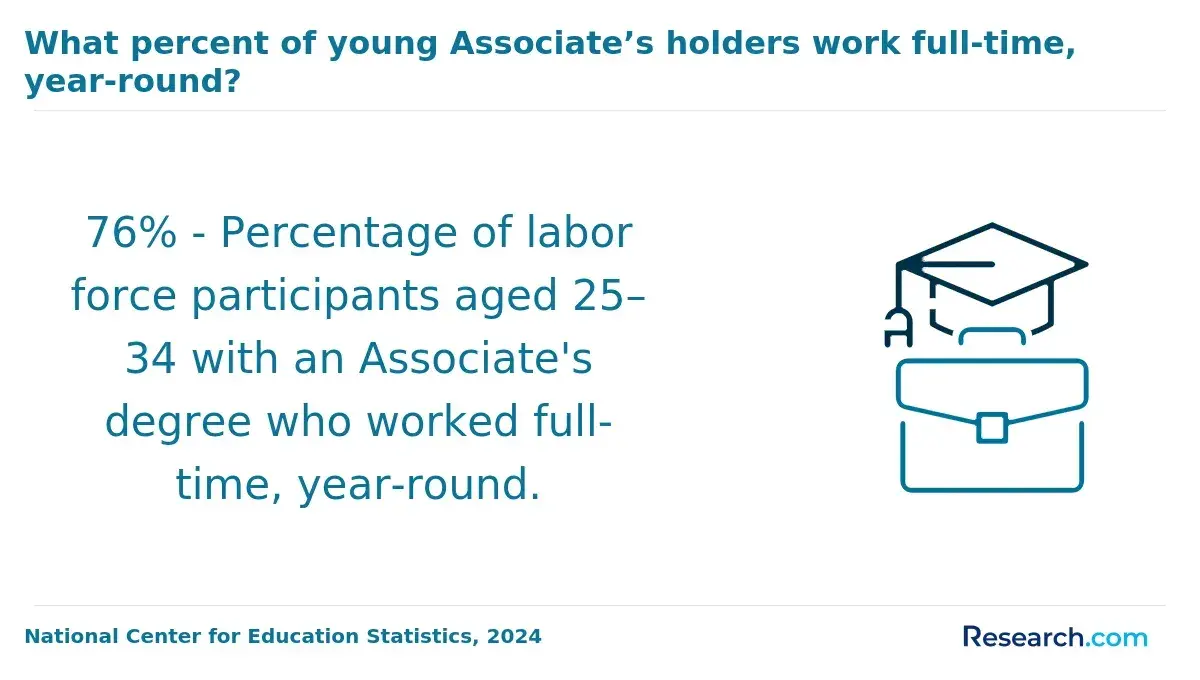
Compensation in industrial organizational psychology careers reflects clear tiered salary bands aligned with experience and education, consistent with 2024 labor market data from sources like the U.S. Bureau of Labor Statistics and LinkedIn Salary Insights. Entry-level positions, mostly requiring a bachelor's or master's degree, generally offer $55,000 to $75,000 annually, reflecting foundational responsibilities in data collection and organizational support.
Mid-level roles, typically demanding a master's or doctoral degree plus several years of experience, command between $75,000 and $110,000, driven by increased scope in employee development, data analytics, and consulting functions. Senior professionals with PhDs and extensive experience can expect compensation ranging from $110,000 to beyond $160,000, a band that accounts for leadership roles overseeing strategic initiatives and large-scale organizational research often found in federal or corporate environments.
Salary disparities within the field often stem from specialization intensity, geographic labor market strength, and organizational scale. For instance, expertise in talent analytics or leadership development can attract premium pay in industries that prioritize workforce optimization. Urban or high-cost regions tend to offer salaries near or above the upper band limits, while smaller employers or less competitive locales maintain the lower range.
Furthermore, companies with expansive resources or those operating internationally may offer bonuses and benefits that expand total compensation beyond published base figures. Skill scarcity and demonstrated impact with integrated technology solutions increasingly influence remuneration, reflecting evolving employer demands on productivity and data-driven human capital strategies.
One industrial organizational psychology graduate recalled navigating the rolling admissions landscape with some frustration, as notification delays created uncertainty about program acceptance timing. Early hesitation to apply stemmed from weighing financial implications against the risk of missing application deadlines.
Ultimately, the decision to submit materials promptly, despite incomplete clarity on admission status, proved crucial. The graduate noted that gauging institutional responsiveness and factoring application timing into career planning became a vital, if stressful, part of effectively entering the field and aligning with salary expectations discussed above.
Which Industries Are Hiring the Most Industrial Organizational Psychology Graduates?
Demand for industrial organizational psychology graduates is currently concentrated in industries facing rapid digital transformation, workforce scaling, or significant skill gaps. These sectors increasingly rely on IO psychology expertise to navigate complex organizational changes, enhance leadership effectiveness, and manage talent across evolving work environments.
This hiring pattern reflects broader economic and technological shifts reshaping how organizations approach workforce development and change management.
- Technology Sector: Persistent digital innovation and the rise of hybrid work models amplify the need for industrial organizational psychologists who can craft adaptive training programs and lead change initiatives. Employers prioritize skills in employee engagement, data-driven performance assessment, and leadership development to maintain agility amid fast-paced innovation cycles.
- Healthcare Industry: Rising demands on healthcare providers have spotlighted the importance of addressing workforce burnout, enhancing interdisciplinary collaboration, and optimizing staffing models. Industrial organizational psychology graduates are sought for their ability to improve team dynamics and organizational climate, directly impacting patient care quality and staff retention.
- Financial Services: This sector contends with regulatory complexity and talent retention challenges, driving demand for IO psychology professionals skilled in leadership coaching and organizational diagnosis. Employers typically seek candidates who can design strategies that align employee motivation with compliance and risk management objectives.
- Manufacturing: Safety-critical environments and productivity pressures have increased dependence on IO psychology to develop effective training protocols and promote a safety culture. Demand here focuses on capabilities in behavioral analysis and intervention to reduce accidents and improve operational efficiency.
- Consulting Firms: Specialized IO psychology consulting supports diverse clients managing workforce transformation, requiring adaptability in applying evidence-based solutions across varied industries. These roles often prioritize analytical skills and customized organizational assessments to address client-specific needs.
Recent data from the U.S. National Center for Education Statistics indicates competitive starting salaries across these fields, with technology companies offering entry-level ranges of approximately $75,000 to $95,000 and healthcare roles starting somewhat lower but still robust at $65,000 to $85,000. These figures underscore the strategic value employers place on IO psychology expertise amidst ongoing workforce evolution.
How Does Hiring Demand Vary by State, Region, and City?
Hiring demand for industrial organizational psychology professionals differs markedly across states and regions, influenced predominantly by economic structures and industry concentration. States like California, New York, and Illinois lead with more open roles due to their dense ecosystems of large corporations, government agencies, and consulting firms driving talent management and organizational development needs.
Regional labor markets such as the Northeast corridor and West Coast reflect cluster effects where finance, technology, and federal institutions create sustained demand, as noted in recent data from the U.S. Bureau of Labor Statistics and workforce analytics platforms.
Midwestern states maintain steady hiring primarily through manufacturing and healthcare sectors adapting to workforce shifts, while the South shows varied demand, with metropolitan tech centers attracting roles but rural locations presenting fewer openings. These patterns underscore how geographic labor market dynamics and organizational maturity critically shape industrial organizational psychology job demand by state.
At the city level, hiring intensity and salary bands are further shaped by specialized industry hubs and local economic ecosystems. Urban centers like Boston, New York City, San Francisco, and Seattle offer higher compensation aligned with cost of living but face greater competition and more specialized role requirements.
Metropolitan areas with strong healthcare clusters or evolving manufacturing bases, such as Chicago and Minneapolis, provide sustained yet moderate demand, often valuing versatility amid smaller teams. Infrastructure quality, talent pipelines, and affordability directly impact employer behavior and candidate accessibility in these cities, creating nuanced regional hiring trends for industrial organizational psychology roles.
Early-career professionals must weigh these tradeoffs between entering highly specialized, competitive markets versus broader roles in less saturated environments. Prospective learners exploring educational pathways should assess practical program outcomes sensitive to these labor market geographies-a consideration parallel to the strategic selection of a biology bachelor degree online or similar offerings that match career contexts.
What Skills Are Employers Prioritizing in Industrial Organizational Psychology Job Postings?
Employer demands in industrial organizational psychology roles are increasingly influenced by rapid technological advancements, automation, and sector-specific challenges that require a blend of technical acumen and interpersonal dexterity. The skill sets prioritized today reflect an evolving labor market where traditional assessment techniques merge with data-driven decision-making and strategic organizational consulting.
These demands underscore a shift towards interdisciplinary capabilities that enable practitioners to bridge analytics with applied behavioral science in complex workplace environments.
- Advanced Statistical and Psychometric Analysis: Proficiency in tools like SPSS, R, or Python is essential as nearly 70% of recent job postings specify such expertise. Employers value this skill for its role in producing rigorous, evidence-based insights that inform workforce decisions and validate organizational interventions, making candidates with these capabilities more competitive.
- Effective Communication and Stakeholder Engagement: Translating complex analytical findings into actionable strategies requires strong communication skills. Approximately 65% of job listings highlight this, reflecting the need for industrial organizational psychologists to influence diverse stakeholders and drive change across hierarchical levels.
- Leadership Development and Talent Management: As organizations strive to navigate evolving workplace dynamics and diversity initiatives, expertise in cultivating leadership and managing talent pipelines becomes pivotal. This skill area supports long-term human capital objectives and signals a move beyond narrow personnel assessment towards broader organizational impact.
- Organizational Change Facilitation: With companies adapting to digital transformation and hybrid work models, the ability to manage and guide change initiatives is increasingly prioritized. This agility in change management helps firms maintain productivity and culture amid economic and technological disruption.
- Digital Literacy Including Remote Collaboration: Familiarity with learning management systems and virtual collaboration platforms is now a common requirement, appearing in over half of postings. This reflects the reality of remote and hybrid workforces and the demand for psychologists who can design effective, technology-enabled training and development programs.
Which Certifications Increase Employability and Salary Potential?
Certifications within the industrial organizational psychology field function as critical indicators of specialized expertise, technical competence, and job market readiness. Rather than substituting for formal education, these credentials strategically complement academic training, addressing employer priorities and skill shortages more directly.
By signaling validated capabilities, certifications can sharpen a candidate's competitive edge, influencing both hiring outcomes and compensation levels in a sector where applied knowledge translates into measurable organizational impact.
- Professional in Human Resources (PHR) and Senior Professional in Human Resources (SPHR): Widely recognized by employers, these certifications from the HR Certification Institute demonstrate practical mastery of human resources principles integrated with psychological insights. They align with ongoing demand for professionals who can navigate complex workforce dynamics, with evidence showing salary increases of 9% to 15% for credential holders compared to non-certified peers, reflecting strong employer valuation of this expertise.
- Certified Professional in Talent Development (CPTD): Overseen by the Association for Talent Development, the CPTD credential signals proficiency in talent and organizational development strategies. Its focus on workforce learning and performance optimization meets a growing industry need, with data indicating a 12% better hiring likelihood and 10% to 12% higher average salary offers, underscoring its role as both a talent signal and a differentiator in competitive recruitment.
- Industrial Organizational Psychologist Certification or Licensure: Certifications granted by entities like the American Board of Industrial-organizational Psychology require advanced education and supervised experience, reflecting a higher threshold of expertise. Licensed IO psychologists command roughly 20% higher median wages, particularly in consulting and executive roles, illustrating how rigorous professional validation aligns with elevated compensation and access to specialized career pathways.
- Specialized Credentials in Change Management or Employee Engagement: Although less standardized, these certifications address emergent organizational needs and complement core expertise. Their influence varies by employer context, often serving as supplementary qualifications that enhance skill portfolios rather than acting as primary hiring criteria.
One industrial organizational psychology graduate described their decision to pursue certification as shaped by the uncertainties of rolling admissions and timing pressures. Initially hesitant to commit before securing graduate admission, they delayed certification prep until acceptance was confirmed.
This cautious approach reflected a strategic weighing of costs and benefits amid application delays, ultimately allowing focused investment in credentials most aligned with their targeted roles once the pathway was clearer. Their experience underscores how certification timing intersects with career planning and the nonlinear realities of entering the field.
How Do Remote and Hybrid Opportunities Affect the Industrial Organizational Psychology Job Market?
Recent labor market analyses from 2024 underscore that remote and hybrid work opportunities are significantly reshaping hiring trends in industrial organizational psychology. Companies increasingly prefer hybrid roles that blend remote flexibility with periodic onsite collaboration, a pattern supported by workforce analytics demonstrating a sustained rise in such job formats.
This shift broadens the geographic scope for talent acquisition, allowing employers to reach candidates outside traditional urban centers while maintaining organizational cohesion. However, with this evolving demand comes an expectation for candidates to excel in digital collaboration and asynchronous communication, aligning with the growing emphasis on proficiency in remote work technologies and independent task management.
These changing work arrangements also alter the competitive landscape and salary structures across the industrial organizational psychology job market. Geographic mobility is less critical as organizations offer positions accessible nationwide, but this often coincides with salary adjustments based on local cost-of-living differentials, complicating compensation expectations.
Employers seek professionals who combine foundational expertise with the agility to navigate hybrid environments and digital workflows. For early-career professionals pursuing careers in this field, ensuring technological fluency complements the traditional curriculum, as detailed in resources such as school psychology programs online accredited by NASP.
Overall, these trends suggest an evolving job market where remote and hybrid roles are not merely alternatives but integral to hiring strategies and workforce distribution within industrial organizational psychology.
Which Industrial Organizational Psychology Careers Show the Strongest Long-Term Hiring Momentum?
Long-term hiring momentum in industrial organizational psychology careers stems primarily from structural changes in the workplace and broader economic shifts rather than transient hiring spikes. This momentum reflects enduring trends such as the digitization of HR processes, growth in evidence-based management, and the increasing complexity of workforce dynamics that demand specialized psychological expertise.
Understanding which roles sustain demand provides clarity on how evolving technology, regulation, and organizational needs shape employment sustainability.
- People Analytics Specialists leverage data science and machine learning models to translate workforce metrics into actionable insights. As companies integrate AI-driven tools for talent management and productivity optimization, demand for professionals who merge psychological expertise with advanced analytics continues to grow, reflecting a structural shift toward data-driven decision making.
- Organizational Development Consultants address long-term organizational effectiveness through culture change, leadership alignment, and capacity building. Their role is reinforced by businesses navigating dynamic market conditions and hybrid work models, creating persistent demand for expertise in managing change and sustaining employee engagement.
- Leadership Development Experts focus on cultivating the skills of current and future leaders to meet evolving strategic challenges. Growing emphasis on adaptive leadership in diverse and remote teams underpins stable hiring trends, as companies seek to build resilient leadership pipelines aligned with shifting workforce expectations.
- Diversity, Equity, and Inclusion (DEI) Specialists are essential in responding to the rising corporate commitment to equitable workplaces. Regulatory changes and societal pressures ensure ongoing investment in DEI roles, integrating behavioral insights to promote sustainable inclusion initiatives.
Data from the U.S. Bureau of Labor Statistics projects about 14% job growth through 2030 for industrial organizational psychologists, largely driven by these specialized roles. This outlook highlights how industrial organizational psychology careers with highest long-term hiring growth depend on skill sets that blend psychological acumen with quantitative and strategic capabilities.
Specialized career paths such as these represent the top US industrial organizational psychology job roles by sustained hiring momentum, especially as organizations increasingly prioritize employee experience design and talent management initiatives. However, candidates should recognize that employers are placing greater value on advanced degrees combined with technical skills such as statistics and data analysis.
For professionals assessing educational options, it's important to consider practical program outcomes and align skill development with these market priorities. While industrial organizational psychology is distinct, related credential areas like the fastest online medical billing and coding certificate programs may also reveal emerging workforce trends in adjacent fields requiring analytical rigor and operational knowledge.
How Can Students Use Job Market Data to Make Better Career Decisions?
Students can leverage job market data from sources such as labor reports, hiring platforms, and updated salary databases to evaluate demand, compensation brackets, and growth trajectories within Industrial Organizational Psychology. These data points reveal which skills and qualifications are prioritized by employers, indicating that advanced quantitative abilities combined with applied organizational development experience are increasingly sought after in 2024.
Salary bands assist in assessing the financial viability of various education pathways, showing entry-level wages and highlighting how specialized expertise or advanced degrees often correlate with meaningful income progression. Continuous monitoring of hiring momentum provides insight into the stability and expansion potential of the field, shaping realistic expectations about future job availability.
Interpreting this data requires balancing immediate market indicators with long-term career considerations such as geographic mobility, skill alignment, and individual professional goals. Regional differences in salary and openings may demand flexibility in relocation, while employer preferences for internships and applied projects stress the importance of experience integration during education.
Students should be cautious about overvaluing short-term hiring spikes as these may not predict sustained growth or stability. Combining labor market analysis with personal strengths and career aspirations enables a more strategic and nuanced approach to pursuing Industrial Organizational Psychology, helping mitigate risk and promote informed educational investments.
References
- Industrial Organizational Psychology Salary | TUW https://www.tuw.edu/psychology/industrial-organizational-psychology-salary-ranges/
- 5 of the Best U.S. Metro Areas for Industrial-Organizational Psychologists - Organizational Psychology Degrees https://www.organizationalpsychologydegrees.com/lists/5-of-the-best-u-s-metro-areas-for-industrial-organizational-psychologists/
- Careers in IO Psychology - Saint Peter's University Online Master's of Industrial Organizational Psychology https://www.saintpeters.edu/academics/graduate-programs/master-of-industrial-organizational-psychology/careers-in-io-psychology/
- 13 Popular I/O Psychology Jobs to Explore | The Chicago School https://www.thechicagoschool.edu/insight/business/industrial-organizational-psychology-careers/
- Industrial/Organizational (I/O) Psychology: What It Is and Why It’s Important | Elmhurst University Elmhurst University Blog https://www.elmhurst.edu/blog/industrial-organizational-i-o-psychology-what-it-is-and-why-its-important/
- How To Become An Industrial Organizational Psychologist | Psychology.org https://www.psychology.org/careers/industrial-organizational-psychologist/
- Industrial-Organizational Psychology Careers: A Complete Guide https://www.columbiasouthern.edu/blog/blog-articles/2021/december/industrial-organizational-psychology-careers/
- Is a Career in Industrial-Organizational Psychology Right for You? https://www.verywellmind.com/industrial-organizational-psychology-careers-2795653
Other Things You Should Know About Industrial Organizational Psychology Job Market
Choosing between broad consulting roles and internal organizational positions involves balancing skill development with job stability. Consulting often requires rapid adaptability and diverse client exposure, offering steeper short-term learning curves but less predictable workflows and job security. Internal roles, while potentially narrower in scope, typically provide deeper domain expertise, more consistent project pipelines, and clearer career progression. Early-career professionals should prioritize internal roles if they value steady development of core I-O competencies and organizational impact; those seeking varied experiences and accelerated skill acquisition might lean toward consulting despite higher volatility.
Salary bands in I-O psychology vary significantly by organization size, sector, and geographic location, yet transparency remains uneven. Candidates often face undisclosed or flexible salary ranges that can hinder effective negotiation. Awareness of typical market ranges, especially from professional networks and recent reports, is critical for positioning oneself confidently. Job seekers should prepare to advocate for compensation reflecting both education and demonstrated project outcomes, as employers increasingly assess applied impact over credentials alone. Prioritizing roles or employers with clearer pay structures can reduce negotiation uncertainty and improve long-term earnings trajectories.
Hiring momentum in I-O psychology can be cyclical and sensitive to economic shifts, influencing return on investment for advanced qualifications. When hiring slows, the premium on specialized skills or graduate credentials grows, but so does competition among candidates. Prospective students should analyze current market rhythms alongside program duration and cost. Opting for flexible, modular learning paths or highly applied certifications may offer better risk management and faster access to job-ready skills. In high-momentum phases, focusing on gaining practical experience through internships or project work is often more advantageous than immediate degree pursuit.
Workload in I-O psychology positions can vary widely depending on employer type, role focus, and project complexity, directly impacting work-life balance. Consulting and agency roles often demand extended hours around client deliverables, while internal roles usually offer more predictable schedules but may involve ongoing responsibilities with less clear boundaries. Candidates should investigate employer expectations upfront, including typical project timelines and support resources. Prioritizing employers with established frameworks for sustainable workloads supports better job satisfaction and longevity, especially for professionals balancing career growth with personal commitments.