
2027 What Does a Home Health Occupational Therapist Do: Responsibilities, Requirements, and Salary

Co-Founder and Chief Data Scientist
Choosing home health occupational therapy means deciding whether you want to practice OT where patients actually live, move, bathe, cook, manage medications, and try to stay independent. Instead of relying only on clinic simulations, home health occupational therapists evaluate real kitchens, bathrooms, stairs, lighting, furniture, caregiver support, and daily routines. That makes the role highly practical, but also clinically demanding.
This guide explains what a home health occupational therapist does, how the role differs from facility-based OT, what education and licensure are required, how the NBCOT exam fits into practice eligibility, and what salary and job growth expectations look like. It is written for prospective OT students, new graduates considering home health, and healthcare professionals comparing career paths in community-based care.
Key Things You Should Know About What a Home Health Occupational Therapist Does
- A home health OT helps patients regain independence in their daily lives (Activities of Daily Living) by using therapeutic activities within the patient's home environment.
- These professionals help patients regain independence and improve confidence by teaching practical skills for daily tasks like dressing, cooking, and grooming.
- Home health OTs also focus on safety training and teaching the patient and caregivers new ways to perform activities to prevent falls and further injury at home.
What is the unique difference between a traditional occupational therapist and a home health OT?
The main difference is the practice setting and how directly therapy connects to the patient’s real daily environment. A traditional occupational therapist may work in a hospital, outpatient clinic, rehabilitation center, school, or skilled nursing facility. Those settings can provide structured equipment, controlled spaces, and frequent access to other clinicians. A home health occupational therapist works inside the patient’s residence, where the therapist must evaluate the actual barriers that affect independence.
That difference changes the clinical work. In a clinic, a transfer, meal-preparation task, or bathing routine may be practiced in a simulated space. In home health, the OT evaluates the patient’s actual shower height, hallway width, bed setup, kitchen storage, stair access, lighting, flooring, pets, caregiver availability, and assistive devices. The intervention is often more immediate: move a rug, adjust a chair, reorganize frequently used kitchen items, train a caregiver on a safe transfer, or recommend adaptive equipment based on the real layout.
| Area of practice | Traditional OT setting | Home health OT setting |
| Environment | Clinic, hospital, school, rehabilitation center, or skilled nursing facility | Patient’s home and surrounding living space |
| Assessment focus | Functional skills in a structured or simulated setting | Functional skills in the patient’s actual routines and rooms |
| Intervention style | Often uses facility equipment and controlled practice tasks | Uses the patient’s real equipment, furniture, caregiver support, and home layout |
| Core value | Builds or restores skills in a therapeutic environment | Improves safety and independence where daily life happens |
For students planning this career, choosing the right undergraduate preparation matters. A helpful starting point is understanding what is the best major for occupational therapy, especially if you are comparing prerequisite-heavy majors such as health science, psychology, biology, or related fields.
What are the primary daily duties of a home health occupational therapist?
A home health occupational therapist’s daily duties combine clinical assessment, hands-on treatment, patient education, caregiver training, travel, documentation, and care coordination. The work is independent, but it must still meet professional, payer, agency, and state requirements.
A typical day may include traveling to several homes, reviewing referrals and physician orders, completing evaluations, updating treatment plans, documenting progress, and communicating with nurses, physical therapists, speech-language pathologists, social workers, physicians, and family caregivers.
Core responsibilities
- Functional evaluation: Assess the patient’s ability to complete activities of daily living (ADLs), including bathing, dressing, toileting, grooming, feeding, and transfers.
- IADL assessment and training: Address instrumental activities of daily living (IADLs), such as meal preparation, light housekeeping, medication management, laundry, phone use, and safe movement through the home.
- Home safety review: Identify fall risks, poor lighting, clutter, unsafe furniture placement, bathroom hazards, inaccessible storage, and other barriers to independence.
- Treatment planning: Develop measurable goals that reflect the patient’s medical condition, functional baseline, home environment, caregiver support, and discharge needs.
- Adaptive equipment recommendations: Recommend and train patients in equipment such as shower chairs, raised toilet seats, reachers, dressing aids, grab bars, or other tools when appropriate.
- Caregiver education: Teach safe cueing, transfer support, energy conservation, joint protection, fall prevention, and ways to support independence without doing every task for the patient.
- Documentation: Record skilled interventions, patient response, progress toward goals, safety concerns, and coordination with the care team.
The role rewards clinicians who can think practically. A home health OT may need to modify a task using what is already in the home, recognize when a patient is unsafe alone, or adjust a plan because fatigue, cognition, pain, or caregiver availability changes the situation.
Healthcare professionals comparing advanced practice options in other areas may also research what can you do with a women's health nurse practitioner graduate certificate when evaluating patient-centered clinical roles across healthcare settings.
How does a home health OT contribute to the interdisciplinary care team?
A home health OT contributes a functional, occupation-based perspective that other clinicians may not fully capture. The OT helps the team understand whether the patient can safely live at home, complete essential routines, use the bathroom, manage basic tasks, follow instructions, conserve energy, and reduce avoidable risks.
This perspective is especially important when patients have multiple diagnoses, limited caregiver support, cognitive changes, mobility restrictions, or a recent hospitalization. The OT’s findings can influence care frequency, discharge timing, equipment needs, caregiver training, and whether additional services are necessary.
- Functional independence: The OT focuses on ADLs and IADLs, including bathing, dressing, toileting, meal preparation, medication routines, light housework, and safe participation in meaningful daily activities.
- Environmental safety: The OT identifies risks specific to the home, such as throw rugs, poor lighting, narrow pathways, clutter, unstable furniture, unsafe bathroom setups, or storage that forces unsafe reaching.
- Cognitive and behavioral integration: OTs assess how memory, attention, sequencing, problem-solving, fear of falling, depression, or reduced insight affect daily performance.
- Caregiver training: The OT teaches family members and paid caregivers how to support safety while preserving as much patient independence as possible.
- Team communication: The OT shares functional concerns with nurses, physical therapists, speech-language pathologists, social workers, physicians, and agency staff so the care plan reflects real home performance.
Professionals interested in older-adult care, chronic disease management, and interdisciplinary practice sometimes compare OT with nursing pathways such as adult-gerontology primary care msn jobs, especially when exploring roles that support complex patients across settings.
What is the specific role of the home health occupational therapist in discharge planning?
In discharge planning, the home health OT helps determine whether the patient can function safely at home and what supports are needed to reduce avoidable decline, injury, or readmission risk. The OT’s role is not simply to “clear” a patient for discharge; it is to identify practical barriers and create a workable plan for daily living.
For patients leaving a hospital, rehabilitation facility, or skilled nursing facility, the OT may evaluate readiness for home routines, recommend equipment, identify caregiver training needs, and coordinate with the broader team. After home health begins, the OT also helps decide when therapy goals have been met, when services should continue, or when a different level of support may be needed.
- Assess physical, cognitive, and functional abilities before or during the transition home.
- Evaluate whether the home environment supports safe movement, bathing, dressing, toileting, meal preparation, and other essential routines.
- Recommend practical modifications, such as grab bars, ramps, adaptive devices, safer furniture placement, or changes in task setup when appropriate.
- Create individualized goals based on the patient’s diagnosis, prior level of function, caregiver availability, home layout, and safety risks.
- Train patients and caregivers in adaptive techniques, energy conservation, equipment use, medication routines, transfer safety, and fall prevention strategies.
- Communicate with physicians, nurses, social workers, physical therapists, speech-language pathologists, and agency staff to support continuity of care.
Discharge planning often involves behavioral and cognitive factors as well as physical function. Clinicians interested in mental and behavioral health specialization may compare related advanced practice routes, including the best online psychiatric mental health nurse practitioner graduate certificate programs.
What specific degree is required to become a licensed home health occupational therapist?
To become a licensed home health occupational therapist, you need a graduate-level occupational therapy degree, typically a Master of Occupational Therapy (MOT) or a Doctor of Occupational Therapy (OTD). The home health setting does not have a separate entry-level degree; the same OT education and licensure pathway applies, followed by practice experience and employer-specific onboarding.
The usual pathway includes the following steps:
- Earn a bachelor’s degree, often in a relevant field such as biology, health science, psychology, or a related area.
- Complete prerequisite coursework required by the graduate occupational therapy programs you plan to apply to.
- Graduate from an accredited occupational therapy program at the MOT or OTD level.
- Complete the required supervised fieldwork during graduate education.
- Pass the National Board for Certification in Occupational Therapy (NBCOT) exam.
- Apply for and maintain state licensure before practicing legally.
The move toward doctoral-level entry is increasing, but the master’s degree remains a standard educational prerequisite for licensure and practice as a home health occupational therapist. Because home health requires independent judgment, strong documentation, and comfort working outside a facility, many new OTs build experience in related clinical settings before moving into home care, although hiring expectations vary by employer.
Healthcare professionals who want to strengthen care planning and service coordination skills may also review an online MSN in care coordination when comparing graduate pathways focused on integrated patient management.
Which certification exam must new graduates pass to practice as a Home Health OT (NBCOT)?
New occupational therapy graduates in the United States must pass the National Certification Examination for Occupational Therapists, commonly referred to as the NBCOT exam. Passing this exam is required before a graduate can apply for state licensure to practice as an occupational therapist, including in home health.
- Exam name: The test for occupational therapists is the National Certification Examination for Occupational Therapists.
- Credential earned: After passing, candidates earn the Occupational Therapist Registered (OTR) credential.
- Common designation: Licensed practitioners may use OTR or OTR/L, depending on state licensure status and professional usage.
- Licensure relationship: NBCOT certification and state licensure are not the same. The exam supports eligibility, but the state license is what legally authorizes practice.
- Home health relevance: A home health agency generally cannot employ an OT to provide skilled occupational therapy unless the therapist holds the required license for the state where services are delivered.
Because requirements can change, graduates should verify current NBCOT and state board rules before scheduling the exam, applying for licensure, or accepting a position that involves home health visits.
What are the state-specific licensing requirements for occupational therapists in home care settings?
Occupational therapists must be licensed to practice legally in home care settings. Licensure is mandatory in all 50 states, the District of Columbia, Puerto Rico, and Guam, but the details are set by each jurisdiction’s licensing board.
Most state pathways share the same foundation: graduate from an accredited occupational therapy program, pass the NBCOT certification exam, submit a licensure application, and meet state-specific requirements. The differences matter because home health OTs may work across service areas, visit patients in multiple communities, or be employed by agencies with operations in more than one state.
- Education: States generally require completion of an accredited occupational therapy program.
- Exam: Passing the NBCOT certification exam is a core requirement.
- Application: Candidates must apply through the state licensing board and pay required fees.
- Background checks: Some states require criminal background checks or fingerprinting.
- Jurisprudence exams: Some states require an exam on state laws, rules, and professional regulations.
- Continuing education: OTs must meet renewal and continuing education requirements to keep the license active.
- Renewal cycles: States may differ in how often licenses must be renewed and what documentation is required.
- Multi-state practice: Some states participate in the Occupational Therapy Licensure Compact (OT Compact), which can support practice across member states without obtaining additional licenses.
- Home health rules: States and agencies may differ in supervision, documentation, visit, and procedural expectations for home care.
The safest approach is to check the licensing board in the state where you will physically or legally provide services. Home health OTs should also confirm employer policies, payer documentation requirements, and any state rules that affect field practice.
What is the average annual home health occupational therapist salary?
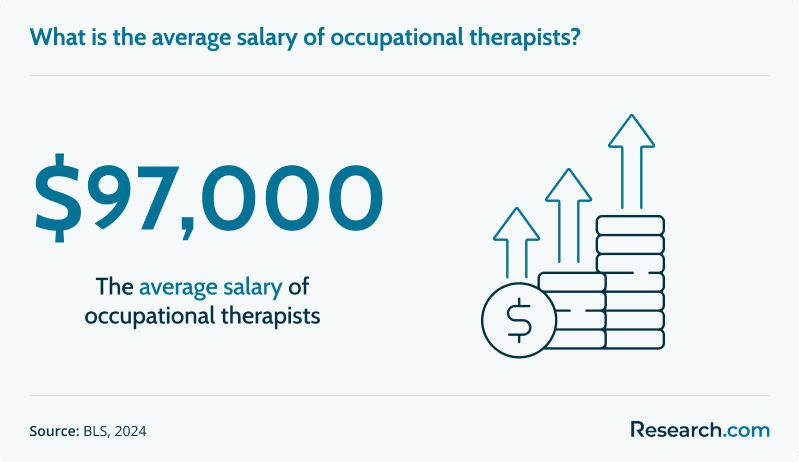
The average annual salary for a home health occupational therapist in the United States is approximately $97,000 to $98,000 as of 2025. Hourly wages typically average around $46 to $47, which translates to a monthly income of about $8,000.
Salary ranges vary by experience, location, employer, productivity expectations, visit model, benefits, and local demand for home health services. Top earners make over $120,000 annually in higher-paying states or cities, while entry-level home health occupational therapists may start at lower salary brackets near $84,000. The median salary often centers near $97,000.
What affects home health OT pay?
- Geographic region: Pay can differ substantially by state, city, and local labor market.
- Experience: Therapists with strong independent clinical judgment, documentation skills, and specialized experience may qualify for higher-paying roles.
- Employer type: Compensation structures vary across home health agencies, health systems, contract roles, and per-visit arrangements.
- Caseload and productivity: Some roles pay by salary, while others may include productivity expectations or visit-based compensation.
- Certifications and specialization: Skills in areas such as fall prevention, dementia care, low vision, neurorehabilitation, or orthopedic recovery may improve competitiveness.
When comparing offers, look beyond the annual number. Mileage reimbursement, documentation time, benefits, weekend expectations, territory size, visit volume, and cancellation policies can significantly affect take-home value and workload.
What is the projected job growth rate for home health occupational therapists?
The projected job growth rate for home health occupational therapists is strong, with estimates typically ranging from 14% to 17% growth between 2024 and 2034. This is much faster than the average for all occupations.
Demand is driven largely by an aging population, more patients managing chronic conditions, continued preference for recovery at home when safe, and the expansion of healthcare services into community and home settings. Telehealth and remote care tools may also support greater use of home-based rehabilitation services, although hands-on assessment and in-person safety evaluation remain central to many OT interventions.
This growth translates to thousands of new job openings annually. For students and new graduates, that outlook suggests a favorable labor market, but it does not eliminate the need to evaluate employer quality, orientation support, supervision access, productivity standards, travel expectations, and documentation systems before accepting a role.
For those interested in advanced healthcare roles focused on managing complex, integrated care across settings, exploring what can you do with a master's in nursing care coordination can provide useful context on another field connected to patient transitions and community-based services.
What are the common career advancement opportunities for an experienced home health occupational therapist?
Experienced home health occupational therapists can move into leadership, education, program development, quality improvement, compliance, or management roles. The strongest candidates usually combine excellent clinical judgment with documentation accuracy, communication skills, independence, and the ability to mentor others in unpredictable home environments.
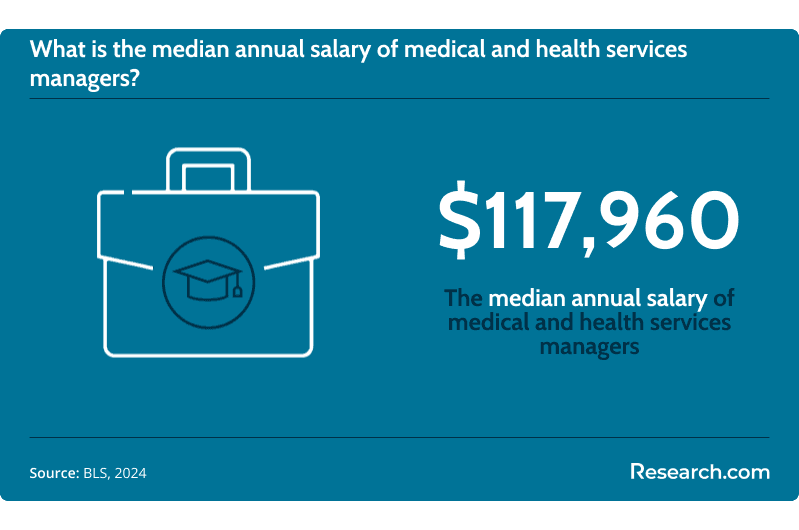
Medical and health services managers earn $117,960 per year, which is relevant for OTs considering a long-term move from direct patient care into healthcare operations or therapy management.
- Clinical or team lead: Mentor newer OTs, support complex cases, help with caseload decisions, and guide clinical standards within a home health agency.
- Therapy manager or director of rehabilitation (DOR): Oversee therapy operations, staffing, performance, documentation quality, and interdisciplinary coordination.
- Clinical program developer: Build specialized service lines such as fall prevention, low vision, post-joint replacement recovery, dementia support, or stroke rehabilitation programs.
- Fieldwork educator or clinical instructor: Supervise occupational therapy students during fieldwork placements and help prepare them for home-based practice.
- Staff trainer or educator: Train clinicians on documentation, safety practices, regulatory updates, OASIS-related processes, and agency protocols.
- Adjunct professor or instructor: Teach in an occupational therapy program, often using home health experience to connect academic concepts to real practice.
- Quality improvement or compliance role: Review documentation, support audit readiness, identify care gaps, and help agencies improve outcomes.
- Private consulting or specialty practice: Provide expertise in home modification, aging in place, caregiver training, or adaptive equipment planning, depending on state rules and business structure.
Advancement does not always require leaving patient care. Some OTs grow by developing a specialty, taking more complex cases, becoming a trusted mentor, or helping an agency improve care models for high-risk patients.
Here’s What Graduates Have to Say About Their Home Health Occupational Therapy Career
- : "“The independence of home health is incredible. I get to be a true detective, directly improving my clients’ lives by adapting their living environment. There is deep satisfaction in seeing them achieve their goals on their own terms and knowing that my therapy makes a tangible difference every day.” — Melanie"
- : "“I chose this path for the flexibility, but the real reward is the trust I build with patients and families. Working one-on-one in the home lets me address barriers that are impossible to see in a clinic, which makes my interventions highly personalized and effective.” — Donn"
- : "“The clinical complexity of home health constantly challenges me to think creatively and has strengthened my problem-solving skills beyond what I learned in school. The demand for this work is reassuring, and helping older adults age safely at home is truly fulfilling.” — Sephy"
Key Findings
- Home health occupational therapists provide skilled OT services in the patient’s actual residence, making treatment highly practical and environment-specific.
- The role differs from traditional OT mainly because assessment and intervention happen where the patient performs daily routines, not in a simulated clinic space.
- Core duties include ADL and IADL training, home safety assessment, adaptive equipment recommendations, caregiver education, documentation, and interdisciplinary coordination.
- To become licensed, candidates typically need a graduate occupational therapy degree, such as an MOT or OTD, supervised fieldwork, a passing NBCOT exam score, and state licensure.
- Licensing requirements vary by state, so OTs must confirm rules for the jurisdiction where they practice, including renewal and continuing education requirements.
- The average annual salary for a home health occupational therapist is approximately $97,000 to $98,000 as of 2025, with variation by location, experience, employer, and compensation model.
- Projected job growth is strong, with estimates typically ranging from 14% to 17% between 2024 and 2034.
- Experienced home health OTs can advance into clinical leadership, therapy management, education, program development, quality improvement, or specialized consulting roles.
Other Things You Should Know About a Home Health Occupational Therapist
A home health occupational therapist must hold an active state occupational therapy license, usually after earning a CAPTE-accredited entry-level degree and passing the NBCOT exam to become an OTR. Many employers also require CPR certification and a valid driver’s license for home visits.
A home health occupational therapist in 2027 typically requires a master's degree in occupational therapy, a state license, and completion of the NBCOT certification. Additional certification in a specialized area may be advantageous, depending on employer preferences.
References
- Massachusetts College of Pharmacy and Health Sciences. (n.d.). Occupational therapists and physical therapists both provide rehabilitative services. Explore the distinctly different purposes for the care they provide. MCPHS
- National Board for Certification in Occupational Therapy. (n.d.). What is an OTR or COTA. NBCOT
- National Center for Education Statistics. (2023). COE Graduate Degree Fields. National Center for Education Statistics
- U.S. Bureau of Labor Statistics. (2022a, September 8). Athletic trainers: Occupational outlook handbook: U.S. Bureau of Labor Statistics. BLS
- U.S. Bureau of Labor Statistics. (2022b, September 8). Physical therapists occupational outlook handbook: U.S. Bureau of Labor Statistics. BLS


