
2027 AG-ACNP Careers: Skills, Education, Salary & Job Outlook

Co-Founder and Chief Data Scientist
Becoming an adult-gerontology acute care nurse practitioner is a high-stakes career decision. The role can offer strong pay, durable demand, and advanced clinical authority, but it also requires graduate education, acute care experience, national certification, and the ability to make difficult decisions for seriously ill adults and older adults.
This guide is for registered nurses, nursing students, and career changers comparing advanced practice nursing paths. It explains what AG-ACNPs do, where they work, which skills and credentials matter, how compensation and job growth are described in the available data, and what trade-offs to weigh before committing to this specialty. AG-ACNP careers are not a shortcut into healthcare leadership; they are a rigorous path for clinicians who want to manage complex acute conditions and take greater responsibility for patient outcomes.
Current figures point to strong opportunity, with a nationwide median salary of $120,000-$130,000 and job growth projected between 38% and 45%. Those numbers can make the field attractive, but the best decision depends on your tolerance for pressure, your willingness to pursue advanced training, and your interest in caring for adults with unstable, urgent, or life-threatening conditions.
Key Things You Should Know About AG-ACNP Careers
- The typical earning potential for nurse practitioners, including AG-ACNPs, is a median annual salary of $129,210 as of May 2024.
- This field is one of the fastest-growing healthcare professions, with a projected job growth rate of 46% from 2023 to 2033, ensuring high demand and stability.
- Starting a career as an AG-ACNP requires a Master of Science in Nursing (MSN) or Doctor of Nursing Practice (DNP) focused on Adult-Gerontology Acute Care, plus national board certification.
- Success depends on mastering advanced clinical assessment, critical care decision-making, effective patient and family communication, teamwork, leadership, and adaptability in fast-paced settings.
- Career advancement often leads to leadership roles such as clinical manager, director, educator, or opportunities in protocol development and healthcare administration.
What do AG-ACNPs do?
Adult-gerontology acute care nurse practitioners provide advanced care for adolescents, adults, and older adults who have acute, complex, or rapidly worsening health conditions. Their work is centered on assessment, diagnosis, treatment planning, medication management, procedures within scope, and care coordination in settings where patient status can change quickly.
Unlike primary care nurse practitioners, AG-ACNPs are trained for acute and critical illness. They often care for hospitalized patients, post-operative patients, individuals with organ failure, and adults managing multiple chronic conditions that have become unstable. Their goal is not only to treat a crisis but also to prevent deterioration, reduce complications, and support safe transitions to the next level of care.
A day in the life of AG-ACNPs
A typical day may include reviewing overnight events, examining patients, interpreting lab and imaging results, adjusting medications, placing consults, updating care plans, and communicating with physicians, nurses, pharmacists, therapists, patients, and families. In intensive care or emergency-related settings, priorities can shift within minutes.
The role rewards clinicians who can combine advanced clinical judgment with calm communication. AG-ACNPs must be comfortable making recommendations under pressure, documenting decisions clearly, and working within a multidisciplinary team. The pace can be demanding, but the work offers direct involvement in moments that can change a patient’s recovery trajectory.
What are the key responsibilities of AG-ACNPs?
AG-ACNP responsibilities vary by employer, state scope-of-practice rules, specialty unit, and supervising or collaborating agreements. In general, the role combines advanced clinical assessment, diagnostic reasoning, treatment management, and team-based coordination for acutely ill adults and older adults.
- Perform focused and comprehensive assessments, including physical exams and detailed health histories.
- Recognize urgent changes in patient status and prioritize interventions based on clinical risk.
- Order, review, and interpret diagnostic tests such as blood work, imaging, and other studies used in acute care decision-making.
- Develop and revise treatment plans for acute illness, chronic disease exacerbations, post-operative needs, and complex comorbidities.
- Prescribe medications and therapeutic interventions when authorized by licensure, certification, employer policy, and state law.
- Monitor response to treatment, document clinical changes, and adjust care plans as new information becomes available.
- Educate patients and families about diagnoses, medications, warning signs, discharge plans, and disease management.
- Coordinate care with physicians, bedside nurses, specialists, pharmacists, case managers, and rehabilitation professionals.
- Support safe transitions between the ICU, step-down units, acute care floors, outpatient follow-up, rehabilitation, or hospice when appropriate.
The most challenging vs. the most rewarding tasks
The most challenging part of the work is managing uncertainty. AG-ACNPs may need to act when a patient is unstable, diagnostic information is incomplete, and several conditions are interacting at once. Heavy patient acuity, rotating schedules, family distress, and end-of-life decisions can add emotional weight to the clinical pressure.
The most rewarding part is seeing a direct link between advanced practice and patient outcomes. Stabilizing a patient, preventing an avoidable decline, helping a family understand a difficult situation, or guiding a complex discharge plan can provide a strong sense of purpose. For nurses who want deeper clinical responsibility while remaining close to patient care, that impact is a major reason to pursue the specialty.
Readers comparing healthcare pathways may also find it useful to review top paying 6 month certificate programs online, especially if they are still deciding how much time and training they want to invest before entering a patient-care role.
What are the key skills for AG-ACNPs?
AG-ACNPs need more than strong nursing experience. Employers look for clinicians who can synthesize complex data, make sound decisions quickly, communicate clearly, and work safely within a defined scope of practice. The strongest candidates usually combine bedside credibility with graduate-level diagnostic and treatment skills.
Technical skills
- Advanced health assessment: Identifying subtle clinical changes, recognizing deterioration, and distinguishing expected recovery from warning signs.
- Differential diagnosis: Comparing possible causes of symptoms and narrowing decisions based on exam findings, history, diagnostics, and risk factors.
- Acute and chronic disease management: Managing unstable chronic conditions, post-operative complications, infections, respiratory failure, cardiovascular problems, and other acute needs.
- Advanced pharmacology: Selecting, prescribing, adjusting, and monitoring medications safely, including attention to interactions, renal function, age-related risks, and adverse effects.
- Diagnostic interpretation: Using lab results, imaging, cultures, hemodynamic data, and other clinical information to guide timely decisions.
- Clinical documentation: Recording assessments, rationales, plan changes, and team communication accurately enough to support continuity of care.
Interpersonal skills
- Critical thinking: Sorting urgent from nonurgent information and avoiding premature conclusions.
- Complex problem solving: Building care plans when patients have multiple competing risks.
- Active listening: Understanding bedside nurse observations, patient concerns, family questions, and specialist input.
- Judgment and decision making: Choosing appropriate next steps under time pressure while staying within legal and institutional boundaries.
- Clear communication: Explaining decisions to teams and families in plain, direct language.
- Emotional steadiness: Remaining professional during crises, conflict, or poor outcomes.
The one overlooked skill that separates the good from the great
Interprofessional team leadership is often the difference between a competent AG-ACNP and an exceptional one. Acute care is rarely delivered by one clinician alone. The best AG-ACNPs help the team align quickly around the patient’s status, risks, priorities, and next steps.
For example, when a patient’s condition worsens, an AG-ACNP may need to notify a physician, clarify medication changes with a pharmacist, coordinate monitoring with bedside nurses, and prepare the family for what is happening. The clinical decision matters, but so does the speed and clarity with which the team responds. Strong leadership reduces confusion, improves continuity, and helps prevent avoidable errors.
Students building toward this career should choose programs and experiences that strengthen both clinical reasoning and team communication. Those still identifying accessible education pathways can compare options such as the best open admission colleges while planning the prerequisites and nursing education required for advanced practice.
AG-ACNP Careers: A Step-by-Step Guide to Getting Started
The path to becoming an AG-ACNP is structured, but it is not quick. You must first become a registered nurse, gain relevant clinical experience, complete graduate-level education in the specialty, and meet certification and licensure requirements. Each step builds the judgment needed for acute care practice.
- Complete a bachelor's degree in nursing. A BSN provides the nursing foundation needed for RN practice and later graduate admission.
- Earn RN licensure. Graduates must pass the national exam required to practice as a registered nurse and meet state licensure rules.
- Gain acute care experience. Full-time experience in settings such as hospitals, ICUs, step-down units, emergency departments, or specialty units helps prepare nurses for the complexity of AG-ACNP training.
- Complete a graduate nursing program focused on AG-ACNP practice. This may be an MSN, DNP, or post-graduate certificate pathway, depending on prior education and career goals.
- Finish required supervised clinical hours. Clinical placements are essential because they connect classroom knowledge to real acute care decision-making.
- Obtain national certification. Certification verifies specialty preparation and is typically required for advanced practice recognition.
- Apply for advanced practice licensure. Requirements vary by state, so candidates should confirm rules for APRN licensure, prescribing authority, and scope of practice where they intend to work.
The biggest mistake is treating the graduate degree as the only milestone. Competitive AG-ACNP candidates also build strong acute care experience, choose appropriate clinical placements, understand state licensure requirements early, and prepare for the workload of graduate study while continuing professional practice.
What education, training, or certifications are required?
The standard preparation for AG-ACNP practice starts with a Bachelor of Science in Nursing (BSN), followed by RN licensure and graduate education in adult-gerontology acute care. Most practitioners complete a Master of Science in Nursing (MSN) with an AG-ACNP concentration, while some pursue a Doctor of Nursing Practice (DNP). Nurses who already hold an MSN may be able to complete a Post-Graduate Certificate in AG-ACNP to add the specialty.
National certification is a key requirement. Common certification options include AG-ACNP certification from the American Nurses Credentialing Center (AGACNP-BC®) or the American Association of Critical-Care Nurses (ACNPC-AG®). Candidates also need an active RN license and must meet state requirements for advanced practice licensure. Graduate programs typically require extensive faculty-supervised clinical hours, typically between 500 and 750 in acute care settings. No formal residency is mandatory, though employer onboarding and specialty orientation are common.
Core requirements to verify before enrolling
- Accreditation: Confirm that the nursing program is properly accredited and accepted for certification and licensure purposes.
- Clinical placement support: Ask whether the school helps secure acute care placements or expects students to find preceptors independently.
- Certification eligibility: Make sure the curriculum aligns with AG-ACNP certification requirements.
- State authorization: Online students should verify that the program can enroll students in their state and supports licensure goals where they plan to practice.
- Schedule format: Compare full-time, part-time, hybrid, and online coursework options, but remember that clinical training must involve direct patient care.
Are advanced degrees or niche certifications worth the investment?
Advanced credentials can be worth the investment when they match a clear career goal. An MSN or DNP in AG-ACNP can open access to acute care NP roles, leadership responsibilities, specialty practice, and stronger long-term mobility. However, the commitment is significant: costs can range from $30,000 to over $60,000 and may require several years of study.
Additional certifications or specialized training may help in areas such as critical care, cardiology, pulmonology, oncology, nephrology, or infectious disease management, but they should be chosen strategically. Extra credentials are most valuable when employers in your target setting recognize them, when they support a defined specialty, or when they strengthen your competitiveness for leadership roles.
Nurses who need a faster or more flexible route may want to compare quick master degree programs, while still confirming accreditation, clinical requirements, and certification eligibility before enrolling.
What is the earning potential for AG-ACNPs?
The AG-ACNP average salary 2025 is $118,644, with top earners making over $150,000 depending on experience and location. Entry-level adult-gerontology acute care nurse practitioners typically see starting offers ranging from $95,000 to $110,000, while senior professionals in leadership roles or high-demand states earn $145,000 or more annually.
These figures should be read as benchmarks, not guarantees. Compensation can vary by region, employer type, shift expectations, specialty unit, years of experience, certification, and whether the role includes leadership duties, call coverage, nights, weekends, or productivity incentives.
What affects AG-ACNP pay?
- Experience level: New graduates usually earn less than AG-ACNPs who can independently manage complex cases and mentor others.
- Practice setting: Hospitals and acute care settings generally offer higher salaries than primary care clinics.
- Specialty area: High-acuity units and hard-to-staff specialties may command stronger compensation.
- Location: States like Washington and New York provide premium pay, while rural areas may pay less but offer other benefits.
- Leadership responsibilities: Senior, lead, coordinator, and administrative roles can increase earning potential.
- Schedule demands: Night shifts, weekend coverage, rotating schedules, and on-call requirements may influence total compensation.
When comparing offers, look beyond base salary. Benefits, retirement contributions, continuing education support, certification reimbursement, malpractice coverage, paid time off, shift differentials, relocation assistance, and onboarding quality can meaningfully affect the overall value of a position.
What is the job outlook for AG-ACNPs?
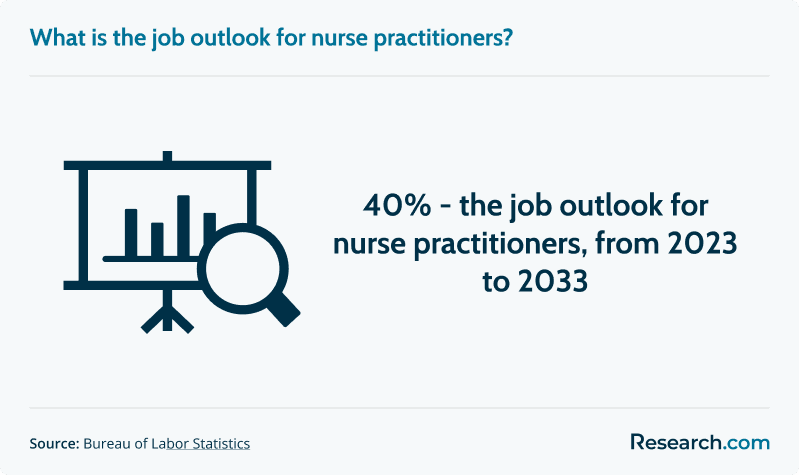
The demand for AG-ACNPs is expected to grow by 46% between 2023 and 2033, far outpacing the average growth rate for all occupations. This makes the AG-ACNP role one of the strongest advanced practice nursing options for clinicians who want to work with acutely ill adults and older adults.
The outlook is supported by several durable forces: an aging population, rising complexity of hospitalized patients, provider shortages, and the need for advanced practice clinicians in acute and specialty settings. While local hiring conditions can vary, the broader demand picture remains favorable.
The key factors shaping the future outlook
- Aging patient populations: More older adults increase demand for clinicians trained in complex adult and geriatric acute care.
- Hospital and specialty care needs: Acute care teams need providers who can manage unstable conditions, coordinate care, and support continuity across units.
- Provider shortages: Shortages of physicians and nurses in acute settings create opportunities for AG-ACNPs to help fill care gaps.
- Scope-of-practice changes: State laws granting full practice authority can allow AG-ACNPs to work more independently, especially in underserved areas.
- Limited automation risk: The work requires hands-on assessment, clinical judgment, ethical decision-making, and human communication that technology can support but not replace.
Prospective students should still evaluate the market where they plan to live. Demand may be stronger in certain hospitals, specialties, and states than others. Comparing employer postings before enrolling can help you understand preferred experience, certification expectations, shift patterns, and salary ranges. Those balancing cost with career preparation may also want to review affordable online colleges as part of a broader education plan.
What is the typical work environment for AG-ACNPs?
AG-ACNPs usually work in fast-paced clinical environments where collaboration and rapid decision-making are part of the job. Hospitals are the most common setting, but opportunities also exist in specialty practices, outpatient care centers, and physician offices depending on the employer and role design.
Most AG-ACNPs are employed in hospitals-state, local, and private-which account for 56% of jobs-and a significant share also work in offices of physicians (24%) and outpatient care centers (7%). Hospital-based roles may involve ICUs, step-down units, emergency-related services, surgical services, cardiology, pulmonology, neurology, oncology, nephrology, or hospitalist teams.
The AG-ACNP typical work schedule often includes 12-hour shifts, rotating days and nights, as well as weekends and on-call hours in hospital settings. Some outpatient specialty clinics or physician office roles may offer more regular weekday schedules, but these positions may involve a different pace and scope than high-acuity inpatient work.
Remote or hybrid work is generally not available because the role depends on direct patient assessment, bedside decision-making, and in-person collaboration. The culture is usually team-oriented but demanding. AG-ACNPs must be prepared for interruptions, urgent changes, emotionally intense conversations, and frequent coordination with multiple disciplines.
What are the pros and cons of AG-ACNP careers?
AG-ACNP careers can be highly rewarding for nurses who want advanced responsibility in acute care, but the role is not ideal for everyone. Before choosing this path, weigh the clinical autonomy and earning potential against the stress, schedule demands, and emotional intensity of caring for critically ill patients.
Pros
- Meaningful patient impact: AG-ACNPs often intervene during pivotal moments in a patient’s illness or recovery.
- Advanced clinical autonomy: The role allows greater responsibility in assessment, diagnosis, treatment planning, and care coordination.
- Strong earning potential: Available salary figures place the role among higher-paying nursing career paths.
- Favorable job outlook: Demand is supported by aging populations, complex patient needs, and provider shortages.
- Intellectual challenge: The work requires continuous learning and advanced problem solving.
- Specialization options: AG-ACNPs can build careers in critical care, cardiology, pulmonology, hospitalist medicine, and other acute specialties.
Cons
- High stress: Decisions often involve unstable patients and limited time.
- Burnout risk: Heavy acuity, workload, rotating schedules, and emotional strain can contribute to exhaustion.
- Exposure to death and severe illness: Compassion fatigue is a real concern in critical and acute care environments.
- Long education path: The role requires RN preparation, acute care experience, graduate education, clinical hours, certification, and advanced practice licensure.
- Schedule disruption: Nights, weekends, holidays, and on-call hours may affect work-life balance.
- Licensure complexity: Scope of practice, prescriptive authority, and supervision or collaboration rules vary by state.
The best fit is usually a nurse who enjoys complex clinical reasoning, remains steady under pressure, values teamwork, and wants to stay close to direct patient care. If you are still comparing healthcare and skilled career options, reviewing different trade school jobs can provide helpful perspective on training length, work settings, and career trade-offs.
What are the opportunities for advancement for AG-ACNPs?
AG-ACNP advancement can take two main directions: deeper clinical specialization or broader leadership responsibility. Some practitioners become recognized experts in a high-acuity specialty, while others move into education, management, quality improvement, or administrative roles.
Clear pathways in AG-ACNP career advancement opportunities
- Entry-Level AG-ACNP: Deliver direct acute care in hospitals, ICUs, or specialty units while building confidence, efficiency, and independent clinical judgment.
- Experienced AG-ACNP: Manage more complex patient panels, precept students, participate in quality initiatives, and develop stronger specialty expertise.
- Senior/Lead AG-ACNP: Mentor new practitioners, help standardize protocols, coordinate advanced practice teams, and serve as a clinical resource.
- Management or Administrative Roles: Move into positions such as Clinical Coordinator or Unit Director, where responsibilities may include staffing, policy implementation, performance improvement, and team leadership.
- Academic or Clinical Education Roles: Teach, precept, develop training programs, or support onboarding for new advanced practice providers.
Exploring specialization options for AG-ACNPs
- Critical Care/Intensive Care: Provide expert care for critically ill adult patients in high-acuity settings.
- Cardiology: Manage acute cardiac conditions, including heart failure and post-intervention care.
- Pulmonology/Respiratory Care: Focus on respiratory emergencies, ventilator management, and pulmonary diseases.
- Hospitalist Medicine: Coordinate complex inpatient care and transitions for hospitalized adults.
- Emerging Niches: Pursue additional certifications in oncology acute care, nephrology, or infectious disease management.
To advance strategically, AG-ACNPs should document outcomes, seek mentorship, volunteer for committees or quality projects, maintain certification, and choose continuing education that supports the setting or specialty they want next.
What other careers should you consider?
If you are drawn to AG-ACNP work but unsure whether the specialty is the best fit, compare it with related advanced nursing roles. The right choice depends on your preferred patient population, pace, setting, and tolerance for high-acuity care.
- Acute Care Nurse Practitioner (ACNP): A closely related path focused on acute medical conditions and rapid clinical decision-making.
- Cardiac Nurse Practitioner (CNP): A strong option for nurses interested in cardiovascular disease, heart failure, post-procedure care, and adult or geriatric cardiac patients.
- Surgical Nurse Practitioner: A role that supports preoperative, intraoperative, and postoperative care while working closely with surgical teams.
- Palliative Care Nurse Practitioner: A path for clinicians who want to support adults and older adults with serious illness through symptom management, goals-of-care conversations, and family-centered care.
When comparing these options, ask yourself where you do your best work: at the bedside during acute changes, in a specialty clinic, in surgical care coordination, or in long-term serious illness support. AG-ACNP is often the strongest fit for nurses who want high clinical complexity, direct involvement in urgent decisions, and ongoing collaboration with acute care teams.
Here's What Professionals Say About Their AG-ACNP Careers
- Jordan: "I wanted to make an impact on patient outcomes, and staying at the bedside just didn't feel like enough. Becoming an AG-ACNP gave me the skills to work in critical care, where I can intervene during those high-risk moments and truly influence recovery. There's something profoundly meaningful about being able to stabilize a patient when seconds count and knowing that my advanced knowledge made a difference in their trajectory. That responsibility keeps me motivated every day."
- Emma: "Finding my first AG-ACNP role wasn't straightforward; places preferred someone with experience, so I stepped way outside my usual area and took a position in Hawaii. Moving across the ocean was intimidating, but it forced me to adapt quickly and build my confidence handling complex cases. Some days, I face critical decisions where there's no clear answer, and that sharpens my ability to think on my feet. The challenge taught me more than I expected and prepared me for anything this field throws at me."
- Phil: "The most rewarding moments come after the hardest days, like when I managed a patient through a severe neurological emergency and later saw them regain enough clarity to speak with their family. Being entrusted with those critical interventions and seeing direct results reminds me how much this role matters. Sometimes it's just the comfort I provide to families searching for answers that makes all the difference. Those experiences keep me grounded and proud to be an AG-ACNP."
Key Findings
- AG-ACNPs provide advanced acute care for adults and older adults with serious, complex, or rapidly changing health conditions.
- The career requires a BSN, RN licensure, acute care experience, graduate AG-ACNP education, supervised clinical hours, national certification, and advanced practice licensure.
- Common certification options include AGACNP-BC® through the American Nurses Credentialing Center and ACNPC-AG® through the American Association of Critical-Care Nurses.
- The AG-ACNP average salary 2025 is $118,644, with entry-level offers often ranging from $95,000 to $110,000 and top earners making over $150,000 depending on experience and location.
- Demand is expected to grow by 46% between 2023 and 2033, supported by an aging population, provider shortages, and the need for acute care expertise.
- Most AG-ACNPs work in hospitals, where schedules may include 12-hour shifts, nights, weekends, and on-call responsibilities.
- The role offers autonomy, strong earning potential, specialization options, and meaningful patient impact, but it also carries stress, burnout risk, and emotional intensity.
- This path is best suited for nurses who are clinically curious, calm under pressure, comfortable with complex decision-making, and committed to advanced acute care practice.
Other Things You Should Know About AG-ACNP
In 2027, the job outlook for AG-ACNPs remains strong, driven by an aging population and a greater emphasis on healthcare efficiency. The demand for specialized nurse practitioners in adult-gerontology acute care is projected to grow, providing diverse opportunities and job stability.
AG-ACNPs must complete 75 contact hours of continuing education, with at least 25 being pharmacology credits, every five years. Certification maintenance also requires a valid RN license and 1000 practice hours within the renewal cycle, as mandated by the American Nurses Credentialing Center.
References
- Pros and Cons of Becoming an Acute Care Nurse Practitioner (ACNP) | NursePractitionerOnline.com https://www.nursepractitioneronline.com/articles/pros-cons-acnp/
- Adult-Gerontology Nurse Practitioners: A Discussion of Scope and Expertise - The Journal for Nurse Practitioners https://www.npjournal.org/article/S1555-4155(22)00268-9/fulltext
- Bree Juskowiak-Nurse Practitioner Success https://www.breenp.com/blog-4-1/job-options-for-agacnp-nurse-practitioners
- Family NP VS. Adult-Gerontology Acute Care NP - What’s the Difference? https://onlinenursing.baylor.edu/news/family-np-vs-adult-gerontology-acute-care-np-what-is-the-difference
- Job Options for Acute Care Nurse Practitioners - BoardVitals Blog https://www.boardvitals.com/blog/nurse-practitioner-jobs/
- Five Skills to Be Successful as an Adult Gerontology Acute Care Nurse Practitioner https://degree.astate.edu/online-programs/healthcare/msn/adult-gerontology-acute-nurse-practitioner/successful-ag-acnp/
- Adult Gerontology Acute Care Nurse Practitioner (AG-ACNP) https://nursinglicensemap.com/advanced-practice-nursing/nurse-practitioner/adult-gerontology-acute-care-np/
- Understanding Nurse Practitioner Geriatrics Salary: What to Expect https://www.nphub.com/blog/geriatric-np-salary-guide
- AGNP Acute Care Nurse Practitioner Program FAQs https://www.sonhs.miami.edu/academics/masters-programs/agnp-acute-care/faqs/index.html
- Acute Care Nurse Practitioner ACNP Salary and Careers https://teach.com/online-ed/healthcare-degrees/online-acute-care-nurse-practitioner-programs/salary-and-career-outlook/


