2027 Applied Business & Technology Job Market Report: Open Roles, Salary Bands, and Hiring Momentum

Co-Founder and Chief Data Scientist
Employment patterns in the applied business & technology sector increasingly reflect shifts in how organizations prioritize digital integration and operational agility amid economic uncertainty. Open roles and salary bands serve as signals of changing skill demands driven by rapid technological adoption and evolving regulatory frameworks. Hiring momentum often aligns with industry investment cycles and localized workforce demographics rather than broad labor market expansions. These dynamics reveal areas where talent shortages intersect with credential expectations and highlight which expertise commands premium compensation. The age distribution among entrants further suggests evolving access to education and adaptation to continuous professional development, shaping this field's long-term labor supply and strategic direction.
Key Things to Know About Applied Business & Technology Job Market
- Open roles in applied business & technology concentrate on hybrid skill sets blending technical proficiency with business insight, requiring candidates to balance deep expertise with adaptability, which can limit opportunities for narrowly specialized graduates.
- Salary bands often reflect employer emphasis on cross-functional abilities over singular technical credentials, signaling that candidates with combined business and technological acumen generally command higher consideration but must continuously validate relevance to evolving platforms.
- Recent hiring momentum shows slower-than-average growth compared to pure tech fields, indicating that timing educational investment carefully is crucial for job seekers to avoid oversaturated segments and optimize return amid shifting market demands.
- Key Things to Know About Applied Business & Technology Job Market Key Things to Know About Applied Business & Technology Job Market
- How Strong Is Demand for Applied Business & Technology Graduates in Today's Job Market? Demand for Graduates
- Which Applied Business & Technology Careers Have the Most Open Job Opportunities? In-Demand Careers
- What Salary Bands Are Employers Offering Across Applied Business & Technology Careers? Offered Salary Bands
- Which Industries Are Hiring the Most Applied Business & Technology Graduates? Top-Hiring Industries
- How Does Hiring Demand Vary by State, Region, and City? Hiring Demand by Location
- What Skills Are Employers Prioritizing in Applied Business & Technology Job Postings? In-Demand Skills
- Which Certifications Increase Employability and Salary Potential? High-Value Certifications
- How Do Remote and Hybrid Opportunities Affect the Applied Business & Technology Job Market? How Do Remote and Hybrid Opportunities Affect the Applied Business & Technology Job Market?
- Which Applied Business & Technology Careers Show the Strongest Long-Term Hiring Momentum? Strongest Careers
- How Can Students Use Job Market Data to Make Better Career Decisions? How Can Students Use Job Market Data to Make Better Career Decisions?
How Strong Is Demand for Applied Business & Technology Graduates in Today's Job Market?
Current labor market data from the U.S. Bureau of Labor Statistics and LinkedIn's Workforce Report for early 2024 point to a sustained demand for applied business & technology graduates, particularly those capable of integrating technical expertise with strategic business insight. Job postings emphasize a rising preference for skills in data analytics, enterprise software management, and process automation alongside foundational business disciplines such as project management. However, this demand is uneven across the United States, with metropolitan regions dense in technology and financial services exhibiting stronger hiring momentum than manufacturing or logistics centers. This geographic variation in applied business & technology graduate job market demand in the United States requires candidates to evaluate local economic conditions carefully when shaping their career trajectory.
The chief drivers behind this trend include the accelerated adoption of cloud computing, artificial intelligence, and automation technologies, which amplify the need for professionals who can bridge operational technology and business processes. Employers prioritize candidates demonstrating practical, real-world experience and certifications in emerging technology platforms over purely theoretical knowledge, reflecting a growing skills shortage in areas vital to digital transformation initiatives. Additionally, regional economic shifts reinforce the divergence in hiring activity, as tech-centric urban hubs continue expanding their labor force while other sectors stabilize or contract. For students and job seekers, assessing these nuanced factors is essential to anticipate where applied business & technology roles will evolve and to prioritize upskilling accordingly.
Looking ahead, long-term job stability for graduates appears tied to adaptability and hands-on problem-solving abilities that align with shifting employer requirements. Emerging roles demand proficiency in managing hybrid business-technology functions, prompting educational programs to emphasize experiential learning and real-world application over strict academic theory. Prospective students must weigh these labor market signals carefully, as those lacking direct experience or relevant credentials may face higher barriers to entering top-tier positions. For those evaluating degrees, including pathways toward an online masters in speech pathology or related fields, understanding how applied business & technology skills intersect with regional and technological trends will shape realistic employment outcomes.
Which Applied Business & Technology Careers Have the Most Open Job Opportunities?
Job opportunities within applied business & technology careers are shaped by a combination of industry growth, persistent skill shortages, and shifts in employer priorities toward integrated technical and business competencies. Rather than isolated openings, these positions reflect structural changes driven by digital transformation, data-driven decision-making, and cybersecurity imperatives affecting multiple sectors. Understanding which roles hold the most open positions requires looking closely at how these market forces interact to elevate demand for specific hybrid skill sets—frequently cultivated through flexible programs such as a 6 month masters degree online—in today's workforce.
- Data Analysts: The escalating use of big data across industries such as finance, retail, and healthcare sustains strong demand for data analysts. Employers prioritize candidates who combine statistical proficiency with business insight to extract actionable intelligence from complex datasets, supporting strategic initiatives. The Bureau of Labor Statistics projects a 25% growth for data-related roles through 2030, reflecting this sustained expansion.
- Cybersecurity Specialists: With over 600,000 cybersecurity jobs unfilled nationwide, shortages remain acute as organizations across government and private sectors accelerate efforts to defend digital assets. Job openings in this field tend to value not only technical know-how in threat mitigation but also regulatory and compliance understanding, demonstrating the increasing complexity of protecting enterprise systems.
- Business Intelligence Analysts: Organizations leverage business intelligence analysts to convert raw data into forward-looking business strategies. Key industries fueling demand include technology, manufacturing, and professional services, where data visualization and predictive analytics skills are critical for competitive advantage.
- Technical Project Managers: The ongoing digital transformation requires project managers who can bridge technical teams and business stakeholders. Their ability to translate evolving business goals into technology deliverables positions them in high demand, particularly in sectors undergoing rapid IT adoption such as finance, healthcare, and logistics.
- IT Business Analysts: Strong demand for IT business analysts comes from enterprises looking to optimize processes and system integrations. Employers highly value candidates who can articulate business needs clearly and work alongside developers to implement functional technology solutions that improve operational efficiency.
- Software Developers with Business Acumen: While software development remains a staple occupation, openings increasingly favor those with complementary skills in process improvement, compliance, and client management. This blend supports firms aiming to align software solutions more closely with dynamic business environments and regulatory frameworks.
What Salary Bands Are Employers Offering Across Applied Business & Technology Careers?
Compensation in applied business & technology careers reflects clear progression aligned with experience and role complexity, with entry-level salaries typically ranging from $45,000 to $65,000 according to 2024 data from the U.S. Bureau of Labor Statistics and LinkedIn Salary Insights. Professionals moving into mid-level roles can expect increases to approximately $70,000-$100,000, where responsibilities expand to managing projects or integrating technical and business strategies. Senior positions, including leadership and specialized analyst roles, command salaries from $110,000 to upwards of $160,000, reflecting advanced expertise and the capacity to influence strategic decisions. These tiers signal how employers balance remuneration with skill depth, leadership demands, and measurable impact within increasingly complex business-technology ecosystems.
Salary variation within applied business & technology is shaped by factors beyond tenure, including specialization intensity, industry sector, company size, and regional market conditions. High-demand tech hubs and financial centers typically offer salaries at the upper end of these bands due to competitive market pressure and a scarcity of candidates with niche skills. Conversely, smaller or less concentrated markets may present lower salary ranges but potentially offer broader development opportunities or more immediate leadership pathways. Employers weigh proven results, formal credentials, and strategic agility when setting compensation, underscoring a pay structure that favors not only experience but the ability to navigate and connect business priorities with technical solutions effectively.
A recent graduate recounted the challenges of timing during the rolling admissions process for their applied business & technology program. Although they submitted their application early, delays in document verification extended the decision timeline, creating uncertainty about financial aid options closely tied to admission status. This waiting period forced them to weigh accepting a conditional offer from another institution against holding out for the preferred program, underscoring how administrative timing can influence strategic choices and financial planning in early-career educational pathways.
Which Industries Are Hiring the Most Applied Business & Technology Graduates?
Demand for applied business & technology graduates concentrates largely in sectors experiencing significant digital shifts, workforce scale-up, or persistent skill gaps that technology innovation alone cannot fill. These industries reflect broader economic restructuring where technology adoption, automation, and data analytics redefine roles and require professionals who combine business insight with technical capabilities. Rather than isolated spikes, hiring trends mirror ongoing transformations demanding hybrid expertise to integrate technology into complex operational environments.
- Information Technology and Services: As digital infrastructure and cybersecurity priorities grow, this sector heavily recruits graduates who can navigate both business strategy and technical execution. Roles often focus on systems analysis, IT project coordination, and security management, with a Gartner 2024 report noting a 15% yearly rise in related job openings. Candidates with skills in managing cross-functional technology projects and interpreting data for decision-making are particularly valued.
- Financial Services: The rapid evolution of digital banking, fintech innovation, and process automation drives a strong appetite for applied business & technology professionals. Employers seek individuals who understand regulatory frameworks and can implement technology solutions that enhance operational efficiency while managing risk. The nuanced integration of analytics, compliance, and customer-centric tech solutions underscores demand here.
- Healthcare: Increasing digitization of patient records, analytics platforms, and healthcare operations creates growth in demand for talent capable of bridging technology with business workflows. Labor market surveys indicate a 12% increase in roles focused on health information management and operational tech support. Organizations prioritize graduates who can improve system interoperability and data-driven service delivery.
- Manufacturing and Supply Chain: Industry 4.0 principles and smart automation create openings for those who understand both process optimization and technological tools. Applied business & technology graduates here contribute to logistics management, systems integration, and predictive maintenance initiatives. The sector's complexity requires professionals adept at aligning technology solutions with operational realities to improve efficiency and reduce costs.
How Does Hiring Demand Vary by State, Region, and City?
Hiring demand for Applied Business & Technology jobs by state demonstrates clear variation driven by economic structure and industry concentration. States like California, Texas, and New York, with extensive technology corridors and financial centers, consistently report higher openings and more dynamic hiring momentum supported by robust urban ecosystems. The U.S. Bureau of Labor Statistics and regional economic reports highlight that these states capitalize on dense networks of innovation and business services, requiring graduates skilled in data analysis, digital transformation, and business intelligence. Conversely, states with economies anchored in traditional industries or rural areas often exhibit stable but less expansive growth, reflecting localized business needs such as supply chain optimization and small business technology support. These patterns emphasize the importance of aligning job search strategies with workforce analytics that consider both regional industry mixes and long-term labor market trajectories.
At the city level, hiring intensity for Applied Business & Technology roles is shaped by the presence of specialized industry clusters, infrastructure, and talent pipelines. Major metropolitan areas such as the San Francisco Bay Area, Seattle, and Boston not only lead in sheer job volume but also attract premium salary offers due to higher employer competition and advanced role specialization. Factors like cost of living and quality of local educational institutions further influence candidate demand and retention. Emerging tech hubs in the South and Midwest show rising but more generalized hiring trends, emphasizing adaptability and hybrid business-technology skillsets. City-specific labor markets are thus nuanced ecosystems where employer expectations, sector dominance, and resource availability intersect, guiding job seekers toward informed decisions. For applicants exploring educational routes aligned with these realities, programs offering practical credentials and regional relevancy are critical, as exemplified by growing interest in targeted fields such as the real estate degree online, an area reflecting localized demand shifts and workforce diversification strategies.
What Skills Are Employers Prioritizing in Applied Business & Technology Job Postings?
Employer priorities in applied business & technology job postings reflect ongoing technological shifts, automation pressures, and sector-specific demands that compel candidates to demonstrate both technical and interdisciplinary aptitudes. The skill sets in demand are dynamic, shaped by evolving digital infrastructures and the need to integrate technical insights with strategic business operations. As businesses increasingly rely on data-driven decisions and cloud-enabled workflows, candidates who can navigate these changes successfully gain a competitive edge.
- Data Literacy and Analysis: Expertise in tools such as SQL, Python, and Power BI is now foundational, as employers expect candidates to synthesize large datasets to inform business strategy. This skill bridges raw data and actionable insight, reflecting a move toward evidence-based decision-making across industries.
- Cloud Computing Proficiency: Familiarity with platforms like AWS and Azure signals readiness for hybrid IT environments where cloud infrastructure supports scalability and innovation. Proficiency here denotes adaptability to evolving tech stacks and operational resilience, key factors in hiring decisions.
- Cybersecurity Awareness: As digital assets and data privacy gain paramount importance, understanding cybersecurity fundamentals enables candidates to mitigate risk and ensure compliance. Employers prioritize this skill to protect business continuity amid growing cyber threats.
- Effective Communication: The ability to articulate complex technical concepts clearly to non-technical stakeholders is critical, enhancing collaboration between IT and business teams. Strong communication skills increase a candidate's influence and effectiveness in cross-functional projects.
- Project Management Methodologies: Knowledge of Agile, Scrum, or similar frameworks reflects an ability to manage iterative development and coordinate diverse teams efficiently. This skill aligns with a fast-paced environment where flexibility and responsiveness drive project success.
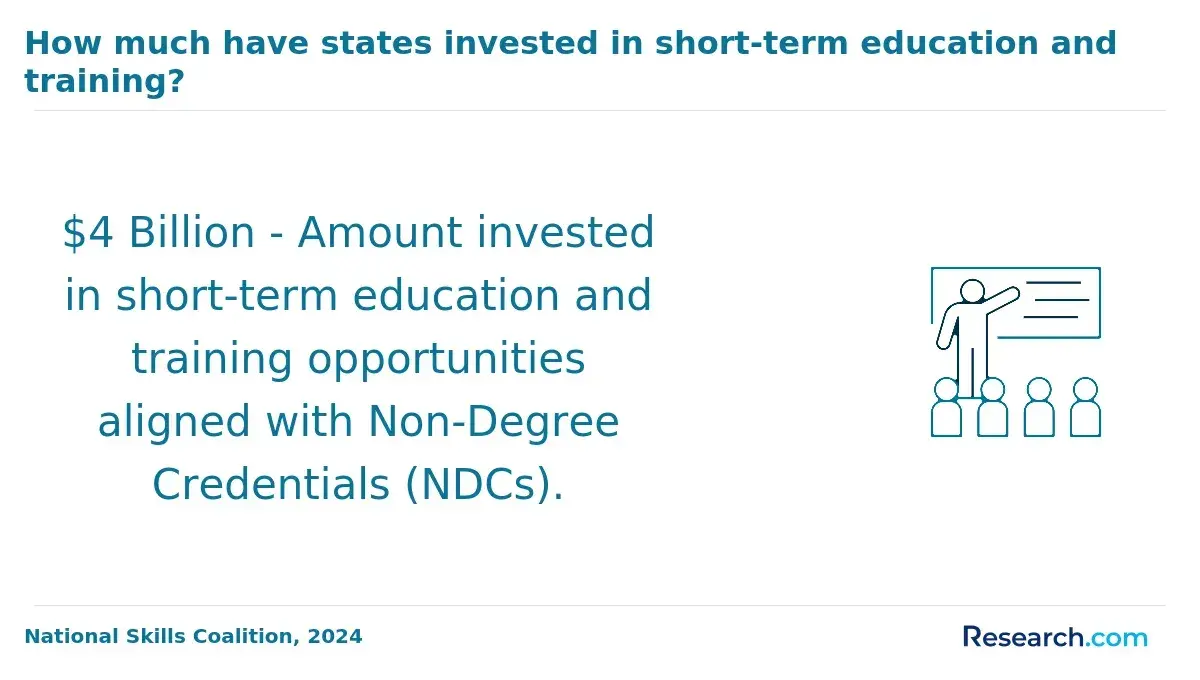
Recent data from the National Skills Coalition underscores this trend, noting that over 60% of applied business & technology roles list data analytics competencies as essential, while nearly half require cloud expertise. These figures illustrate a broader labor market emphasis on candidates capable of combining technical depth with strategic communication and project execution capabilities. For job seekers, cultivating this blend is crucial not only for meeting immediate hiring criteria but also for maintaining relevance as job demands continue to shift with technological advancement.
Which Certifications Increase Employability and Salary Potential?
Certifications in applied business & technology often act as tangible proof of specialized skills, technical competence, and job readiness. Rather than just supplementing academic credentials, these credentials serve as strategic career assets that help candidates stand out in competitive job markets. Employers increasingly use certifications to screen for proficiency in rapidly evolving domains where hands-on expertise is critical and industry standards continually shift.
- Project Management Professional (PMP): This certification signals a candidate's ability to lead complex initiatives and manage resources effectively, addressing a consistent demand for project managers who can deliver results on time and within budget. Employers view PMP holders as capable of bridging technical and business objectives, which often translates into higher salary offers and faster career progression.
- Certified Information Systems Security Professional (CISSP): Cybersecurity expertise remains in acute shortage across industries, making CISSP highly valued. This certification demonstrates a deep understanding of security policies, risk management, and network defense, key areas that reduce organizational vulnerabilities. Its holders tend to benefit from substantial salary premiums and improved job stability given escalating cyber threats.
- Certified Analytics Professional (CAP): As organizations pivot toward data-informed decision-making, CAP signals mastery in analytics processes and problem-solving frameworks. Candidates with this credential often fill skill gaps in interpreting complex data sets and communicating actionable insights, influencing hiring choices and commanding a notable wage advantage.
- Amazon Web Services (AWS) Certified Solutions Architect: Cloud technologies dominate infrastructure strategies, and this certification confirms a professional's capability in designing scalable cloud architectures. Employers reward AWS-certified talent with competitive pay due to the strategic importance of cloud adoption and ongoing technological transformation.
According to a recent National Association of Colleges and Employers report, certified professionals in these areas experience between 15% and 28% higher hiring success rates and salary boosts compared to their non-certified counterparts. These credentials serve not only as proof of technical expertise but also as credible signals indicating a candidate's commitment to staying current in fast-changing fields, which employers value especially when practical experience alone falls short.
An applied business & technology graduate recalled that although eager to complete certifications quickly, timing became a strategic hurdle during their job search. The rolling admissions process for some programs meant waiting weeks for exam availability and results, leading to anxious moments where delaying job applications until certification completion risked missed opportunities. Ultimately, they balanced partial certification with relevant experience on their resume, securing interviews that appreciated both factors. This experience highlighted how candidates must navigate credential timing alongside market demand without assuming certifications alone guarantee immediate job offers.
How Do Remote and Hybrid Opportunities Affect the Applied Business & Technology Job Market?
Remote and hybrid opportunities have substantially altered hiring trends in applied business & technology careers, reflecting broader labor market shifts documented in recent workforce analytics. Employers increasingly prioritize remote-capable roles, especially in software development, data analytics, cybersecurity, and digital project management, expanding the geographic scope of talent sourcing beyond traditional constraints. According to 2024 labor market insights, remote job postings in these fields grew notably, resulting in higher applicant volumes but also requiring refined selection methods to assess cultural fit and collaboration potential virtually. This dynamic challenges hiring managers to balance candidate evaluation rigor with the efficiencies enabled by virtual recruitment platforms, underscoring evolving hiring strategies in applied business & technology.
The broader implications of remote and hybrid models include more fluid geographic mobility for workers and shifts in salary structures, as employers weigh cost-of-living adjustments alongside efforts to remain competitive in a national or global talent pool. Hybrid roles often maintain salary norms closer to onsite positions but demand stronger adaptability and digital communication skills, raising the bar for candidate readiness. Employers now emphasize autonomy, problem-solving, and proficiency with virtual collaboration tools, reshaping performance expectations within the sector. These trends are poised to persist, signaling an evolving job market where remote work trends in applied business and technology careers blend flexibility with heightened competition. For those exploring educational pathways in this field, particularly at non profit schools, understanding these workforce transformations is essential for aligning skills with market demands and long-term employability.
Which Applied Business & Technology Careers Show the Strongest Long-Term Hiring Momentum?
Long-term hiring momentum in applied business & technology careers reflects structural shifts driven by ongoing digital transformation, evolving regulatory landscapes, and the intensifying integration of technology within business operations. Unlike short-term fluctuations influenced by economic cycles, these roles benefit from fundamental, sustained demand as organizations increasingly rely on data-driven decision-making, cybersecurity resilience, and technology-enabled project management to remain competitive. This momentum underscores a critical need for professionals who blend technical skill with business acumen, a trend especially pronounced in North America's labor markets.
- Data Analysts remain in strong demand due to their essential role in converting complex datasets into actionable insights. The expansion of big data and real-time analytics across industries drives this need, while skills in data visualization, SQL, and machine learning continue to gain importance as organizations seek competitive advantages through data intelligence.
- Cybersecurity Specialists experience persistent hiring momentum as cyber threats grow in frequency and sophistication. Regulatory pressure and heightened organizational awareness of risk management ensure this role's relevance, with expertise in threat assessment and protective protocols fostering long-term workforce stability.
- IT Project Managers maintain steady demand because they orchestrate the translation of technology initiatives into operational success. The increasing adoption of agile methodologies and cross-functional collaboration embeds these professionals at the core of strategic business execution, making certifications that demonstrate advanced project management skills critical assets.
- Business Intelligence Developers support sustained growth by building tools that enable strategic decision-making, a priority as companies leverage cloud computing and hybrid environments. Their ability to integrate technical systems with business goals bolsters continued demand, especially amid digital transformation.
- Cloud Computing Specialists also show growth momentum by managing complex multi-cloud architectures essential for scalable digital operations, a trend reinforced by hybrid work models and evolving infrastructure needs.
The U.S. Bureau of Labor Statistics projects employment increases in these roles ranging from 15% to 25% through 2034, confirming the sustained demand underlying applied business & technology career growth in North America. While salary ranges vary by experience and region, the combination of technical certifications and practical experience remains crucial for aligning with employer expectations and enhancing career resilience.
Prospective professionals should critically assess the value of credentials relative to hands-on skills, especially for roles affected by rapid technological change. For those weighing educational investment options, programs such as an online MFA visual arts illustrate niche paths emphasizing practical outcomes in evolving fields, though such specialized degrees may vary in applicability within traditional applied business & technology career trajectories.
How Can Students Use Job Market Data to Make Better Career Decisions?
Students can leverage contemporary job market data from labor reports, hiring platforms, and salary databases issued in 2024 or later to gauge demand, compensation ranges, and sector growth within applied business & technology fields. By examining real-time hiring momentum and salary bands, they gain insight into which roles command competitive wages and which industries are expanding, enabling targeted educational efforts. For instance, technical roles with cross-disciplinary skills typically show stronger upward salary trends, signaling lucrative paths. Additionally, regional hiring patterns highlight geographic demand variations, helping students evaluate relocation feasibility or local market saturation when planning their careers.
Interpreting job market data requires balancing short-term hiring spikes against long-term career stability, with attention to evolving employer expectations around hybrid skill sets and adaptability. Students should assess how data aligns with their abilities and interests while remaining cautious not to overemphasize transient trends that may shift with technological advances or economic cycles. Integrating labor market insights with personal goals and practical experience opportunities, such as internships or credentialing that hold real value, fosters more resilient, informed decisions tailored for sustained employability in applied business & technology sectors.
References
- Top Business Career Advice For Students https://www.kbs.edu.au/top-business-career-advice-students
- The modern job market – what are the most important trends https://blog.careerangels.eu/en-the-modern-job-market-what-are-the-most-important-trends/
- Top skills employers of the future will want https://www.bcu.ac.uk/blog/business-and-management/top-skills-employers-of-the-future-will-want
- Top 10 Future-Proof Careers and Skills to Learn [ 2026 UPDATED] https://www.foundit.id/career-advice/top-career-options-for-future/
- Is the job market turning into an employer’s market? 10 Current Job Market Trends You Should Know https://en.antal.pl/insights/article/is-the-job-market-turning-into-an-employer-s-market-10-current-job-market-trends-you-should-know
- The Future of Remote Work: How Businesses Are Adapting to a New Normal https://www.indwes.edu/articles/2025/02/the-future-of-remote-work-how-businesses-are-adapting-to-a-new-normal
- Top Jobs of the Future (and Why) You Might Want Them — Master School Institute of Technology https://joinmsit.de/en/magazine/top-jobs-of-the-future-and-why-you-might-want-them/
- IT Careers Madison WI - IT Careers Milwaukee WI | Applied Tech https://www.appliedtech.us/careers/
- Students: This is How You Should Prepare for the Job Market https://www.agencycentral.co.uk/articles/students-this-is-how-you-should-prepare-for-the-job-market/
- The importance of professional certificates in the labor market with the Institute for Total Development of Training https://mdit.edu.sa/en/blog/the-importance-of-profe-ional-certificate--in-the-labor-market
Other Things You Should Know About Applied Business & Technology
While specialized skills can lead to higher salaries and targeted roles, over-specialization may limit mobility if market demands shift. Candidates should aim for a balanced portfolio that includes both in-demand technical competencies and adaptable business skills, enabling them to navigate evolving hiring trends more effectively. Prioritizing frameworks that integrate cross-disciplinary learning often yields better long-term employment resilience than narrow technical focus alone.
Accepting a lower-paid entry-level role often accelerates workforce entry and on-the-job learning but may slow early earnings growth. Conversely, targeting roles demanding more experience might mean extended job search times or additional training investment, but these roles typically align with better salary progression. Prospective applicants should weigh immediate financial needs against longer-term career trajectory, considering how initial role selection impacts access to mentorship and skill advancement opportunities.
Regions with slower hiring momentum may offer fewer openings and stiffer competition, potentially resulting in longer unemployment spells or stagnated salary growth. Job seekers willing to relocate to areas with stronger momentum can access a broader range of roles and faster career advancement, but must factor in relocation costs and potential lifestyle disruption. Prioritizing geographic flexibility becomes critical when balancing immediate employment needs against long-term career development.
Some roles promise higher compensation but come with intensified workloads, longer hours, or steep learning curves that may impact work-life balance. Understanding employer expectations regarding project delivery and technology adoption is essential before committing. Candidates should assess their own tolerance for stress and continuous upskilling demands to select positions aligned with sustainable career progress rather than short-term gains.