2027 Applied Business & Technology Affordability by State: Where Students Pay the Most and Least

Co-Founder and Chief Data Scientist
Choosing between two applied business & technology programs can mean confronting tuition differences exceeding $10,000 annually, forcing students to prioritize immediate costs against long-term debt burden. In 2024, the average annual tuition for in-state students varies by over 60% between the most and least expensive states, reflecting policy-driven funding disparities and economic conditions. For many, the allure of lower sticker prices is complicated by higher living costs or out-of-state surcharges that can quickly erase any savings. These financial dynamics affect enrollment decisions, delaying completion or amplifying loan dependence, with direct consequences on career readiness and economic mobility.
This article examines state-level affordability variations in applied business & technology programs to help students pinpoint where these degrees are financially accessible and where costs pose substantial barriers.
Key Things to Know About Applied Business & Technology Affordability by State
- States with lower published tuition often have higher total attendance costs due to local cost-of-living and fees; this tradeoff shifts affordability, influencing student decisions beyond headline price comparisons.
- Employer demand in higher-cost states frequently favors graduates familiar with advanced technology and industry certifications, making workforce value dependent on regional economic specialization despite tuition expenses.
- Rising state funding disparities since 2022 have increased out-of-state tuition premiums significantly, causing timing and access challenges for budget-conscious students weighing in-state residency against potential online alternatives.
- Key Things to Know About Applied Business & Technology Affordability by State Key Things to Know About Applied Business & Technology Affordability by State
- Which States Have the Most Affordable Applied Business & Technology Degree Programs? Most Affordable State Programs
- Which States Have the Highest Applied Business & Technology Degree Costs? Highest State Tuition Costs
- How Much Does a Applied Business & Technology Degree Cost by State? Degree Costs by State
- Why Does Applied Business & Technology Affordability Vary So Much Between States? State Affordability Variations
- How Do In-State and Out-of-State Tuition Rates Affect Applied Business & Technology Affordability? In-State vs. Out-of-State Rates
- How Does the Cost of Living Impact Overall Applied Business & Technology Affordability by State? Living Costs and Affordability
- Which States Offer the Best Value for a Applied Business & Technology Degree? Best Value State Degrees
- What Financial Aid and Scholarship Opportunities Can Reduce Applied Business & Technology Costs? What Financial Aid and Scholarship Opportunities Can Reduce Applied Business & Technology Costs?
- Are Online Applied Business & Technology Degree Programs More Affordable Than On-Campus Options? Are Online Applied Business & Technology Degree Programs More Affordable Than On-Campus Options?
- Is a Applied Business & Technology Degree Worth the Cost Based on Career Outcomes and ROI? Degree ROI and Outcomes
Which States Have the Most Affordable Applied Business & Technology Degree Programs?
States that maintain affordable applied business & technology degree programs often leverage a combination of sustained public investment and strategic tuition policies that directly benefit in-state students. For instance, robust state funding can reduce reliance on tuition revenue, allowing public institutions to keep prices low without sacrificing program quality.
Wyoming's mineral revenue supports this approach, creating a tangible advantage for residents versus out-of-state learners who face notably higher fees. This distinction in residency policies is crucial because it shapes not only immediate enrollment choices but also longer-term degree completion plans for students considering financial constraints alongside educational outcomes.
Cost differences across states also reflect the varying infrastructure supporting applied business & technology degrees, such as the availability of community colleges and flexible online options, which lower overall attendance costs. Students balancing work and study may find programs in well-funded states more accessible due to reduced tuition and supportive financial aid, affecting decisions about where to pursue such degrees.
According to National Center for Education Statistics data for 2024, states like North Carolina and New Mexico show consistently lower in-state tuition rates for applied business & technology degrees, which in turn is tied to more affordable total cost of attendance when factoring in living expenses and grants. These factors influence a student's ability to minimize loan debt while maintaining progress towards career-relevant credentials, making affordability a nuanced measure beyond sticker price alone.
For learners weighing how far to travel or relocate for their degree, understanding state-level tuition disparities and residency advantages is critical. The interplay of in-state tuition rates for applied business & technology degrees by state with state-sponsored grant programs can significantly alter net costs and post-graduation financial stability. Budget-conscious students might also consider the tradeoffs in program delivery models; in some regions, greater access to cost-effective online programs improves affordability without sacrificing employability.
Those interested in comparable accelerated pathways might examine related fields, such as an accelerated psychology degree, to assess alternative options sharing similar affordability dynamics and labor market implications.
Which States Have the Highest Applied Business & Technology Degree Costs?
Higher Applied Business & Technology degree costs in certain states largely stem from a combination of limited state funding for public institutions, concentrated urban living expenses, and the predominance of private or specialized programs that command premium tuition. In states with expensive metropolitan areas, such as parts of California and New York, students encounter significantly elevated housing and transportation costs that inflate the overall price far beyond tuition alone.
For example, public four-year tuition and fees in these regions often exceed $15,000 annually, while private institutions may push total yearly costs, including living expenses, beyond $40,000. These patterns force many students to weigh the value of enrolling locally against options like out-of-state, commuter, or online programs that might offer better financial viability without sacrificing practical skills or regional employment prospects.
The disparity is further complicated by residency policies and financial aid availability, where in-state students might expect lower costs but often face tuition hikes due to shrinking state appropriations. Additionally, the concentration of applied business & technology programs in niche private colleges can increase financial barriers despite stronger industry ties, making affordability a critical consideration beyond the sticker price.
Students must also evaluate whether the higher expenses align with job market realities. The premium charged in these states may reflect stronger employer demand for hands-on skills, but not every program guarantees a corresponding increase in post-graduate earnings or opportunity, underscoring the importance of cross-state cost-benefit analysis and strategic enrollment decisions.
A student relocating from a lower-cost state shared how they debated enrolling at a distinguished private program in a high-cost urban area versus a more affordable public university out-of-state. Although the private institution offered robust industry connections, the student hesitated due to the steep living costs and limited financial aid options for non-residents. They considered enrolling online to reduce expenses but worried about missing vital in-person networking opportunities crucial in applied business & technology fields.
Ultimately, the decision hinged on balancing the immediate financial strain with the potential long-term payoff of stronger employer recognition, illustrating the complex tradeoffs faced when state-specific tuition and living costs diverge sharply.
How Much Does a Applied Business & Technology Degree Cost by State?
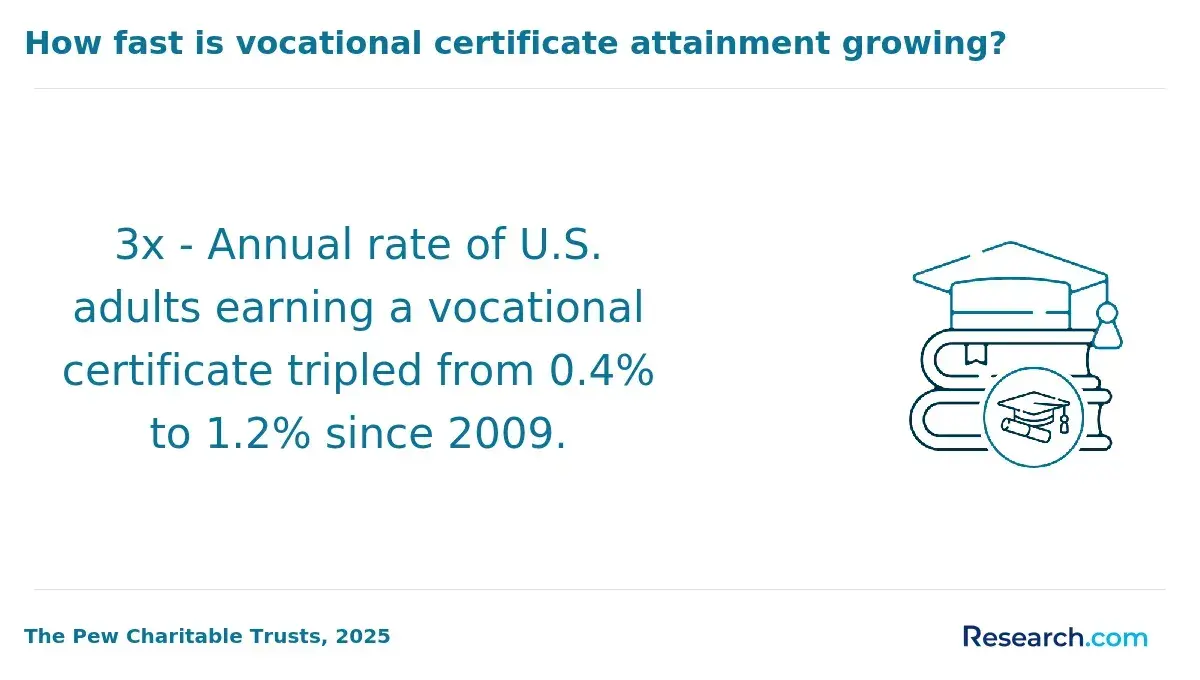
Variations in the cost of earning an applied business & technology degree reflect complex state-level factors that directly influence student decisions about where and how to pursue their education. For instance, students in states with a predominance of public community colleges offering these programs often encounter substantially lower tuition rates-averaging around $2,500 annually-compared to states where private career colleges dominate, where costs can exceed $15,000 per year. This discrepancy forces many budget-conscious learners to weigh the tradeoffs between affordable local options and more expensive institutions that might offer specialized or accelerated tracks not available nearby.
In addition to tuition, residency policies create further financial stratification by charging out-of-state students two to three times more than residents, which can add thousands to the yearly cost and complicate plans for those considering relocation or online alternatives. Regional cost-of-living differences also mean that total expenses vary widely; states with higher living costs like California and New York amplify overall financial commitments beyond base tuition. Meanwhile, targeted state grants and scholarship programs linked to applied business & technology pathways can mitigate these expenses, though availability is inconsistent across states, making early financial planning and local aid research essential for minimizing debt burdens.
The interplay of these factors shapes enrollment patterns and long-term degree planning, particularly for students balancing workforce entry against educational investment. Those unable to access affordable in-state public offerings may rely on online programs or face heavier borrowing burdens, potentially delaying post-graduation economic stability. Understanding how state public-private mixes, residency price gaps, living costs, and financial aid environments impact total degree costs enables more strategic decision-making rather than reliance on generic tuition figures, ensuring choices align with both career goals and financial realities.
Why Does Applied Business & Technology Affordability Vary So Much Between States?
State funding disparities remain the primary factor underpinning applied business & technology tuition differences by state, with institutions in states like Wyoming and New Mexico able to keep resident rates notably low due to higher public appropriations per student. However, this financial support interacts with regional cost of living, where states with elevated expenses such as California impose greater overall educational costs regardless of tuition parity, influencing student budget planning and decisions between in-state versus out-of-state or online enrollment options.
Additionally, the availability and scale of state-sponsored financial aid and resident tuition subsidies further stratify affordability, as reflected in 2024 IPEDS data showing states with robust grant programs achieve significantly reduced net prices for applied business & technology programs.
The mix of public and private institutions in a state also affects access and cost dynamics; regions with fewer public colleges often push students toward more expensive private providers, altering enrollment patterns and increasing reliance on private financing or out-of-state alternatives. Demand-driven pricing factors into this variability too, with high regional interest in applied business & technology programs sometimes inflating prices beyond baseline state funding influences.
For students weighing long-term educational investment, these factors highlight the importance of evaluating programs not just by sticker tuition but by considering funding policies, local economic conditions, and institutional landscapes that directly shape the true cost of degree completion and career readiness. Budget-conscious learners might also explore flexible paths such as online options or transfer strategies, sometimes referenced alongside degrees like the MLIS degree, to optimize affordability and outcomes.
How Do In-State and Out-of-State Tuition Rates Affect Applied Business & Technology Affordability?
The disparity between in-state and out-of-state tuition heavily shapes the financial calculus for students pursuing an Applied Business & Technology degree, often exceeding a twofold increase for nonresidents at public institutions, according to the 2024 Integrated Postsecondary Education Data System. This cost gap frequently drives students to prioritize residency status or consider relocation to access significantly lower in-state rates, which can mean saving thousands annually.
Yet, relying on residency classification is not always straightforward; regional reciprocity agreements may ease out-of-state fees in some areas, and online program options often bypass residency distinctions altogether, offering more predictable costs regardless of geography. These nuances directly affect whether students choose local public colleges, more expensive private colleges with flat tuition, or online alternatives when balancing upfront costs against long-term debt and program quality.
State-specific financial aid often amplifies these tuition divides, making out-of-state enrollment less financially viable for many, especially those unable to secure residency reclassification or regional discounts. Hence, the choice of institution is entangled not just with sticker price but with eligibility for grants, scholarships, and the broader funding ecosystem, which impacts total affordability beyond tuition alone.
Students who weigh these factors carefully can avoid excessive debt burdens while optimizing career outcomes linked to practical applied business & technology skills. This interplay informs critical enrollment strategies, requiring close attention to both official residency policies and flexible learning formats across state lines.
One recent graduate described her dilemma after moving from a neighboring state to attend a reputed applied business & technology public college. Despite proximity, out-of-state fees were nearly triple, disrupting her carefully planned budget. She hesitated to commit, weighing whether the program's reputation justified the extra cost or if pursuing an online degree would better fit her financial reality. Navigating limited residency options and sparse clarity on tuition classification extended her enrollment decision over several anxious months, illustrating how tuition policies and residency rules tangibly influence student choices and affordability perceptions in this field.
How Does the Cost of Living Impact Overall Applied Business & Technology Affordability by State?
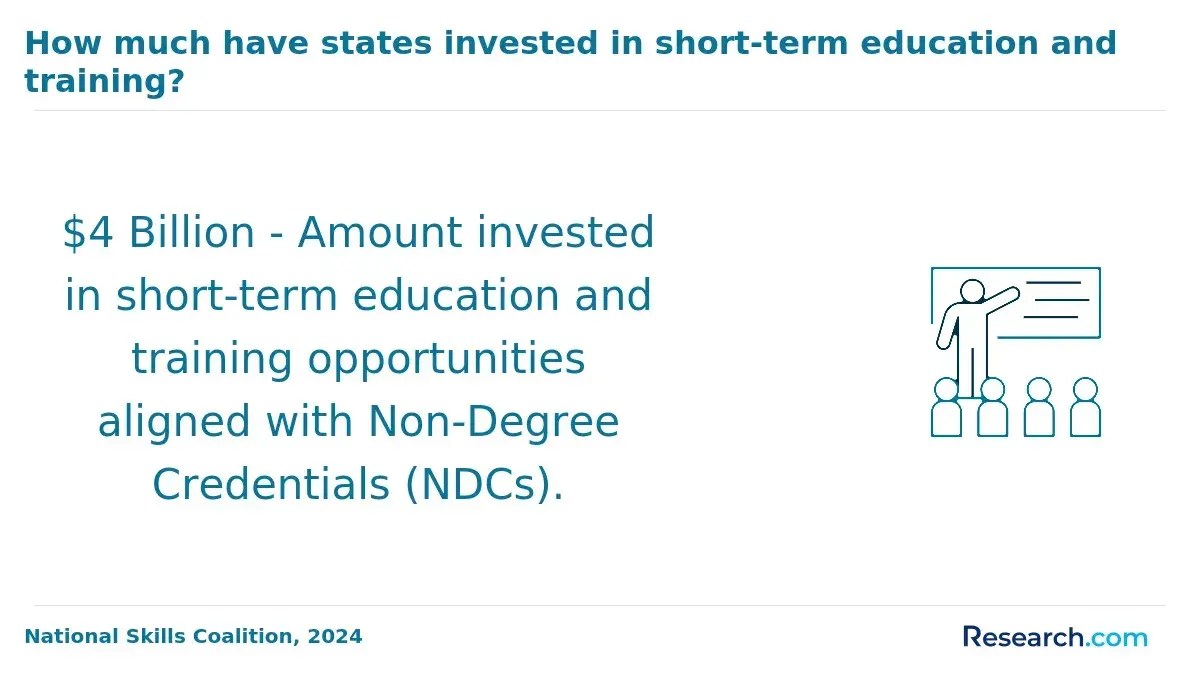
Housing costs frequently create the largest disparity in the real-world expenses of pursuing an applied business & technology degree, often outweighing tuition differences between states. For instance, students in California or New York can face living expenses up to 40% higher in renter costs compared to the national average, dramatically increasing overall budgets. Such cost-of-living effect on applied business & technology degree affordability by state compels many to consider whether attending in high-rent areas justifies the potential wage premium or if more affordable states offer better net returns, especially when factoring in additional expenses like transportation and healthcare.
Transportation and food costs also contribute materially to the regional living expense influence on applied business & technology education costs. Students reliant on personal vehicles in suburban or rural states encounter ongoing fuel, maintenance, and insurance costs that can erode limited budgets, while those in dense urban centers may spare those expenses but pay premium prices for housing and utilities. These tradeoffs affect enrollment strategies, with some opting for online or hybrid programs from lower-cost states to reduce living expenses and debt exposure, aligning with options like the cheapest online human resources degree to supplement career flexibility.
Which States Offer the Best Value for a Applied Business & Technology Degree?
Evaluating the financial value of an applied business & technology degree requires more than comparing tuition rates alone; in-state tuition policies, completion rates, and local labor markets critically affect long-term outcomes. For example, in states like Iowa or Indiana, students benefit not only from lower tuition-around $4,500 annually at public two-year colleges-but also from stronger graduation rates that shorten time-to-degree and reduce cumulative costs. Conversely, enrolling in states with higher sticker prices, such as California or New York, can strain budgets despite institutional prestige, as elevated living expenses and competitive job markets may undermine the affordability and return on investment for budget-conscious learners.
Financial aid availability and workforce demand further shape the effective value of programs across states. Texas illustrates this tradeoff, where generous aid programs and industry growth in technology-related business fields increase employment prospects for graduates, balancing relatively higher tuition costs with potential salary gains. Meanwhile, students must consider residency qualifications to access favorable tuition rates or weigh online options to manage expenses while remaining in-state. Hence, the cheapest option is not always the most practical; states offering moderate tuition paired with stable job markets and above-average completion rates often provide a more viable pathway for applied business & technology students focused on minimizing debt and accelerating workforce entry.
What Financial Aid and Scholarship Opportunities Can Reduce Applied Business & Technology Costs?
Federal and state financial aid programs significantly shape the affordability landscape for applied business & technology degrees, yet their impact varies widely depending on eligibility criteria and geographic location. Approximately 85% of students pursuing technical and business-related fields receive financial assistance, predominantly through need-based federal grants like the Pell Grant.
However, the income thresholds and enrollment status requirements of such grants often create unintended barriers, especially for part-time students balancing work and study, which is a common scenario in applied fields. Choosing between full-time enrollment to maximize aid and part-time attendance to maintain income is a crucial tradeoff that influences both cost and time to completion.
State-sponsored grants and tuition reciprocity agreements can considerably reduce tuition costs, particularly in border regions where reciprocity policies allow access to in-state rates across state lines. For example, Midwest states often have more expansive reciprocity, offering cost relief to students near state borders. Institutional scholarships, primarily merit-based, vary substantially across community colleges and regional universities and require careful timing in application to secure renewal eligibility. Employer-sponsored tuition assistance further shapes affordability but depends on industry and employer size, making it less reliable for workers in smaller firms.
Strategic assessment of these layered aid sources—factoring in residency rules, aid stacking policies, and renewal conditions—is essential for controlling debt and optimizing long-term career returns in applied business & technology education.
Are Online Applied Business & Technology Degree Programs More Affordable Than On-Campus Options?
Online applied business and technology degree affordability in the US depends heavily on nuanced factors beyond headline tuition rates. While average in-state tuition for fully online students can be 15-25% lower than on-campus fees at public four-year institutions, this advantage varies significantly by state due to residency rules and differential tuition policies.
For example, a student in a high-cost urban area may find online study more cost-effective by avoiding room, board, and daily commuting expenses, but must still budget for technology needs and potentially higher out-of-pocket costs due to lower institutional scholarship availability for online learners. These tradeoffs illustrate how location, enrollment status, and program structure critically shape total affordability.
Cost comparison of online versus on-campus applied business and technology programs by state also highlights the impact of financial aid patterns and campus fees. Federal aid eligibility remains consistent regardless of delivery mode, yet institutional scholarships often favor on-campus students, potentially increasing the real cost gap online learners face.
Additionally, states with strict residency requirements may restrict access to in-state rates for online students, negating some tuition savings. Students must also consider employer preferences; in certain industries, on-campus experience may hold greater weight, influencing long-term return on investment despite higher upfront costs. Prospective students balancing work and study will need to weigh these practical considerations carefully.
Budget-conscious learners and families evaluating pathways to degrees in applied business and technology can benefit from exploring resources like clinical mental health counseling programs and other related offerings. Such aids can provide insight into cost-effective options that align with personal circumstances and career goals.
Ultimately, decisions about online versus on-campus enrollment must integrate detailed financial analysis with realistic expectations about employability and market acceptance of online credentials.
Is a Applied Business & Technology Degree Worth the Cost Based on Career Outcomes and ROI?
The financial viability of an applied business & technology degree depends largely on where a student studies and their individual circumstances, shaping career outcomes and decisions. For example, states with significantly lower tuition rates can reduce student debt burdens, improving overall return on investment, while graduates from higher-cost states face longer loan repayment timelines, impacting financial flexibility. Evaluating ROI for applied business & technology graduates in the United States requires considering not only tuition but also graduation rates, opportunity costs of extended study, and local employment demand, which differ markedly by region.
Employment prospects remain strong in this field due to growing industry needs, particularly in areas combining business acumen with technology skills, but the financial payoff is not uniform. Students considering advanced education pathways such as an online PhD data science may weigh these factors differently, given the different timelines and costs involved. Ultimately, assessing the value of an applied business & technology degree involves balancing upfront expenses, geographic mobility constraints, and alignment with long-term career goals, with an understanding that state and institutional variations strongly affect the net financial and professional outcomes.
Comparing applied business & technology degree career outcomes in the United States means recognizing that a lower sticker price does not always translate to higher ROI if program quality and graduation rates lag. Data from 2024 show wage starting points ranging from $35,000 to over $55,000 by state, highlighting the importance of regional economic context. Students must carefully evaluate how debt levels, local job markets, and expected earnings growth converge before committing, as these factors collectively determine the true cost-benefit equation of their educational investment.
References
- Scholarships and Financial Aid - Asian Institute of Management https://aim.edu/scholarships-and-financial-aid/
- How Tomorrow University Learners Funded Their Studies | Tomorrow University https://www.tomorrow.university/blog/financing-options-for-prospective-degree-learners
- A Tale of Two Business Decisions - Mass Opportunity Alliance https://massopportunity.org/content/blog/a-tale-of-two-business-decisions/
- State Affordability Policies Fuel Migration to Free-Market States: Jonathan Williams on American Radio Journal - American Legislative Exchange Council https://alec.org/article/state-affordability-policies-fuel-migration-to-free-market-states-jonathan-williams-on-american-radio-journal/
- Cheapest Online IT Degree Programs: Top Low-Cost and Tuition-Free Options | University of the People | https://www.uopeople.edu/blog/online-schools-for-cheap-it-degree-programs/
- The Effects of Rising Student Costs in Higher Education - Ithaka S+R https://sr.ithaka.org/publications/the-effects-of-rising-student-costs-in-higher-education/
- States of Affordability: A series on where and why US households struggle to make ends meet | Brookings https://www.brookings.edu/articles/states-of-affordability-a-series-on-where-and-why-us-households-struggle-to-make-ends-meet/
- Palm Beach State College: Business Career Pathway https://www.palmbeachstate.edu/career-pathways/pathway-business/default.aspx
- 2025 Most Affordable Online Colleges & Degrees https://www.onlineu.com/most-affordable-colleges
- Many devices to help people who need it https://www.mbs-education.com/international/mbs-en/diversity-and-equal-opportunities/financing-your-studies/
Other Things You Should Know About Applied Business & Technology
Some states have more affordable tuition but longer program durations or require additional certifications that extend total time and costs. Choosing the lowest sticker price alone can backfire if students end up paying more in living expenses or lost earnings during extended study. Prioritizing states with balanced affordability and efficient, employer-recognized program structures often leads to faster workforce entry and better overall financial outcomes.
Absolutely. Even if tuition is low, states with weak demand for applied business & technology skills may offer fewer internships, networking opportunities, and jobs, reducing return on investment. Students should consider how state-specific employer needs match their specialization and whether affordable education aligns with strong local hiring for smoother career transitions.
Lower-cost programs frequently have fewer specialization tracks or less access to cutting-edge technology and real-world projects that employers increasingly seek. While affordable programs can meet basic credential needs, students aiming for competitive roles or leadership should assess if cost savings compromise exposure to advanced curriculum elements critical for their career goals.
For students constrained by budget, prioritizing in-state affordability is usually essential to minimize debt and financial strain. However, if a student plans to relocate post-graduation or target industries concentrated in other states, investing in a program recognized nationally-even at higher cost-may improve hiring prospects. Balancing immediate cost savings against long-term geographic career flexibility is crucial for informed decision-making.